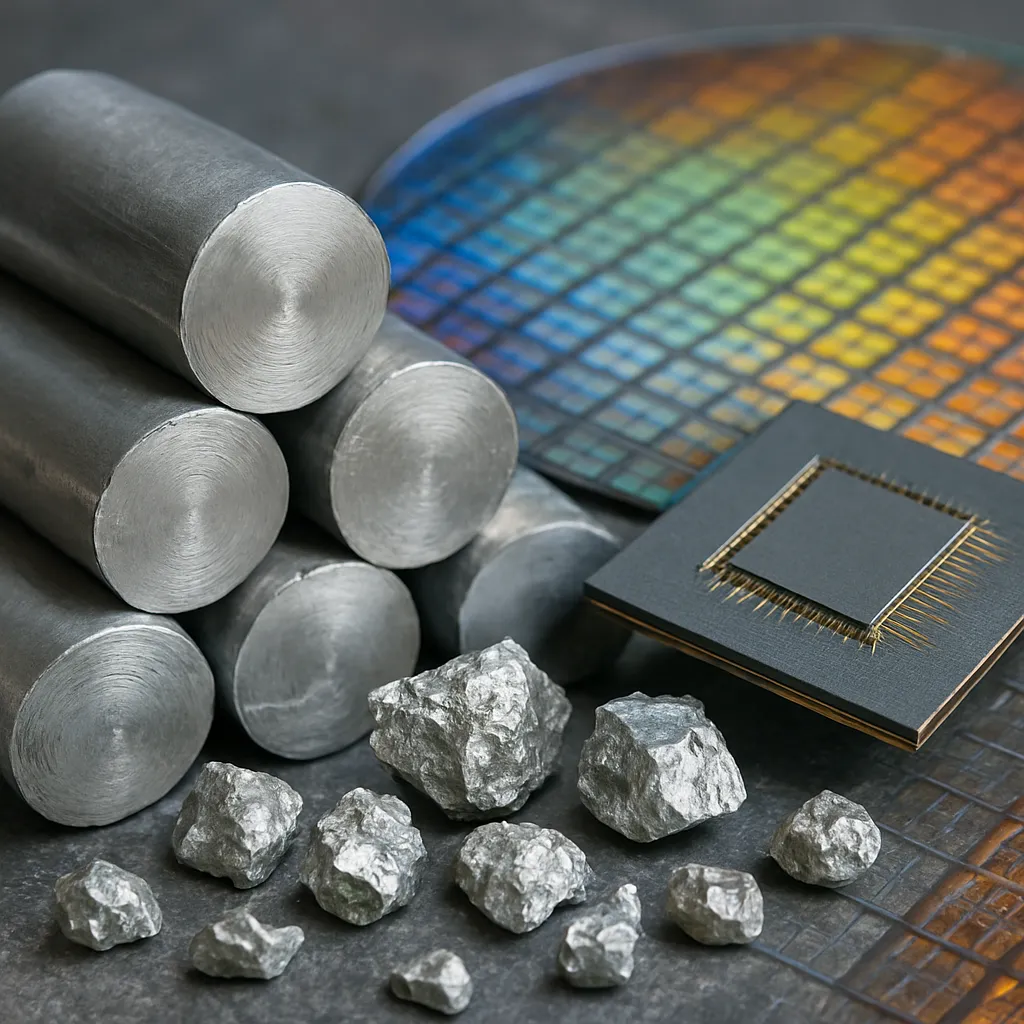
The global appetite for electronic devices, electric vehicles, and renewable energy infrastructure has thrust rare metals into the spotlight. From the cobalt deep in Congolese mines to the lithium-rich brines of South America, these materials underpin the modern push for a greener economy. Yet beyond the gleaming promise of clean technology lie a host of intertwined challenges—environmental degradation, social upheaval, and geopolitical maneuvering—that demand careful scrutiny. This article delves into the multifaceted world of rare metal dependency and uncovers the hidden costs shaping our collective future.
Mining Landscapes and Environmental Toll
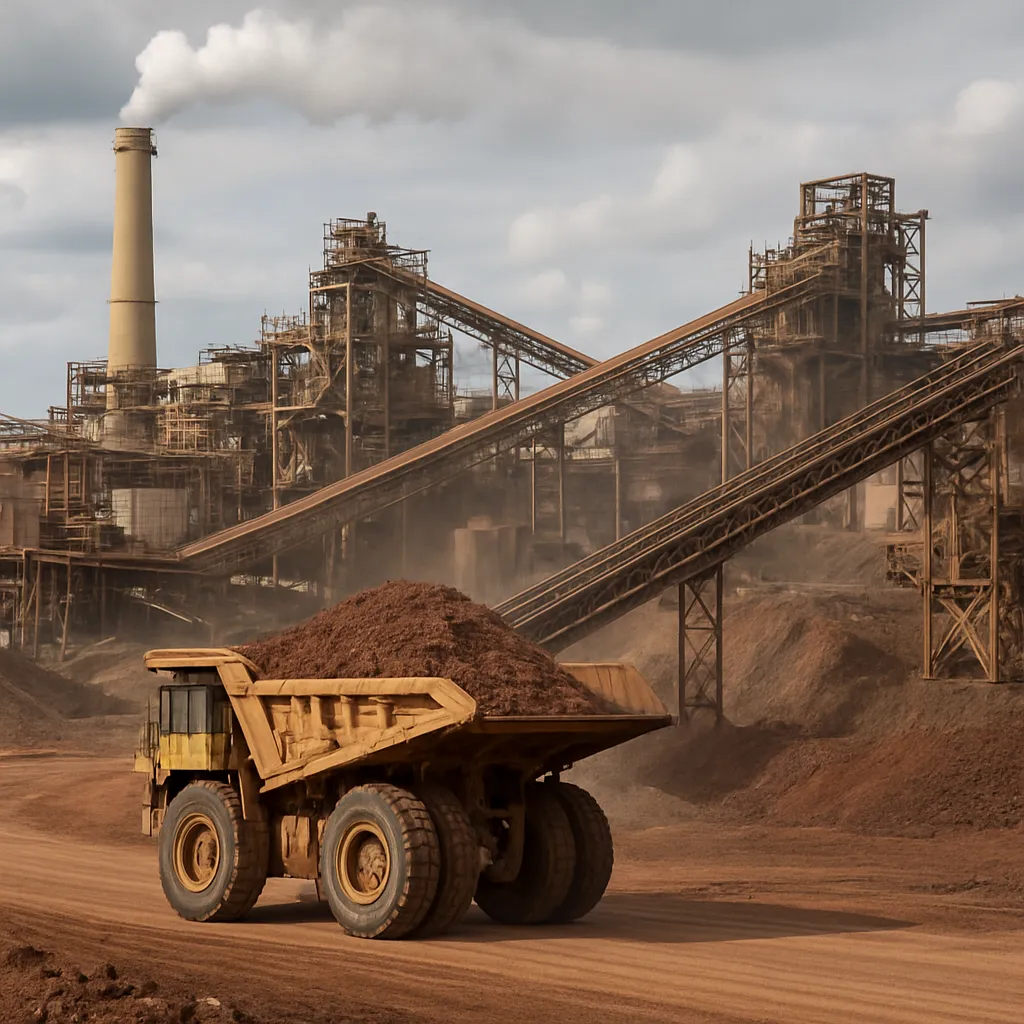
Large-scale extraction of rare metals often occurs in ecologically delicate regions, leaving an indelible mark on landscapes and ecosystems. Traditional open-pit mining and subterranean operations disrupt the soil structure, alter hydrological cycles, and introduce harmful contaminants.
- Deforestation: In pursuit of vein deposits, vast swaths of forest cover are cleared, reducing biodiversity and accelerating carbon emissions from displaced vegetation.
- Water Pollution: Tailings ponds, which store mine effluents, can leak heavy metals into rivers and aquifers. Elevated concentrations of arsenic, lead, and mercury compromise water quality for downstream communities.
- Soil Erosion: Blasting and removal of overburden weaken soil integrity, triggering landslides and sediment runoff during rainy seasons.
Even after ore bodies are exhausted, the scars remain. Abandoned sites can leach residual chemicals for decades, perpetuating damage long after revenue streams dry up. Remediation efforts are costly and technically challenging, often postponed or underfunded in regions with limited regulatory capacity.
Geopolitical Tensions and Supply Chains
The strategic importance of critical minerals has elevated them to the forefront of international policy. Nations jockey for control over resource-rich territories, forging alliances and rivalries that echo Cold War dynamics. Ensuring a reliable supply of metals like cobalt, nickel, and rare earth elements has become a matter of national security.
Concentration of Production
- Over 70% of refined rare earth elements originate from a single country, making global markets vulnerable to export restrictions or price manipulation.
- Political instability in key mining regions can interrupt supply chains, as seen when artisanal mining in the Democratic Republic of Congo faces militia interference.
Multinational corporations often sign long-term contracts to secure access, but such deals can sideline smaller producers and limit market competition. At the same time, trade disputes and tariffs may prompt stockpiling of essential metals, introducing volatility in pricing and availability.
Economic Impacts on Local Communities
Mining towns frequently rise and fall with global commodity cycles. While booms bring temporary prosperity, they also usher in social challenges that outlast economic gains. Local populations bear the brunt of these fluctuations, contending with inequitable benefit distribution and cultural upheaval.
- Displacement: Communities are relocated to make way for large-scale mines, disrupting ancestral land rights and traditional livelihoods.
- Health Risks: Exposure to dust and metal-laden water sources increases respiratory illnesses, heavy metal poisoning, and other chronic conditions.
- Economic Dependency: Overreliance on mining wages stifles diversification. When prices slump, unemployment surges and local commerce collapses.
Efforts to improve conditions vary. Some companies invest in schools, clinics, and infrastructure, while others skirt responsibility, leaving governments to manage crises. Inadequate oversight often results in underpaid labor, rights violations, and unregulated artisanal operations that endanger workers.
Advances in Recycling and the Circular Economy
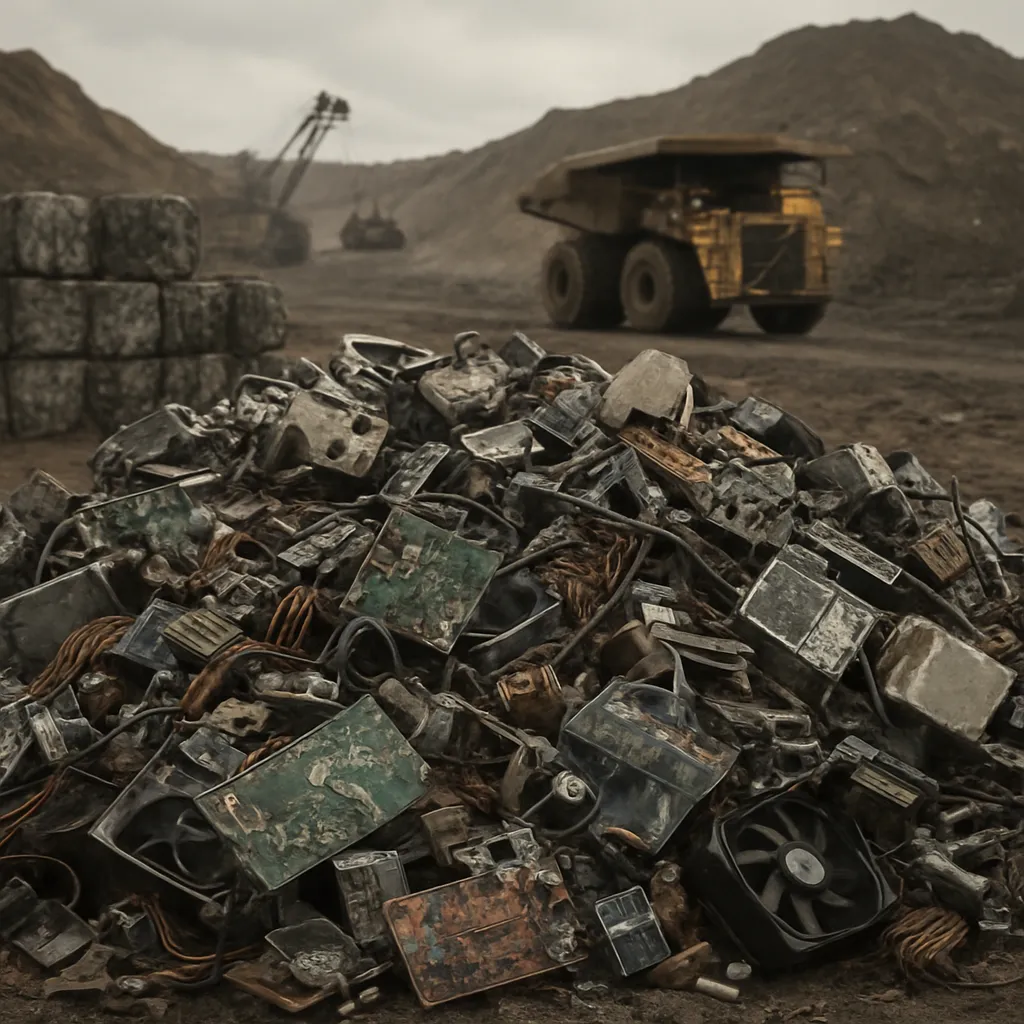
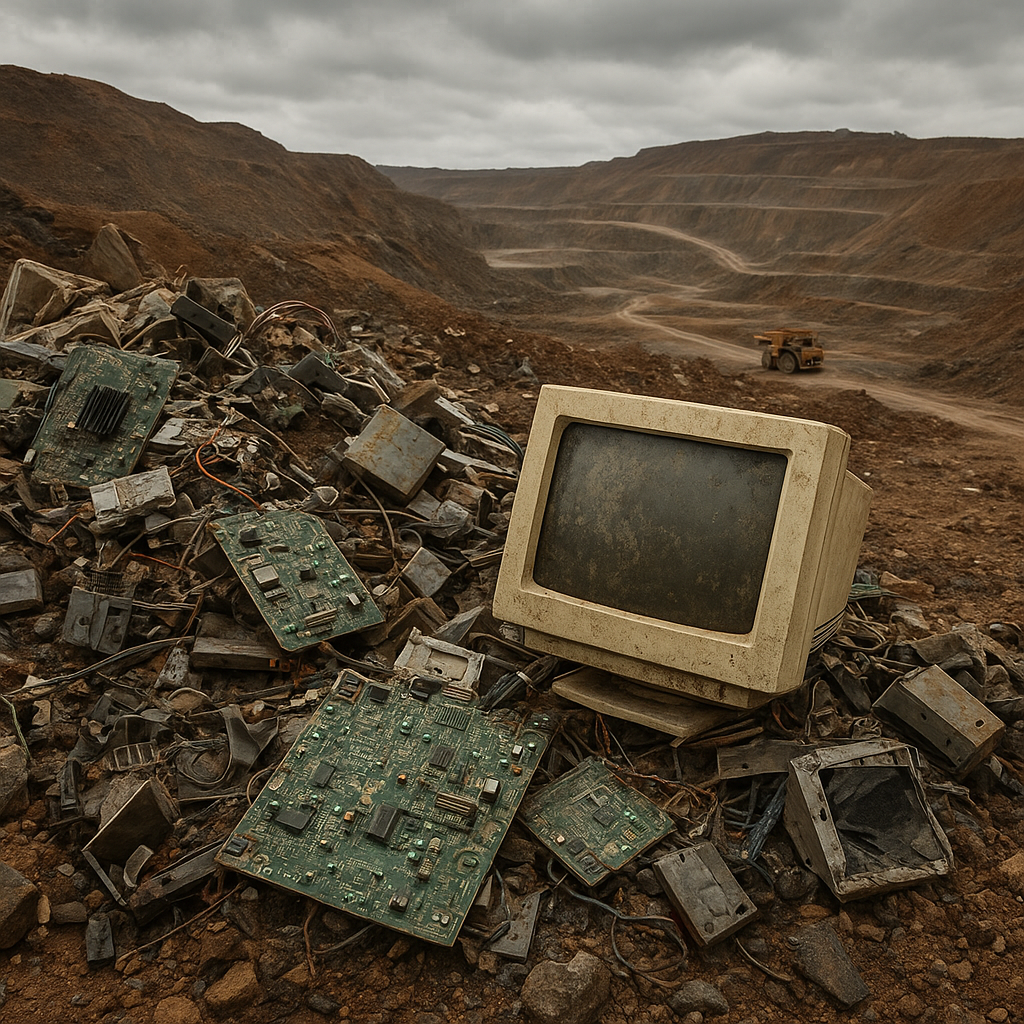
Given the environmental and social costs of primary extraction, attention has turned to sustainability through recycling and material recovery. Urban mines—landfills and scrap yards—harbor valuable metals locked inside discarded electronics and batteries. Unlocking these resources can alleviate pressure on virgin deposits.
- Battery Recycling: Technological innovations enable hydrometallurgical and pyrometallurgical processes to retrieve lithium, cobalt, and nickel with higher yields and lower emissions.
- Electronic Scrap Processing: Automated sorting and chemical leaching recover precious metals like gold and palladium, reducing the need for new mining.
- Design for Disassembly: Manufacturers are exploring modular product architectures that simplify end-of-life recovery and reduce material complexity.
Regulatory frameworks in regions such as the European Union mandate strict recycling targets and extended producer responsibility. Meanwhile, public-private partnerships fund research into alternative materials that could one day reduce dependency on the most problematic elements.
Technological Innovations and Future Prospects
Pioneering research is underway to develop substitutes for the rarest elements. For instance, iron- and manganese-based compounds show promise as alternatives to certain rare-earth magnets, while organic electronics may one day reduce reliance on indium and gallium.
- Green Mining Techniques: Bioleaching uses microorganisms to extract metals with minimal chemical additives and lower energy consumption.
- Artificial Intelligence: AI-driven exploration improves the efficiency of prospecting, potentially revealing economically viable deposits with reduced environmental impact.
- Distributed Ledger Technologies: Blockchain can enhance supply-chain transparency, verifying ethical sourcing and minimizing illicit trade.
However, scaling these solutions demands substantial investment and international cooperation. Bridging the gap between laboratory prototypes and commercial applications remains a major hurdle.
Socioeconomic and Ethical Considerations
Embedding ethical practices into the rare metal economy requires a holistic approach. Stakeholder engagement—from indigenous groups to global investors—must shape policies that balance resource demand with human rights and environmental stewardship.
- Implementing robust certification schemes to distinguish responsibly sourced materials.
- Fostering community-led monitoring to hold corporations and governments accountable.
- Promoting equitable benefit-sharing models to ensure local populations reap sustainable gains.
Ultimately, forging a truly responsible rare metals sector hinges on transparency and systemic reform. Only through collaborative action can we reconcile the imperatives of technological progress with the protection of people and planet.