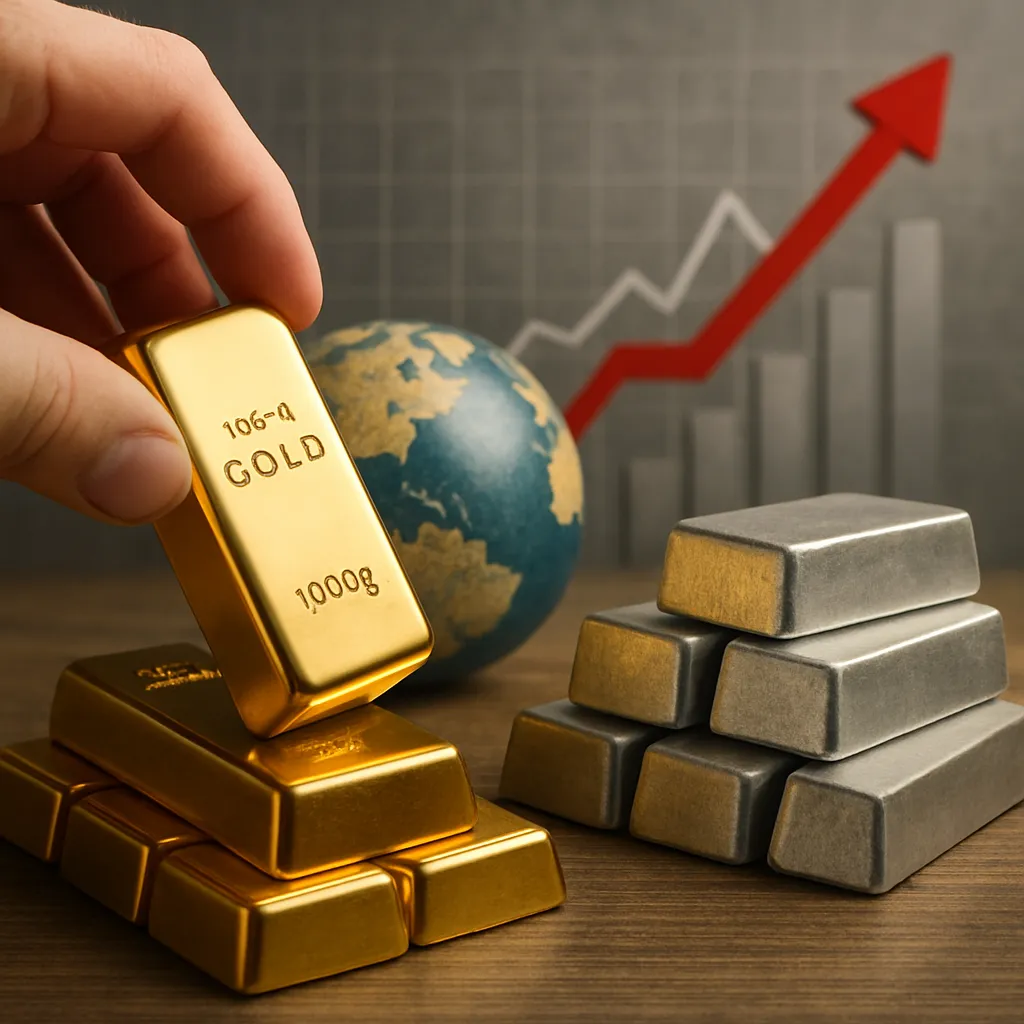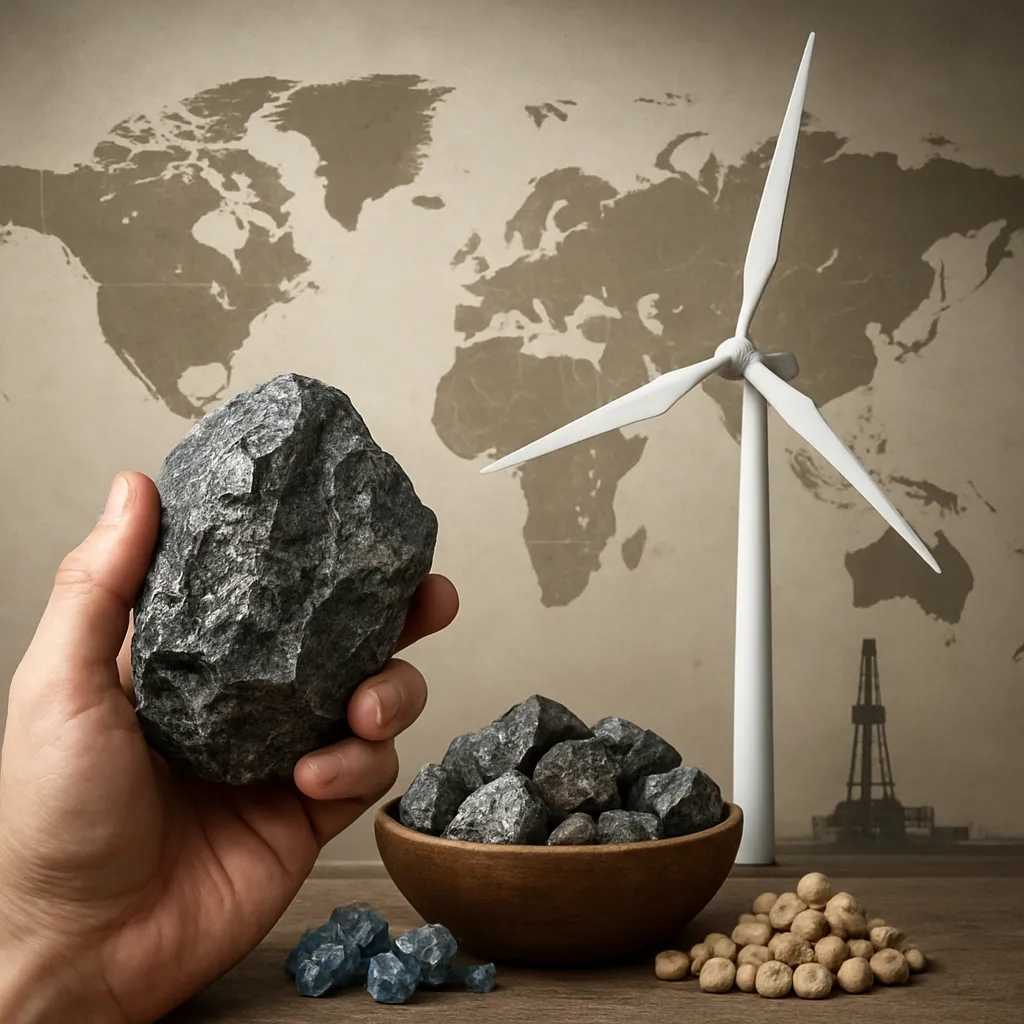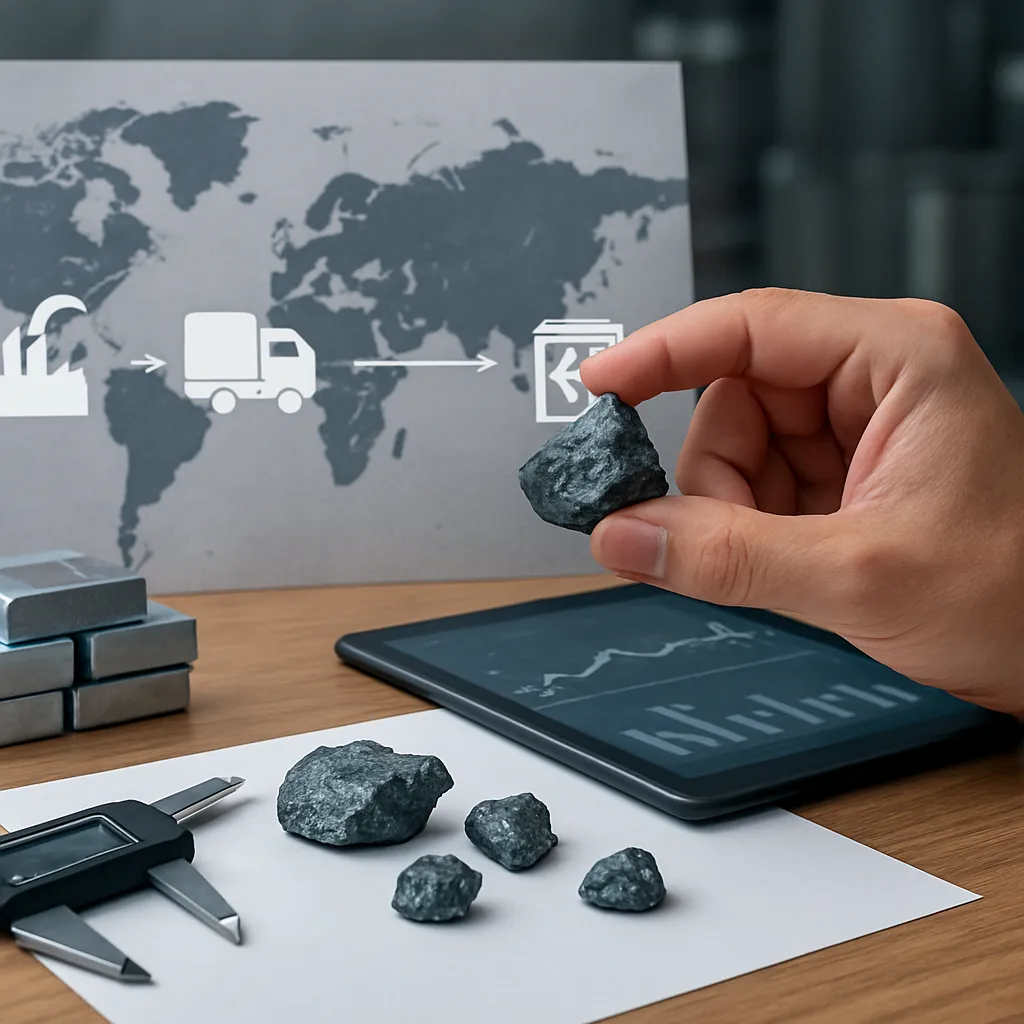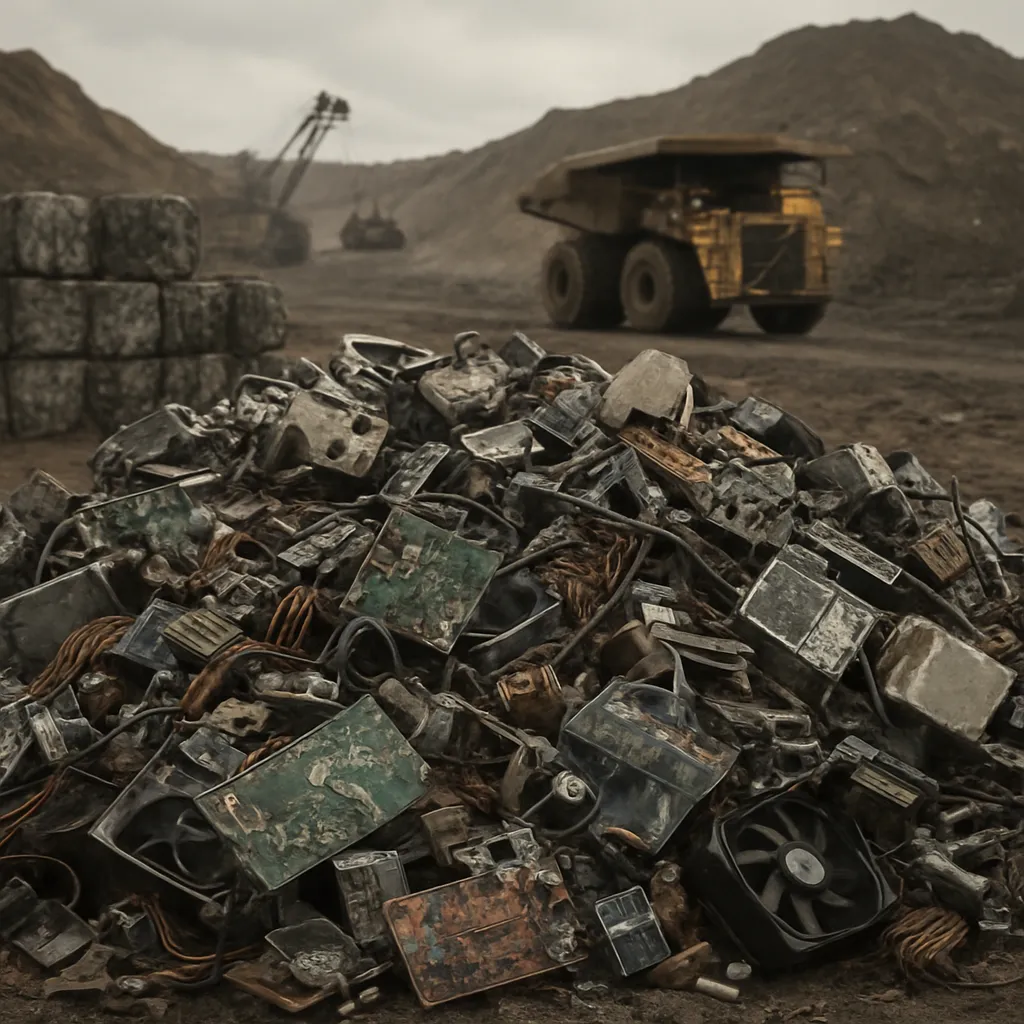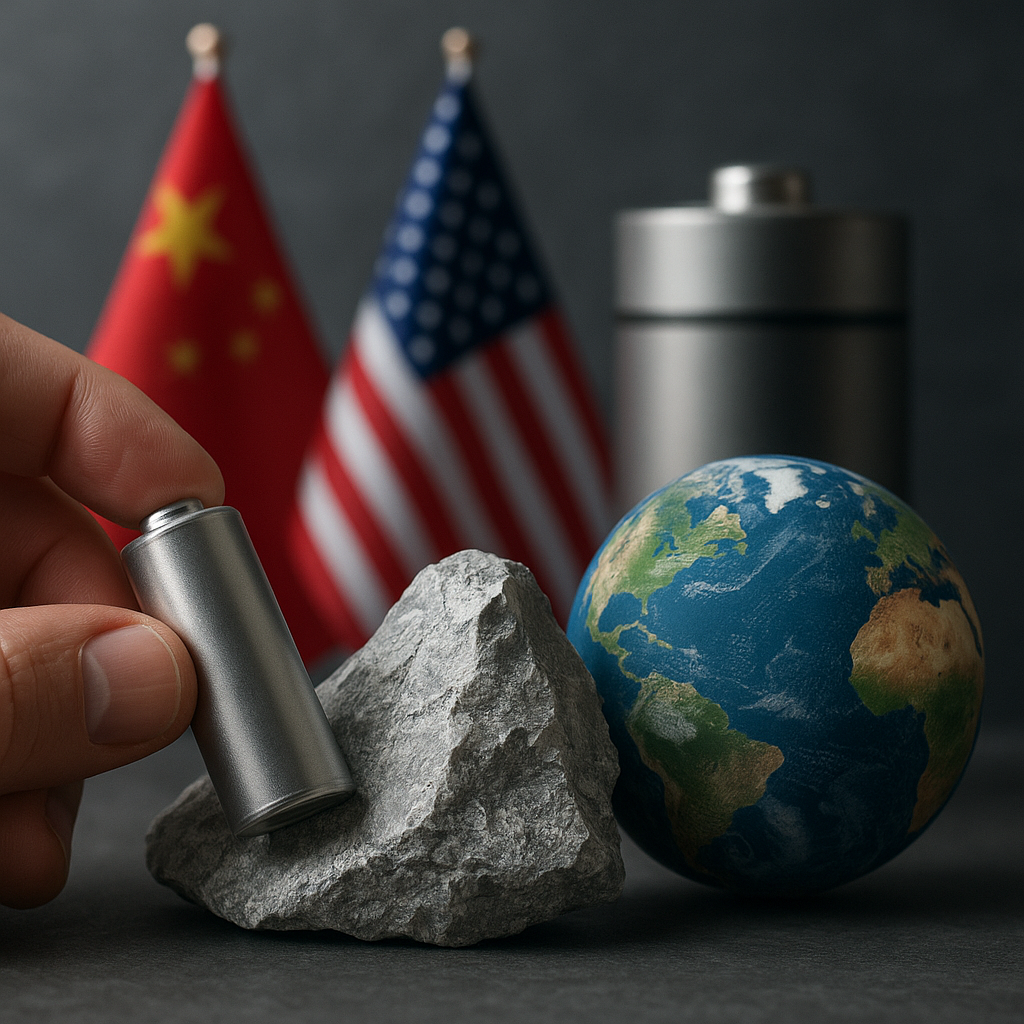
The global demand for lithium and other rare metals has surged as nations race to secure critical resources for electric vehicles, renewable energy systems, and advanced electronics. This competition extends beyond mere trade; it shapes strategic alliances, technological breakthroughs, and environmental policies. Against this backdrop, stakeholders from mining conglomerates to national governments are reconfiguring their supply chains to gain a competitive edge in the emerging energy landscape.
Strategic Importance of Rare Metals
Rare metals such as cobalt, nickel, and graphite play pivotal roles in modern technology. While lithium often captures headlines due to its significance in lithium-ion batteries, other elements collectively determine the performance, safety, and cost of energy storage solutions.
Critical Applications
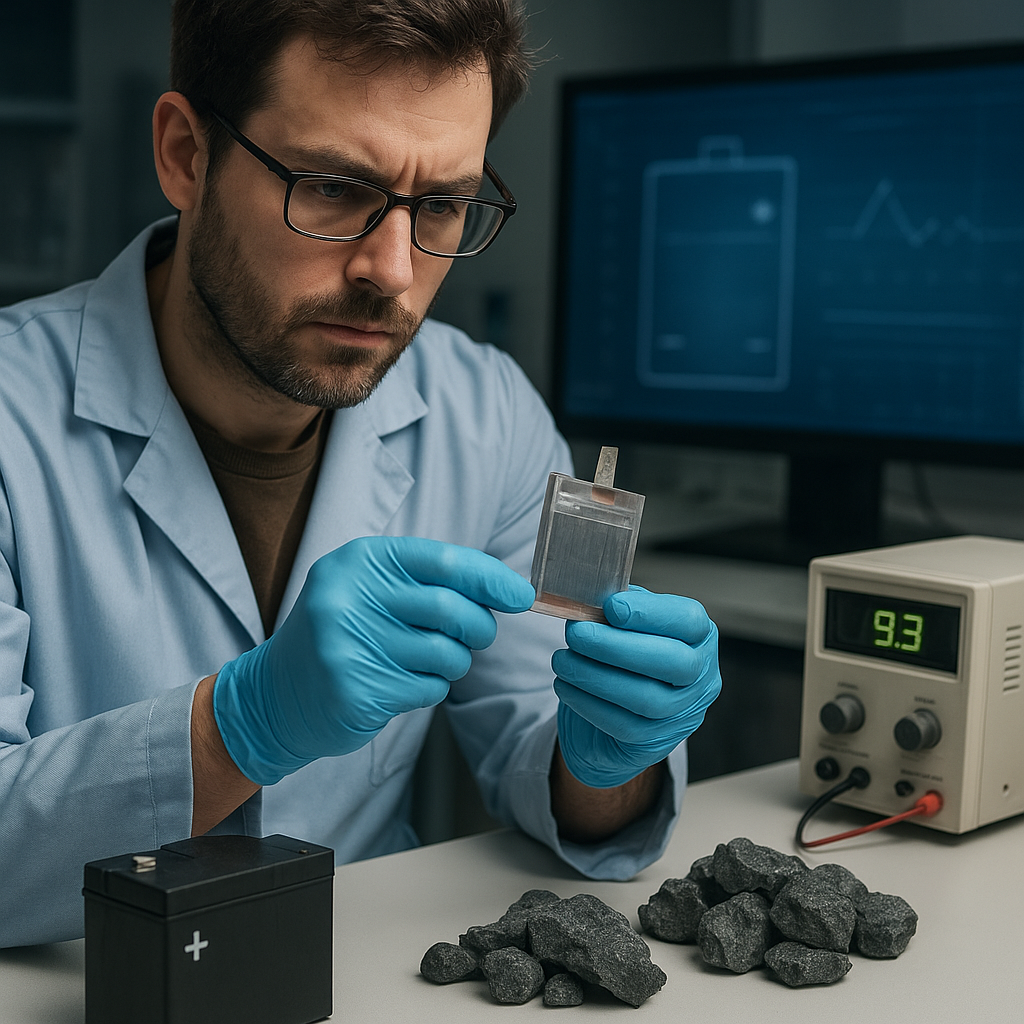
- Battery Production: Lithium, cobalt, nickel, and manganese form high-density cathodes essential for electric vehicles.
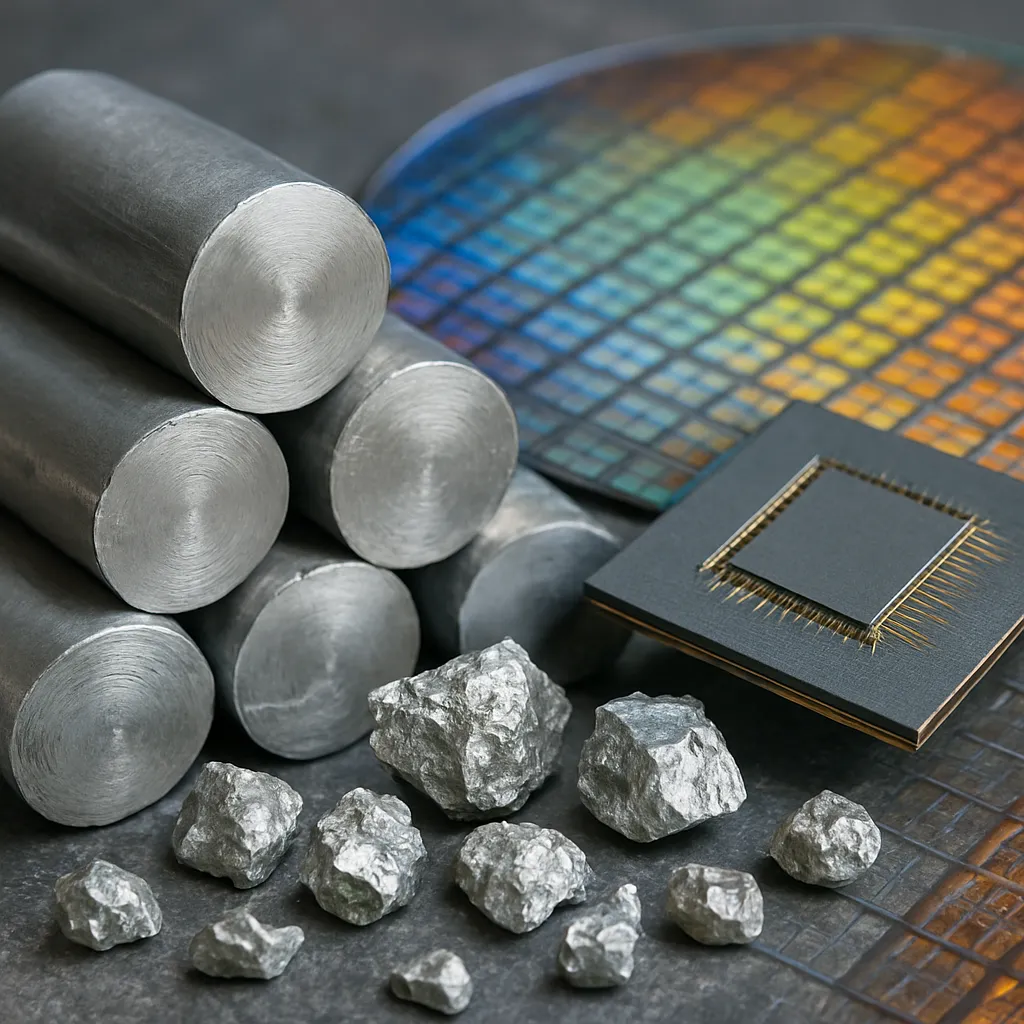
- Electronics: Rare earth elements like neodymium and dysprosium power permanent magnets in hard drives and wind turbines.
- Aerospace and Defense: Titanium and tungsten deliver strength-to-weight advantages in aircraft and military hardware.
Securing reliable access to these resources is no longer a question of market economics alone; it has become a matter of geopolitics and national security. Countries with abundant reserves find themselves courted by foreign investors, while importers explore domestic recycling and alternative materials to reduce dependency.
Geopolitical Rivalries and Supply Chain Dynamics
China currently dominates several stages of the rare metal value chain, from refining to battery manufacturing. This concentration has prompted other major economies to pursue diversified sourcing strategies and invest in local production.
Major Players
- People’s Republic of China: Controls over 60% of global lithium processing and the majority of rare earth mining capacity.
- United States: Accelerating formal partnerships with Australia, Canada, and Western African nations to secure raw material feedstocks.
- European Union: Launching joint ventures in North Africa and Latin America to build a resilient supply chain for electric mobility.
- Australia and Chile: Leading lithium exporters that are scaling up extraction while balancing environmental and indigenous rights concerns.
Public-private initiatives, such as the US’s Recycling Act and the EU’s Critical Raw Materials Alliance, aim to foster innovation in material recovery and reduce reliance on imported minerals. At the same time, emerging economies rich in untapped reserves—like Bolivia’s lithium-rich salt flats—face intense diplomatic engagement, with Beijing, Washington, and Brussels all seeking footholds.
Challenges and Innovations in Extraction and Processing
Intensive mining and processing can strain ecosystems and local communities. As extraction methods evolve, stakeholders emphasize sustainability and social responsibility alongside economic growth.
Environmental and Social Impacts
Traditional hard-rock and brine extraction techniques often require vast water resources and generate harmful waste. Indigenous populations near mining sites may experience land degradation and water contamination, sparking protests and legal battles. Governments and companies now invest in:
- Dry extraction technologies that significantly reduce water usage.
- Zero-waste processing plants aiming to capture chemical byproducts for secondary markets.
- Community engagement programs to ensure fair compensation and local job creation.
Technological Breakthroughs
To mitigate supply risks, researchers pursue innovation in alternative chemistries and circular economy models:
- Silicon-based anodes and solid-state electrolytes that reduce the need for high-purity lithium.
- Direct lithium extraction (DLE) from geothermal brines, delivering faster cycle times and lower ecological footprints.
- Advanced recycling systems capable of reclaiming lithium, cobalt, nickel, and copper from spent batteries with over 95% efficiency.
By combining next-generation extraction with robust recycling, the industry seeks to establish closed-loop supply chains that cushion against price volatility and resource shortages. Cross-border research consortia and technology transfer agreements play crucial roles in disseminating best practices.
Future Outlook and Strategic Imperatives
Long-term stability of the rare metals market hinges on balanced approaches that reconcile extraction capacity, environmental stewardship, and geopolitical alignment. Governments and corporations must consider:
- Investing in upstream exploration to diversify reserve portfolios.
- Accelerating domestic processing infrastructure to reduce reliance on external refiners.
- Strengthening international frameworks for responsible sourcing and conflict-free metals.
- Promoting research into low-footprint mining and next-generation battery chemistries.
Through concerted efforts spanning policy, technology, and diplomacy, stakeholders can transform the rare metals ecosystem into a resilient backbone for the global transition to clean energy and digitalization.