The accelerating shift towards a decarbonized economy is set to transform global industries, placing copper at the heart of an ambitious sustainability agenda. As one of the most versatile and conductive metals, copper plays a pivotal role in electrification, renewable energy deployment, and advanced manufacturing. In tandem with other rare metals such as lithium, cobalt, and nickel, copper’s trajectory will shape the resilience of supply chains, the pace of innovation, and the ecological footprint of future energy systems.
Synergy Between Copper and Global Rare Metals
In the context of a low-carbon transition, copper’s intrinsic properties—excellent electrical conductivity, corrosion resistance, and ductility—align with the demands of modern technologies. However, copper rarely acts alone. It forms critical alloys with metals like nickel and aluminum, and complements battery chemistries that rely on lithium, cobalt, and manganese. This interdependence illuminates the broader landscape of rare metals as strategic resources:
- Battery Storage: Lithium-ion and emerging sodium-ion batteries use copper foils as current collectors, while cathode materials often contain cobalt, nickel, or manganese.
- Electric Vehicles: High-voltage copper wiring coexists with permanent magnets made from neodymium and dysprosium, underscoring a cross-metal synergy in EV powertrains.
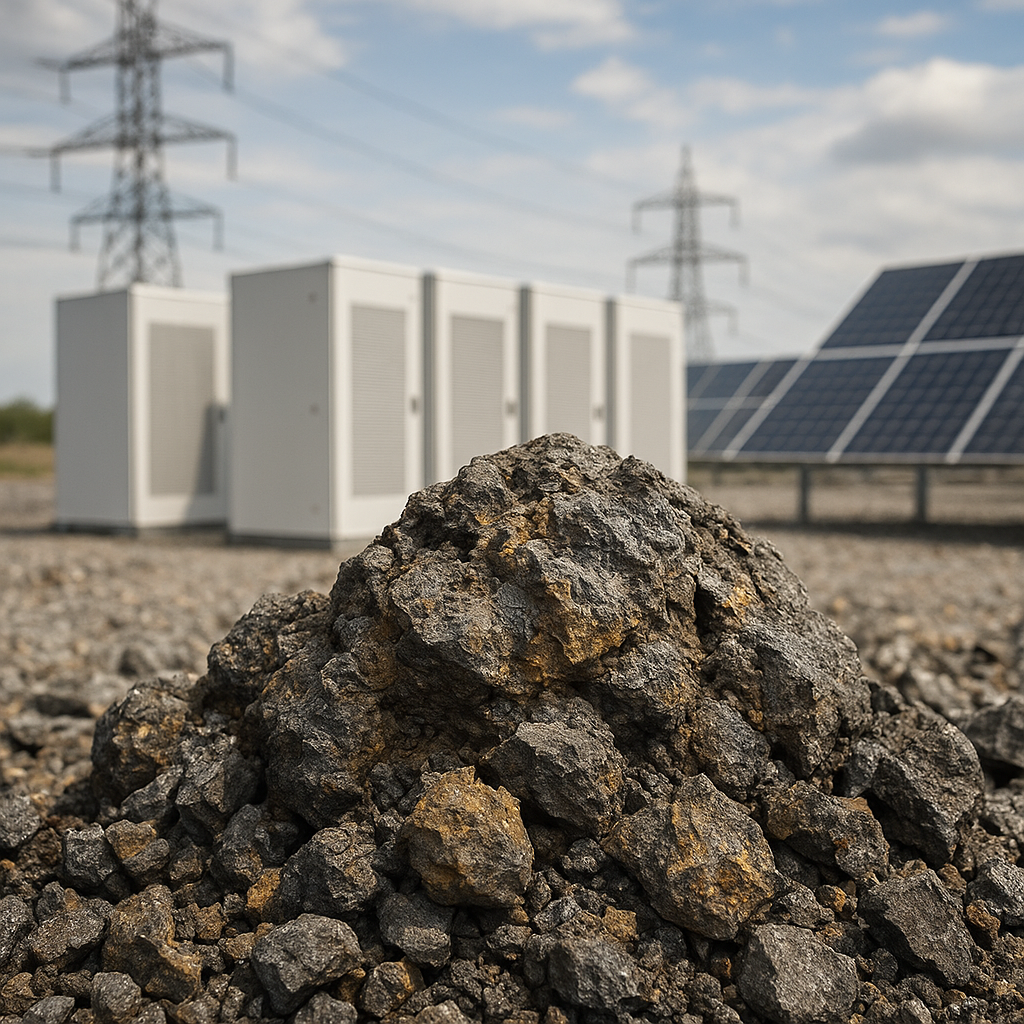
- Renewable Energy Infrastructure: Solar photovoltaic panels integrate copper for busbars and inverter connections, while wind turbines use copper in generator windings alongside rare earth permanent magnets.
Without a coordinated strategy to manage the supply and demand of these strategic metals, the electrification wave may face bottlenecks, price volatility, and environmental trade-offs.
Technological Innovations Driving Copper Demand
The global push for net-zero emissions has propelled several innovations that hinge on copper’s unmatched electrical and thermal properties. A few transformative trends include:
- Renewable Energy Generation: Advanced photovoltaic systems, concentrated solar power plants, and offshore wind farms all rely on copper for efficient energy capture and transmission.
- Grid Modernization: Smart grids, microgrids, and high-voltage direct current (HVDC) lines incorporate large quantities of copper conductors, ensuring stability and minimizing losses.
- Electric Mobility: The average electric vehicle uses three to four times more copper than an internal combustion engine vehicle, driven by battery packs, electric motors, and onboard charging systems.
- Energy Storage: Utility-scale battery installations and pumped hydro storage facilities depend on copper connections for power conversion and distribution equipment.
Electrification of Industry
Heavy industries such as steelmaking, chemical processing, and cement production are exploring electric furnaces and hydrogen-based processes to decarbonize operations. Copper plays a critical role in power electronics, heat exchangers, and electrolysis cells, facilitating the shift away from fossil fuels.
Digital Infrastructure and 5G Networks
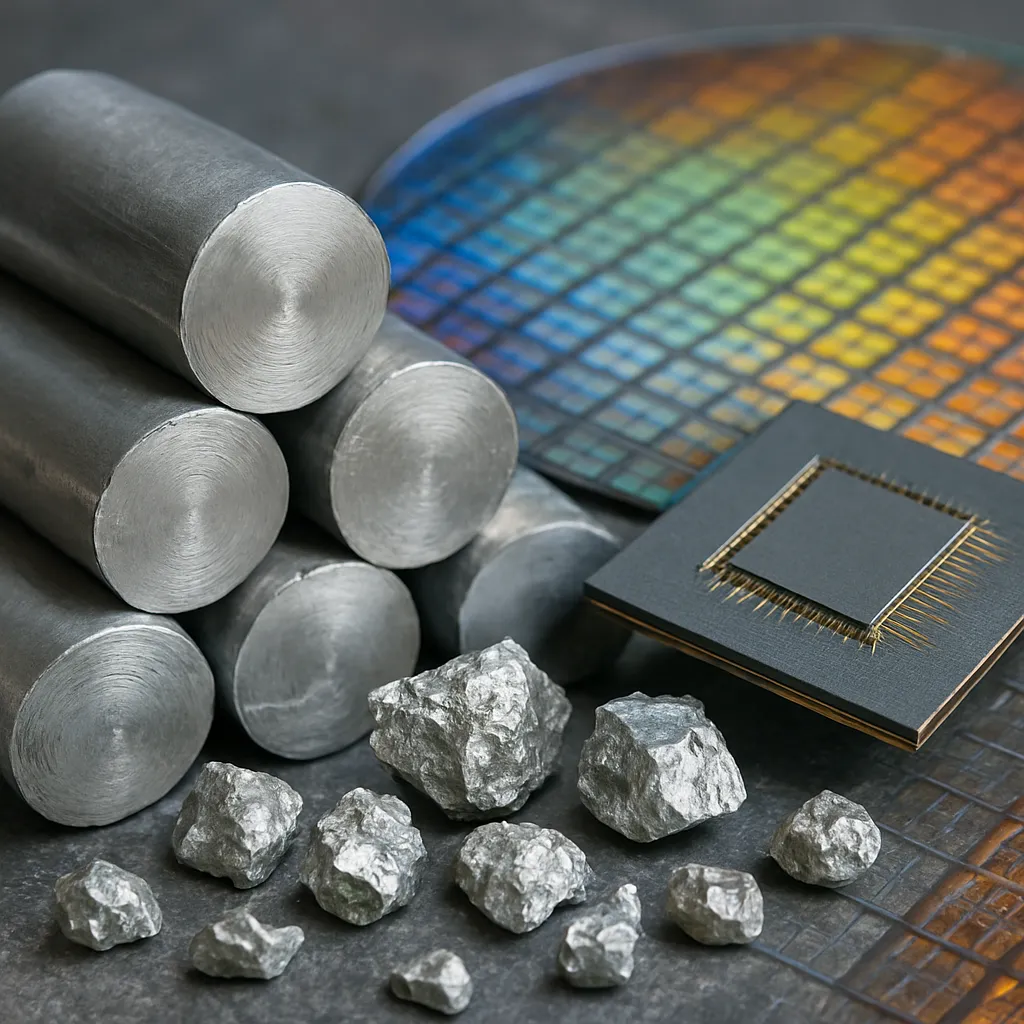
As data centers expand and 5G networks roll out, copper remains the backbone for low-latency connections. While fiber optics handle high-speed data, copper cables deliver power to network nodes, servers, and edge computing devices. The interplay between digitalization and electrification underscores copper’s dual importance.
Sustainability Challenges and Circular Economy
Elevating copper to a cornerstone of a circular economy requires confronting extraction impacts, geopolitical risks, and waste management hurdles. Key sustainability considerations include:
- Responsible Sourcing: Mining operations in regions like Chile, Peru, and the Democratic Republic of Congo must adopt rigorous environmental and social governance (ESG) standards to mitigate deforestation, water scarcity, and community displacement.
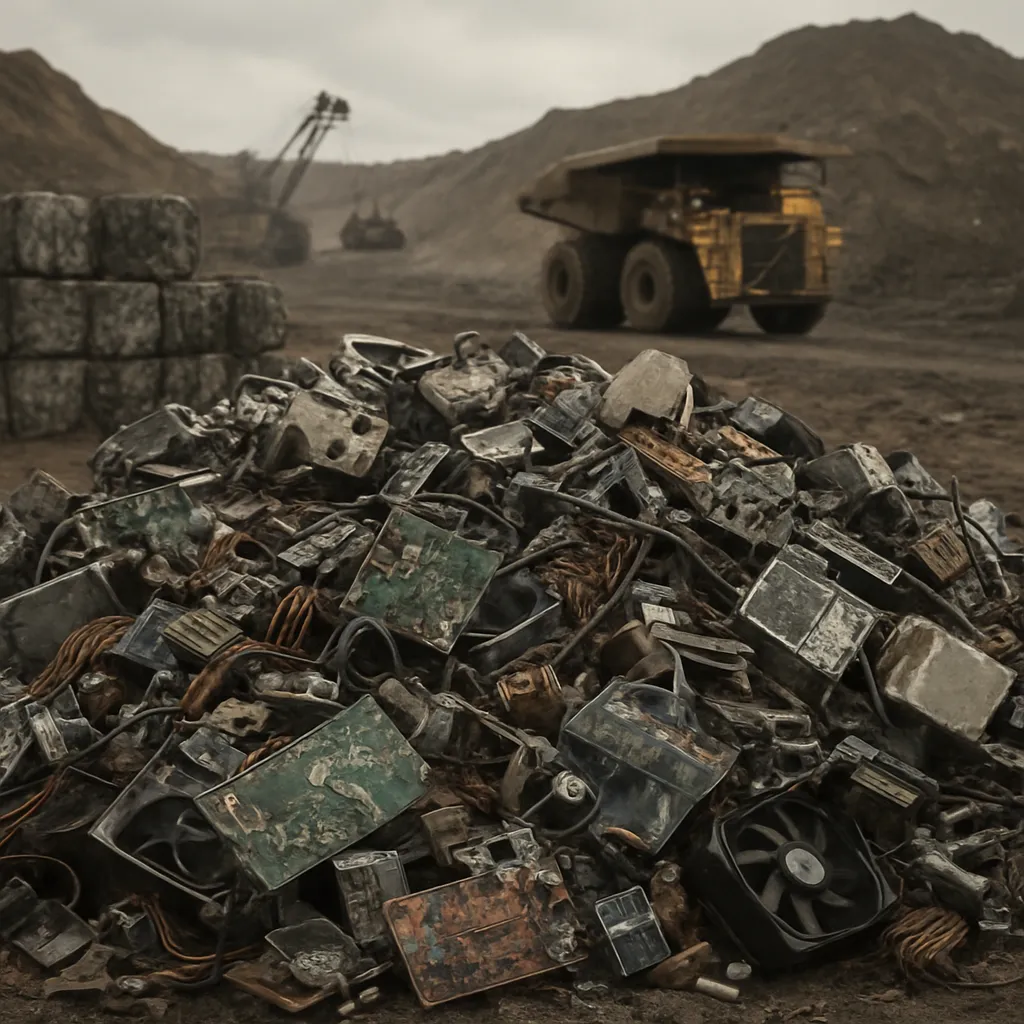
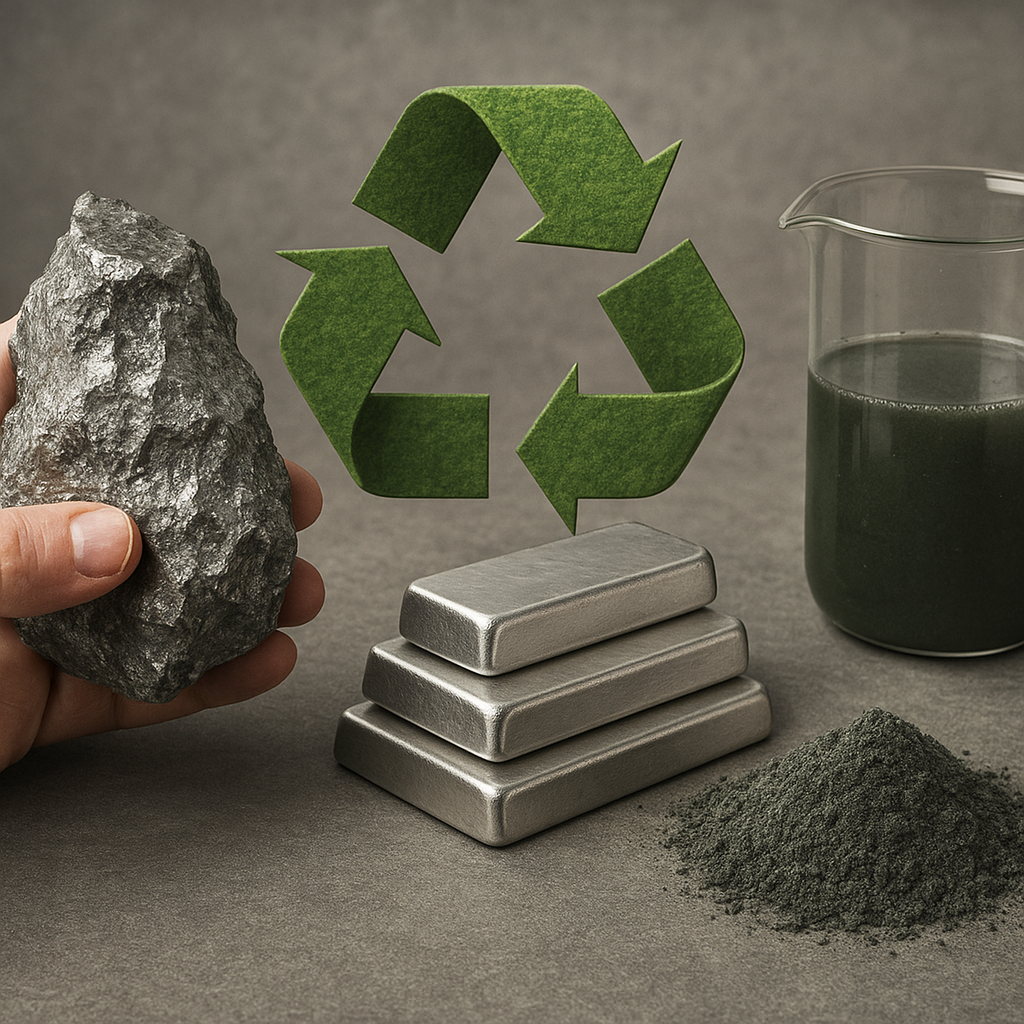
- Recycling and Urban Mining: Copper’s high recyclability rate makes it an ideal candidate for closed-loop systems. Recovering copper from electronic waste, decommissioned power lines, and end-of-life vehicles reduces reliance on virgin ore and lowers greenhouse gas emissions.
- Energy Intensity: Traditional smelting and refining processes consume large amounts of energy. Innovations in hydrometallurgical extraction and sulfur capture can improve efficiency and reduce sulfur dioxide emissions.
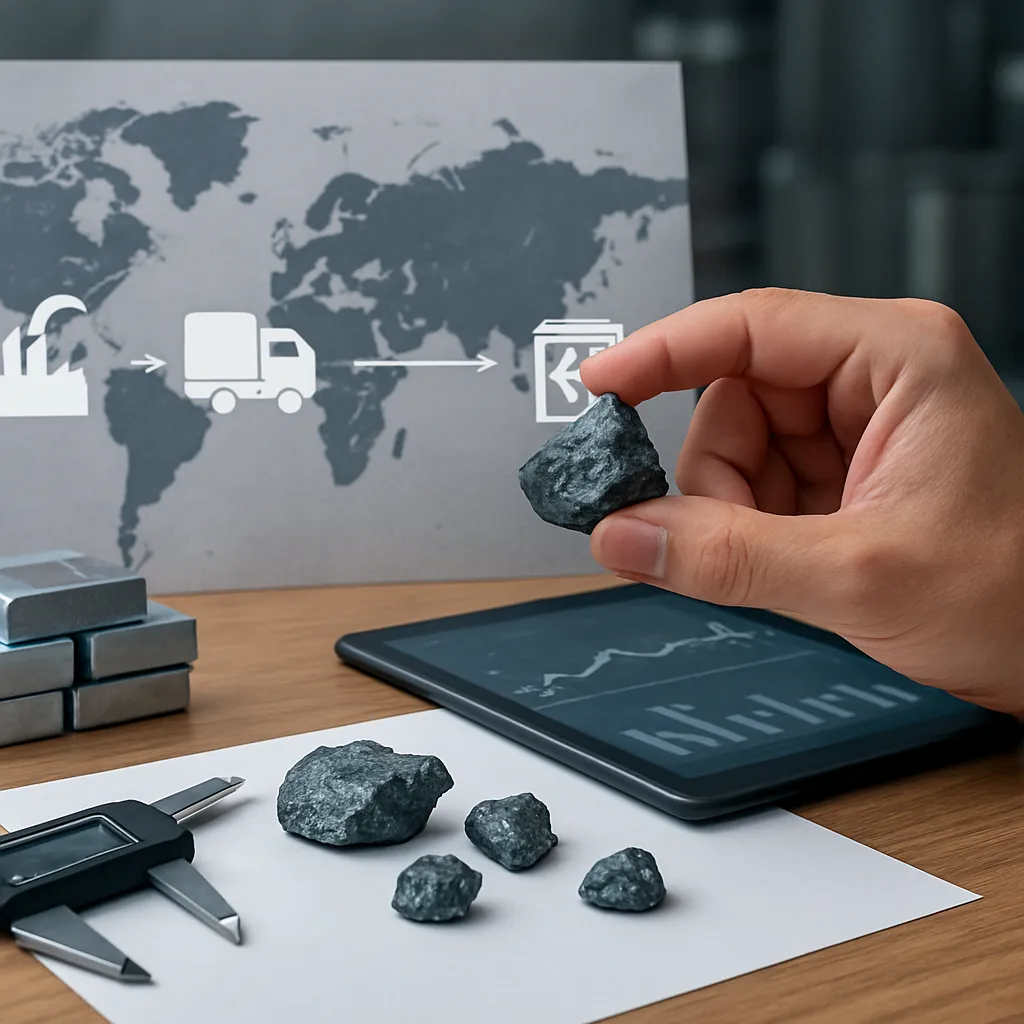
- Supply Chain Transparency: Blockchain and digital traceability tools can verify the provenance of copper and associated rare metals, ensuring compliance with anti-corruption and conflict mineral regulations.
Scaling Recycling Infrastructure
Investments in automated separation, advanced shredding, and electrochemical recovery are essential to reclaim copper from mixed metal waste streams. Collaborative initiatives between manufacturers, recyclers, and governments can accelerate the development of large-scale facilities capable of processing millions of tonnes of scrap annually.
Decarbonizing Copper Production
Green hydrogen offers a promising pathway to decarbonize copper smelting by replacing fossil fuel–based reductants. Pilots leveraging electrolytic processes powered by renewable energy are emerging in Scandinavia and North America, positioning copper production as a frontier for clean metallurgy.
Geopolitical and Strategic Implications
Copper and other rare metals reside in a geopolitically sensitive arena where resource nationalism, export restrictions, and trade tensions can disrupt markets. Key strategic factors include:
- Resource Nationalism: Countries with major copper reserves may impose export tariffs or demand domestic processing to capture more value within national borders.
- Critical Mineral Alliances: Multilateral partnerships, such as the US-EU Critical Raw Materials Act and the Indo-Pacific Economic Framework, aim to secure diversified supplies and reduce dependency on single-source suppliers.
- Supply Chain Resilience: Companies are reshoring or nearshoring their processing capabilities to mitigate geopolitical risks and enhance control over ESG criteria.
Ensuring a stable and ethical supply of copper and rare metals demands coordinated policies, strategic stockpiling, and investment in alternative sources such as deep-sea nodules or extraction from brine deposits.
Outlook for Copper in a Decarbonized World
As nations pledge ambitious emission reduction targets, copper’s role in the global energy transition will only intensify. Achieving a sustainable and resilient copper ecosystem hinges on:
- Integrating advanced innovation in mining, processing, and recycling.
- Fostering transparent and ethical supply chains with digital traceability tools.
- Scaling renewable-powered extraction and smelting technologies to minimize carbon footprints.
- Promoting circular economy models that maximize the recovery and reuse of copper and allied rare metals.
By aligning industrial strategies with robust environmental standards and collaborative frameworks, the future of copper can support the global decarbonization agenda while safeguarding resource security and social equity.