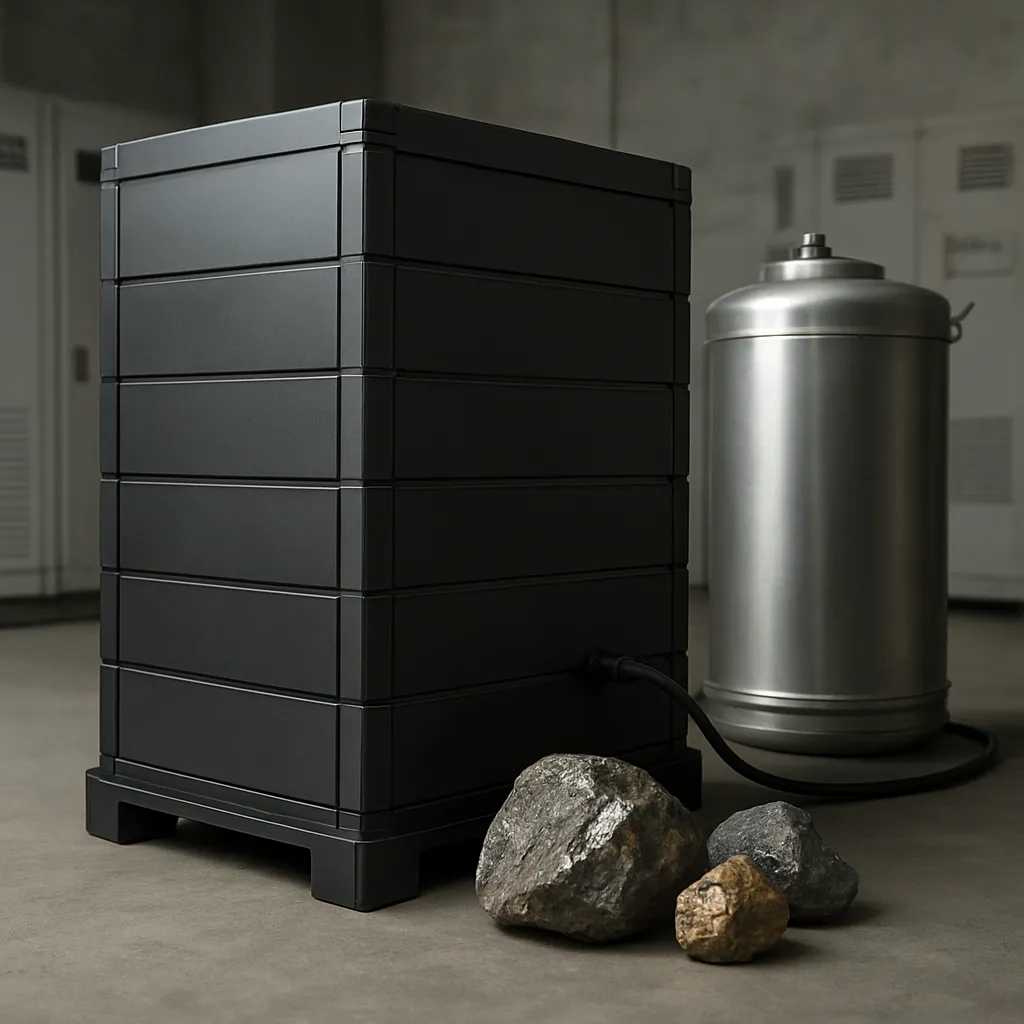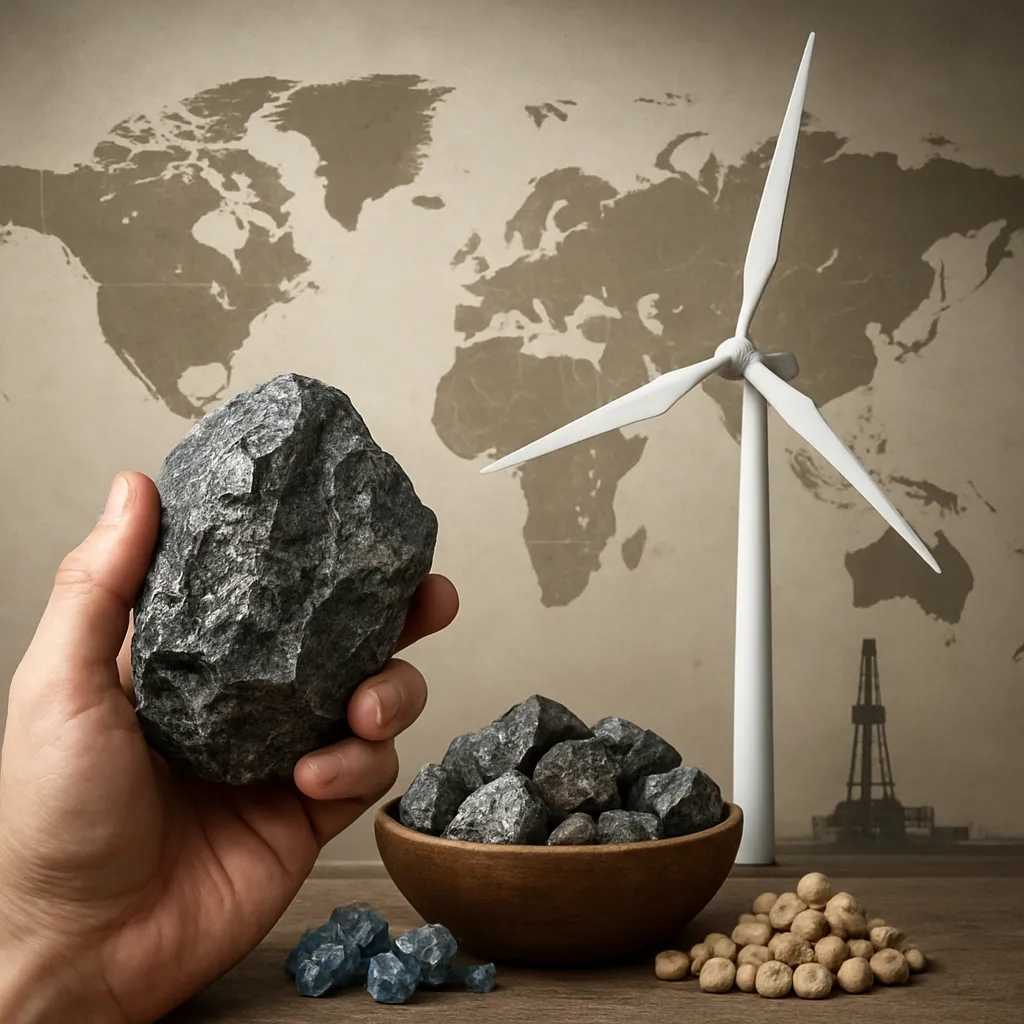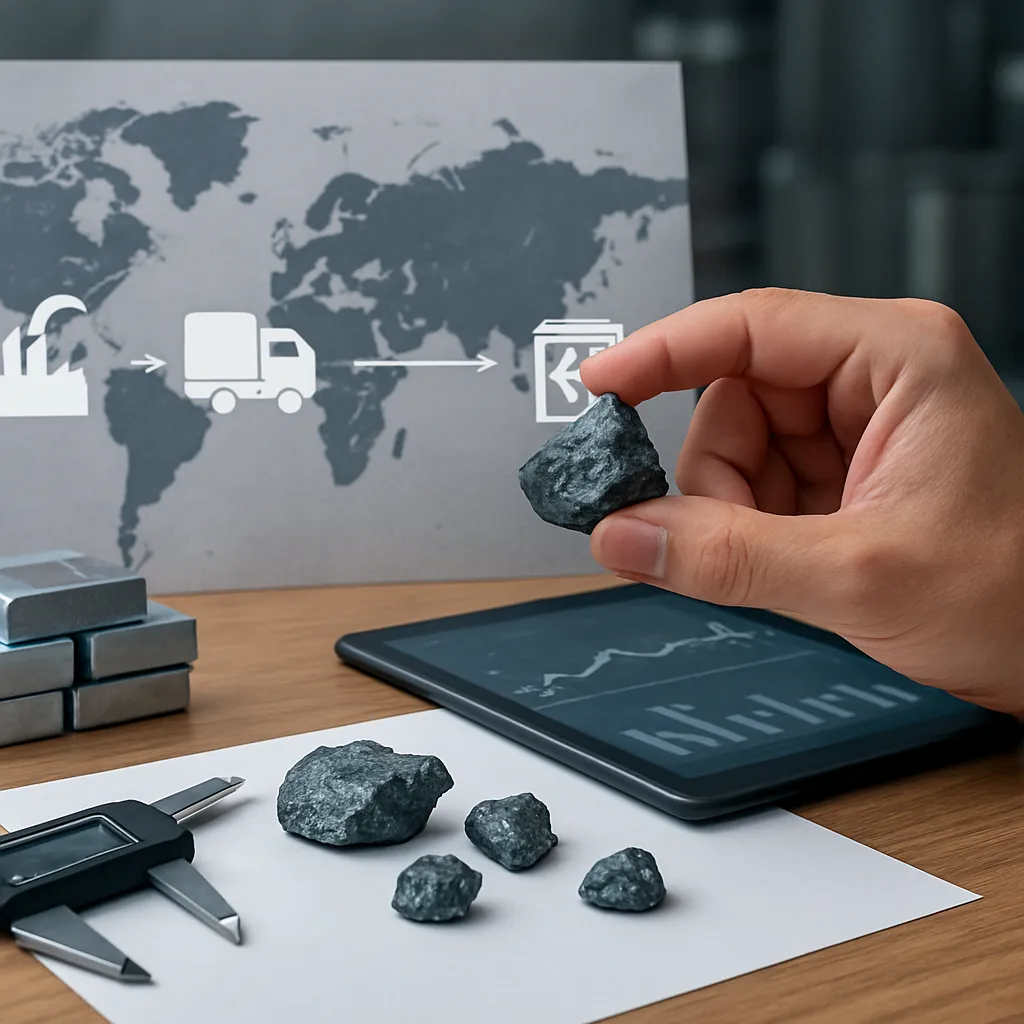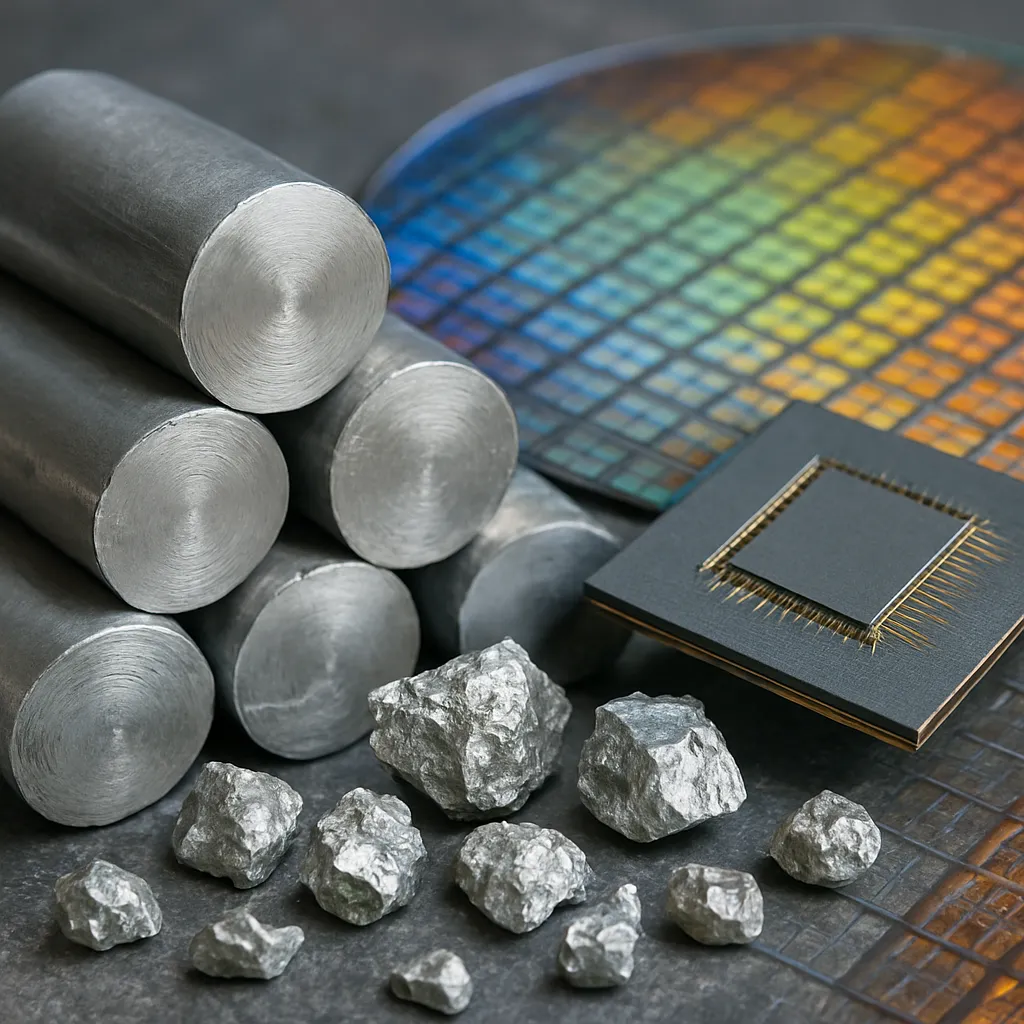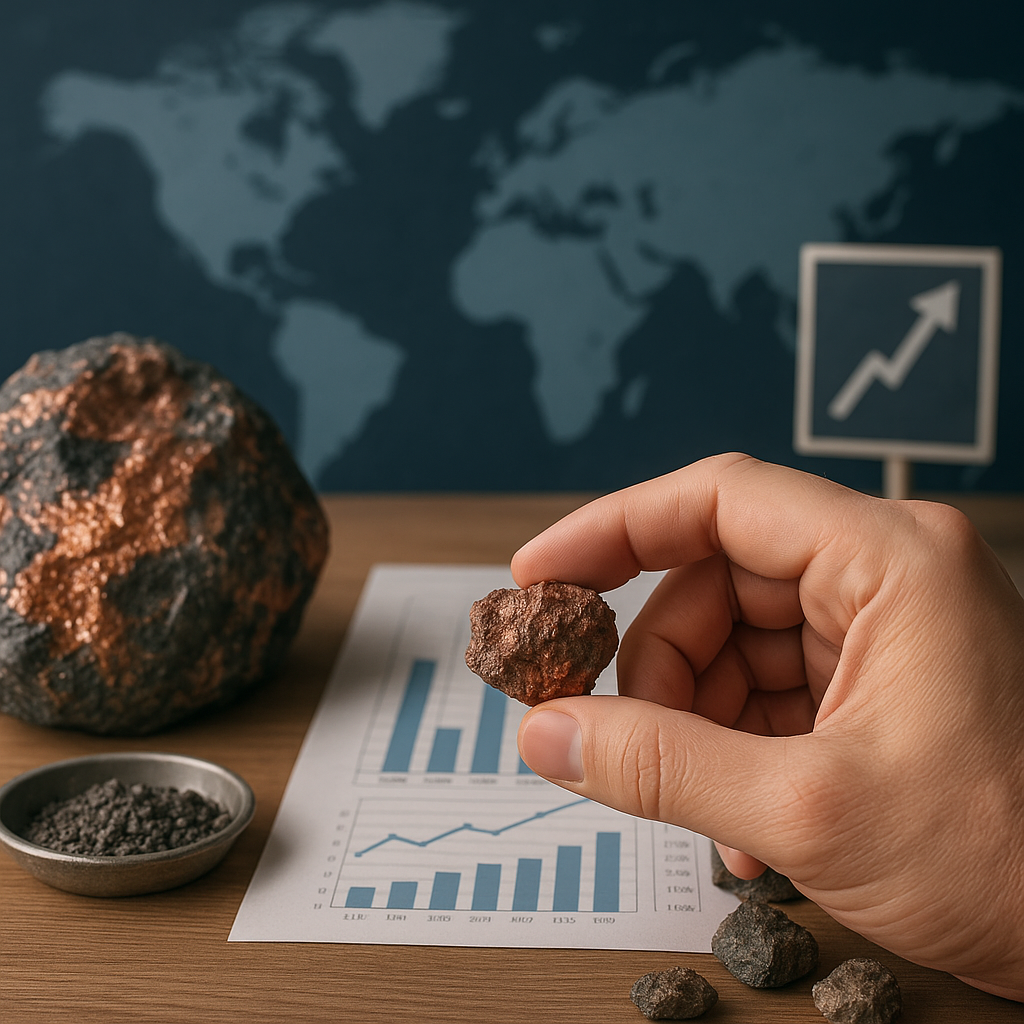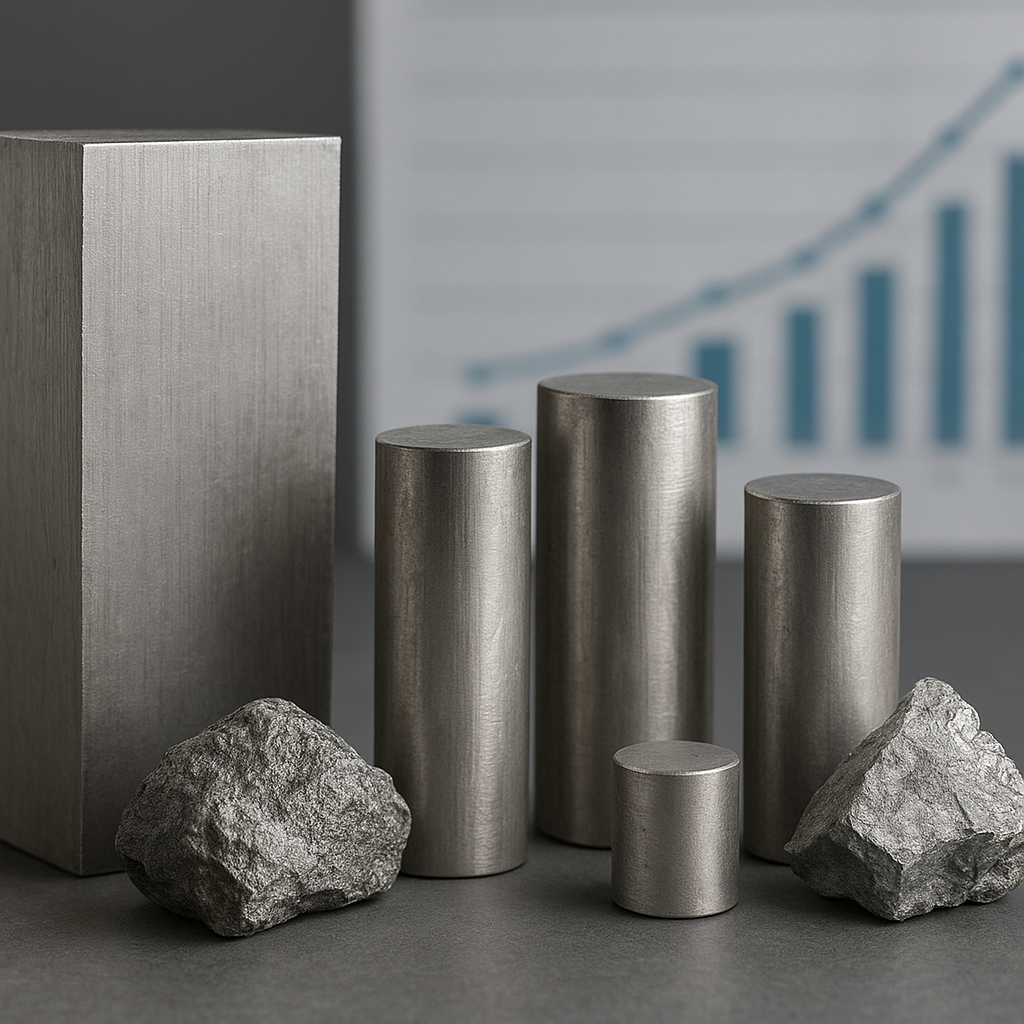
The accelerating shift towards electric mobility and renewable energy storage is propelling nickel and manganese into the spotlight. Both metals play pivotal roles in modern battery chemistry, supporting higher energy density, longer cycle life, and improved safety. As global industries pivot to cleaner technologies, the interplay between supply constraints, technological breakthroughs, and sustainability considerations will shape the trajectory of these critical commodities. This article explores the evolving landscape of battery-grade nickel and manganese, highlighting supply dynamics, emerging processing methods, environmental and social dimensions, and market forces that will define their future.
Current Supply Landscape
The global availability of high-purity nickel and manganese is influenced by a variety of geological and geopolitical factors. Nickel is predominantly sourced from sulfide and laterite deposits in regions such as Indonesia, the Philippines, Russia, and Canada. In contrast, significant manganese reserves lie in countries like South Africa, Australia, Gabon, and Brazil. Despite the abundance of raw ore, only a fraction meets the stringent purity requirements for lithium-ion batteries without intensive upgrading and refining.
Nickel Sources and Refining Challenges
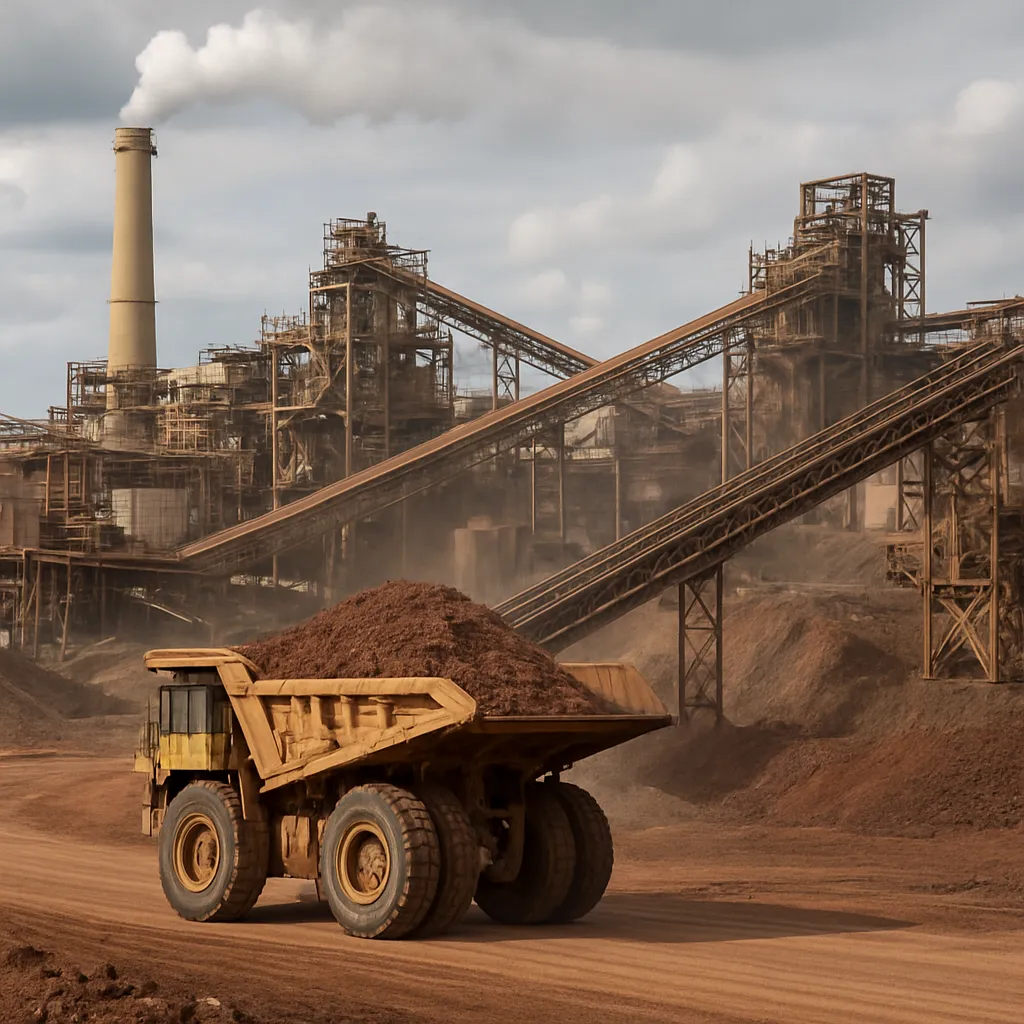
Sulfide ores yield high-grade nickel with relatively lower greenhouse gas emissions during smelting. However, limited deposits and geopolitical uncertainties can restrict supply. Laterite ores, abundant in tropical regions, require energy-intensive high-pressure acid leaching (HPAL) to extract battery-grade material. The capital costs and technical complexity of HPAL plants have historically deterred large-scale investments, resulting in a persistent supply deficit at the premium (battery-grade) end of the market.
Manganese Availability and Processing
Manganese nodules on the ocean floor and terrestrial deposits offer considerable resource potential. Terrestrial mining is well-established, but purification to battery-grade specifications—often involving electrolysis or multiple-stage refining—adds cost and complexity. Deep-sea mining presents a speculative alternative, yet concerns about marine ecosystem disruption and regulatory hurdles raise questions about its practicality in the near term.
Technological Innovations in Extraction and Refining
Advances in metallurgy and chemistry are unlocking more efficient pathways to produce nickel and manganese with minimal waste and lower energy footprints.
- Hydrometallurgical processes: New solvent extraction and precipitation techniques are improving metal recovery rates and reducing chemical usage.
- Direct Nickel (DNi) routes: These involve roasting laterite ores to form magnetic intermediates, which can be separated by magnetic processes, followed by acid leaching to yield high-purity nickel sulfate.
- Electrolytic manganese technology: Novel membrane-based cells and improved anode materials are driving down power consumption and enhancing product purity.
- Bioleaching: Leveraging microorganisms to selectively solubilize metals from low-grade ores offers a low-carbon alternative to traditional high-temperature methods.
Innovations in Precursor Design
Beyond raw metal production, engineering advanced cathode precursors—tailored combinations of nickel, manganese, cobalt, and other elements—relies on precise control of composition and particle morphology. Additives that minimize heat generation, bolster structural integrity, and improve conductivity are under active research, promising to reduce cobalt content and enhance resource efficiency.
Environmental and Social Implications
As demand for electric vehicles and grid-scale storage surges, mining and refining operations must address ecological footprints and community impacts. Nickel laterite mining and HPAL operations can generate acidic effluents and substantial carbon dioxide emissions. Manganese processing may release heavy metals and disturb local water tables. Ethical sourcing and social license to operate are no longer optional considerations;
Key considerations include:
- Sustainability credentials: Companies are adopting third-party audits and certifications to verify responsible practices.
- Community engagement: Early consultation with indigenous and rural populations helps mitigate conflicts and preserve local livelihoods.
- Water stewardship: Closed-loop systems and water recycling are becoming industry best practices to limit freshwater consumption.
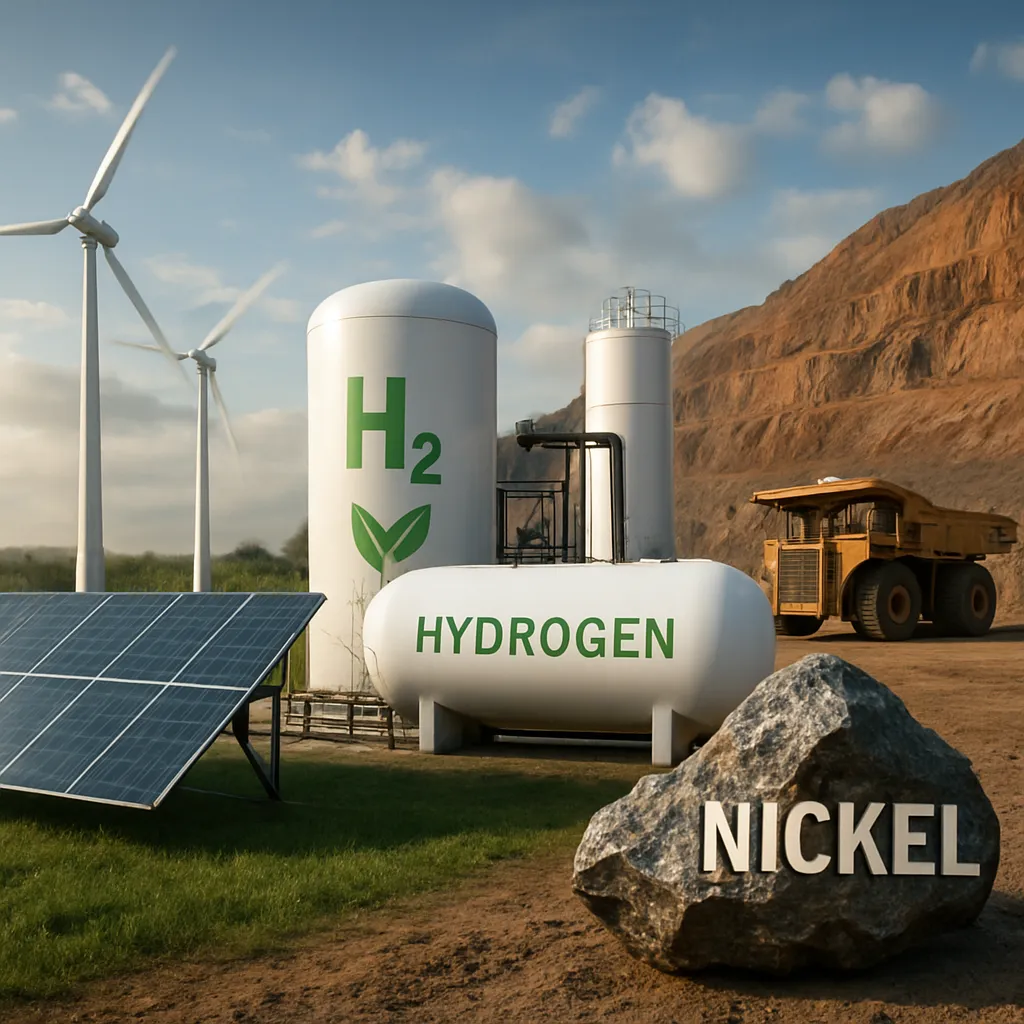
- Decarbonization: Integrating renewable energy into smelting and refining plants can significantly reduce the carbon intensity of battery-grade metals.
Recycling and Circular Economy
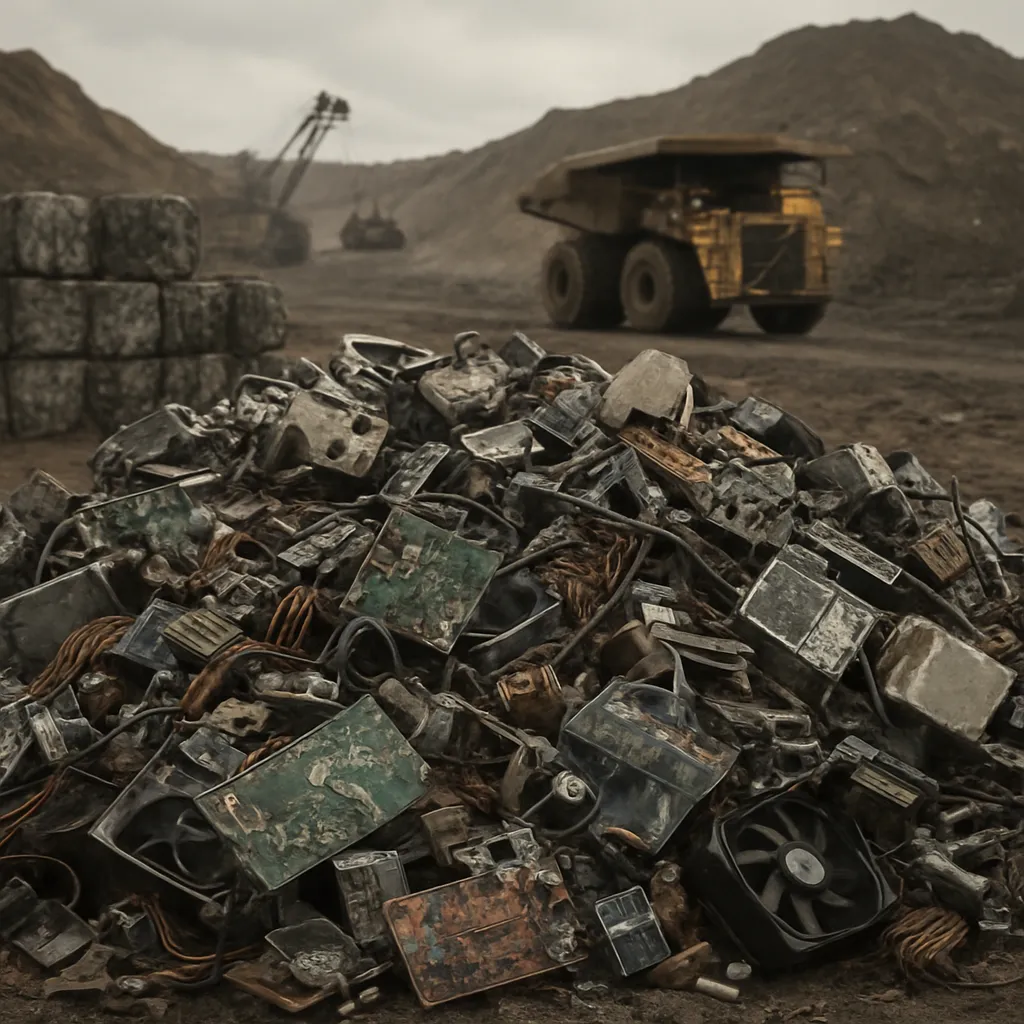
Although primary mining remains the cornerstone of supply, recycling end-of-life battery packs represents a critical strategy to loop nickel and manganese back into the value chain. Mechanical shredding combined with hydrometallurgical recovery can reclaim more than 90% of nickel and manganese content. Scaling these facilities will alleviate pressure on virgin resources and curtail the environmental toll of extraction.
Market Dynamics and Future Outlook
Forecasts for electric vehicle adoption anticipate a multi-fold increase in battery production over the next decade. Consequently, nickel demand could rise from around 2 million metric tons today to over 6 million by 2035. Similarly, manganese consumption for energy storage applications is projected to leap as manufacturers explore high-manganese cathode chemistries that reduce reliance on cobalt and nickel.
Investment and Supply Chain Strategies
Automakers and battery producers are pursuing integrated strategies to secure metal supply. These include:
- Long-term offtake agreements with miners to stabilize pricing and ensure consistent quality.
- Equity investments in exploration projects targeting underdeveloped nickel and manganese deposits.
- Vertical integration, encompassing smelting, refining, and cathode manufacturing capabilities.
Geopolitical Influences
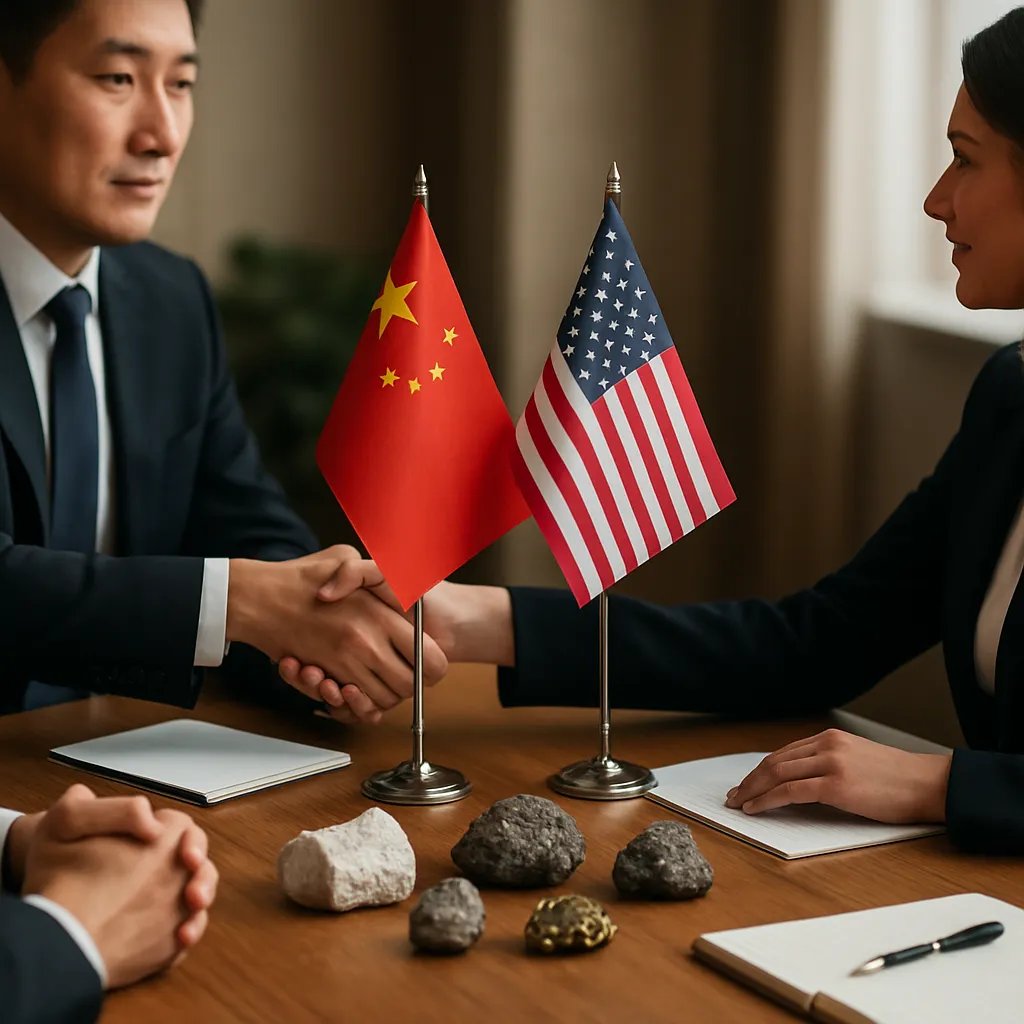
Geopolitics will remain a critical variable. Trade tensions, export controls, and strategic stockpiling may disrupt flows of key metals. Regions with stable governance and transparent regulatory frameworks are poised to attract the bulk of future investments. Conversely, nations with abundant but under-invested resources could present both high-risk and high-reward opportunities for stakeholders aiming to diversify supply chains.
Emerging Opportunities and Challenges
The next frontier for battery-grade nickel and manganese lies at the intersection of material science breakthroughs, responsible sourcing, and market agility. Pursuing lower-cost, low-emission production techniques will be essential to maintain competitive positioning. At the same time, fostering collaboration across mining companies, technology providers, governments, and research institutions will accelerate deployment of novel processes and ensure that scaling up does not come at the expense of environmental or social well-being.