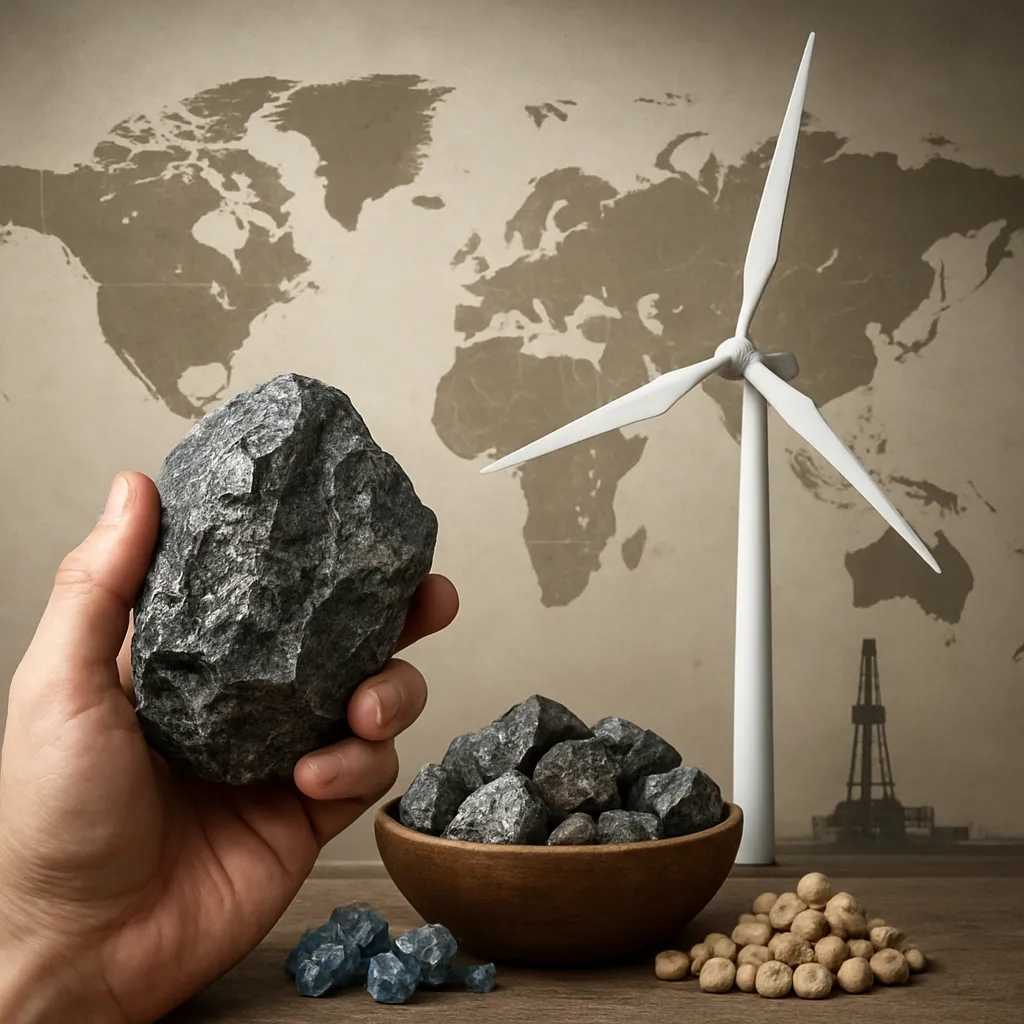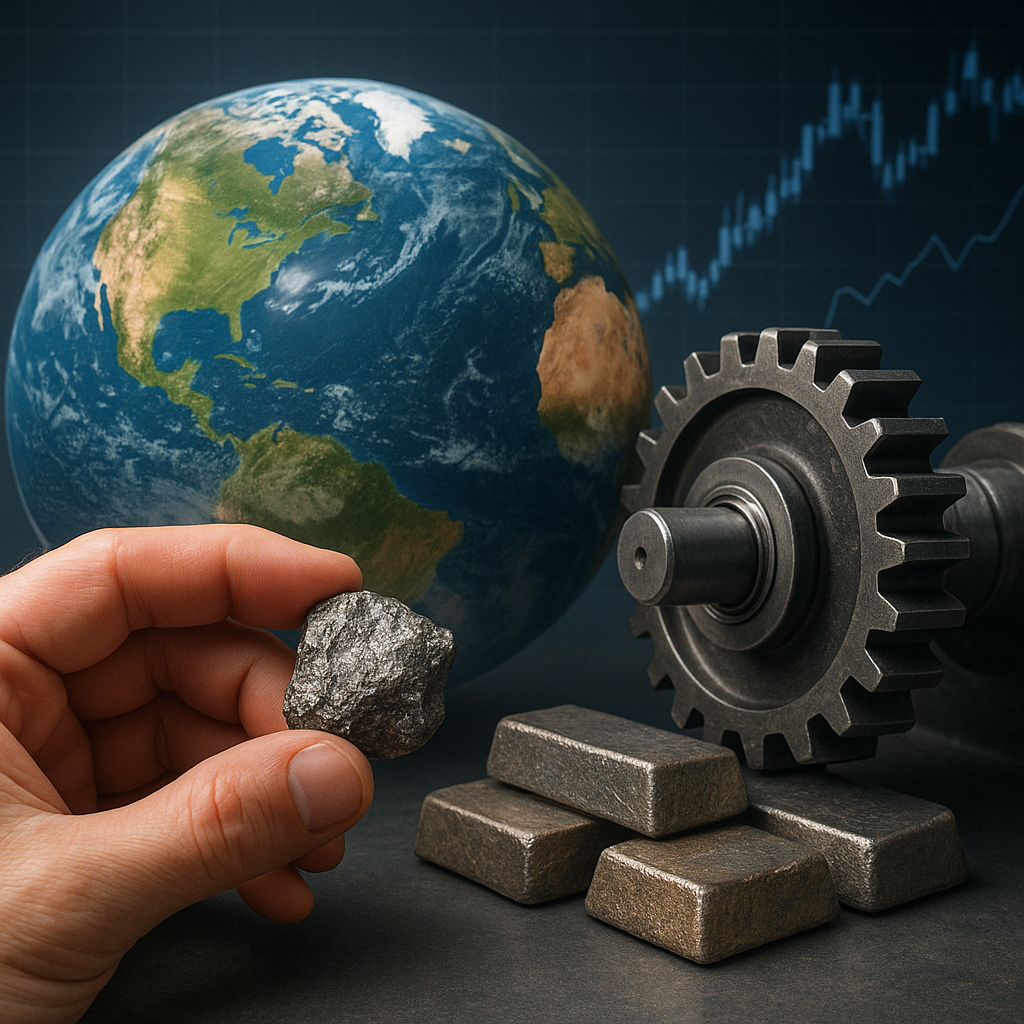
The ever-growing demand for rare metals in technologies ranging from smartphones to renewable energy systems has intensified scrutiny on the ethical implications of sourcing these critical materials. As global supply chains expand, the intersection of conflict zones, geopolitical instability, and consumer-driven markets raises pressing questions about transparency, accountability, and sustainability. This article explores multifaceted aspects of extracting, trading, and regulating rare metals in regions afflicted by violence and governance challenges.
Ethical Dimensions of Rare Metal Extraction
Understanding the ethical stakes in sourcing rare metals requires analyzing the human, environmental, and economic consequences of mining activities. While minerals such as cobalt, tantalum, and tungsten are indispensable for modern electronics and green technologies, their extraction often occurs in areas with weak oversight.
Human Rights and Community Impact
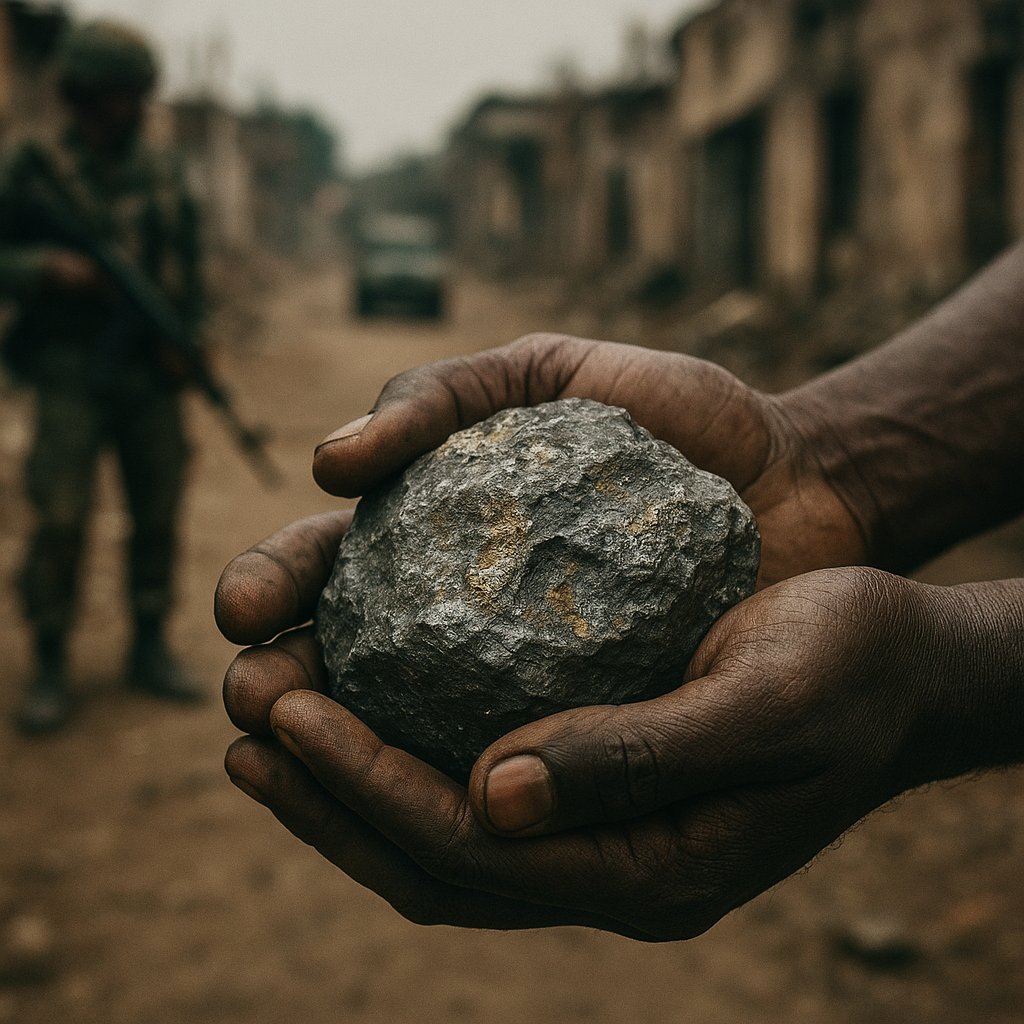
Mining operations in remote areas can lead to forced displacement, child labour, and hazardous working conditions. In many conflict-affected regions, armed groups exploit mineral wealth to fund violence, undermining human rights and destabilizing local societies. Advocacy groups stress that companies must conduct rigorous due diligence to ensure workers’ safety and fair wages, as well as to prevent complicity in conflict financing.
Environmental Degradation
Open-pit and alluvial mining can cause soil erosion, water pollution, and biodiversity loss. Tailings—waste materials produced during ore processing—often contain toxic chemicals that contaminate rivers and groundwater. Environmental advocates call for stricter standards on mining practices, waste management, and rehabilitation of former mining sites to mitigate long-term ecological harm.
- Exploitation of vulnerable populations
- Destruction of critical ecosystems
- Loss of livelihoods for indigenous communities
Conflict Zones: Challenges and Risks
Conflict zones present unique hurdles for ethical sourcing efforts. In regions where authority is fragmented, oversight mechanisms are weak, and record-keeping is minimal, tracking the origin of minerals becomes a formidable task.
Illicit Trade Networks
Armed groups often control or tax mining sites, generating revenue that perpetuates violence. Smuggled ores can cross borders undetected, mixing with legally mined materials. This obfuscation impedes efforts to certify mineral provenance and leaves purchasers vulnerable to inadvertently funding armed conflict.
Certification Schemes and Their Limitations
Initiatives like the Kimberley Process for diamonds or the OECD Due Diligence Guidance aim to trace supply chains from mine to market. Yet these frameworks face criticism for loopholes, limited enforcement, and high compliance costs for small-scale miners. Without widespread stakeholder collaboration, such schemes struggle to deliver comprehensive oversight.
- Fragmented governance structures
- Insufficient local capacity for monitoring
- Lax penalties for non-compliance
Corporate Responsibility and International Regulation
Corporations and governments play pivotal roles in promoting ethical resource extraction. Effective policies and proactive corporate strategies can drive systemic change across the supply chain.
Due Diligence and Compliance
Leading electronics and automotive companies now publish annual reports detailing their sourcing policies, audit results, and remediation efforts. By implementing robust compliance programs, firms can identify non-conforming suppliers, suspend questionable transactions, and support community development projects in mining regions.
Legal Frameworks and Enforcement
Legislation such as the Dodd-Frank Act’s Section 1502 requires US-listed companies to disclose the use of conflict minerals from the Democratic Republic of Congo and adjacent countries. The EU Conflict Minerals Regulation similarly mandates due diligence for importers. While these laws have spurred positive change, critics argue that enforcement remains uneven and that unregulated markets still thrive.
- Mandatory disclosure requirements
- Trade sanctions for violators
- Public-private partnerships for capacity building
Technological Innovations and Sustainable Alternatives
Advancements in technology and emerging materials science offer potential pathways to reduce reliance on conflict-affected sources.
Recycling and Urban Mining
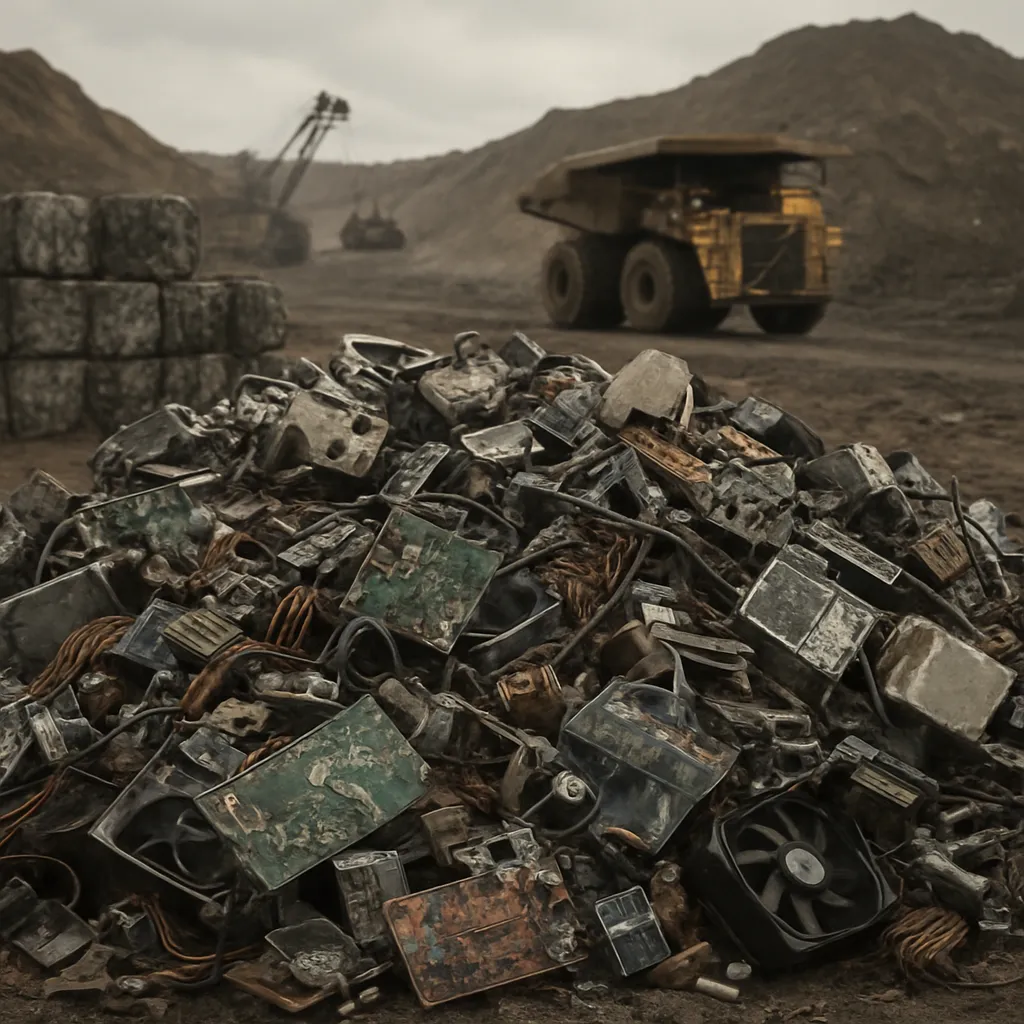
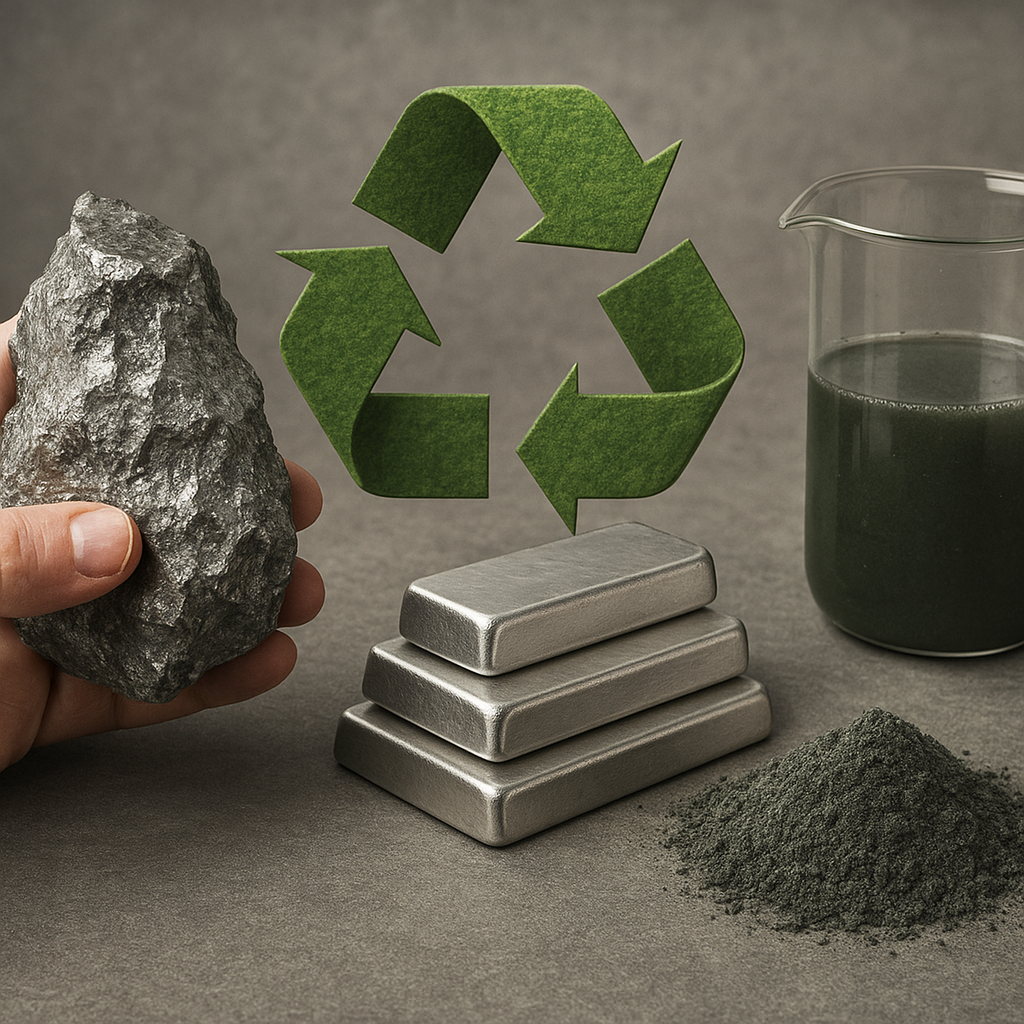
Recovering metals from electronic waste (e-waste) presents a dual benefit: alleviating pressure on primary mines and reducing environmental hazards posed by discarded devices. Urban mining initiatives, supported by improved collection systems and specialized recycling facilities, can reclaim valuable elements like lithium, gold, and neodymium.
Substitution and Material Efficiency
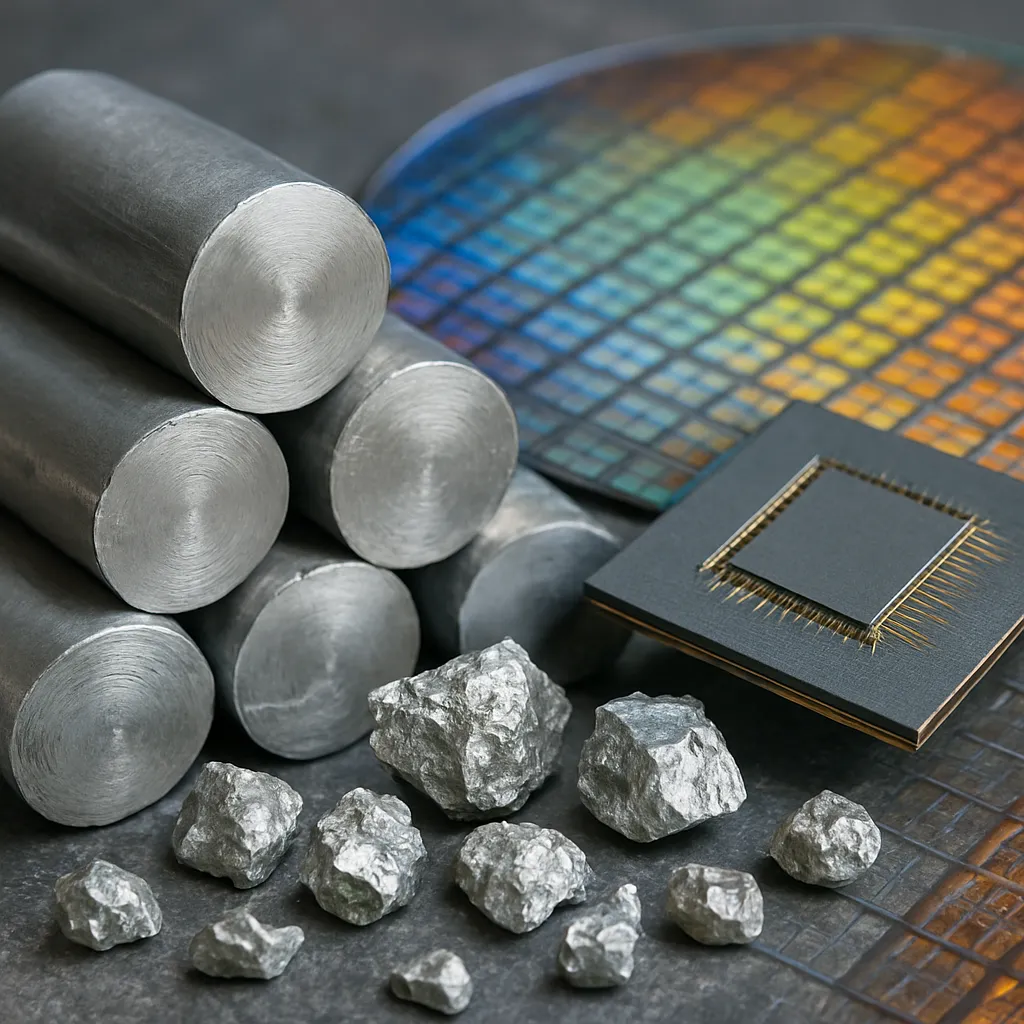
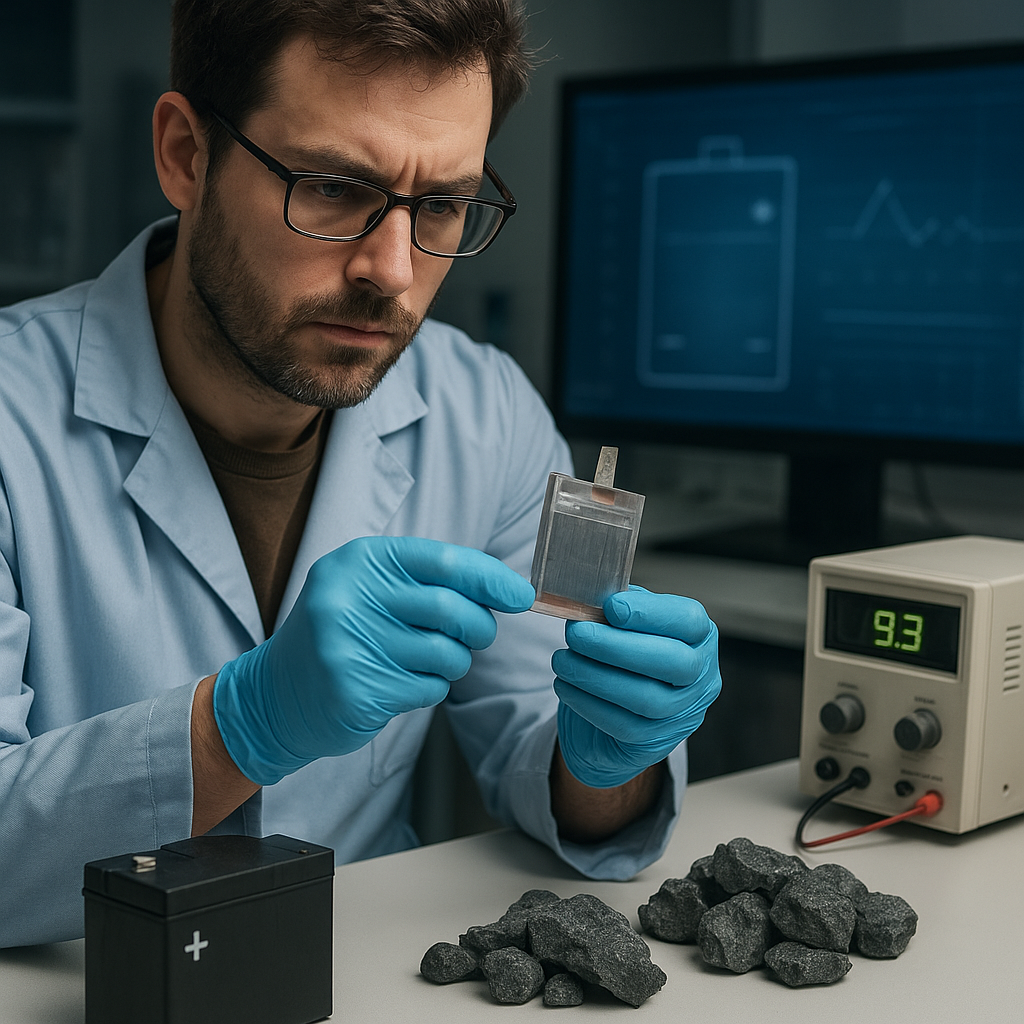
Researchers are exploring alternative compounds and design strategies to minimize or eliminate the use of problematic metals. Innovations in battery chemistry, for example, aim to replace cobalt with iron or manganese. Similarly, new semiconductor materials could reduce dependency on rare earth elements. These efforts promote innovation and resource efficiency across industries.
- Closed-loop recycling processes
- Eco-design principles
- Research into alternative mineral sources
Blockchain and Digital Traceability
Blockchain technology offers a decentralized method for recording each transaction along the supply chain. By assigning a unique digital identifier to metal batches, stakeholders can track provenance in near real-time, boosting transparency and reducing opportunities for adulteration. Pilot projects have demonstrated promise, though scalability and data integrity remain key challenges.
Balancing the growing demand for high-performance technologies with the moral imperative to avoid fueling conflict and environmental harm demands concerted action. Stakeholders—including governments, corporations, NGOs, and consumers—must collaborate on comprehensive solutions that prioritize human welfare and ecological preservation. Through stringent due diligence, regulatory oversight, and advances in sustainable materials and processes, the global community can work toward an ethical paradigm for sourcing the rare metals that underpin modern life.