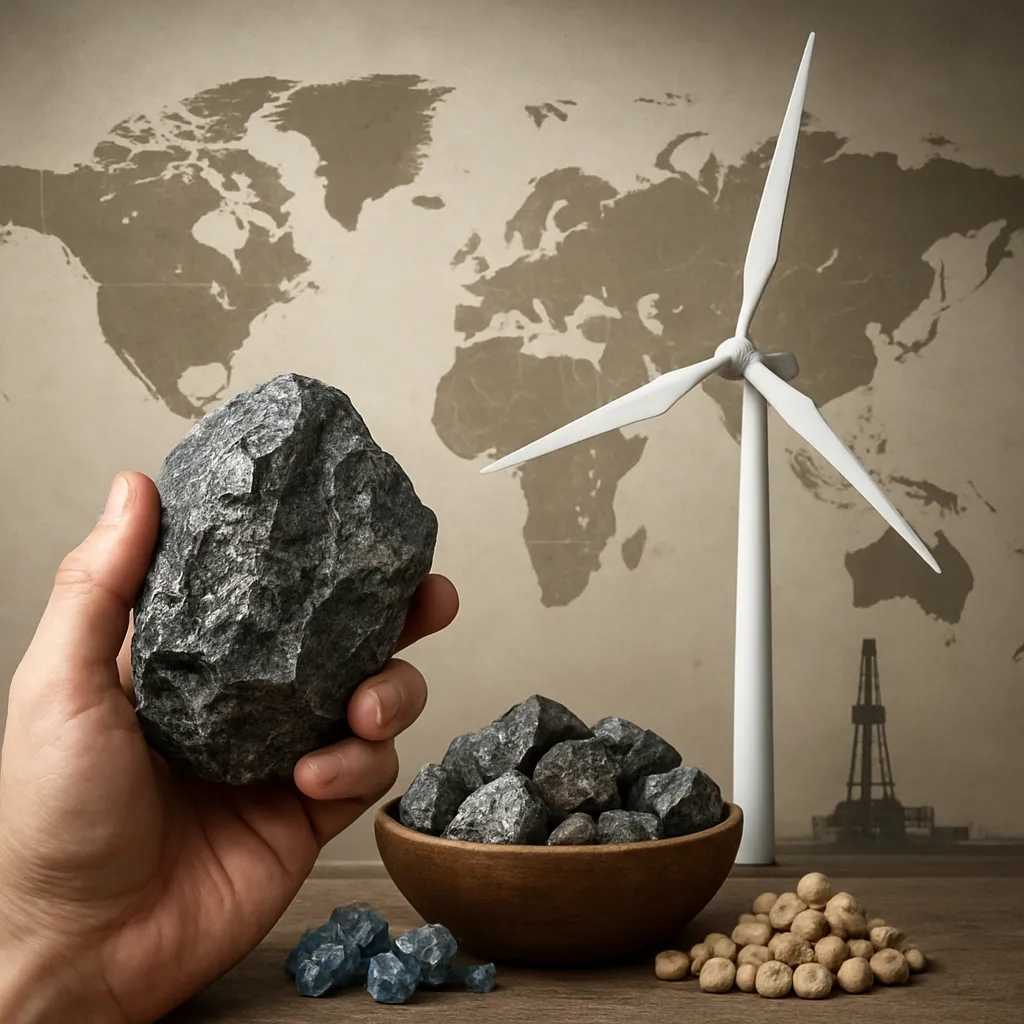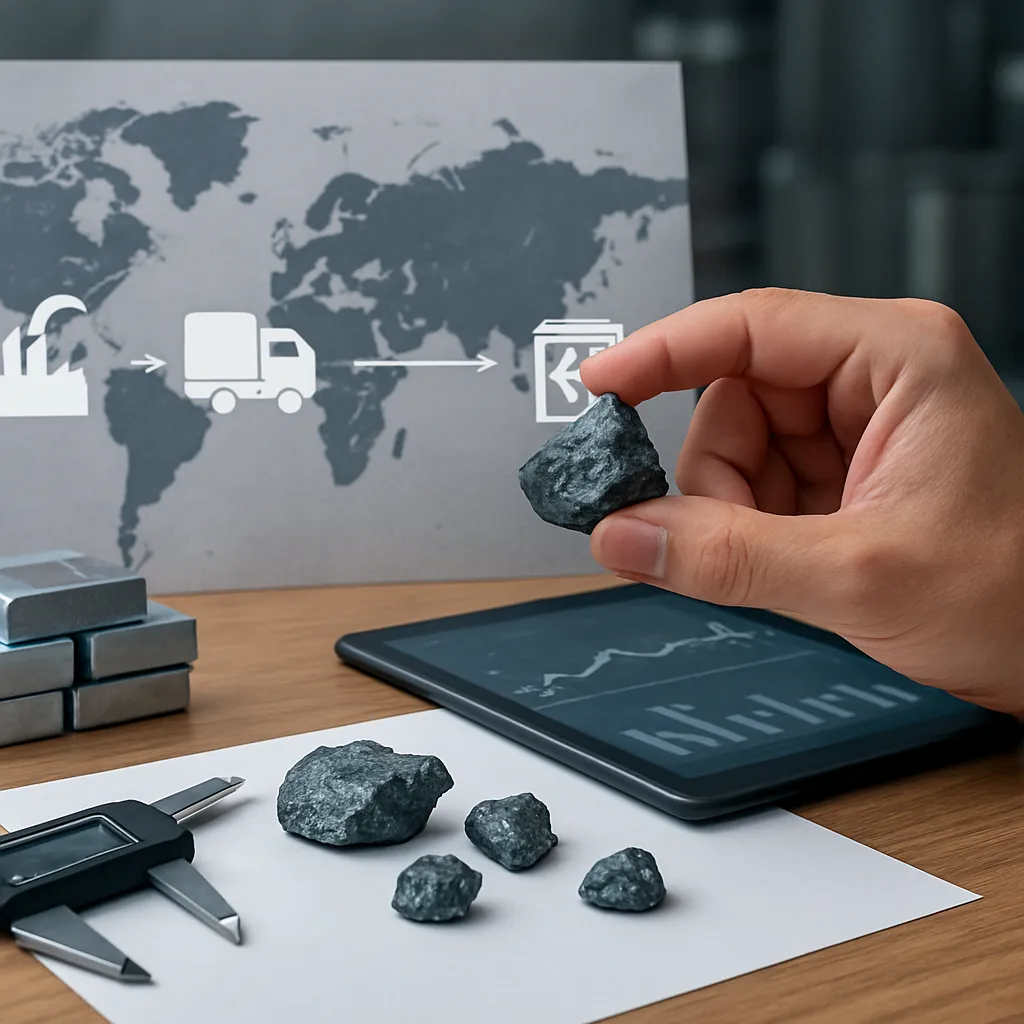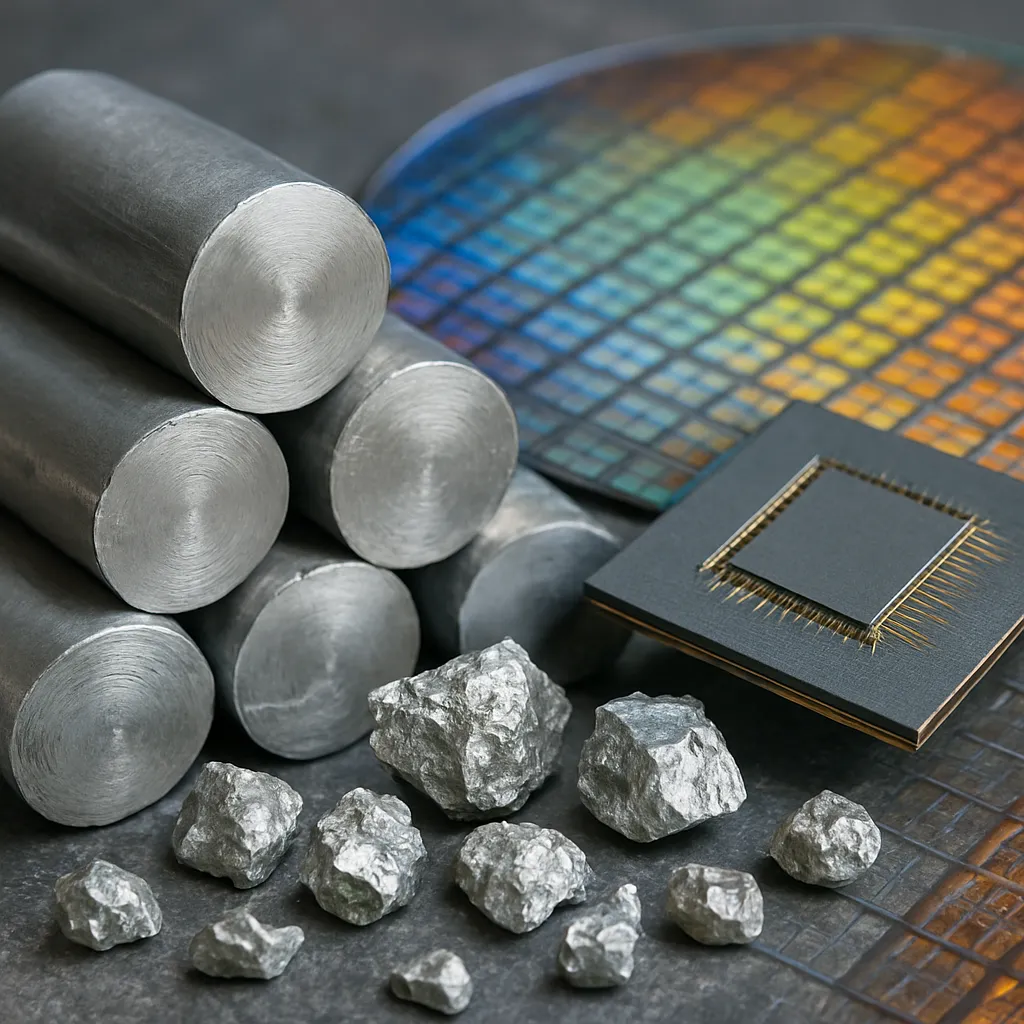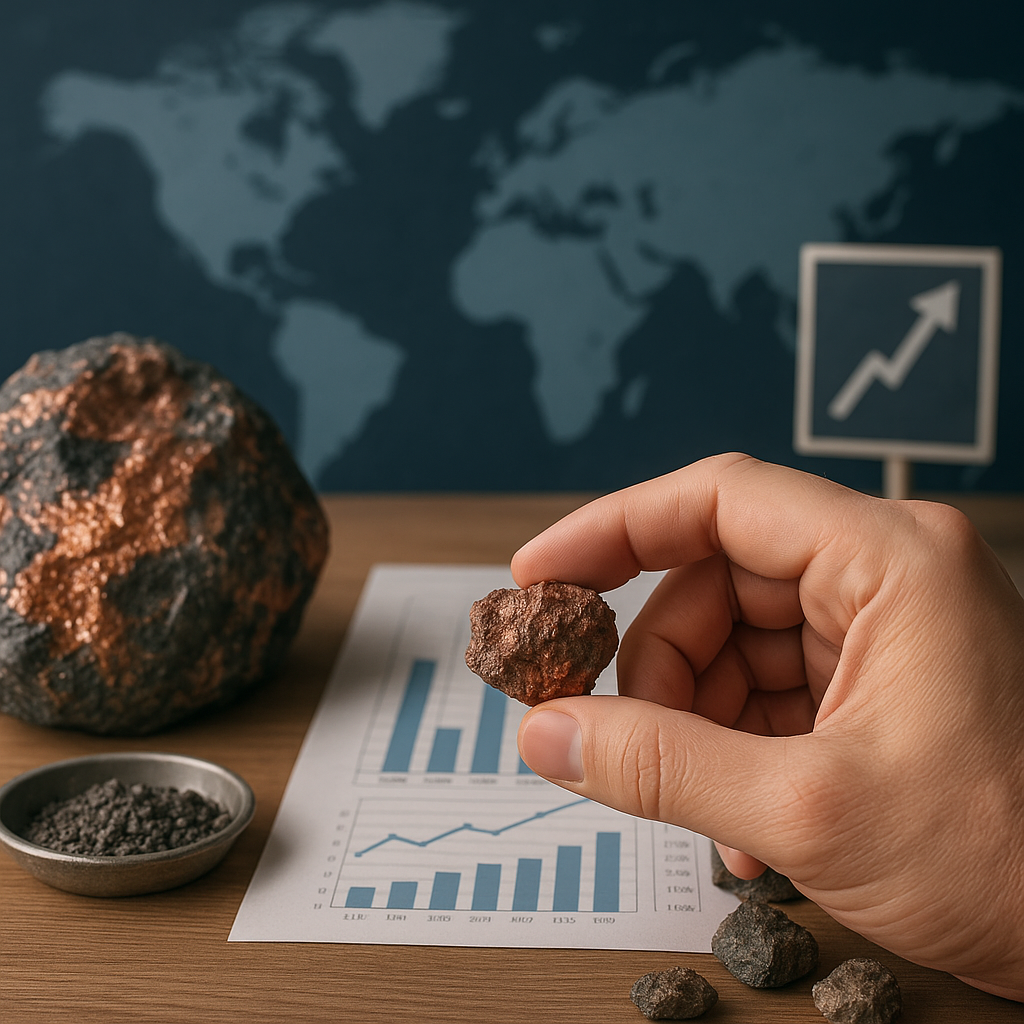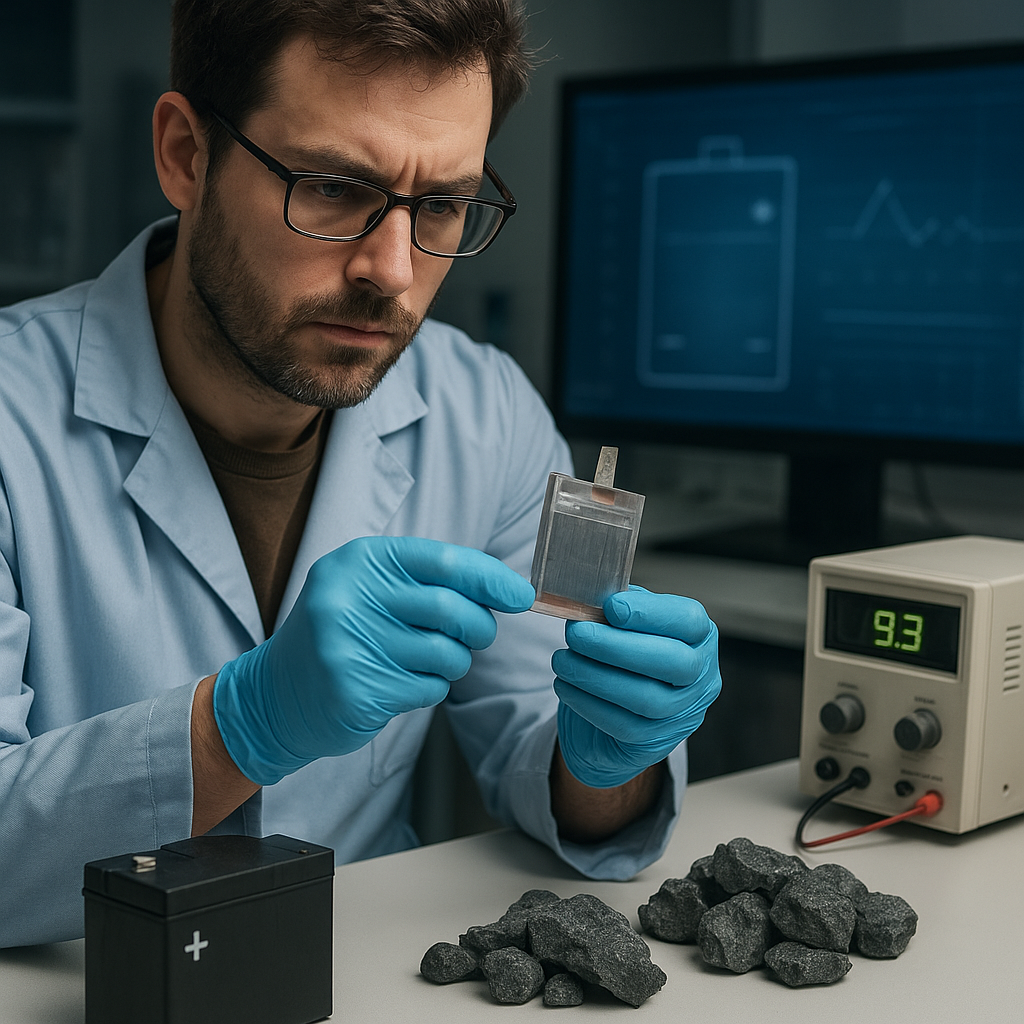
The global demand for rare metals has surged dramatically over the past decade, driven by the proliferation of advanced electronics, green energy technologies, and electric vehicles. From neodymium in high-performance magnets to lithium for batteries, these critical elements underpin the growth of numerous industries. Yet scaling up production presents a complex web of challenges spanning resource scarcity, environmental concerns, geopolitical tensions, and technological bottlenecks. This article explores the multifaceted obstacles encountered on the path to expanding rare metal output while balancing economic viability and ecological responsibility.
Supply constraints and resource distribution
The global distribution of rare earth elements and other scarce metals is highly uneven. A handful of nations hold the majority of known reserves, leading to potential supply risks. For instance, China accounts for over 60% of worldwide rare earth production, while significant deposits of lithium concentrate in the so-called “Lithium Triangle” of South America. In contrast, African and Australian reserves remain underexploited due to logistical hurdles and limited investment.
Key factors complicating supply expansion include:
- Exploration costs: Surveying remote or geologically complex regions demands advanced geophysical techniques and large capital outlays.
- Regulatory hurdles: Obtaining permits involves navigating intricate environmental assessments and community consultations, often leading to lengthy delays.
- Infrastructure gaps: Transport networks, energy supplies, and processing facilities are underdeveloped in many resource-rich areas.
- Market volatility: Price fluctuations discourage sustained investment in long-term exploration and development projects.
Moreover, the classification of certain elements as “critical” by governments around the world has spurred strategic stockpiling and export controls. This generates geopolitical leverage but also introduces uncertainty for downstream manufacturers reliant on steady material flows.
Extraction techniques and environmental impact
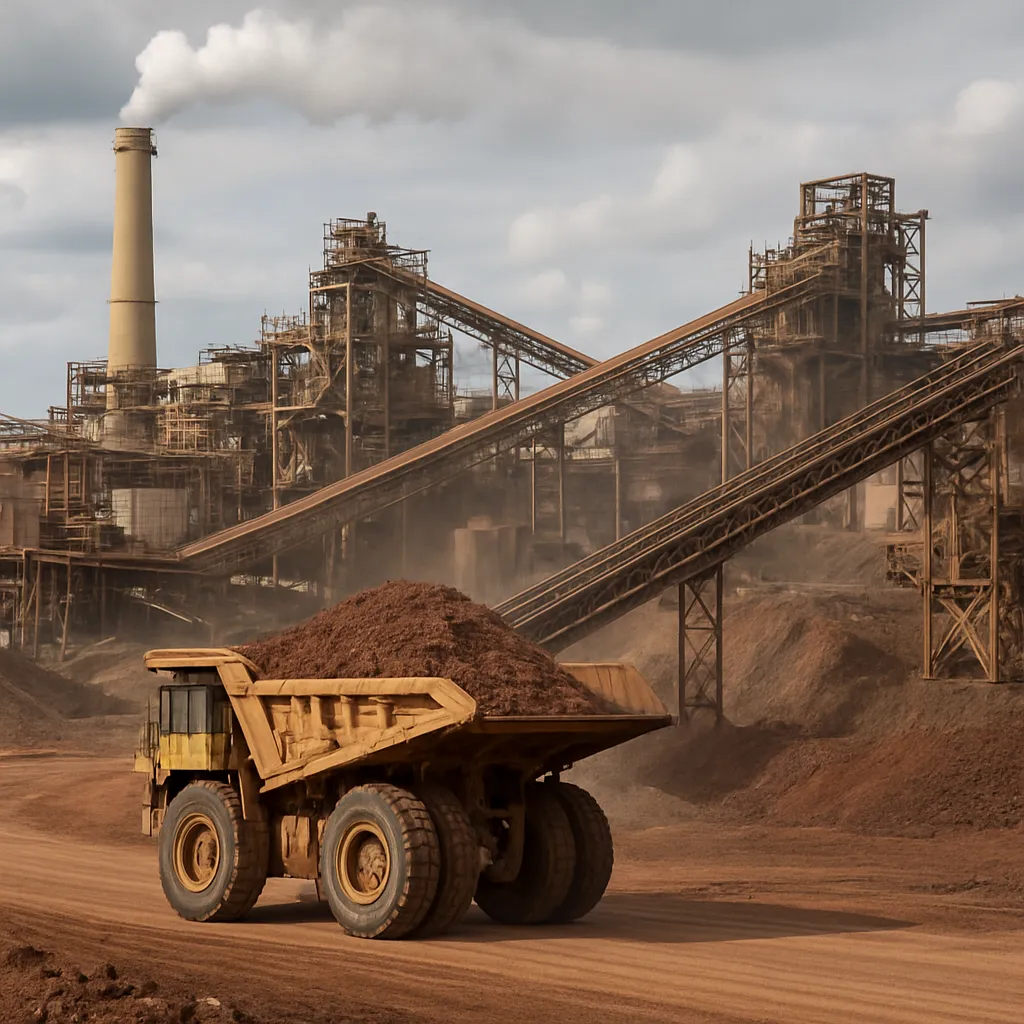
Upgrading extraction capacity is not solely a matter of opening new mines. Traditional mining and processing methods can produce vast amounts of waste and generate toxic effluents. For example, rare earth separation often relies on acid leaching, which can contaminate soils and watercourses if not managed meticulously.
Environmental and technical challenges include:
- Tailings management: Accumulation of mining residues poses long-term stabilization issues, with risks of dam failures and heavy metal leaching.
- Water consumption: Processing high-grade ores can require millions of liters of water per ton of rare metal, straining local resources.
- Energy intensity: Many extraction processes demand substantial heat or electricity, often sourced from fossil fuels, increasing the carbon footprint.
- Chemical hazards: Handling reagents such as sulfuric acid and organic solvents necessitates robust containment and disposal systems.
Recent advances offer some hope. Bioleaching uses specialized microbes to mobilize metals under milder conditions, reducing acid use and energy demands. Solvent extraction circuits are becoming more selective, minimizing reagent consumption and waste volumes. However, scaling these methods from laboratory to commercial scale remains a formidable engineering undertaking.
Geopolitical landscape and market dynamics
Rare metals occupy a unique spot at the intersection of economics and geopolitics. Nation-states increasingly view access to these materials as a matter of national security. Export quotas, tariffs, and bilateral supply agreements have become tools for strategic influence. Examples include:
- China’s rare earth export restrictions in 2010, which prompted importing countries to seek alternative sources.
- Australia’s efforts to establish a sovereign rare metals industry, reducing dependence on single suppliers.
- The European Union’s Critical Raw Materials Act, outlining measures to diversify supply and support domestic value chains.
Price volatility remains a major concern. A sudden spike in neodymium or cobalt prices can derail manufacturing forecasts and lead to substitution or redesign efforts. At the same time, low prices can undercut the profitability of new operations, stalling investment. This cyclical pattern complicates long-term planning across the supply chain.
In addition, social license to operate plays an important role. Indigenous communities and local stakeholders demand fair compensation and environmental safeguards. Failure to engage meaningfully can result in project delays, protests, or legal action—further constraining expansion efforts.
Innovations and alternative pathways
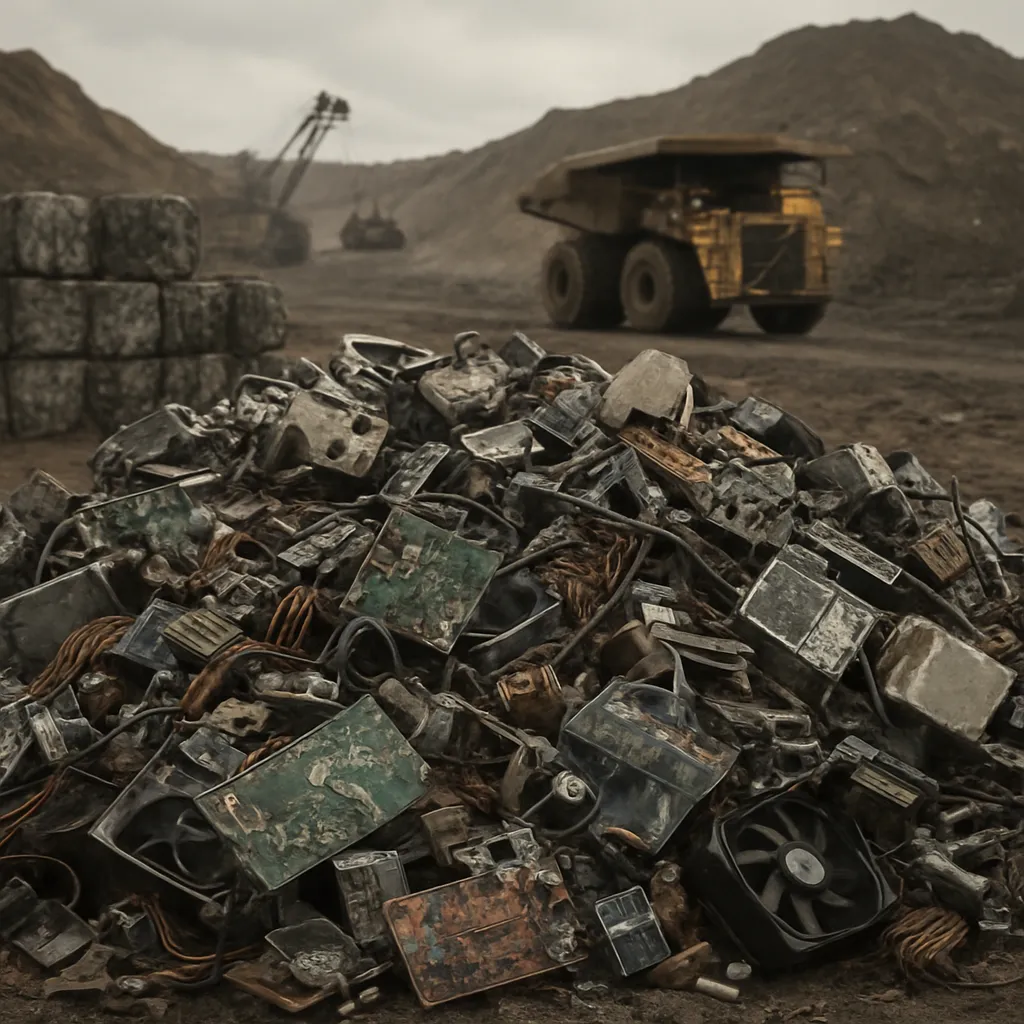
To address supply limitations and sustainability concerns, research is accelerating on several fronts. One promising strategy is secondary production through recycling and urban mining. Discarded electronics, magnets, and batteries harbor valuable concentrations of rare metals. Recycling not only recovers materials but also reduces the energy and water footprint associated with primary extraction.
Emerging technologies include:
- Hydrometallurgical recycling workflows that selectively dissolve target metals from mixed waste streams, achieving high purity grades.
- Advanced sorting systems leveraging machine learning and hyperspectral imaging to identify and segregate components containing rare elements.
- Electrochemical recovery methods, enabling direct plating of metals onto electrodes, minimizing chemical reagents.
On the exploration side, deep-sea mining and asteroid prospecting have captured scientific and commercial interest. While deep-ocean nodules contain nickel, cobalt, and rare earths, the ecological risks remain largely undocumented. Extraterrestrial mining could theoretically unlock vast new reserves, but the technical and legal frameworks are still nascent.
Industry collaboration is also vital. Public–private partnerships, materials research consortia, and international agreements can coordinate investment, share best practices, and standardize environmental benchmarks. Crucially, faster adoption of circular economy principles will ease supply pressures by extending the lifecycle of critical components.
Building resilient supply chains
Ultimately, scaling up rare metal production demands a holistic approach. Companies and governments must integrate exploration, extraction, processing, recycling, and community engagement into coherent strategies. Key elements for success include:
- Diversified sourcing to mitigate concentration risk.
- Technological innovation aimed at reducing environmental footprints and improving yields.
- Transparent governance that ensures social license and regulatory compliance.
- Long-term investment in infrastructure, research, and workforce development.
While significant hurdles remain, the combination of advanced engineering solutions, policy support, and global cooperation can pave the way for a more secure and sustainable rare metals ecosystem. Progress will hinge on balancing economic growth with environmental stewardship and geopolitical stability.