In an era where emerging technologies drive unprecedented demand for rare metals, companies face mounting pressure to adopt sustainable practices throughout their sourcing operations. These critical elements, including lithium, cobalt, nickel, and rare earth elements, are essential for batteries, electronics, and renewable energy systems. However, their extraction and processing often carry significant environmental and social risks. Achieving responsible procurement requires a multifaceted approach that balances economic growth with environmental stewardship and social equity.
Global Demand and Supply Challenges
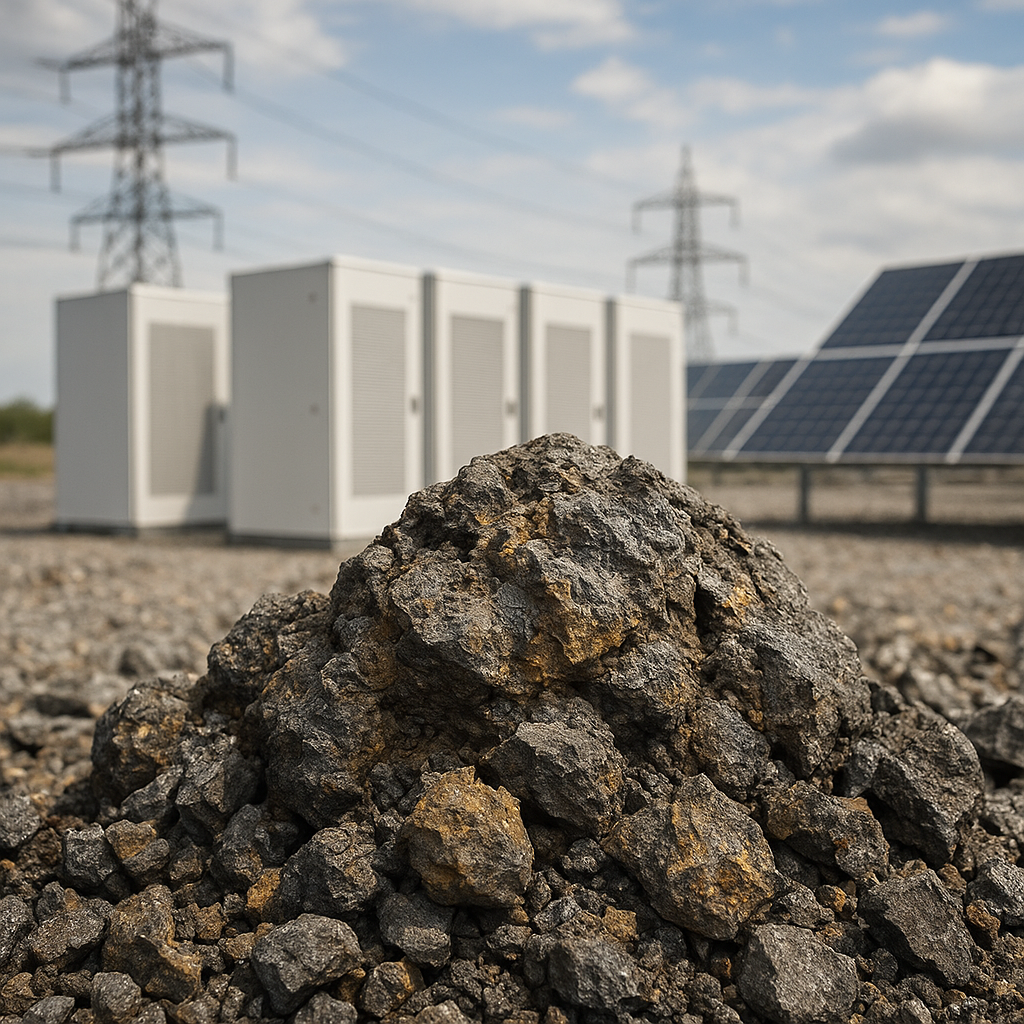
The transition to clean energy and the proliferation of high-tech devices have fueled a surge in demand for rare metals. Markets for electric vehicles (EVs), smartphones, wind turbines, and advanced defense systems now hinge on a handful of elements with limited geographic distribution. For instance, a large share of rare earth production is concentrated in a single country, creating vulnerabilities in the global supply chain. Companies must grapple with price volatility, resource nationalism, and geopolitical tensions that can disrupt material flows.
At the same time, exploration for new deposits is expensive, time-consuming, and uncertain. Traditional mining operations often face declining ore grades, which increases the volume of waste rock and tailings. Regulatory hurdles, community opposition, and environmental impact assessments can delay project approvals for years. In regions where governance structures are weak or corruption is prevalent, sourcing practices may fall below acceptable ethical and environmental standards, leading to reputational and financial risks for downstream purchasers.
Environmental and Social Impacts
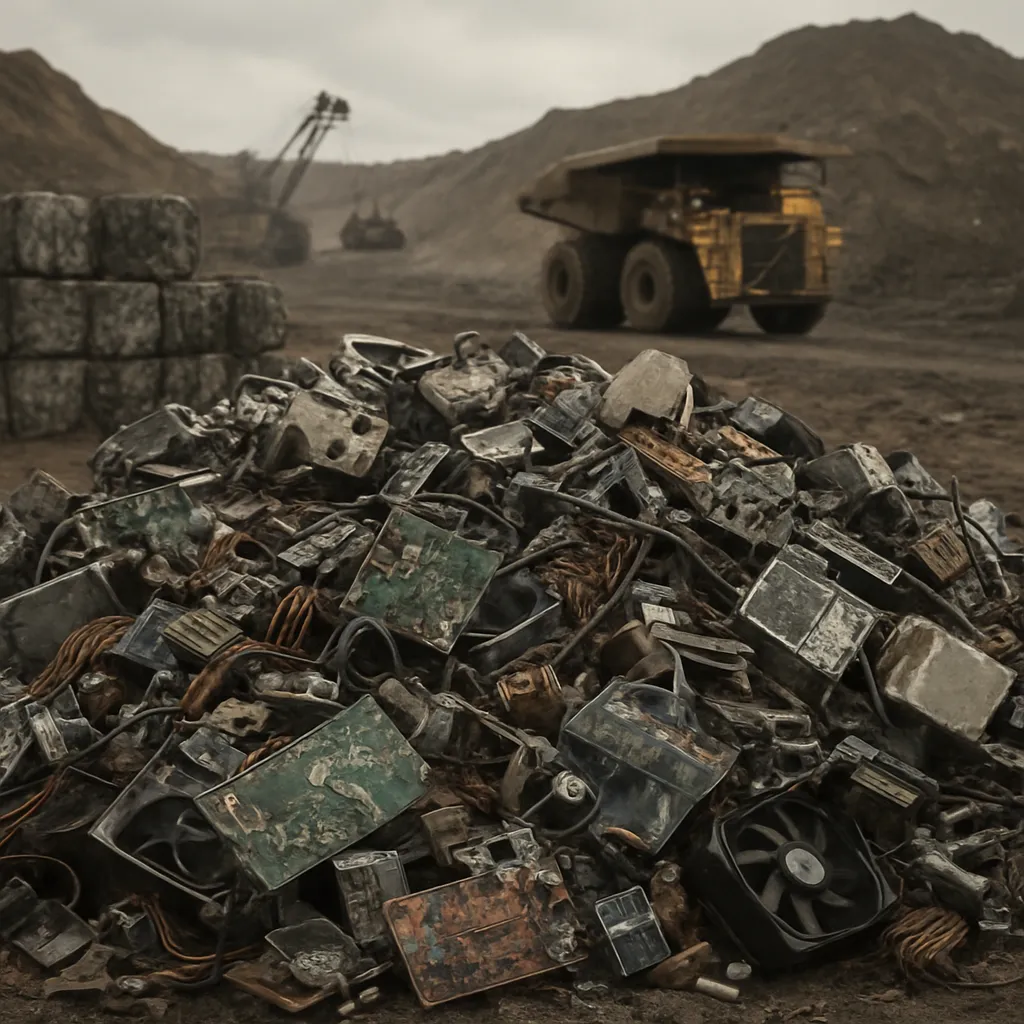
Extracting and processing rare metals impose significant environmental burdens. High-energy operations emit greenhouse gases, while chemical leakage from tailings ponds can contaminate soil and water sources. In some cases, acid mine drainage leads to long-term ecosystem degradation, affecting biodiversity and local agriculture. Companies are increasingly expected to minimize their ecological footprint by integrating best practices in waste management, water recycling, and land rehabilitation.
Social concerns are equally pressing. Mining activities often encroach on indigenous lands and traditional communities, triggering disputes over land rights and cultural heritage preservation. Workers in artisanal and small-scale mining (ASM) settings may endure unsafe conditions and exploitative labor practices, with limited access to healthcare or fair wages. Failure to address these challenges can lead to human rights violations, protests, and costly legal battles.
Investors, regulators, and civil society demand transparency and accountability at every step of the value chain. Corporate initiatives such as social impact assessments and community engagement programs have become standard, but effective implementation requires ongoing monitoring, grievance mechanisms, and capacity-building efforts for local stakeholders.
Strategies for Sustainable Sourcing
Implementing robust policies and reinforcing cooperation across stakeholders are key to achieving responsible procurement of critical raw materials.
- Due diligence and risk assessment: Companies should adopt international frameworks (e.g., OECD Guidelines) to map and evaluate environmental and social risks at each sourcing site.
- Enhanced traceability: Blockchain and digital ledger technologies can verify the origin of materials and ensure compliance with ethical and environmental standards.
- Supplier engagement: Long-term partnerships with local suppliers foster capacity-building, promote fair labor practices, and encourage continuous improvement in environmental performance.
- Certification schemes: Voluntary standards—such as those from the Initiative for Responsible Mining Assurance (IRMA) or the Responsible Minerals Initiative (RMI)—provide third-party verification of ethical sourcing practices.
- Collaborative platforms: Multi-stakeholder coalitions, including NGOs, industry peers, governments, and academia, facilitate knowledge sharing and the development of harmonized standards.
- Financial incentives: Green bonds, sustainability-linked loans, and impact investing can lower the cost of capital for suppliers that meet rigorous environmental and social criteria.
By integrating these measures, companies not only mitigate operational risks but also enhance their brand reputation and meet the growing expectations of investors and consumers who prioritize responsible consumption.
Innovation in Recycling and Circular Economy
Given the finite nature of mineral resources, moving beyond a linear “mine-use-dispose” model is imperative. The adoption of circular economy principles can significantly reduce reliance on virgin extraction while generating new business opportunities. Advanced recycling technologies enable the recovery of metals from end-of-life electronics, batteries, and industrial catalysts. Hydrometallurgical and bioleaching processes are evolving to become more cost-effective and environmentally friendly, offering higher recovery rates and lower energy consumption than traditional pyrometallurgy.
Design for recycling is another pivotal strategy. Manufacturers can optimize product architecture to simplify disassembly, facilitate material separation, and minimize the use of hazardous substances that complicate recycling. Extended producer responsibility (EPR) schemes hold producers accountable for the entire lifecycle of their products, incentivizing them to develop take-back programs and invest in downstream recovery facilities.
In parallel, research into substitute materials and advanced alloys aims to reduce dependency on critical elements without compromising performance. For example, modifying battery chemistries to use more abundant metals can ease supply constraints for lithium and cobalt. Collaborative R&D between technology companies, academic institutions, and government labs accelerates innovation and helps bring alternative solutions to market.
Finally, real-time data analytics and digital twin models support more efficient resource management. By tracking material flows and predicting maintenance cycles, firms can optimize inventory levels, reduce waste, and align production with sustainable sourcing commitments.