In the competitive arena of global rare metals, achieving transparency throughout the supply chain has become a pivotal factor for companies seeking a competitive advantage. As demand for critical minerals like lithium, cobalt, and rare earth elements soars, stakeholders across industries are scrutinizing ethical sourcing, environmental impact, and regulatory compliance. This article delves into the significance of transparent supply networks, examines cutting-edge tools and methodologies, and highlights the strategic benefits that come with embracing full visibility.
Exploring the Critical Role of Transparency in Rare Metals
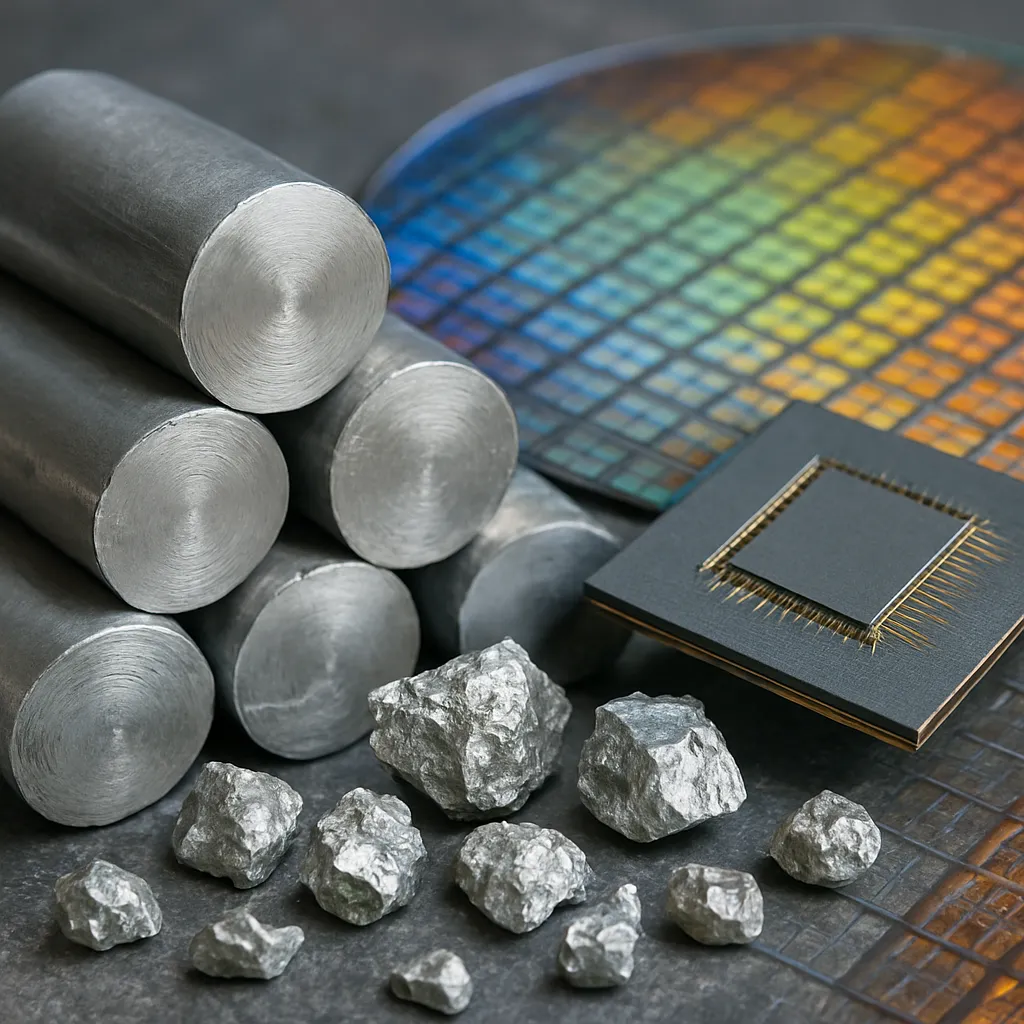
Rare metals underpin modern technologies from electric vehicles to advanced electronics. However, their extraction and processing often take place in regions fraught with complex legal frameworks and social challenges. Companies that champion traceability not only safeguard their reputation but also align with the growing expectations of investors, consumers, and regulators. Key considerations include:
- Ensuring compliance with international standards such as the OECD Due Diligence Guidance for Responsible Supply Chains of Minerals.
- Mitigating risks associated with conflict minerals, child labor, and environmental degradation in mining communities.
- Building trust with end-users by providing clear provenance data on each batch of material.
Embedding transparency early in the procurement process enables companies to identify bottlenecks and potential violations before they escalate into costly scandals. By mapping every node—from mine gate to manufacturing facilities—organizations can demonstrate a robust commitment to ethics and sustainability.
Enabling Technologies and Methodologies for Full Visibility
Advancements in digital tools have revolutionized supply chain operations. Leveraging these technologies allows companies to capture, store, and share real-time data at unprecedented scales. Core innovations include:
Blockchain and Distributed Ledgers
- Provides tamper-evident records, ensuring that each transaction—from ore extraction to final product delivery—is immutable.
- Facilitates cross-industry collaboration by granting secure access to verified partners without compromising proprietary information.
Internet of Things (IoT) and Sensor Networks
- Integrates smart tags and sensors to monitor geolocation, temperature, and handling conditions of rare metal consignments.
- Enables automated alerts for deviations, promoting proactive quality control and reducing loss or tampering.
Artificial Intelligence and Predictive Analytics
- Analyzes historical and real-time data to forecast supply disruptions, price volatility, and environmental events.
- Supports decision-making by identifying patterns that may indicate illicit practices or inefficiencies.
Adopting these solutions demands a strategic approach. Companies must invest in interoperable platforms, train personnel on data governance, and establish clear protocols for information sharing. Collaboration between mining operators, smelters, logistics providers, and auditors forms the backbone of an effective transparent ecosystem.
Strategic Benefits of Transparent Rare Metals Supply Chains
Embracing transparency yields tangible advantages across multiple dimensions. Organizations that pioneer full-spectrum visibility reap benefits in operational resilience, brand reputation, and financial performance.
- Risk Mitigation: Early detection of compliance breaches reduces legal liabilities and safeguards against regulatory fines.
- Market Differentiation: Brands that certify ethically sourced metals can command premium pricing and capture market share among conscientious buyers.
- Investor Confidence: Transparent reporting bolsters credibility with ESG-focused investors, unlocking new capital and partnerships.
Moreover, a transparent supply chain fosters innovation. By sharing data across the value chain, stakeholders can collaborate on:
- Developing sustainable mining methods that lower carbon footprints and minimize waste.
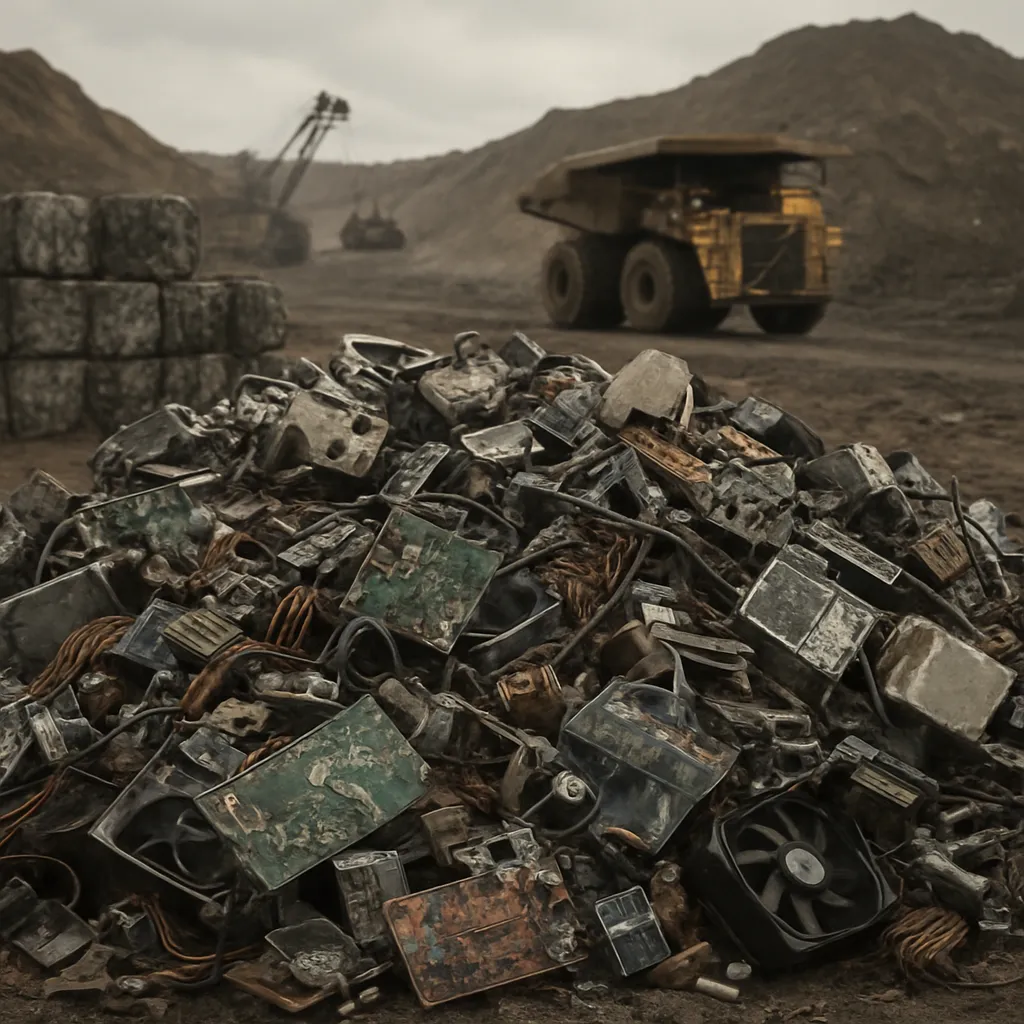
- Implementing circular economy initiatives to recycle end-of-life electronics and recover valuable rare metals.
- Advancing traceability standards that can be adopted industry-wide, raising the bar for ethical practices.
In an era where consumer awareness and regulatory scrutiny are intensifying, companies that hesitate to prioritize transparency risk losing credibility and market access. Conversely, those that champion openness secure a robust platform for long-term growth and innovation in the ever-evolving domain of global rare metals.