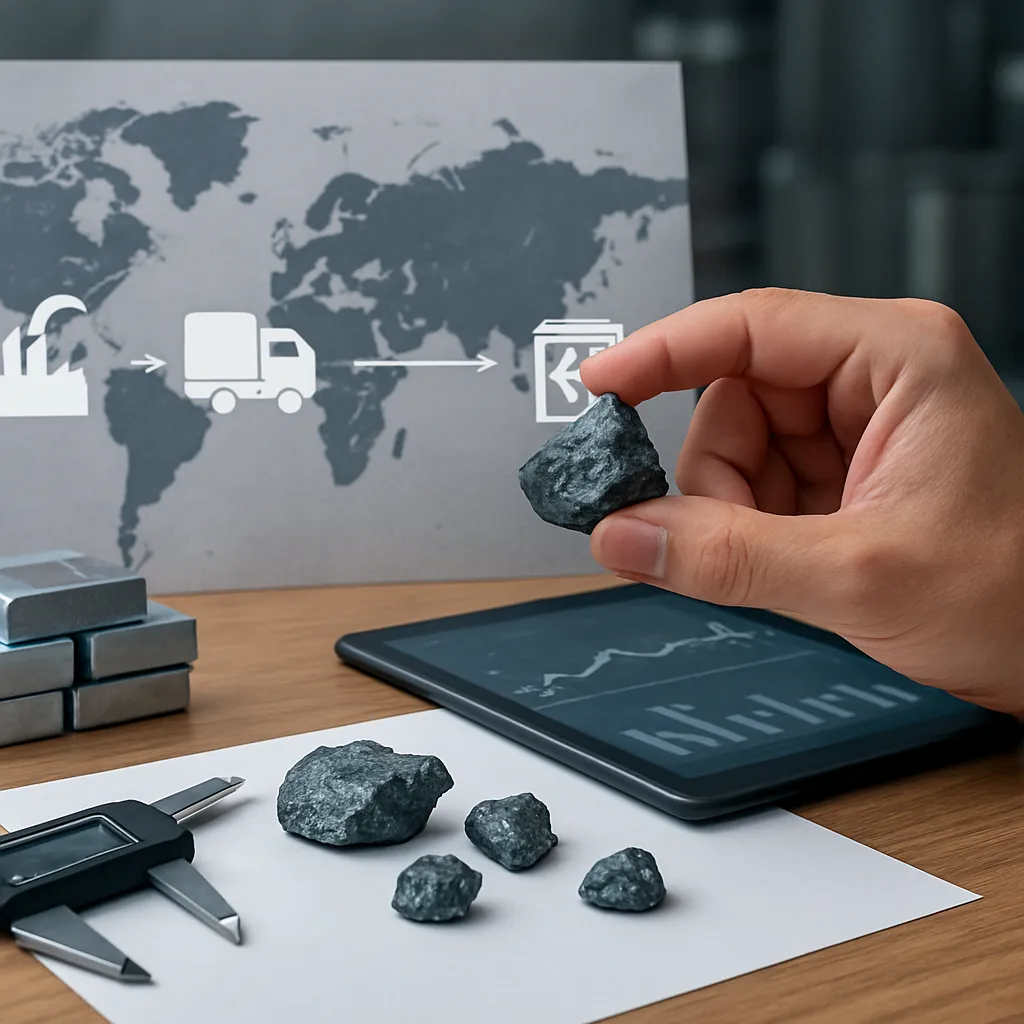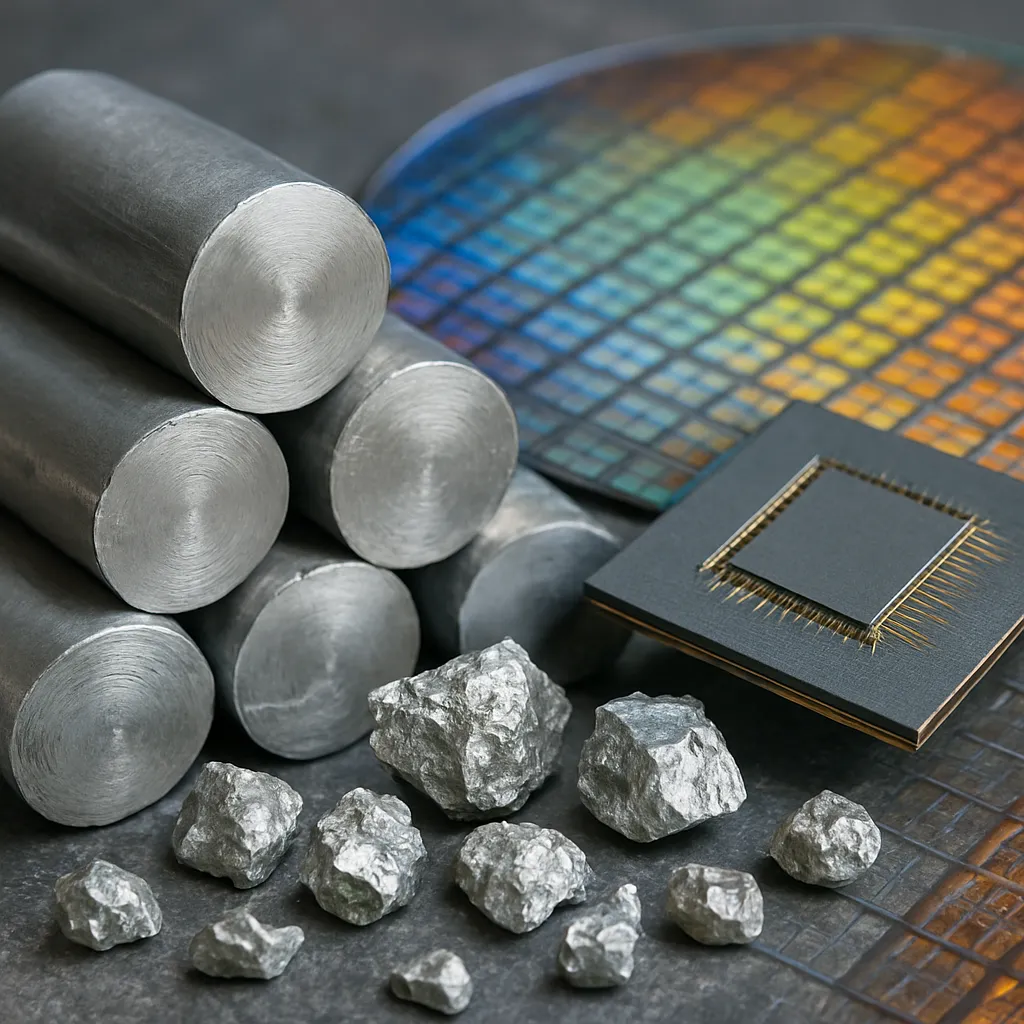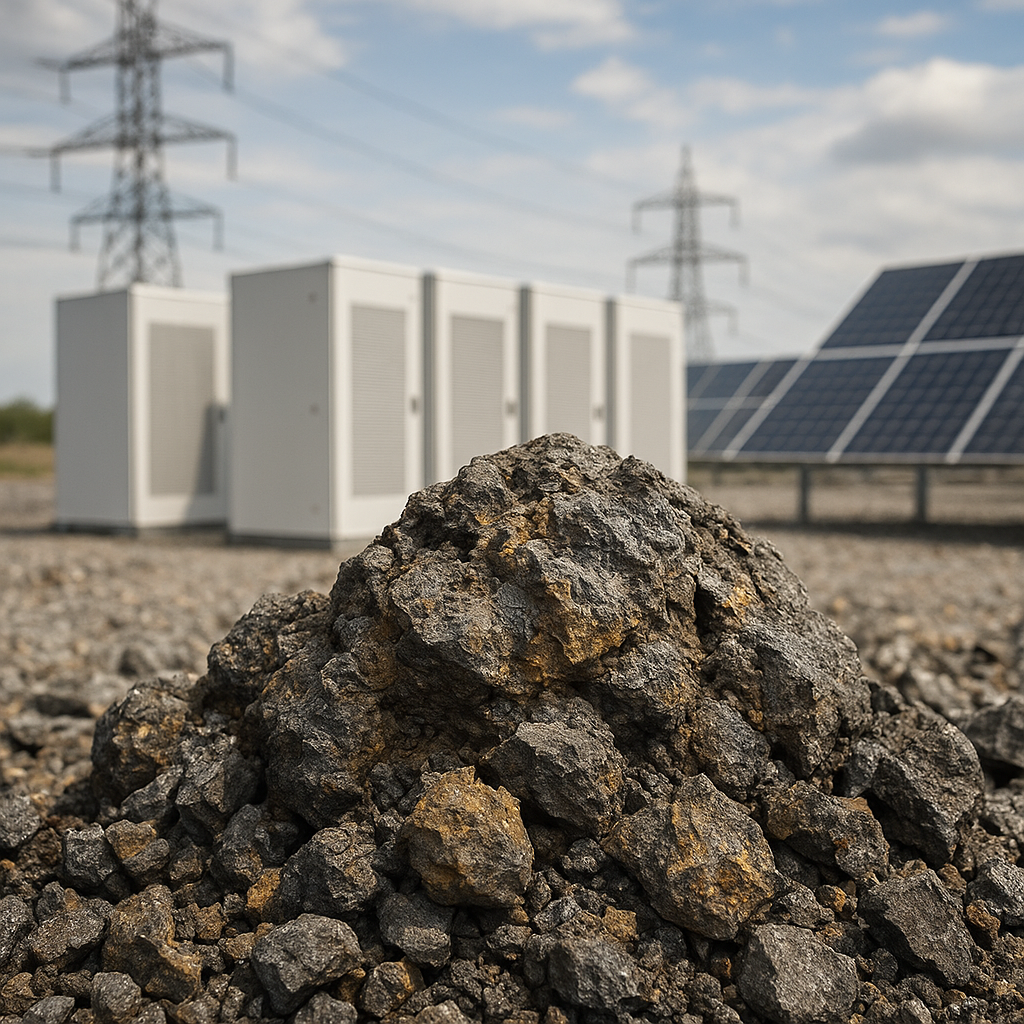
The demand for rare metals such as lithium, cobalt, nickel, and platinum group elements has surged in step with rapid technological advances. From electric vehicle batteries to advanced electronics, these materials are the backbone of modern industry. However, conventional extraction techniques often rely on harsh acids, high energy input, and generate significant toxic waste. The integration of sustainability principles into extraction methods has given rise to an era of innovation in green chemistry. This article explores cutting-edge strategies that promise to revolutionize how we recover and recycle critical metals while minimizing environmental footprints.
Green Chemistry Innovations in Rare Metal Extraction
Traditional mining and metallurgical processes for rare metals typically involve sulfuric or hydrochloric acid leaching, high-temperature roasting, and intensive smelting. Such operations contribute to greenhouse gas emissions, acid mine drainage, and toxic byproducts. Green chemistry offers an alternative paradigm by emphasizing resource efficiency, renewable feedstocks, and benign reaction media. Key innovations include:
- Ionic liquids and deep eutectic solvents: These designer solvents can selectively dissolve target metals under mild conditions. By tuning their cation-anion combinations, researchers achieve high extraction yields with minimal volatility and low toxicity.
- Chelating polymers and biosorbents: Functionalized biopolymers and waste biomass residues can act as selective binding agents. Their high affinity for metal ions enables efficient recovery from dilute solutions.
- Electrochemical leaching: Coupling green electrolytes with renewable electricity sources drives metal dissolution at lower temperatures. This approach reduces CO2 emissions and avoids hazardous reagents.
By replacing conventional reagents with tailored, less harmful alternatives, these methods decrease the environmental burden of catalysts production and end-of-life disposal. Furthermore, solvent retrieval and recycling strategies ensure closed-loop operation, reinforcing the goal of minimizing waste streams.
Biotechnological Approaches: Bioleaching and Phytomining
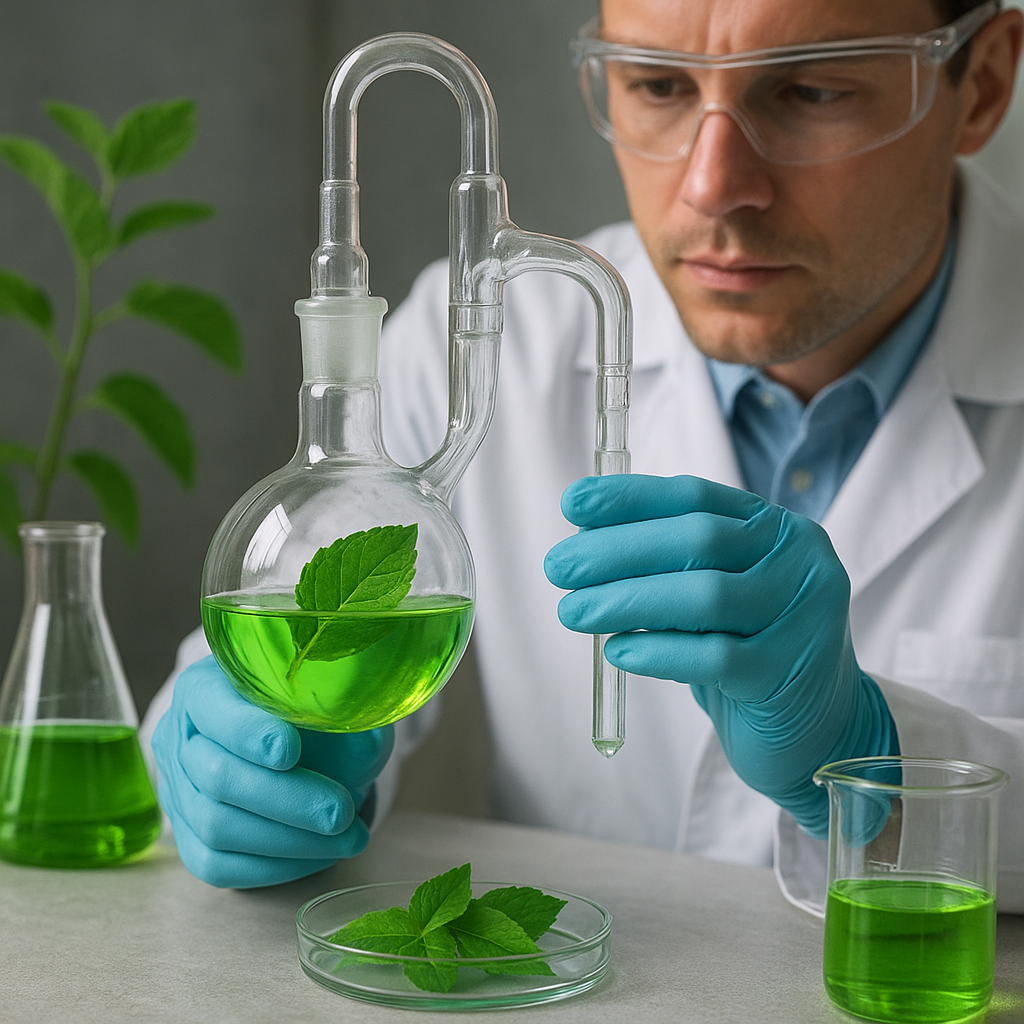
Nature itself provides a blueprint for gentle metal recovery. Microorganisms such as Acidithiobacillus ferrooxidans, Leptospirillum spp., and certain fungi exhibit remarkable capacities to leach metals from ores and tailings. This process, known as bioleaching, harnesses microbial metabolism to generate organic acids and redox reactions that solubilize target elements.
Mechanisms of Bioleaching
- Acid generation: Microbial oxidation of sulfur and iron generates sulfuric acid and ferric ions, which attack metal-bearing minerals.
- Redox cycling: Bacteria shuttle electrons between metal sulfides and electron acceptors, catalyzing mineral dissolution without the need for external acid addition.
- Extracellular polymeric substances: Microbial secretions can complex with metal ions and facilitate transport across cell walls.
In parallel, phytomining leverages hyperaccumulator plants that concentrate metals in their biomass. Crops such as Alyssum murale (nickel) or Thlaspi caerulescens (zinc) can be harvested, incinerated, and processed to retrieve high-value metals. Phytomining offers low-energy, carbon-negative extraction, and can rehabilitate contaminated soils by removing toxic elements.
These biotechnologies excel at treating low-grade ores and waste streams that are uneconomical for traditional methods. By integrating microbial reactors or phytocrops into mining operations, companies can unlock new resource reserves while enhancing ecological restoration.
Circular Economy and Urban Mining
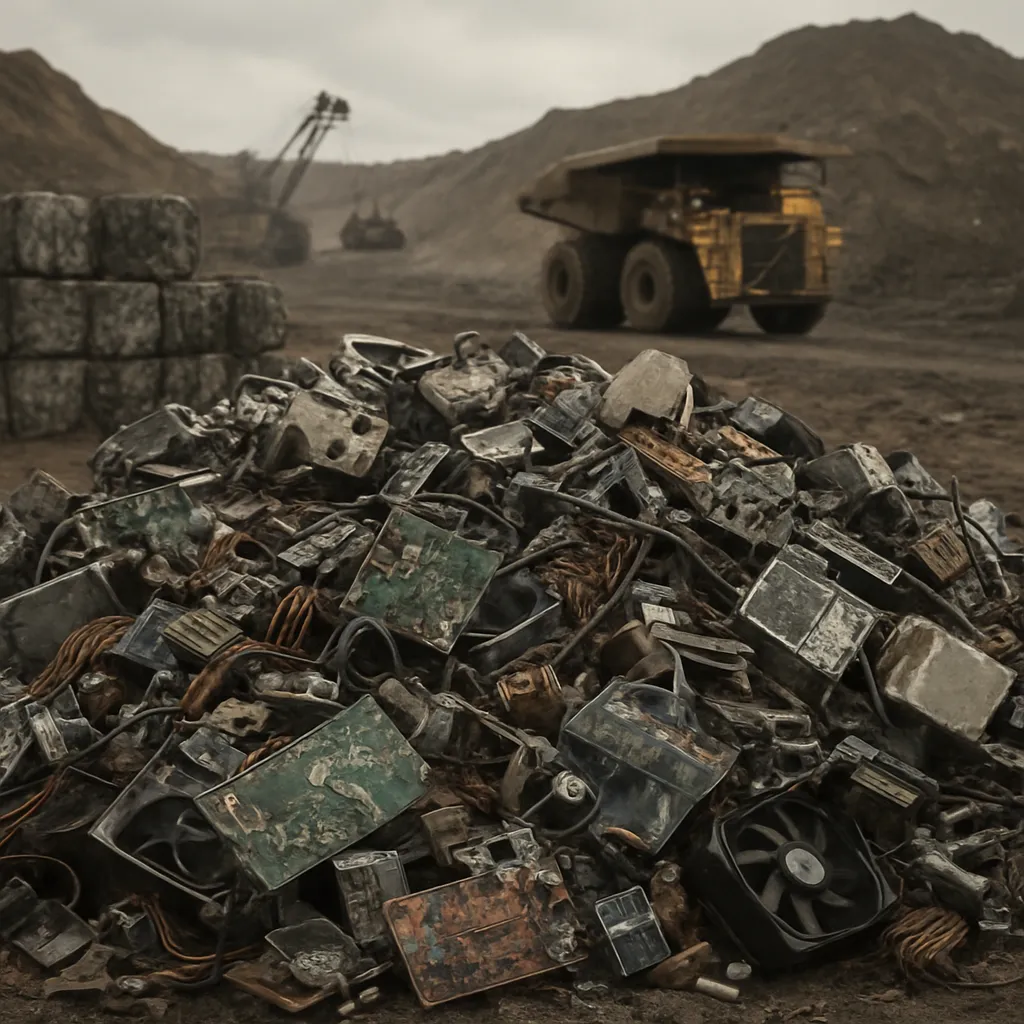
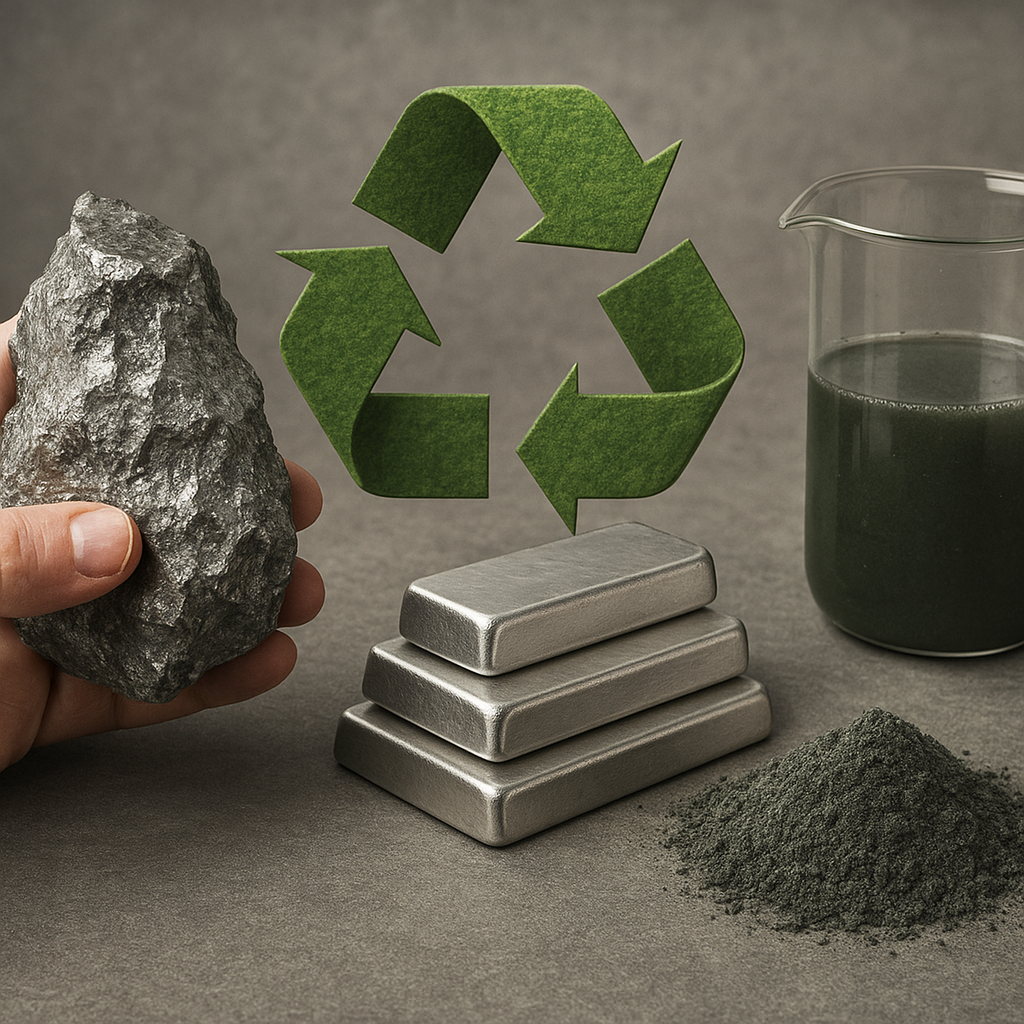
Beyond natural deposits, the built environment contains vast stocks of critical metals trapped in electronic devices, catalysts, and industrial equipment. Urban mining—recovering metals from discarded products—embodies the principles of the circular economy. Key strategies include:
- Mechanical pre-treatment: Shredding, sieving, and magnetic separation isolate metal-rich fractions from mixed waste.
- Hydrometallurgical refining: Mild leaching with organic acids or biodegradable solvents dissolves valuable metals without producing large slag volumes.
- Solvent extraction and membrane separation: Sequential separation steps concentrate individual elements for high-purity recovery.
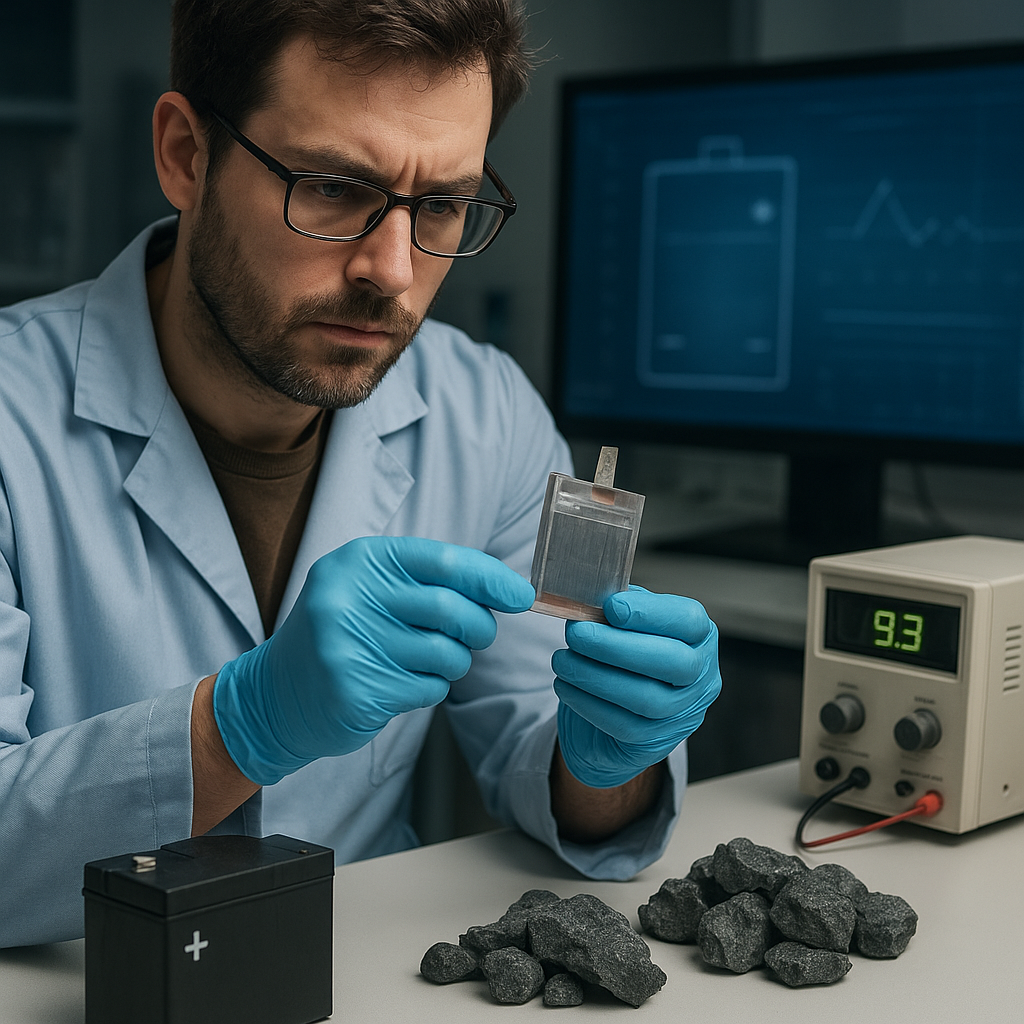
For example, spent lithium-ion batteries can be processed using citric acid leaching coupled with biooxidation to recover cobalt, nickel, and lithium with minimal secondary pollution. Similarly, spent catalysts from petroleum refining—rich in platinum group metals—respond to green solvent extraction that replaces chlorinated reagents.
Establishing local recycling hubs reduces transportation emissions, insulates supply chains from geopolitical risks, and recovers metals at competitive costs compared to primary mining. In many urban centers, the concentration of e-waste can exceed the ore grades found at remote mines.
Environmental and Economic Impacts
Implementing green extraction technologies reshapes both ecological and financial landscapes. Life-cycle assessments reveal that alternative processes using ionic liquids or bioleaching can cut energy consumption by up to 50 percent and slash CO2 emissions by more than 60 percent compared to conventional smelting. Additionally, reduced water usage and lower acid generation minimize the risk of tailings dam failures.
Economically, the upfront investment in novel reactors or solvent regeneration systems is offset by long-term savings in reagent costs, waste management, and regulatory compliance. Companies adopting these methods often gain preferential access to markets that demand ethically sourced materials, strengthening brand reputation and customer loyalty.
Moreover, diversifying supply through urban mining and secondary resources enhances resilience against market volatility. Governments and international bodies are increasingly incentivizing sustainable extraction through tax credits, research grants, and favorable permitting processes.
The shift toward green extraction also fosters cross-disciplinary collaboration among chemists, biotechnologists, engineers, and data scientists. Advanced process monitoring, powered by artificial intelligence, optimizes reaction parameters in real time, ensuring maximum metal recovery with minimal environmental impact.