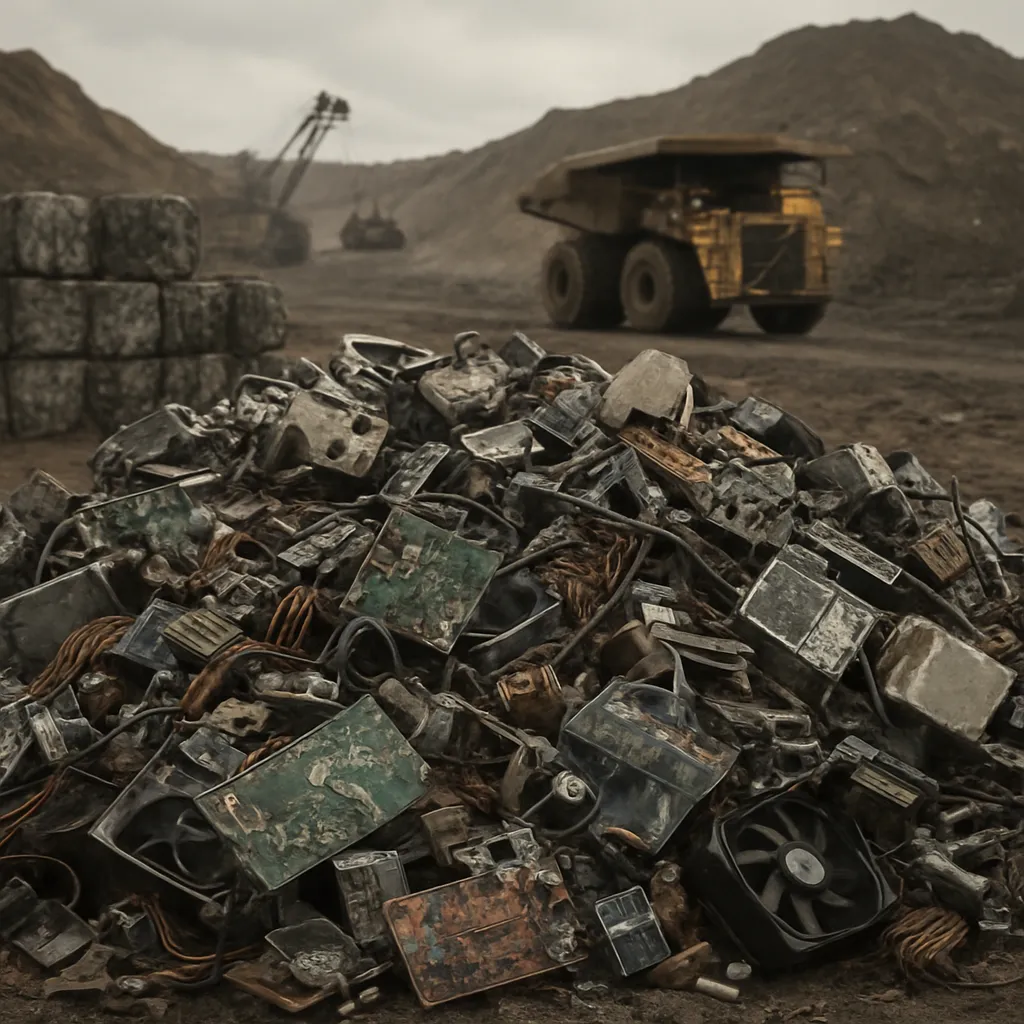
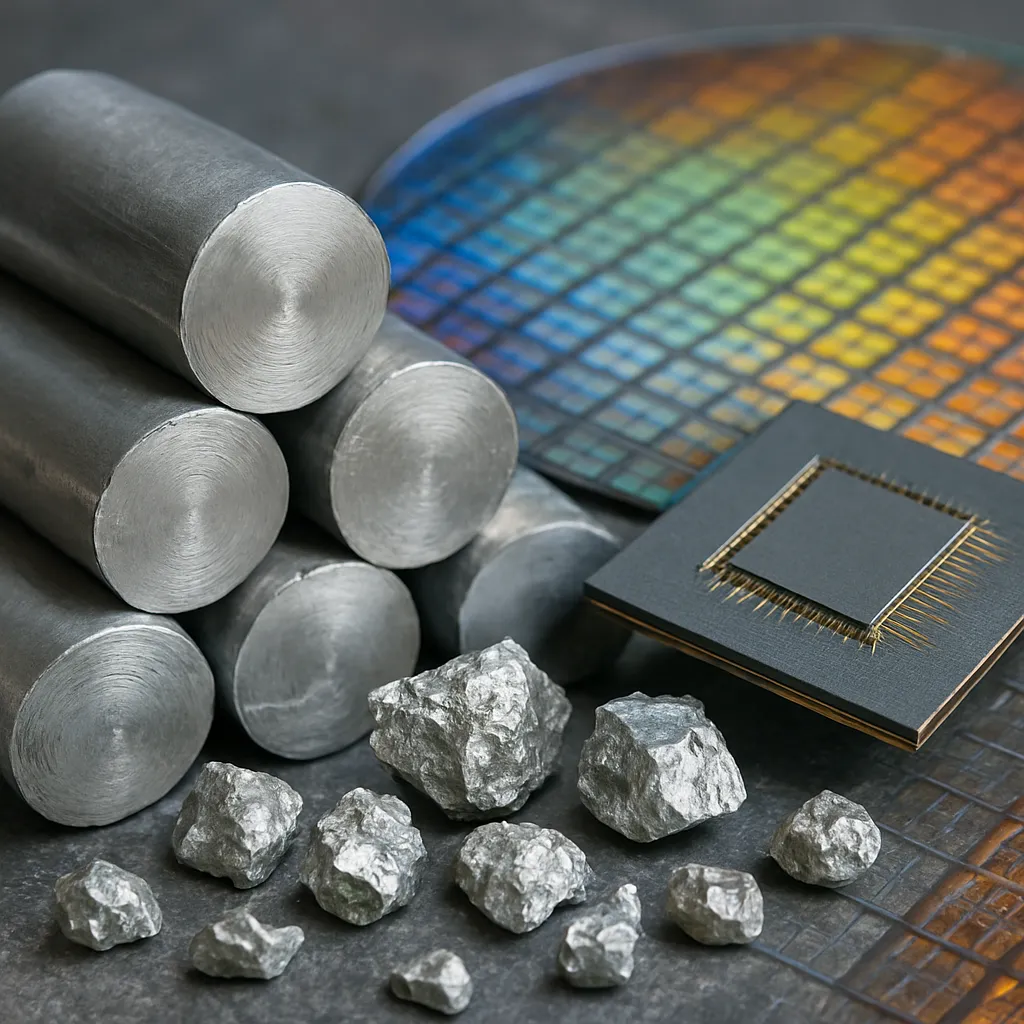
Global reliance on high-performance devices, from smartphones to electric vehicles, has elevated the importance of recovering and reusing rare metals. As supply chains face geopolitical tensions and environmental scrutiny, the industry must pursue robust recycling strategies to ensure sustainability and resource security. The following exploration delves into current market dynamics, cutting-edge recovery methods, and the intertwined economic and environmental considerations shaping the future of rare metal recycling.
Market Dynamics and Strategic Importance
Growing Demand Across Industries
Rapid industrialization and the clean energy transition have triggered unprecedented consumption of elements like lithium, cobalt, neodymium, and platinum group metals. Key sectors driving this surge include:
- Consumer electronics with miniaturized components and high-performance magnets.
- Electric vehicles relying on lithium-ion batteries and strategic alloy compositions.
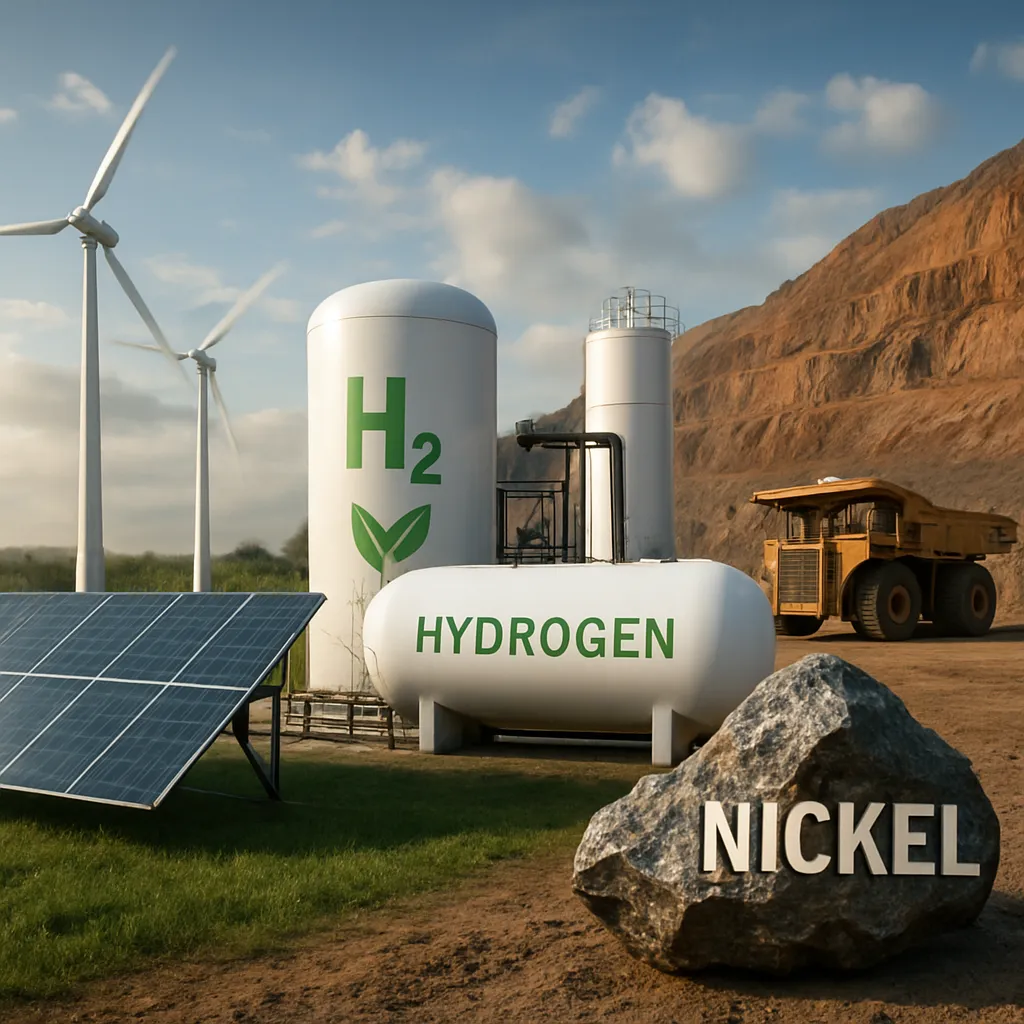
- Renewable energy systems deploying powerful generators and turbines.
- Defense and aerospace industries requiring high-strength, temperature-resistant materials.
Such trends underscore the economic and geopolitical weight of securing these finite resources.
Supply Constraints and Geopolitical Risks
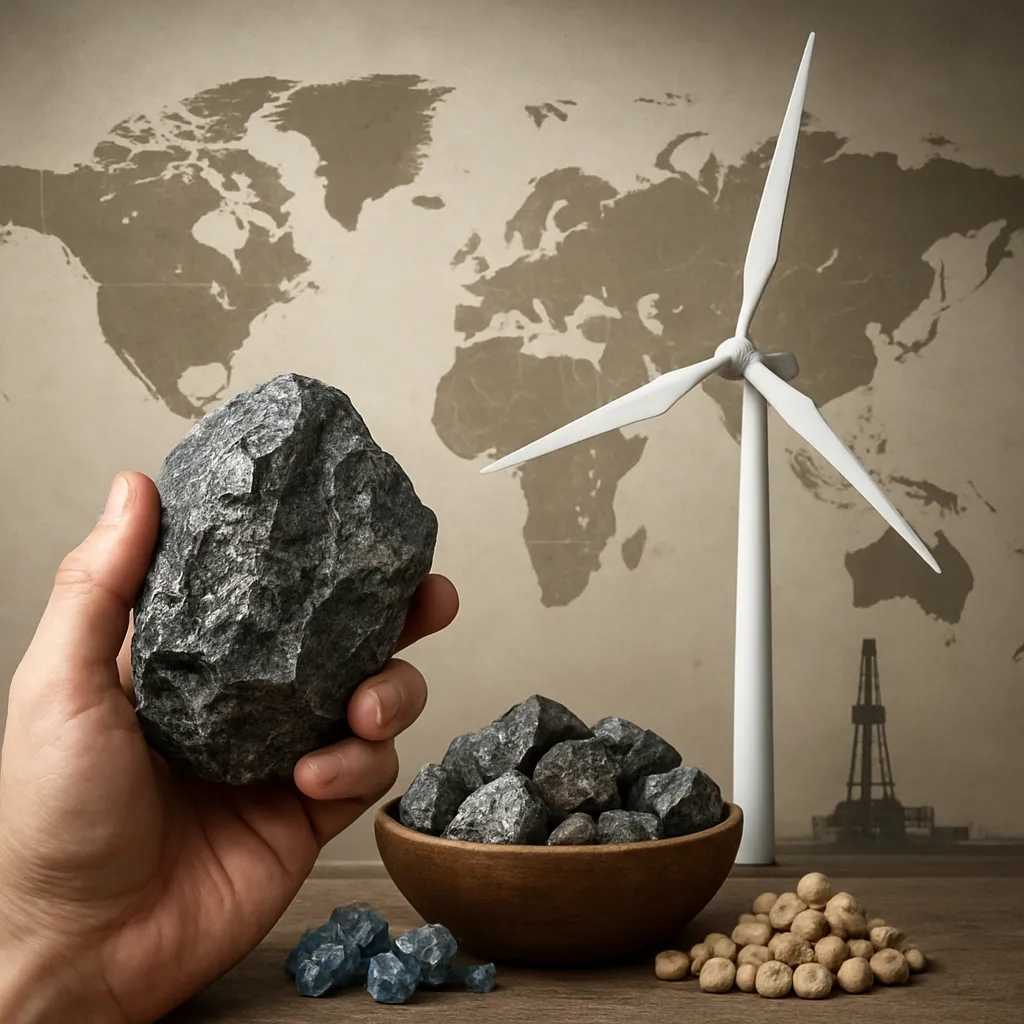
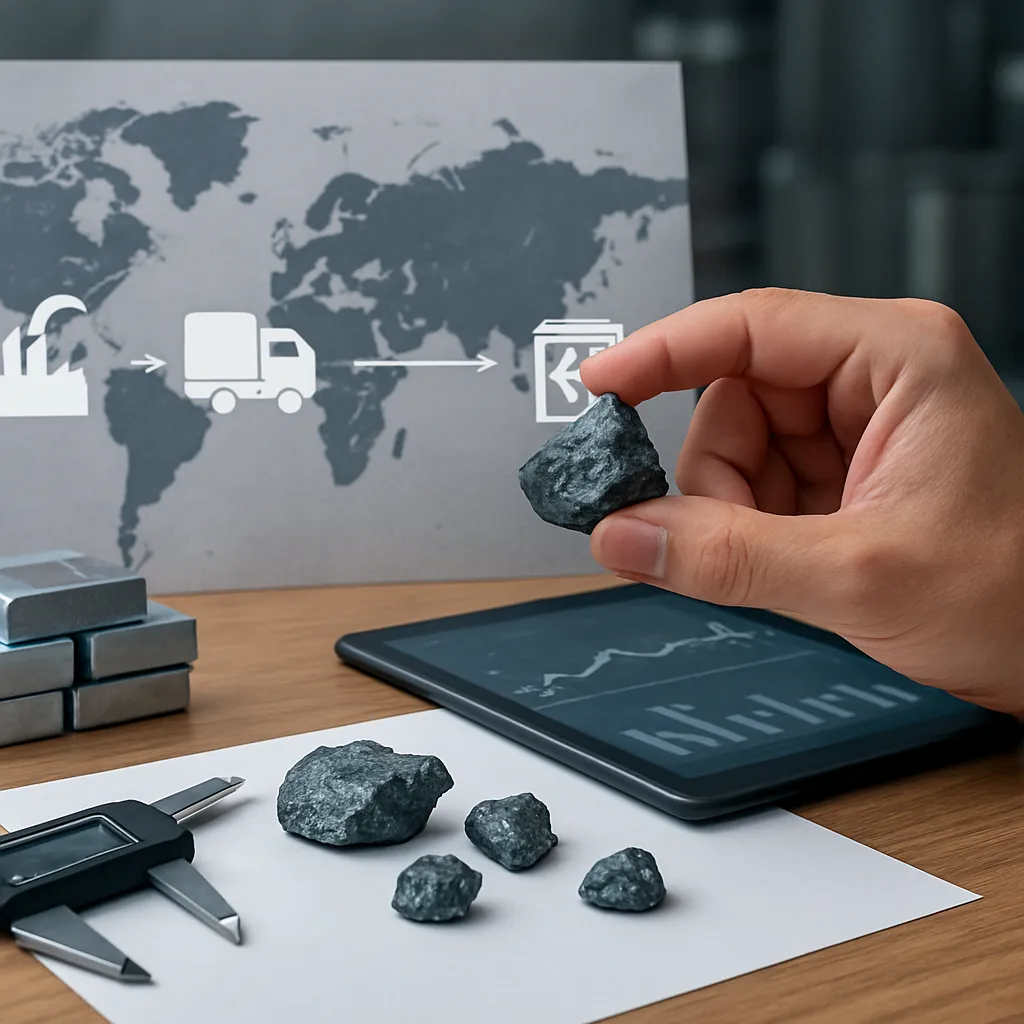
Many rare metals originate from a handful of nations, creating vulnerability to export restrictions, trade disputes, and political instability. Overreliance on singular sources can trigger price volatility, supply disruptions, and strained international relations. Recycling offers a buffer against these risks by:
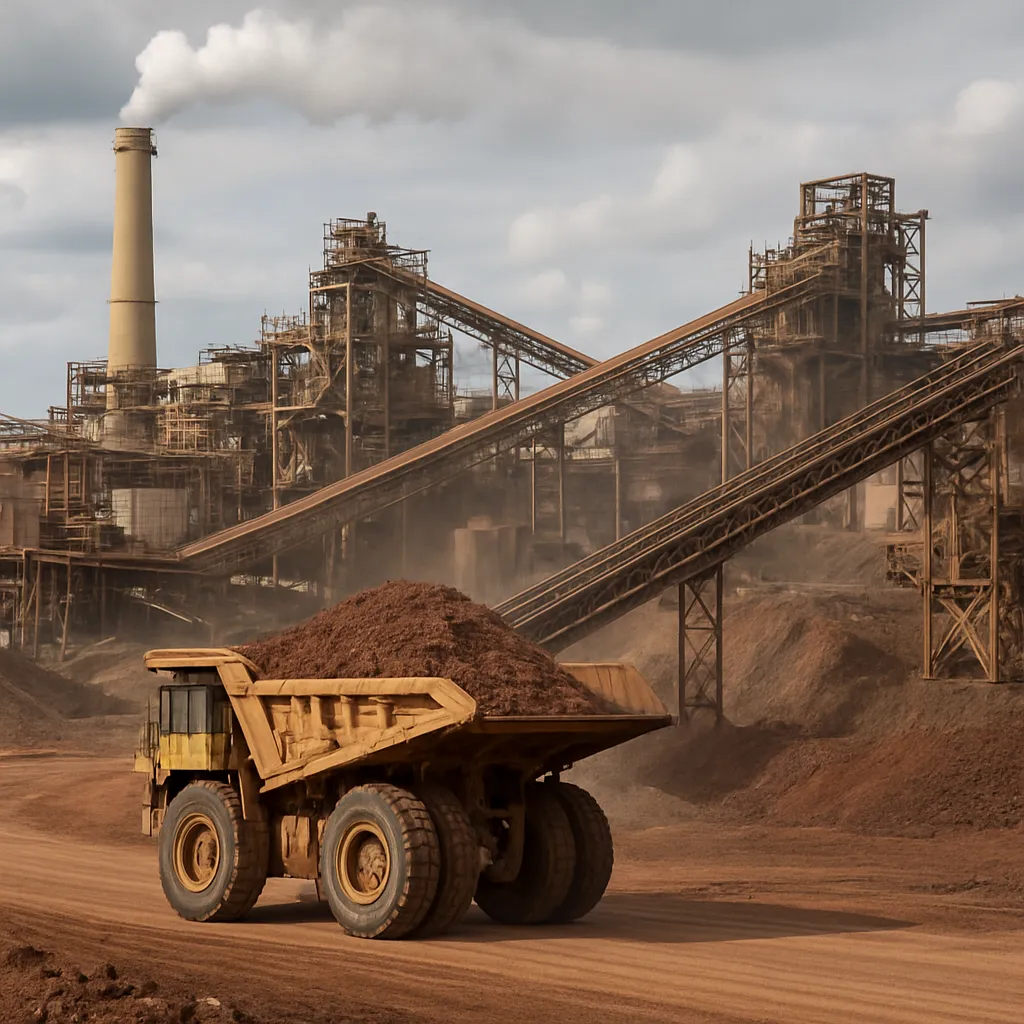
- Reducing dependency on virgin mining operations, which are often linked to environmental degradation and social conflict.
- Generating a secondary supply stream that lessens market shocks when primary production falters.
- Fostering domestic resilience through localized recovery facilities.
Advances in Recycling Technologies
Mechanical Separation and Preprocessing
Initial recovery steps often involve mechanical methods to concentrate valuable fractions. Techniques include:
- Shredding and crushing electronic scrap to liberate metal-rich components.
- Magnetic separation to isolate ferrous elements from complex mixtures.
- Density-based separation (e.g., shake tables and hydrocyclones) for preconcentration.
While cost-effective, mechanical processes alone cannot extract finely dispersed metals, prompting integration with chemical treatments.
Chemical and Hydrometallurgical Processes
Chemical leaching, solvent extraction, and precipitation represent the backbone of modern hydrometallurgy. Key steps include:
- Acid or alkaline leachants to dissolve target metals, such as cobalt and nickel, from battery cathodes.
- Solvent extraction to selectively separate metals based on complexation behavior.
- Electrowinning to recover high-purity metal powders ready for reuse.
This approach boasts high recovery rates, often exceeding 90% for critical elements, but requires careful management of chemical effluents to minimize environmental impacts.
Emerging Innovations and Biotechnological Routes
Novel techniques are emerging at the intersection of biology and materials science. These include:
- Bioleaching using microorganisms that oxidize sulfide ores or electronic waste, enhancing metal solubilization.
- Supercritical fluid extraction employing technological solvents like CO₂ under high pressure to selectively dissolve targets.
- Advanced redox flow systems that couple metal recovery with energy storage functionalities.
While promising, these methods are often in pilot stages and face scale-up challenges before widespread adoption.
Economic and Environmental Impacts
Cost-Benefit Analysis and Market Integration
Recycling programs must balance capital investment, operational expenses, and market value of reclaimed metals. Financial viability hinges on:
- Collection infrastructure and logistics to gather end-of-life products.
- Sorting accuracy to ensure high-grade feedstock and minimize downstream processing costs.
- Fluctuations in commodity prices affecting revenue projections for recovered metals.
Integrated facilities that combine shredding, hydrometallurgy, and refining under one roof can optimize resource utilization and reduce transportation overhead. Public-private partnerships and government incentives further de-risk early-stage investments.
Regulatory Frameworks and Lifecycle Considerations
Governments worldwide are implementing regulations to drive circular economy practices. Notable measures include:
- Extended Producer Responsibility mandates requiring manufacturers to finance end-of-life collection and recycling.
- Mandatory recycling quotas for electronics and automotive sectors.
- Subsidies and tax breaks for facilities that adopt low-emission recovery technologies.
Lifecycle assessments play a pivotal role in comparing the environmental footprint of primary mining versus secondary recovery, highlighting substantial reductions in greenhouse gas emissions and energy consumption when metals are recycled.
Challenges and Future Outlook
Key obstacles to scaling up rare metal recycling include:
- Complex product designs that embed metals in polymers or ceramics, complicating separation.
- Low collection rates, especially in regions lacking efficient waste management systems.
- Trade barriers and export restrictions that deter cross-border movement of recyclable materials.
To overcome these hurdles, stakeholders are exploring blockchain-based tracking for better transparency, modular recycling units for decentralized operations, and educational campaigns to boost consumer participation. As research accelerates and policies align, innovation in recovery processes will be critical to unlocking the full potential of rare metal recycling, ensuring both economic competitiveness and resource stewardship on a global scale.