The integration of rare metals into the aerospace sector has revolutionized structural integrity, performance, and long-term viability of aircraft and spacecraft. From advanced airframes to high-temperature engines, innovations in material science rely heavily on strategic use of elements such as titanium, niobium, zirconium, and scandium. As global demand intensifies, research focuses on optimizing extraction techniques, refining alloys, and promoting recycling strategies to enhance sustainability and reduce geopolitical risk. This article explores the distribution of critical resources, the role of these metals in modern aerospace materials, emerging technologies shaping future propulsion systems, and the environmental and economic challenges that lie ahead.
Global Distribution and Extraction of Critical Resources
Worldwide reserves of rare metals are unevenly distributed, creating supply chain vulnerabilities. Major mining operations concentrate in a handful of countries:
- China: Leading producer of titanium minerals and processing capacity for high-purity products.
- Brazil: Rich deposits of niobium, supplying over 90% of the global market.
- Australia: Significant resources of zircon and monazite, key sources of zirconium and heavy rare earth elements.
- Russia: Developing projects to extract scandium and other critical metals.
Extraction technologies range from conventional open-pit mining to advanced solvent extraction and ion-exchange methods. However, the low concentrations of targeted elements in ore demand high-volume throughput and energy-intensive refinement. Innovations in bioleaching and microwave-assisted processes show promise in increasing recovery rates and reducing environmental footprint. Geopolitical considerations also influence access, driving investment in secondary sources and stockpiling strategies to secure steady supplies for the aerospace industry.
Role of Rare Metals in Aerospace Materials and Alloys
Aerospace engineering demands materials that offer exceptional strength-to-weight ratios, corrosion resistance, and performance at extreme temperatures. Superalloys based on nickel and cobalt matrices often incorporate trace additions of titanium, niobium, and zirconium to enhance mechanical properties. Key applications include:
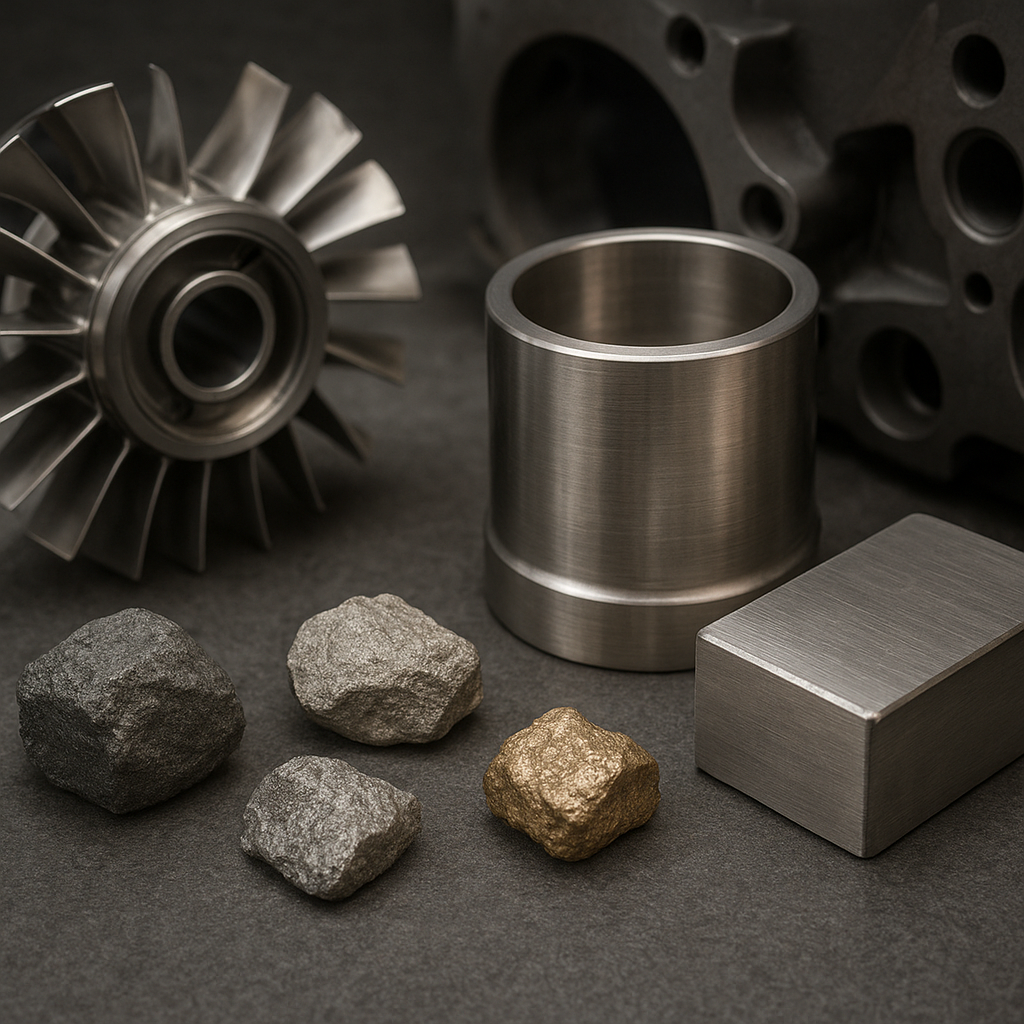
- Airframe Components: Titanium alloys, such as Ti-6Al-4V, dominate structural elements due to low density and high fatigue resistance.
- Engine Disks and Blades: Single-crystal superalloys, strengthened with niobium and tantalum, withstand temperatures exceeding 1,000 °C.
- Thermal Barrier Coatings: Zirconia-based ceramics applied to turbine sections protect against high-temperature oxidation.
- Lightweight Fuselage Panels: Scandium-reinforced aluminum alloys offer enhanced weldability and yield strength.
In addition to weight and strength improvements, rare metal-enriched alloys deliver superior service lifetimes under cyclic loading and aggressive chemical environments. For example, minor additions of niobium refine grain structure, reducing creep deformation in gas turbine parts. Meanwhile, zirconium microalloying enhances weldability of critical assemblies, streamlining manufacturing processes.
Innovations in Propulsion and Future Trends
Advancements in propulsion technologies are increasingly reliant on novel material solutions. Hypersonic flight, green propulsion, and electric aircraft all present unique challenges that rare metals can address.
Hypersonic Materials
At speeds above Mach 5, surface temperatures surpass 1,500 °C. Ultra-high-temperature ceramics often incorporate zirconium diboride and hafnium diboride to provide structural integrity under extreme heat flux. Research into ultra-lightweight composites integrates carbon matrices with refractory metal fillers to achieve the necessary thermal resistance.
Green and Electric Propulsion
Transitioning to eco-friendly engines requires lightweight and highly conductive materials. Scandium-aluminum alloys reduce overall mass, extending range for electric aircraft. Rare-earth magnets, derived from neodymium and dysprosium, are critical in high-efficiency electric motor designs. Efforts to reduce dependency on these scarce elements drive R&D into alternative magnet chemistries, though performance trade-offs remain a challenge.
Additive Manufacturing
Selective laser melting and electron beam melting allow complex geometries in high-value components while minimizing waste. Powder feedstocks of titanium and cobalt-chrome alloys, doped with trace niobium or tantalum, produce lattice structures optimized for weight and stiffness. These methods shorten supply chains by enabling on-demand fabrication directly at maintenance facilities or remote bases.
Environmental and Economic Challenges
As demand for aerospace-grade materials grows, so do concerns over ecological impact and cost volatility. Mining operations often disturb large land areas and consume significant water resources. Tailings management remains a critical issue, with potential for soil and water contamination. Governments and industry stakeholders are focusing on two complementary strategies:
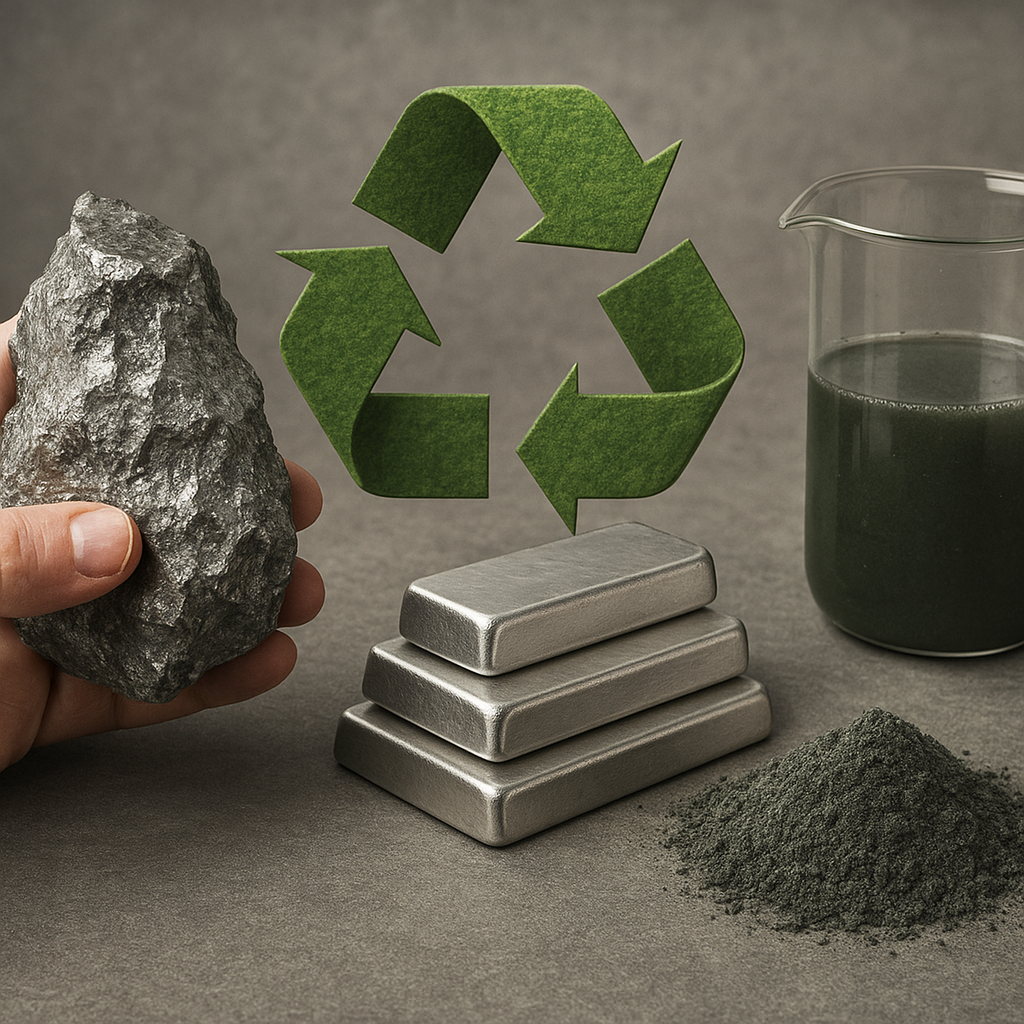
- Enhanced recycling Programs: Recovering titanium and nickel alloys from end-of-life aircraft can offset primary production. Advanced sorting and purification techniques aim to achieve near-pristine quality.
- Lifecycle Assessment and sustainability Standards: Incorporating environmental performance metrics into procurement decisions encourages low-impact extraction and manufacturing practices.
Economic pressures also stem from price fluctuations and export restrictions. Collaboration among aerospace original equipment manufacturers, mining firms, and regulatory bodies is essential to stabilize supply chains. Strategic partnerships and investment in domestic resource development help mitigate exposure to geopolitical uncertainties, ensuring that cutting-edge aerospace projects remain on schedule and within budget.