The ongoing bottleneck in microchip production has drawn attention to the pivotal role of rare metals—elements such as gallium, indium, and tantalum—in modern electronics. Shortages of these materials have intersected with a global semiconductor shortage, threatening everything from automotive manufacturing to consumer devices. As demand for advanced chips rises, understanding the intricacies of sourcing, processing, and recycling these critical materials is essential for building a more resilient supply framework.
Supply Chain Dynamics and Geopolitical Risks
Complex networks of mines, refineries, and fabrication plants span multiple continents, creating a delicate supply chain that can be disrupted by political unrest, trade policies, or sudden shifts in demand. For instance, a labor strike at a cobalt mine in Africa or export restrictions on gallium from a major producer can amplify shortages downstream. Freight delays and port congestion, exacerbated by pandemics or natural disasters, further strain the flow of raw materials to chip fabs in East Asia, Europe, and North America.
Several factors intensify these vulnerabilities:
- Concentration of Extraction: Over 70% of some rare earth oxides originate from a handful of countries, creating single points of failure.
- Limited Refining Capacity: Even when raw ores are available, specialized smelters capable of producing semiconductor-grade purity are scarce.
- Regulatory Barriers: Environmental permits and export controls can delay processing or trade, slowing down the conversion of ore into usable supply.
- Strategic Stockpiling: Nations and corporations sometimes hoard critical metals to hedge against geopolitical shocks, inadvertently tightening global availability.
Critical Roles of Rare Metals in Semiconductor Manufacturing
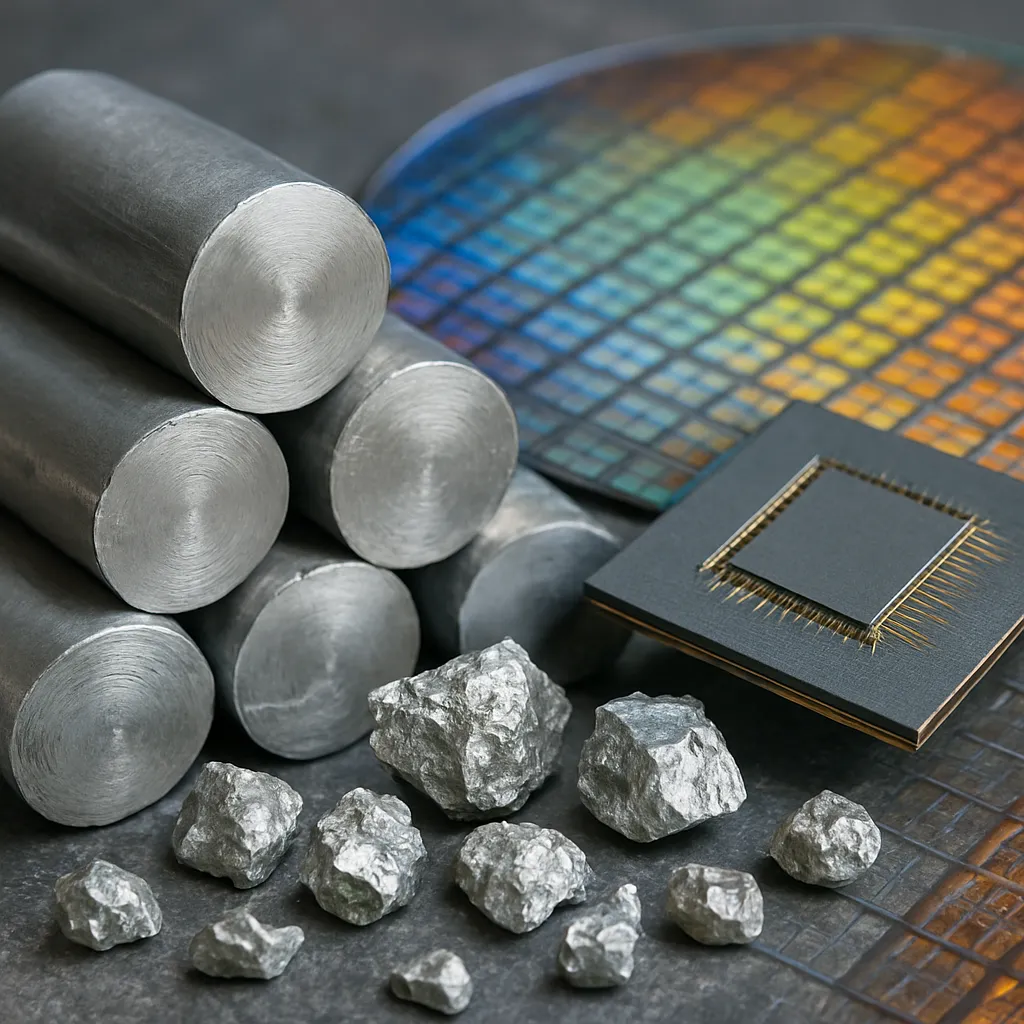
The high-performance characteristics of modern transistors, lasers, and sensors rely on materials with unique electronic, thermal, and optical properties. Rare metals play indispensable roles at various stages of chip fabrication:
- Gallium: Used in gallium nitride (GaN) and gallium arsenide (GaAs) semiconductors for high-frequency and power applications, including 5G communications and electric vehicle chargers.
- Indium: Essential for indium tin oxide (ITO) coatings in touchscreens, as well as for solder alloys that bond components on multilayer boards.
- Tantalum: Key in the production of capacitors that stabilize voltage and filter noise within integrated circuits, especially in compact mobile devices.
- Germanium: Applied in infrared optics and high-speed photodetectors, and sometimes alloyed with silicon to create high-mobility channels in advanced logic transistors.
- Hafnium: Used in high-k dielectric materials for gate insulators, enabling transistor miniaturization below the 10-nanometer node.
- Platinum Group Metals (PGMs): Platinum and palladium catalysts help produce ultrapure silicon and serve in chemical vapor deposition (CVD) processes.
Any disruption in the supply of these critical materials can force foundries to reschedule production runs, shift product priorities, or even idle expensive fabrication capacity.
Environmental and Ethical Considerations in Mining
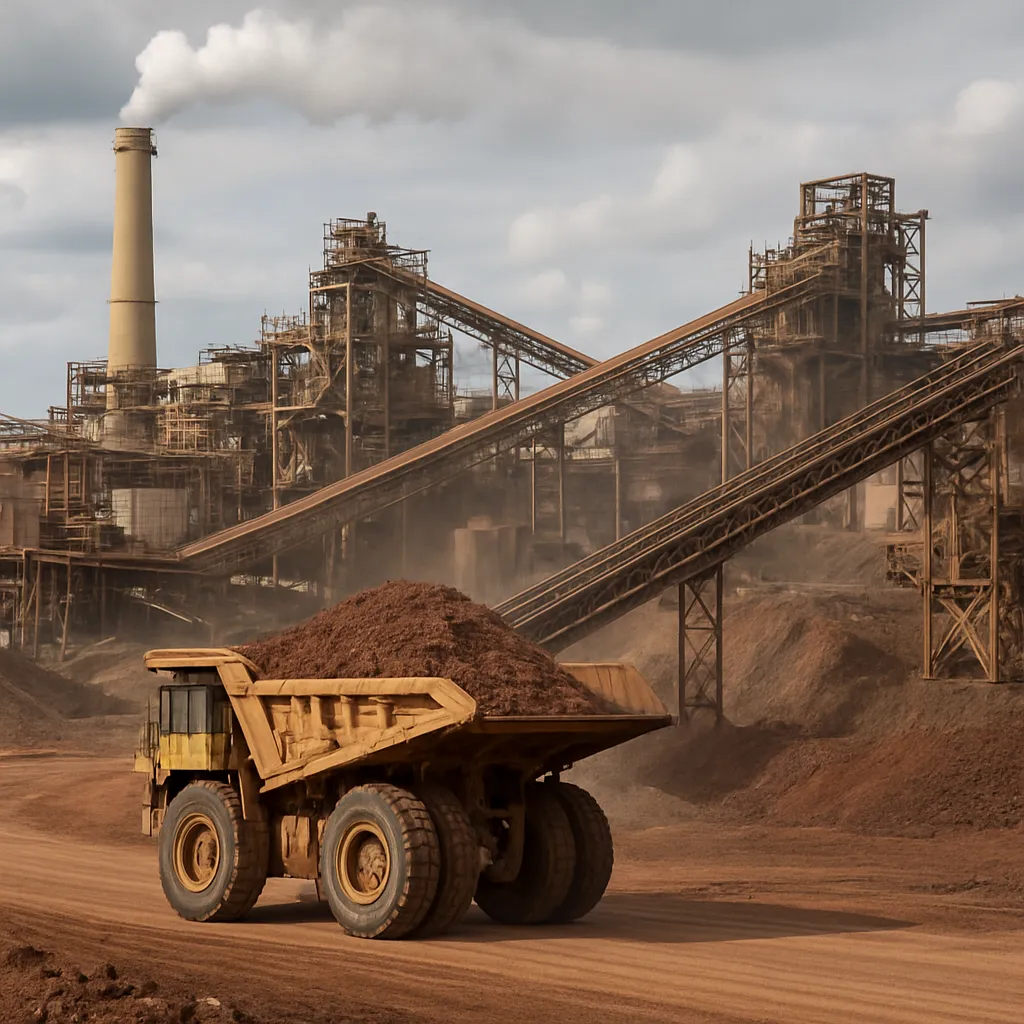
As mining companies ramp up extraction of rare metals, concerns about environmental degradation and human rights violations intensify. Open-pit mining can lead to deforestation, soil erosion, and contamination of water sources with toxic byproducts. In regions with weak regulatory oversight, artisanal mines may employ child labor or disregard safety standards, generating “conflict metal” reputational risks for end users.
Key challenges include:
- Water Management: Processing ores often requires large volumes of water and strong acids, raising the stakes for spills or improper waste containment.
- Energy Intensity: Refining metals to semiconductor-grade purity consumes high levels of electricity, contributing to greenhouse gas emissions if not sourced from renewables.
- Community Rights: Indigenous communities may lack representation in negotiations over land use, leading to social conflict and potential legal disputes down the line.
Developing transparent traceability systems and partnering with certified suppliers are vital steps in ensuring ethical procurement of these sensitive resources.
Technological Innovations and Mitigation Strategies
Industry stakeholders are exploring a range of approaches to alleviate supply risks and reduce dependency on virgin extraction.
Emerging Recycling Technologies
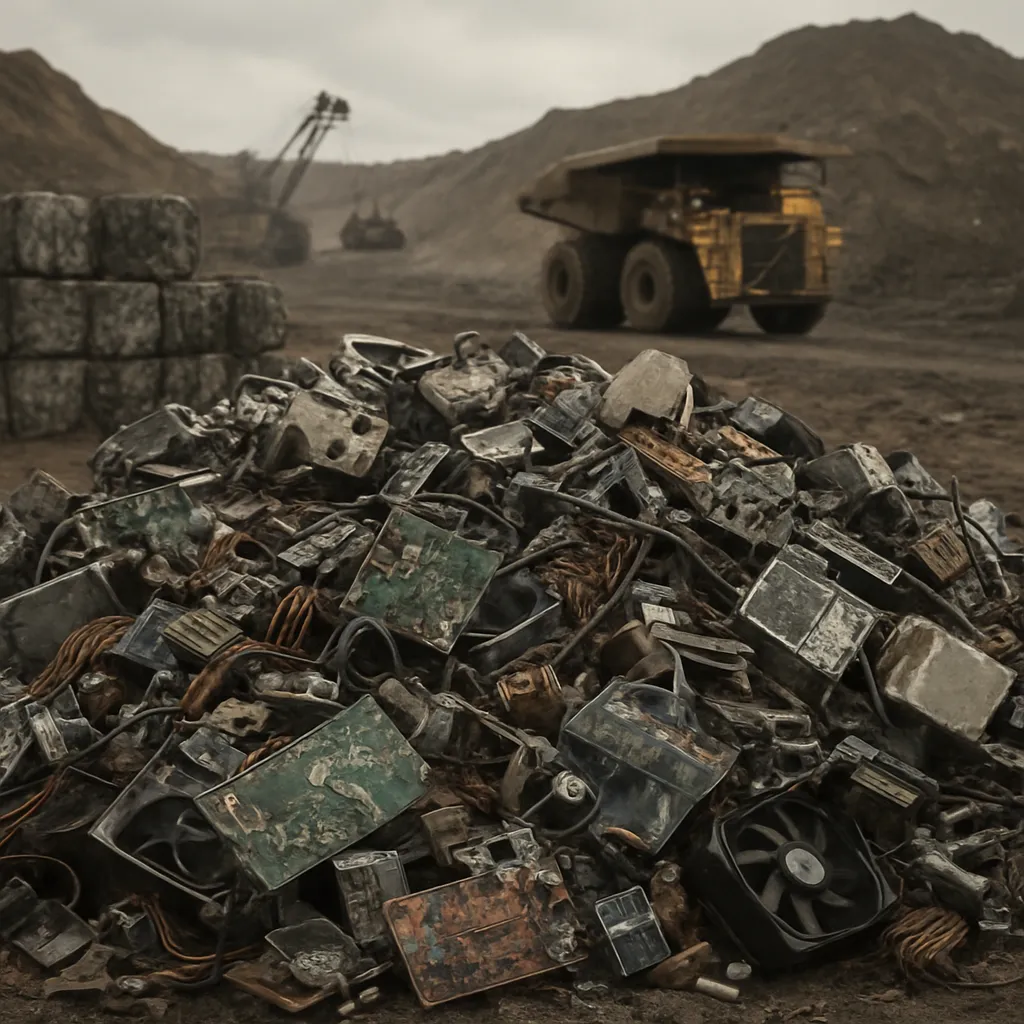
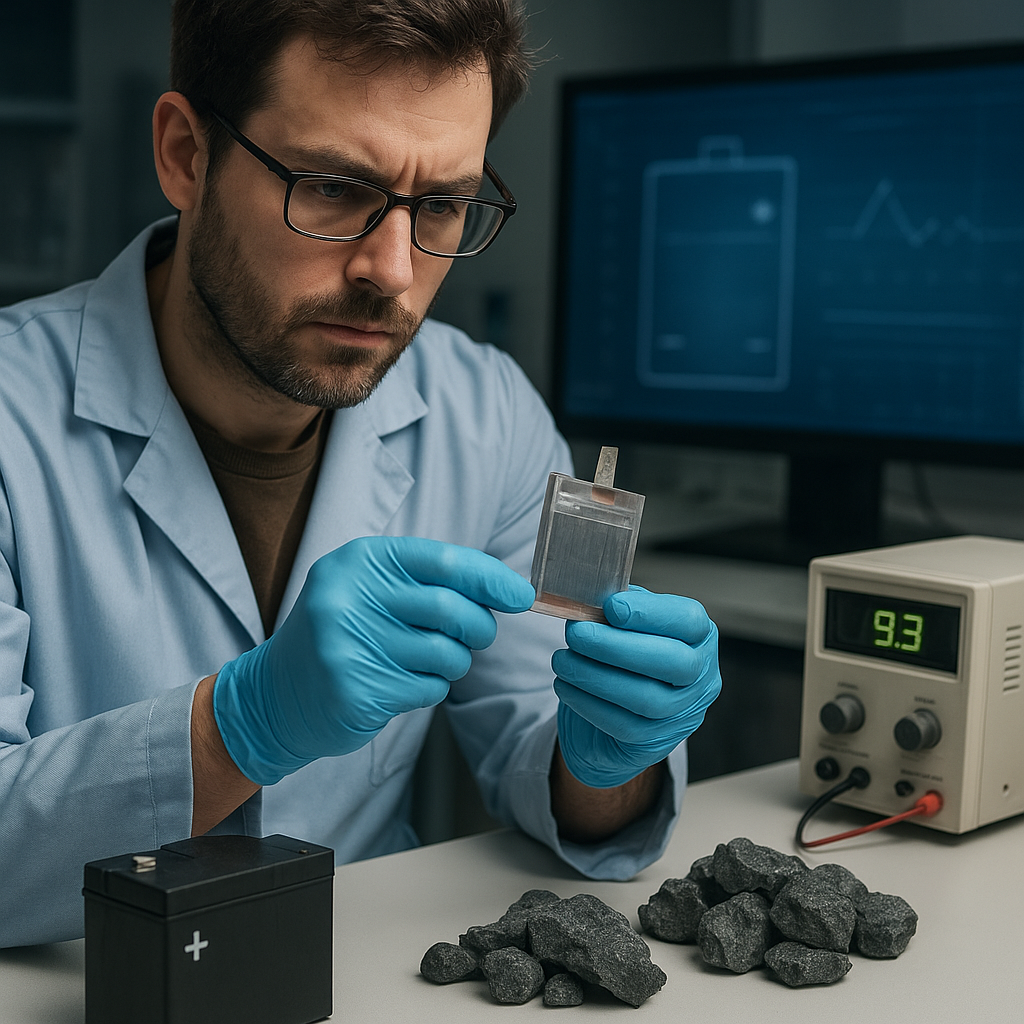
Advanced mechanical and chemical recovery methods can reclaim indium, gallium, and other valuable metals from end-of-life electronics and manufacturing waste. Plasma-based separation, ion exchange resins, and selective leaching processes promise to increase recycling yields beyond traditional smelting techniques. By turning spent printed circuit boards and old semiconductor wafers into secondary feedstock, fabs can cut costs and greenhouse gas footprints while diversifying supply.
Alternative Materials and Processes
Researchers are experimenting with novel compounds—such as graphene-based conductors or oxide semiconductors—that might displace scarce metals in select applications. For example, carbon nanotube interconnects and organic dielectrics could someday replace copper and tantalum in specific layers of a chip. Elsewhere, modular manufacturing and photonic packaging technologies offer pathways to reduce reliance on metal-intensive parts.
Automation and digital twin simulations also help optimize process parameters, minimizing scrap rates and material waste throughout the fab. By integrating real-time analytics, tools can predict wear in deposition chambers or etch reactors, scheduling maintenance preemptively to avoid contamination and loss of precious feedstock.
Global Collaboration and Policy Responses
Facing shared challenges, governments, industry consortia, and research institutions have launched initiatives to bolster resilience of the semiconductor ecosystem. Strategic alliances aim to map critical mineral reserves, standardize certification frameworks, and incentivize domestic processing facilities. Subsidies for downstream manufacturing and tax credits for green extraction projects are designed to lower barriers to entry and encourage investment in underutilized regions.
International trade agreements increasingly incorporate clauses on resource security, while multilateral forums convene experts to align on best practices for sustainable mining and stockpile management. Additionally, public–private partnerships are funding pilot plants for advanced refining and recycling, hoping to scale breakthroughs into commercially viable operations within the next decade.
By weaving together technological innovation, ethical sourcing guidelines, and proactive policy measures, the global community can strive to mitigate the impact of future supply shocks and support the continuous evolution of semiconductor performance.