The relentless pursuit of more efficient and cost-effective energy storage solutions has thrust rare metals into the spotlight. As nations race to decarbonize their economies and expand renewable resources, the demand for critical materials such as lithium, cobalt, and nickel has soared. This article explores the driving forces behind the global energy storage boom, the complex supply chains that underpin the rare metals market, and the multifaceted challenges that must be addressed to ensure a sustainable transition.
Global Demand Surge
The transformation of the energy landscape is being driven by unprecedented levels of capital directed toward renewable projects and electric mobility. Governments and corporations alike are committing to net-zero targets, prompting massive orders for advanced battery cells and storage systems. This surge in demand has significant ripple effects across multiple industries, elevating the strategic importance of several key commodities.
Electric Vehicles and Grid-Scale Storage
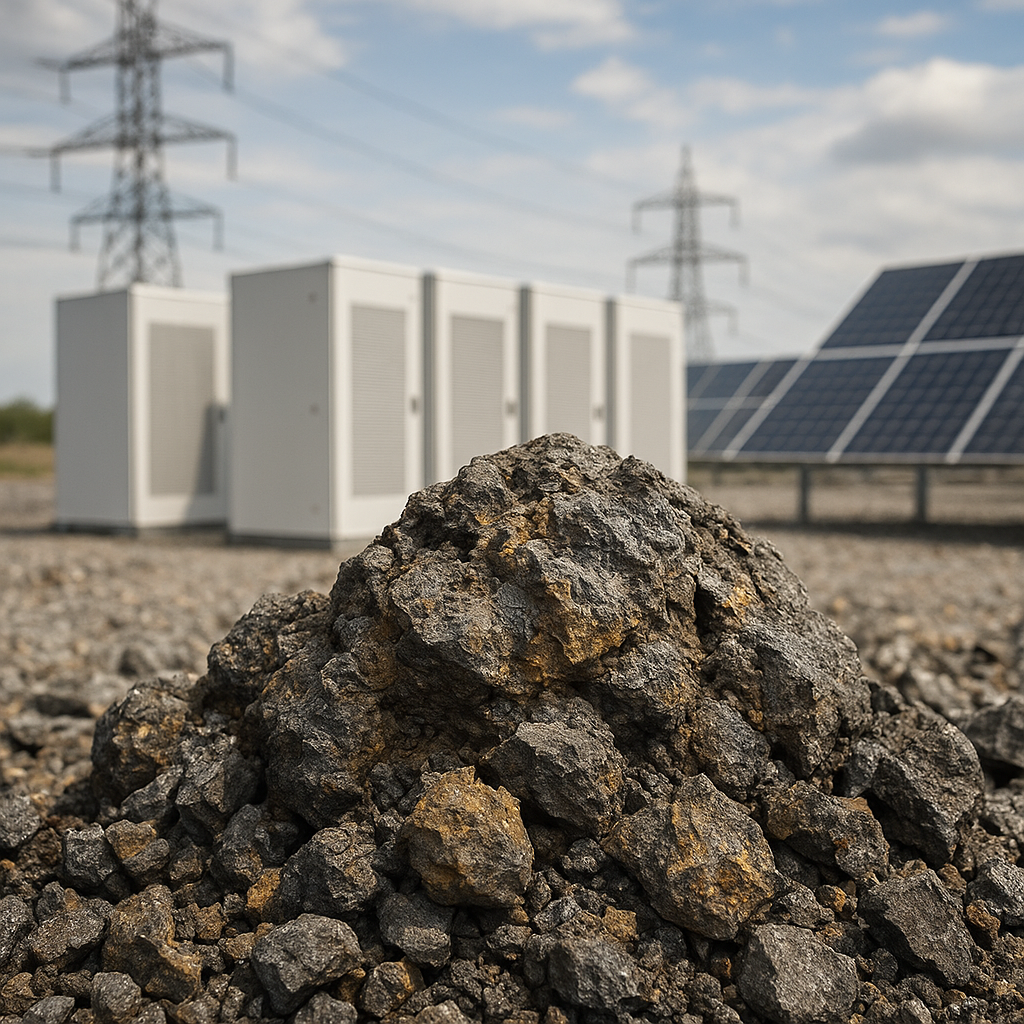
Electric vehicles (EVs) represent one of the fastest-growing segments in the automotive sector. Sales figures have doubled in many regions over the past two years, leading to a proportional increase in demand for battery materials. Simultaneously, grid-scale deployment of renewable installations, such as solar and wind farms, requires robust storage solutions to stabilize intermittent output. Utilities are exploring various chemistries, but lithium-ion technology remains the dominant choice, reinforcing the critical role of lithium and its associated minerals.
Government Policies and Incentives
Subsidies, tax credits, and direct investments in research and infrastructure have further accelerated the uptake of energy storage. In major economies, incentives for EV purchases and renewable integration are often tied to the development of domestic processing facilities. This dual strategy not only fosters job creation but also seeks to reduce reliance on foreign suppliers. As a result, policy frameworks are heavily influencing market dynamics and investment flows.
Key Players and Supply Chains
The journey from raw ore to finished battery system spans continents and involves numerous stakeholders. Control over each stage—extraction, refining, component manufacturing, and recycling—can confer significant advantages. Below is an overview of the primary contributors and their roles.
- Mining Nations: Countries like Australia, Chile, and the Democratic Republic of the Congo (DRC) account for the lion’s share of global output for lithium, cobalt, and other essential minerals. Geological endowment, however, does not guarantee economic stability or responsible stewardship.
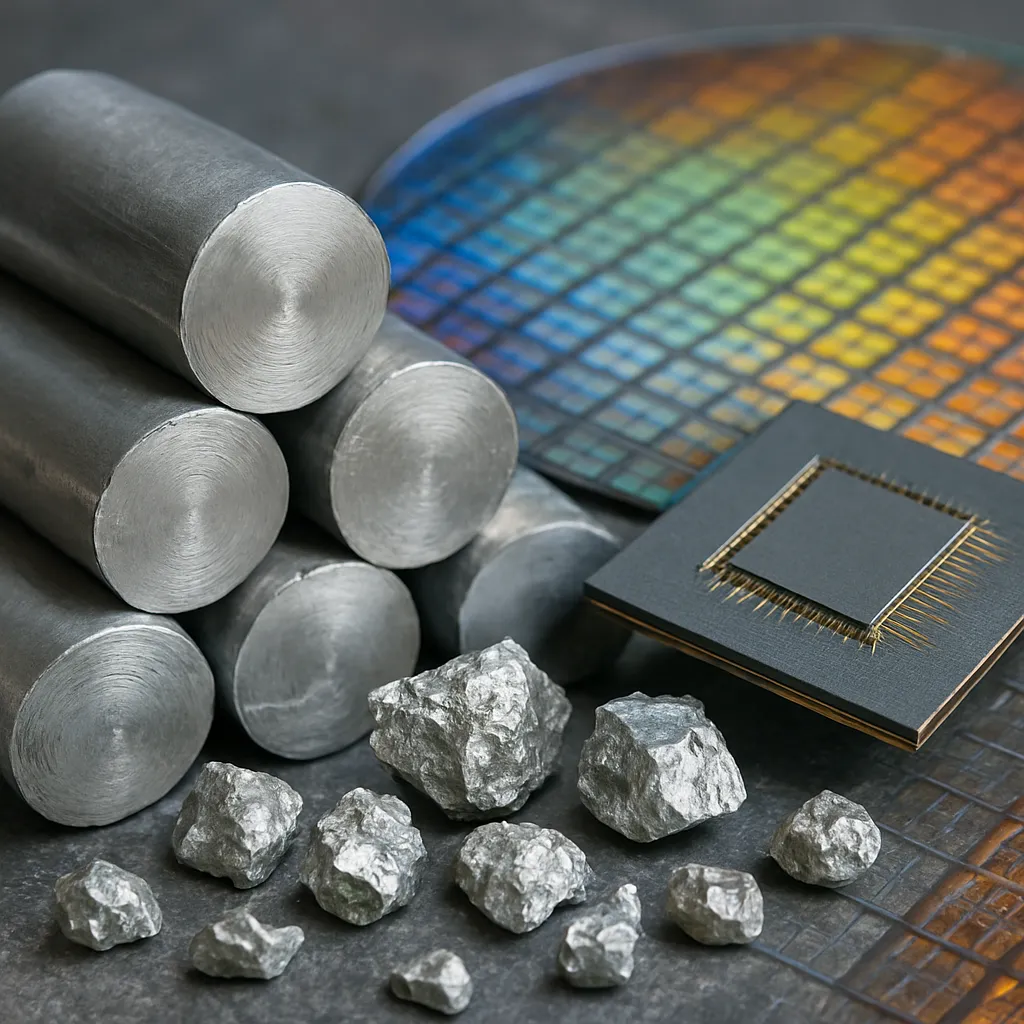
- Processing Hubs: China dominates the refining and smelting of several rare metals, including lithium hydroxide and nickel sulphate. Investment in advanced processing facilities has solidified its position, although geopolitical tensions have prompted other regions to seek diversification.
- Manufacturing Centers: Battery gigafactories are sprouting across Europe, North America, and Asia. Partnerships between automakers, technology companies, and material suppliers are forging integrated value chains designed to secure a steady supply of supply chain inputs.
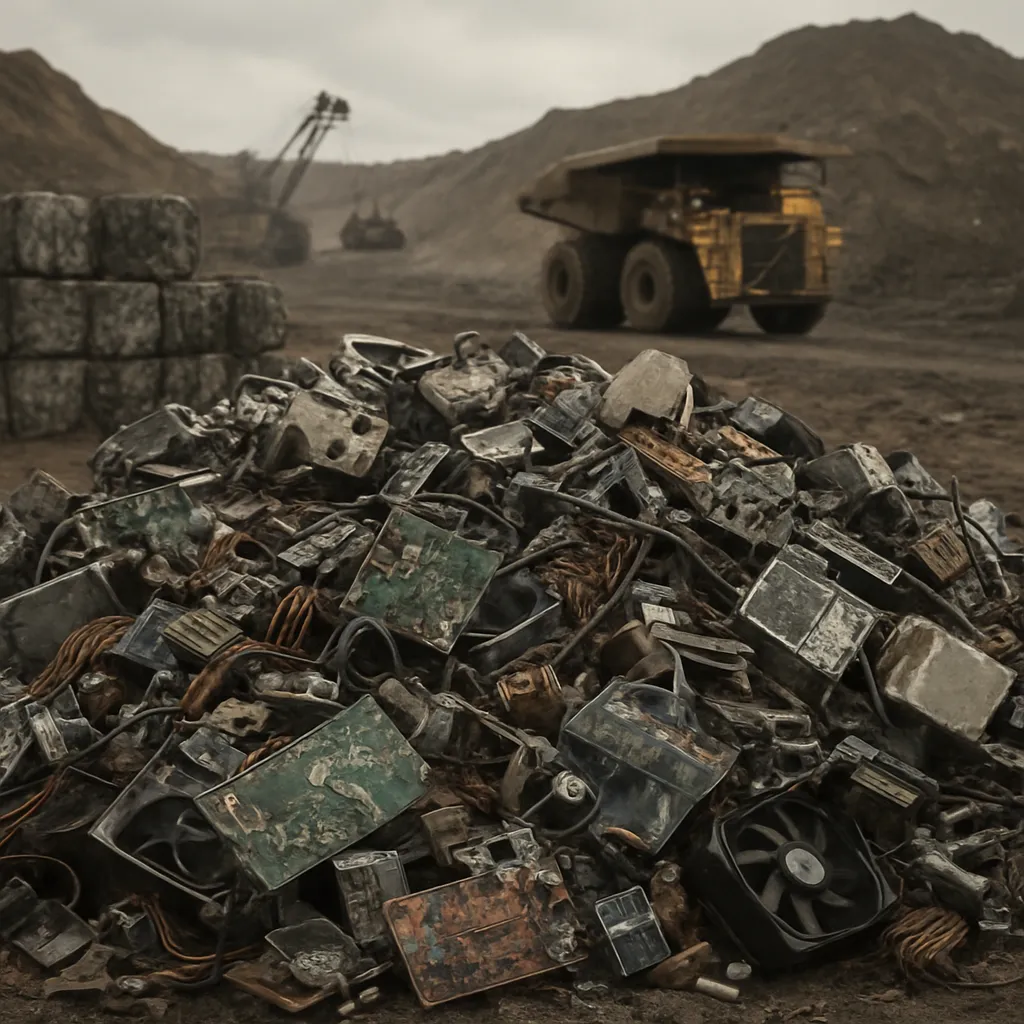
- Recycling and Circular Economy: As spent batteries accumulate, recycling firms are developing processes to recover high-value metals. Although recycling rates remain low compared to overall consumption, technological breakthroughs are expected to enhance recycling efficiency and reduce dependency on virgin sources.
Technological and Environmental Challenges
Scaling up production of rare metals raises concerns that extend beyond market pricing. Technology innovation must be balanced against ecological impacts, social considerations, and long-term resource availability.
Mining Footprint and Community Impact
Open-pit and brine-extraction methods often involve land disturbance, water depletion, and chemical usage. In regions where regulatory frameworks are weak, communities may suffer from pollution and inadequate compensation. Ethical sourcing initiatives and sustainability certifications are emerging to address these issues, but implementation remains uneven.
Innovation in Battery Chemistry
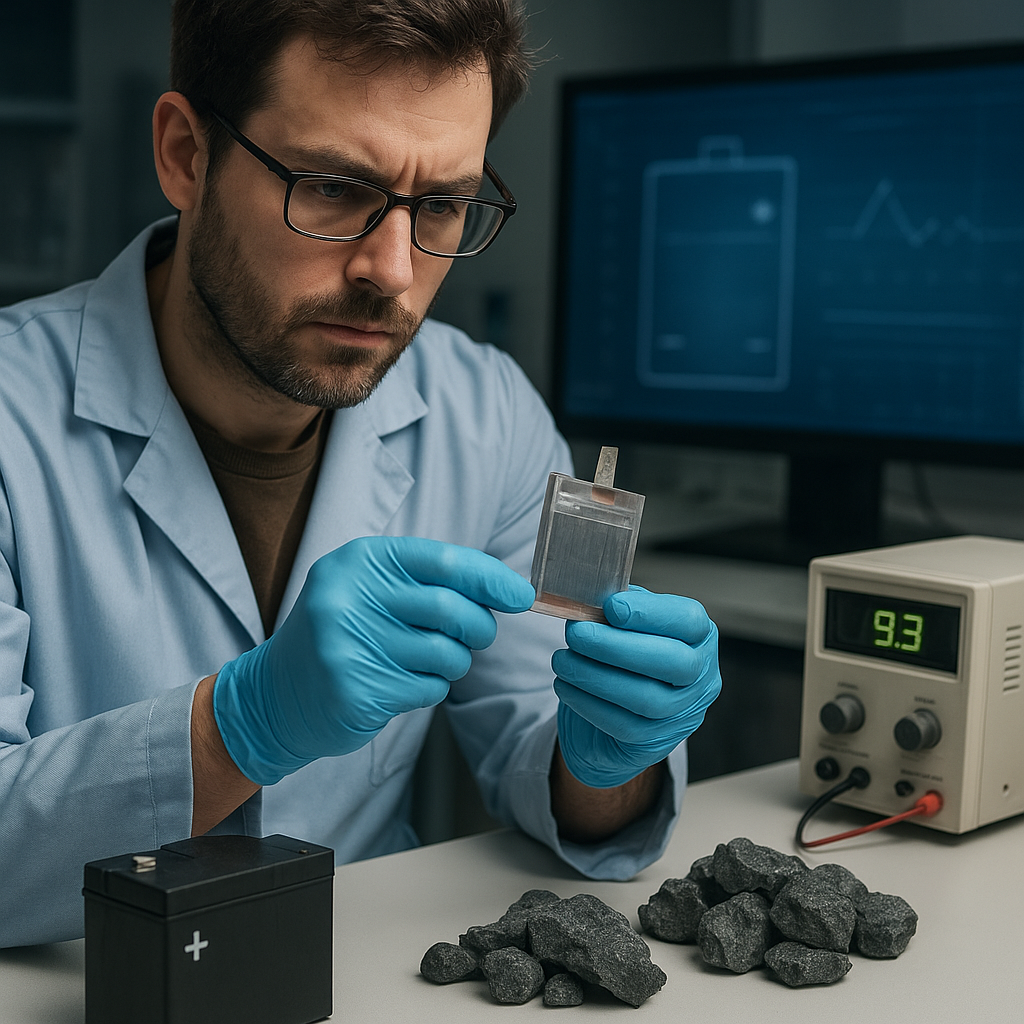
Scientists are racing to develop next-generation storage technologies that reduce reliance on scarce or ethically contentious elements. Candidates include sodium-ion, solid-state, and lithium-sulfur chemistries, each offering unique advantages. While these innovation pathways hold promise, commercialization timelines and performance trade-offs pose significant hurdles.
Market Outlook and Strategic Considerations
Investors, policymakers, and industrial leaders must navigate a landscape defined by volatility and rapid change. Several factors will influence the trajectory of rare metals and energy storage markets:
- Price Volatility: Fluctuations in commodity prices can undermine project economics and deter capital allocation. Firms are employing hedging strategies and long-term off-take agreements to mitigate risk.
- Geopolitical Tensions: Export restrictions, trade disputes, and national security concerns have prompted countries to reassess their exposure to critical material imports. Stockpiling and strategic reserves are being considered to safeguard essential supplies.
- Technological Diversification: Diversifying product portfolios across multiple battery technologies can reduce vulnerability to supply disruptions. Collaborative research consortia and shared infrastructure projects are gaining traction.
- Environmental Regulations: Stricter emissions targets and waste management rules are likely to drive improvements in mining practices and increase the cost of production. Lifecycle assessments and carbon footprint labeling will become standard practice.
- Capital Allocation: Private equity, sovereign wealth funds, and institutional investors are channeling resources into exploration and processing ventures. Adequate financing is critical for developing new mines and upgrading processing plants.
In the face of growing electrification trends, the interplay between resource availability, technological evolution, and environmental stewardship will determine the pace and success of the energy storage revolution. Ensuring a resilient and ethical supply of rare metals demands coordinated action across the public and private sectors, as well as continuous innovation in both extraction and recycling processes.