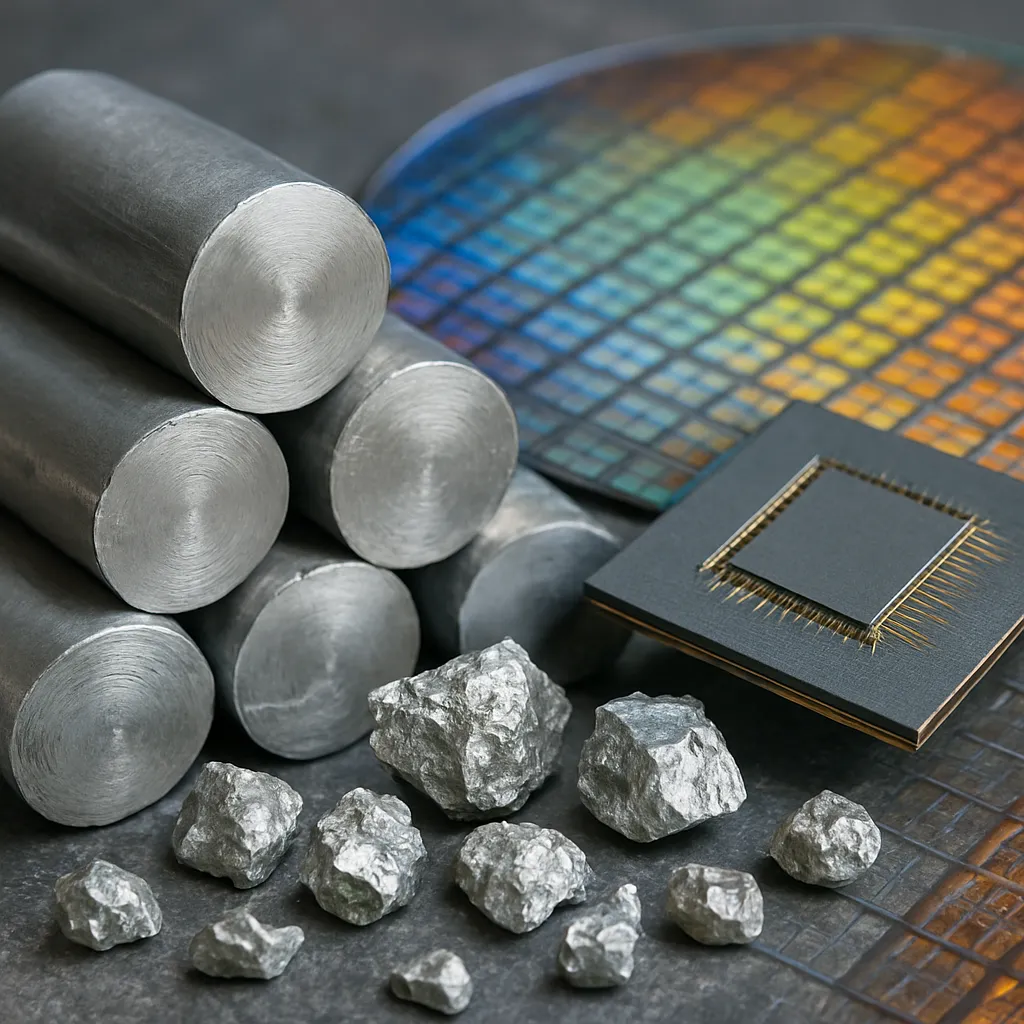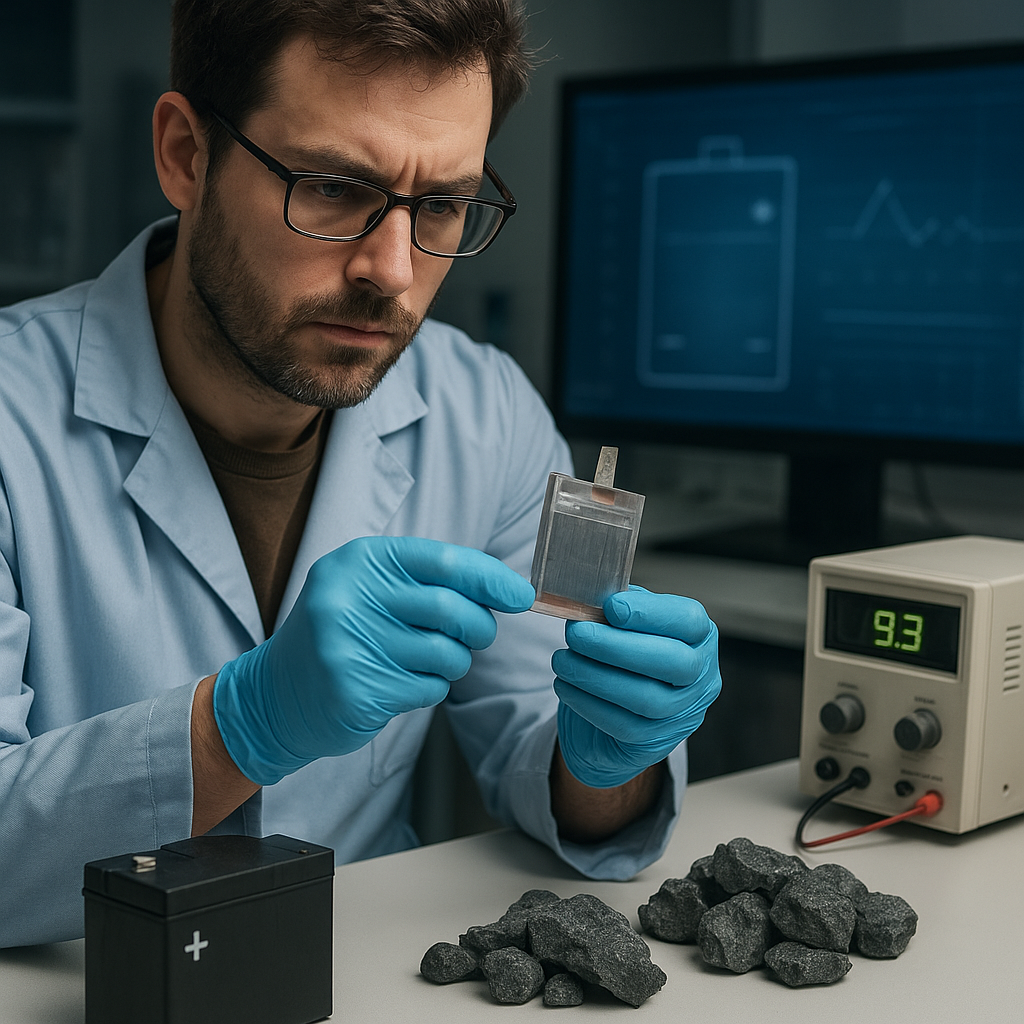
The rapid expansion of renewable energy infrastructure has thrust a group of often-overlooked materials into the limelight. These elements, known collectively as rare metals, are set to define the future of electrification and grid-scale energy storage. Their unique properties enable high-performance batteries, superconductors, and advanced power electronics. As the world races toward decarbonization, understanding the supply chains, technological breakthroughs, and geopolitical dynamics behind these critical metals becomes essential for policymakers, industries, and investors alike.
Global Demand and Supply Dynamics
The transition from fossil fuels to renewables is driving unprecedented demand for metals such as lithium, cobalt, nickel, and vanadium. Each plays a unique role in battery chemistries and energy storage technologies:
- Lithium: The cornerstone of lithium-ion batteries powering everything from electric vehicles to grid storage modules.
- Cobalt: Provides thermal stability and energy density, crucial for compact battery packs but raises ethical and supply-chain concerns.
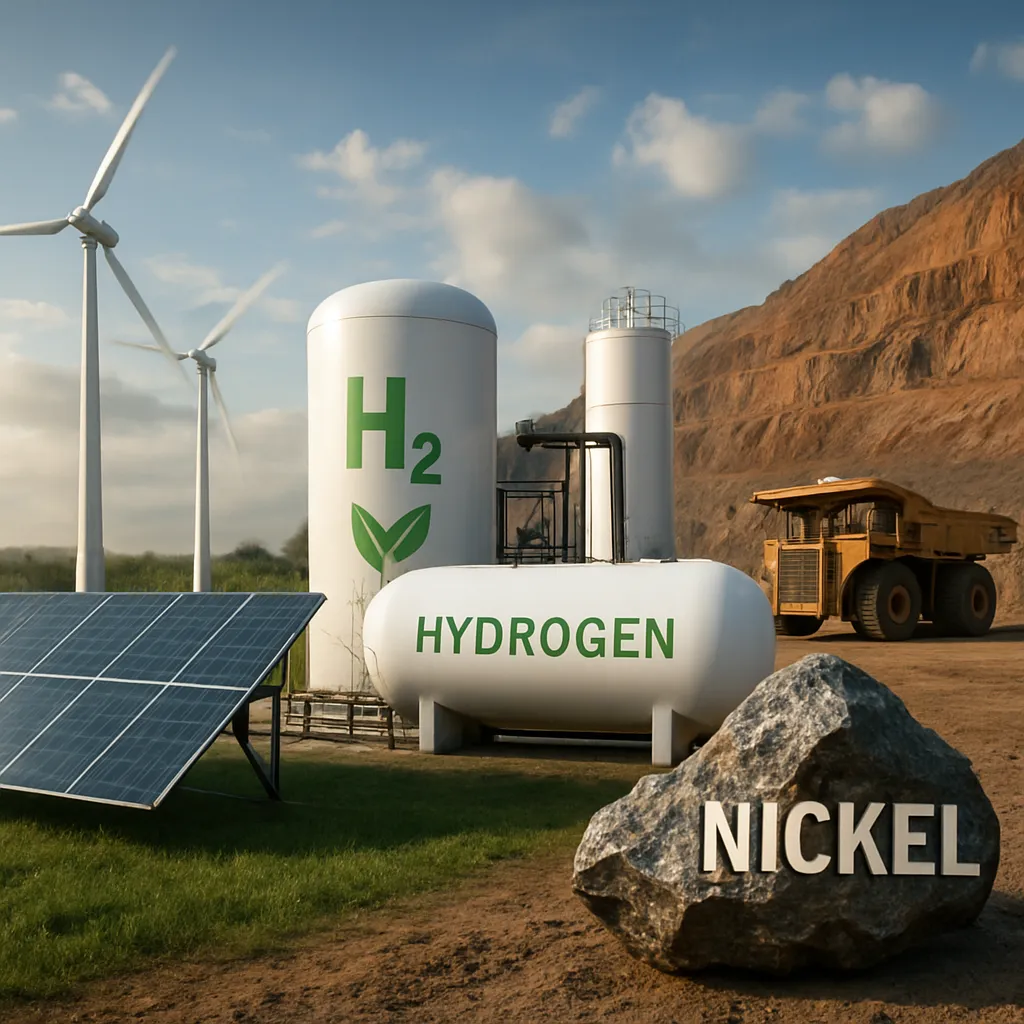
- Nickel: Enhances energy capacity and cycle life, increasingly favored in high-energy battery formulations.
- Vanadium: Central to vanadium redox flow batteries, offering long-duration storage and near-infinite cycle life.
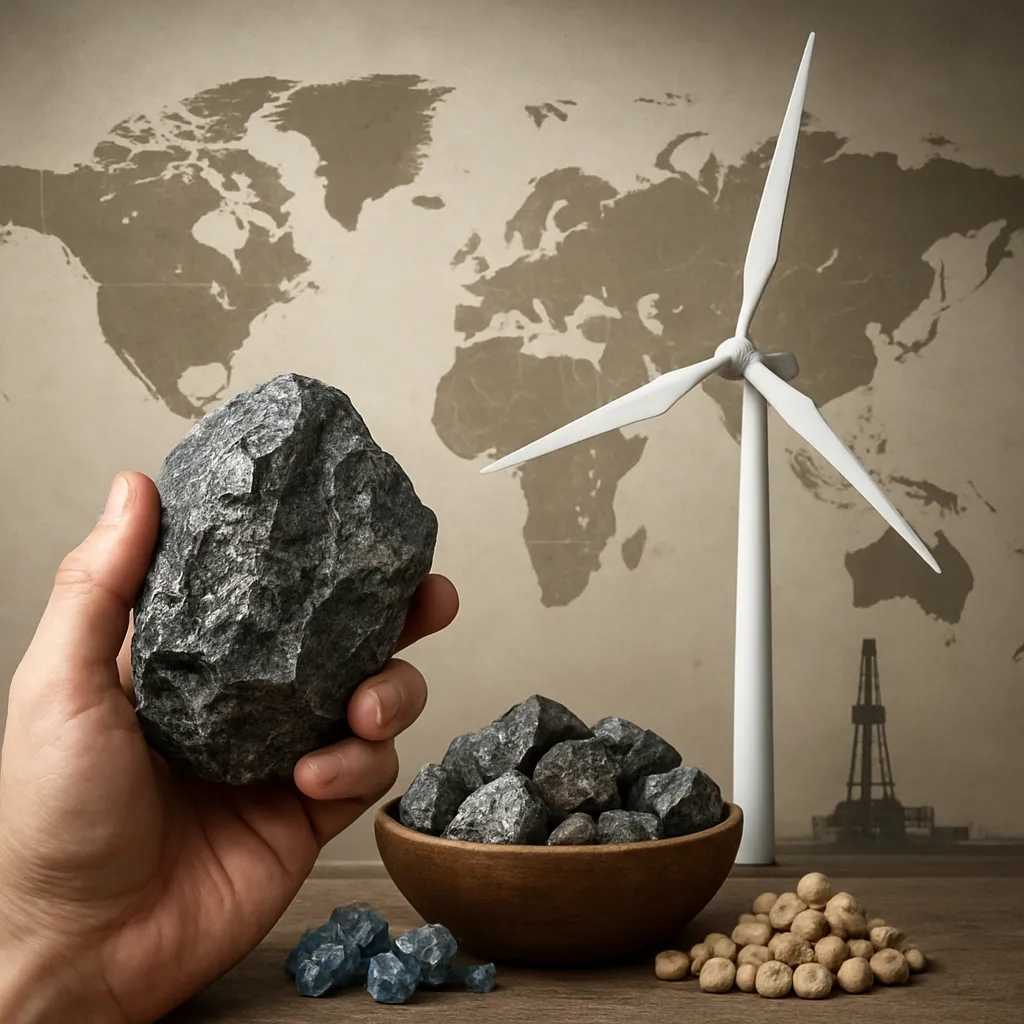
Emerging players like manganese, graphite, and rare earth elements (neodymium, praseodymium) are also gaining traction. Global production is concentrated among a handful of countries, creating potential chokepoints:
- Australia and Chile dominate lithium output.
- The Democratic Republic of Congo supplies over two-thirds of the world’s cobalt.
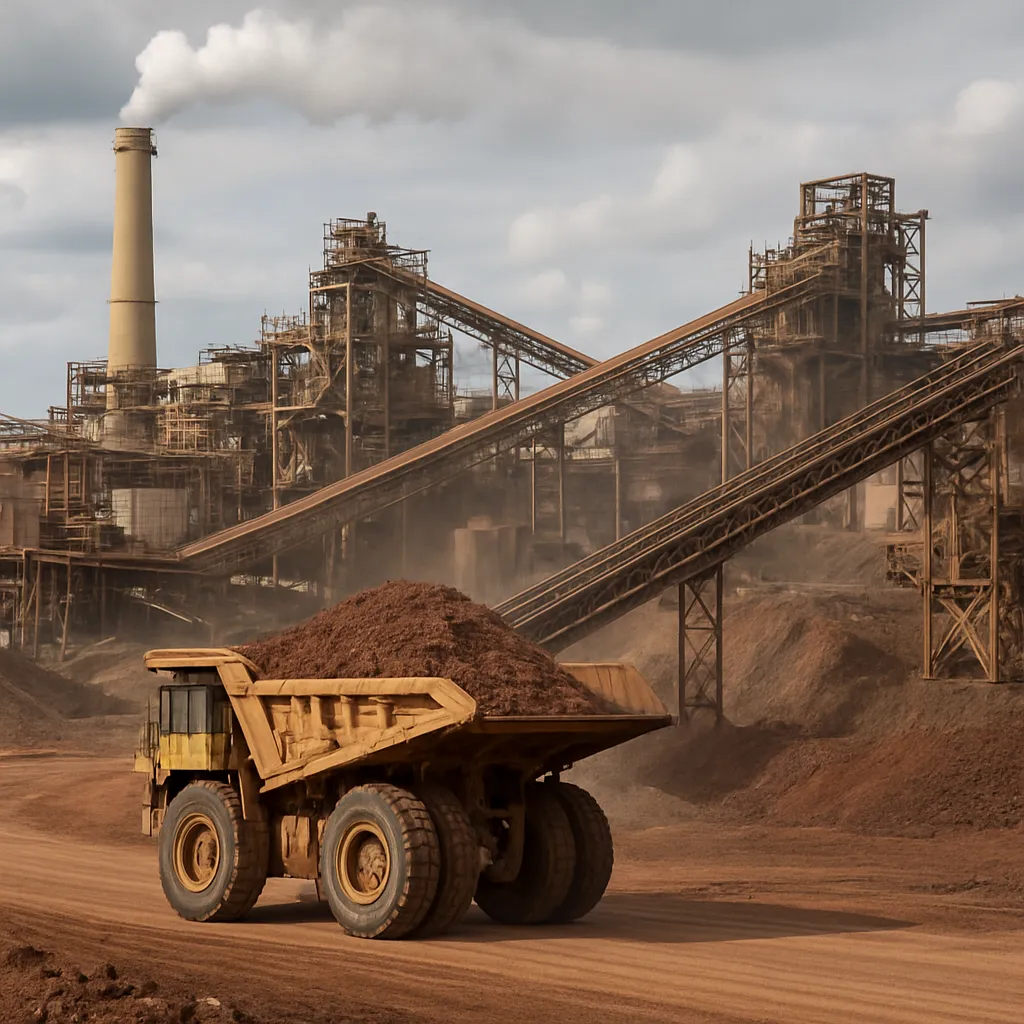
- Indonesia and the Philippines are major nickel exporters.
- China leads in both refining capacity and rare earth mining.
As consumption forecasts soar, balancing demand with responsible extraction and processing is proving challenging. Environmental regulations, community rights, and investment in new mining projects all influence availability and price volatility.
Technological Innovations in Extraction and Recycling
Addressing supply constraints and minimizing environmental impact relies on cutting-edge techniques in recycling and sustainable mining. Recent breakthroughs include:
- Direct lithium extraction (DLE): Utilizes solvent or membrane processes to recover lithium from brines with reduced water usage and faster turnaround.
- Biomining: Harnesses microbes to leach metals from low-grade ores, lowering energy consumption and waste generation.
- Advanced hydrometallurgy: Refining methods that separate metals more selectively, improving yields and reducing hazardous byproducts.
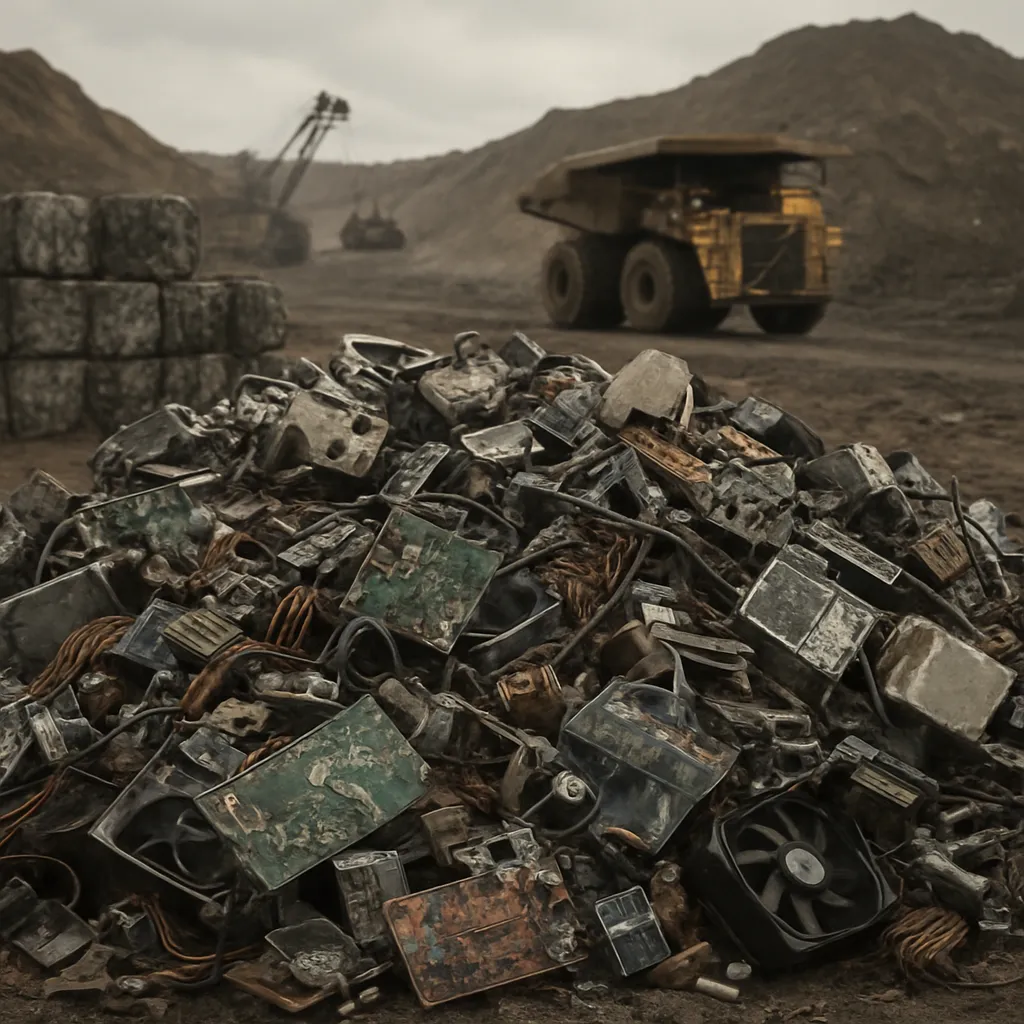
Meanwhile, closed-loop recycling systems for spent batteries are gaining momentum. Key steps in the recycling chain:
- Collection and sorting of end-of-life battery units.
- Mechanical shredding and separation of electrode materials.
- Hydrometallurgical recovery to extract lithium, cobalt, and nickel as high-purity salts.
- Reuse in new battery formulations or export to chemical facilities.
Investments in regional recycling hubs aim to reduce reliance on primary mining and cut carbon footprints. Companies developing novel electrolytes and binder materials are also working to simplify disassembly and reclaim up to 95 percent of active materials.
Geopolitical and Environmental Implications
Rare metal supply chains intersect with critical geopolitical considerations. Nations rich in deposits hold strategic leverage, while import-dependent countries face security risks. Some pressing issues:
- Resource nationalism: Export controls and higher royalties imposed by producer governments can disrupt global markets.
- Trade tensions: Tariffs and sanctions targeting key players may force companies to diversify sourcing or invest in onshore capacity.
- Environmental justice: Indigenous communities often bear the brunt of mining externalities, from water depletion to habitat loss.
International cooperation frameworks, such as responsible sourcing certifications and multilateral investment treaties, are emerging to mitigate conflicts and promote transparency. Meanwhile, environmental groups advocate for stricter impact assessments and equitable benefit-sharing models. Achieving a just transition requires aligning economic incentives with social and ecological stewardship.
Battery Technologies Shaping Grid-Scale Storage
Advancements in battery chemistries are reshaping the landscape of large-scale energy storage. Key contenders include:
- Next-generation lithium-ion: Nickel-rich cathodes (NMC811, NMA) for higher energy density.
- Solid-state batteries: Replace liquid electrolytes with solid ceramics or polymers, promising improved safety and longevity.
- Flow batteries: Vanadium redox and zinc-bromine systems offering modular scalability and extended cycle life.
- Metal–air batteries: High theoretical energy densities using abundant materials like iron or aluminum.
Each design imposes specific demands on rare metal inputs. For example, solid-state cells may require rare earth oxides or specialized sulfides as solid electrolytes. Manufacturers are racing to optimize formulations that minimize critical mineral usage without sacrificing performance or stability.
Driving Sustainable Growth Through Innovation
To secure the future of renewable power, stakeholders must focus on five pillars:
- Research and Development: Fund cross-disciplinary programs to discover alternative materials and refine extraction techniques.
- Recycling Infrastructure: Build regional facilities to process battery waste and reduce import dependencies.
- Policy Incentives: Enact subsidies, tax credits, and procurement mandates to stimulate local battery manufacturing and recycling.
- Transparency and Traceability: Implement blockchain and sensor networks to verify responsible sourcing throughout supply chains.
- Community Engagement: Ensure affected populations benefit from mining projects through revenue sharing and environmental safeguards.
Companies embracing circular economy principles will be best positioned to navigate future disruptions. Collaborative consortia spanning mining, manufacturing, and recycling can pool expertise and capital to de-risk large-scale rollouts.
Future Outlook and Emerging Challenges
Despite promising developments, several obstacles remain on the road to resilient grid-scale storage:
- Material scarcity: Some rare metals have limited known reserves, necessitating the search for substitutes or novel alloys.
- Technological integration: Harmonizing diverse storage systems with grid operations and market mechanisms is complex.
- Climate impacts: Extreme weather events stress storage assets and can interrupt material supply lines.
- Investment cycles: Securing long-term financing requires stable policy environments and clear return-on-investment pathways.
Nevertheless, the convergence of innovation in material science, growing commitment to decarbonization, and expanding renewable capacity paints an optimistic picture. By fostering resilient supply chains, prioritizing sustainability, and scaling cutting-edge battery solutions, the energy sector can achieve unparalleled flexibility and reliability. As we navigate the complexities of a greener grid, the stewardship of rare metals will underpin the enduring success of a clean energy future.