Amid intensifying climate imperatives and a rapid transition toward renewable energy paradigms, the quest for critical raw materials has never been more pronounced. Rare metals, often overshadowed by more common industrial resources, are pivotal in shaping the trajectory of the global energy storage revolution. Their unique chemical and physical properties enable the refinement of high-performance batteries, electric vehicles, and large-scale grid storage solutions. This article delves into the multifaceted world of these indispensable elements, exploring supply chains, technological breakthroughs, environmental and geopolitical tensions, and the strategic roadmaps that stakeholders must consider.
Global Dynamics of Rare Metal Supply
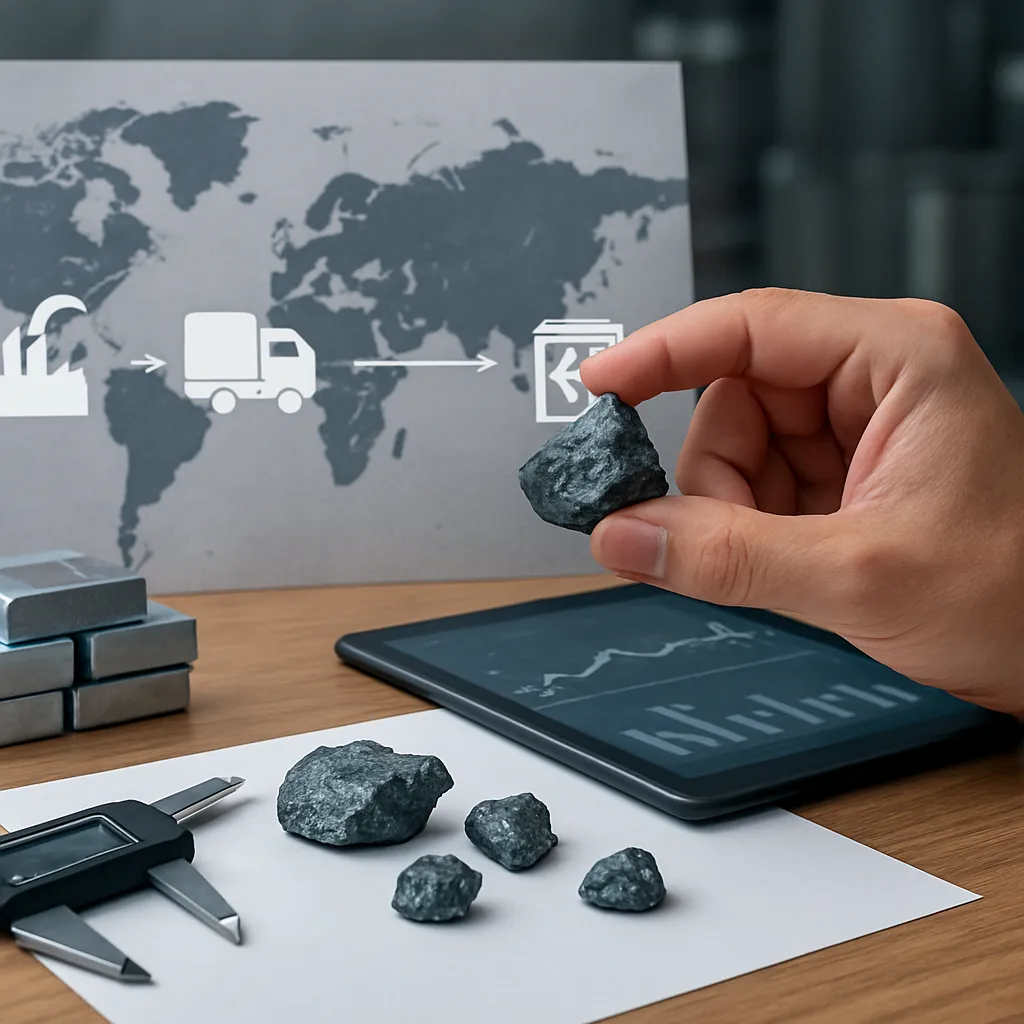
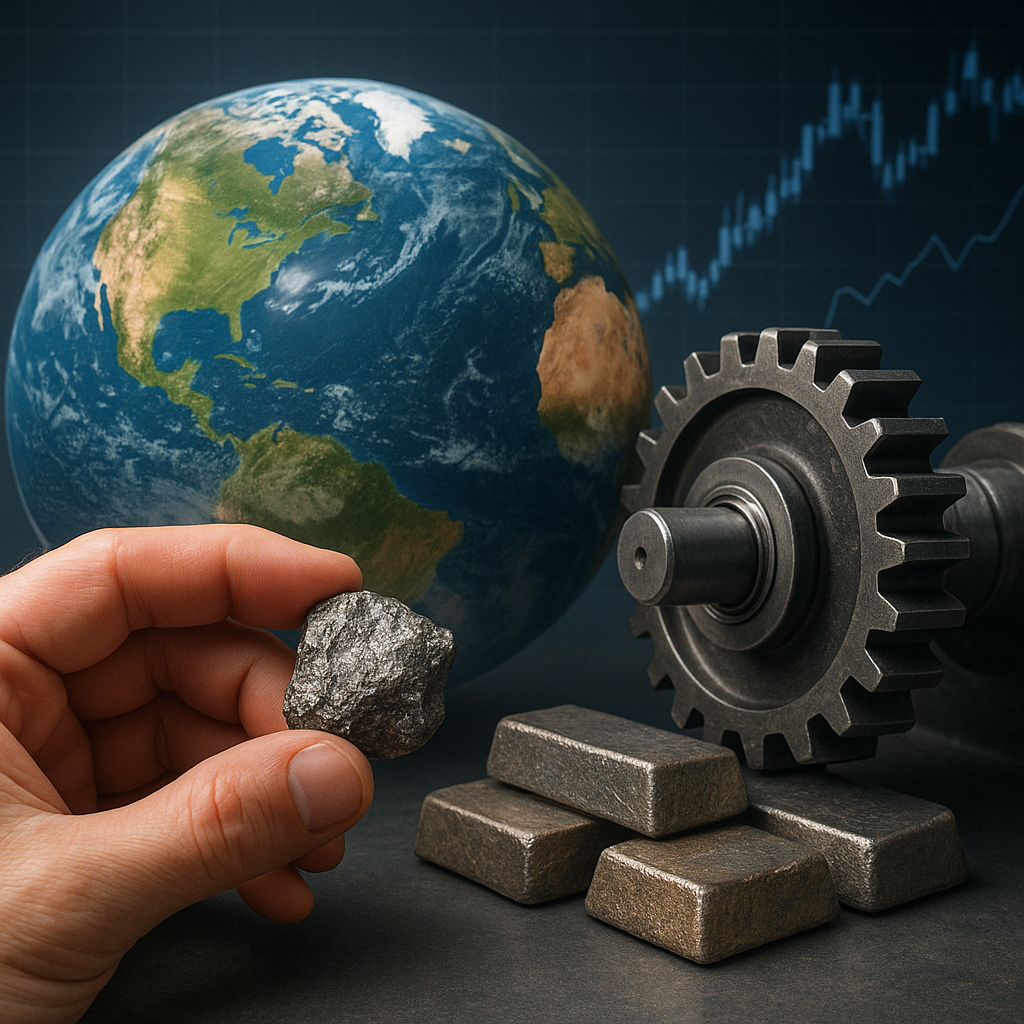
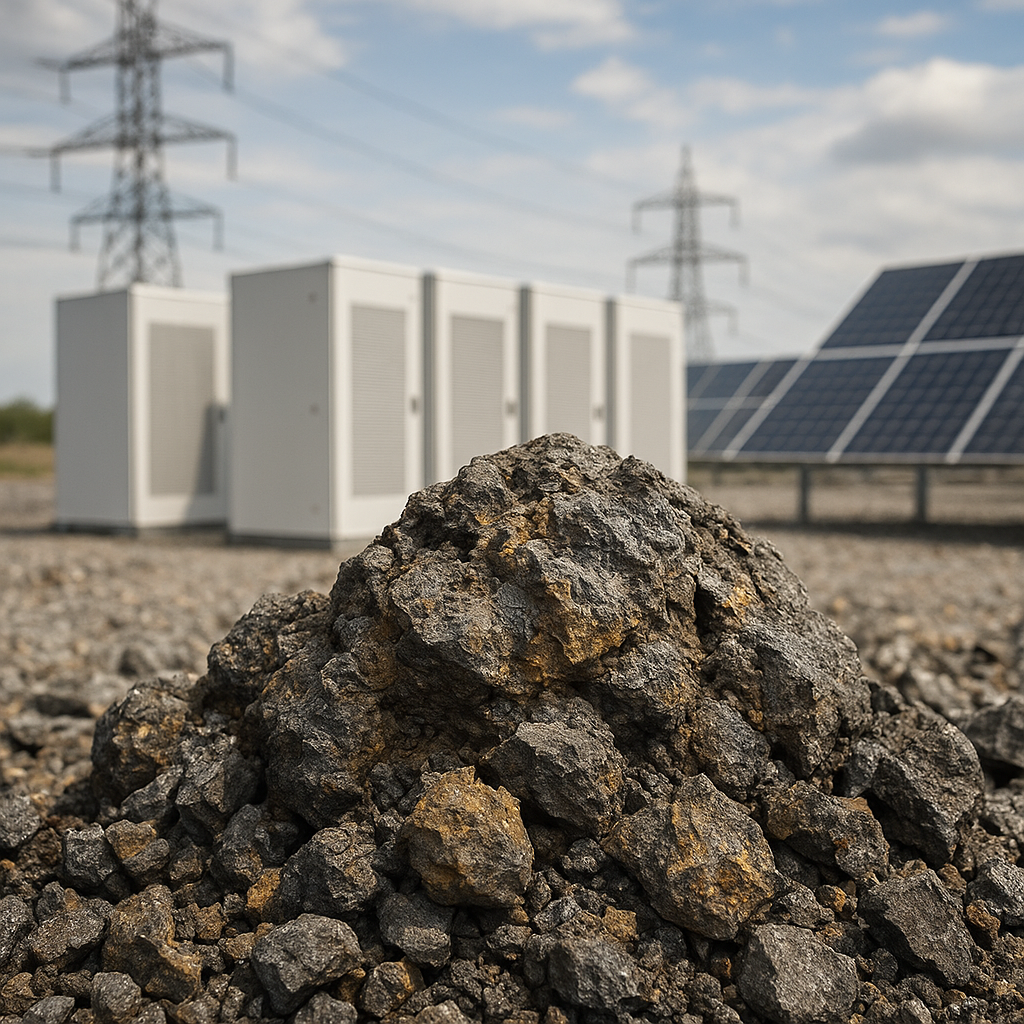
The extraction and distribution of rare metals such as lithium, cobalt, and nickel underpin modern energy systems. Demand for these commodities has soared, driven by the proliferation of electric vehicle (EV) fleets and stationary storage installations. Yet supply remains concentrated in a handful of regions, leading to vulnerabilities and price volatility.
- Mining Hubs: Chile, Australia, and Argentina account for over half of the world’s lithium output. Cobalt primarily emerges from the Democratic Republic of Congo (DRC), while Indonesia and the Philippines dominate the nickel market.
- Market Concentration: Approximately 70% of global refining capacity for these metals is situated in China, adding an extra layer of geopolitical risk and supply-chain opacity.
- Price Fluctuations: Historic price swings—such as the 2016 lithium price surge—underscore the precarious balance between speculative investment and physical availability.
Governments and private entities are now intensifying exploration efforts in underdeveloped regions of Africa and Latin America. Meanwhile, startups are seeking to unlock deep-sea polymetallic nodules and asteroid mining, though these remain speculative for the next decade.
Technological Innovations in Energy Storage
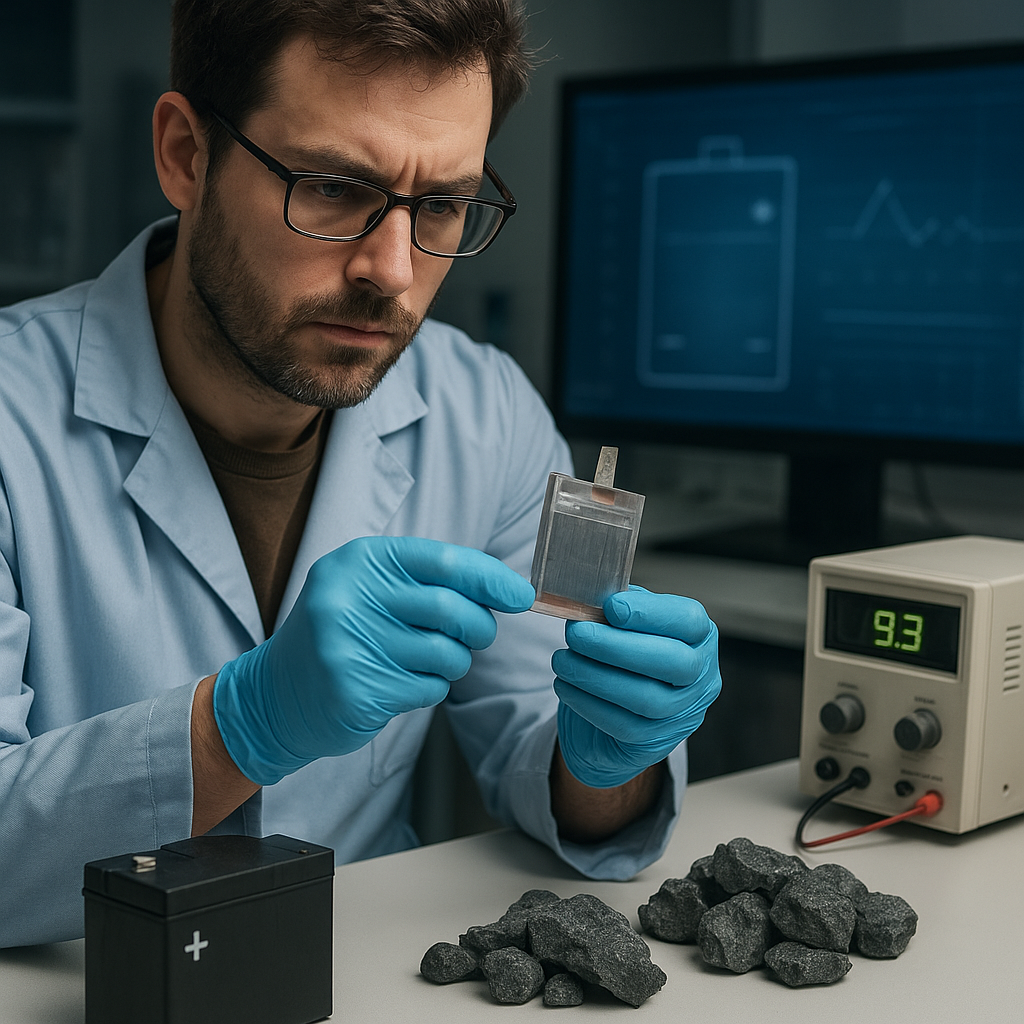
Advancements in battery chemistry and manufacturing processes are critical to achieving higher efficiency and longer cycle life. Research institutions and corporations alike are pushing the envelope with alternative architectures and materials.
- Solid-State Batteries: By replacing liquid electrolytes with solid conductors, these designs offer improved safety and energy density, though commercialization hurdles persist around electrolyte stability at scale.
- Fast-Charge Technologies: Innovations in electrode coatings and thermal management techniques enable rapid charge rates without compromising lifespan.
- Multivalent Ions: Magnesium and aluminum ion systems promise higher theoretical capacities than lithium, but encounter challenges related to ion mobility and interfacial reactions.
- Flow Batteries: Utilizing liquid electrolytes stored in external tanks, these systems are gaining traction for large-scale, grid-level applications requiring extended discharge durations.
Manufacturing process enhancements—such as roll-to-roll electrode production and AI-driven quality control—are driving down per-unit costs. Robust digital twins and predictive maintenance platforms also optimize operational performance across the battery lifecycle.
Environmental and Geopolitical Challenges
While rare metals fuel low-carbon technologies, their extraction often entails significant environmental trade-offs. Deforestation, water scarcity, and toxic tailings pose grave risks to local ecosystems and communities.
- Water Usage: Lithium brine extraction in arid regions can consume millions of liters of groundwater per metric ton of metal, threatening agricultural livelihoods.
- Tailings Management: Cobalt and nickel sulfide mining generate acid mine drainage, necessitating costly remediation and long-term monitoring commitments.
- Labor Practices: In the DRC, artisanal cobalt mining has been linked to unsafe working conditions and child labor, triggering scrutiny from ethical supply-chain auditors.
Geopolitically, the stockpiling strategies of major economies have intensified. China’s Belt and Road Initiative includes equity stakes in overseas mines and processing facilities, while the European Union and the United States launch critical minerals strategies to secure domestic access. This competition raises concerns about potential trade restrictions, export taxes, and price wars.
Recycling and Urban Mining
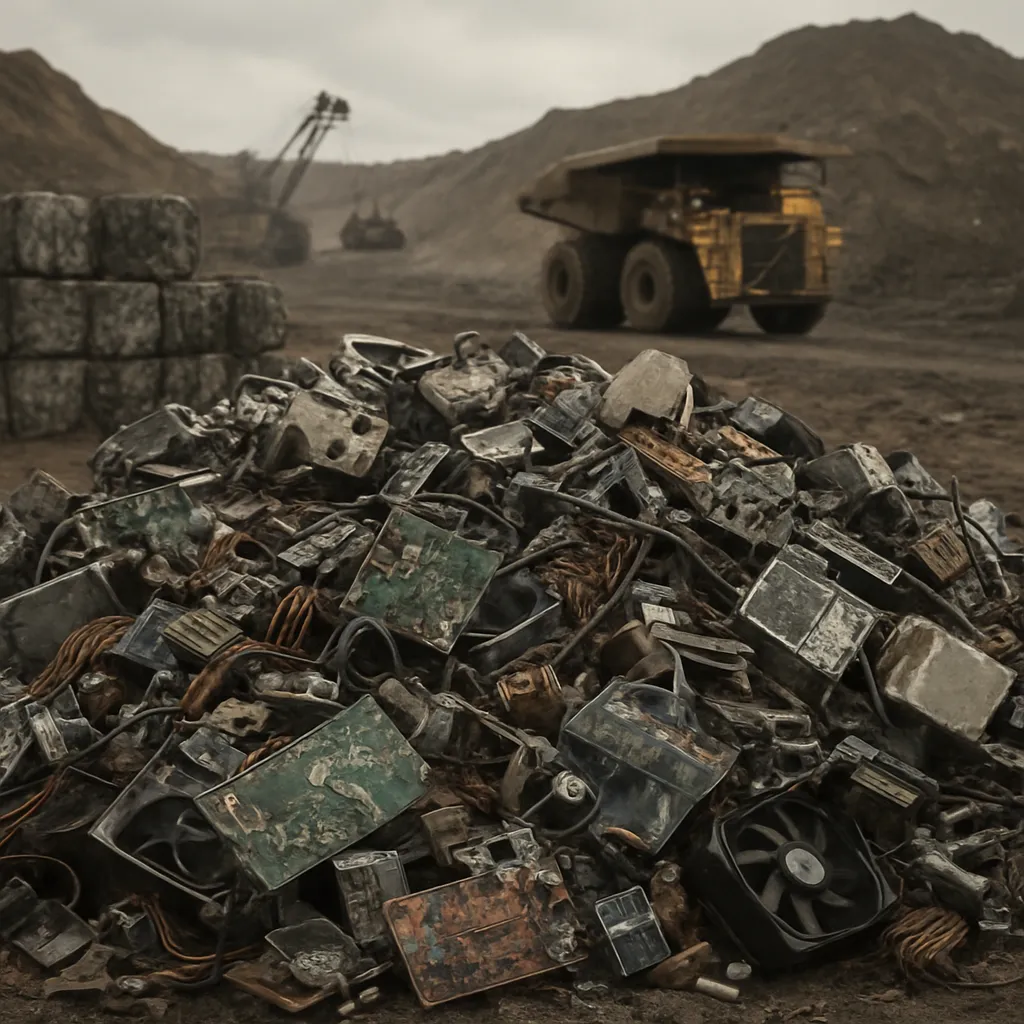
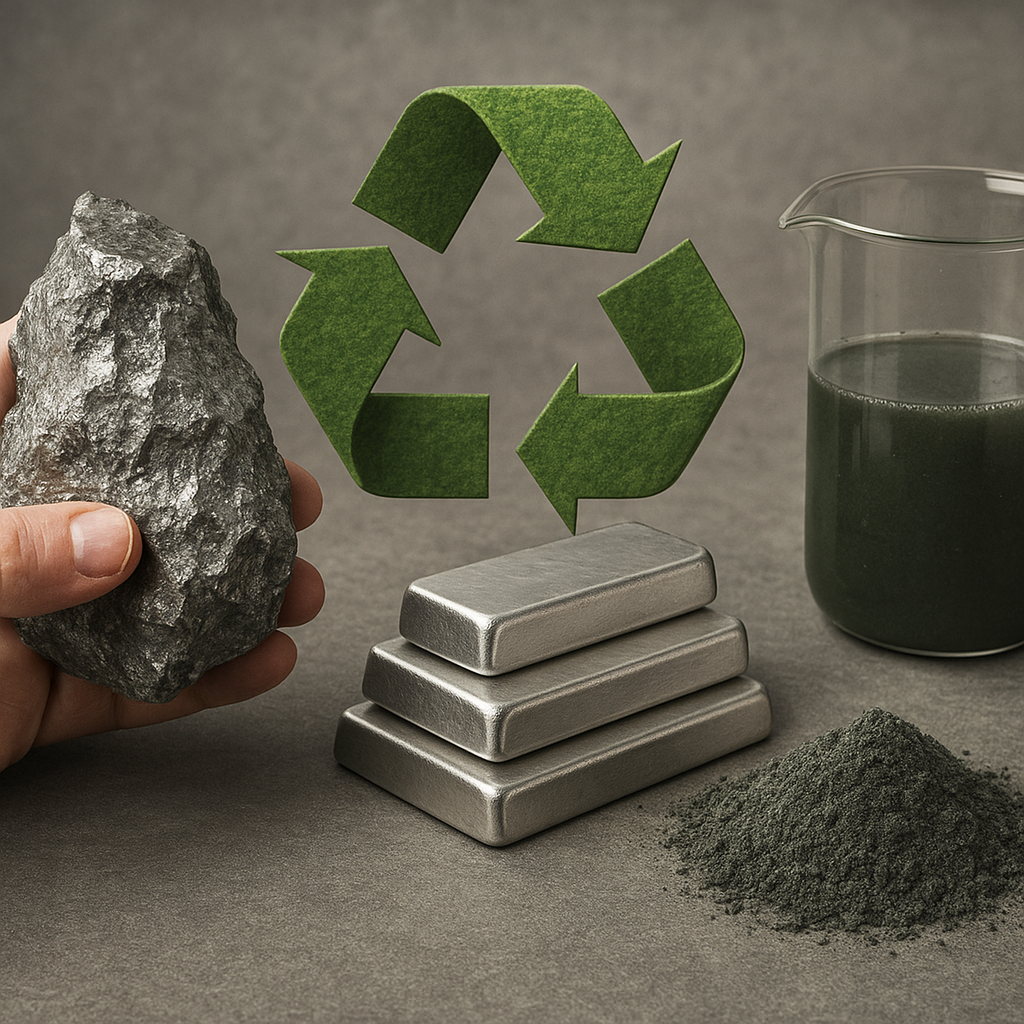
Recycling end-of-life batteries presents a promising avenue for alleviating primary supply pressures. Known as urban mining, this approach recovers key constituents and minimizes the ecological footprint of resource extraction.
- Hydrometallurgical Processes: Utilizing aqueous chemistry, these methods dissolve spent electrodes and selectively precipitate metals like cobalt and nickel with high purity.
- Pyrometallurgy: High-temperature smelting separates metals based on melting points, though it demands substantial energy inputs and emits greenhouse gases.
- Direct Recycling: Emerging techniques aim to refurbish cathode material structures directly, bypassing complete breakdown and re-synthesis, potentially reducing energy consumption by up to 50%.
Building robust collection infrastructures and incentivizing consumer participation are critical. Extended producer responsibility (EPR) frameworks, deposit-return schemes, and public-private partnerships can catalyze the necessary scale-up of recycling capacity.
Future Outlook and Strategic Pathways
As the global energy transition accelerates, strategic foresight and collaborative frameworks will determine whether the supply of rare metals keeps pace with burgeoning demand. Policy makers, investors, and technology developers must align on several fronts:
- Resource Diversification: Encouraging exploration in new geological provinces and advancing alternative material research to reduce dependency on a limited set of elements.
- Responsible Sourcing: Strengthening traceability standards, implementing blockchain-based certification systems, and enforcing stringent environmental and social governance (ESG) criteria.
- Innovation Ecosystems: Fostering multidisciplinary R&D clusters that integrate chemists, engineers, data scientists, and policy experts to accelerate breakthroughs.
- Infrastructure Investments: Scaling up mining, processing, and recycling facilities with resilient logistics and energy-efficient operations.
- International Cooperation: Harmonizing trade regulations and sharing best practices through bilateral and multilateral agreements to stabilize markets and minimize geopolitical fragmentation.
Ultimately, a balanced approach combining primary extraction, secondary recovery, and advanced material science will underpin a resilient supply chain. Through targeted investment, responsible governance, and relentless innovation, the rare metals sector can support a truly sustainable energy future.