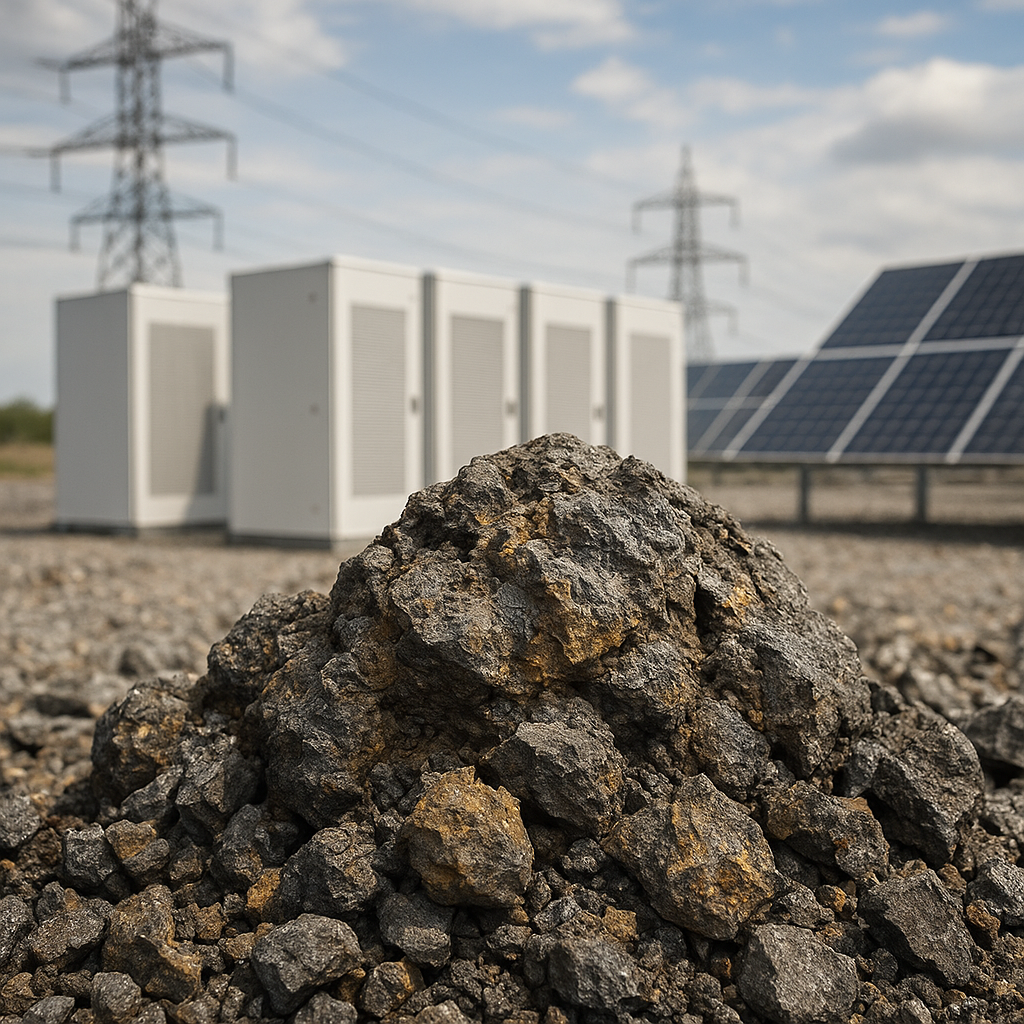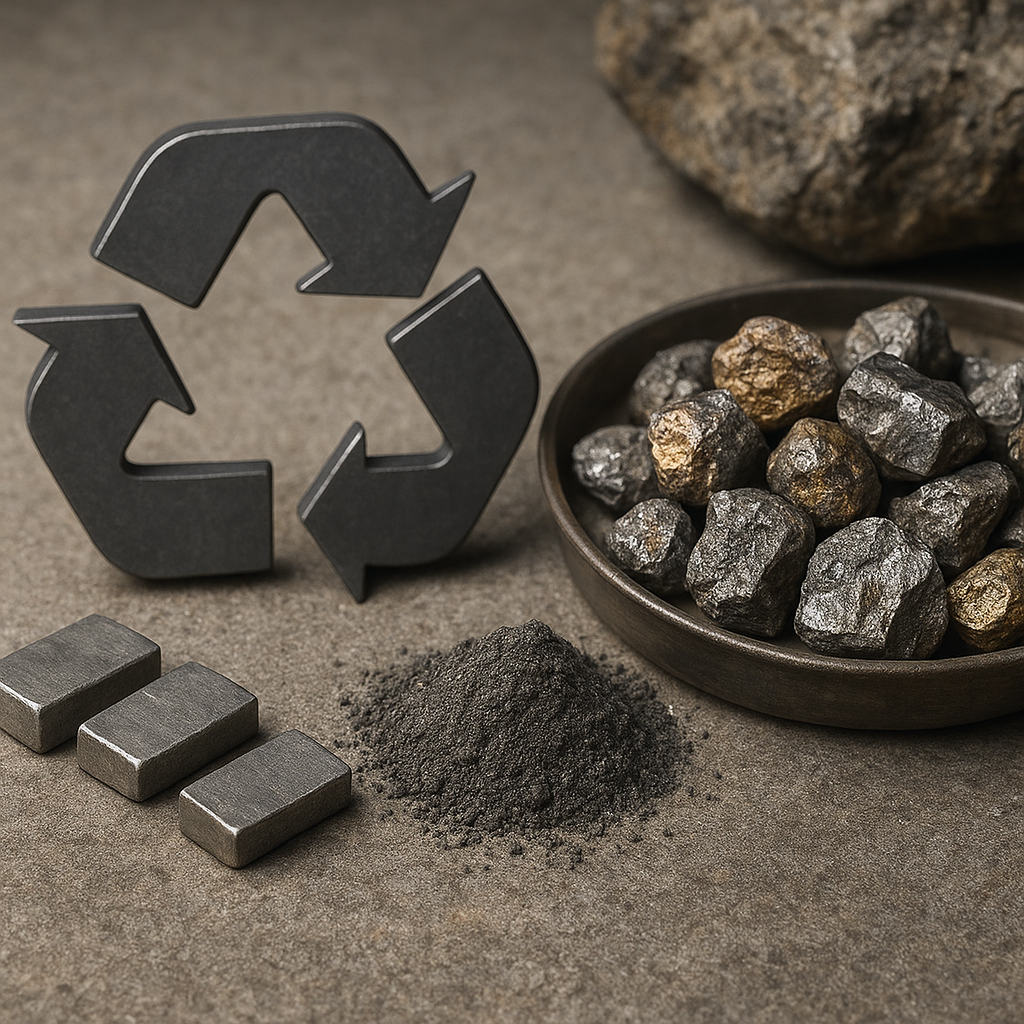
The growing demand for sustainable technologies has placed rare metals at the heart of modern industrial transformation. Driven by the rapid expansion of renewable energy infrastructure, electric mobility, and advanced electronics, the global quest for critical minerals underscores both an urgent need for resource security and an opportunity to reimagine material lifecycles. Achieving a truly circular economy for rare metals requires coordinated efforts across extraction, design, regulation and end-of-life management, pushing stakeholders to adopt new innovation-driven models.
Global Significance of Critical Minerals
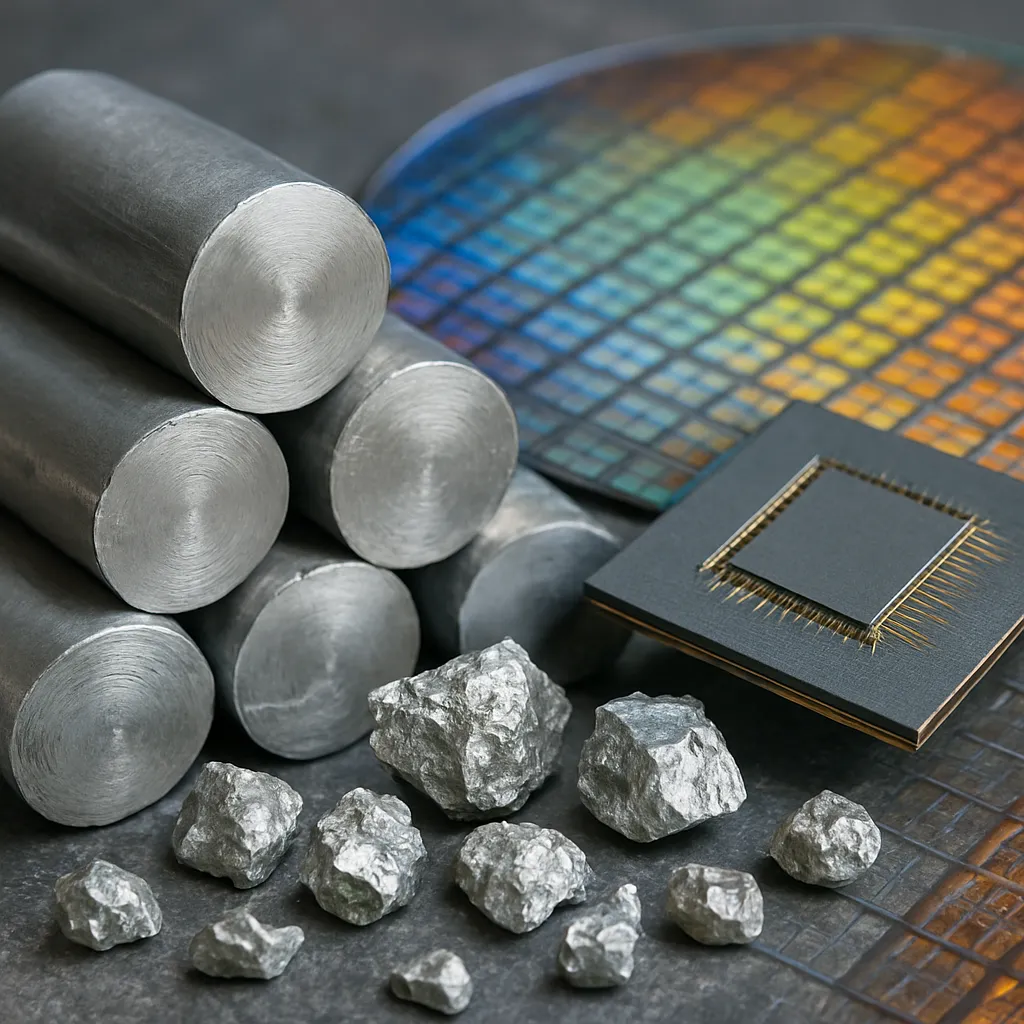
Emerging technologies hinge on a handful of strategic elements. lithium and cobalt power electric vehicle batteries, while rare earth elements enable high-efficiency motors, wind turbines and essential components in consumer electronics. As demand escalates, nations recognize these metals as cornerstones of future competitiveness. In addition, the proliferation of grid-scale energy storage, 5G networks and aerospace systems cements their status as indispensable inputs in next-generation supply chains.
Several factors amplify the stakes:
- Rapid electrification of transport and industry
- Decarbonization goals driving renewables deployment
- Concentration of supply in a few regions
- Increasing strategic rivalry over mineral reserves
Addressing these factors entails balancing supply expansion with environmental stewardship and social impact mitigation. Collaboration between resource-rich countries and technology leaders can yield diversified sourcing strategies, yet reliance on virgin extraction alone falls short of long-term sustainability.
Extraction Complexities and Geopolitical Dynamics
The process of bringing rare metals from ore to market presents multifaceted challenges. Traditional mining operations often involve energy-intensive crushing and chemical separation, generating substantial waste streams and greenhouse gas emissions. Moreover, some key deposits lie in ecologically sensitive regions or zones plagued by political instability and conflict minerals concerns.
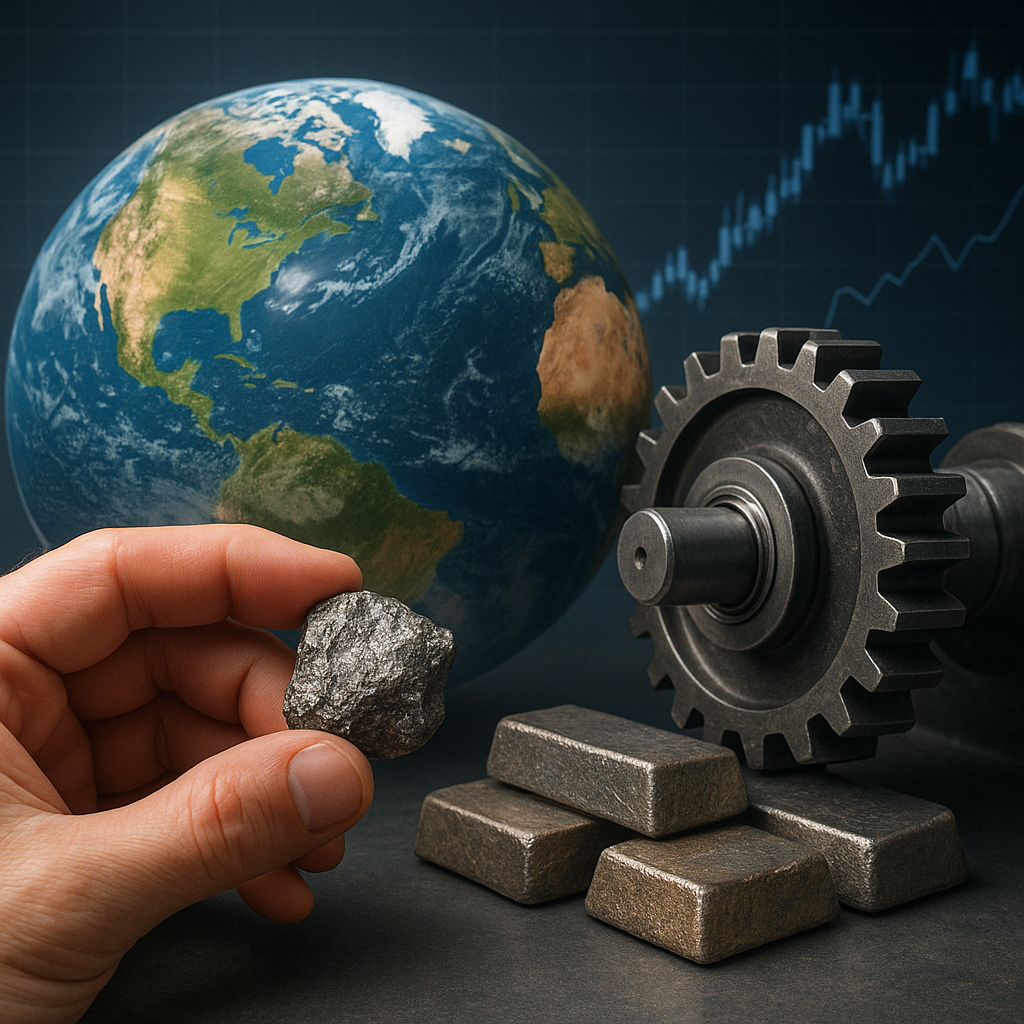
Extractive projects must navigate a delicate balance between economic benefits and ecological costs. Indigenous communities may face land displacement or water contamination, underscoring the need for robust environmental impact assessments and community engagement protocols. Underlying these issues is the broader context of geopolitics, where resource nationalism and shifting trade policies can disrupt supply chains overnight.
Major obstacles include:
- High water and energy consumption in ore processing
- Lack of transparency in artisanal and small-scale mining
- Monopolistic control of refining capacity by a handful of nations
- Volatile commodity prices tied to speculative markets
Amid these complexities, the concept of resource efficiency emerges as a guiding principle: optimizing yield per tonne of ore, reducing waste, and recovering valuable by-products to offset environmental burdens.
Circular Economy Solutions and Recycling Innovations
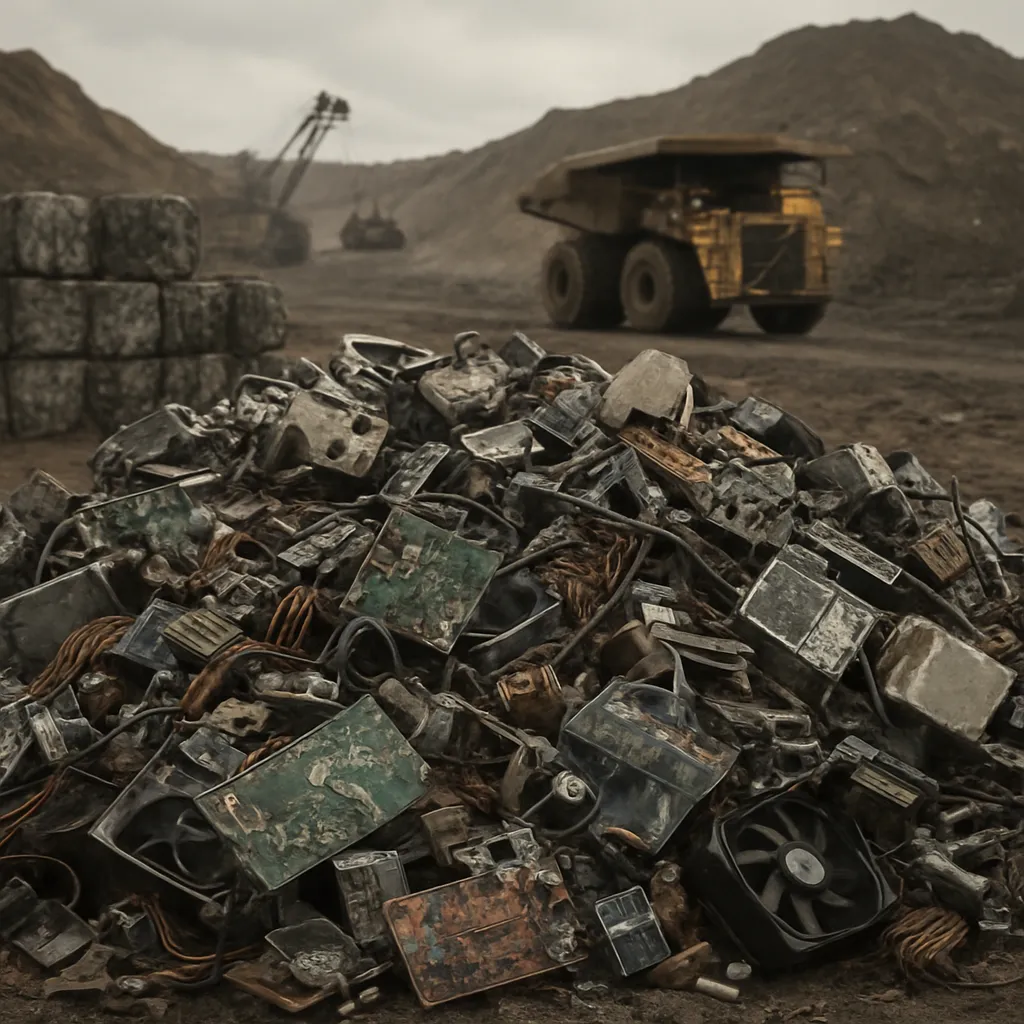
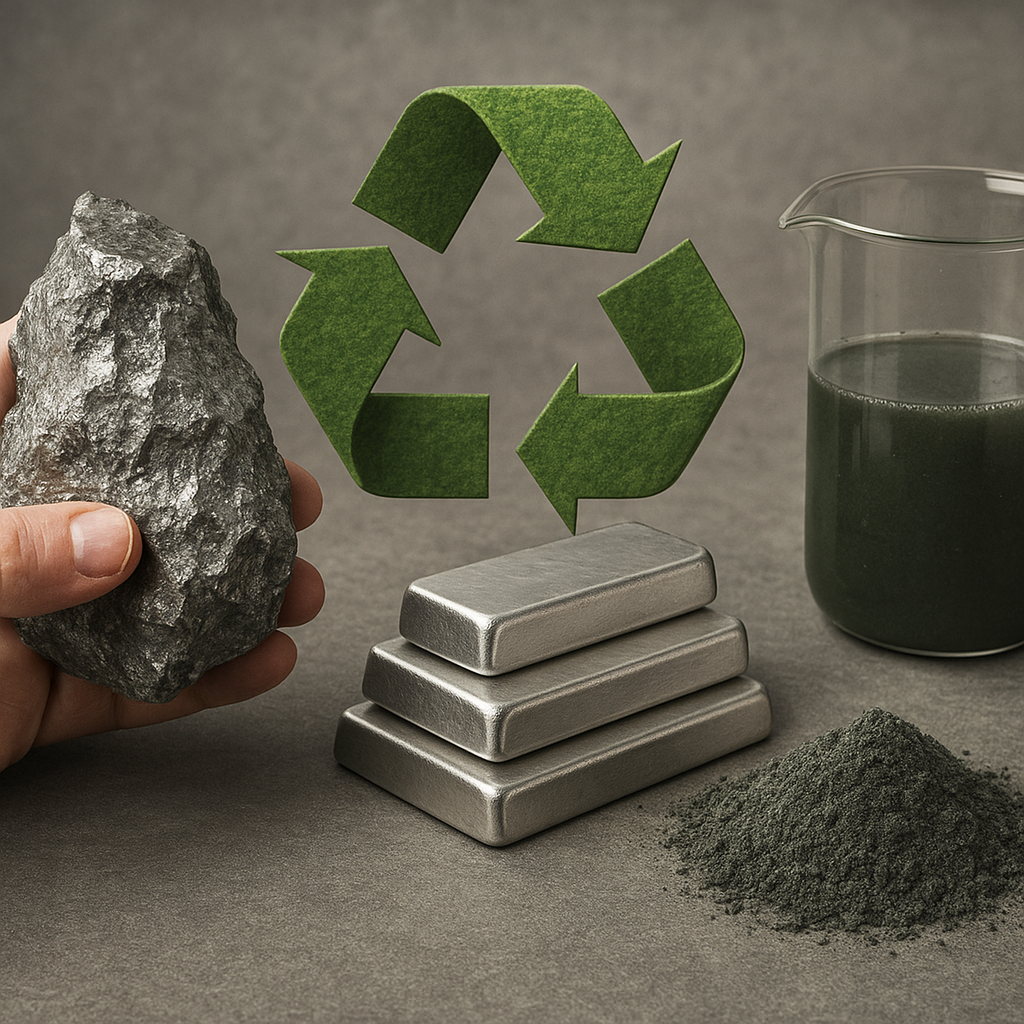
Shifting from a linear “take-make-dispose” model to a closed-loop framework opens new pathways to secure supply and minimize ecological footprints. Advances in hydrometallurgy, bioleaching and high-temperature smelting have enabled more effective recovery of recycling streams from spent batteries, magnets and electronic scrap. Urban mining initiatives turn end-of-life products into secondary feedstocks, recovering upwards of 90% of target metals in some processes.
Technological Innovations
- Direct recycling of cathode powders into fresh battery materials
- Supercritical fluid extraction for purer rare earth separations
- Enzymatic leaching to minimize chemical waste
- Automated disassembly robots to streamline component recovery
These breakthroughs reduce dependency on new mines and cut carbon emissions associated with metal refining. By integrating design for disassembly principles, manufacturers can facilitate end-of-life collection and ensure product architectures support efficient repair and refurbishment.
Policy Frameworks and Incentives
Governments are crafting extended producer responsibility (EPR) schemes and deposit-refund systems to accelerate circular flows. By imposing recycling quotas or offering tax credits for secondary metal use, policymakers can drive investment in processing facilities and R&D. Public–private partnerships further catalyze scale-up by pooling risk capital and sharing best practices across industries.
Bridging Policy, Industry, and Research
Realizing a resilient materials ecosystem demands holistic approaches. Academia contributes advanced computational models to predict ore deposit viability and simulate recycling pathways, while startups pilot novel separation techniques and sensor-driven sorting systems. Industry consortia convene along the value chain to develop interoperable standards, ensuring feedstock quality and traceability.
Key enablers for a robust circular marketplace include:
- Transparent data platforms tracing metal provenance
- Strategic stockpiles to buffer supply shocks
- Certification schemes reassuring ethical sourcing
- Workforce training programs for specialized metallurgical skills
By fostering cross-sector alliances and aligning incentives, stakeholders can navigate the transition toward a more resilient, low-carbon future. Embedding circularity in every stage—from resource discovery through product retirement—unlocks the potential of rare metals to power innovation while safeguarding planetary boundaries.