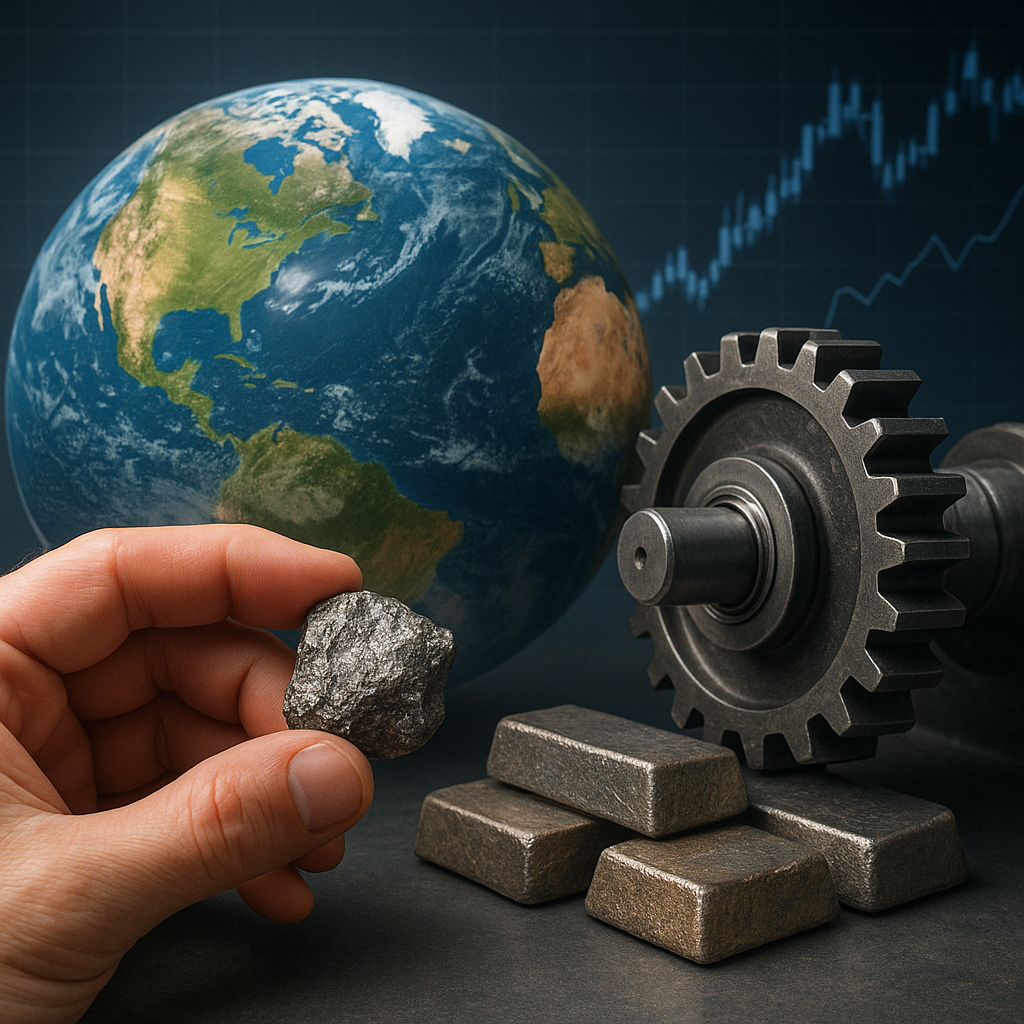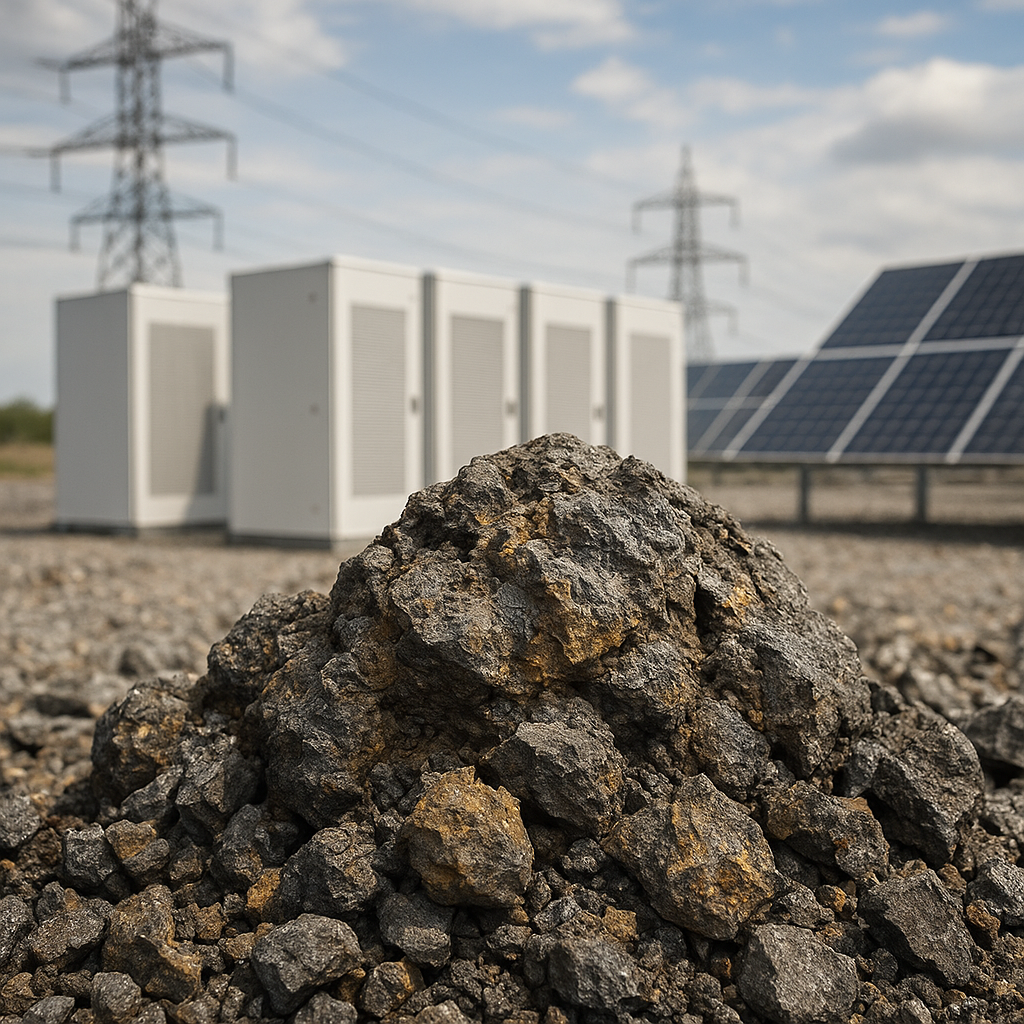
Access to rare metals has become a central concern for governments, industries, and researchers alike. As the backbone of advanced technologies—from renewable energy systems and electric vehicles to defense platforms—these materials carry profound implications for both economic growth and national security. Understanding the global dynamics of extraction, processing, and distribution is essential for navigating an increasingly complex geopolitical landscape.
Global Distribution and Strategic Importance of Rare Metals
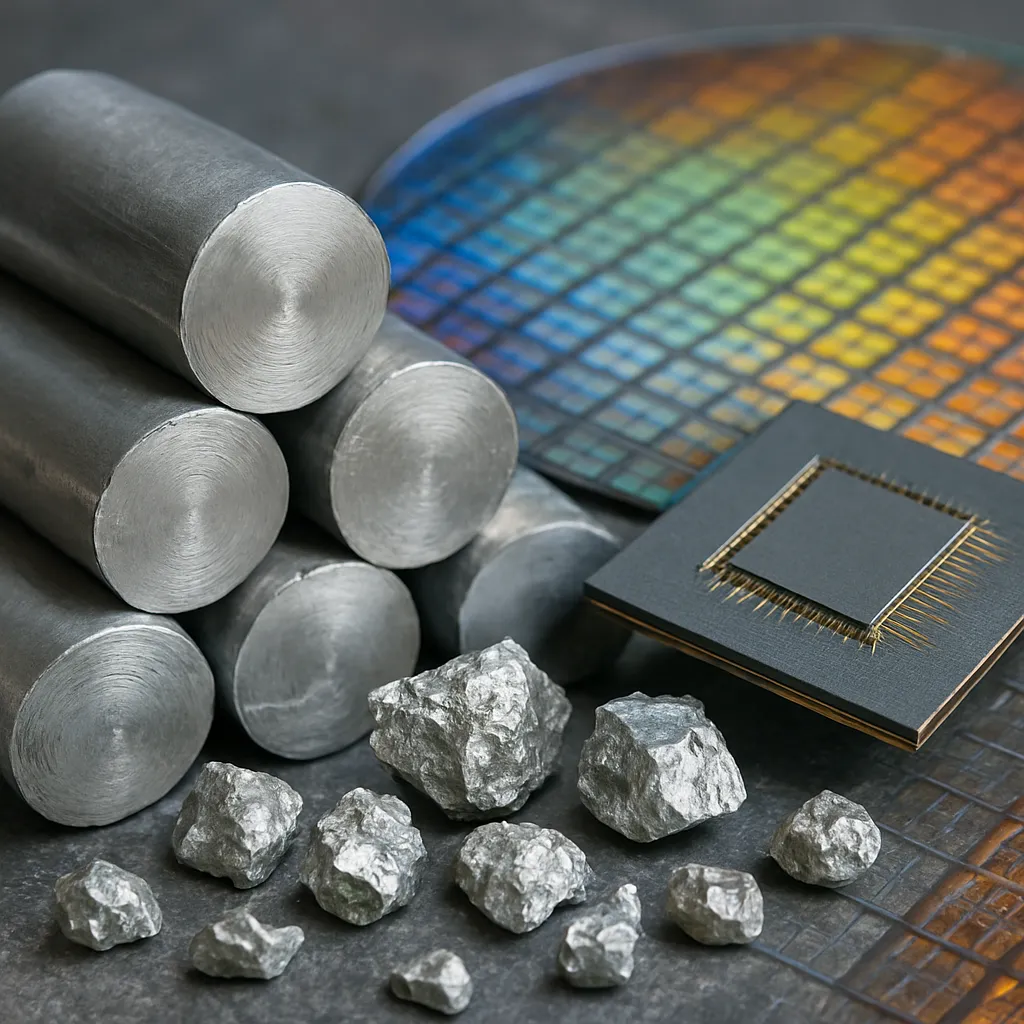
The Earth’s crust hosts a variety of critical minerals, yet only a handful of countries dominate their extraction. China leads in the production of rare earth elements such as neodymium and dysprosium, essential for powerful magnets in wind turbines and electric motors. Australia and the United States are key suppliers of lithium, cobalt, and nickel—materials fundamental to rechargeable batteries. Meanwhile, South Africa and Russia contribute significantly to platinum group metals used in catalysis and aerospace components.
Key Geographic Concentrations
- Africa: Rich in platinum, chromium, and manganese reserves, with emerging deposits of lithium in Zimbabwe and Congo’s cobalt outputs.
- Asia-Pacific: Australia’s vast lithium and nickel mines; China’s refining capacity for rare earth oxides; Indonesia’s nickel laterite deposits.
- Americas: Chile and Argentina’s lithium salars; Canada’s diverse portfolio of base metals, including uranium and graphite.
- Europe: Limited domestic reserves but growing exploration in Scandinavia and the Baltic region for nickel, copper, and rare earths.
The uneven distribution of these resources translates into concentrated market power for a few suppliers. This concentration raises concerns over supply security as demand surges in high-tech industries worldwide.
Challenges in Supply Chains and Market Dynamics
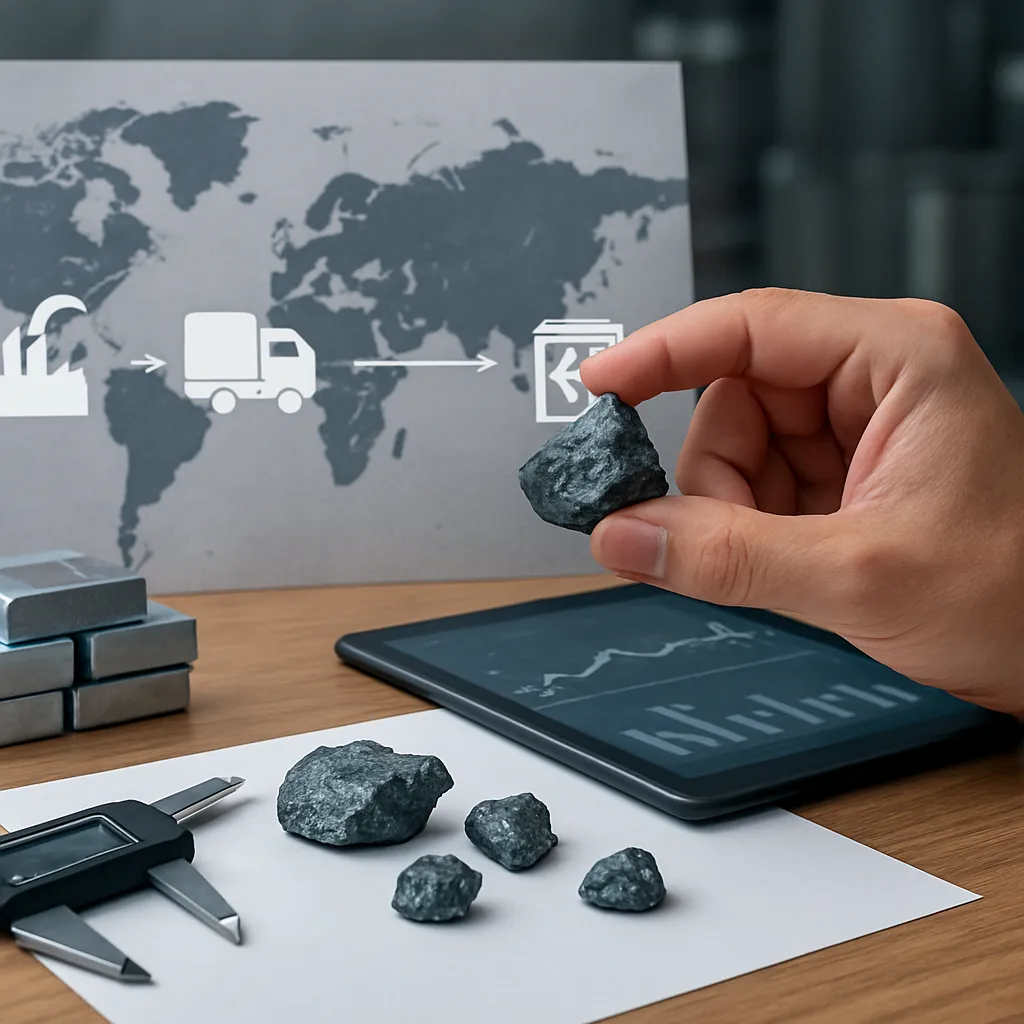
The global trade of rare metals involves multiple stages—mining, refining, manufacturing, and recycling—each introducing vulnerabilities. Supply chains are often opaque, with substantial flows of intermediate products crossing borders multiple times before final assembly.
Bottlenecks and Dependencies
- Refining Capacity: A handful of refineries control the conversion of raw ores into high-purity concentrates, creating chokepoints susceptible to export restrictions or technical failures.
- Trade Policies: Tariffs, quotas, and export bans can disrupt flows of essential inputs, triggering price volatility and production delays.
- Environmental Regulations: Stringent standards in developed nations often push mining operations to countries with less oversight, raising ethical and ecological concerns.
Market fluctuations are amplified by speculative trading and strategic stockpiling. In recent years, price spikes for cobalt and lithium have underscored how swiftly critical material shortages can permeate the electronics and automotive sectors.
National Security and Geopolitical Implications
The intersection of resource dependence and strategic competition has elevated rare metals to the forefront of geopolitical decision-making. Militaries rely on high-performance alloys, guidance systems, and electronic warfare tools that incorporate specialized metals such as tantalum, tungsten, and gallium.
Strategic Risk Scenarios
- Blockade or Embargo: A state controlling significant rare earth exports could levy embargoes, impeding adversaries’ ability to produce advanced weaponry.
- Cyber Disruption: Complex processing facilities are vulnerable to cyberattacks that could halt refining operations and disrupt global outputs.
- Resource Nationalism: Governments may nationalize mining firms or impose mineral sovereignty laws, restricting foreign investment and access.
Recognizing these threats, several countries have established stockpiles of critical minerals and invested in strategic partnerships. Bilateral agreements and multilateral frameworks now prioritize transparency and resilience, aiming to reduce overreliance on single-supplier nations.
Technological Innovations and Substitution Strategies
To mitigate risks and foster sustainability, research efforts focus on substituting scarce metals with more abundant alternatives, improving recycling rates, and developing next-generation materials.
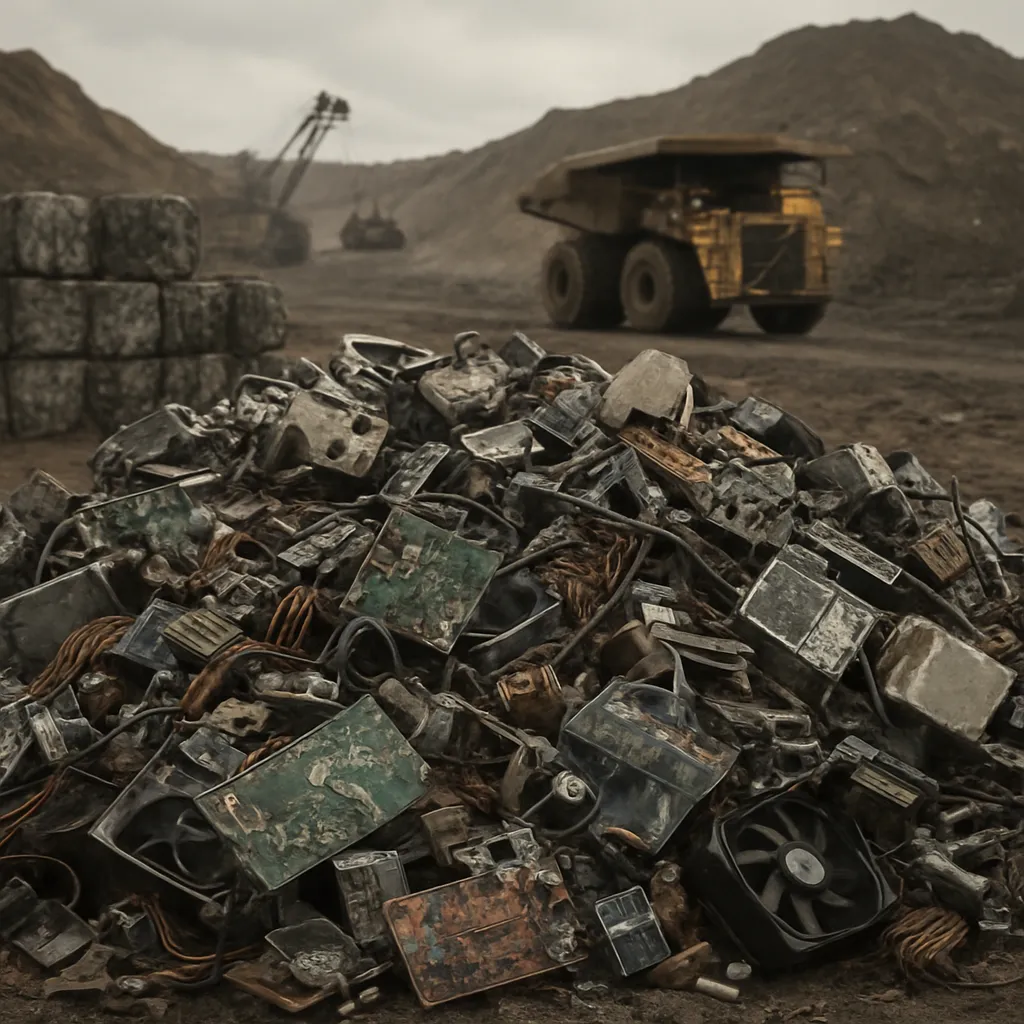
- Advanced Recycling: Chemical and mechanical processes enable recovery of up to 95% of rare earths from spent magnets and batteries, closing the loop and reducing mining pressures.
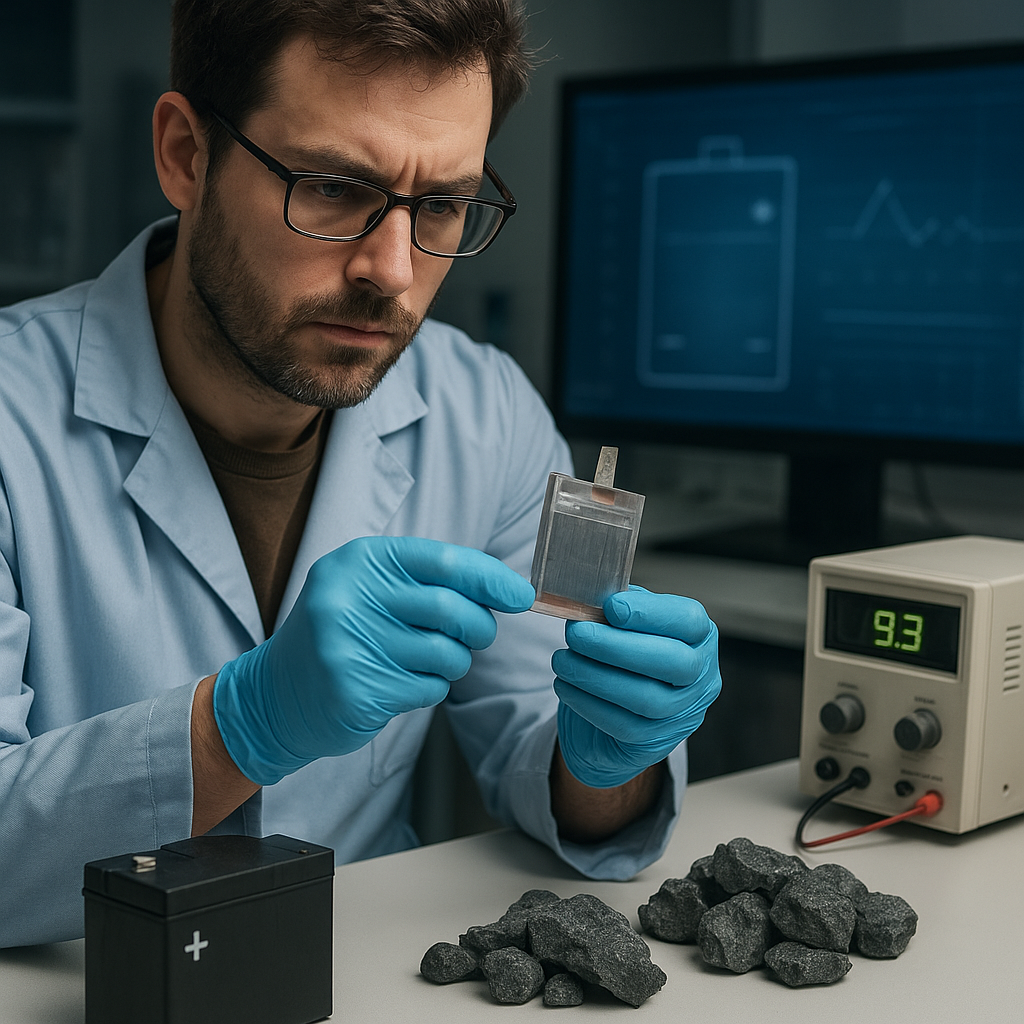
- Material Substitution: Researchers explore iron-nitride magnets as a potential replacement for neodymium-based ones, and silicon anodes to enhance lithium-ion battery capacity without relying on cobalt.
- Bioleaching: Utilizing microbes to extract metals from low-grade ore and industrial waste could revolutionize mining by lowering energy consumption and environmental impact.
- AI-Driven Exploration: Machine learning algorithms analyze geological and geochemical data to pinpoint new deposits more efficiently than traditional surveying.
Combined, these innovations promise to diversify the resource base and bolster resilience against supply disruptions. By aligning industrial policies with research funding, nations can secure a competitive edge in critical technology sectors while enhancing global cooperation on resource stewardship.