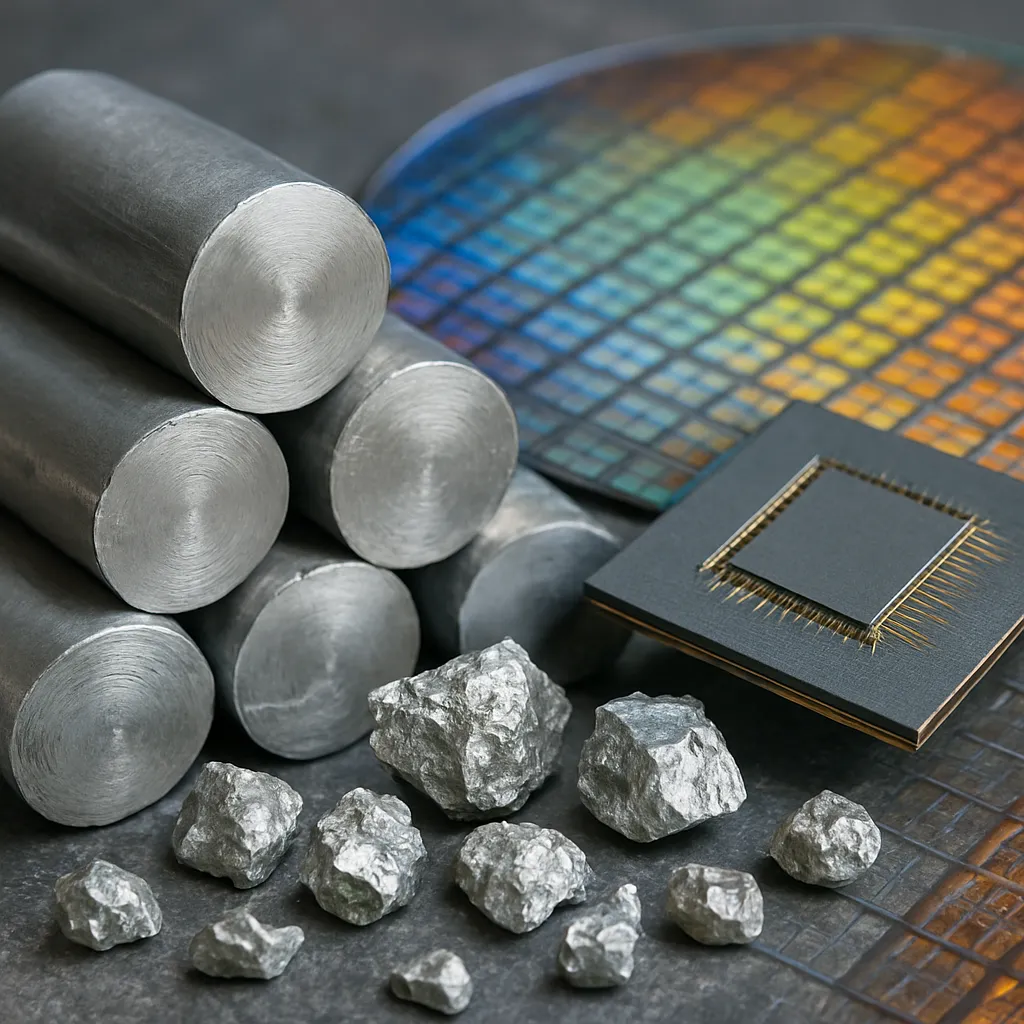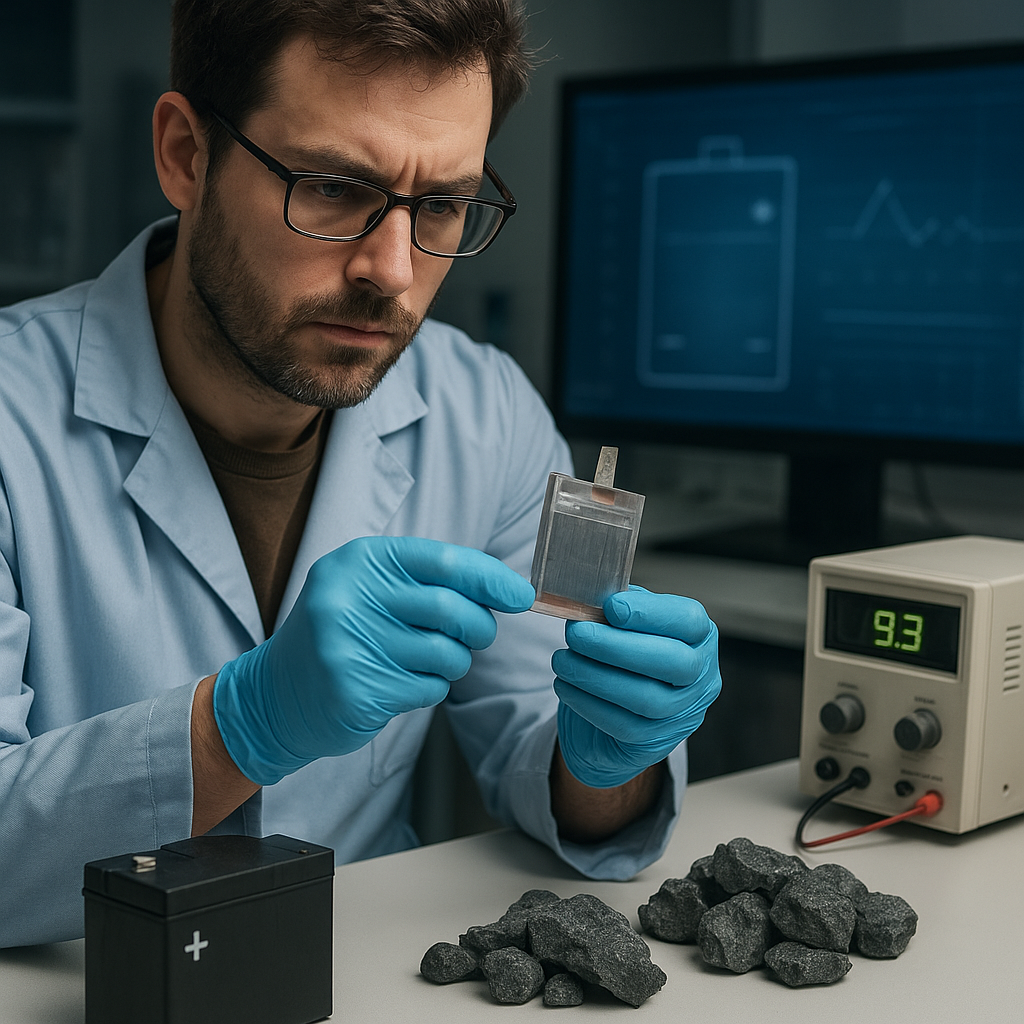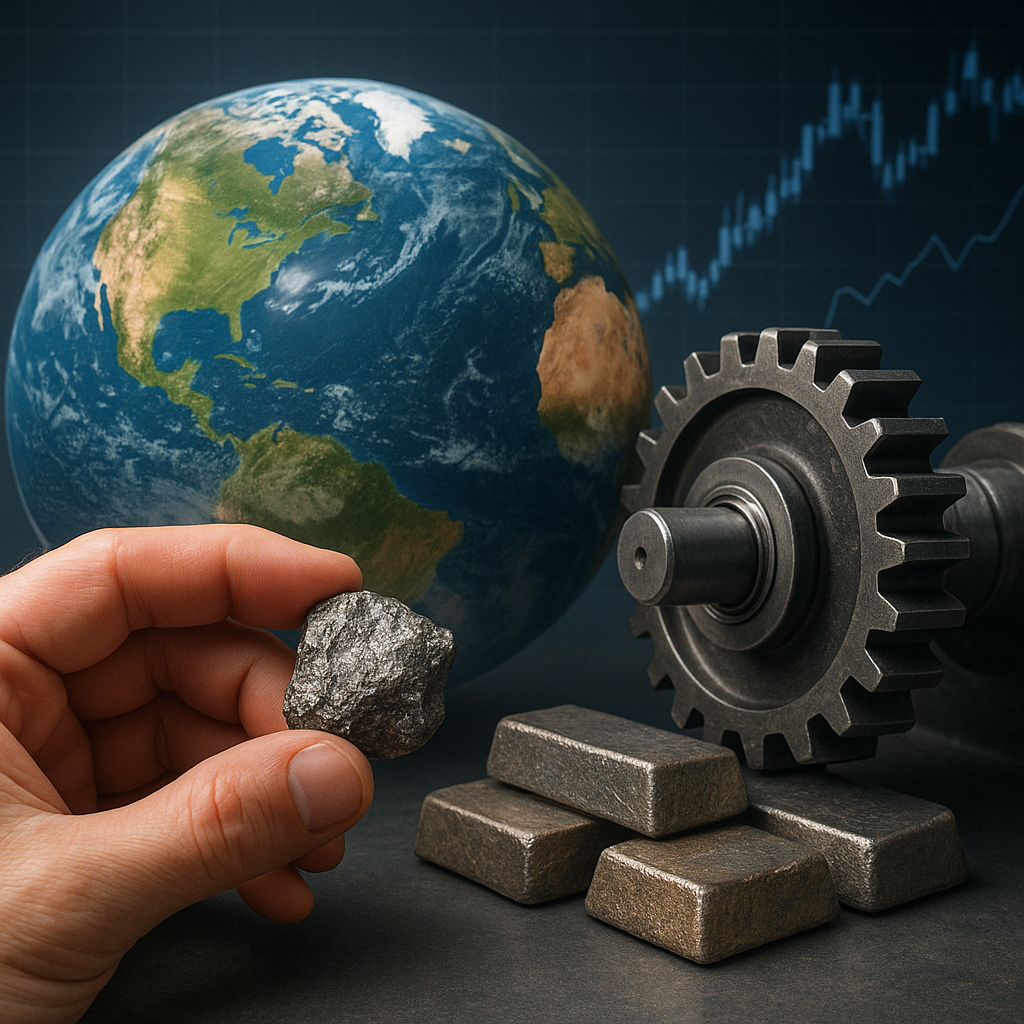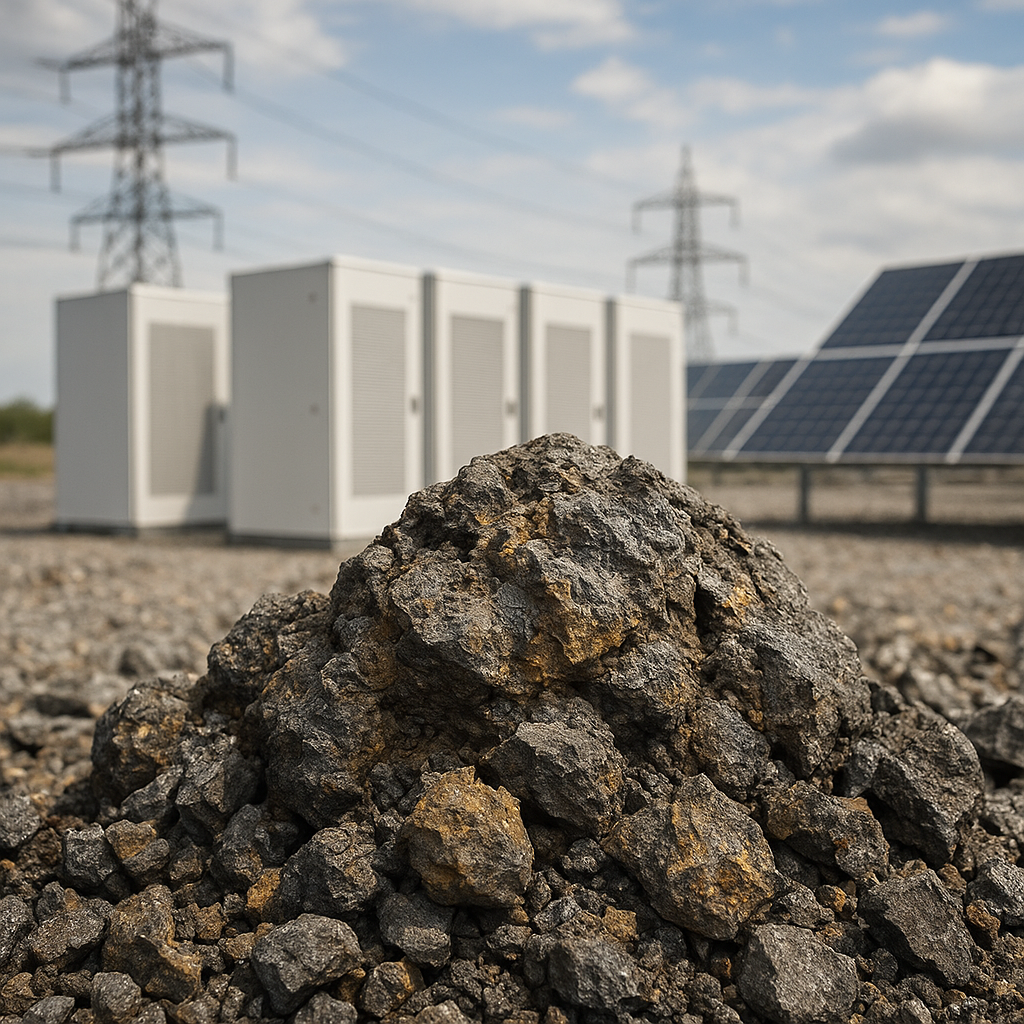
The quest for rare metals has intensified as the global push for clean energy, advanced electronics and high-performance materials continues. Among the world’s uncharted frontiers, the Arctic region stands out for its untapped potential reserves of key elements such as lithium, nickel and cobalt. These critical commodities underpin the batteries that power electric vehicles, the magnets embedded in wind turbines and the semiconductors driving the digital economy. Yet exploration in such a remote environment carries formidable technical, environmental and social hurdles. This article examines the resource prospects, the technological breakthroughs required, the geopolitics at play, the role of indigenous communities and emerging paths toward sustainability in the high north.
Potential Deposits and Resource Estimates in the Arctic
Geological surveys and remote sensing missions have identified extensive Paleoproterozoic basement rocks and mafic-ultramafic intrusions across Arctic margins. Preliminary data suggest that Greenland holds upwards of 240 million tonnes of high-grade iron oxide-copper-gold ores, alongside promising traces of nickel and cobalt. Northern Canada’s Ring of Fire region may conceal more than 30 million tonnes of nickel sulphide, while Alaska’s Seward Peninsula shows anomalous concentrations of lithium-bearing pegmatites. These figures represent only a fraction of the total potential: the harsh climate and seasonal ice cover limit on-the-ground confirmation.
Aside from quantitative estimates, qualitative indicators such as the presence of mineralogical alteration zones, geochemical anomalies in glacial tills and satellite-based gravity gradients point to several underexplored targets. Advances in airborne electromagnetics and gravity gradiometry have sharpened the search radius for high-value deposits, increasing confidence in resource estimates that were previously dismissed as too speculative. Yet, every promising drill hole raises new questions about deposit continuity, ore grade variability and the feasibility of extraction, underscoring the need for a balanced investment in both exploration and feasibility studies.
Technological Hurdles and Environmental Concerns
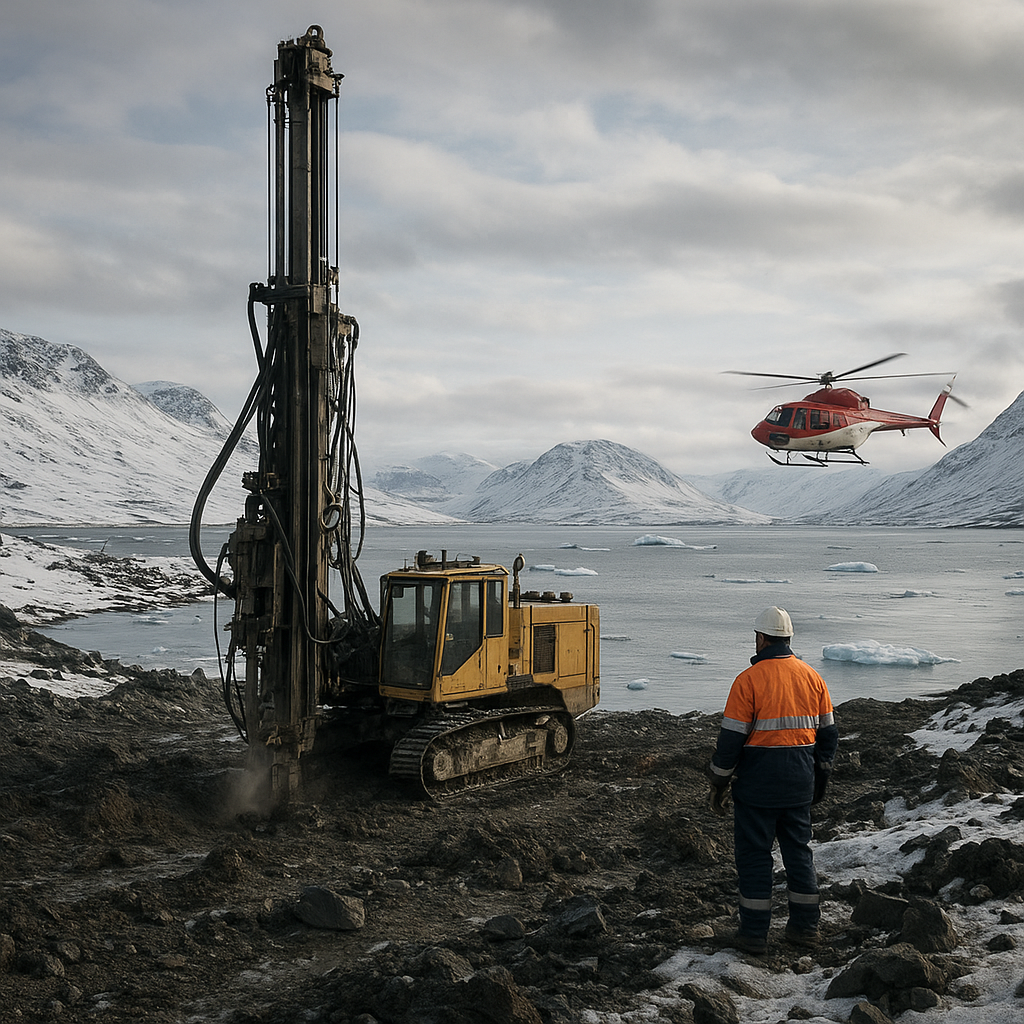
Operating beyond the Arctic Circle thrusts exploration companies into extremes of temperature, darkness and seasonal unpredictability. Drilling rigs must be winterized, fuel supply lines secured over shifting sea ice and remote camps designed to withstand wind chill that can plummet below –50°C. The heavy machinery required for open-pit or underground mining increases the risk of permafrost thaw, which in turn can destabilize foundations and release stored greenhouse gases. Moreover, activities such as blasting, trenching and tailings disposal threaten fragile ecosystems and migratory patterns of species like the Arctic fox and caribou.
Environmental oversight frameworks demand rigorous impact assessments. Companies are now deploying drone-based monitoring for real-time tracking of snowpack integrity and wildlife movements. Innovations in low-impact drilling systems, minimal-footprint processing plants and waterless separation techniques are being trialed to reduce disturbance. Nonetheless, every ton of ore extracted entails transport via ice-class tankers or heavy-lift aircraft, contributing to carbon emissions and potential oil spills. Effective spill-response strategies, ice-management protocols and habitat restoration plans must be integrated from project inception to mitigate these hazards.
Geopolitical Competition and Economic Incentives
The race for Arctic resources pits major powers and emerging economies against one another. Russia, with its extensive northern territories, has prioritized Arctic mining in national strategy documents, granting concessions to state-backed enterprises. China, though lacking direct Arctic coastline, has secured off-take agreements and equity stakes in Greenland and Canadian projects under its Belt and Road Initiative. Meanwhile, the European Union and United States impose export control regimes on certain critical minerals while investing in domestic exploration incentives to reduce dependency on Asian supply chains.
Strategic stockpiling, tariffs and partnership treaties are being deployed to ensure a steady flow of cobalt and lithium hydroxide for battery manufacturing. Commodity exchanges in London and Shanghai list futures contracts tied to Arctic-derived metals, reflecting investor anticipation of price volatility. At the same time, mining firms weigh the high upfront capital expenditure against long-term contracts with automakers, energy utilities and technology conglomerates. The interplay between resource nationalism, anti-dumping measures and joint venture frameworks illustrates the complex economic landscape shaping Arctic development.
Indigenous Rights and Community Engagement
Any responsible development plan cannot overlook the social dimension. Arctic territories are home to diverse Northern First Nations, Inuit and Saami communities whose traditional lifestyles depend on subsistence hunting, fishing and reindeer herding. Mining operations introduce noise, light pollution and altered hydrology, directly affecting the availability of fish stocks and the seasonal migration of wild game. Community consent mechanisms and benefit-sharing agreements are now cornerstones of project approval processes, often enshrined in modern treaties and environmental legislation.
Engagement strategies range from co-management boards to employment and training programs that empower local stakeholders. Some firms provide scholarships for indigenous students in geology, environmental science and engineering, while others partner with local artisans to market traditional crafts. Incorporating indigenous knowledge into biodiversity monitoring enhances scientific models of ecosystem resilience. Transparent grievance mechanisms and revenue-sharing formulas can foster goodwill, but any failure in genuine dialogue risks project delays, costly legal challenges and reputational damage.
Innovation and Sustainable Extraction Technologies
Emerging solutions aim to reconcile resource demand with ecological stewardship. In-situ leaching, which dissolves metal-bearing minerals underground and pumps the solution to the surface, is gaining traction as a low-footprint alternative to open-pit methods. Modular, prefabricated processing units can be airlifted and assembled on minimal concrete pads, reducing permafrost impact. Additionally, renewable microgrids powered by wind-diesel hybrids or small modular reactors offer on-site energy with significantly lower carbon emissions than traditional power plants.
Robotics and remote operations centers, hundreds of kilometers away, can pilot autonomous drill rigs and haul trucks, minimizing human exposure to extreme conditions. Advanced analytics in geometallurgy and ore-sorting allow for real-time optimization of feed grade, cutting down waste volumes and slashing water usage. Carbon capture and storage (CCS) technologies are under evaluation to neutralize residual emissions from diesel generators. When paired with circular economy practices—such as recovering rare earth elements from tailings—these innovations represent a paradigm shift toward responsible mining in sensitive polar zones.
Market Dynamics and Global Supply Chains
Ultimately, the viability of Arctic ventures hinges on demand trajectories for electric vehicles, grid-scale batteries and critical defense applications. As automakers target price parity with internal combustion engines, the premium for low-carbon and ethically sourced metals escalates. Traceability solutions, using blockchain-based certification, ensure that stakeholders can verify the provenance of each cobalt pellet or lithium carbonate batch. Marketing these attributes to end consumers adds value but also increases scrutiny over every link in the supply chain.
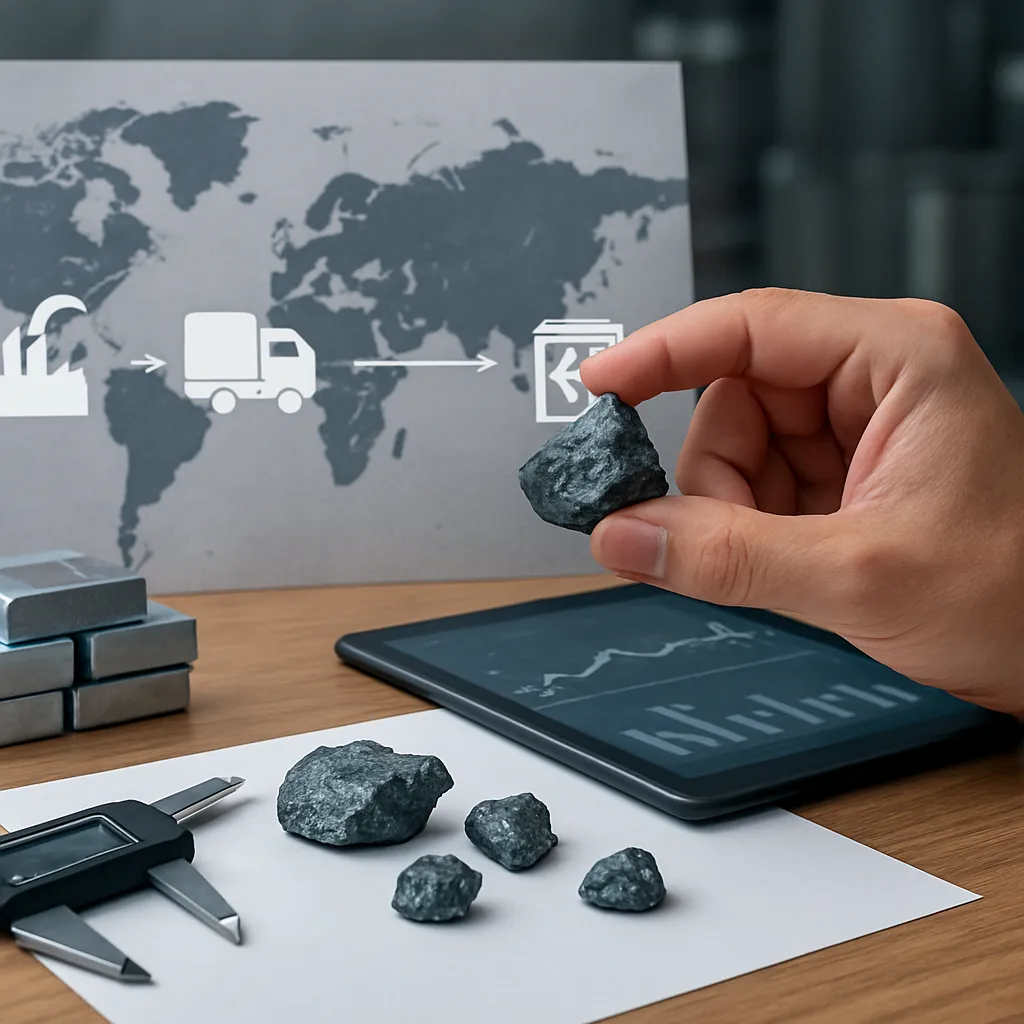
Logistics firms are exploring winter sea routes through the Northern Sea Route and the Northwest Passage, potentially cutting transit times between Asia and Europe by weeks. Ice-strengthened carriers and floating storage units transform seasonal corridors into quasi-permanent highways for bulk shipment. Nonetheless, climate-driven variability in sea-ice patterns demands agile planning and contingency fleets. Collaboration among mining companies, shipping lines, port authorities and insurance underwriters is crucial to de-risk operations. As the Arctic emerges from its icy veil, global markets will watch closely to see if the pioneering spirit of exploration can coexist with the pressing need for environmental and social responsibility.