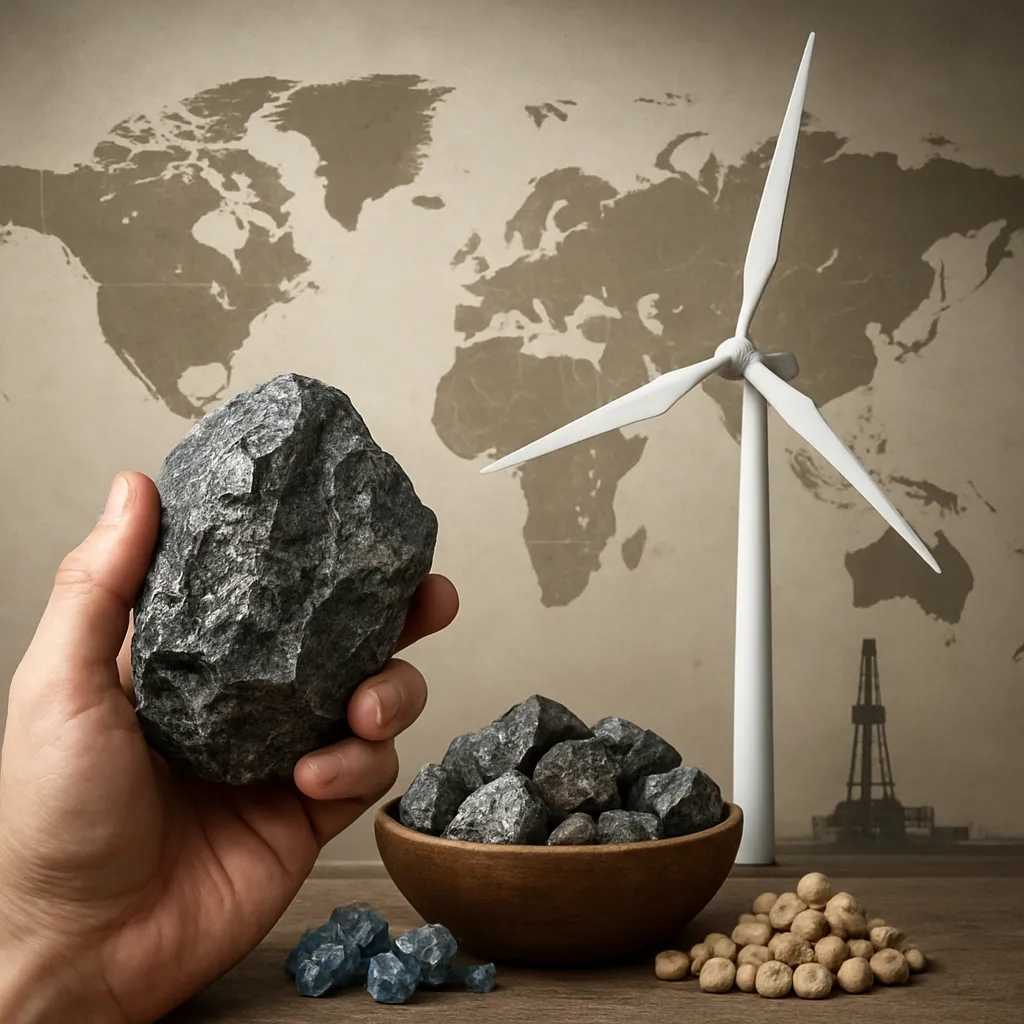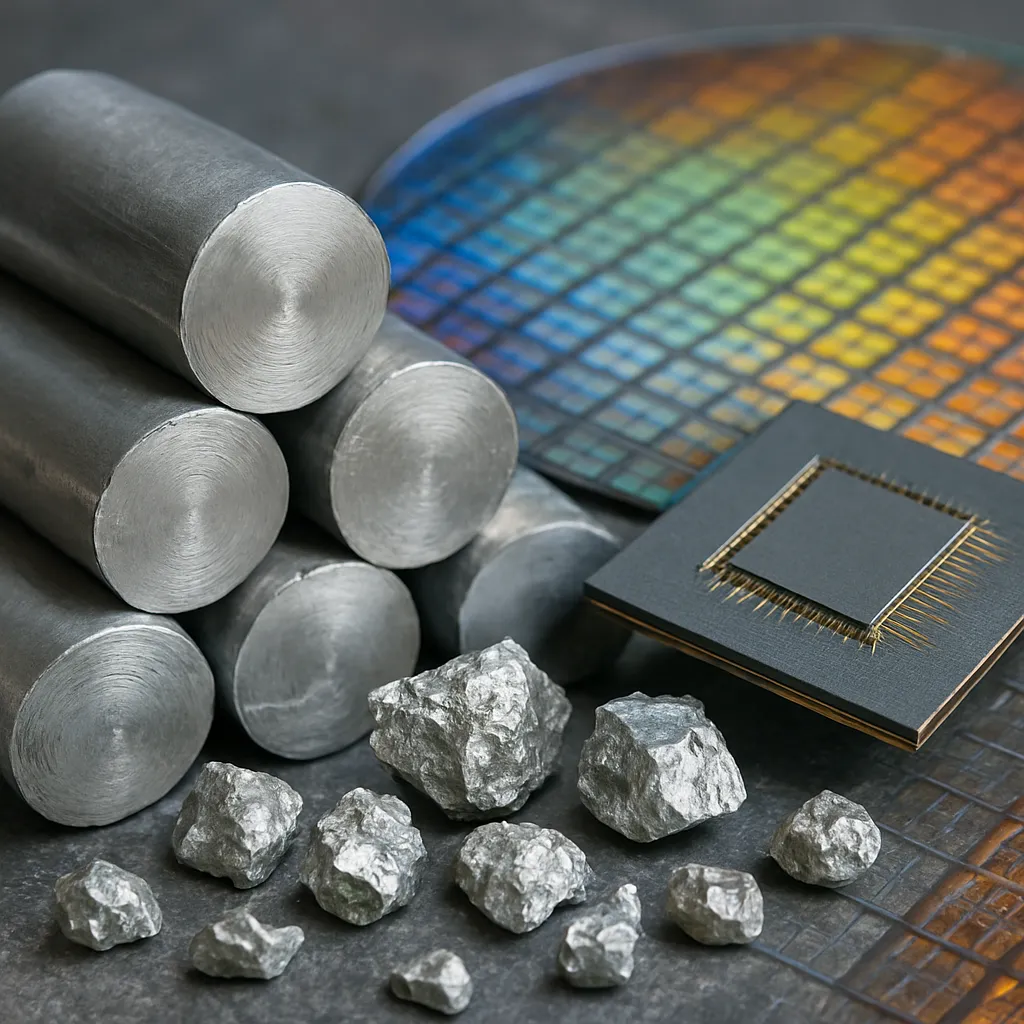
The rare metals industry plays a pivotal role in the modern economy, powering everything from electric vehicles and renewable energy storage to consumer electronics and defense technologies. Continuous fluctuations in supply and demand, coupled with complex geopolitical landscapes, contribute to pronounced volatility in pricing. Understanding these dynamics is essential for policymakers, investors, and manufacturers seeking to secure stable access to these indispensable resources.
Market Dynamics and Price Drivers
Rare metals, often referred to as critical or strategic minerals, exhibit price behaviors that differ markedly from more common commodities like oil or copper. Major factors influencing their market include:
- Supply Constraints: Many rare metals are extracted as by-products of lead, zinc, or copper mining. Changes in primary metal demand can indirectly affect the output of rare metals, causing unpredictable supply swings.
- Concentration of Production: A handful of countries dominate the extraction and processing of rare earth elements and platinum group metals. This concentration introduces geopolitical risk: shifts in export policies, trade restrictions, or diplomatic tensions can trigger rapid price spikes.
- Consumer Demand: Advanced technologies such as permanent magnets, batteries, catalysts, and LEDs all rely on specific rare metals. Breakthroughs in electric mobility, green energy, and high-tech manufacturing drive surges in consumption, often outpacing the industry’s ability to ramp up supply.
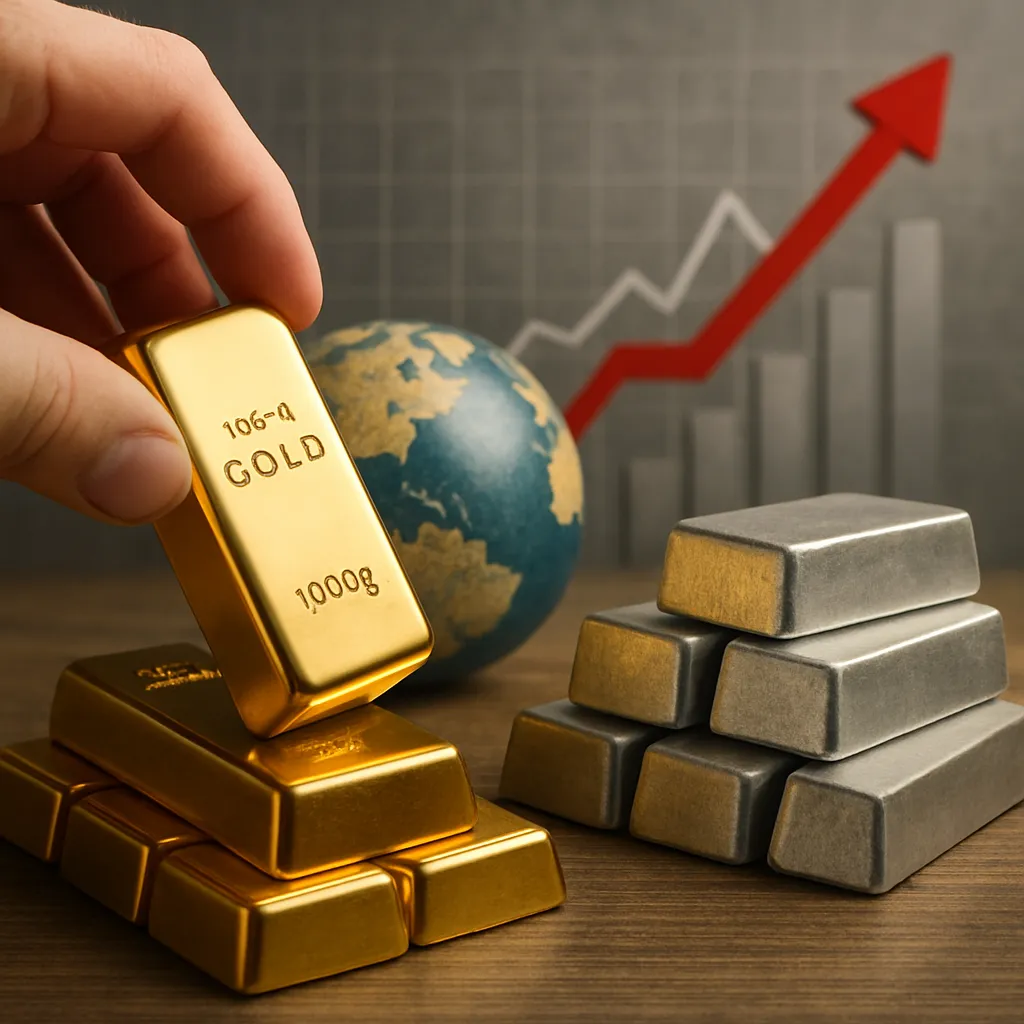
- Speculative Trading: Futures markets and commodity funds increasingly treat rare metals as investment assets, magnifying short-term price movements. Speculation can exacerbate natural market cycles, producing exaggerated booms and busts.
- Currency Fluctuations: Because most trade in rare metals occurs in US dollars, shifts in currency values can make these materials more or less expensive for buyers in other regions, adding another layer of unpredictability.
Geopolitical and Supply Chain Challenges
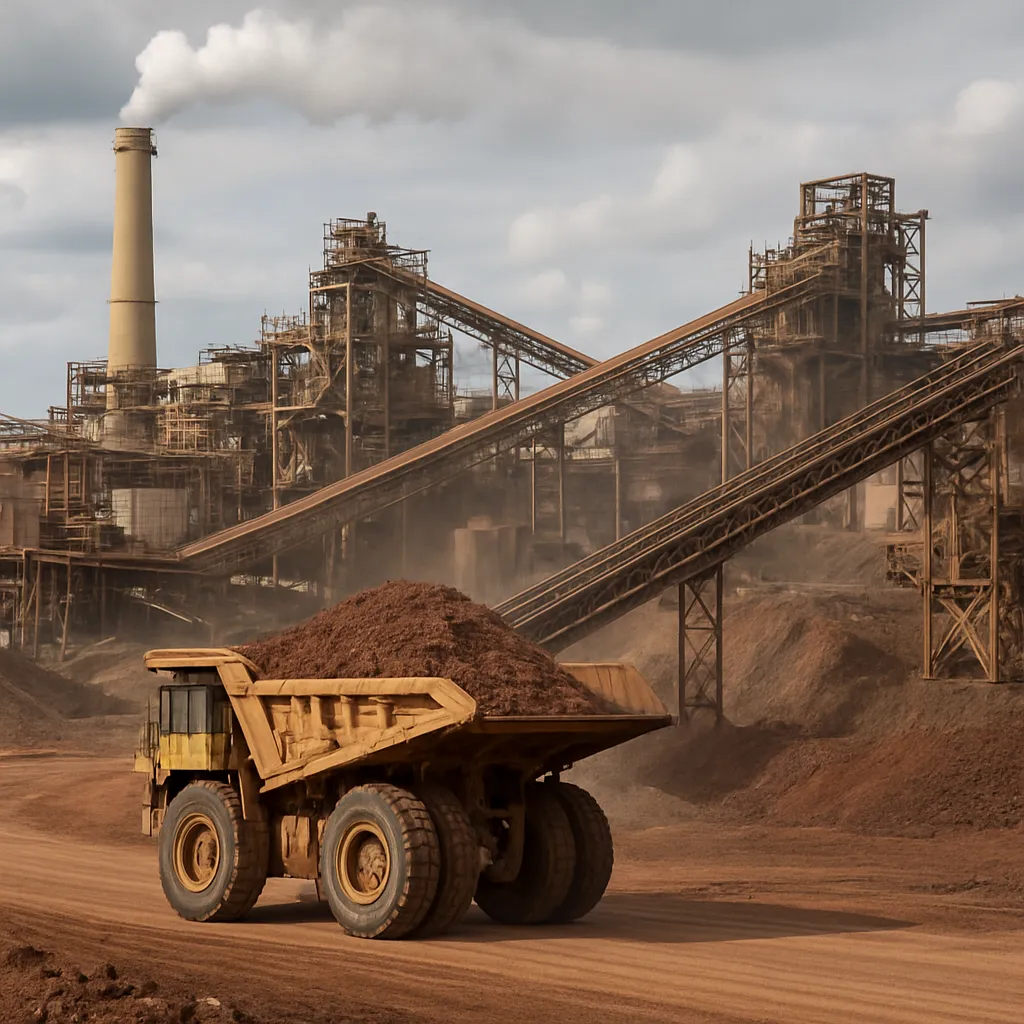
Global supply chains for rare metals are inherently fragile. Extraction often takes place in remote or environmentally sensitive areas, while processing and refining capabilities are concentrated in a few facilities around the world. Key challenges include:
- Export Restrictions: In recent years, some leading producers of rare earth oxides and related alloys have implemented export quotas or higher tariffs to preserve domestic supply or strengthen their own manufacturing sectors. These measures can send shockwaves through end-user industries.
- Resource Nationalism: Governments are increasingly asserting control over critical mineral assets, sometimes nationalizing mines or renegotiating contracts with foreign investors. This trend raises the stakes for companies dependent on stable supply agreements.
- Infrastructure Bottlenecks: Transportation networks, port facilities, and downstream processing plants are often outdated or operating near capacity. Delays at any point in the chain can lead to acute shortages and sudden price surges.
- Environmental Policies: Stricter environmental regulations can hamper mining operations, slow permitting processes, or force temporary shutdowns. While these policies aim to protect ecosystems and public health, they can also limit the responsiveness of supply to rising demand.
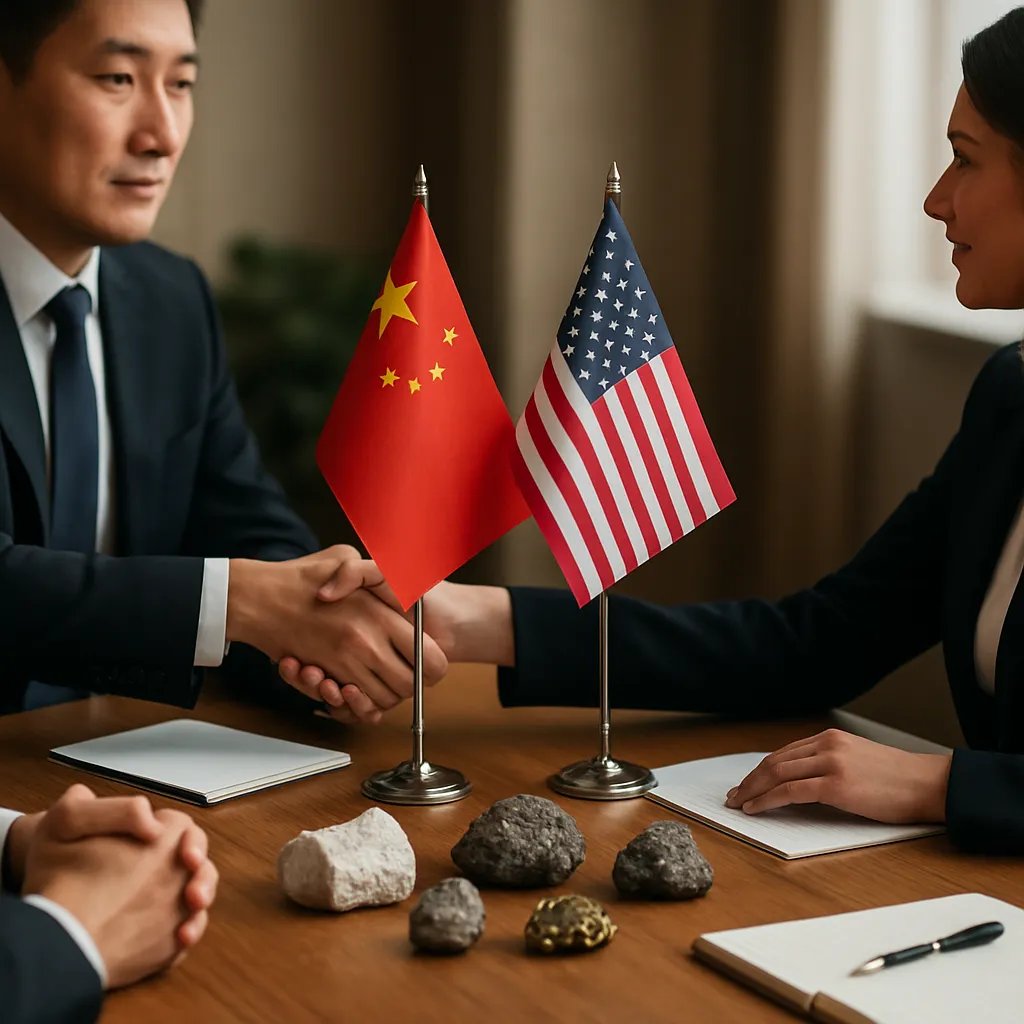
- Trade Disputes: Sanctions and retaliatory measures between major economic powers have affected rare metals’ availability. Companies may face hurdles in securing licenses to import or export, causing uncertainty and driving up costs.
Technological Innovation and Future Prospects
Innovation in both extraction techniques and material science has the potential to transform the rare metal landscape, mitigating some factors behind extreme price volatility. Emerging trends include:
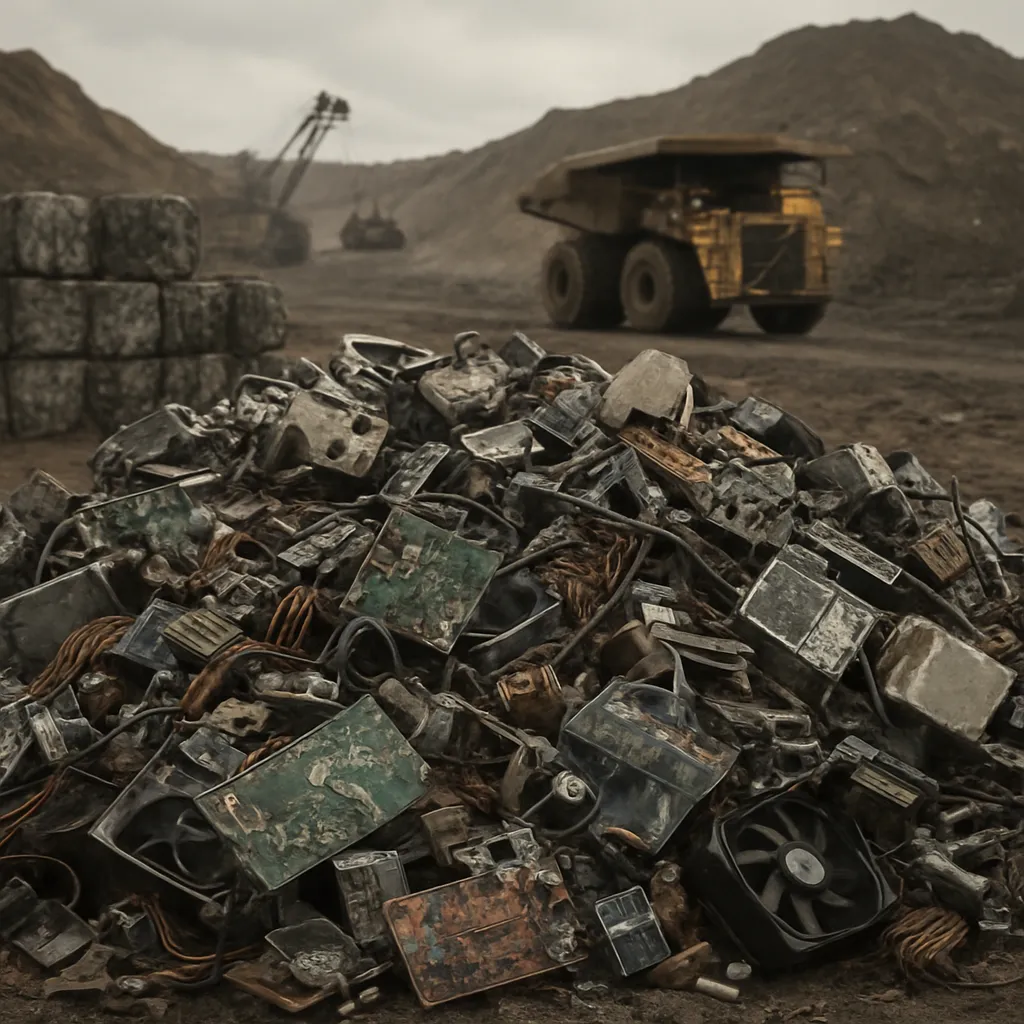
- Recycling and Urban Mining: Recovering metals from end-of-life electronics, batteries, and industrial catalysts is gaining traction. Advanced leaching and separation processes can yield high-purity outputs, alleviating dependence on virgin mining.
- Alternative Materials: Research into substitutes for rare earth-based magnets or cobalt-intensive cathodes aims to reduce reliance on scarce elements. While these efforts show promise, achieving performance parity remains a key challenge.
- Innovative Extraction: Techniques such as deep-sea mining, bioleaching using specialized bacteria, and in-situ recovery methods offer new pathways to access metal deposits with minimal surface disturbance.
- AI and Predictive Analytics: Advanced data modeling can enhance exploration success rates, optimize mine planning, and anticipate supply disruptions. By forecasting risk factors, companies can better hedge against sudden price swings.
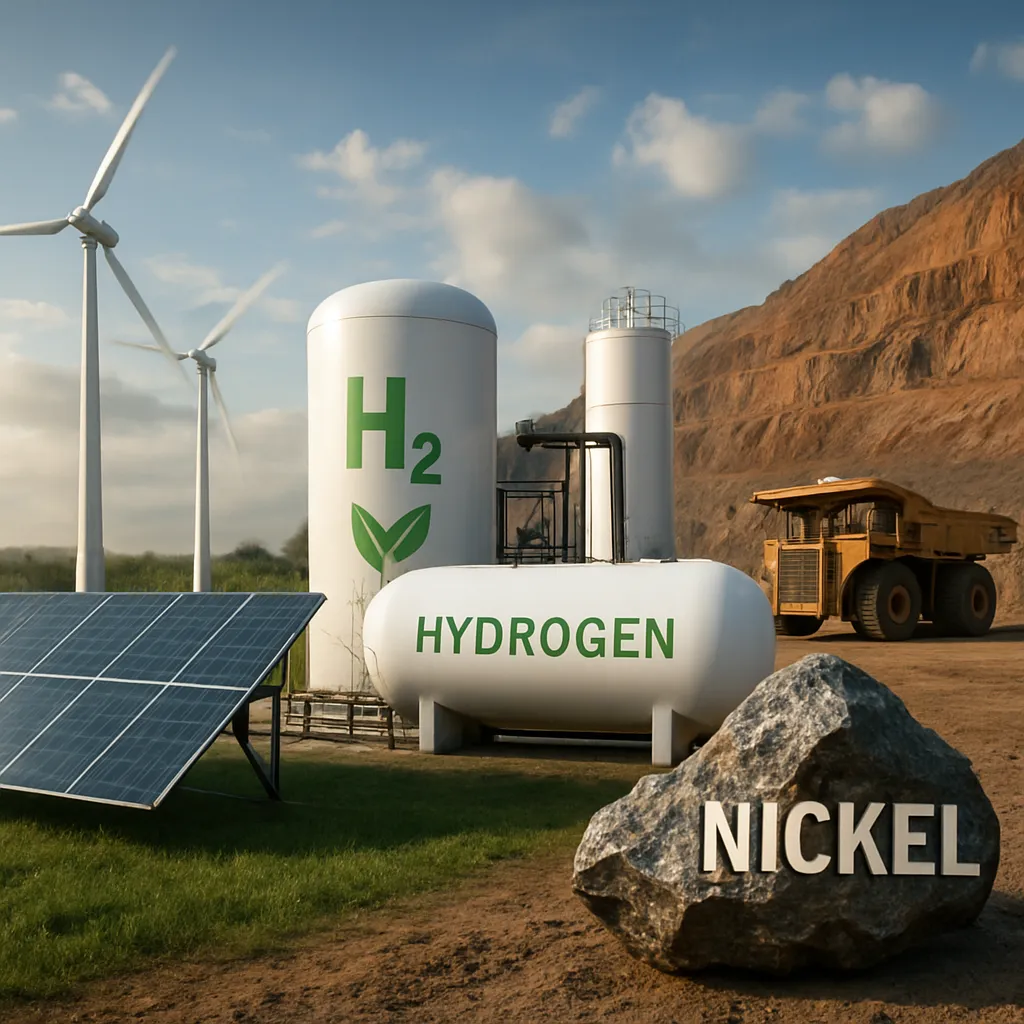
- Energy Efficiency: Electric arc furnaces and renewable-energy-powered processing plants reduce the carbon footprint of refining operations. As sustainability becomes a business imperative, lower emissions can translate into both regulatory advantages and cost savings.
Environmental and Ethical Considerations
The mining and processing of rare metals carry significant environmental footprints and social implications. Stakeholders must weigh the benefits of securing critical materials against the potential for harm:
- Water Usage: Extracting and refining metals often requires vast volumes of water. In arid regions, mining operations can strain local resources, provoking conflicts with agricultural and residential users.
- Toxic By-Products: Tailings dams and chemical effluents pose contamination risks. Accidental leaks or poor waste management can lead to soil degradation and health hazards for nearby communities.
- Labor Practices: Ensuring fair wages, safe working conditions, and respect for indigenous land rights is essential. Human rights violations in some mining jurisdictions have sparked international scrutiny and calls for more responsible sourcing.
- Carbon Footprint: The energy-intensive nature of ore processing contributes to greenhouse gas emissions. Transitioning to clean energy inputs and improving process efficiencies are critical to aligning the sector with global climate goals.
- Transparency and Traceability: Certification schemes and blockchain-based tracking systems are emerging tools to guarantee ethical supply chains. Buyers increasingly demand proof that materials are sourced sustainably and conflict-free.