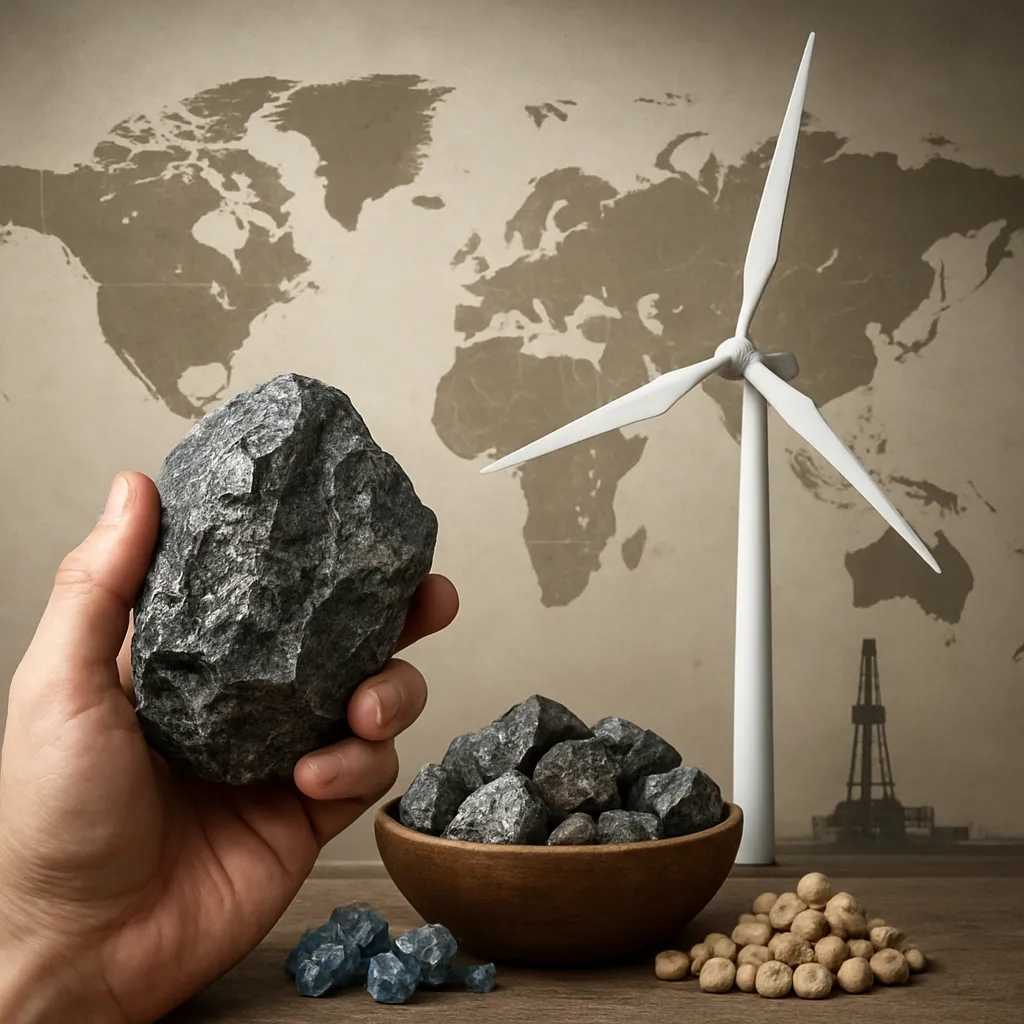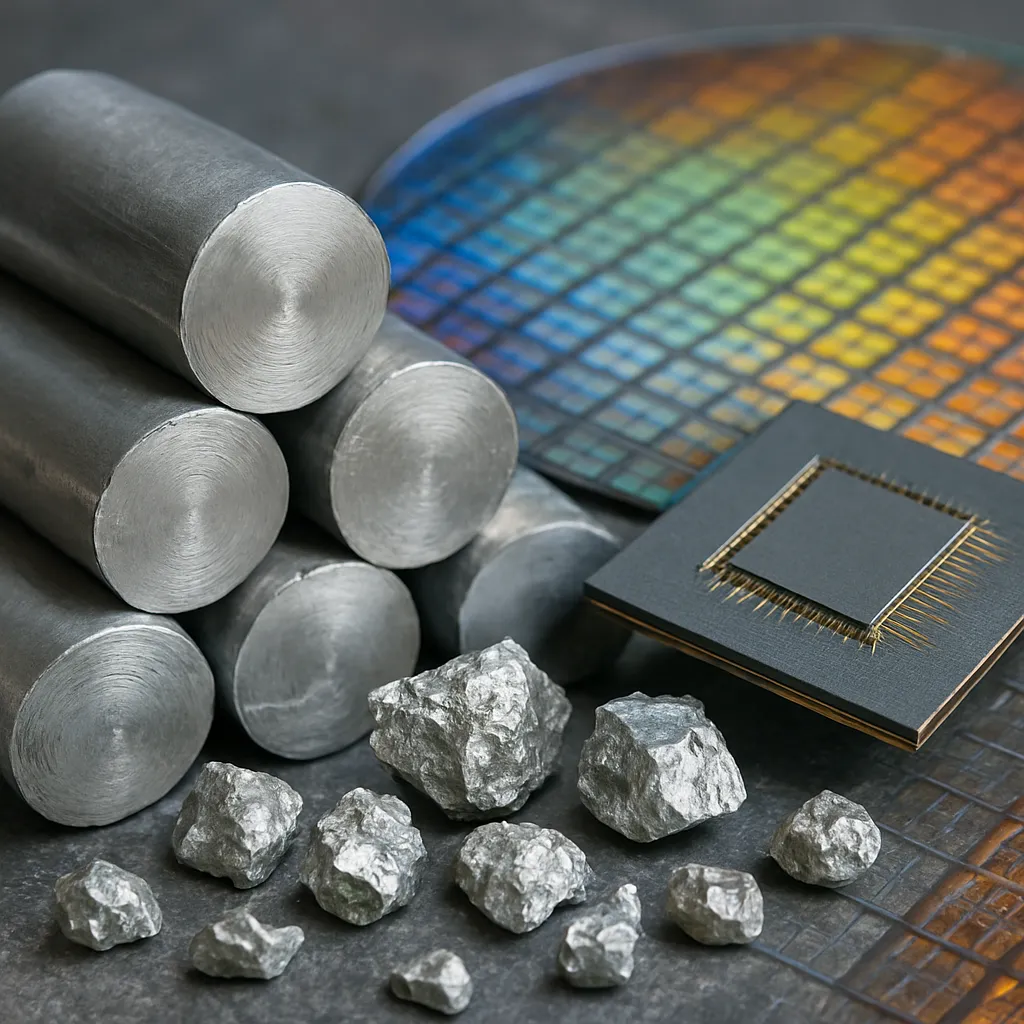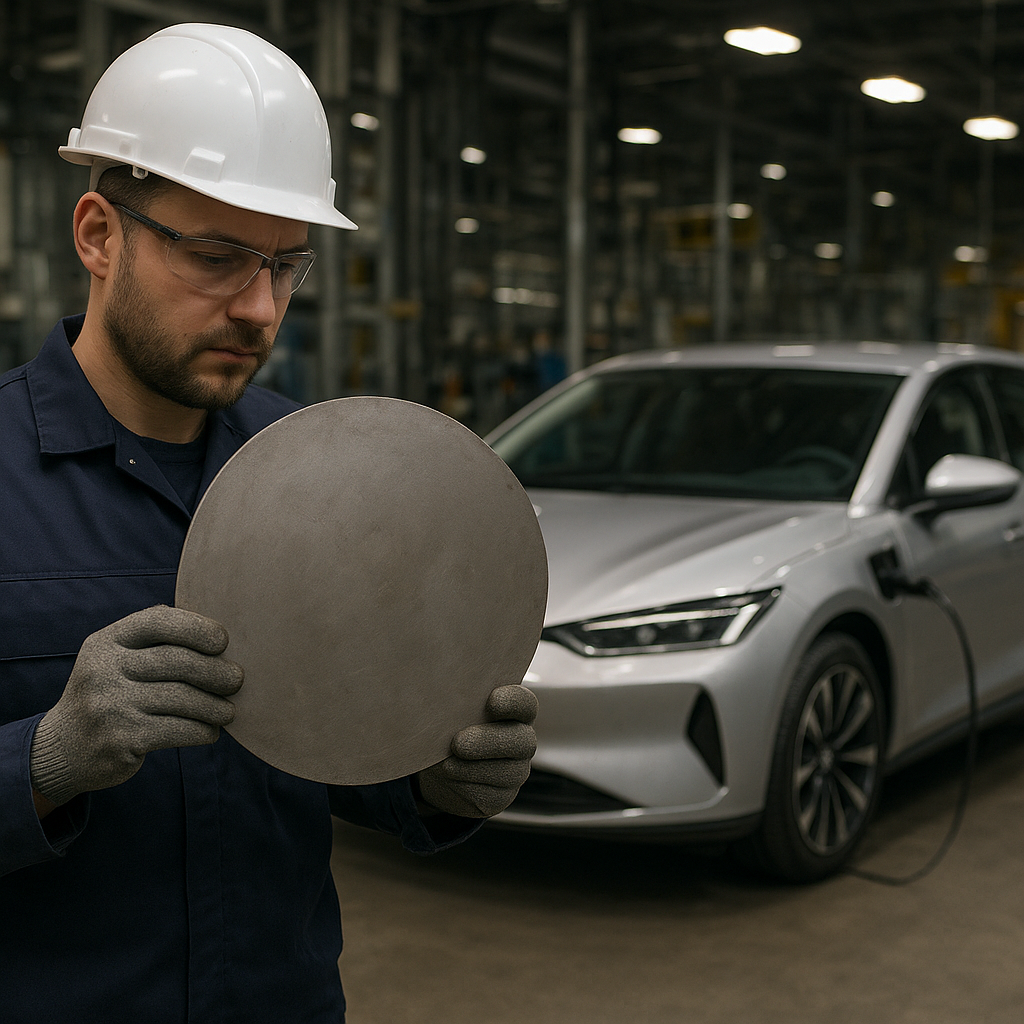
The rapid ascent of electric vehicles has placed an unprecedented premium on certain critical metals. Among these, nickel stands out for its pivotal role in modern battery formulations, driving a spike in global demand even as supply struggles to keep pace. This article examines how tightening supply chains, geopolitical tensions, environmental regulations, and technological innovation converge to shape the future of electric mobility and the broader rare metals landscape.
Global Nickel Supply Constraints and Market Dynamics
The global nickel market is characterized by a handful of leading producers, fluctuating inventories, and evolving regulatory frameworks. Despite abundant ore resources, actual output can be erratic due to political decisions, environmental activism, and infrastructure bottlenecks.
Key Producers and Geopolitical Considerations
- Indonesia: The world’s top nickel ore exporter, enforcing strict export bans to stimulate domestic processing.
- Philippines: A major supplier whose output is vulnerable to weather disruptions and mining moratoriums.
- Russia: Home to large sulfide deposits; export dynamics are influenced by sanctions and international trade policies.
- Canada: Known for high-grade sulfide mines, but with limited throughput growth relative to demand surge.
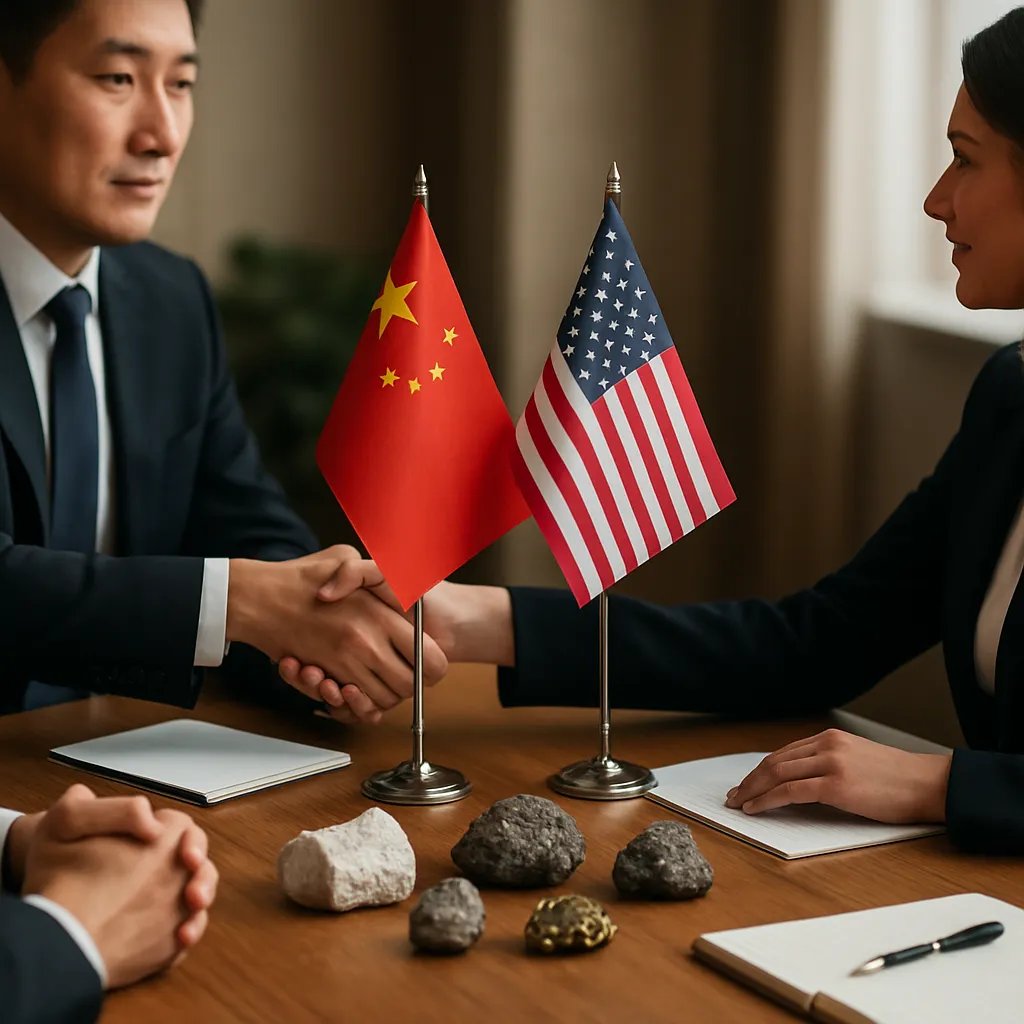
Geopolitical shifts—sanctions, tax policy changes, and protectionist measures—can disrupt established trade flows. In recent years, Indonesia’s decision to halt unprocessed ore exports has sent shockwaves through smelting operations worldwide, compelling refiners in Europe and Asia to scramble for alternative feedstocks.
Environmental Regulations and Resource Extraction
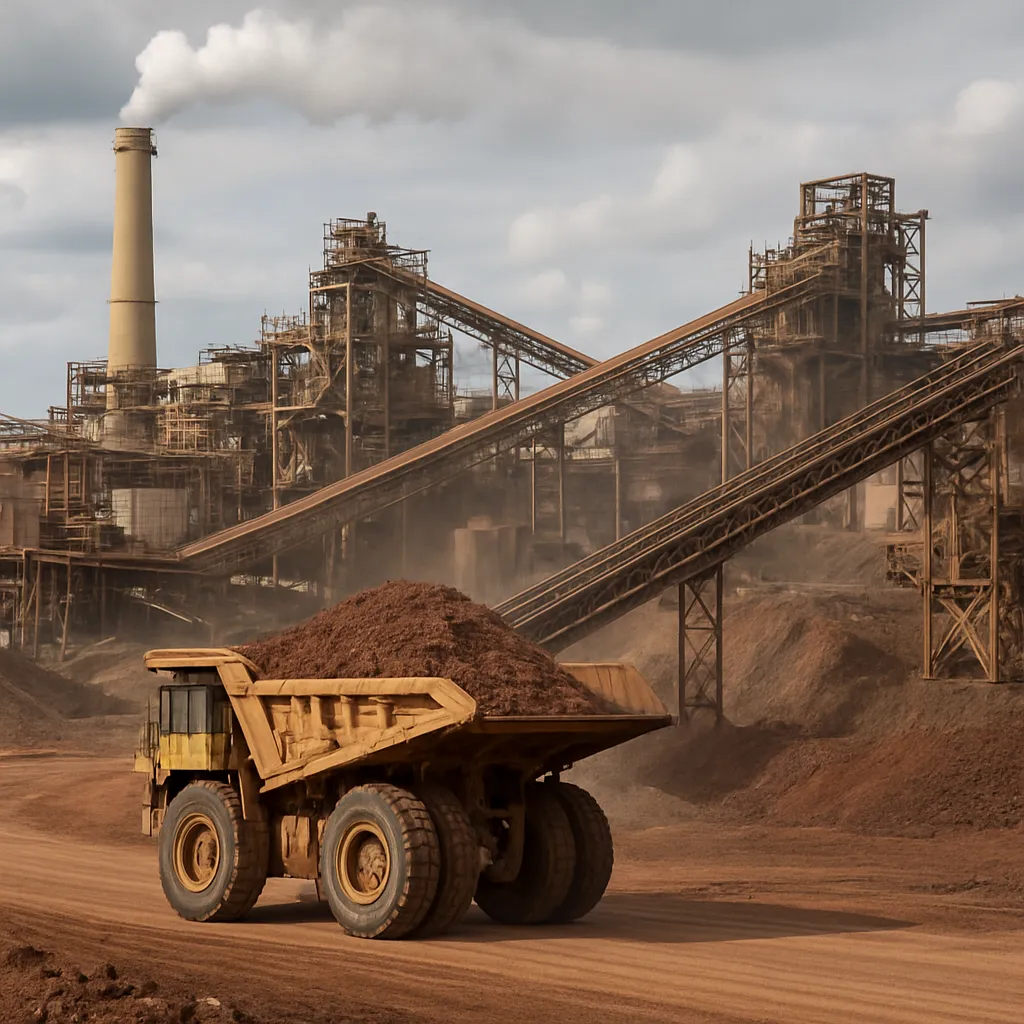
In many regions, nickel extraction faces scrutiny from environmental agencies and local communities. Stricter water quality standards, deforestation concerns, and waste management requirements increase operational costs and may delay project timelines. Mining companies are urged to adopt sustainability frameworks, blending advanced water treatment, land rehabilitation, and community engagement to secure social licenses.
Implications for Electric Vehicle Manufacturing
As automakers pivot toward electrification, their reliance on high-nickel battery chemistries intensifies. The convergence of rising material costs and volatile availability prompts a reevaluation of design philosophies and supply chain resilience.
Battery Chemistry and Nickel Demand Surge
Modern electric vehicles predominantly utilize lithium-nickel-manganese-cobalt (NMC) or lithium-nickel-cobalt-aluminum (NCA) cathodes, prized for high energy density and extended range. Plans to increase the nickel content in cathode formulations from around 60% to 80% aim to reduce reliance on cobalt—another critical metal with ethical sourcing challenges. This shift boosts nickel consumption per battery unit, intensifying pressure on production networks already operating near capacity.
- Voltage stability demands pure, low-iron nickel intermediates.
- Energy density optimizations rely on consistent supply of Class 1 nickel.
- Battery manufacturers are exploring class-2 sources but face trade-offs in performance and processing.
The result is a pronounced disparity between nickel sulfide availability—ideal for batteries—and the more abundant laterite ores, which require expensive high-pressure acid leaching (HPAL) or rotary kiln processing.
Supply Chain Vulnerabilities and Mitigation Strategies
Disruptions can arise at multiple nodes: mine development delays, smelter backlogs, geopolitical embargos, or logistical constraints. Automakers and battery suppliers are responding with diverse approaches:
- Vertical integration: securing stakes in mining projects to align upstream interests with vehicle production.
- Strategic stockpiles: governments and conglomerates building reserves to cushion against price spikes.
- Diversifying sources: forging partnerships in emerging mining jurisdictions to reduce overreliance on a few exporters.
- Advanced procurement contracts: hedging prices via long-term offtake agreements with fixed premiums.
These strategies aim to create a more resilient supply ecosystem, although capital intensity and lead times remain significant barriers.
Innovation and Alternatives in the Quest for Sustainable Materials
Pressure on nickel has catalyzed innovation across recycling, chemistry reformulation, and metallurgical processes. Stakeholders are exploring pathways to reduce the overall material footprint while maintaining or enhancing performance.
Recycling and Urban Mining
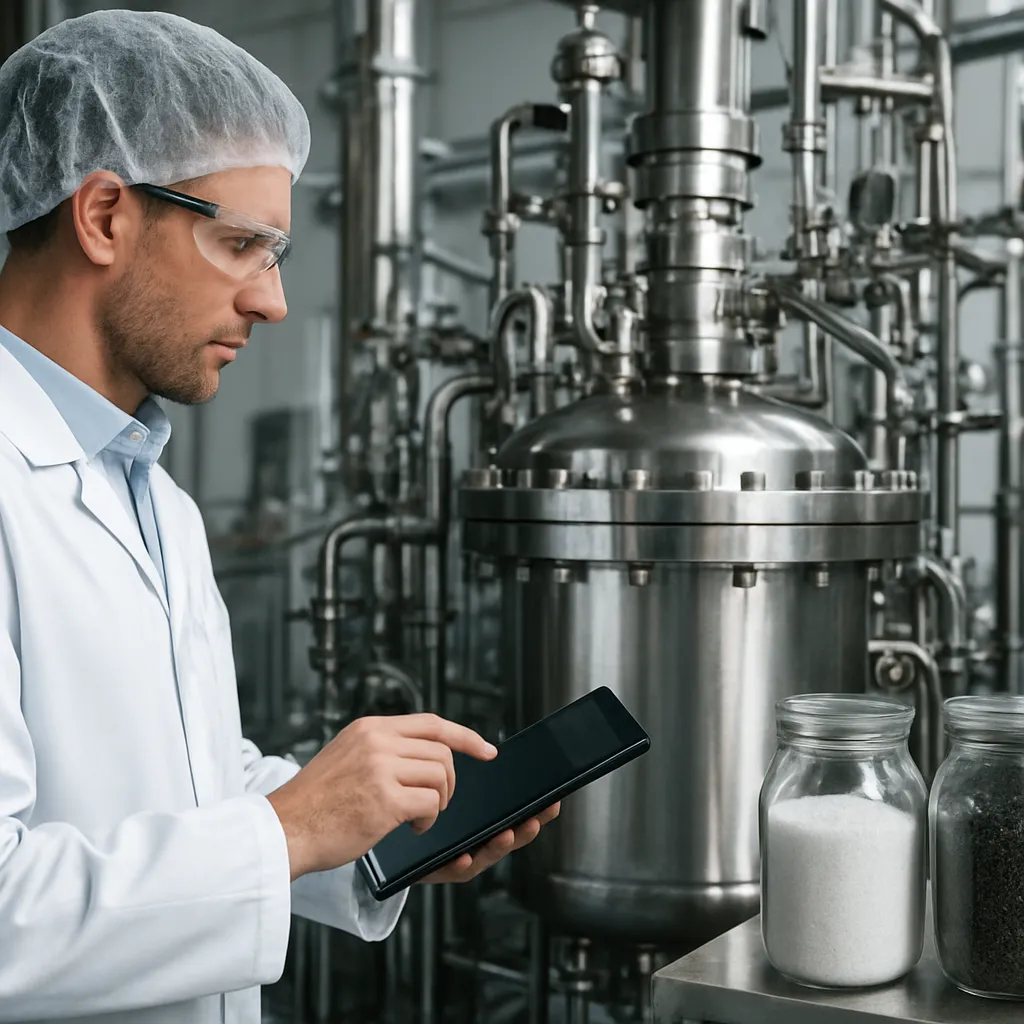
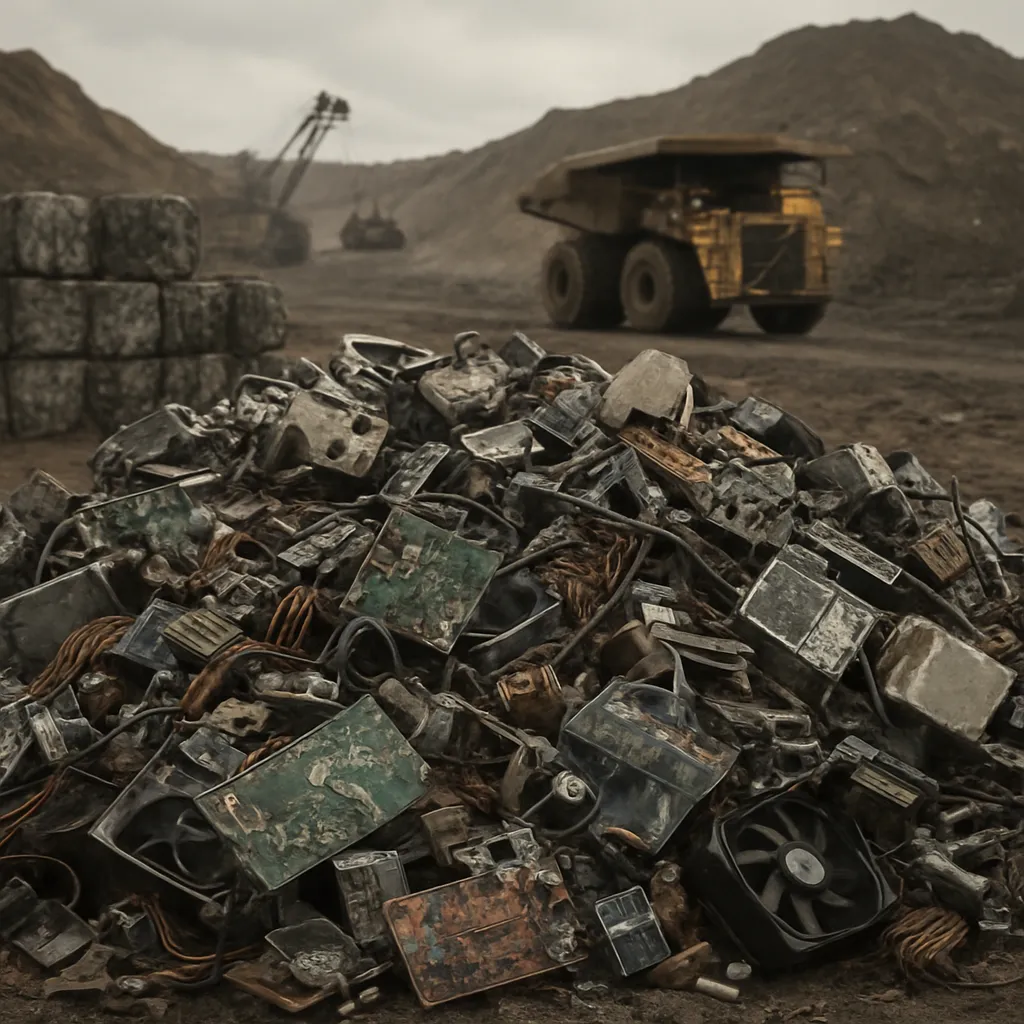
End-of-life batteries represent a burgeoning secondary nickel source. Recycling technologies—pyrometallurgy, hydrometallurgy, and direct reuse—unlock valuable metals, closing the loop and mitigating raw ore scarcity. Key considerations include:
- Collection infrastructure: establishing efficient take-back schemes for spent batteries.
- Separation efficiency: maximizing recovery rates for nickel and adjacent metals.
- Life cycle assessment: ensuring environmental benefits outweigh process energy costs.
Urban mining projects in Europe and North America are gaining traction, leveraging advanced sorting and chemical extraction to recapture over 90% of battery-grade nickel content. This recycling revolution promises to temper future supply shocks, though it requires robust regulatory frameworks and sustained investment.
Low-Nickel and Nickel-Free Battery Technologies
To alleviate pressure on nickel-intensive chemistries, researchers are developing alternatives:
- Lithium-iron-phosphate (LFP): prized for safety and cost-effectiveness, but with lower energy density.
- Manganese-rich cathodes: offering moderate performance with reduced nickel and cobalt loadings.
- Solid-state concepts: potential to eliminate liquid electrolytes and enable new chemistries.
- Zinc-based flow batteries: envisioned for stationary storage rather than mobile applications.
While few of these contenders match the range and energy density of high-nickel formulations, they may find niches in smaller vehicles, buses, or grid-level storage, diversifying overall material requirements.
Outlook for Nickel and the Rare Metals Ecosystem
Moving forward, the interplay between geopolitics, environmental stewardship, and technological innovation will define the rare metals sector. Companies that successfully integrate upstream resources, champion innovation in recycling, and navigate regulatory landscapes are poised to lead the transition. Continued collaboration among automakers, miners, and governments will be critical to ensuring that the electric mobility revolution remains on track despite looming nickel shortages.