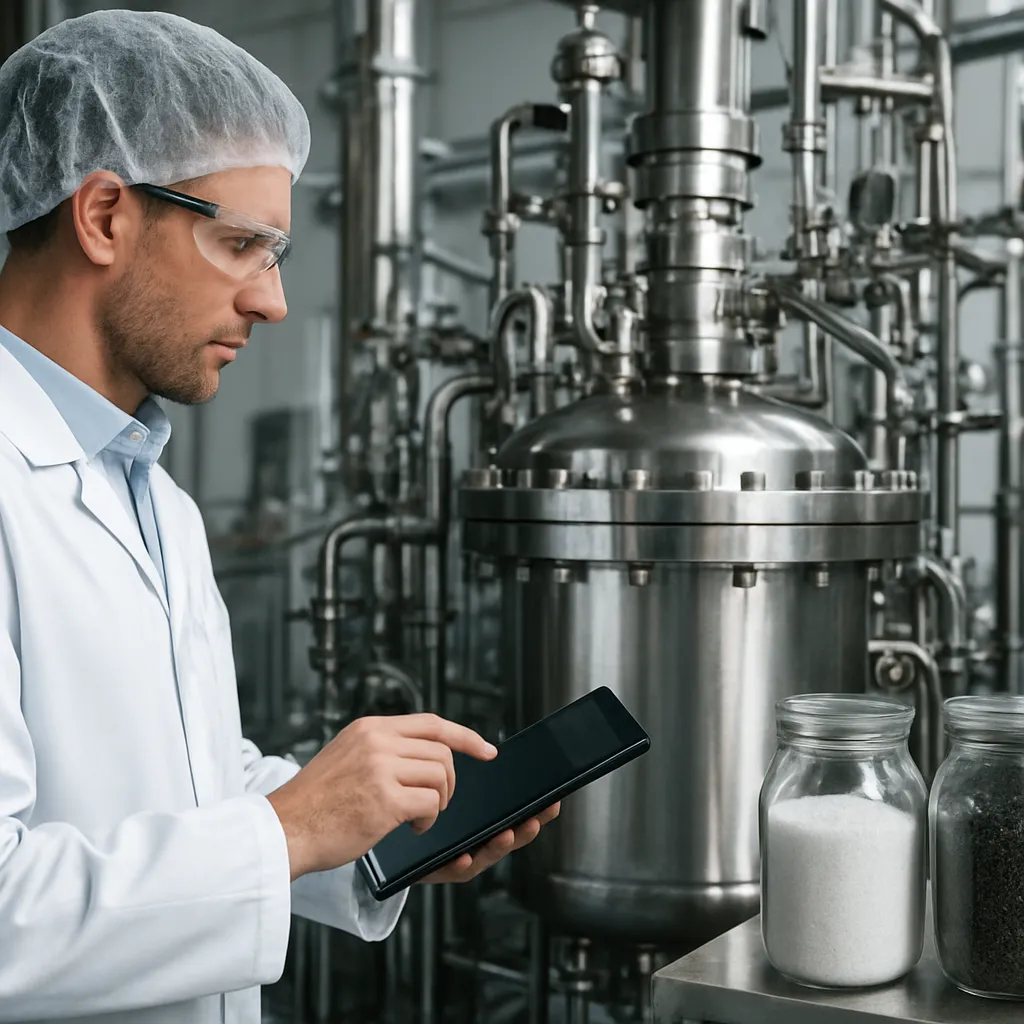
The unprecedented surge in electric mobility and renewable energy storage has driven the pursuit of more efficient methods to extract, refine, and recycle critical materials. Among these, lithium and cobalt stand out as cornerstones for high-performance batteries, prompting researchers and industry leaders to explore novel processes that reduce costs, minimize environmental impact, and ensure ethical sourcing. Below, we delve into the latest breakthroughs and strategies shaping the future of supply chain resilience and sustainability in the global rare metals sector.
Advanced Hydrometallurgical Processes
Hydrometallurgy has long been a mainstay for metal recovery, leveraging aqueous chemistry to extract valuable elements from complex ores. Recent innovations focus on optimizing leach solutions, tailoring them to selectively dissolve lithium or cobalt while leaving impurities behind. Key developments include:
- Organic Acid Leaching: By utilizing biodegradable organic acids—such as citric or malic acid—operators can achieve high recovery rates for lithium without generating the sulfuric acid waste typical of conventional methods. This approach also enhances cobalt purity when applied to mixed sulfide ores.
- Pressure-Retarded Osmosis: Implementing pressure gradients in leaching reactors not only accelerates ion transport but also lowers energy consumption. It represents a paradigm shift by coupling osmotic pressure with chemical dissolution for battery-grade metal production.
- Microbial-Assisted Recovery: Certain acidophilic bacteria can bioleach metals at ambient temperatures, dramatically cutting down greenhouse gas emissions. Although still emerging, this innovation promises to integrate seamlessly with existing hydrometallurgical circuits, especially in regions with limited infrastructure.
Solvent Extraction and Ion Exchange Techniques
Solvent extraction and ion exchange are indispensable for achieving the ultra-high purity levels demanded by modern battery chemistries. Recent refinements in this domain prioritize reagent regeneration and waste minimization.
- Tailored Extractants: Chemists have synthesized novel organophosphorus compounds that selectively bind cobalt over nickel, reducing cross-contamination in mixed-metal streams.
- Multi-Stage Ion Exchange Columns: By stacking resin types with complementary affinities, plants can sequentially strip impurities—iron, manganese, magnesium—culminating in >99.5% cobalt or lithium chloride suitable for direct conversion into salts or oxides.
- Reagent Recycling Systems: Closed-loop solvent recovery units now reclaim up to 98% of extracting agents like kerosene or diluents. This not only lowers operational costs but also addresses stringent environmental regulations.
Innovations in Lithium Refining
As the cornerstone of lithium-ion batteries, lithium demands refining processes that yield high-purity carbonate or hydroxide while minimizing water usage. Cutting-edge methods under deployment include:
Direct Lithium Extraction (DLE)
DLE technologies bypass traditional evaporation ponds, cutting processing times from months to days. Using selective adsorbents or membranes, brine-derived lithium is concentrated directly on-site:
- Ion-Sieve Adsorbents: Engineered zirconium phosphate or titanium oxide frameworks preferentially capture lithium, allowing regeneration with mild acid rinses.
- Nanofiltration Membranes: Employing charged polymer layers, these membranes discriminate lithium ions from sodium and magnesium, reducing downstream purification steps.
- Electrochemical Separation: Lab-scale cells apply low-voltage potentials to selectively deposit lithium on cathode surfaces, offering modular and energy-efficient recovery units.
Green Crystallization and Dry Processing
Innovative drying ovens and spray crystallizers are replacing open-air solar ponds, improving land-use efficiency and water conservation:
- Vacuum Belt Dryers: Rapid moisture removal at lower temperatures preserves crystal habit, yielding battery-grade lithium carbonate with minimal particle degradation.
- Ultrasonic Spray Techniques: Atomizing fine brine droplets ensures uniform crystal nucleation, cutting energy use by up to 30% compared to conventional spray towers.
- Zero-Liquid Discharge (ZLD): By integrating evaporators and crystallizers, ZLD systems recover both lithium salts and residual minerals, leaving no contaminated effluent behind.
Cobalt Purification Strategies
Cobalt refinement must address both toxicity concerns and geopolitical risks associated with primary sources. New approaches aim to enhance traceability and batch integrity across the value chain:
Electrorefining Enhancements
Electrorefining remains the gold standard for cobalt purity. Engineers are now focusing on cell design and electrolyte composition:
- Rotating Cathode Systems: By continuously stirring the deposition surface, these cells produce smoother, dendrite-free cobalt sheets suitable for battery cathode precursors.
- Buffered Electrolytes: Introducing weak organic buffers stabilizes pH fluctuations, reducing metal co-deposition and electrolyte maintenance.
- Real-Time Monitoring: Inline spectroscopic probes measure dissolved cobalt concentrations, enabling dynamic current adjustments to optimize yield.
Recycling and Closed-Loop Recovery
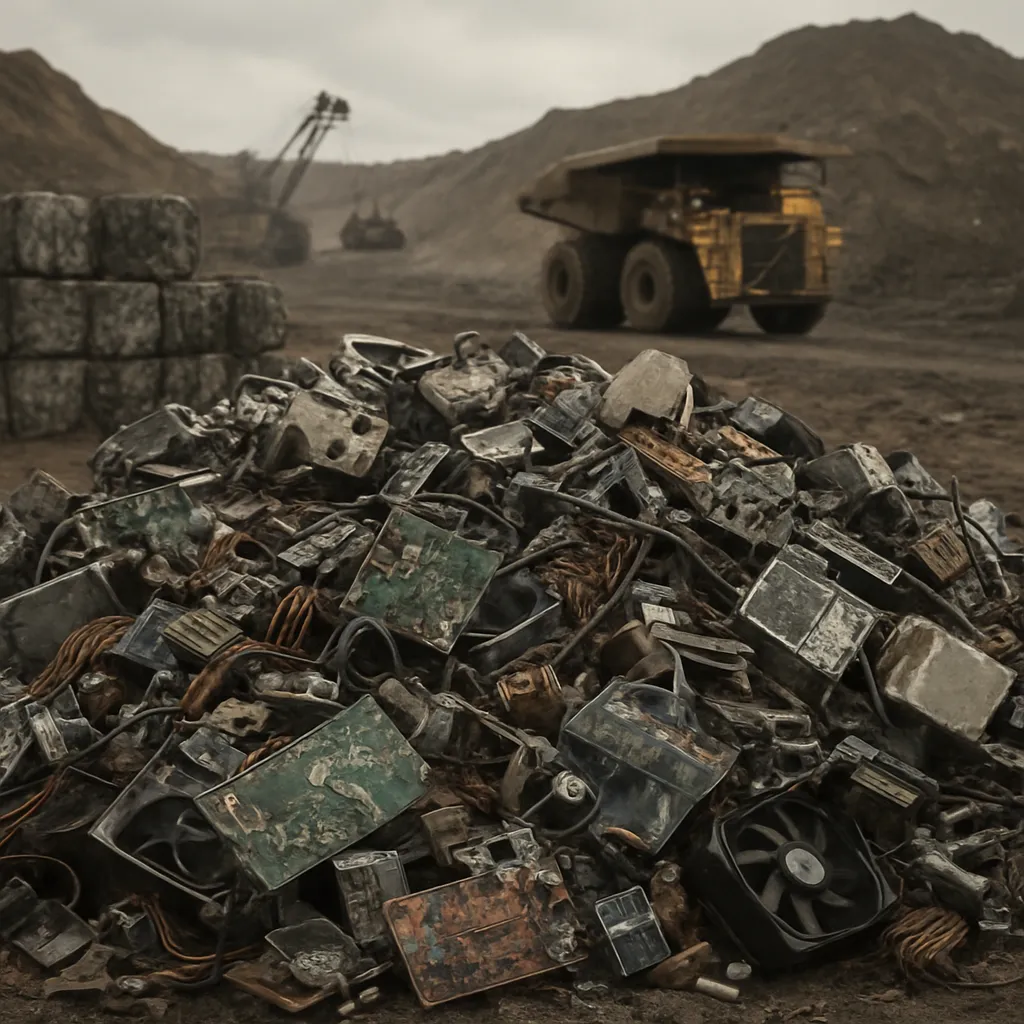
End-of-life battery recycling is critical for reducing reliance on mined cobalt and lithium. State-of-the-art facilities use hybrid methods:
- Pyro-Hydro Hybrid Processes: Spent cathodes undergo mild thermal treatment to remove organics, followed by targeted hydrometallurgy to recover cobalt, nickel, and lithium in a single circuit.
- Solid-State Separation: Advanced shredding and sieving, combined with magnetic and eddy-current separators, pre-concentrate metal fractions, streamlining subsequent chemical treatment.
- Life Cycle Tracking: Blockchain-based platforms document material flows from mine to recycling facility, ensuring ethical sourcing and reducing the environmental footprint of battery materials.
Challenges and Future Directions
Despite rapid progress, several hurdles remain. Feedstock variability from newly tapped deposits can affect process stability, while fluctuating energy prices influence the viability of energy-intensive steps. To overcome these, the industry is:
- Investing in adaptive control systems powered by machine learning to optimize reagent dosages and reaction parameters in real time.
- Pursuing integrated circular economy models that co-locate mining, refining, and recycling facilities to minimize transportation emissions.
- Collaborating with governments and NGOs to develop standardized metrics for environmental and social governance (ESG), improving transparency and consumer trust.
As global energy transitions accelerate, the push for ever-purer lithium and cobalt will continue to inspire groundbreaking technology solutions. By refining these critical metals more efficiently and responsibly, the industry can safeguard supply chains, mitigate environmental risks, and power the innovations of tomorrow.