As global demand for critical minerals soars, the search for new deposits has ventured into increasingly challenging environments. From untapped continental regions to the depths of the ocean floor, these frontiers promise to reshape the extraction landscape. This article examines three key areas where exploration and innovation are converging to meet the world’s appetite for high-tech materials.
New Frontiers in Resource Discovery
Continental Untapped Terrains
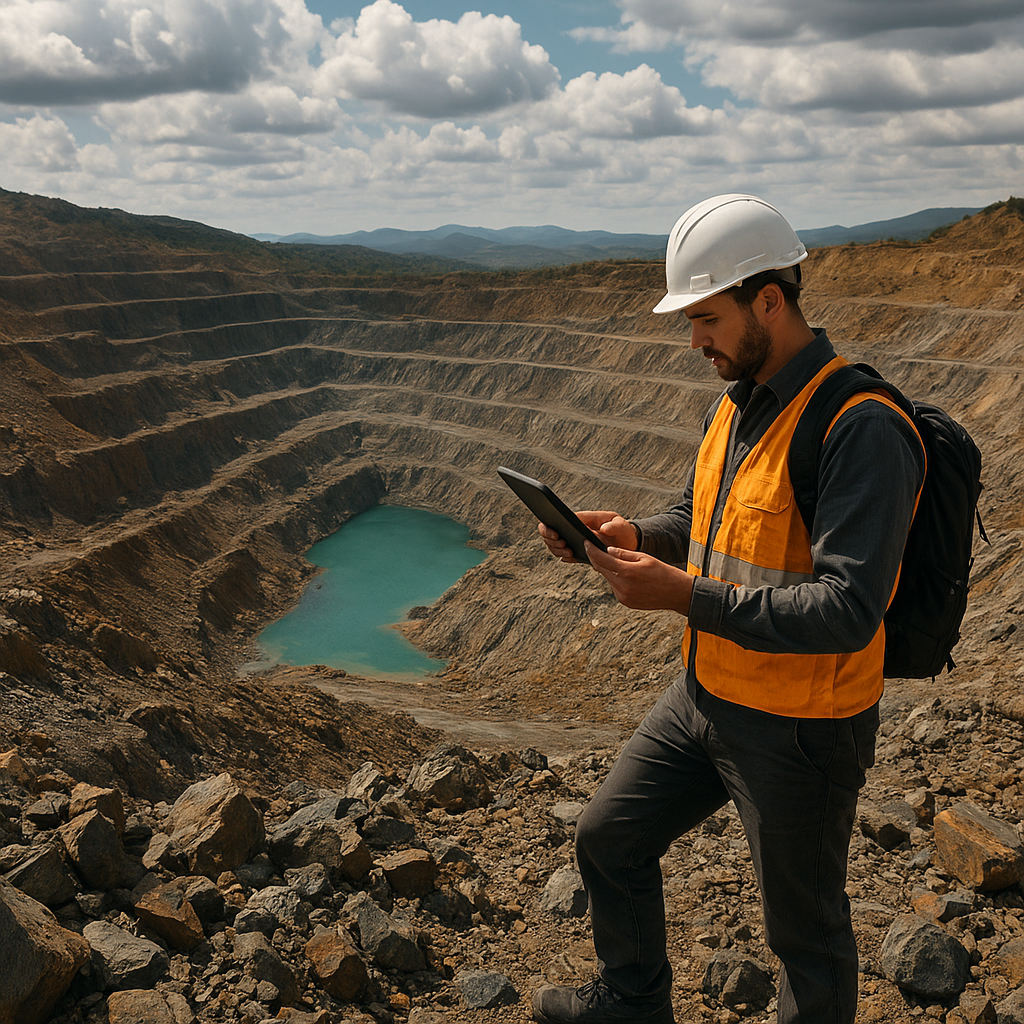
Exploration geologists are turning their attention to remote plateaus and cratons that have historically been underexplored. Regions such as the central African Shield and parts of Siberia hold vast potential for rare-earth elements and associated metals like niobium and tantalum. Advances in geophysical surveying—airborne magnetics and passive seismic arrays—have revealed anomalies indicative of mineralization at depths previously deemed inaccessible. Partnerships between national geological surveys and private firms are accelerating field campaigns, combining satellite imagery with on-site drilling to confirm targets.
Arctic and Sub-Arctic Prospects
- Melting ice caps are exposing new outcrops of platinum-group elements.
- Permafrost thaw allows mobile exploration rigs to penetrate terrain once locked under ice.
- Environmental monitoring protocols are essential to balance sustainability with resource development.
As climate change reshapes high-latitude environments, mining companies are racing to stake claims in Greenland and northern Canada. While logistical challenges—extreme cold, limited infrastructure—persist, the lure of cobalt and lithium deposits is driving substantial investments. A crucial concern remains the preservation of fragile ecosystems and indigenous rights in these sensitive areas.
Marine and Deep-Sea Prospects
Deep-sea mining for manganese nodules, cobalt crusts, and polymetallic sulfides along the ocean floor has moved from speculation to pilot operations. Remotely operated vehicles (ROVs) now map seafloor topography with unprecedented precision, identifying pockets rich in critical minerals beyond continental margins. International bodies such as the International Seabed Authority regulate exploration contracts, mandating environmental impact assessments before any extraction activity. The ecological risks—sediment plumes, habitat disruption—necessitate robust monitoring systems and novel mitigation techniques.
Technological Advances Driving Efficiency
Geochemical and Isotopic Fingerprinting
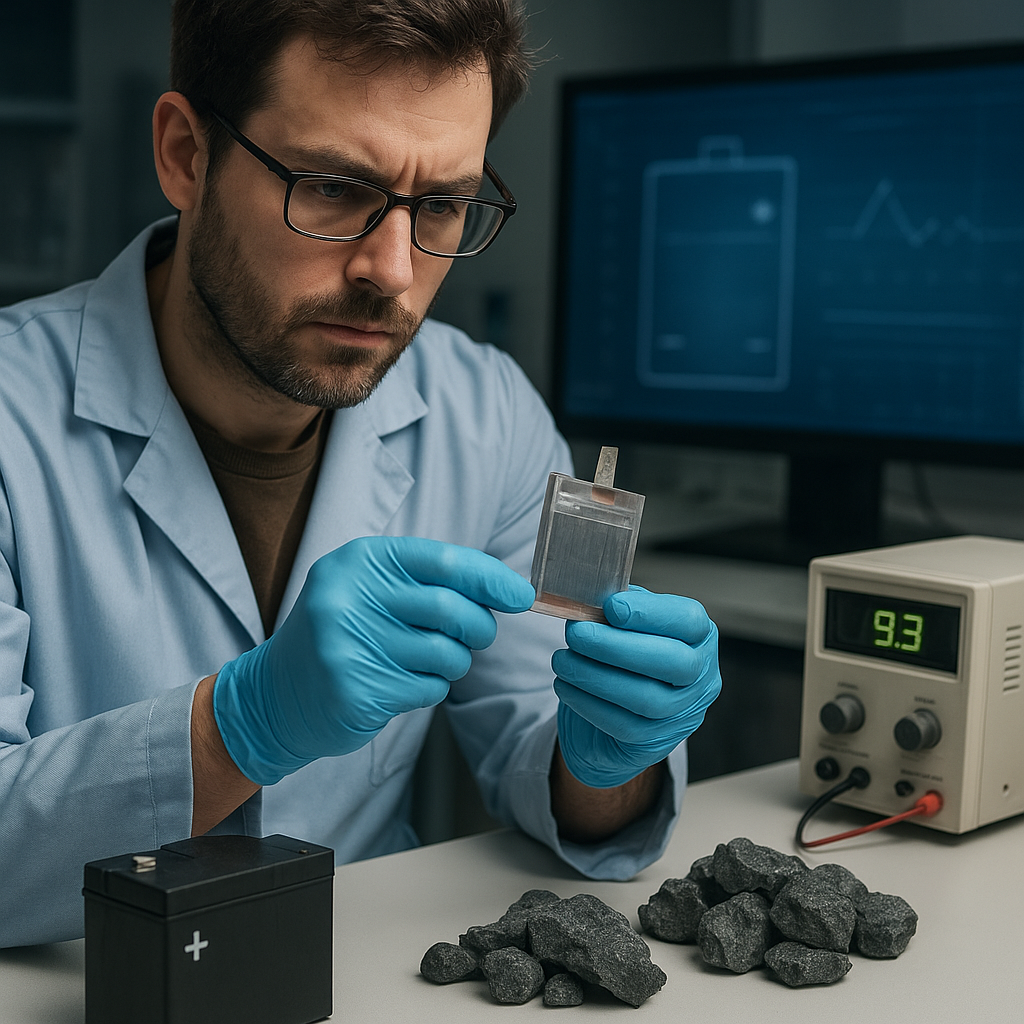
New analytical methods allow rapid on-site evaluation of rock and soil samples. Portable X-ray fluorescence (XRF) devices, combined with laser-induced breakdown spectroscopy (LIBS), deliver real-time data on elemental composition. Isotopic fingerprinting distinguishes between natural background levels and anthropogenic anomalies, guiding drill programs toward the most promising zones. This integration of high-resolution data analytics enhances decision-making, reducing wasted effort on low-grade material.
Automation and Robotics
Autonomous drill rigs and AI-driven prospecting drones are transforming traditional fieldwork. These systems operate in hazardous or remote settings with minimal human intervention, transmitting geophysical readings to centralized command centers. Machine learning algorithms process vast datasets—magnetic, gravitational, geochemical—to identify patterns that may elude human analysts. The result is a step change in exploration efficiency, slashing timelines from years to months.
Sustainable Extraction Technologies
- Bioleaching employs microbes to recover metals from low-grade ores.
- In-situ recovery minimizes surface disturbance by dissolving minerals underground.
- Closed-loop water systems reduce consumption in arid regions.
These innovations aim to lower environmental footprints while enhancing yield. Biohydrometallurgical processes, for instance, leverage bacteria to selectively dissolve target metals, sidestepping the energy-intensive smelting phase. In areas where water scarcity is critical, recycling and treatment plants ensure zero discharge of effluents, aligning operations with environmental responsibility standards.
Geopolitical and Environmental Dimensions
Global Supply Chain Dynamics
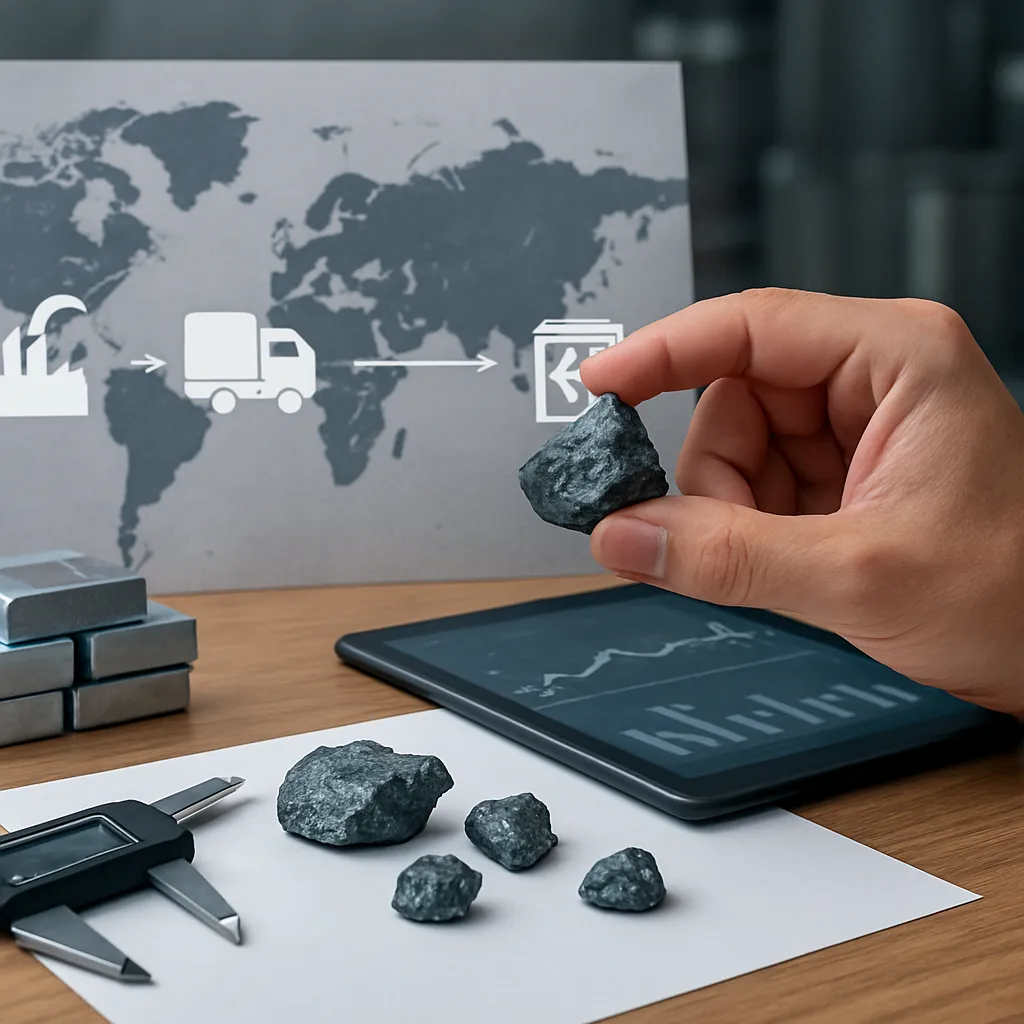
The concentration of critical mineral production in a handful of countries has sparked concerns over supply security. China’s dominance in rare-earth processing, the Democratic Republic of Congo’s cobalt output, and Chile’s lithium brine operations underscore geopolitical vulnerabilities. Diversification strategies include forging alliances with smaller producers, investing in downstream processing capabilities, and building strategic reserves. Enhanced transparency and traceability initiatives, such as blockchain-based supply tracking, bolster trust among manufacturers and consumers.
Regulatory Frameworks and Community Engagement
National and regional regulations now mandate comprehensive stakeholder engagement before issuing exploration licenses. Social impact assessments evaluate effects on local communities, cultural heritage sites, and biodiversity. Benefit-sharing agreements allocate a portion of profits to community development, from schools to healthcare facilities. Mining companies collaborate with NGOs and indigenous groups to co-design frameworks that respect traditional land uses while enabling economic growth.
Climate Imperatives and Lifecycle Management
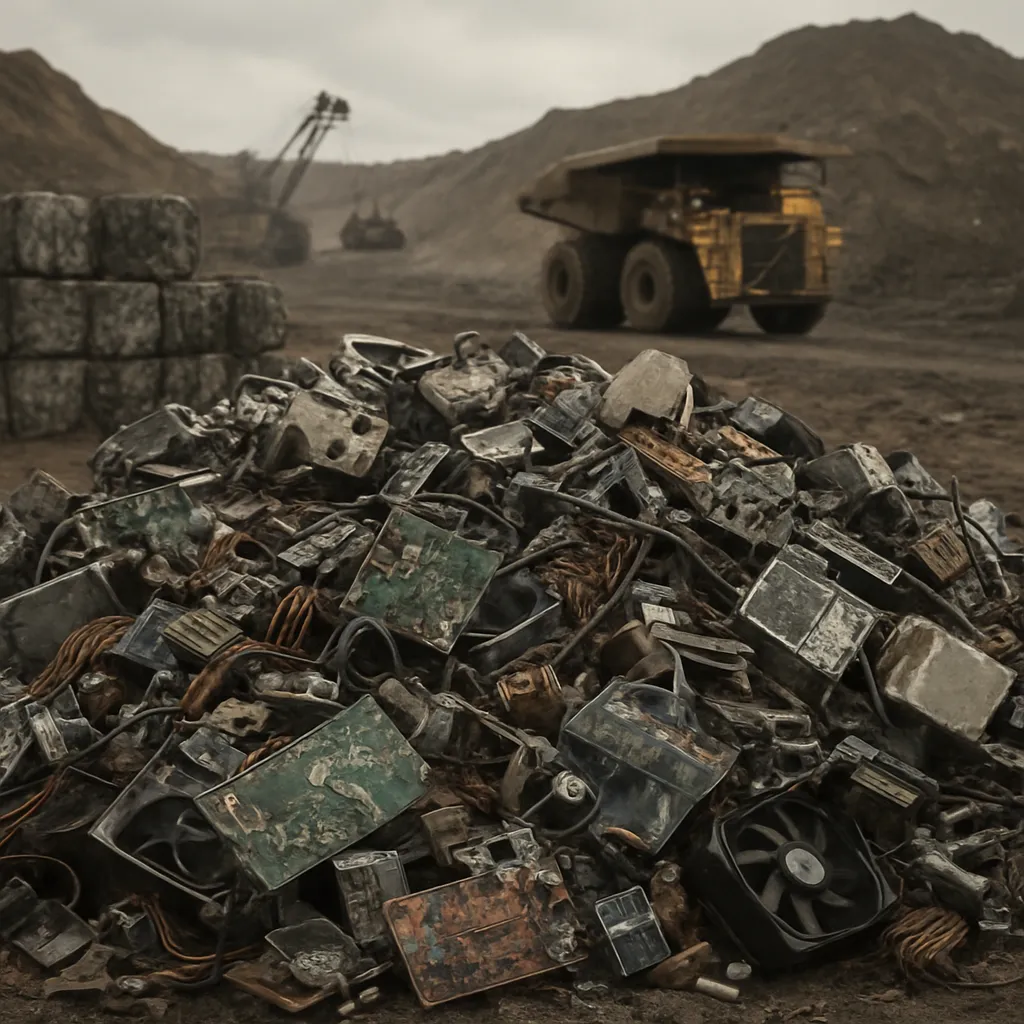
Meeting global climate targets hinges on the availability of lithium, nickel, and rare-earth metals essential to renewable energy technologies and electric vehicles. However, the carbon footprint of mineral extraction and processing remains under scrutiny. Lifecycle assessments quantify emissions from mining, transport, refining, and end-of-life recycling. Circular economy models advocate for closed-loop systems where end-of-life batteries and electronics are reclaimed for material recovery—minimizing reliance on virgin ores and reducing overall environmental impact.
As exploration pushes into uncharted territories, the balance between resource development and ecological stewardship becomes ever more critical. Innovations in technology, coupled with robust governance, will determine whether the pursuit of global rare metals evolves into a sustainable engine for progress or an environmental challenge of unprecedented scale.