The quest for rare metals has become a defining feature of the twenty-first century’s industrial landscape. As technologies from electric vehicles to renewable energy systems escalate demand, the pressure mounts to refine processes that enhance efficiency and maximize recovery. Metallurgical breakthroughs are now central to securing supply chains, reducing ecological impact, and driving forward an era of responsible resource utilization.
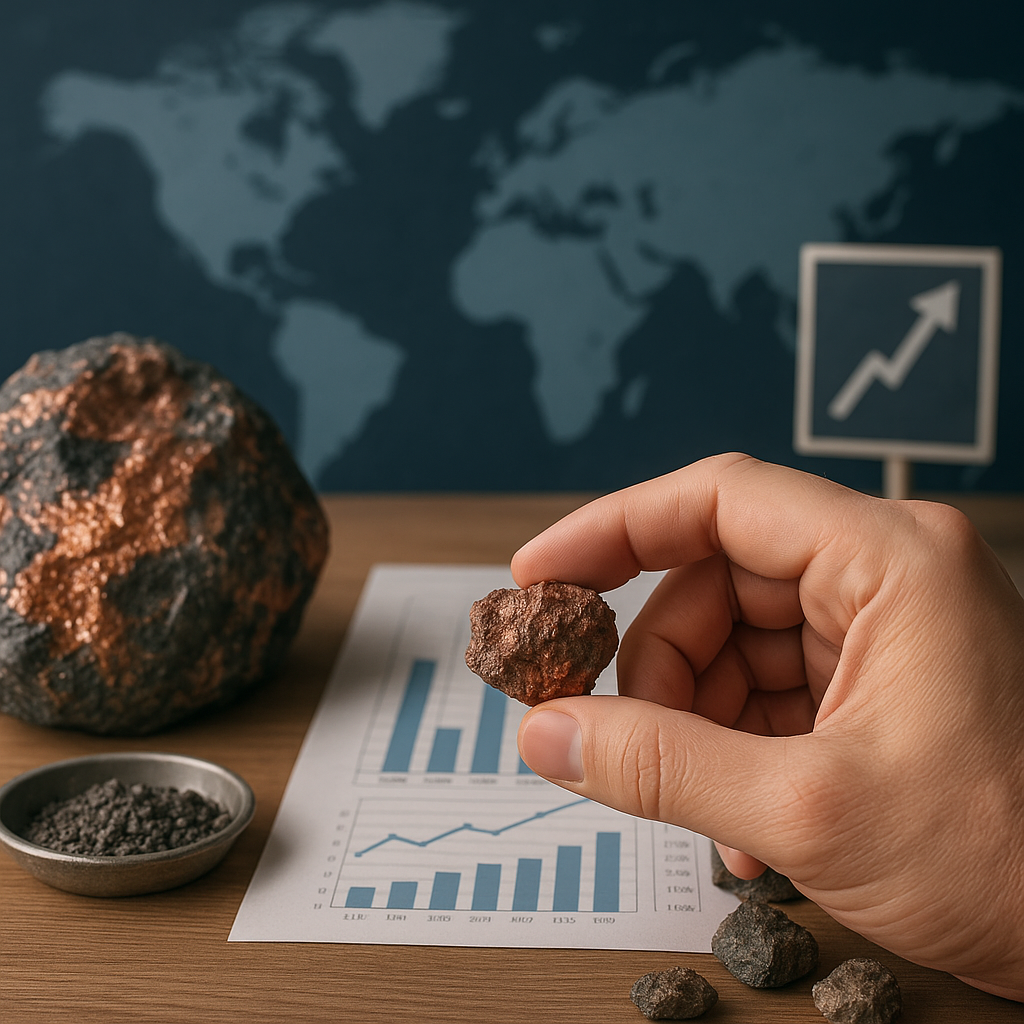
Demand and Geopolitical Context
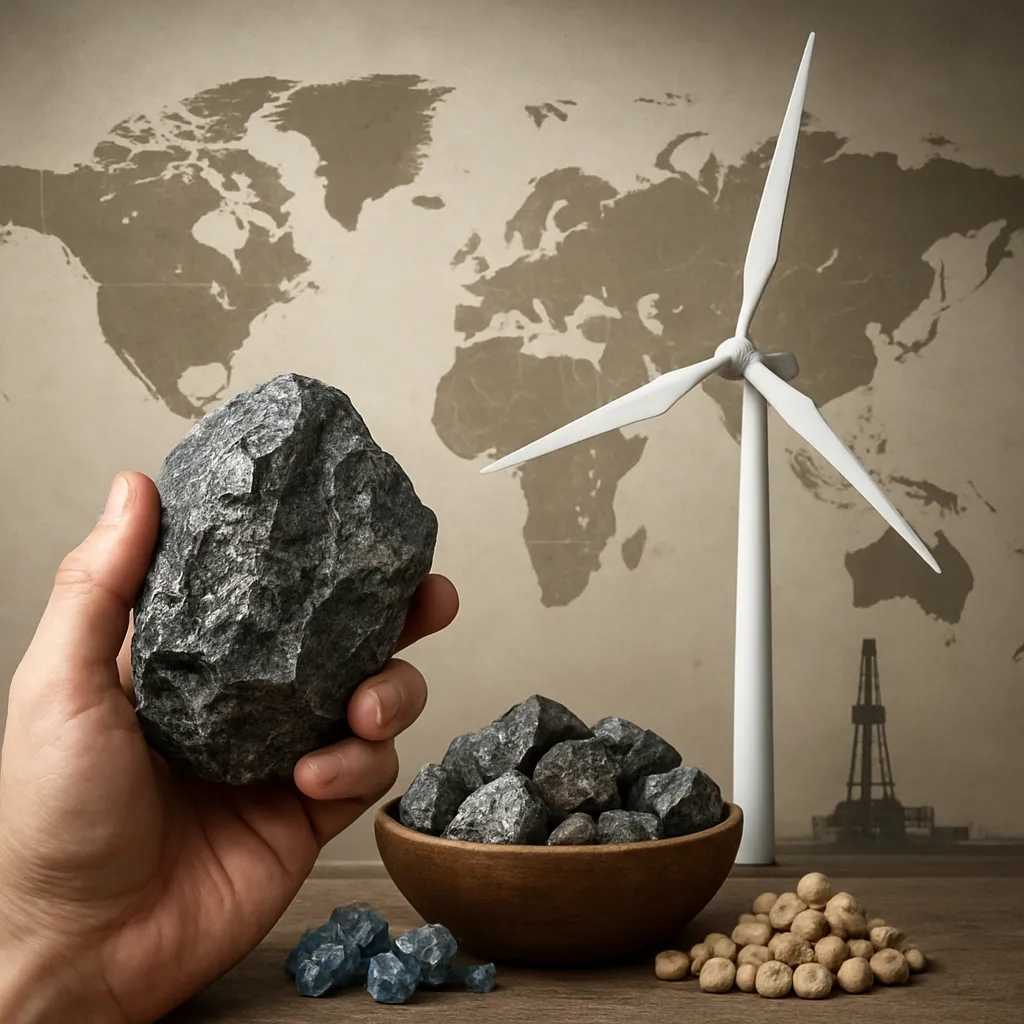
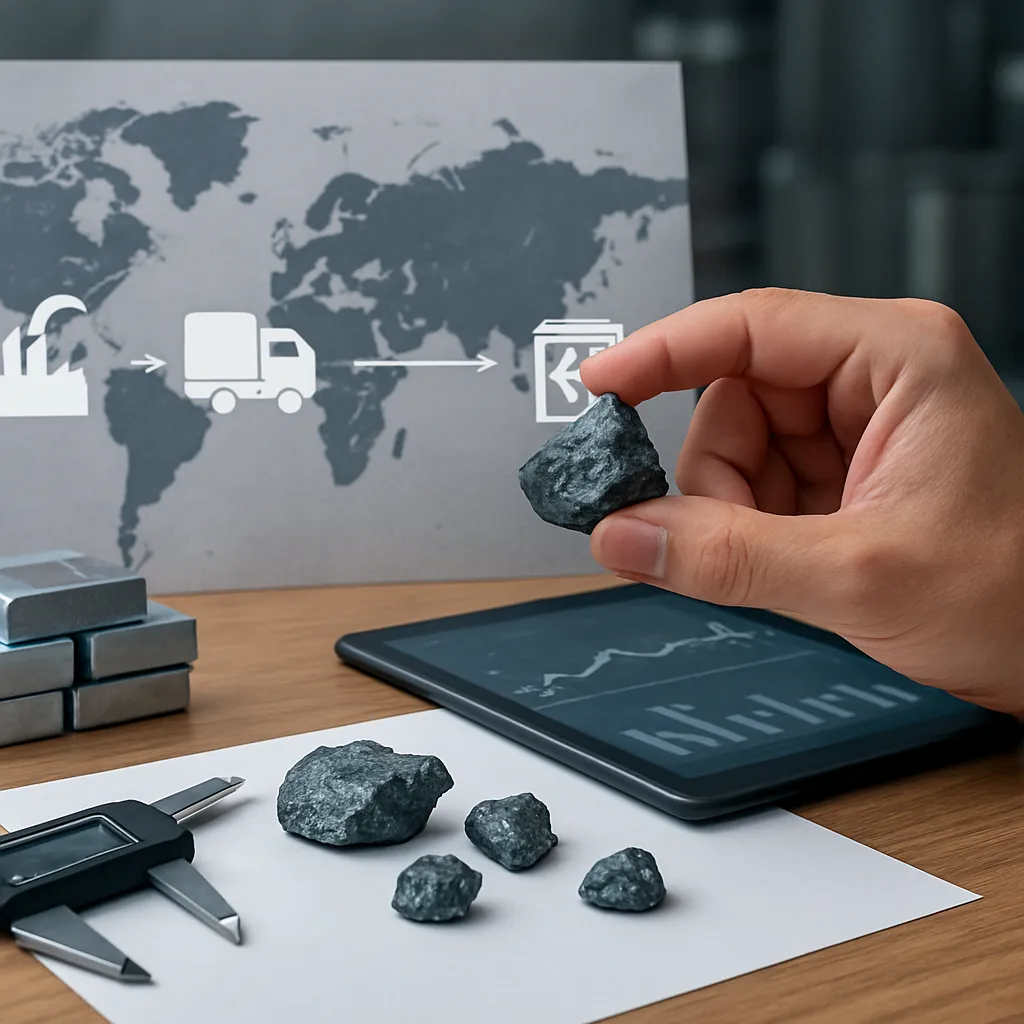
The soaring appetite for lithium, cobalt, nickel, and other critical elements reflects an economic and strategic pivot toward clean energy, advanced electronics, and defense applications. Governments and corporations face the dual challenge of ensuring stable access to these materials while mitigating environmental harm. The following factors illustrate the complex tapestry of global metal supply:
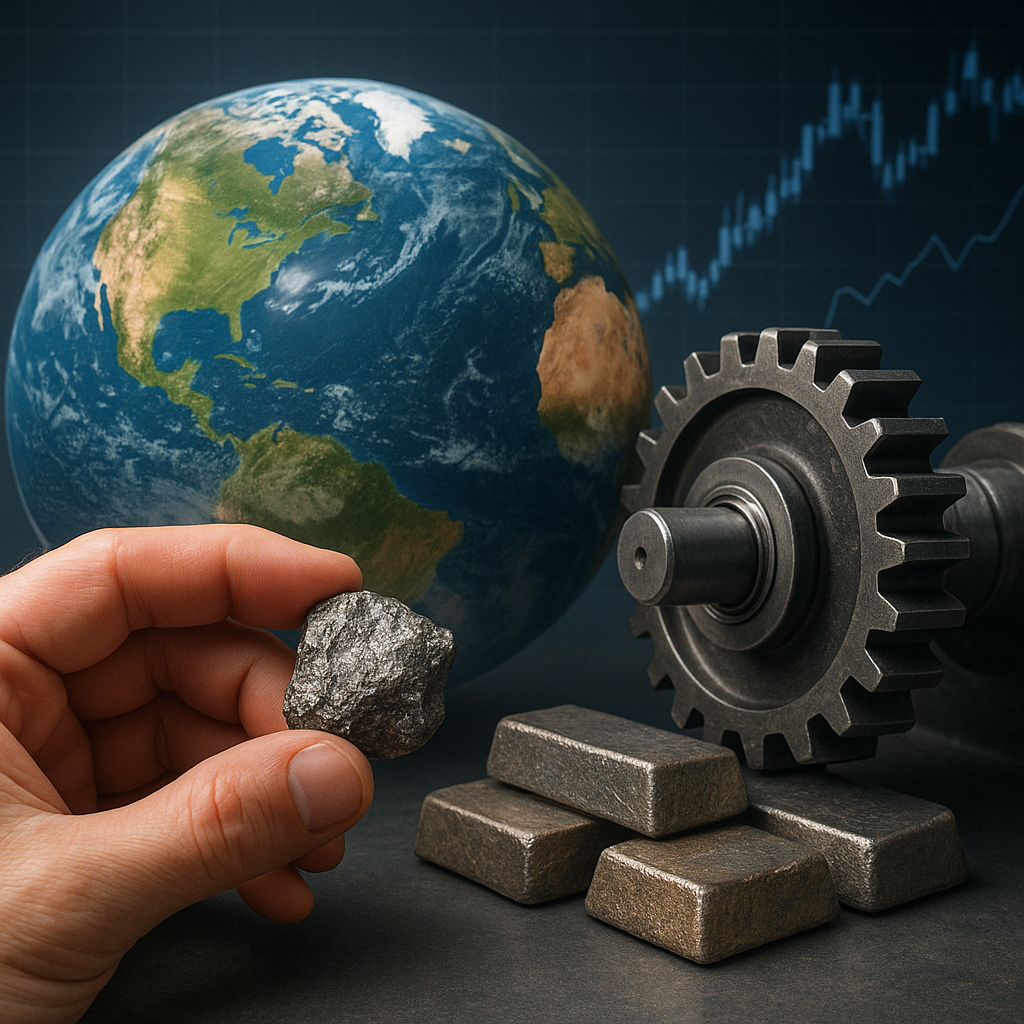
- Supply Concentration: A handful of countries dominate the production of key metals. For example, China controls a substantial share of rare earth element processing, prompting diversification efforts in Australia, the United States, and Africa.
- Geopolitical Risk: Trade disputes and export restrictions can cause sharp price fluctuations and threaten downstream industries.
- Market Volatility: Price swings in cobalt and nickel markets, influenced by speculators and shifting policy incentives, make long-term planning difficult.
- Environmental Regulations: Stricter emissions standards and water usage limits compel mining operations to innovate or face operational constraints.
Critical Raw Materials Strategy
National action plans now emphasize the importance of stockpiling, domestic recycling capacity, and public–private partnerships. Notable initiatives include:
- Establishment of strategic reserves for lithium and platinum group metals
- Investment in pilot plants for next-generation hydrometallurgical processes
- Funding research into substitution technologies to reduce dependence on high-risk supply chains
Advanced Extraction Techniques
Extracting valuable elements from complex ores and low-grade deposits demands progressive methods that minimize waste and energy consumption. Recent innovations in metallurgy focus on refining hydrometallurgy, bioleaching, and high-temperature processing to improve yield and lower costs.
Hydrometallurgical Innovations
- Selective Leaching Agents: Chelating compounds that target specific metal ions such as cobalt and nickel, thereby reducing acid consumption and generating fewer byproducts.
- Solvent Extraction Tweaks: Modifying organic extractants to enhance phase separation speed and metal transfer rates, which boosts overall efficiency in plant operations.
- Continuous Flow Reactors: Integrated systems that allow real-time monitoring and control of reagent concentrations, temperature, and pH, leading to stable recovery rates above 95% for critical metals.
Bioleaching and Microbial Processes
Microorganisms have shown remarkable potential in mobilizing metals from sulfide and oxide matrices. Leveraging strains of Acidithiobacillus and other acidophiles, pilot projects have achieved:
- Reduction of sulfur dioxide emissions during pyrite oxidation
- Enhanced gold and copper recovery from tailings and waste rock
- Lowering operational temperatures, thereby cutting energy consumption by up to 30%
Ongoing research aims to engineer microbial consortia capable of sustainability-driven extraction, merging biodegradation pathways with chemical catalysts to accelerate metal solubilization.
Sustainable Recycling Processes
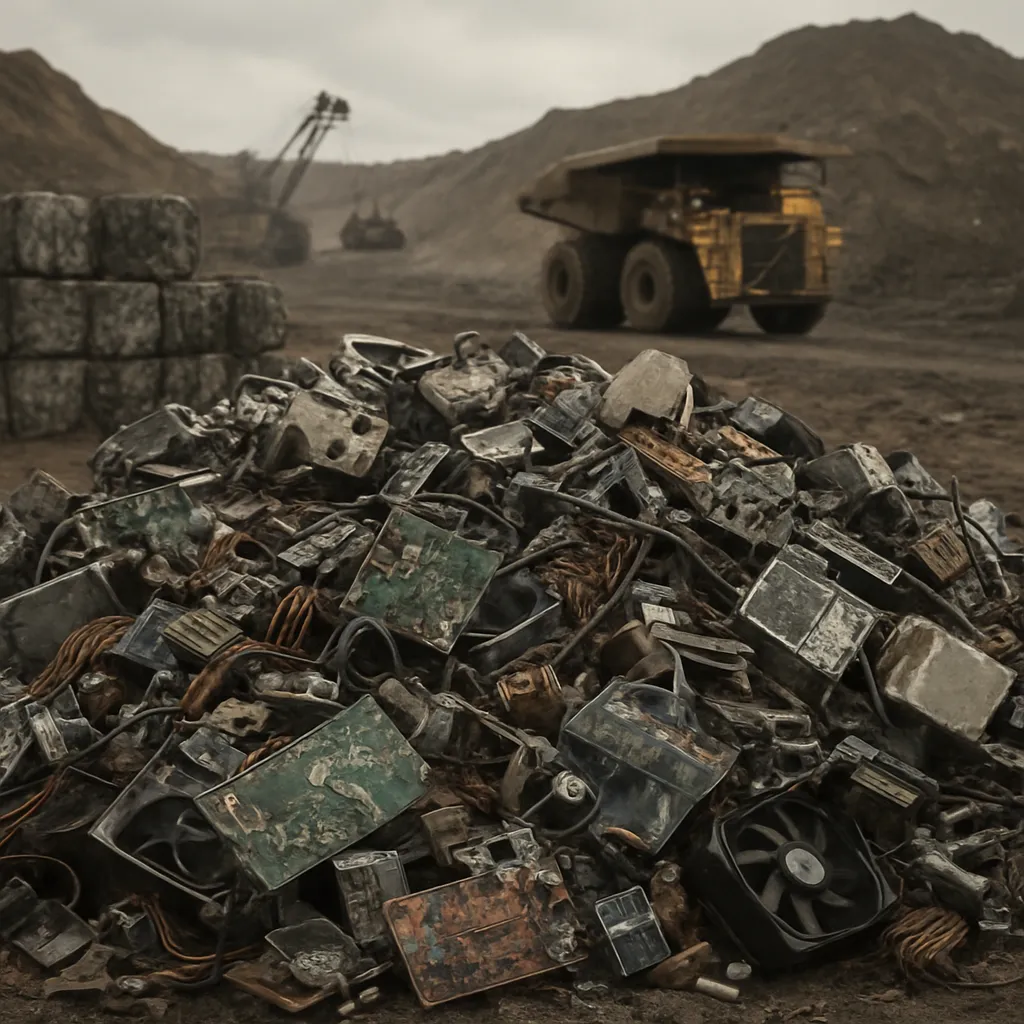
Recycling alloy-rich scraps and end-of-life devices is fast becoming a cornerstone of circular economy models. Current efforts revolve around mechanical, pyrometallurgical, and hybrid approaches to reclaim more than 90% of contained metals.
Mechanical Pre-Treatment
- Shredding and Magnetic Separation: Efficiently segregates ferrous and non-ferrous fractions, preparing refined feedstock.
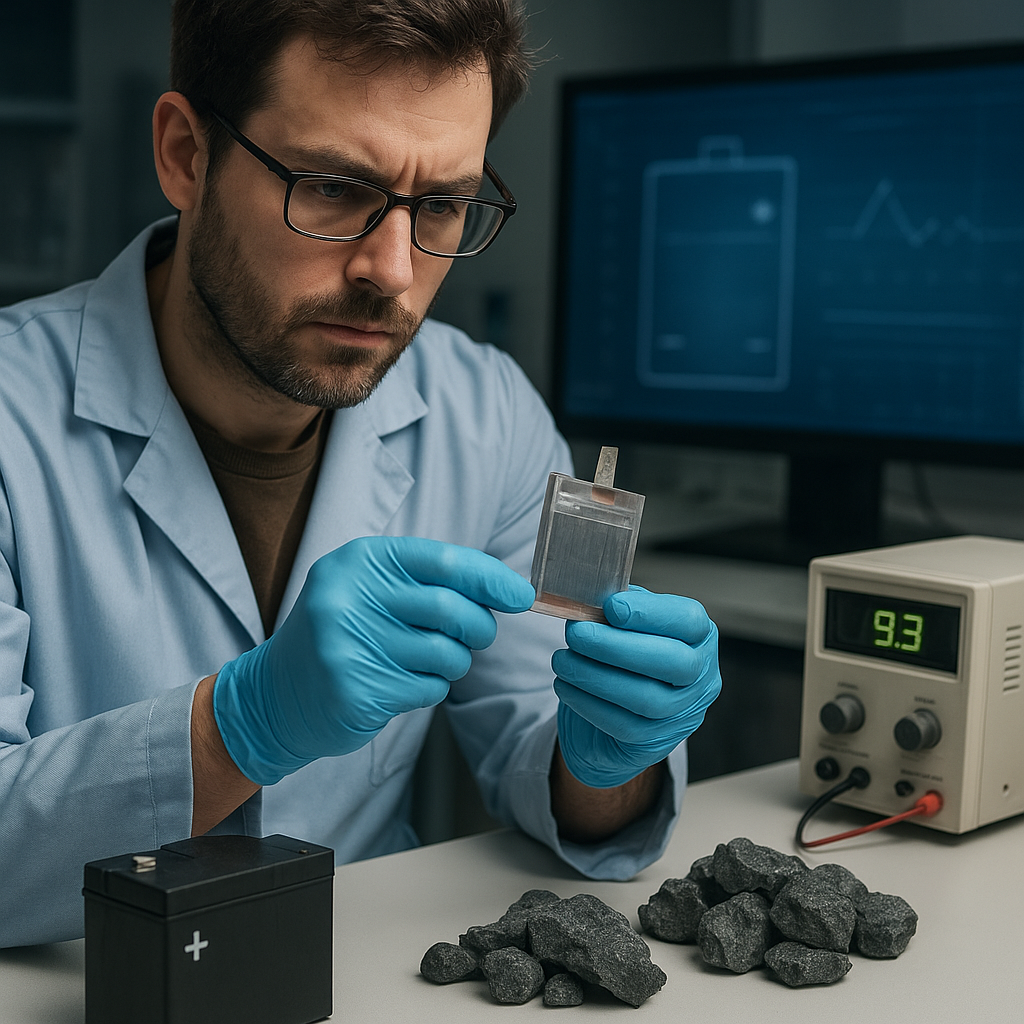
- Sensor-Based Sorting: Optical and X-ray systems identify specific battery chemistries, enabling targeted downstream processing.
Pyro- and Hydro-Integrated Systems
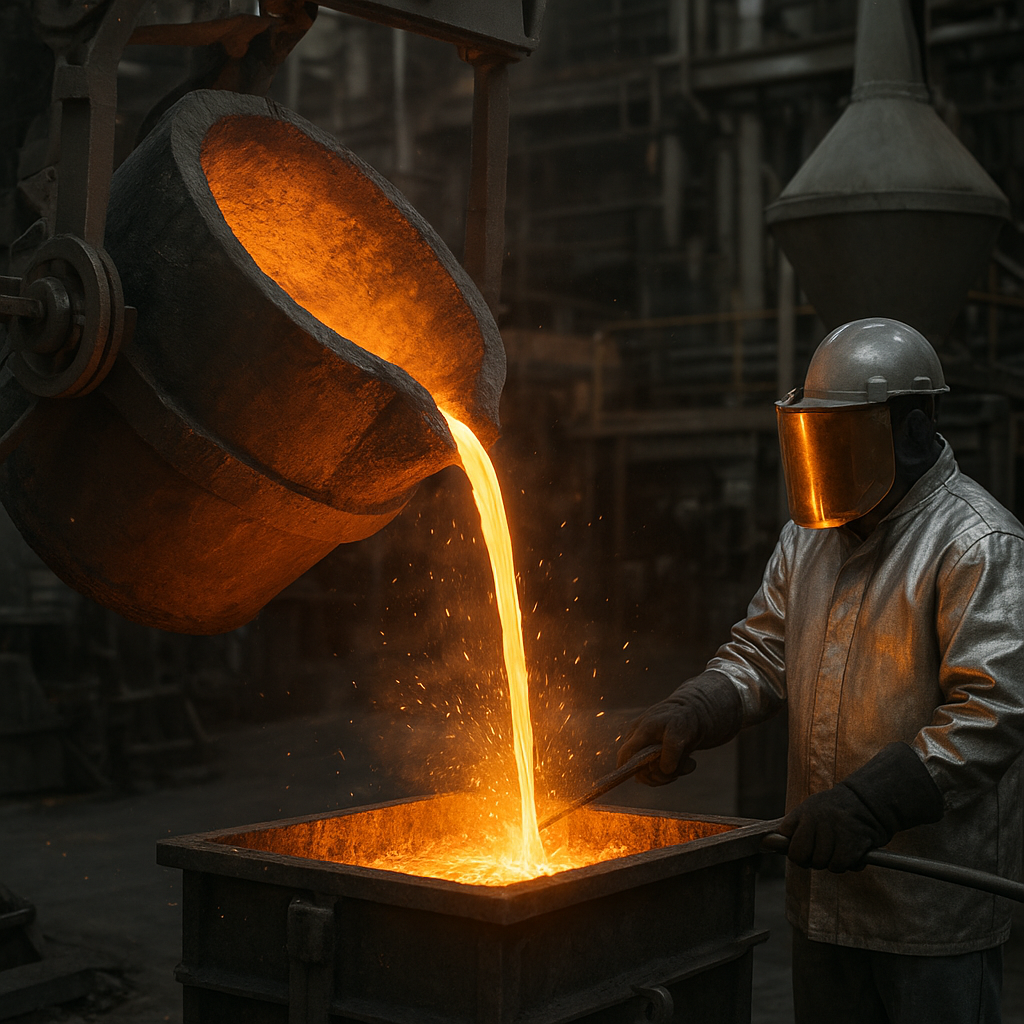
Advanced facilities now combine high-temperature smelting with subsequent hydrometallurgical extraction. Key advantages include:
- Rapid volatilization and collection of metals with low boiling points (cadmium, zinc, lead)
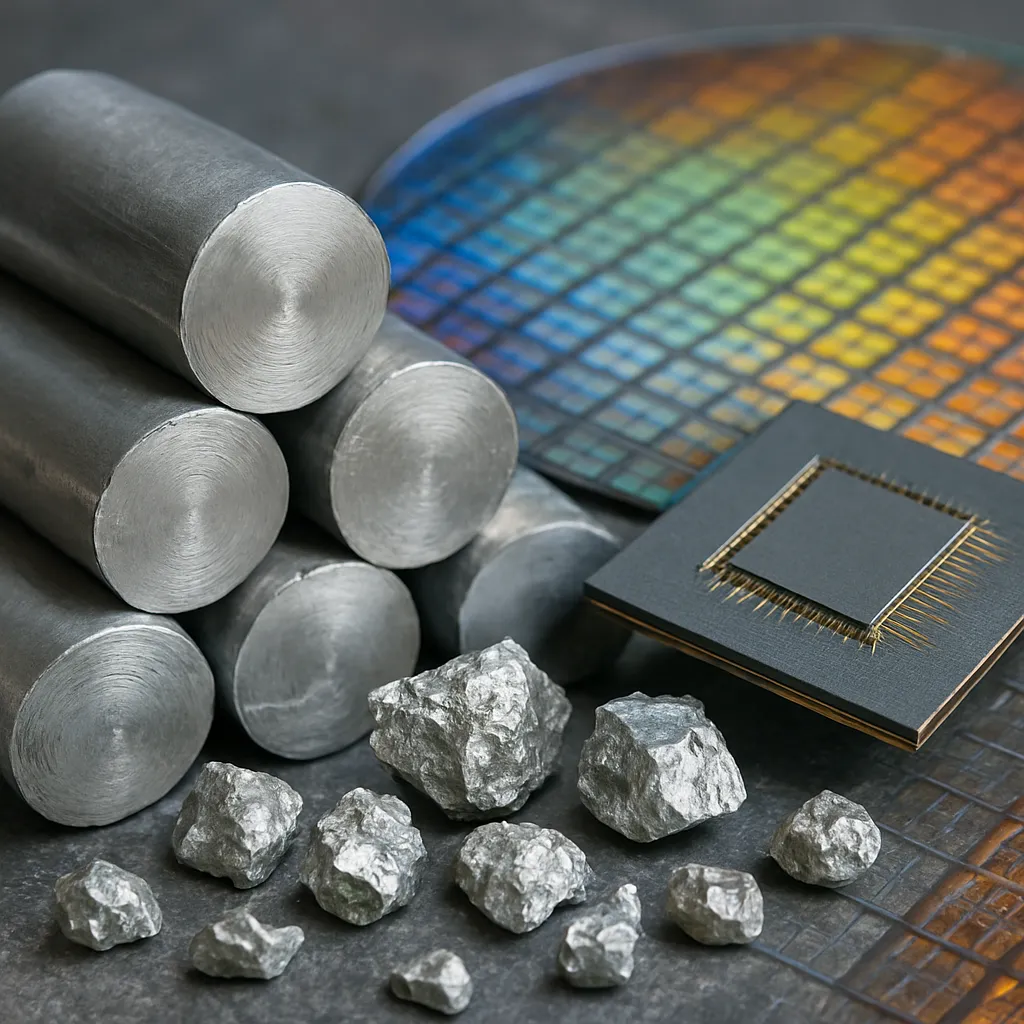
- Concentrated slag streams ideal for leaching critical elements like rare earths and indium
- Energy recovery through syngas generation, enhancing overall plant efficiency
Future Outlook and Integration
The trajectory of metallurgical development points toward increasingly integrated operations, in which mining, processing, and recycling converge within regional hubs. This model promises shorter supply chains, reduced carbon footprints, and resilient material flows.
- Digital Twins and AI: Simulating entire recovery circuits to predict bottlenecks, optimize reagent use, and anticipate equipment degradation.
- Modular Processing Units: Scalable containerized plants that can be deployed near mine sites or urban centers to cut transportation costs.
- Public–Private Collaboration: Joint ventures pooling expertise in extraction, logistics, and end-market intelligence to secure stable supplies of lithium, graphite, and platinum group metals.
As the world pivots toward electrification and decarbonization, the role of cutting-edge metallurgy in ensuring uninterrupted access to critical materials will only intensify. By harnessing innovation in energy management, selective recovery techniques, and closed-loop recycling, stakeholders can forge a path to a more circular, environment-friendly industrial ecosystem.