The trajectory of the global rare metals market is marked by a complex interplay of strategic interests, resource scarcity and evolving technological demands. Investors eyeing the rare earth industry must navigate a landscape fraught with both high potential rewards and equally significant hazards. This article explores critical risk factors shaping investment outcomes across multifaceted domains such as geopolitics, environmental stewardship and market innovation.
Supply Chain Volatility and Geopolitical Tensions
Control over rare earth elements often translates into leverage on the world stage. Key producing countries can impose export restrictions or adjust tariffs, abruptly altering market dynamics. Such moves ripple through global value chains, triggering sharp price swings and unpredictable accessibility for downstream manufacturers. Political instability in supplier regions can further exacerbate these vulnerabilities, undermining long-term contracts and hampering capacity planning.
Investors must also account for the following concerns:
- Dependency on a limited number of mines and processing facilities.
- Potential sanctions or trade wars affecting major exporters.
- Shifts in bilateral relations that accelerate supply disruptions.
To mitigate these threats, adopting a strategy of diversification across multiple jurisdictions and integrating buffer inventories is essential. Engagement with governments and local stakeholders can help anticipate regulatory changes and secure stable agreements.
Environmental and Regulatory Challenges
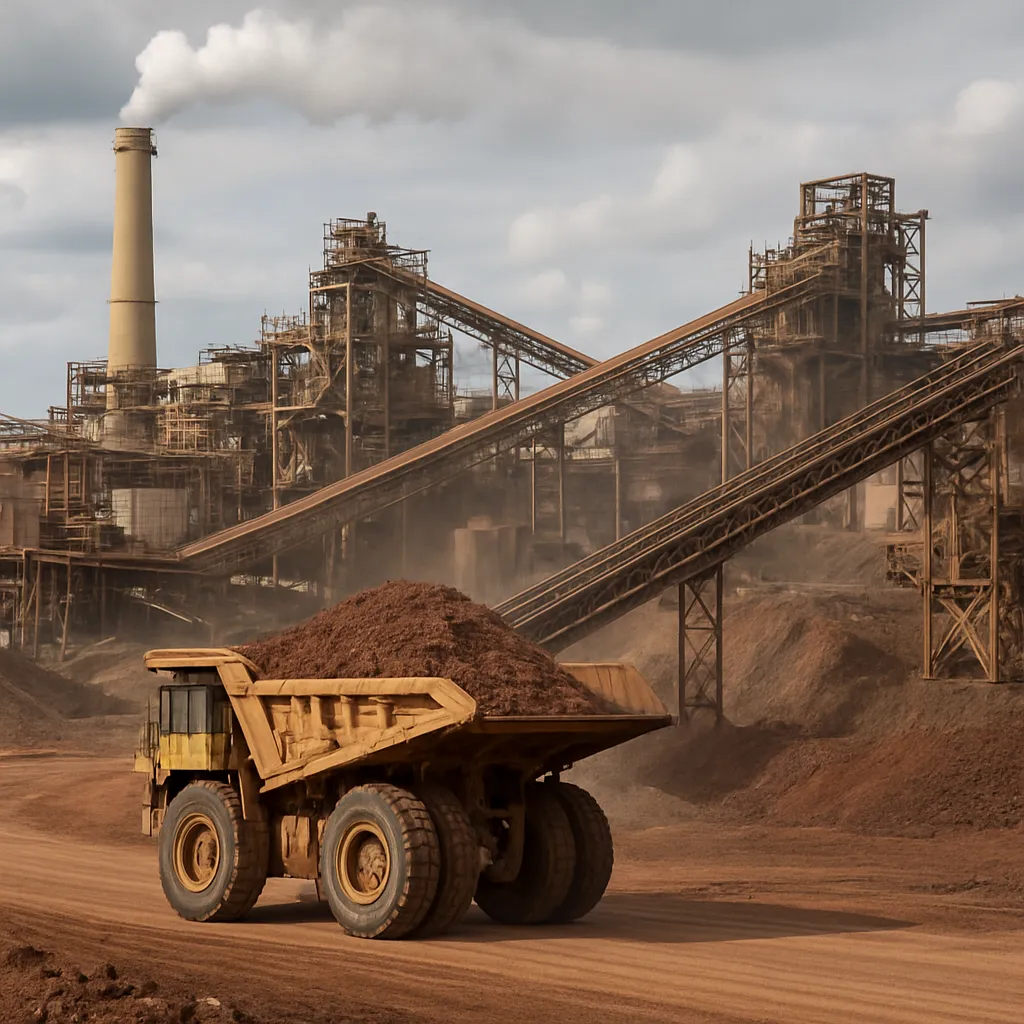
Mining and refining rare metals present significant ecological footprints. Tailings, radioactive byproducts and landscape degradation trigger stringent environmental regulations in many jurisdictions. Compliance costs can escalate unexpectedly due to legal reforms, public protests or emergent health studies linking pollutants to community risks. Failure to adhere to evolving standards can stall operations, invite fines or even force mine closures.
Companies that champion green practices often gain competitive edge by preempting stricter rules. Emphasizing sustainability through closed-loop systems and water reclamation not only reduces liability but also appeals to socially conscious financiers. Moreover, innovation in mineral processing—such as low-impact hydrometallurgical techniques—can unlock new reserves while minimizing waste.
Key hurdles include:
- Securing permits under overlapping federal, regional and local statutes.
- Managing community relations to forestall litigation or blockades.
- Planning for post-closure rehabilitation to meet bond requirements.
Technological Innovation and Market Dynamics
Rapid advancements in electronics, renewable energy and defense systems have propelled demand for specialized rare metals such as neodymium, dysprosium and praseodymium. However, this heightened interest often spawns market fluctuations as new entrants chase short-term gains. Overproduction risks looms when speculative capital inflates project pipelines without robust feasibility studies.
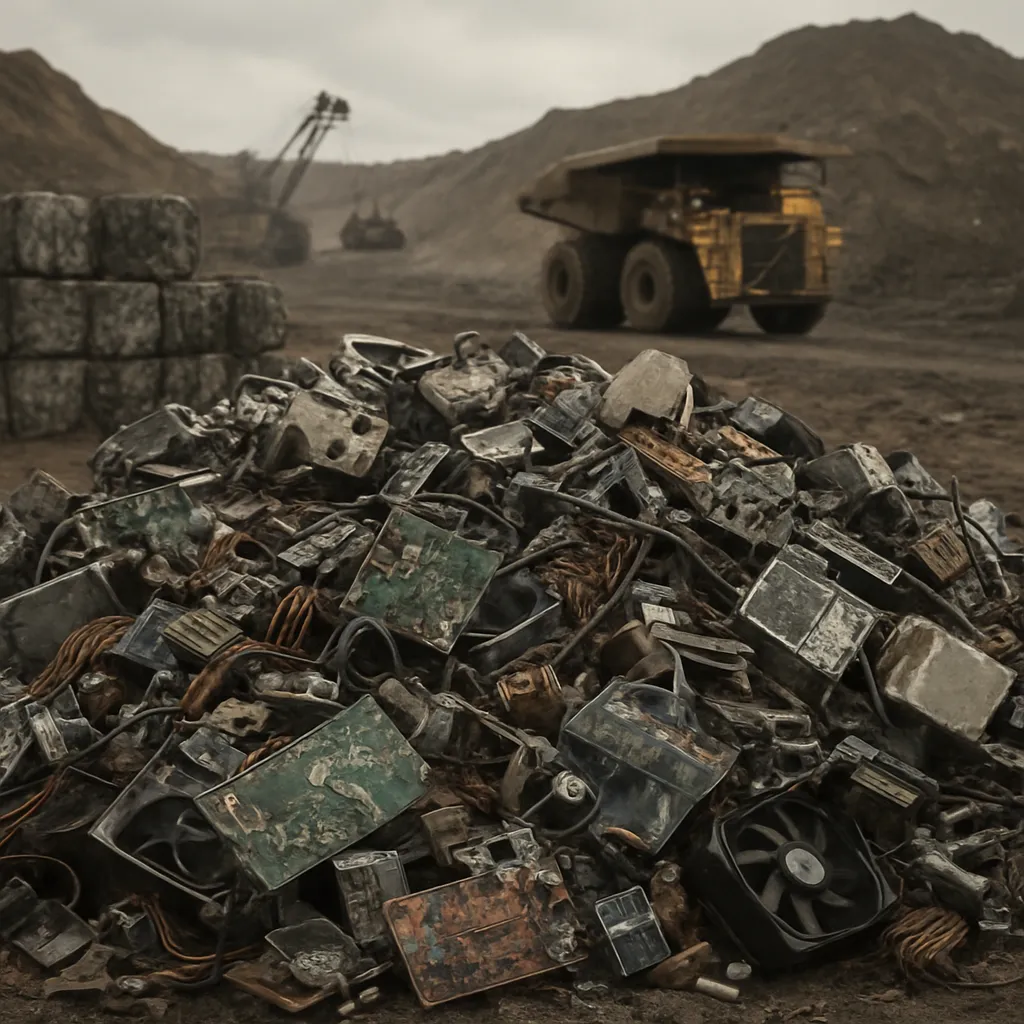
On the flip side, breakthroughs in recycling and alternative materials can curb demand for virgin ores. Techniques to recover critical components from discarded magnets or battery scrap are becoming commercially viable, potentially reducing import dependency. Investors should weigh prospects in both upstream mining ventures and downstream recovery initiatives to build a balanced exposure.
Crucial factors impacting the technological risk profile include:
- Time-to-market for pilot plants versus evolving industry benchmarks.
- Patent battles and intellectual property disputes over novel extraction methods.
- Supply-demand imbalances triggered by simultaneous ramp-up across multiple sites.
Financial Considerations and Risk Mitigation
Volatile commodity prices can erode projected cash flows, making project valuations highly sensitive to spot rates. Leveraging hedging instruments—futures, options or swap agreements—provides a partial buffer, yet these tools carry basis risk and counterparty exposure. Debt-financed expansions amplify vulnerability to interest rate shifts, particularly when capital markets tighten.
Investment due diligence must scrutinize balance sheets for hidden liabilities tied to environmental remediation, community compensation and decommissioning reserves. Meanwhile, fostering strategic alliances with end-users or technology partners offers added resilience; joint ventures can share capital requirements and align long-term incentives across the supply chain.
By integrating comprehensive risk frameworks and dynamic scenario planning, stakeholders can calibrate investment strategies that anticipate adverse events. Embracing modular project development, staged capex commitments and periodic reassessment of geological models ensures agility in the face of evolving circumstances. Ultimately, judicious navigation of the rare earth sector hinges on aligning financial discipline with a proactive stance on geopolitical, environmental and technological challenges.