The transition to a hydrogen-driven energy system is rapidly reshaping the demand for rare metals worldwide. As countries pursue net-zero targets, the role of lithium, cobalt, nickel and platinum intensifies, linking the budding hydrogen economy with the intricate web of global supply chains. This article examines how emerging technologies, resource availability and strategic policies converge around these critical materials.
The expansion of the hydrogen economy
Renewable hydrogen production
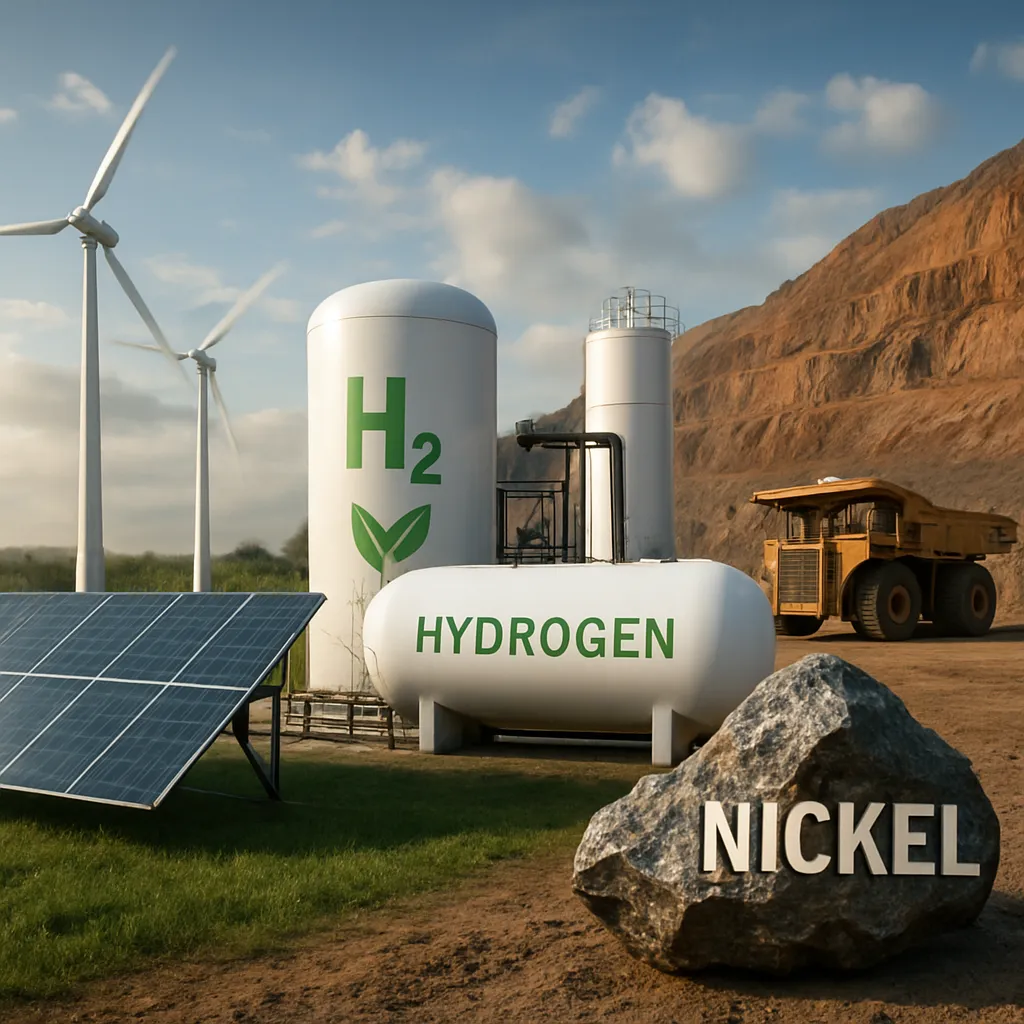
Green hydrogen, produced via electrolysis powered by solar and wind energy, is the cornerstone of decarbonization strategies. Electrolyzers rely on proton exchange membranes or alkaline systems incorporating platinum and iridium catalysts to split water into hydrogen and oxygen. As the scale of production grows, so does the consumption of these precious elements, raising concerns about cost and resource scarcity.
Infrastructure and technology
Beyond production, hydrogen must be compressed, stored and transported. High-pressure tanks often use nickel-based alloys to withstand extreme conditions. Pipeline networks require corrosion-resistant materials, pushing demand for specialty stainless steels enriched with rare metals. Governments and industry are investing heavily in:
- Large-scale electrolyzer manufacturing facilities
- Advanced storage solutions using composite materials
- Hydrogen refueling stations for road transport
- Interconnected ⸺ and sometimes repurposed ⸺ natural gas pipelines
These initiatives not only boost cleaner energy uptake but also create new sourcing pressures on metal markets.
Critical rare metals for green technologies
Battery technologies in a hydrogen world
Even as hydrogen gains traction, the storage and distribution of intermittent renewable power still rely on advanced battery systems. Lithium-ion batteries, rich in lithium and nickel, stabilize grids feeding electrolyzers. Meanwhile, emerging solid-state designs may incorporate cobalt or manganese-based cathodes to enhance energy density and safety.
Catalysts and fuel cells
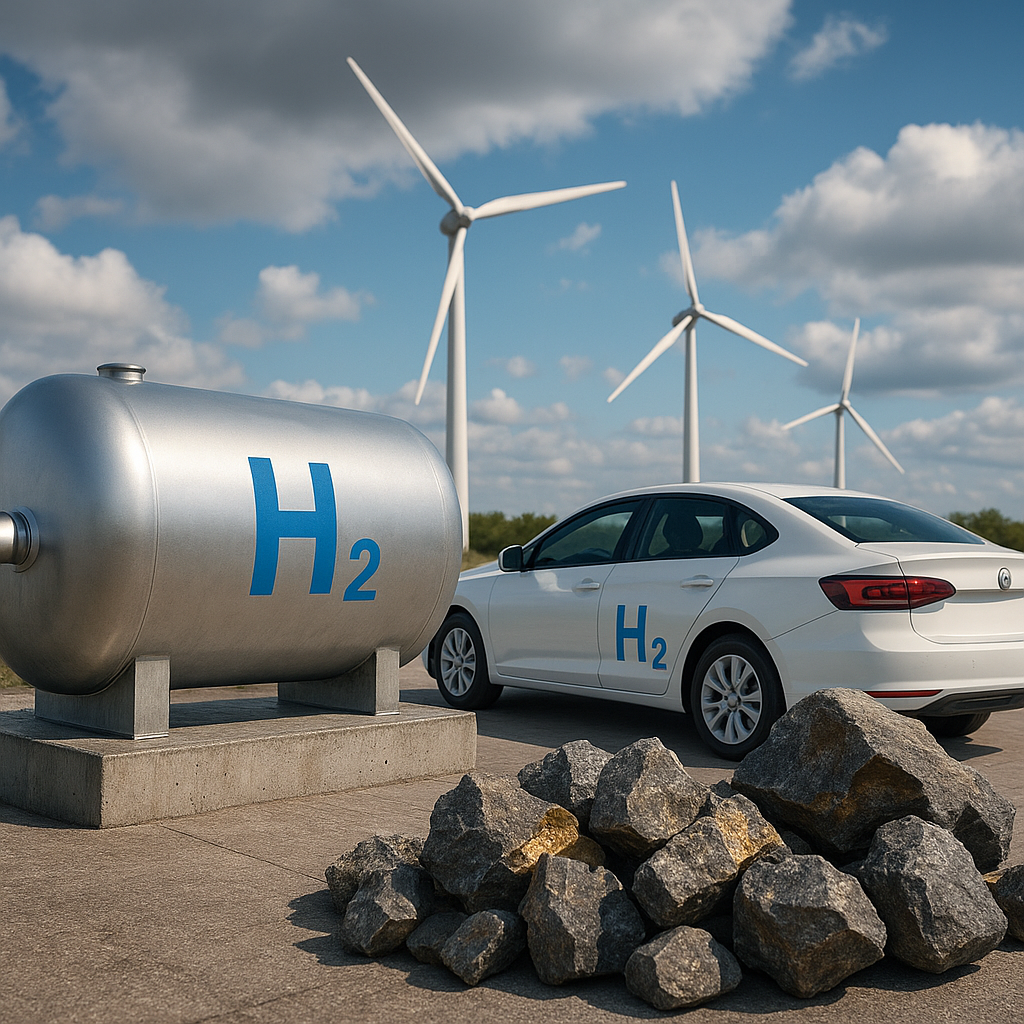
Fuel cell electric vehicles (FCEVs) convert hydrogen back to electricity, requiring catalysts at the heart of their stacks. Platinum group metals such as platinum and palladium accelerate reaction kinetics, while ruthenium and rhodium find niche applications in certain high-temperature designs. The average FCEV contains several grams of platinum, making automotive demand a vital factor in global metal forecasts.
- Platinum – Core catalyst in polymer electrolyte membrane (PEM) fuel cells
- Cobalt – Enhances cathode stability in high-performance batteries
- Nickel – Key component in both battery cathodes and hydrogen storage alloys
- Iridium – Critical for oxygen evolution reactions in electrolyzers
Geopolitical and environmental challenges
Supply chain vulnerabilities
Many rare metals essential to the hydrogen economy are concentrated in a handful of countries. For example, cobalt production is dominated by specific regions, while lithium extraction is heavily weighted towards South America and Australia. This geographic concentration exposes manufacturers to:
- Political instability and export restrictions
- Price volatility driven by sudden shifts in demand
- Regulatory changes impacting mining and processing
- Potential supply bottlenecks during capacity expansions
In response, stakeholders are exploring diversified sourcing strategies, strategic stockpiles and recycling programs to mitigate risks and ensure a resilient supply chain.
Environmental impact and recycling
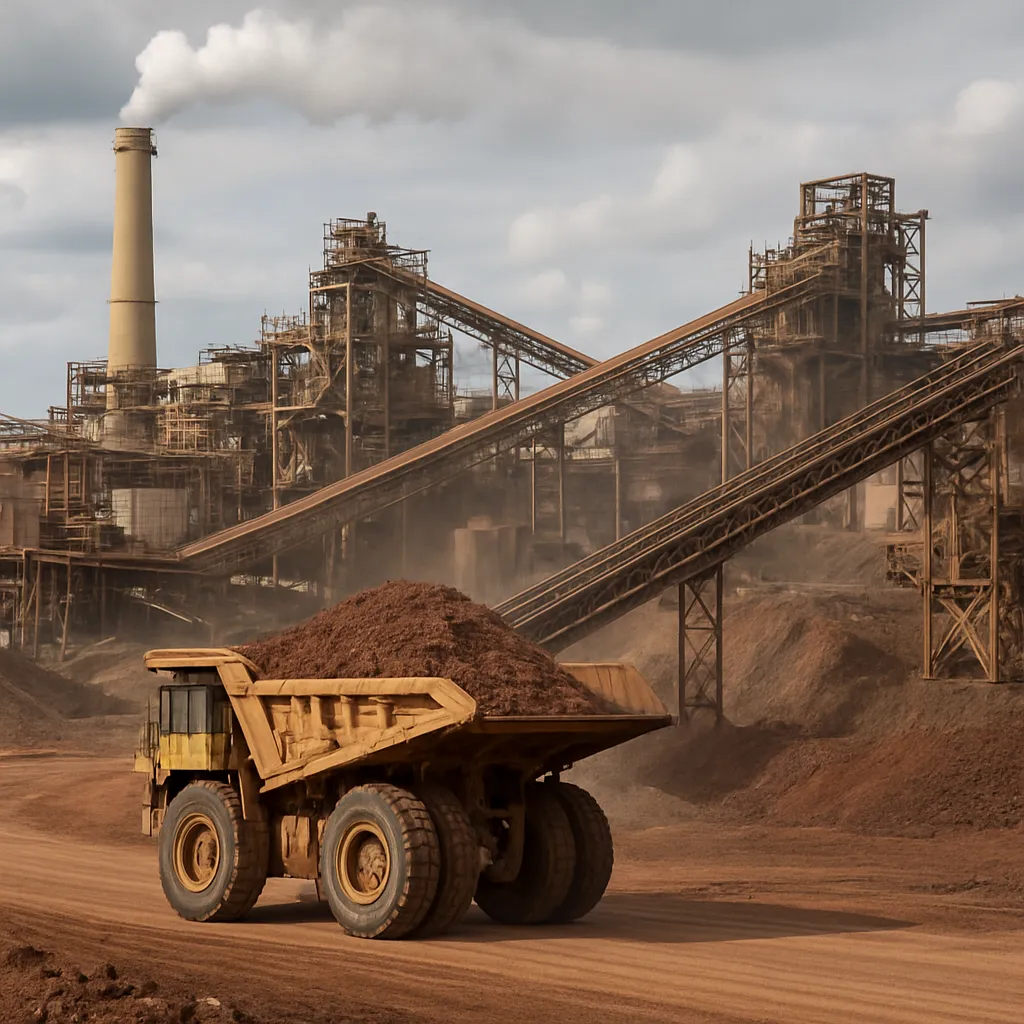
Mining and refining rare metals impose significant ecological footprints, including habitat disruption, water consumption and chemical waste. As the hydrogen economy scales, sustainable practices must evolve to address:
- Ethical sourcing standards for mining operations
- Closed-loop recycling processes for spent catalysts and batteries
- Innovations in low-impact extraction techniques, such as direct lithium extraction
- Lifecycle assessments to guide policy and investment decisions
Recycling initiatives not only alleviate pressure on virgin resources but also reduce greenhouse gas emissions associated with primary production. Companies and research institutions are collaborating to recover platinum group metals from end-of-life fuel cell stacks, while battery recycling facilities extract valuable nickel, cobalt and lithium for reuse in new energy technologies.
Future trends and strategic considerations
The rise of the hydrogen economy hinges on securing a stable flow of rare metals. Advances in material science may eventually reduce reliance on the most scarce elements, for instance through catalyst innovations using earth-abundant alternatives. Meanwhile, digitalization and artificial intelligence are improving supply chain transparency, forecasting demand and identifying bottlenecks before they occur. Policymakers and industry leaders must align to foster:
- Investment in domestic mining and refining capacity
- Regulatory frameworks incentivizing recycling and sustainable practices
- International cooperation on resource governance and technology sharing
- Research funding for next-generation materials with lower environmental footprints
As nations race to decarbonize, the intertwined fates of the hydrogen economy and critical metals markets will determine the pace and cost of an unprecedented global energy transformation.