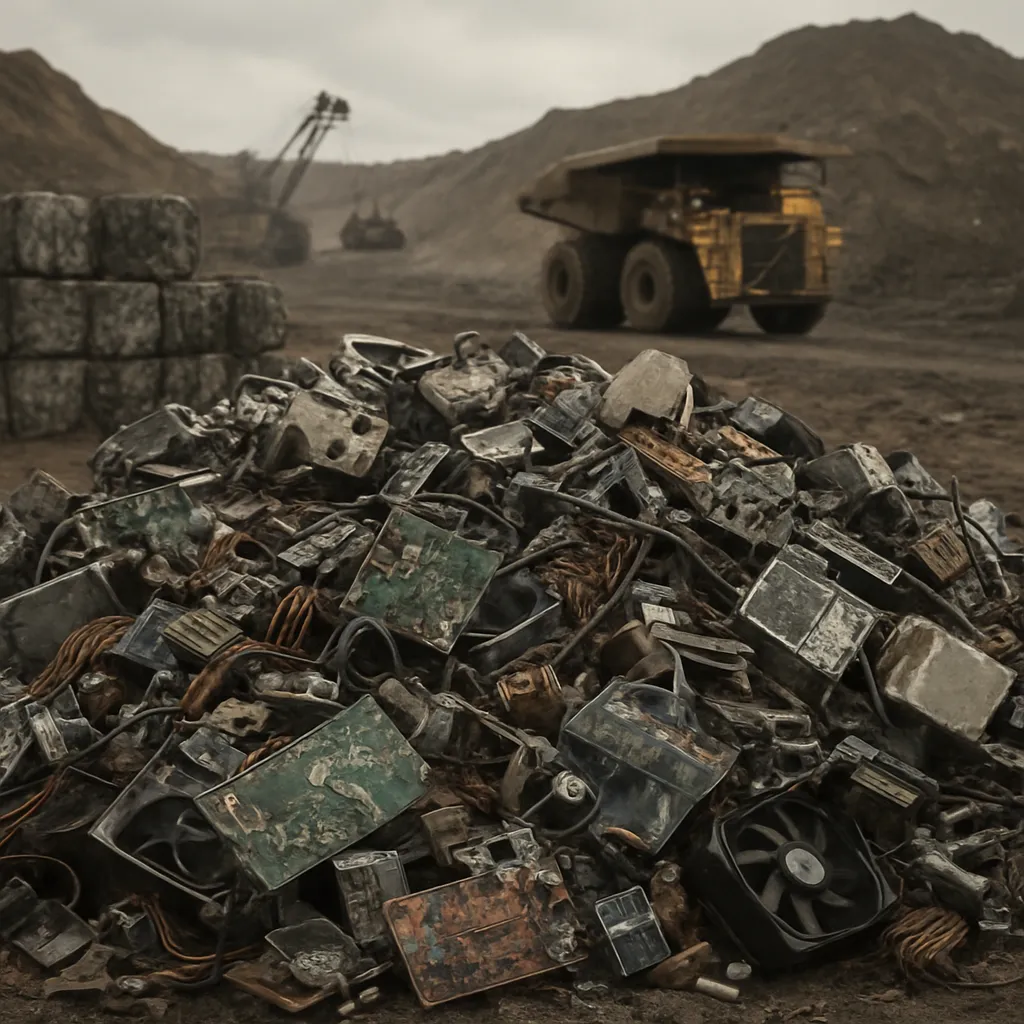
The global economy’s rapid transition towards green energy, electric vehicles, and advanced electronics has shone a spotlight on the critical role of rare metals in modern industries. Countries around the world are racing to secure steady supplies of lithium, cobalt, nickel, and other critical elements that power batteries, semiconductor manufacturing, and high-tech applications. Yet, the interplay of national trade policies, strategic alliances, and resource nationalism has created complex challenges for multinational corporations and governments alike. This article explores how regulatory frameworks and economic measures influence the flow of rare metals across borders, shaping the future of global supply chains, sustainability goals, and technology innovation.
Global Rare Metal Landscape
Distribution and Demand Patterns
Rare metals are unevenly distributed geographically, with a handful of countries dominating both mine production and processing capacity. For example, China leads in the refining of rare earth elements, while the Democratic Republic of Congo is a major supplier of cobalt. The resulting concentration creates a fragile ecosystem in which geopolitical events or domestic policy changes can reverberate worldwide. Growing demand for electric vehicles and renewable energy technologies has intensified competition, placing pressure on existing producers to expand output and on consumers to diversify sources.
Key Market Drivers
- Expansion of electric vehicle fleets, driving demand for lithium and nickel.
- Deployment of 5G networks, increasing consumption of rare earth elements.
- Emerging applications in aerospace and defense, requiring high-purity metals.
- Environmental regulations that influence mining practices and recycling incentives.
As market expectations shift, companies and governments must navigate the balance between securing affordable supplies and maintaining ethical, environmentally responsible practices. This delicate dance sets the stage for varying forms of intervention, from tariffs to subsidies and strategic stockpiles.
Trade Policies and Their Impacts
Tariffs and Quotas
Imposing import tariffs on certain rare metals can serve as both a protective measure for domestic industries and a bargaining chip in broader trade negotiations. However, high duties may raise input costs for technology manufacturers, pushing them to relocate facilities or source materials from lower-cost, yet potentially less-regulated suppliers. Similarly, export quotas and licensing requirements can restrict the outflow of critical resources, creating global supply bottlenecks and price volatility.
Export Restrictions and Resource Nationalism
Some resource-rich nations have adopted export restrictions to secure downstream beneficiation or encourage local processing. China’s historical limitations on rare earth exports, for instance, accelerated efforts by other countries to develop alternative refining capabilities. While these policies can foster domestic job creation and technological advancement, they also risk provoking retaliatory measures, heightening geopolitical tensions and undermining the predictability of international markets.
Subsidies and Strategic Reserves
Governments may deploy financial incentives—such as direct subsidies, tax credits, or low-interest loans—to stimulate investment in critical mineral projects. Additionally, creating national strategic reserves of essential metals helps cushion against sudden supply shocks. Yet, stockpiling large volumes can distort market dynamics, incentivizing speculative trading and discouraging long-term private investment.
Case Studies of Policy Interventions
China’s Rare Earth Policy Shift
China’s incremental tightening of rare earth export regulations over the past decade illustrates the power of targeted trade measures. By reducing export quotas and increasing domestic consumption mandates, Beijing effectively forced global manufacturers to explore local processing alternatives in North America, Europe, and Australia. The ripple effects included new refinery projects, strategic joint ventures, and an overall reconfiguration of supply chains designed to mitigate overreliance on a single supplier.
U.S. Section 232 Investigations
Under Section 232 of the Trade Expansion Act, the United States has periodically examined the national security implications of foreign metal imports. Investigations into imports of titanium sponge and other specialty alloys led to the threat of higher tariffs and quotas, prompting both domestic capacity expansions and strained relations with major suppliers. While aimed at enhancing economic resilience, such actions also carry the risk of reciprocal sanctions impacting broader trade ties.
European Union Critical Raw Materials Act
The European Union’s new legislative framework seeks to bolster resource security by streamlining permitting processes, incentivizing domestic mining and processing, and fostering partnerships with reliable third-country suppliers. By setting extraction and recycling targets, the Act underscores the importance of circular economy principles, reducing environmental risks, and forecasting more stable access to essential metals for the bloc’s green transition.
Strategies for Resilient Supply Chains
Diversification and Alliance Building
To guard against policy-induced disruptions, companies are increasingly pursuing diversified sourcing strategies. Establishing long-term offtake agreements with multiple producers, investing in overseas mining projects, and engaging in consortium purchases can mitigate the impact of sudden trade barriers. Furthermore, trilateral or multilateral alliances focused on critical minerals—such as the U.S.-Japan-Australia supply chain partnership—demonstrate the growing trend of geopolitically aligned procurement networks.
Vertical Integration and Domestic Processing
Another effective approach involves vertical integration, where downstream manufacturers acquire stakes in upstream mining or refining operations. This strategy helps capture value across the entire chain while ensuring secure access to supply chains. Domestic processing plants also reduce dependency on external refineries, though they require substantial capital and face strict environmental scrutiny.
Recycling and Circular Economy Initiatives
Investments in recycling technologies offer a complementary route to primary mining. Recovering cobalt, lithium, and rare earth elements from end-of-life batteries and electronics not only lessens environmental impact but also creates alternative supply streams that are less susceptible to trade policy fluctuations. Governments can support these efforts through grant programs, green procurement standards, and public-private R&D partnerships.
Technological Innovation and Risk Management
Advances in material science may eventually reduce reliance on certain rare metals by developing substitutes or improving efficiency. Meanwhile, robust risk assessment frameworks—incorporating scenario planning, supply chain mapping, and stress testing—enable firms to anticipate policy shifts and design agile procurement strategies. Together, these tools lay the groundwork for enduring competitiveness in a world where economic resilience and strategic foresight are paramount.