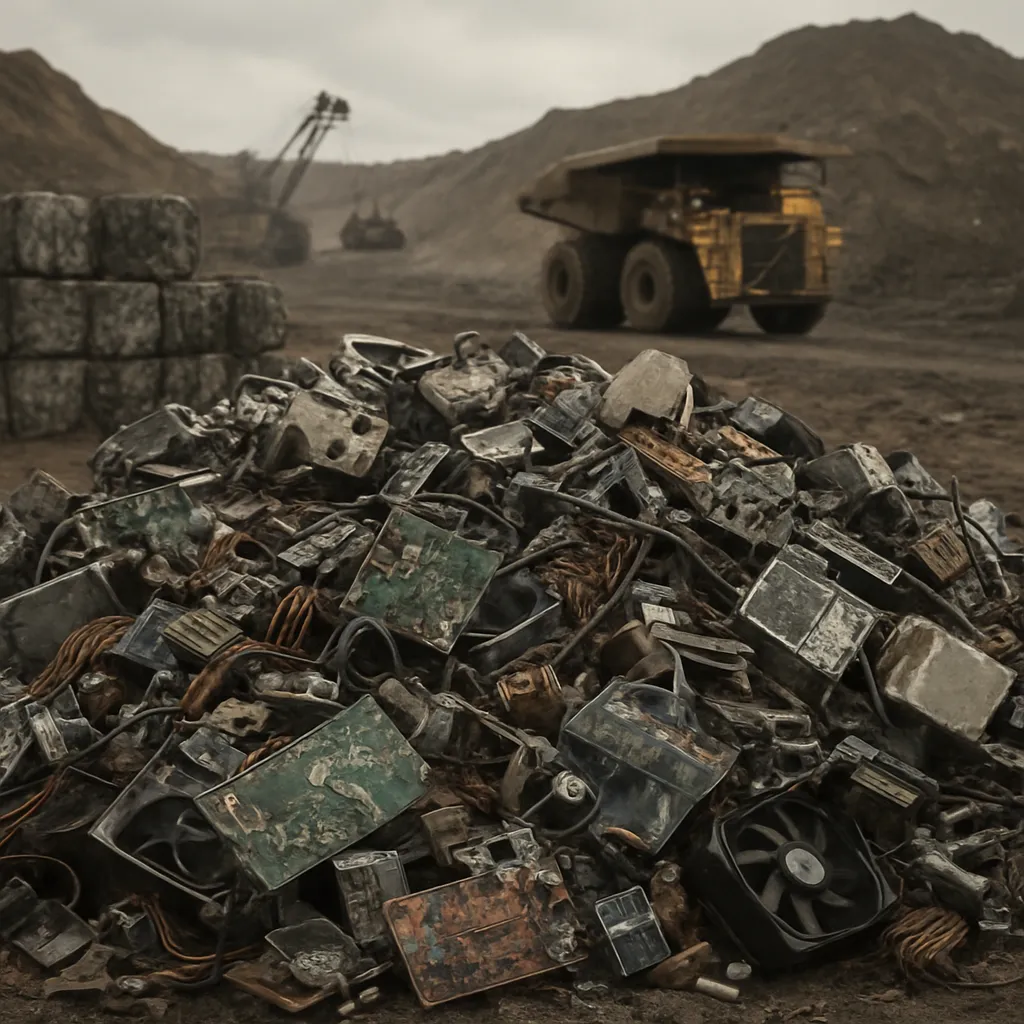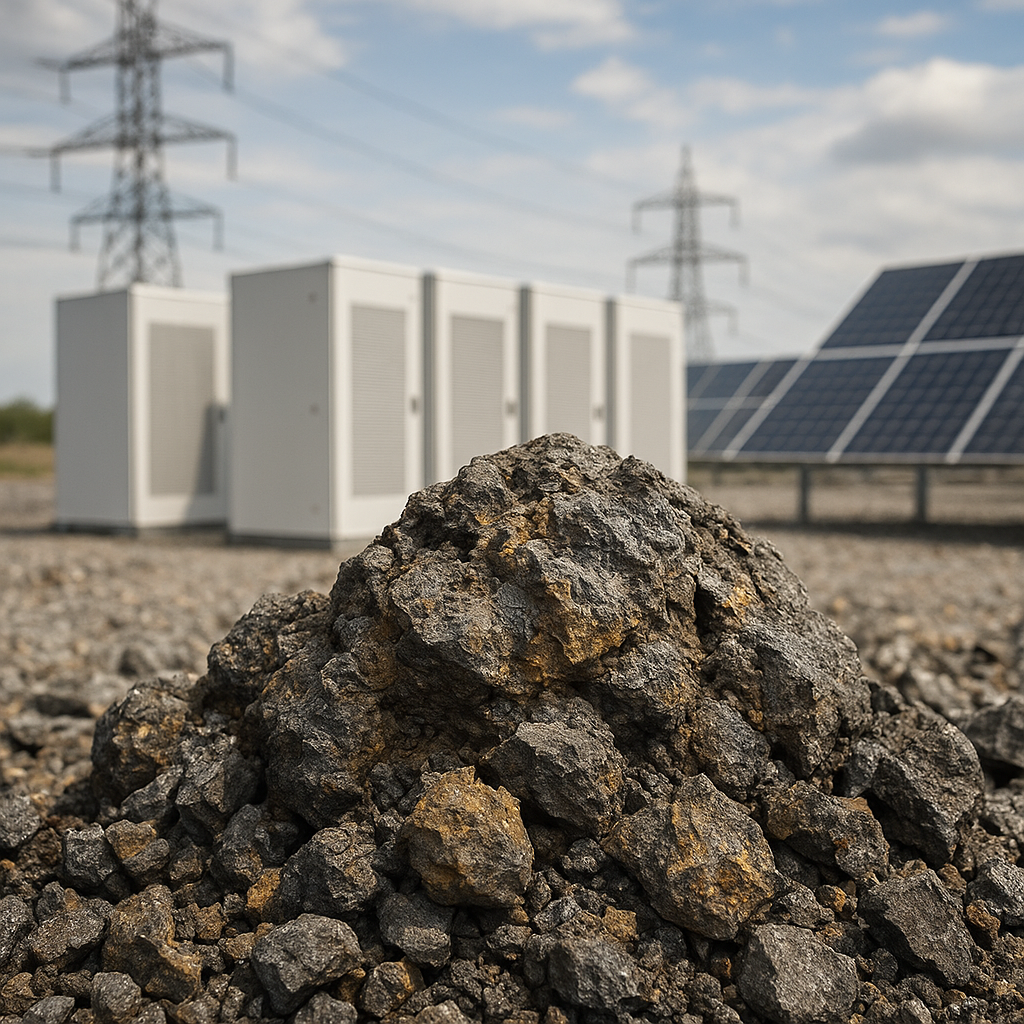
The global demand for advanced technologies has placed rare metals at the heart of modern industry, powering everything from electric vehicles to renewable energy systems. As supply chains stretch across multiple continents, vulnerabilities emerge from geopolitical shifts, environmental regulations, and market fluctuations. Building resilience in these networks is critical to ensure uninterrupted access to crucial materials and to support a sustainable, low-carbon future.
Enhancing Supply Chain Transparency
Transparent visibility into every stage of the rare metals supply chain—from extraction to end-of-life recycling—is essential. By adopting comprehensive tracking mechanisms, stakeholders can identify bottlenecks, mitigate risks, and adhere to ethical and environmental standards.
Implementing Advanced Traceability Systems
- Integrate blockchain or distributed ledger technologies to ensure immutable records of ore origin, refining processes, and product transformation.
- Employ Internet of Things (IoT) sensors to monitor real-time conditions such as shipment routes, storage environments, and processing parameters.
- Collaborate with third-party auditors to verify compliance with environmental and human rights regulations, fostering trust among buyers and end users.
Benefits of Real-Time Data Sharing
Real-time data exchanges can dramatically reduce lead times and allow rapid responses to disruptions:
- Early detection of logistics delays or quality deviations
- Dynamic risk assessment based on weather events, labor strikes, or regulatory changes
- Enhanced coordination between OEMs, refiners, and recyclers
Establishing a transparent framework also supports sustainability goals by ensuring that extracted materials meet rigorous environmental benchmarks.
Diversification of Sourcing and Recycling
Overreliance on a small number of suppliers or geographic regions exposes manufacturers to both geopolitical risks and supply shortages. A multi-pronged approach to sourcing and circular recovery can dramatically enhance supply chain diversification and resilience.
Broadening Geographic Footprint
- Invest in exploration and development of new deposits in stable jurisdictions.
- Forge partnerships with emerging producers in Africa, Latin America, and Southeast Asia to reduce concentration risk.
- Support local beneficiation efforts to add value closer to the point of extraction and to promote regional economic development.
Advancing Recycling and Urban Mining
Circular economy strategies can reclaim significant volumes of valuable elements:
- Upgrade recycling facilities to recover metals such as lithium, cobalt, and rare earth elements from end-of-life electronics and batteries.
- Incorporate design-for-disassembly principles in product design, facilitating easier material separation and reuse.
- Implement deposit-return schemes to incentivize the collection of spent devices and modules.
By combining primary and secondary supply streams, companies can build more strategic buffers against price volatility and resource scarcity.
Technological Innovation and Digitalization
Emerging technologies offer powerful tools to optimize rare metal supply chains, driving both efficiency and agility. From AI-driven analytics to advanced process controls, digitalization empowers stakeholders to make informed decisions under dynamic conditions.
Leveraging Predictive Analytics
- Use machine learning models to forecast demand patterns based on market signals, seasonal trends, and policy shifts.
- Employ predictive maintenance systems in mining and refining operations to reduce downtime and improve yield.
- Analyze geopolitical developments, trade tariffs, and currency fluctuations to anticipate potential disruptions.
Automating Process Controls
Precision technologies can enhance resource recovery and environmental performance:
- Deploy robotics in ore sorting and mineral processing to increase throughput and reduce waste.
- Implement advanced sensors for continuous monitoring of chemical concentrations, enabling real-time adjustments in refining circuits.
- Adopt digital twin frameworks to simulate and optimize complex operations before scaling up production.
These innovations not only improve operational resilience but also advance broader innovation agendas by promoting sustainable practices and reducing carbon footprints.
Collaborative Partnerships and Governance
Resilient supply chains thrive on cooperation among industry players, governments, academia, and civil society. Establishing robust governance structures and joint initiatives can preempt disruptions and foster long-term stability.
Public-Private Cooperation
- Governments can facilitate exploration efforts through incentives, streamlined permitting, and shared geological data.
- Industry consortia can develop voluntary standards for environmental management and human rights due diligence.
- Joint research programs can accelerate the commercialization of next-generation extraction and recycling technologies.
Stakeholder Engagement and Social License
Upholding community consent and transparent communication is vital:
- Engage local communities early in project development to address concerns related to land use, water consumption, and biodiversity.
- Implement benefit-sharing schemes such as local infrastructure investments and workforce training.
- Ensure continuous dialogue with NGOs and academic institutions to monitor environmental impacts and improve practices.
By nurturing strong partnerships and governance frameworks, the sector can navigate regulatory uncertainties and societal expectations while safeguarding supply chain integrity.
Risk Management and Strategic Buffering
Proactive risk management involves not only reacting to crises but also anticipating and preparing for them. Strategic inventory practices, insurance mechanisms, and scenario planning are key components in building robust supply networks.
Strategic Stockpiling and Buffer Inventories
- Maintain regional stockpiles of critical metals to cushion against temporary export restrictions or transport disruptions.
- Adopt dynamic inventory models that adjust buffer levels based on demand forecasts and risk assessments.
- Coordinate with allied nations to establish shared reserves for emergency release during shortages.
Scenario Planning and Stress Testing
Simulating extreme events can expose hidden vulnerabilities:
- Conduct supply chain stress tests that evaluate performance under natural disasters, political unrest, or cyberattacks.
- Develop contingency protocols and rapid-response teams to mobilize resources in crisis situations.
- Regularly update risk registers and response plans to reflect evolving threats.
Such measures ensure that companies maintain agility and can swiftly pivot when confronted with unforeseen challenges.
Fostering Circular Economy and Lifecycle Thinking
Long-term resilience is tightly linked to the principles of circularity and lifecycle management. Shifting from a linear “take-make-dispose” model to a regenerative framework reduces dependence on virgin resources and minimizes environmental impact.
Designing for Durability and Reusability
- Encourage modular product architectures that facilitate easy component replacement and upgrade.
- Standardize formats and connectors to simplify repair and reuse across multiple device generations.
- Promote product-as-a-service models, where manufacturers retain ownership and manage end-of-life material recovery.
Expanding Secondary Market Ecosystems
An enabling environment for refurbished and remanufactured goods can unlock valuable metal streams:
- Establish certification programs for pre-owned equipment to ensure quality and safety standards.
- Create digital marketplaces that match buyers and sellers of recovered metals and components.
- Provide fiscal incentives for companies that integrate recycled content into new products.
Embracing lifecycle approaches not only fortifies supply chains but also aligns with global climate and waste reduction targets.
Conclusion
The complex landscape of global rare metals demands a holistic strategy that weaves together transparency, diversification, technological digitalization, collaborative governance, and circular economy principles. By prioritizing proactive risk management, investing in cutting-edge innovations, and forging resilient partnerships, industry stakeholders can weather geopolitical storms and market shifts. In doing so, they will secure the steady flow of essential materials that underpin the next wave of sustainable technologies and economic growth.