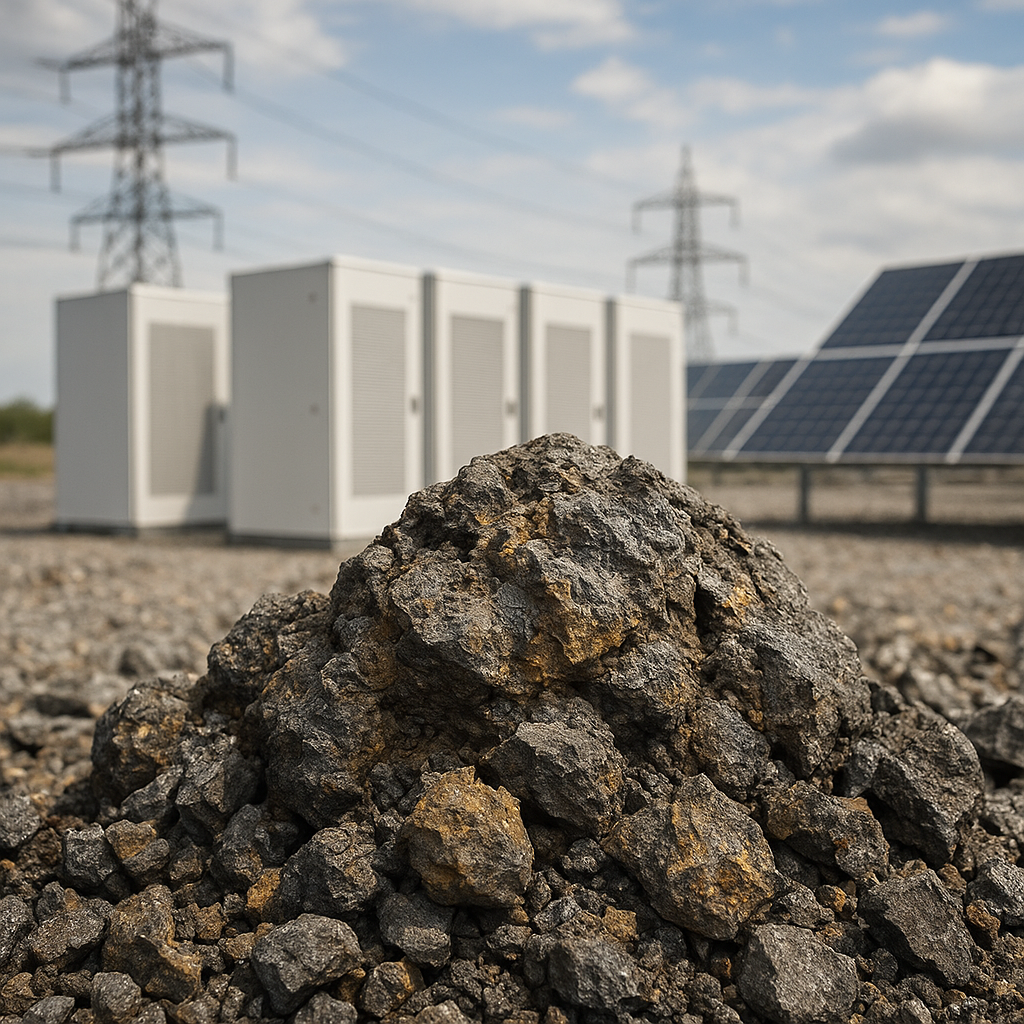
The global pursuit of advanced materials has driven an unprecedented demand for rare metals, placing pressure on both natural reserves and manufacturing processes. In response, cutting-edge innovation and strategic resource management are transforming how industries use and recycle these critical elements. This article explores the evolving dynamics of global rare metals markets, the role of modern technology in reducing resource intensity, and emerging trends in the quest for greater efficiency and sustainability.
Global Supply and Demand Dynamics
Over the past decade, demand for rare metals such as lithium, cobalt, and neodymium has soared, driven largely by the expanding electric vehicle (EV) market, renewable energy installations, and consumer electronics. Key factors shaping supply and demand include:
- Geopolitical concentration of mining operations in a handful of countries
- Volatility in commodity prices due to speculative trading and export restrictions
- Growing push for diversification of supply chains and local processing facilities
- Technological advancements that alter the composition and quantity of metals required
Mining projects that once targeted abundant base metals are increasingly being evaluated for minor and trace elements. Companies and governments are forming strategic partnerships to secure future reserves, while investors are eyeing exploration in frontier regions. These shifts underscore the critical need to rethink how materials are procured, processed, and ultimately consumed.
Driving Material Efficiency through Technological Advancement
Technological breakthroughs have paved the way for substantial reductions in metal intensity per unit of output. Several key developments include:
Advanced Alloys and Composites
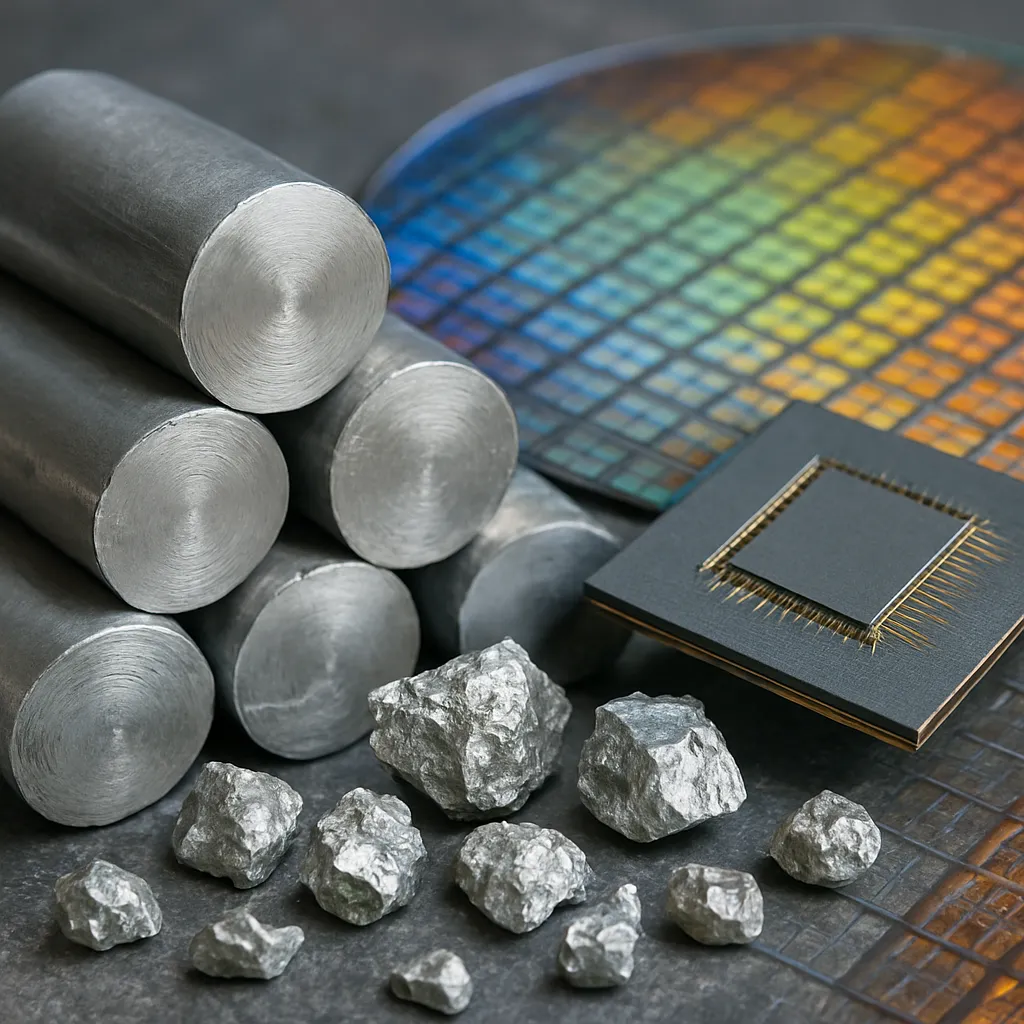
New alloy formulations can achieve similar or superior mechanical and magnetic properties using lower concentrations of rare elements. For instance, the development of high-performance permanent magnets with reduced neodymium content has been bolstered by:
- Incorporation of grain-boundary diffusion processes to enhance magnetic coercivity
- Use of nano-scale coatings that protect against oxidation, reducing the need for heavy rare earth stabilizers
- Integration of alternative rare earths such as dysprosium in minimal amounts
Nano-engineering and Surface Treatments
At the nanoscale, researchers are engineering surfaces and interfaces to drastically improve functional properties while cutting down on the volume of material required. Key techniques include:
- Atomic layer deposition (ALD) to uniformly coat substrates with ultra-thin, high-performance films
- Self-assembled monolayers that tailor surface chemistry without bulk material additions
- Nanostructured catalysts in energy conversion devices, enabling superior performance with reduced platinum-group metal loadings
Digital Design and Simulation
Computer-aided design (CAD) and finite element analysis (FEA) tools now enable engineers to optimize component geometry down to micro-level tolerances. Benefits include:
- Topology optimization that removes unnecessary material while maintaining structural integrity
- Generative design algorithms that propose lightweight architectures for manufacturing methods such as additive manufacturing
- Virtual prototyping, which significantly cuts trial-and-error cycles in material selection and process conditions
Enhancing Circularity and Recycling
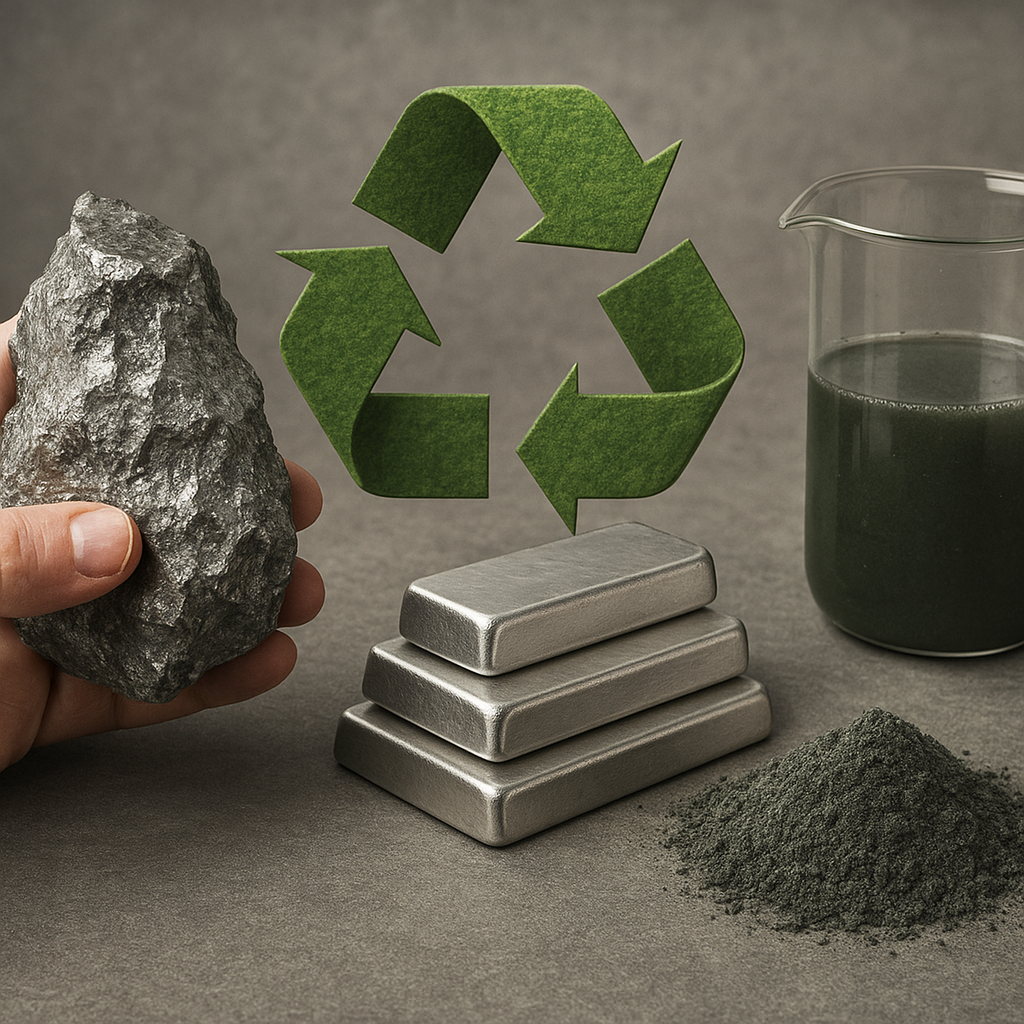
Recycling and the circular economy have emerged as pillars of sustainable rare metal management. Governments, industries, and research institutions are collaborating to close material loops and minimize waste streams. Key initiatives include:
Urban Mining and E-Waste Recovery
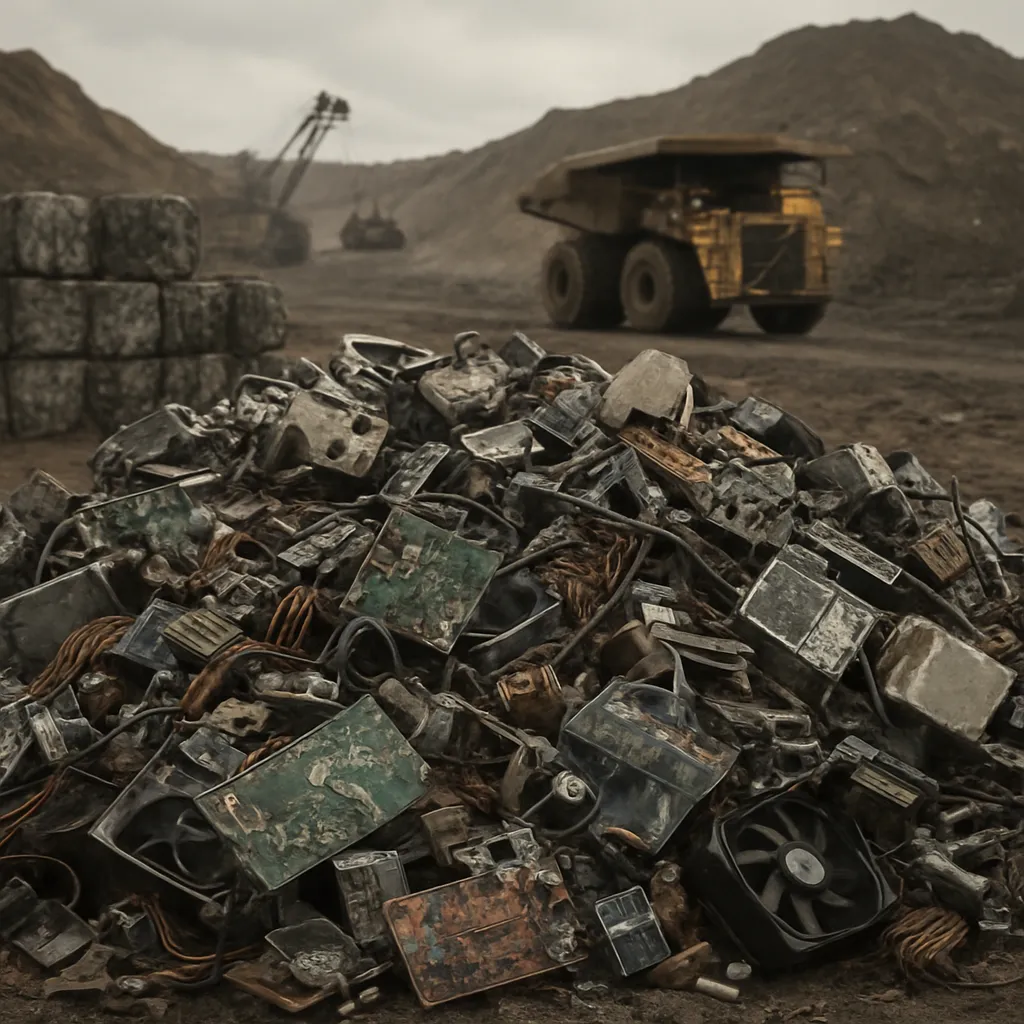
Discarded electronics and batteries represent rich repositories of valuable metals. Urban mining techniques now extract rare metals with improved yields by:
- Applying hydrometallurgical processes that selectively leach target metals under mild conditions
- Utilizing bioleaching with engineered microorganisms to mobilize metals from complex matrices
- Adopting mechanical separation systems for efficient shredding, sieving, and classification
Closed-Loop Manufacturing
Some manufacturers are designing products with end-of-life disassembly in mind, facilitating the separation of critical components. Strategies include:
- Modular designs that allow individual parts to be removed without damaging neighboring elements
- Use of reversible adhesives and fasteners to simplify material segregation
- Implementation of take-back programs that guarantee feedstock quality for recycled materials
Policy and Economic Instruments
Effective regulations and market tools are vital for promoting recycling at scale. Successful approaches comprise:
- Extended Producer Responsibility (EPR) schemes that assign manufacturers the cost of post-consumer collection and processing
- Tradable recycling credits that incentivize high recovery rates for target metals
- Tariff adjustments favoring recycled over virgin materials, lowering barriers to recycled feedstock adoption
Substitution and Strategic Resource Planning
While improving efficiency and recycling are essential, long-term resilience also relies on substituting high-risk metals with more abundant ones. Research efforts are accelerating in areas such as:
Alternative Battery Chemistries
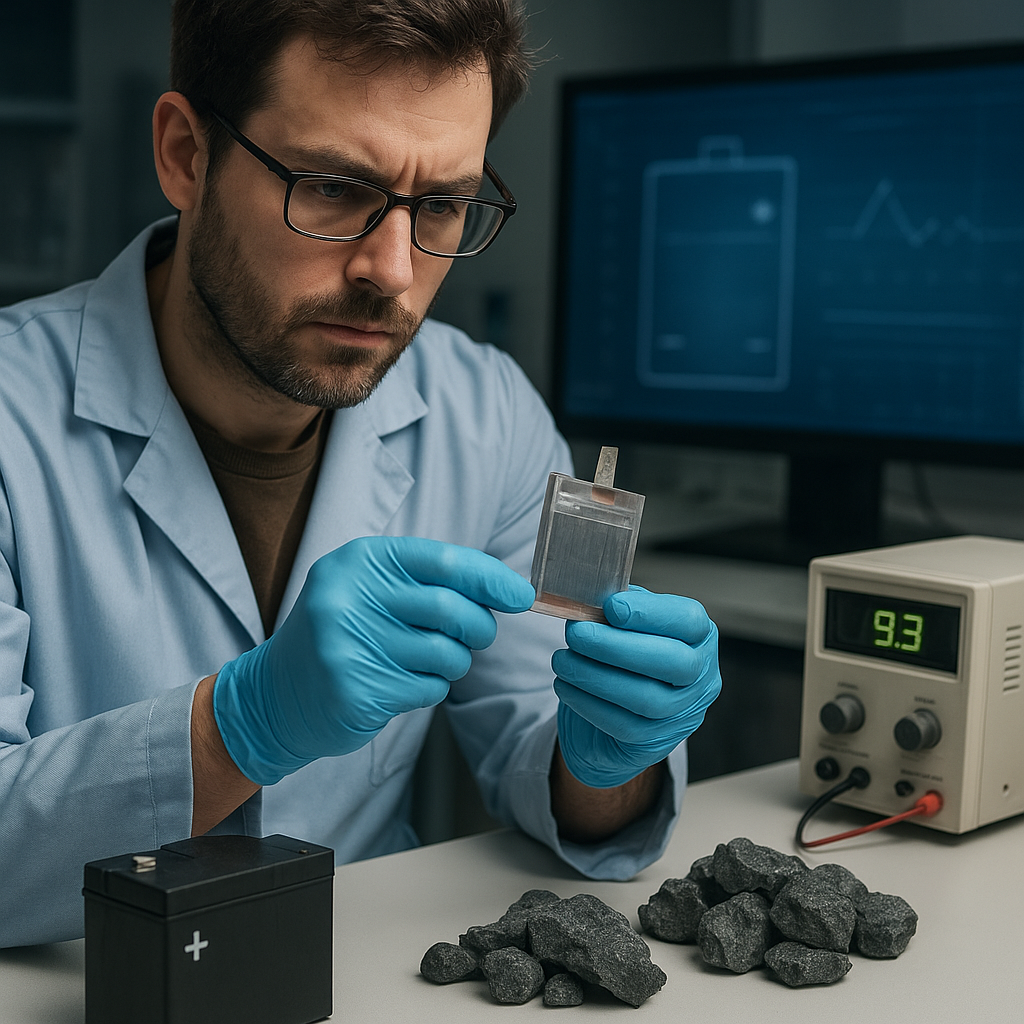
Next-generation energy storage technologies aim to reduce reliance on cobalt and nickel. Promising alternatives include:
- Sodium-ion batteries, leveraging globally abundant sodium and less cobalt dependency
- Solid-state batteries with lower critical metal content and enhanced safety profiles
- Organic redox flow systems, utilizing carbon-based electrolytes instead of metal-heavy compounds
Rare Earth-Free Electronics
Breakthroughs in semiconductor materials are enabling new device architectures that bypass rare earths for magnetic or phosphorescent functions:
- Organic light-emitting diodes (OLEDs) with purely organic emissive layers
- Magnetic shape-memory alloys that operate without lanthanides
- Flexible electronics based on graphene and other two-dimensional materials
Strategic Stockpiling and Diversification
To hedge against supply disruptions, governments are:
- Maintaining strategic reserves of critical metals
- Funding exploration of secondary deposits in underutilized mining regions
- Encouraging partnerships between mining companies and end-users for long-term off-take agreements
Outlook and Future Challenges
The interplay between technological progress and resource governance will define the trajectory of rare metal usage. Key challenges ahead include:
- Balancing rapid innovation with environmental and social impacts of mining activities
- Scaling pilot recycling methods to industrial volumes without quality losses
- Ensuring equitable access to critical materials for emerging economies
- Continuously updating regulatory frameworks to match the pace of innovation
Advancements in material science, combined with robust policy measures, hold the promise of significantly lowering metal intensity in high-tech applications. By prioritizing design for disassembly, investing in circular economy infrastructure, and exploring viable substitutes, industries can secure sustainable supply chains and reduce dependency on finite reserves. In doing so, they will pave the way for a more resilient and resource-efficient global economy.