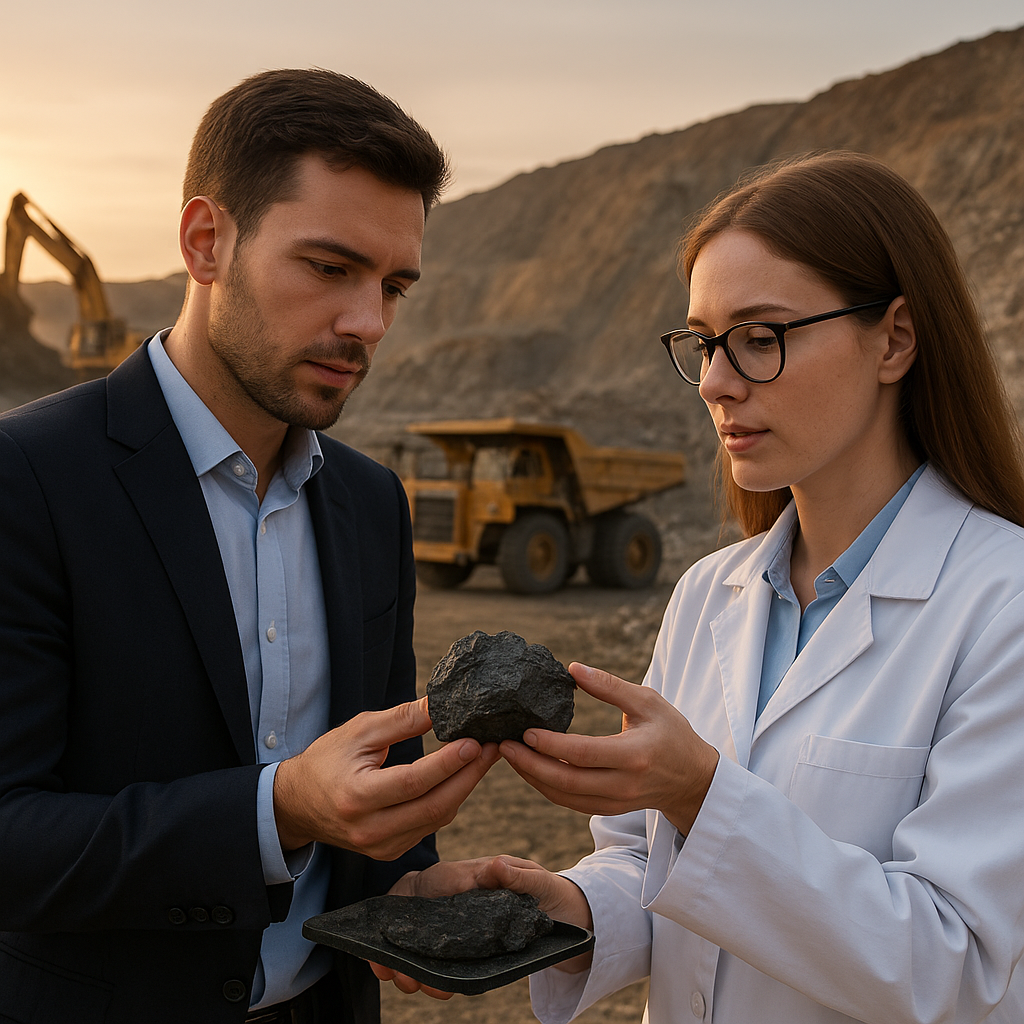
The global race for critical minerals is accelerating as emerging technologies and sustainable goals place unprecedented pressure on the supply of rare earths and other strategic elements. Innovative startups are stepping into this evolving arena to challenge traditional mining giants, leveraging cutting-edge science and digital tools to reshape how we source, process, and recycle the metals essential for the modern world. Their efforts promise to deliver more resilient, transparent, and environmentally responsible value chains.
Global Demand Dynamics for Rare Metals
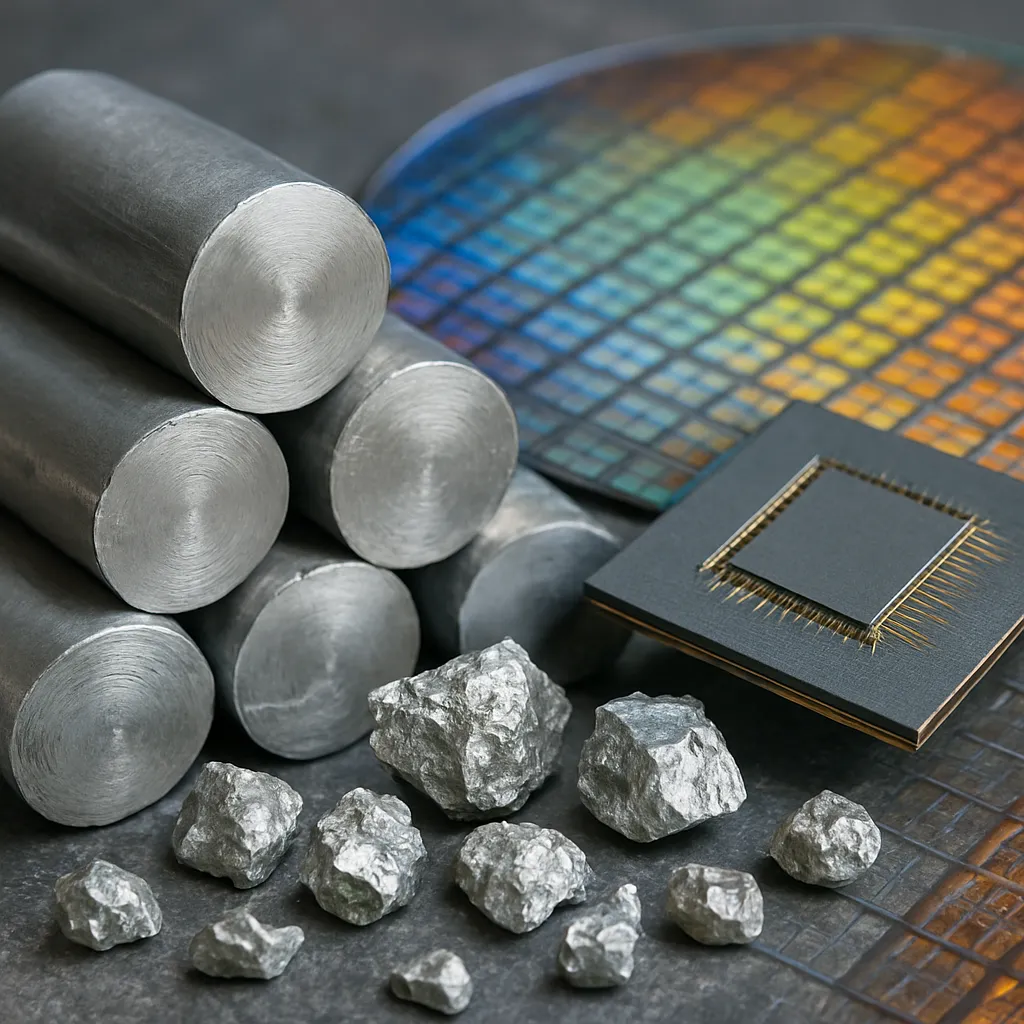
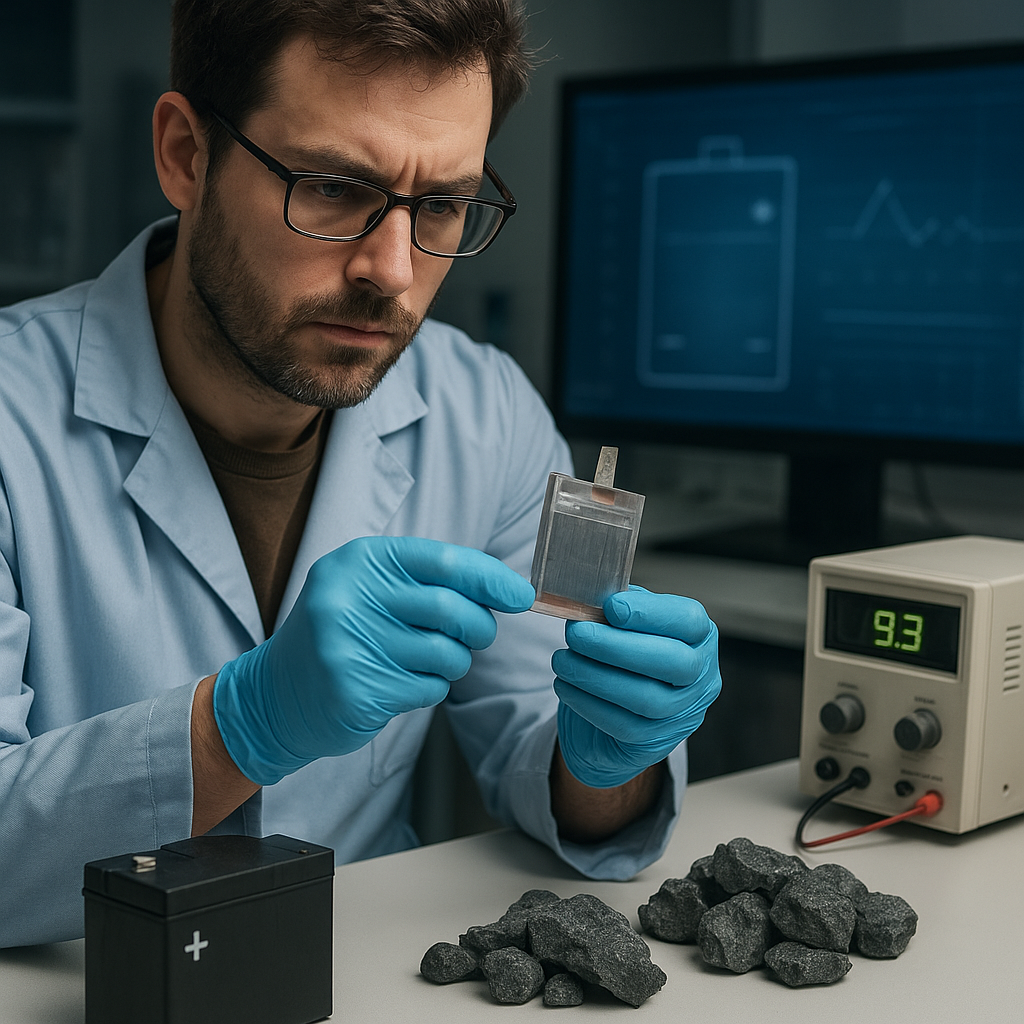
Across sectors such as electric vehicles, renewable energy, consumer electronics, and defense systems, demand for lithium, cobalt, nickel, and rare earths is surging. For example, the average electric vehicle battery pack uses dozens of kilograms of lithium and cobalt compounds, while wind turbine generators rely on neodymium and dysprosium alloys to produce powerful permanent magnets. As countries pursue ambitious decarbonization targets, demand trajectories look set to double or triple within a decade.
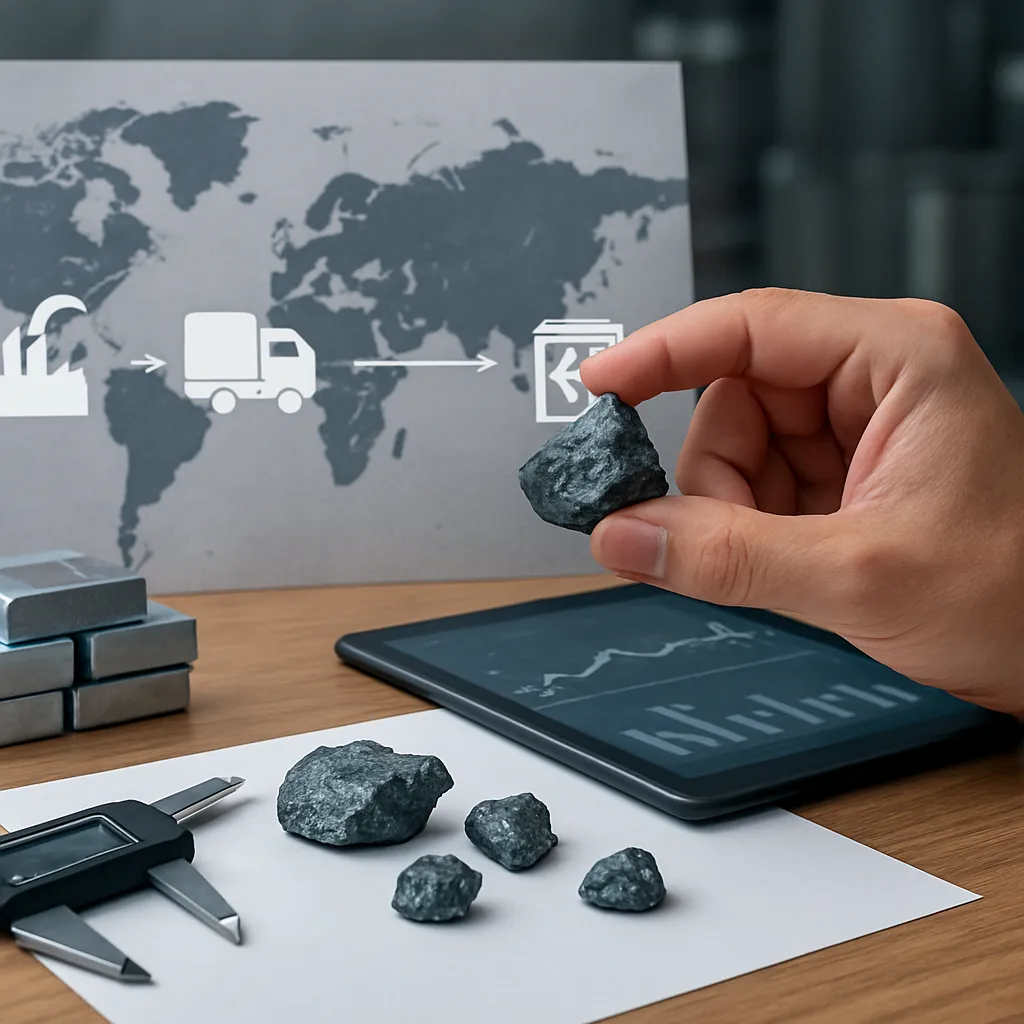
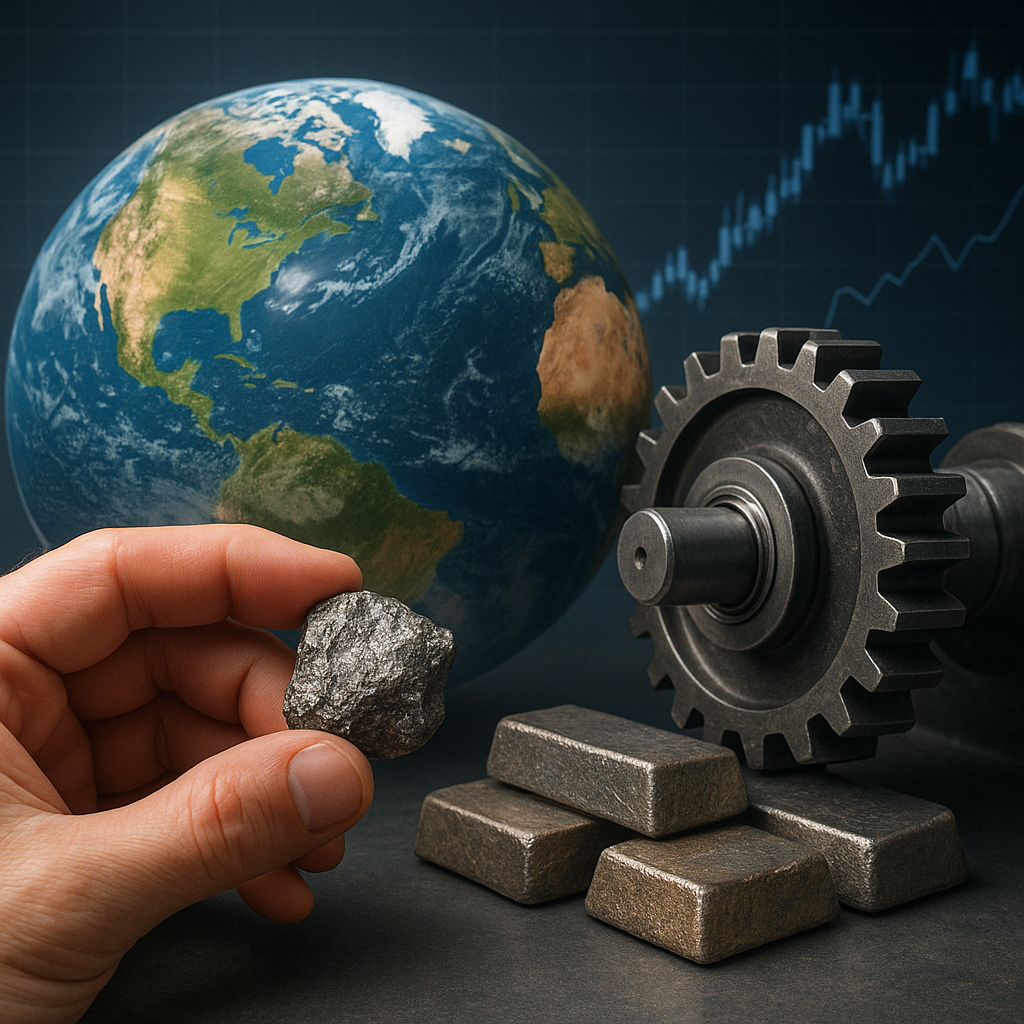
Yet supply remains concentrated in a handful of regions. About 70 percent of global rare earths production originates from one country, and less than 10 percent of primary lithium output comes from diverse global sources. This concentration poses strategic risks, from export restrictions to price volatility. Startups are positioning themselves to fill supply gaps by exploring new deposits, refining alternative feedstocks, and forging resilient networks so that the future rare metal ecosystem is less prone to bottlenecks.
Startup Innovations in Extraction and Processing
Recent years have witnessed a wave of entrepreneurial ventures applying novel extraction technologies to reduce environmental footprints and accelerate project timelines. Examples include:
- Hydrothermal leaching processes that bypass traditional roasting and acid digestion steps, cutting water use by up to 60 percent.
- Biomining techniques that employ engineered microbes to selectively bind and recover metals from low-grade ores and industrial waste streams.
- In-situ recovery methods, inspired by the oil and gas sector, pumping specialized fluids deep underground to dissolve target metals then pumping them to surface for separation.
Such approaches not only lower energy consumption but also mitigate tailings and landscape disruption. Meanwhile, some startups harness artificial intelligence and real-time sensing to optimize plant operations, predicting potential failures and adjusting reagent dosages on the fly. This convergence of digital and physical innovation heralds a new age of data-driven metallurgy.
Sustainable Sourcing and Recycling Strategies
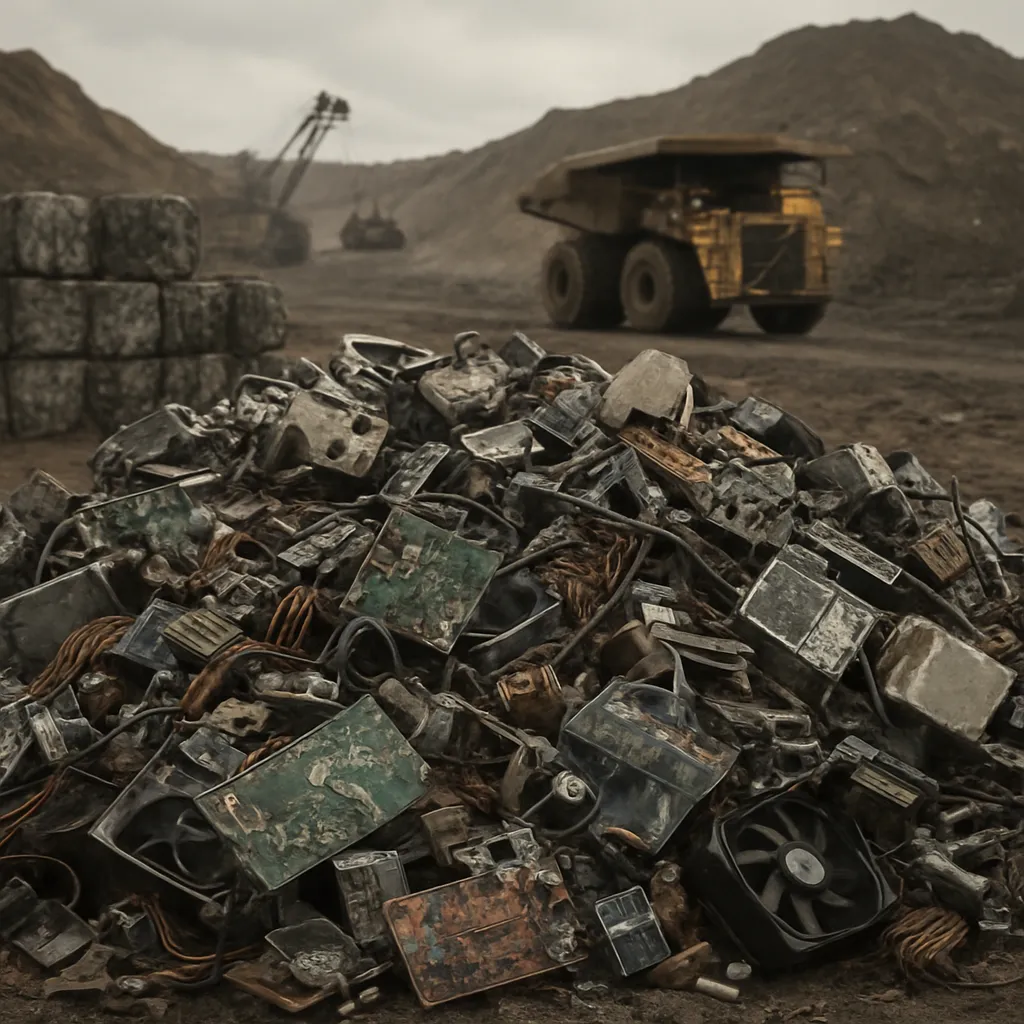
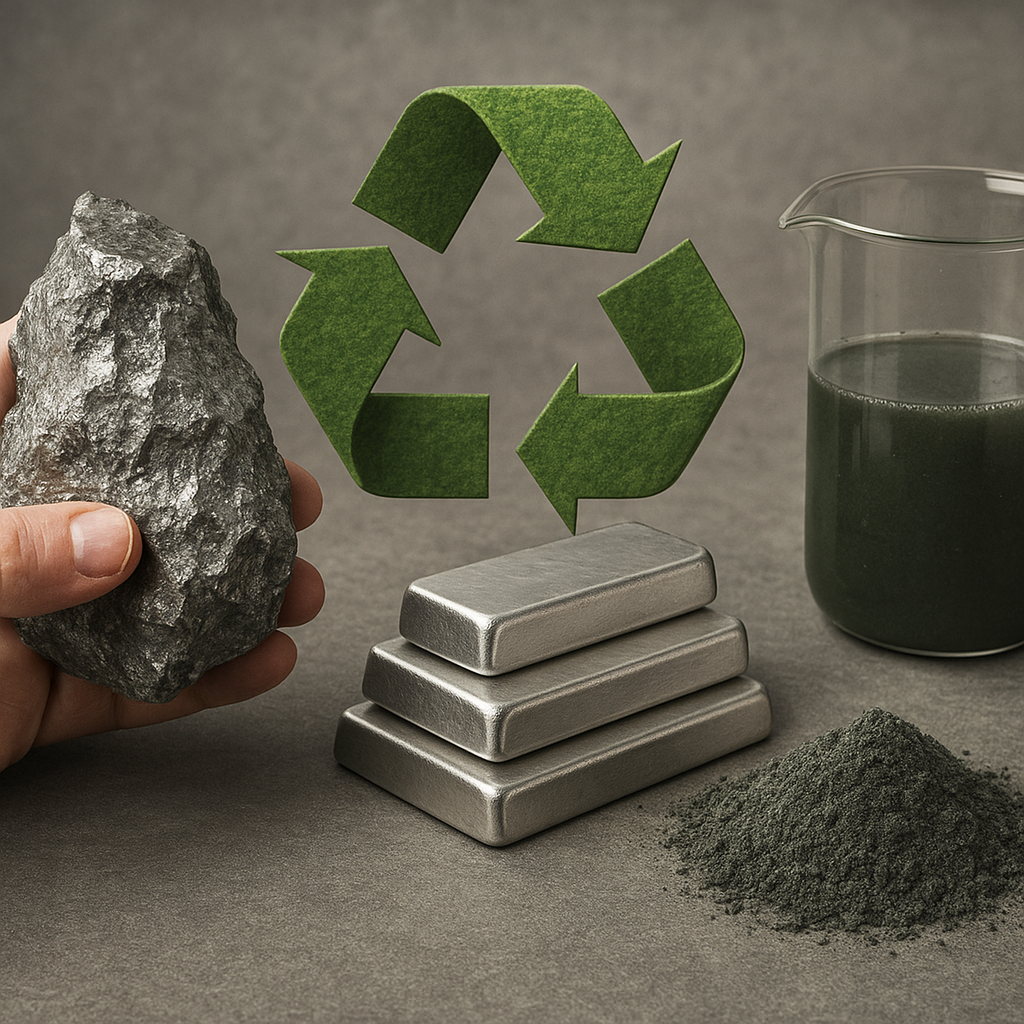
With concerns mounting over extraction impacts, a growing contingent of ventures focus on urban mining and circular design. By recovering critical elements from spent batteries, electronics, and industrial catalysts, these firms aim to reduce dependence on virgin mining. Key trends include:
- Modular recycling units that can be deployed near consumption centers to process batteries on site, reducing transport emissions.
- Advanced solvent extraction and ion-exchange resins that isolate individual metals with high purity and minimal chemical waste.
- Closed-loop partnerships between manufacturers and recyclers to ensure alloyed scrap returns to production quickly, reinforcing a circular economy.
Some startups even integrate blockchain-enabled traceability, allowing end users and regulators to verify the provenance of recovered metals. This transparency boosts stakeholder trust and unlocks green financing tied to stringent environmental and social governance criteria.
Geopolitical Implications and Emerging Markets
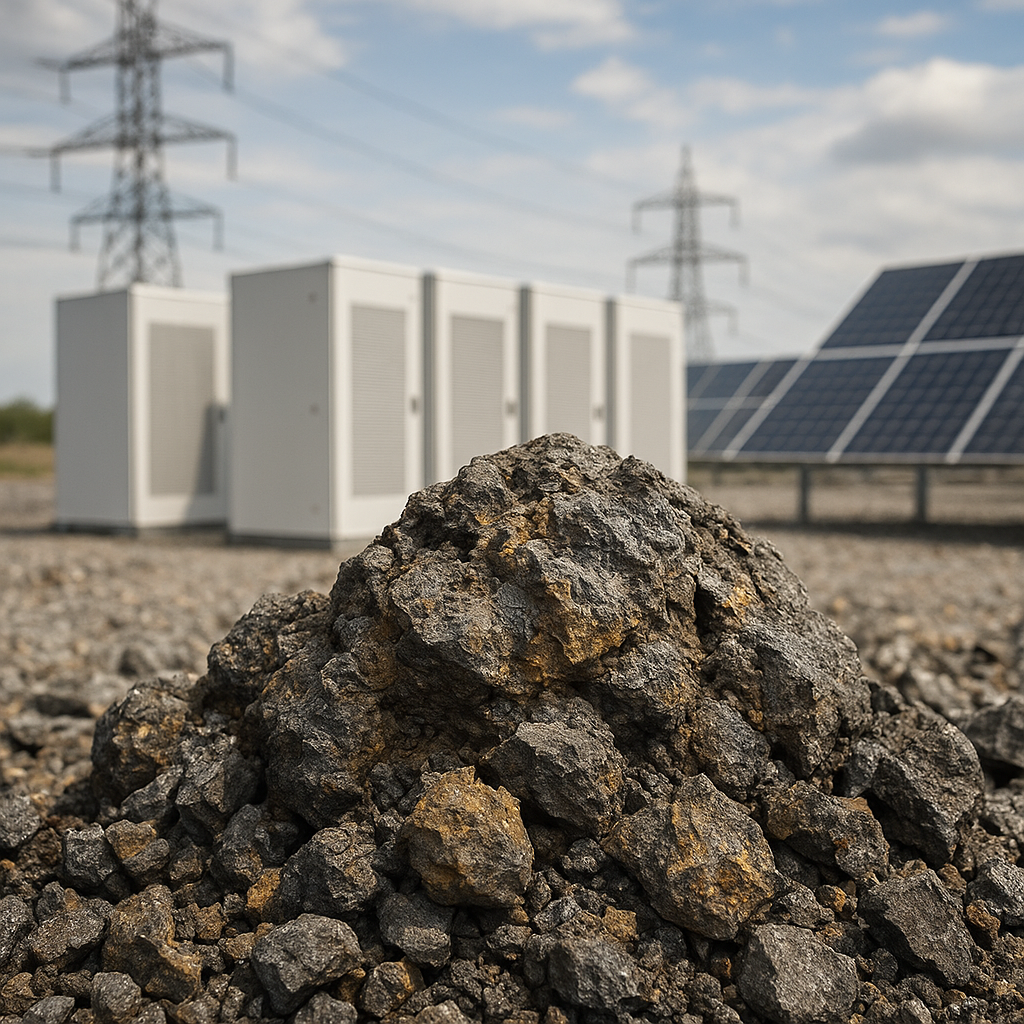
As strategic competition intensifies, governments are incentivizing domestic development of critical mineral supply chains. Startups in North America, Europe, Australia, and Africa are tapping both primary and secondary sources to diversify global flows. Initiatives range from exploring lithium brine deposits in underground saline aquifers to assessing deep-ocean nodules for cobalt, nickel, and manganese content.
However, deep-sea mining remains controversial due to potential ecological impacts. Smaller firms are collaborating with academic institutions to map seafloor biodiversity and develop minimal-impact collection techniques. Their findings could inform international regulations and set new environmental benchmarks for the industry.
Beyond extraction, the rise of localized refining and smelting facilities helps reduce reliance on long, complex supply chain corridors. By deploying compact, energy-efficient processing units closer to raw material sources, startups cut transport costs, lower carbon footprints, and spur regional economic development.
Future Outlook for the Rare Metal Industry
Looking ahead, the interplay between regulation, technology, and market forces will define the rare metal landscape. Startup pioneers are likely to:
- Scale up pilot projects into commercial operations that deliver competitive production costs without compromising environmental standards.
- Forge consortiums that share research, infrastructure, and logistical networks to accelerate deployment and de-risk exploration activities.
- Expand digital platforms for real-time monitoring of mine emissions, water usage, and social impact metrics, in service of stricter emissions and decarbonization goals.
As global attention on critical minerals intensifies, entrepreneurial agility and scientific breakthroughs will underpin the next wave of supply chain transformation. The convergence of sustainable design, advanced processing, and transparent governance promises a more resilient and equitable rare metal sector, one that can meet the mounting needs of a digitized, clean energy future.