The interplay between national security, economic growth, and environmental concerns has propelled rare metals into the forefront of modern policymaking. As governments grapple with the challenge of securing stable access to these indispensable resources, they are reshaping their priorities, legal frameworks, and international collaborations. This article examines how different countries are refining their approaches to critical minerals and rare metals, balancing supply risks and fostering innovation in an increasingly complex global arena.
Global Landscape of Critical Metals
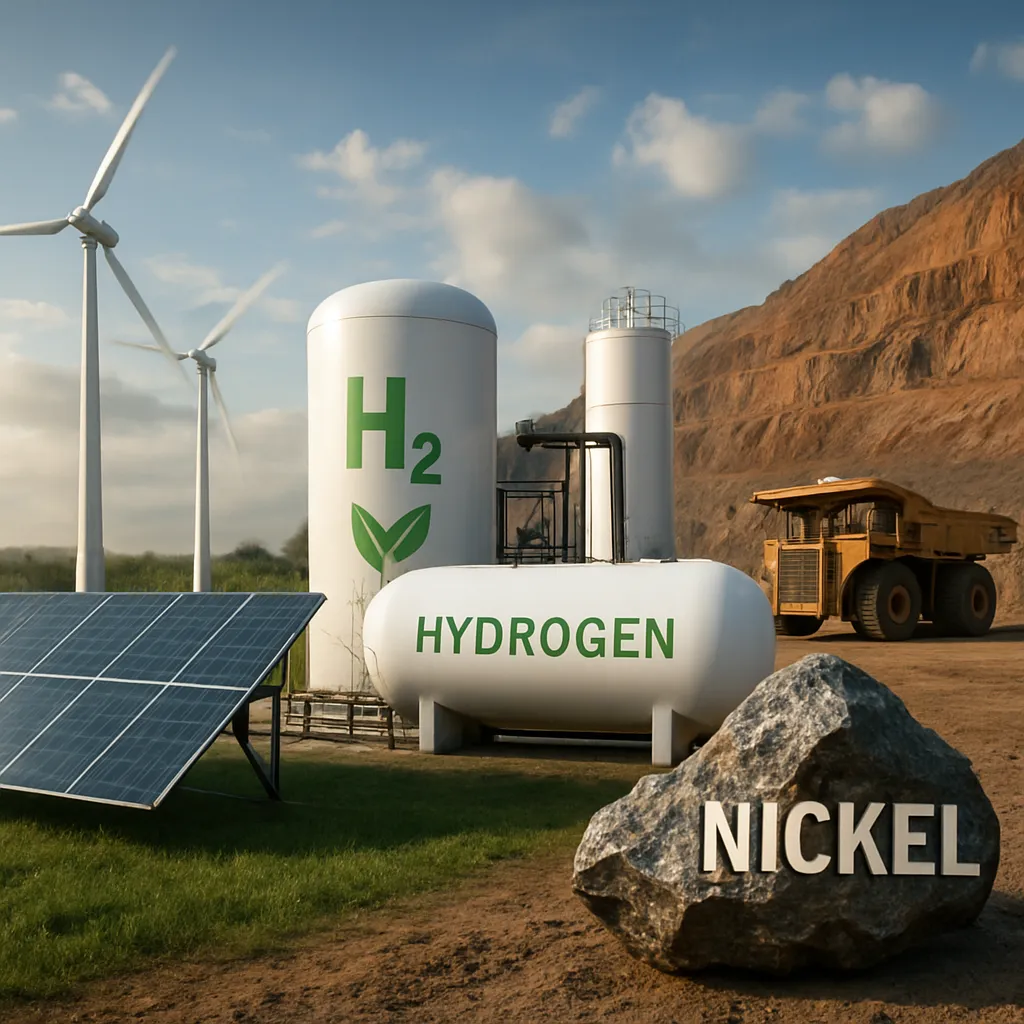
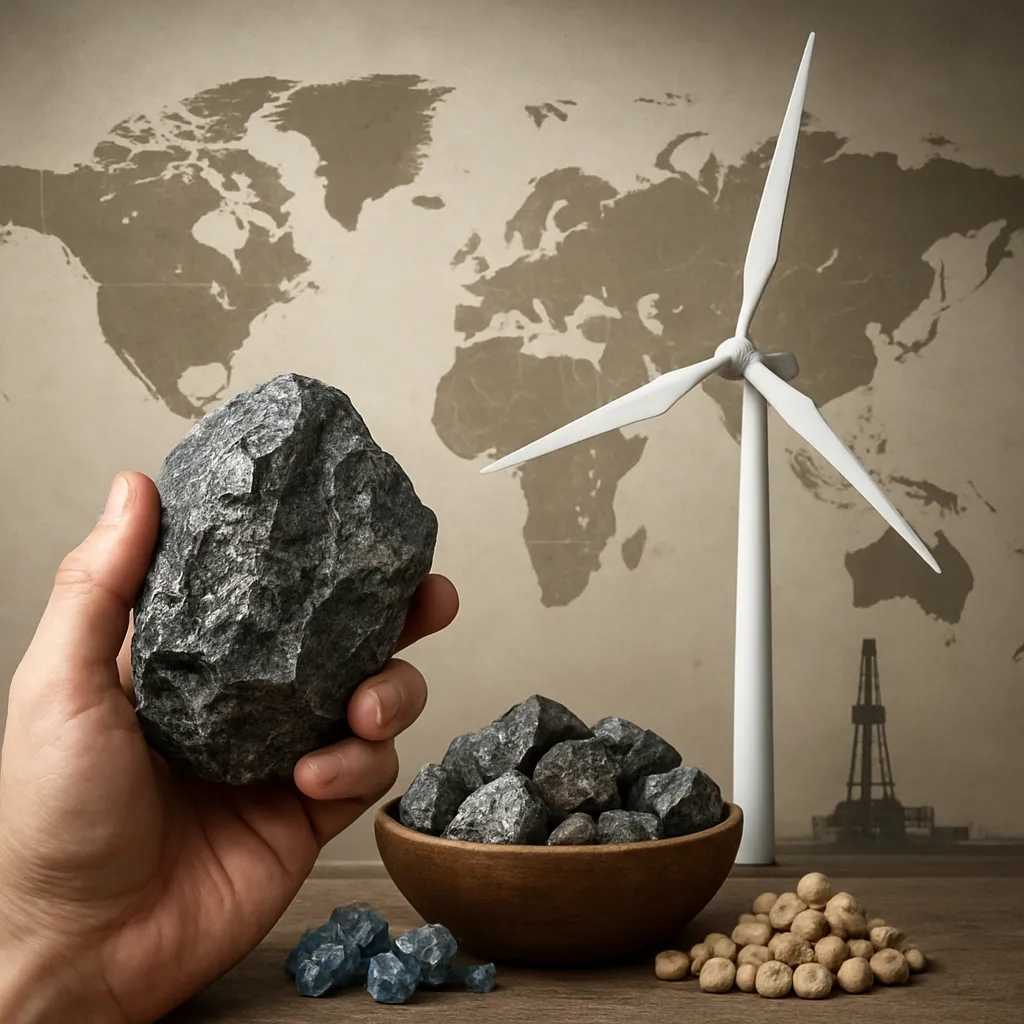
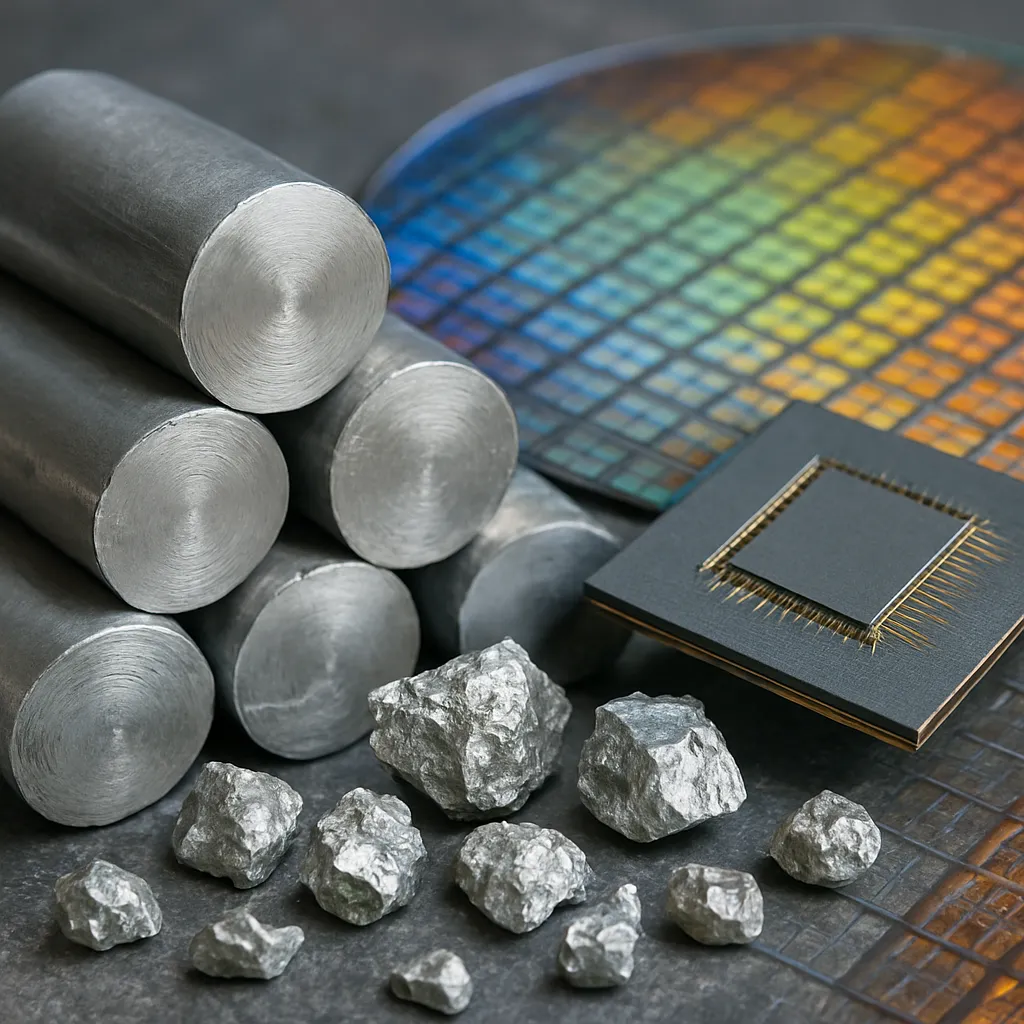
Rare metals—such as lithium, cobalt, nickel, and rare earth elements—are pivotal in manufacturing electric vehicles (EVs), renewable energy systems, and advanced electronics. The surge in clean energy projects and digital technologies has dramatically increased demand for these inputs over the past decade. While resource-rich nations can leverage their geological endowment, others find themselves dependent on imports or foreign investment in distant mines.
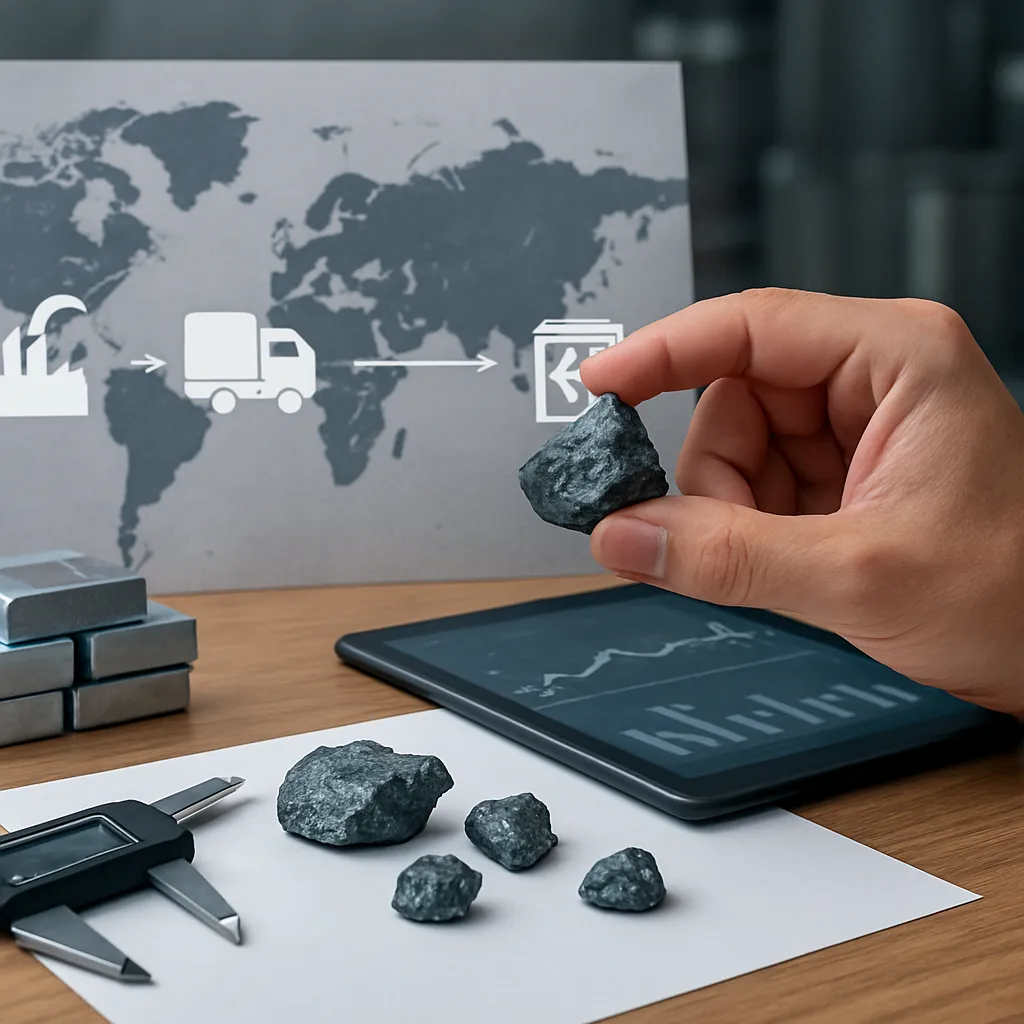
Resource nationalism, environmental activism, and community rights movements have added layers of complexity to extraction projects. In some cases, strict environmental regulations and social license requirements have slowed down new mine developments, prompting governments to explore alternatives like urban mining or recycling. At the same time, corporate entities are investing heavily in supply chain mapping and traceability solutions to ensure ethical sourcing and avoid disruptions due to geopolitical tensions.
National Strategies and Policy Frameworks
Faced with the threat of export controls and market volatility, many governments have unveiled comprehensive strategy documents outlining their vision for critical minerals. These plans typically encompass:
- Assessment of domestic resource potential and geological surveys
- Incentives for exploration, extraction, and processing activities
- Research funding for alternative materials and substitution
- Strengthening of stockpiling and strategic reserves
- International partnerships to diversify import sources
China’s approach, for instance, combines vertical integration—from ore mining to refining—with preferential policies for downstream manufacturers. Meanwhile, the European Union has prioritized supply chain resilience through the European Raw Materials Alliance, fostering cooperation between member states and private enterprises. In North America, both the United States and Canada have launched initiatives to streamline permitting processes and fund demonstration projects for battery metals processing.
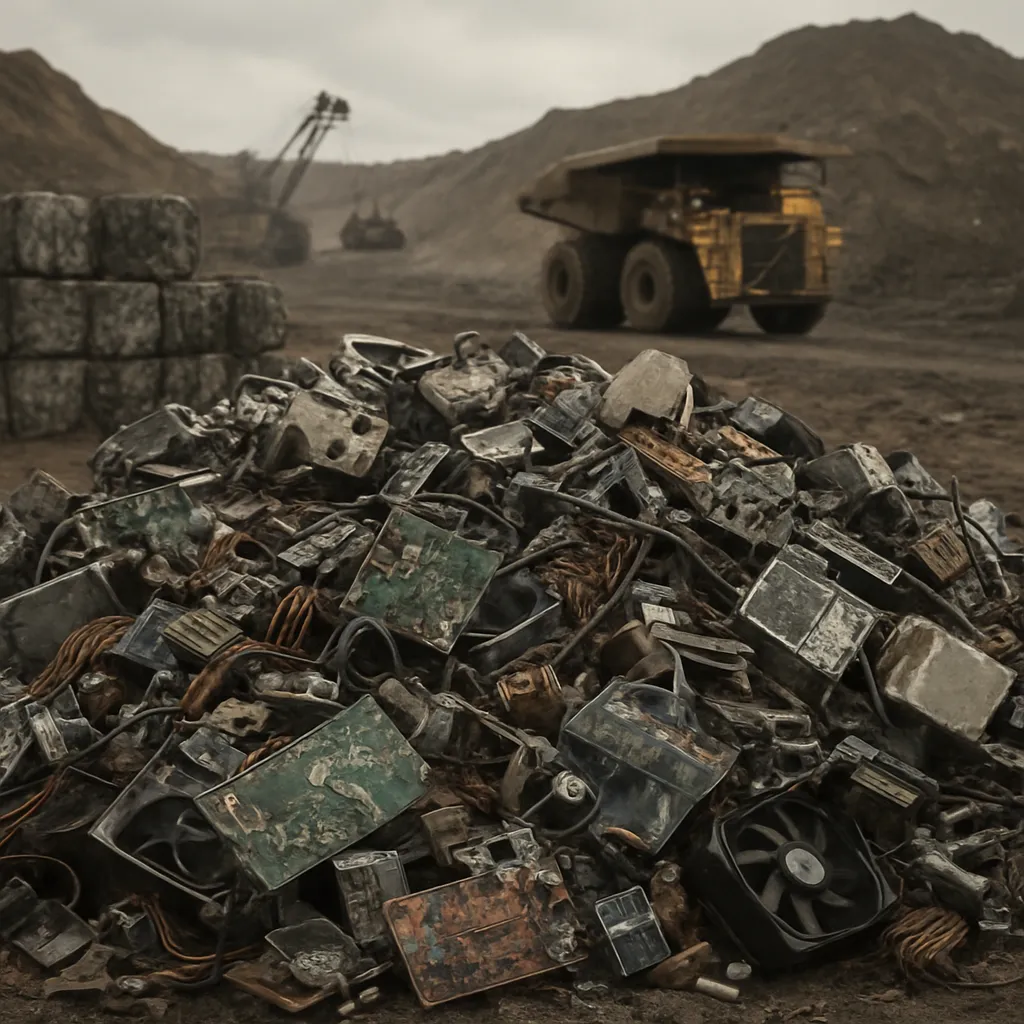
Notably, some countries are adopting circular economy principles, aiming to recover metals from end-of-life products. This pivot towards recycling not only reduces environmental impact but also curbs reliance on primary extraction. Innovative legislative tools—such as extended producer responsibility (EPR) schemes—are setting the stage for more sustainable material flows.
Technological Innovation and the Future of Rare Metals
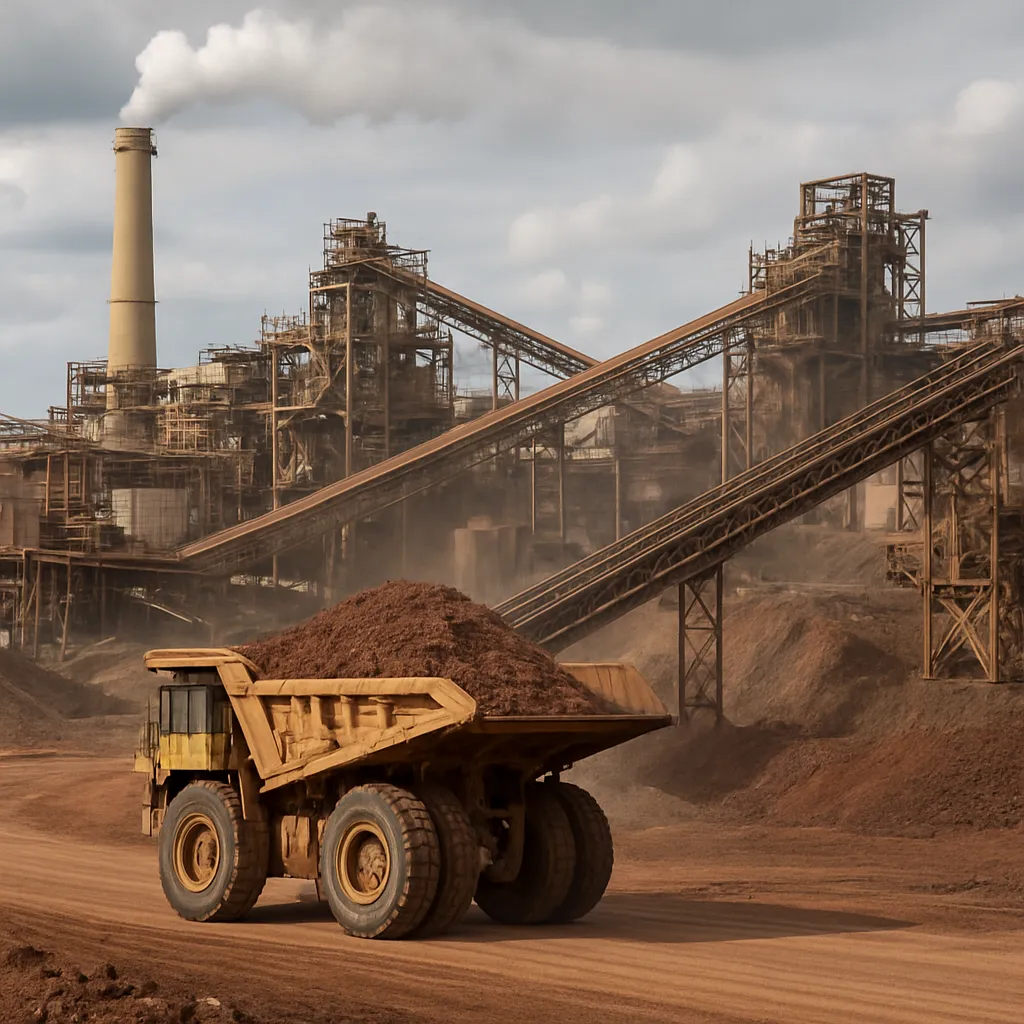
Advancements in mining technologies and metallurgical processes are redefining what is economically viable. Automated drilling rigs, data-driven exploration using satellite imagery, and AI-driven predictive models have accelerated the discovery of new deposits. On the processing side, hydrometallurgical techniques and solvent extraction methods are improving recovery rates while cutting energy consumption.
Emerging technologies such as direct lithium extraction (DLE) have the potential to revolutionize brine resource development by boosting yield and reducing water usage. Pilot projects across South America’s lithium triangle are already demonstrating promising results. Additionally, firms are experimenting with bioleaching—using microbes to extract metals from low-grade ores—which could unlock deposits previously deemed uneconomical.
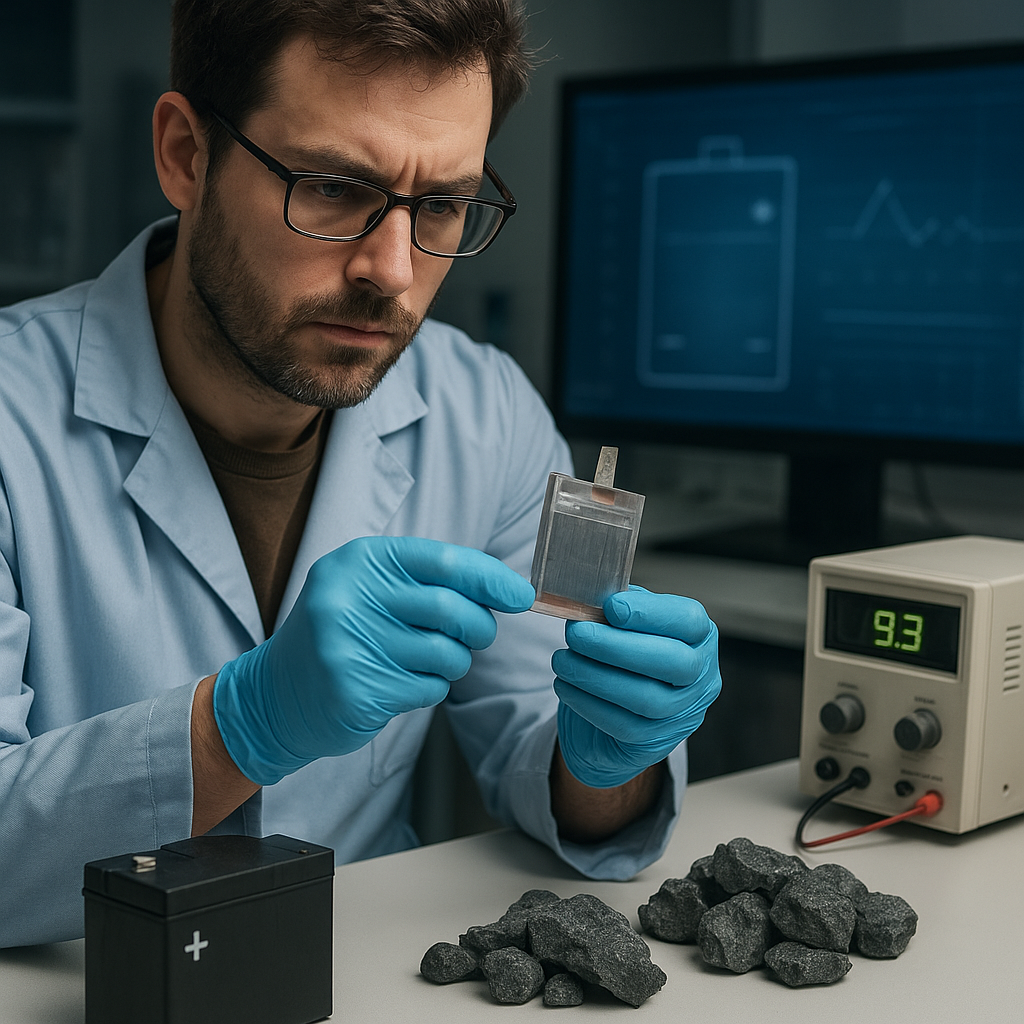
Innovation extends to end-use applications as well. Next-generation battery chemistries that reduce cobalt content or substitute rare earths with more abundant elements are under intense research. If successful, these breakthroughs could ease pressure on current suppliers and reshape global trade patterns.
Geopolitical Dynamics and Collaborative Ventures
Control over critical minerals has become an instrument of geopolitical leverage. Export restrictions, tariffs, and stockpiling measures are increasingly wielded to achieve strategic objectives. In response, targeted coalitions have emerged to counterbalance single-source dependencies.
For example, a trilateral pact between the United States, Japan, and Australia aims to facilitate joint investments in processing facilities and streamline export protocols. Similarly, the African Rare Earths Association seeks to position the continent as a reliable and transparent provider, attracting global capital while ensuring local value addition. These alliances emphasize mutual trust, shared standards, and compliance with environmental and human rights benchmarks.
Beyond bilateral and multilateral agreements, cross-border research consortia are exploring new frontiers in extraction, recycling, and material substitution. Such collaborations not only distribute project risk but also accelerate the commercialization of breakthrough sustainability solutions.
Challenges and Opportunities Ahead
Despite the momentum, several hurdles remain. Project financing for mine development faces headwinds from shifting investor sentiment and tightening environmental, social, and governance (ESG) criteria. Community opposition, legal disputes over land rights, and regulatory unpredictability can delay or derail even the most promising ventures. At the same time, the rapid pace of technological change demands continuous adaptation of workforce skills and infrastructure.
However, the transition to a low-carbon economy presents immense opportunities. Scaling up domestic production capabilities can create jobs, foster technological expertise, and reduce geopolitical risk. Diversifying supply chains and boosting recycling rates will further enhance national supply security. Ultimately, the countries that integrate robust policy frameworks with agile innovation ecosystems are best positioned to lead in the evolving domain of rare metals.
Conclusion
National strategies for critical minerals are no longer static blueprints but adaptive roadmaps that evolve with market signals, technological breakthroughs, and geopolitical shifts. By weaving together exploration, processing, recycling, and international partnerships, governments can build comprehensive value chains that strengthen economic competitiveness while safeguarding environmental integrity. The journey towards a stable and sustainable rare metals landscape demands ongoing collaboration, forward-looking strategy, and a shared commitment to resilient supply systems.