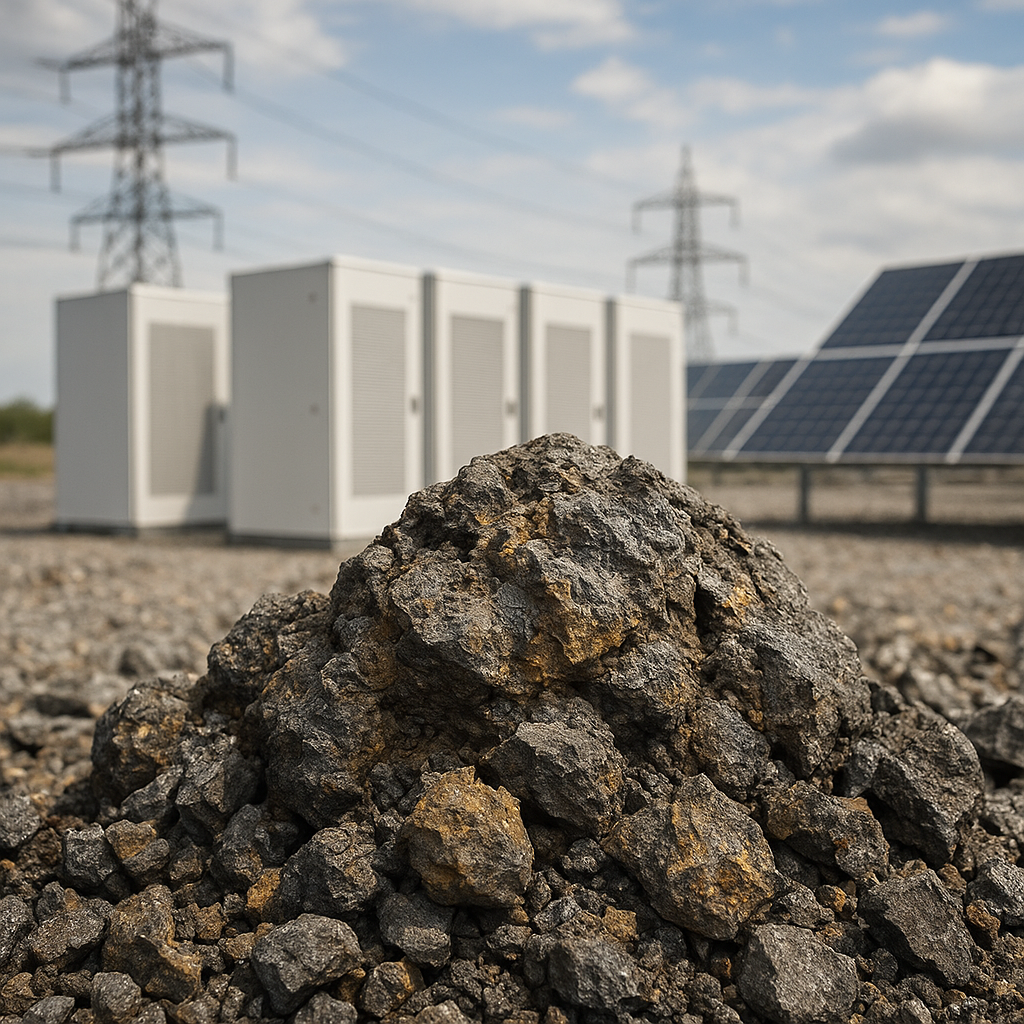
The global demand for critical materials has surged dramatically, driven by the expansion of clean energy technologies, advanced electronics, and emerging defense applications. Ensuring a stable supply and resilience of strategic metals is not only an economic imperative but also a matter of national security and environmental sustainability. Effective cooperation among governments, industry stakeholders, and research institutions can mitigate market volatility and foster long-term stability across rare metals sectors.
Understanding Market Dynamics and Supply Chain Vulnerabilities
The prices of rare earth elements and other critical metals such as lithium, cobalt, and nickel have historically exhibited significant swings, reflecting the concentrated nature of their production and the sensitivity of output to geopolitical factors. Several factors contribute to these dynamics:
- Concentration of Production: Over 80% of global rare earths are produced in a handful of countries, creating supply risks when policies or infrastructure challenges arise.
- Export Restrictions: Trade measures, such as quotas and tariffs, can trigger sharp price spikes and generate market uncertainty.
- Demand Surges: Rapid growth in sectors like electric vehicles (EVs) and renewable energy accelerates consumption, outpacing new mining and processing capacity.
- Environmental Regulations: Stringent rules on mining waste and emissions may limit output unless alternative methods and recycling practices are developed.
These vulnerabilities underscore the need for diversified supply chains and mechanisms to absorb shocks. When a major mine faces closure or a logistic corridor is disrupted, the reverberations can be felt globally within days, affecting production costs and investment decisions.
International Frameworks and Collaborative Mechanisms
Establishing robust multilateral frameworks is essential for achieving market stability. International organizations, such as the International Energy Agency (IEA) and the World Trade Organization (WTO), can facilitate dialogue and transparency on critical metals policies. Key initiatives include:
- Information Sharing Platforms: Regular reporting on production volumes, stockpiles, and trade flows helps market participants anticipate shortages or surpluses. Enhanced data collection can lower speculative pressures.
- Strategic Reserves: Coordinated development of national or regional reserves of essential metals can act as a buffer against short-term supply shocks. Similar to oil reserves, these stockpiles would be released under predefined market stress conditions.
- Joint Research Programs: Collaborative efforts on exploration, sustainable extraction, and processing techniques can reduce environmental footprints and expand global output. Pooling research funds accelerates breakthroughs in bioleaching and advanced separation processes.
- Trade Agreements: Incorporating critical metals chapters into free trade agreements can ensure tariff-free access to key materials and promote mutual dependence that deters unilateral export bans.
By binding commitments under international law, these measures can promote governance standards, encourage responsible sourcing, and strengthen market predictability.
Innovation, Recycling, and Circular Economy Approaches
Technological progress plays a pivotal role in enhancing supply security of rare metals. Emphasizing innovation and sustainability in material cycles can reduce reliance on primary mining. Important strategies include:
- Urban Mining: Recovering metals from electronic waste (e-waste) and end-of-life batteries represents a rapidly growing opportunity. Advanced hydrometallurgical and pyrometallurgical techniques can extract up to 90% of metals from discarded products.
- Substitution Research: Development of alternative materials and novel alloys reduces demand for the most critical elements. For instance, research into sodium-ion batteries and ferrite magnets aims to minimize dependence on cobalt and neodymium.
- Process Optimization: Enhancing ore beneficiation and refining processes improves yields, lowering the energy and water requirements per ton of output. Digital tools such as AI-driven ore sorting are becoming increasingly prevalent.
- Life-Cycle Assessments: Standardized environmental accounting enables manufacturers and policymakers to make informed choices that balance economic benefits with ecological impact.
Integrating these innovations within a circular economy framework not only alleviates pressure on virgin resources but also fosters new industries and job creation in recycling and remanufacturing sectors.
Policy Instruments and Regional Cooperation
National policies and regional alliances can complement global efforts by tailoring responses to local contexts and fostering diversification. Examples of policy tools include:
- Export Credit Facilities: Providing insurance and financing for companies investing in extraction and processing projects abroad reduces investment risks and encourages the development of alternative supply bases.
- Environmental and Social Standards: Harmonized regulations across borders discourage “race to the bottom” practices and ensure ethical supply chains, addressing community impacts and human rights concerns.
- Tax Incentives and Subsidies: Targeted incentives for recycling infrastructure, research institutions, and mine rehabilitation efforts align private interests with public goals.
- Regional Consortia: Groups of countries with complementary mineral endowments can share logistical networks—such as rail, port, and pipeline infrastructure—to lower transportation costs and reduce bottlenecks.
By forging alliances—whether among EU member states, the Association of Southeast Asian Nations (ASEAN), or North American partners—nations create a more resilient and secure supply base for critical metals. These arrangements also foster trust, lowering the probability of abrupt trade restrictions.
Financing Mechanisms and Private Sector Engagement
Mobilizing capital is crucial to scale up sustainable mining and processing operations. International financial institutions and development banks can:
- De-risk Projects: Partial risk guarantees and blended finance facilities encourage private investors to enter frontier mining regions.
- Green Bonds: Issuing bonds tied to environmental performance metrics funds low-impact extraction projects and recycling plants.
- Public-Private Partnerships: Collaboration with industry leaders ensures that cutting-edge technologies reach commercialization faster, bridging the gap between lab-scale innovation and full-scale deployment.
Engaging the private sector in transparent frameworks helps align commercial incentives with broader strategic objectives, ensuring long-term market stability.
Building Trust Through Transparency and Capacity Building
At the core of any successful cooperative effort lies mutual trust. Key actions to reinforce confidence among stakeholders include:
- Third-Party Audits: Independent verification of mine output, environmental compliance, and reserve data reduces information asymmetry.
- Training and Knowledge Transfer: Capacity-building programs in developing countries enhance local expertise in exploration, geoscience, and metallurgy.
- Inclusive Dialogue: Facilitating multistakeholder platforms—bringing together governments, civil society, indigenous communities, and industry—ensures that all voices shape policy design.
Through consistent collaboration and shared objectives, global actors can transform the market landscape from one defined by unpredictability to one characterized by steady growth and sustainability.