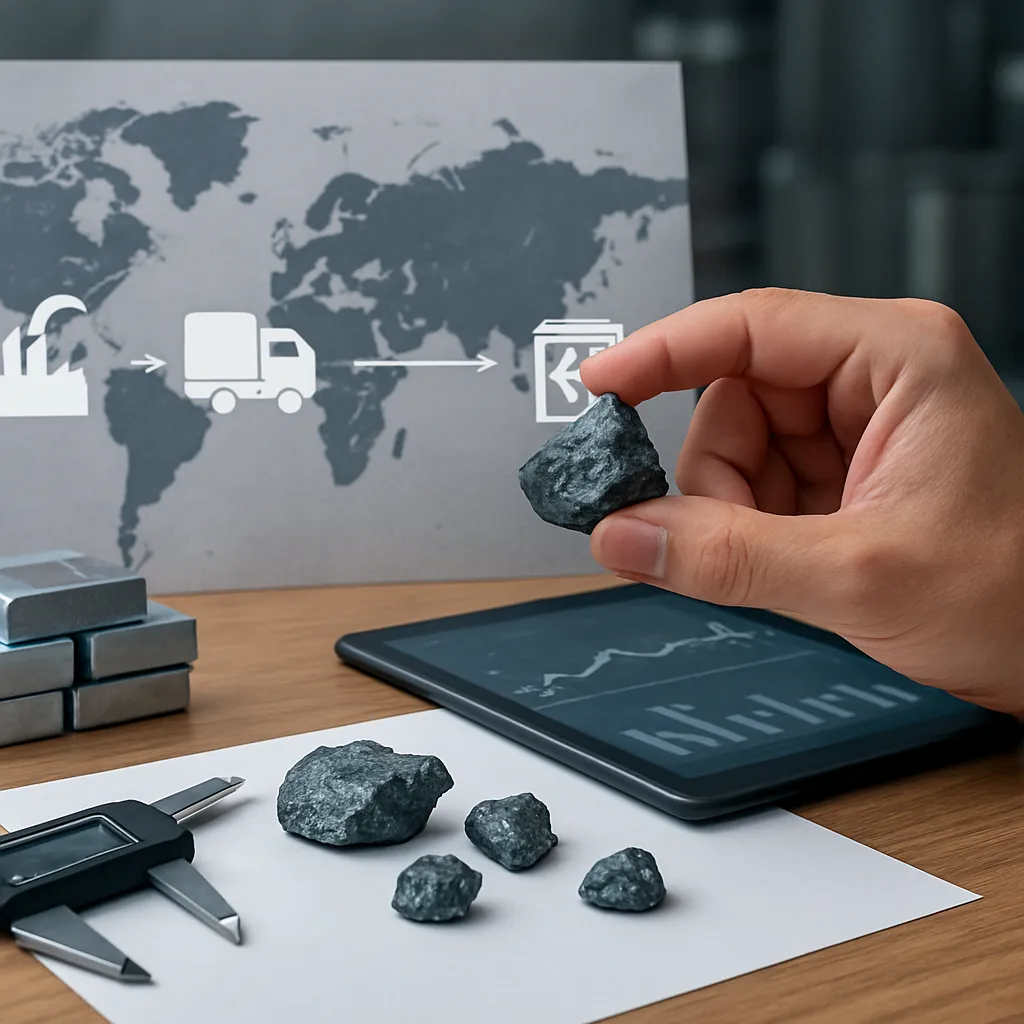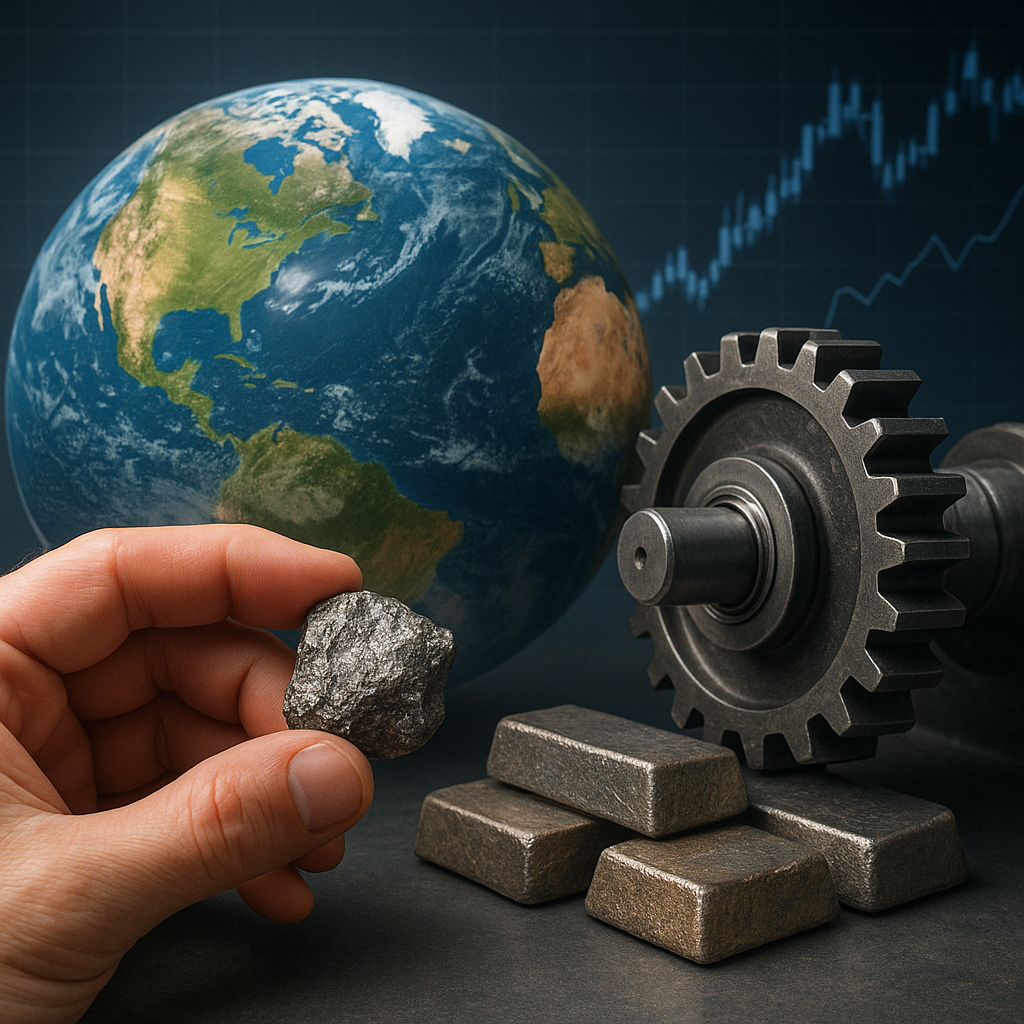
Governments around the world are quietly amassing vast reserves of rare metals and other critical materials to safeguard their supply chains and maintain a strategic edge. This trend has gained momentum amid rising geopolitical tensions, rapid technological innovation, and growing concerns about resource scarcity. From lithium and cobalt to nickel and rare earth elements, nations are deploying diverse strategies to secure their future access to these indispensable inputs. The following sections explore the driving forces behind this phenomenon, the leading players, the operational challenges, and the potential paths ahead.
Global Demand and Strategic Imperatives
An Unprecedented Surge in Technology Needs
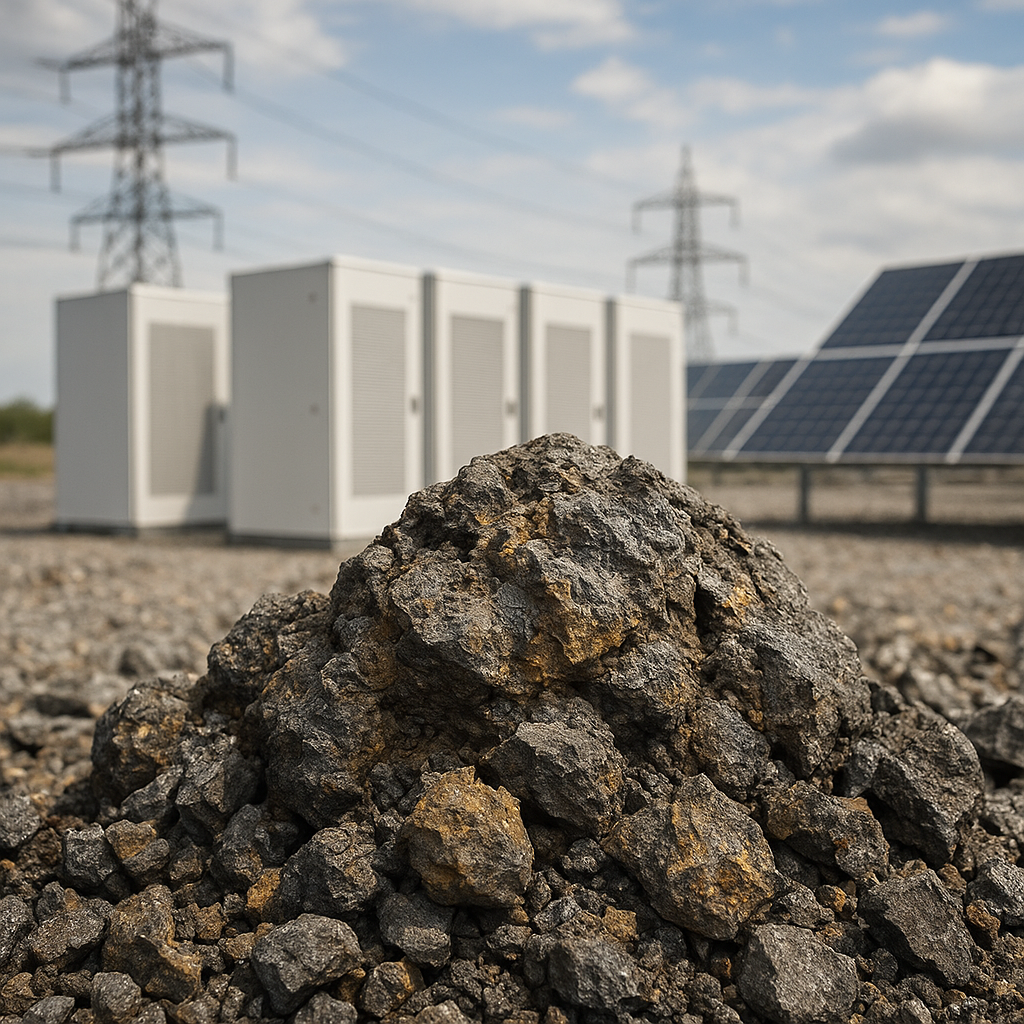
The proliferation of electric vehicles, renewable energy installations, and advanced electronics has ignited an unprecedented demand for battery-grade metals such as lithium and cobalt. Meanwhile, the defense sector’s reliance on specialized alloys and magnetic components made from rare earth elements has further underscored the necessity of maintaining robust stockpiles. Nations recognize that control over these materials translates directly into geopolitical leverage, enabling them to influence global markets and diplomatic outcomes.
National Security and Economic Stability
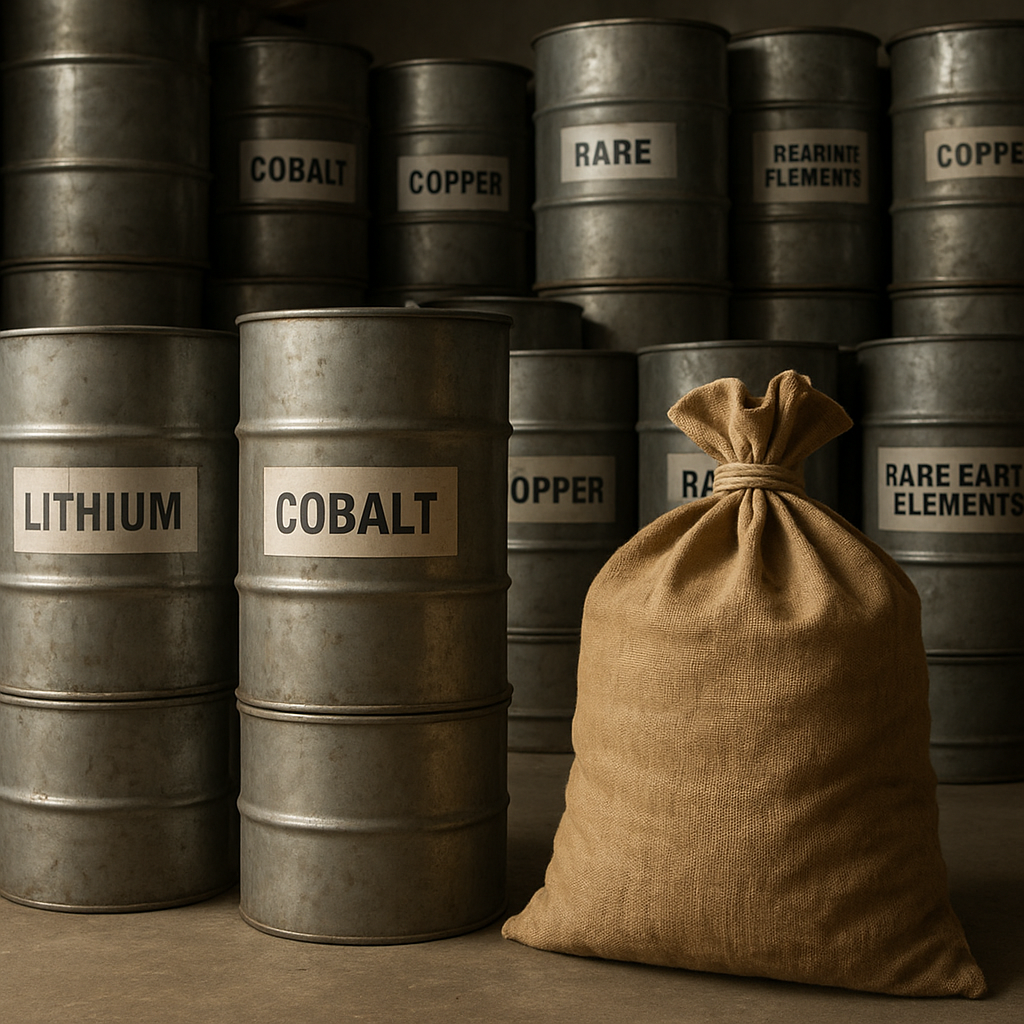
Stockpiling critical resources falls at the intersection of national security and economic policy. Interruptions in the supply of these minerals can trigger cascading effects: factory shutdowns, price volatility, and supply chain disruptions. Governments are therefore creating strategic reserves to buffer against sudden embargoes, export restrictions, or logistical bottlenecks. Such reserves serve as insurance in times of crisis, ensuring that essential industries—from automotive manufacturing to military hardware production—remain operational.
- Energy transition metals (lithium, nickel, cobalt)
- Rare earth elements (neodymium, dysprosium, terbium)
- Precious metals for electronics (palladium, platinum)
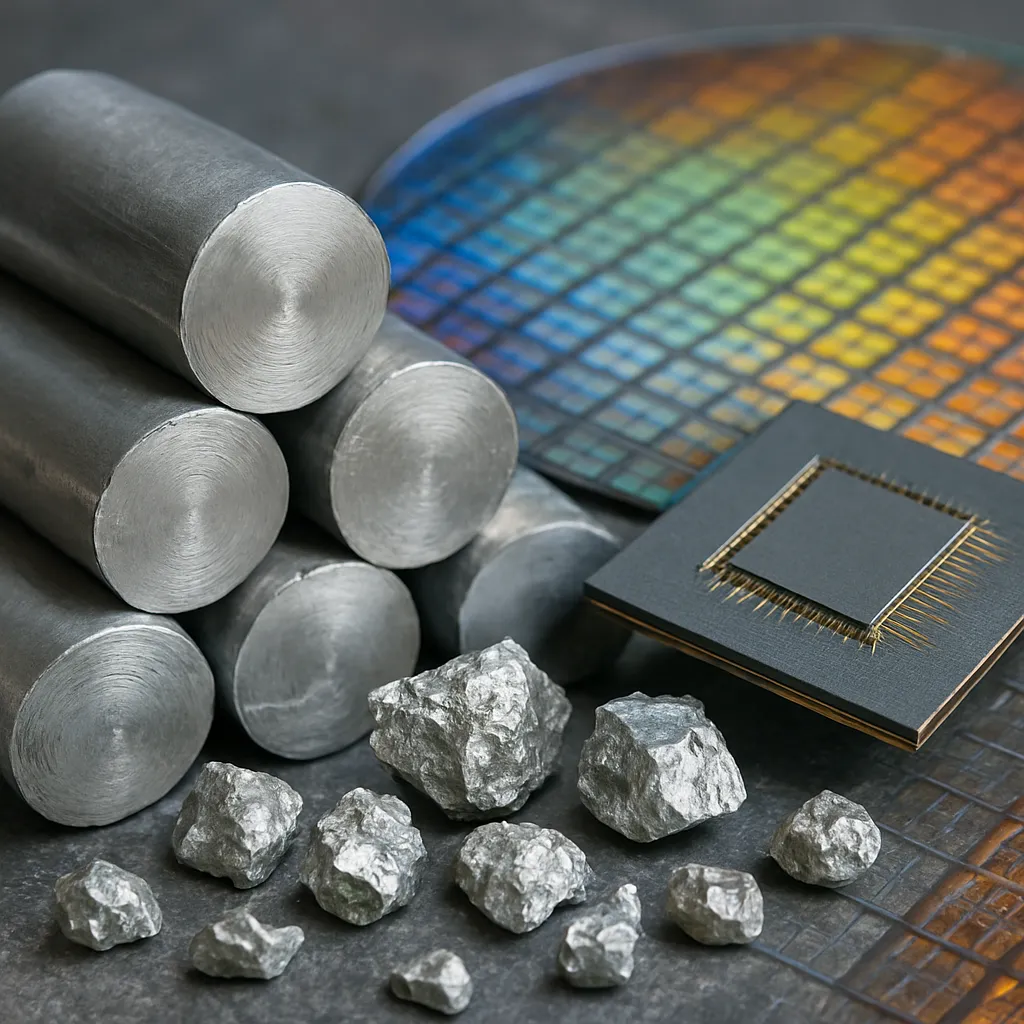
- Specialty alloys and high-purity silicon
Major State Actors and Stockpiling Mechanisms
China’s Integrated Approach
China stands at the forefront of critical materials acquisition. Leveraging state-backed firms, the government has secured mining rights worldwide, particularly in Africa, Latin America, and Australia. Simultaneously, it maintains large domestic reserves and invests heavily in refining capacity, thereby controlling every stage from extraction to processing. This integration yields a vertically coordinated supply chain that can be flexibly deployed to meet both economic and strategic objectives.
United States: Rebuilding Resilience
For years, the United States relied on foreign sources for much of its rare metals, exposing itself to potential supply disruptions. Recent policy shifts aim to reverse that trend. Through legislative measures and public–private partnerships, the U.S. government is:
- Reopening dormant mines rich in nickel and cobalt.
- Investing in domestic processing facilities for rare earth elements.
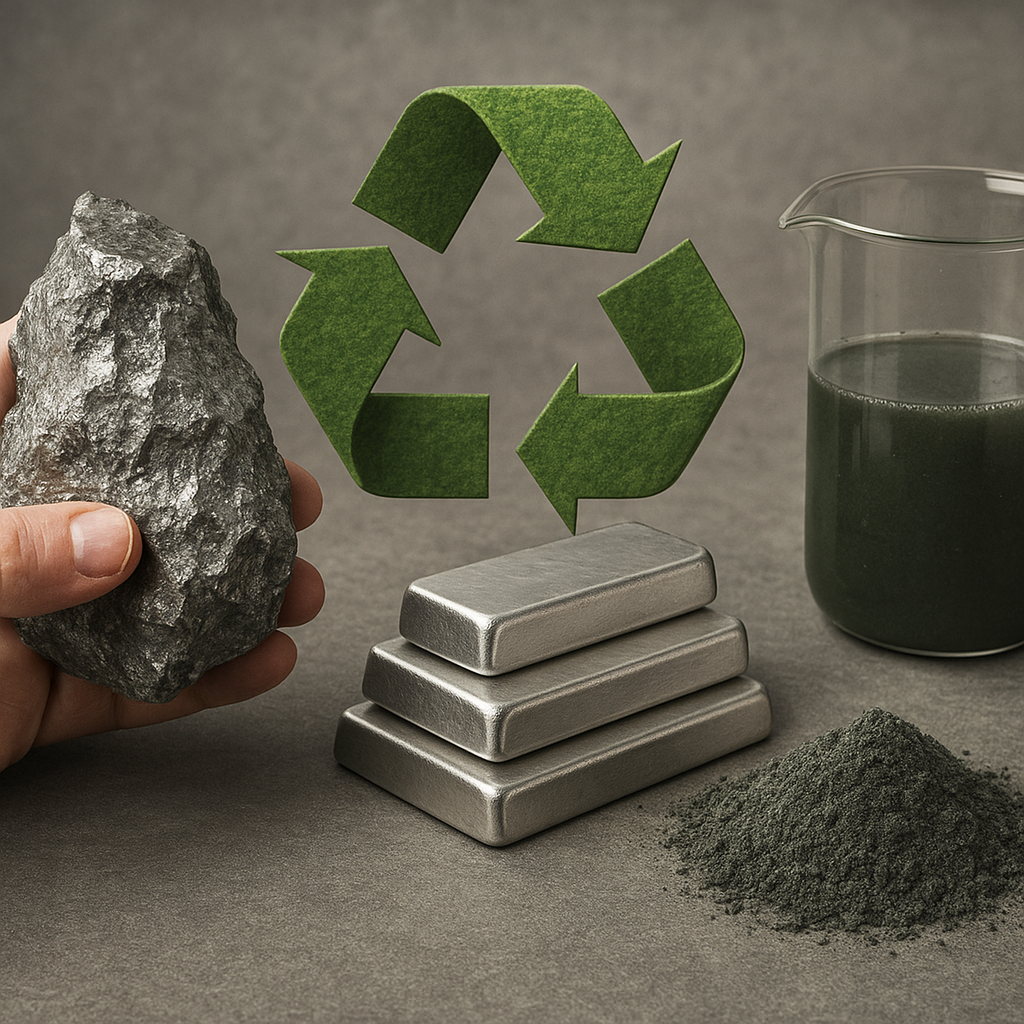
- Encouraging recycling and urban mining of electronic waste.
- Forming alliances with like-minded countries to diversify imports.
These efforts reflect a broader push toward decarbonization and technological sovereignty, reducing dependence on single suppliers and scenarios of scarcity.
European Union: Coordinated Stockpile Initiatives
The European Union has adopted a collective strategy for securing strategic materials. Through the European Raw Materials Alliance (ERMA), member states pool resources and coordinate research into alternative supply sources and substitution technologies. Joint procurement agreements allow small and medium-sized enterprises to benefit from economies of scale when purchasing critical inputs. Additionally, the European Investment Bank provides low-interest financing for projects that boost domestic extraction and recycling capacity.
Logistical and Environmental Challenges
Transport, Storage, and Risk Management
Building stockpiles extends beyond acquiring materials; it demands secure transport networks, climate-controlled storage, and sophisticated risk management protocols. Many critical metals are sensitive to moisture or oxidation, necessitating specialized packaging and warehousing. Governments must also mitigate risks of theft, industrial espionage, and accidents. Insurance policies and contingency plans form part of an integrated framework designed to preserve the quality and availability of reserves over decades.
Environmental and Social Considerations
Mining and processing critical materials carry significant ecological footprints. Issues such as water contamination, habitat destruction, and carbon-intensive refining processes spark opposition from local communities and environmental groups. In response, governments and corporations are investing in:
- Low-impact extraction methods (direct lithium extraction, bioleaching).
- Cleaner refining technologies to reduce greenhouse gas emissions.
- Comprehensive land restoration and biodiversity offset programs.
- Transparent stakeholder engagement and benefit-sharing with indigenous populations.
Balancing the need for resource security with sustainability imperatives remains a delicate task, demanding innovation and regulatory vigilance.
Future Trends and Cooperation Initiatives
Technological Innovation and Substitution
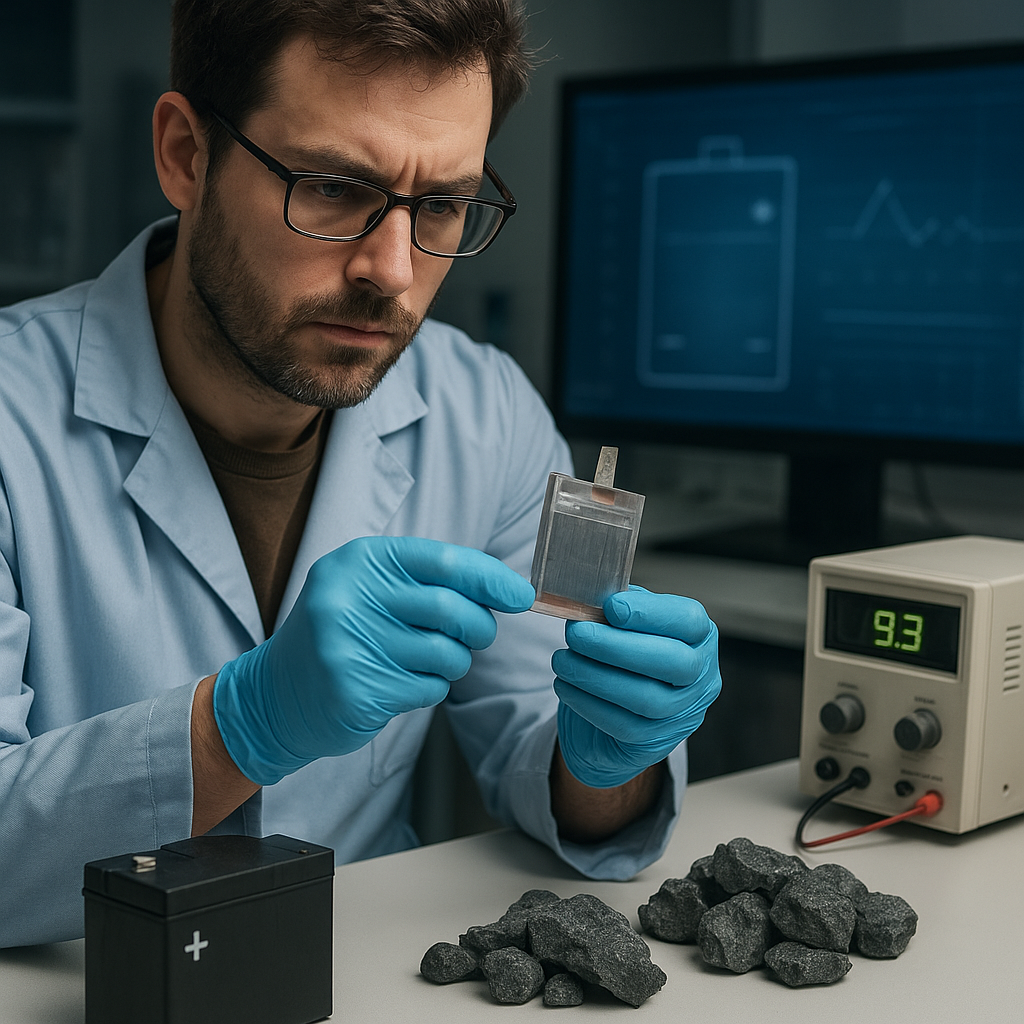
Research efforts are increasingly focused on identifying substitutes for the most scarce and geopolitically sensitive materials. Advances in battery chemistry may reduce or eliminate the need for cobalt, while breakthroughs in nanomaterials could lessen reliance on certain rare earths. Governments sponsor grants and innovation hubs that accelerate the commercialization of alternative materials, thus reinforcing long-term resilience.
International Partnerships and Diplomatic Frameworks
Recognizing that no single country can go it alone, authorities are forging multinational pacts to share information, coordinate stockpiles, and establish joint processing facilities. Examples include:
- Five Eyes strategic dialogues on mineral security.
- Asia-Pacific resource consortiums with shared research agendas.
- Pan-African mining partnerships that link producers with consumer nations.
Such collaborations aim to foster transparency, stabilize prices, and mitigate the risk of resource nationalism.
Digitalization and Predictive Analytics
Emerging digital tools enhance stockpile management through real-time monitoring, predictive maintenance, and sophisticated demand forecasting. Artificial intelligence systems analyze global market trends, geopolitical developments, and climate data to optimize the size and composition of reserves. By anticipating disruptions, governments can adjust procurement strategies proactively, ensuring continuity of supply even under volatile conditions.