The global battle for control over rare earth elements has far-reaching implications for modern technology, national security, and economic power. China’s rise to dominance in this field did not happen overnight; it is the result of decades-long strategy, massive investments, and deliberate policy choices. Examining China’s approach offers valuable lessons about the interplay between natural resources, industrial policy, and geopolitical influence.
China’s Strategic Control over the Supply Chain
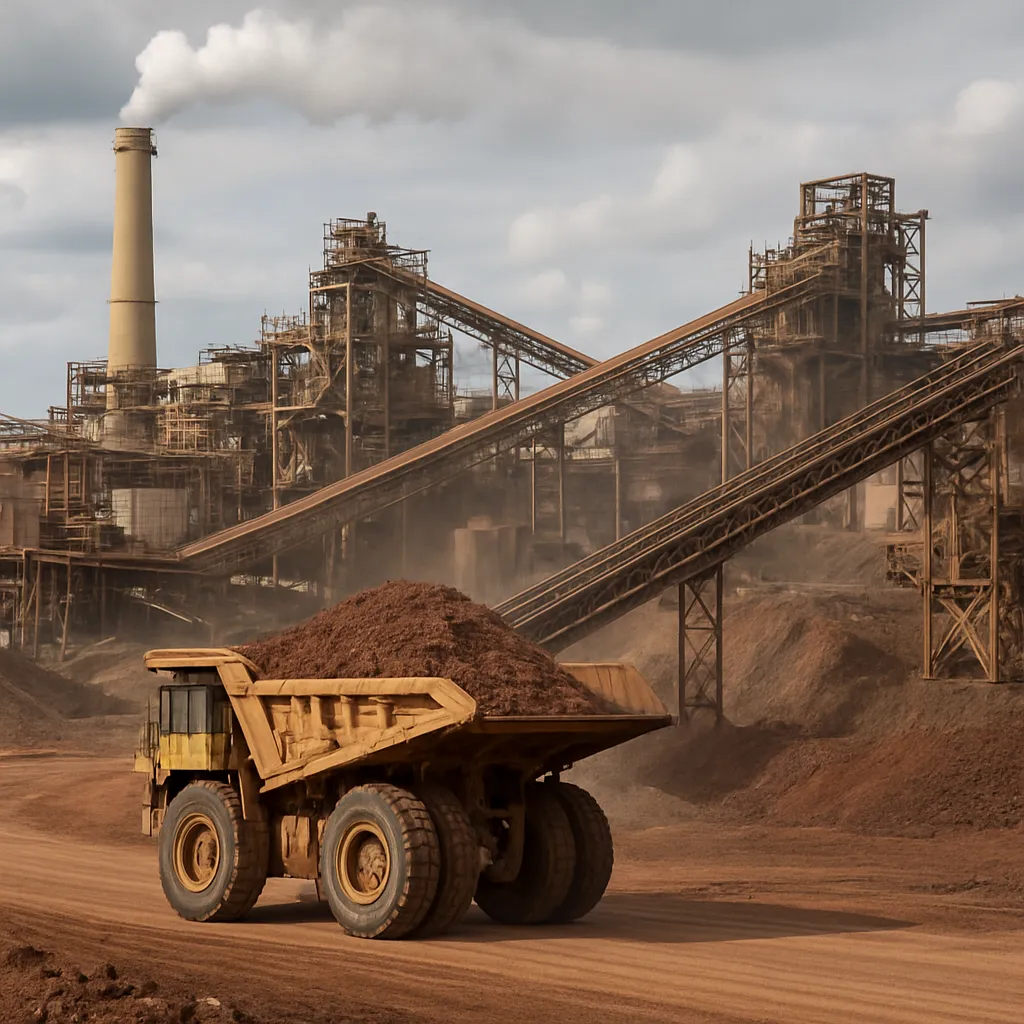
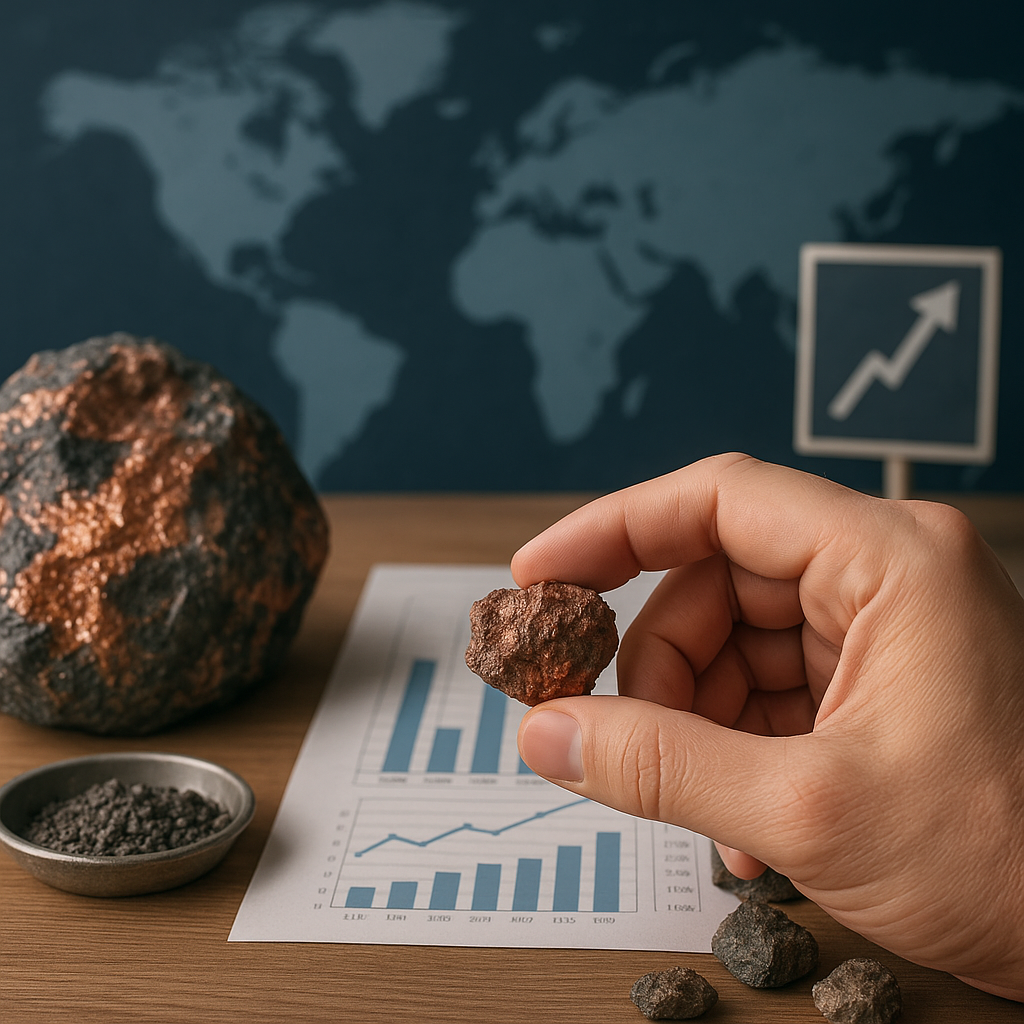
In the late 20th century, China discovered abundant deposits of rare earth minerals in Inner Mongolia’s Bayan Obo mine and other regions. Recognizing their critical importance, Beijing set out to build an integrated industry. From extraction and processing capacity to component manufacturing, China has established a vertically integrated framework that few competitors can match.
- Mining: State-owned enterprises secured mining rights across multiple provinces, ensuring stable access to raw ore.
- Processing: China controls over 80 percent of global rare earth refining, where raw minerals are separated into high-purity compounds.
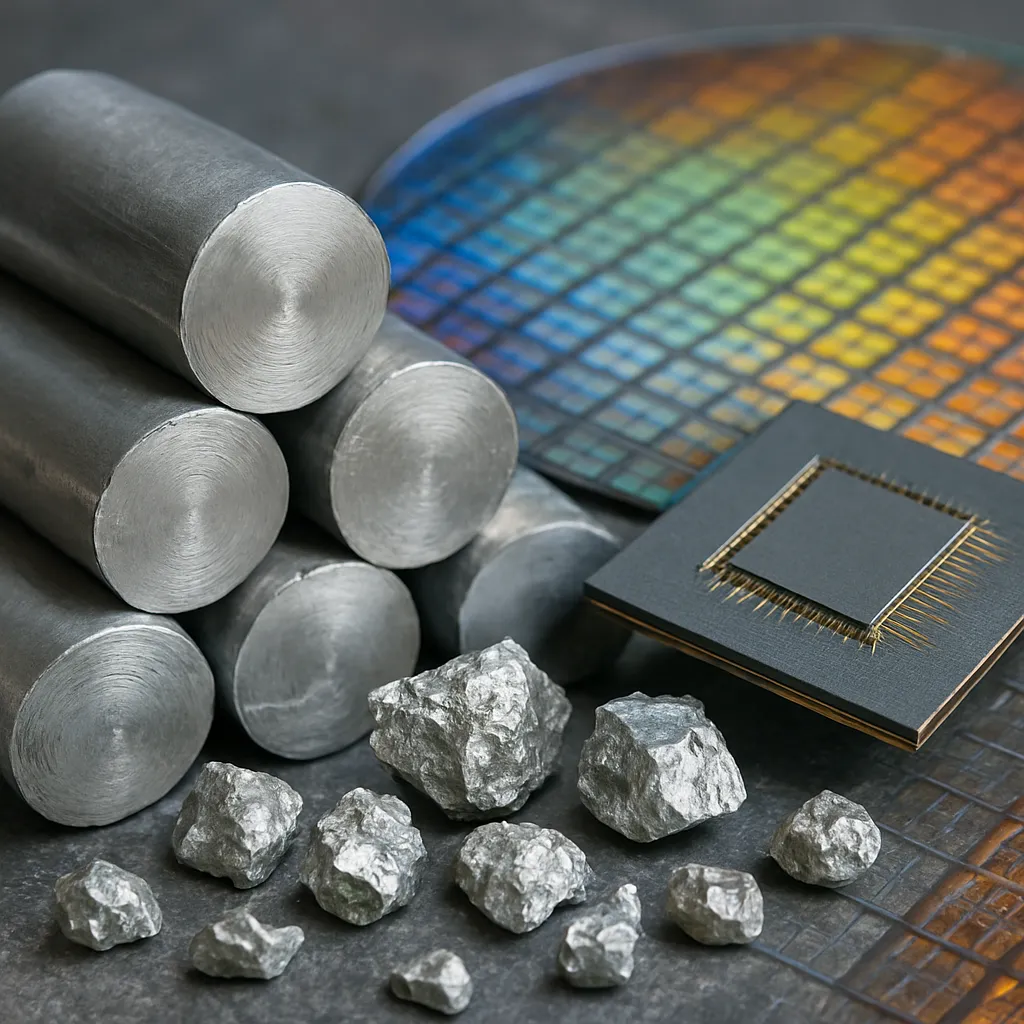
- Manufacturing: Downstream facilities produce magnets, phosphors, and catalysts used in electric vehicles and semiconductor fabrication.
Through strict export quotas and domestic subsidies, China shaped market dynamics. By limiting shipments of refined materials while fostering low-cost internal supply, Beijing discouraged foreign rivals and attracted international companies to build final-product factories on Chinese soil.
Environmental Regulations and Their Industrial Impact
Despite heavy resource exploitation, China has increasingly emphasized environmental regulations to curb pollution from rare earth mining and refining. Water contamination and toxic waste have triggered public outcry, prompting the government to implement stricter emission standards and mine closures.
- Reclamation mandates: Mines must rehabilitate landscapes after ore extraction.
- Emission caps: Refineries adhere to limits on sulfur dioxide and radioactive byproducts.
- Consolidation policies: Smaller, polluting operations are shut down in favor of larger, compliant facilities.
This regulatory tightening serves dual purposes: protecting public health and raising global barriers to entry. Competitors in the U.S., Australia, and Southeast Asia often struggle with more fragmented policy frameworks, while Chinese firms benefit from clear government guidelines and financial backing to upgrade technology.
The Geopolitical Leverage of Strategic Minerals
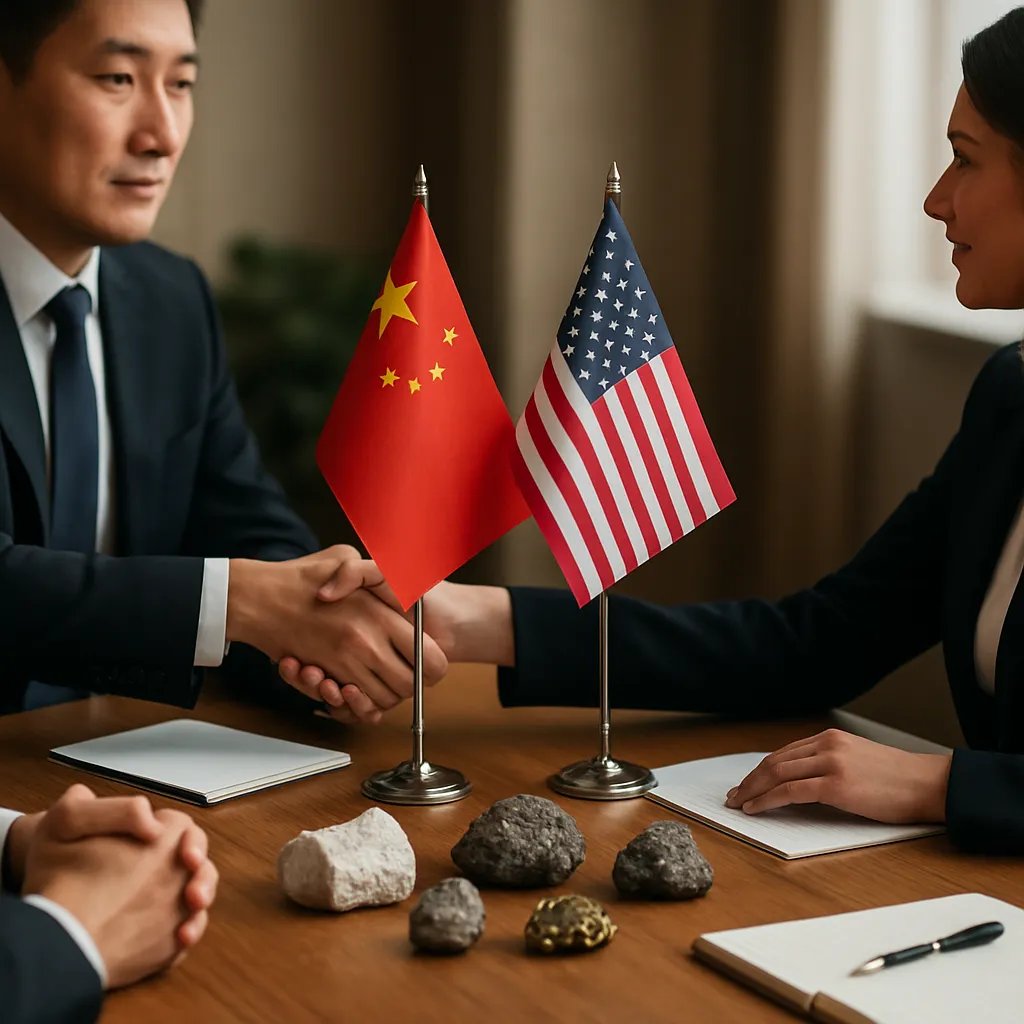
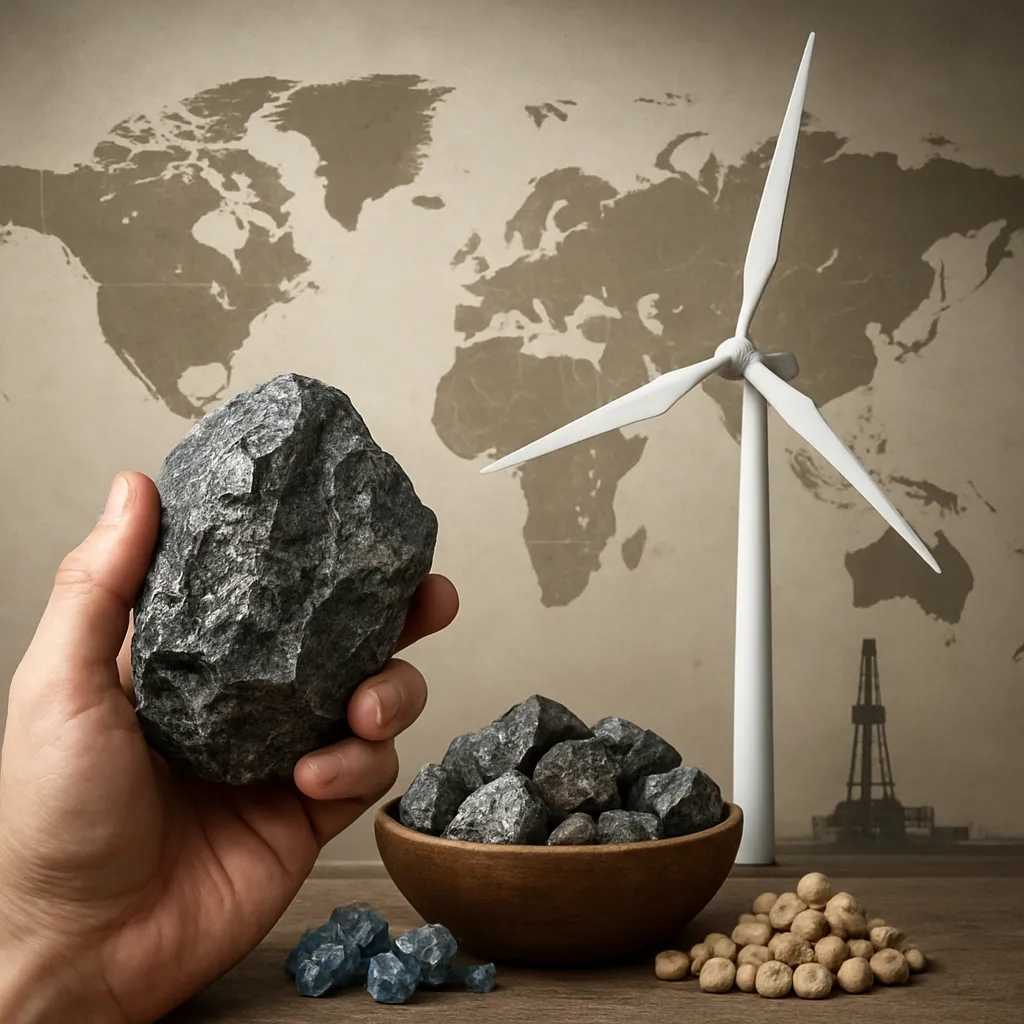
Rare earths are indispensable in sectors ranging from renewable energy to defense systems. As countries ramp up spending on clean energy and advanced weaponry, access to these minerals becomes a question of national security. China’s export policy has been leveraged as a diplomatic tool, evidenced by past restrictions on shipments to Japan and Western nations during political disputes.
International reactions include:
- Investment in alternative supplies: Australia’s Lynas Corporation expanded its operations to reduce dependency.
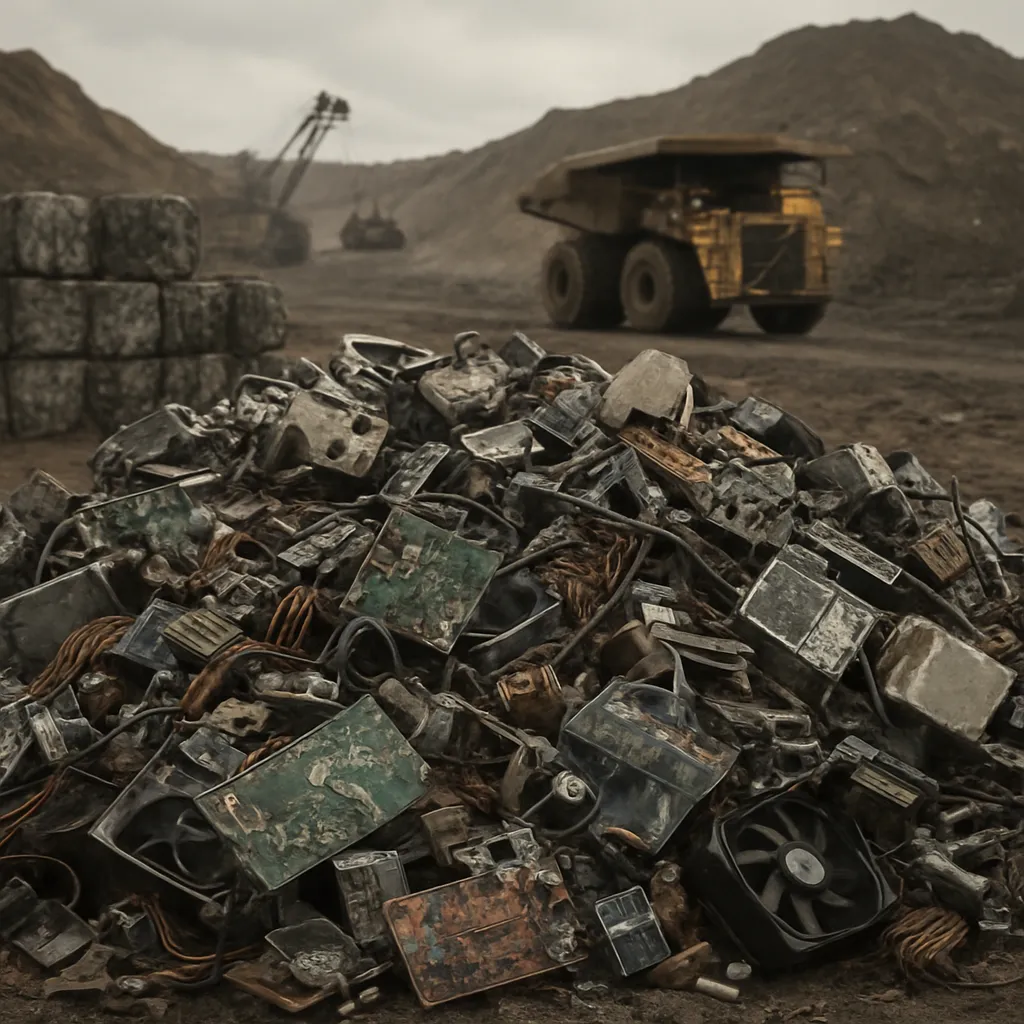
- Recycling initiatives: Europe and North America boost efforts to recover rare earths from end-of-life electronics.
- Strategic alliances: The U.S., Japan, and Australia launched trilateral talks to develop new mining and refining projects.
Yet building a full-fledged rival to China’s ecosystem remains challenging. High capital costs, stringent environmental approvals, and the technical complexity of ore separation continue to favor established Chinese players.
Future Prospects and Industry Evolution
Looking ahead, several trends will shape the global rare earth landscape:
- Technological innovation: Novel separation techniques and lower-impact extraction methods aim to reduce the environmental footprint.
- Supply diversification: New deposits in Africa, Latin America, and Russia are under evaluation, but logistical hurdles pose delays.
- Strategic stockpiling: Governments may build reserves of critical minerals to hedge against potential export bans.
China is also exploring the recycling of permanent magnets from discarded electronics, potentially closing the loop on resource usage. Meanwhile, the push toward downstream industries—from electric motors to wind turbines—will continually elevate the demand for specialized rare earth alloys. Whether competitors can bridge the gap in market share depends on coherent policy coordination, sustained investment, and the ability to comply with rigorous sustainability standards. Until then, China’s entrenched position appears likely to endure, given its unmatched scale and depth of industrial integration.