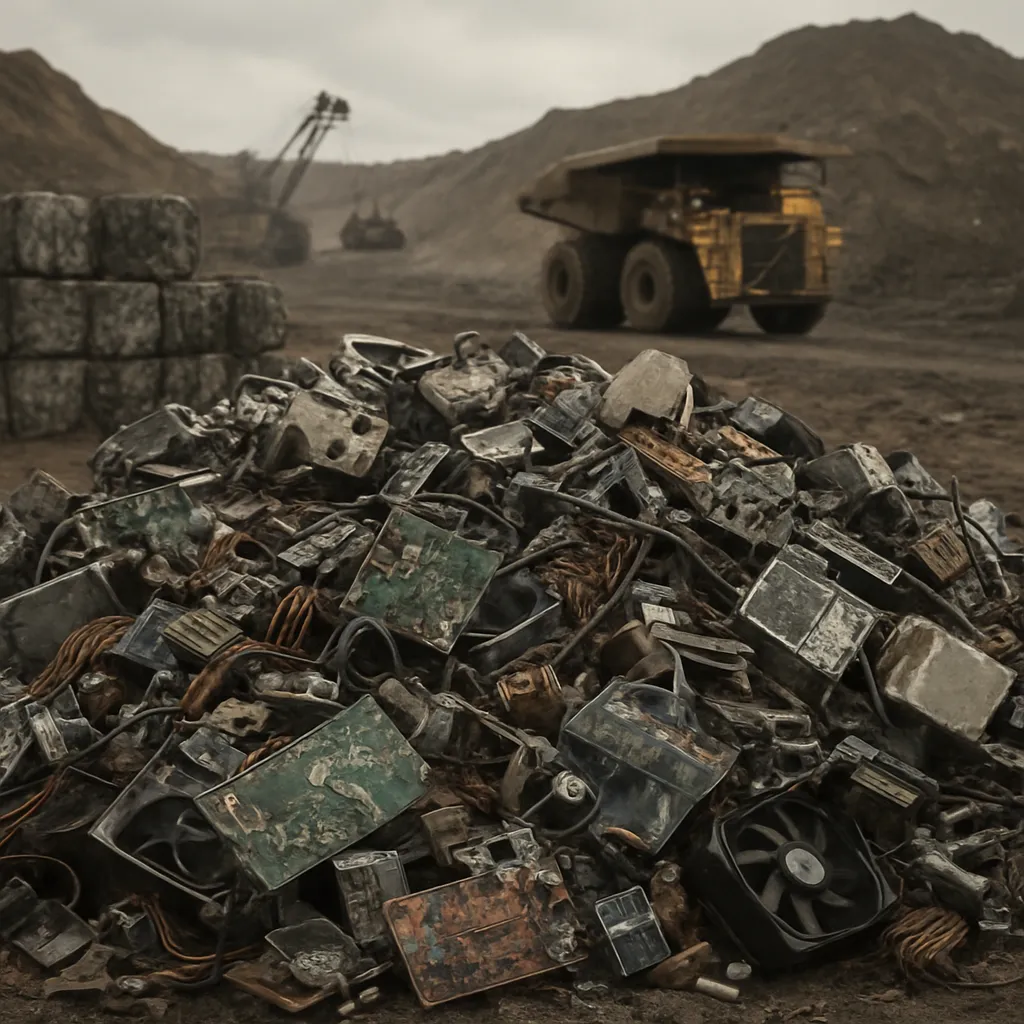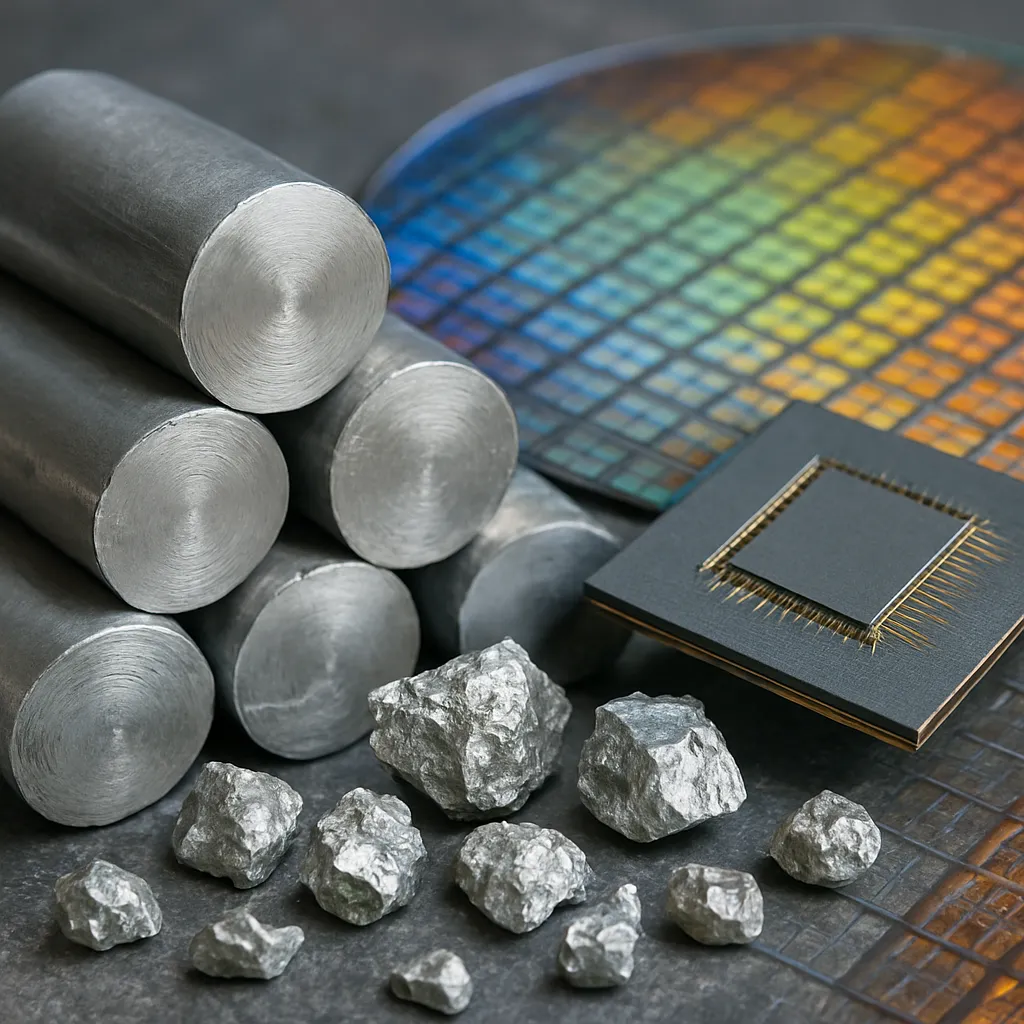
In an era marked by rising demand for advanced technologies, the importance of rare metals has never been greater. Industries from electronics to renewable energy depend on these critical materials. Ensuring traceability throughout the supply chain is vital for ethical sourcing, compliance, and risk mitigation. By leveraging blockchain technology, stakeholders can achieve unprecedented levels of transparency and auditability, transforming how global rare metal markets operate.
Global Challenges in Rare Metal Supply Chains
Rare metals such as lithium, cobalt, nickel, and palladium play a pivotal role in manufacturing batteries, catalysts, and high-performance alloys. However, their extraction and distribution face multiple obstacles:
- Opaque procurement networks that obscure the true provenance of materials.
- Environmental and social risks associated with irresponsible mining practices.
- Regulatory complexity across different jurisdictions.
- Price volatility driven by geopolitical tensions and market speculation.
Traditional record-keeping systems rely on paper certificates, custodial databases, and manual audits. These methods are prone to fraud, human error, and manipulation. For example, a container labeled as “conflict-free” cobalt might be mixed with illicit supplies before reaching a refiner, undermining corporate responsibility pledges.
As end-users and investors demand greater accountability, a more robust approach is required—one that guarantees data integrity and real-time visibility. Integrating immutability features from distributed ledger technology promises to fill this gap, ensuring that once information is recorded, it cannot be tampered with or erased.
Technological Innovations Driving Transparency
Blockchain-based platforms unite disparate actors—miners, refiners, shippers, manufacturers, and regulators—into a shared environment. Each participant can upload and verify data at every step, generating an unbroken chain of custody. Key innovations include:
- Smart contracts that automate compliance checks and trigger payments upon predefined conditions.
- Tokenization of physical assets, where each batch of ore or refined metal is represented by a digital token.
- Integration with IoT sensors to capture geolocation, temperature, and storage metrics.
- Permissioned networks that balance openness with access control, safeguarding proprietary information.
For instance, an ore shipment leaving a mine can be tagged with an IoT device that records geospatial coordinates onto the blockchain. Once the load arrives at the processing plant, automatic verification occurs: if the metadata matches the expected profile, a smart contract authorizes payment to the mine operator. Any discrepancy triggers an alert, preventing the introduction of counterfeit or substandard material.
By embedding these mechanisms, stakeholders minimize reconciliation disputes, reduce manual paperwork, and accelerate audit cycles. Moreover, the cryptographic backbone of distributed ledgers ensures that data tampering attempts are rapidly identified and rejected by network consensus.
Practical Implementation of Blockchain in Rare Metal Markets
Several pioneering projects demonstrate how blockchain enhances supply chain integrity for specific metals:
Case Study 1: Lithium Tracking
Lithium is indispensable for electric vehicle batteries. Yet, environmental concerns plague many extraction sites. To address this, a consortium of automakers, mining firms, and energy companies launched a blockchain pilot. Each shipment of lithium concentrate receives a unique digital identifier. The network records:
- Mine site GPS coordinates
- Chemical assay results
- Transport route and carrier details
- Refinery processing parameters
Results showed a 40% reduction in dispute resolution time and a 25% increase in on-time deliveries. Consumers can now scan a QR code on battery packs to verify their origin, bolstering brand trust and compliance with emerging legislation on battery sourcing.
Case Study 2: Ethical Cobalt Sourcing
Cobalt’s association with regions facing humanitarian challenges has spurred demand for ethical oversight. A blockchain solution enables traceability from artisanal mines through smelters to electronics giants. Key features encompass:
- Digital certification of child-labor-free operations
- Real-time reporting of community royalty distributions
- Immutable records of export and import licenses
By publishing supply chain data on a distributed ledger, brands provide verifiable proof of responsible sourcing. This transparency not only safeguards corporate reputation but also empowers NGOs and regulators to monitor compliance without intrusive audits.
Sustainability and Ethical Considerations
Adopting blockchain for rare metals extends beyond technical benefits; it aligns with broader environmental, social, and governance (ESG) goals. Key advantages include:
- Enhanced sustainability reporting based on real-time extraction footprints and energy usage.
- Promotion of circular economy practices by tracking material recovery and recycling rates.
- Support for indigenous and local communities through transparent revenue sharing.
- Reduction of illicit trade and conflict financing by exposing suspicious supply routes.
Critics argue that blockchain networks consume significant energy, potentially offsetting environmental gains. However, the industry increasingly shifts toward proof-of-stake and carbon-neutral protocols. Additionally, by discouraging illegal mining and improving operational efficiency, blockchain can ultimately drive a net reduction in greenhouse gas emissions.
Collaboration remains critical. Regulators, industry bodies, and technology providers must co-design standards for data exchange, privacy, and interoperability. Initiatives like the Responsible Minerals Initiative and the Global Battery Alliance are already setting benchmarks, but widespread adoption relies on harmonized frameworks that balance commercial interests with public good.
Future Outlook: Scaling Blockchain for Rare Metal Ecosystems
As demand for renewable energy technologies and high-performance electronics surges, ensuring a secure and ethical supply of rare metals becomes paramount. Blockchain’s potential to deliver end-to-end visibility and enforce stakeholder accountability is a game-changer. Anticipated trends include:
- Integration with AI-driven analytics to predict supply shortages and optimize logistics.
- Expansion of decentralized marketplaces where tokenized metal assets can be traded transparently.
- Cross-industry consortia leveraging shared ledgers to reduce redundancies and cut costs.
- Enhanced consumer-facing tools for verifying product authenticity and environmental impact.
Ultimately, embedding blockchain within rare metal supply chains fosters a more resilient, ethical, and sustainable global marketplace. By championing innovation and collaboration, the industry can meet the needs of tomorrow’s technologies while safeguarding communities and ecosystems today.