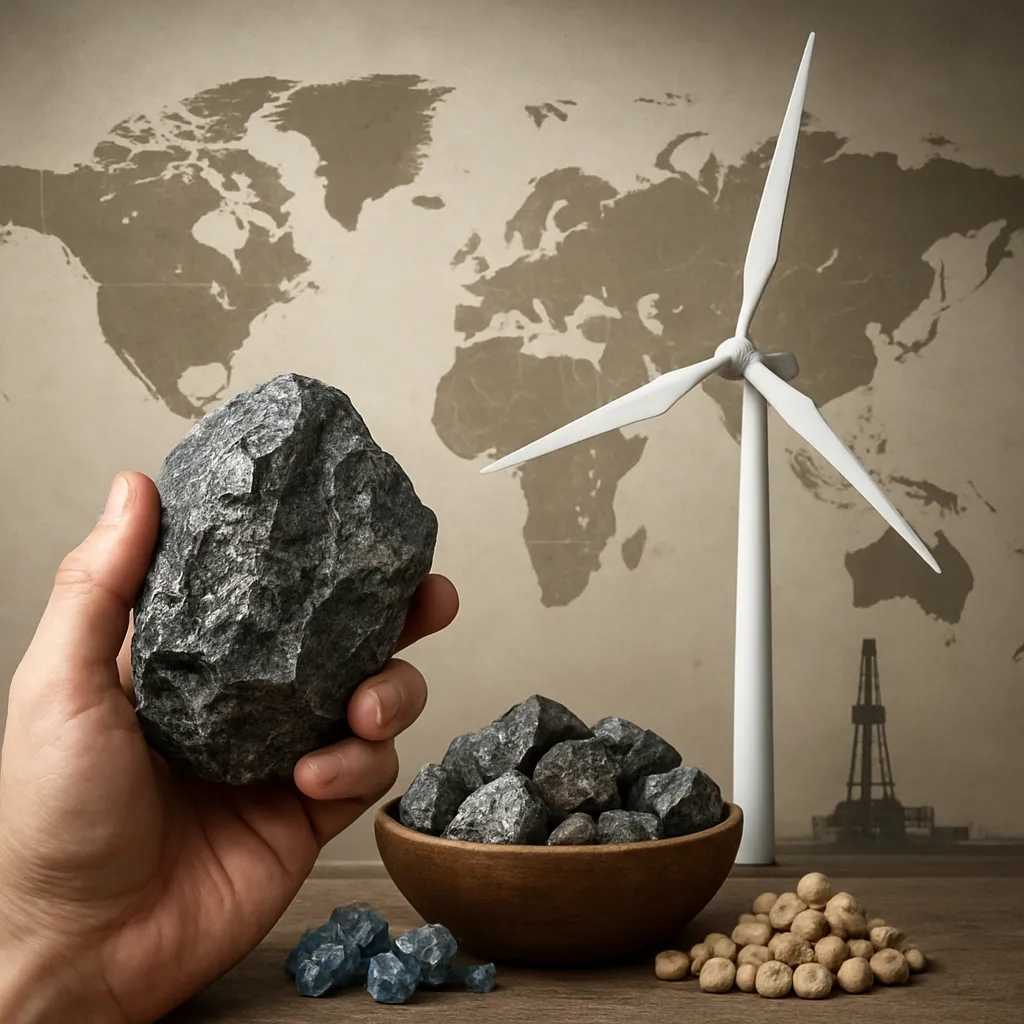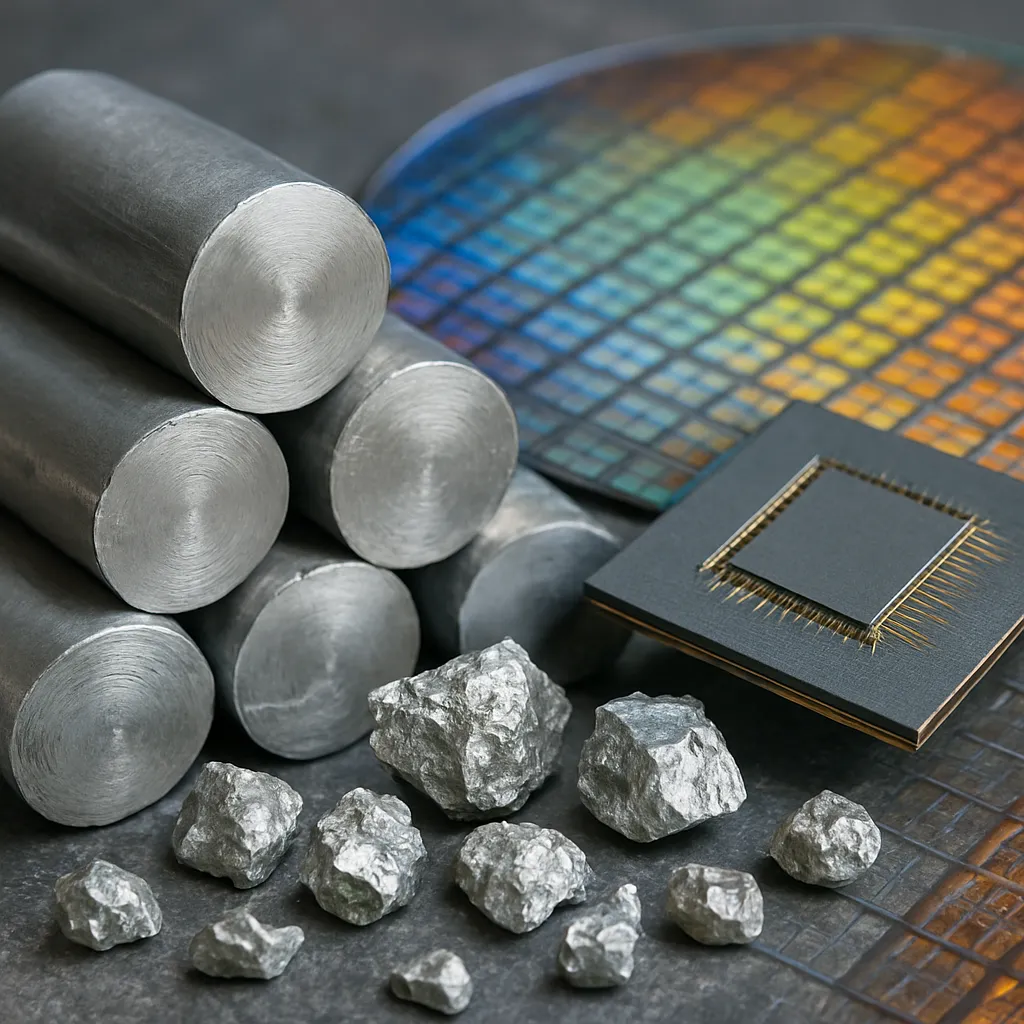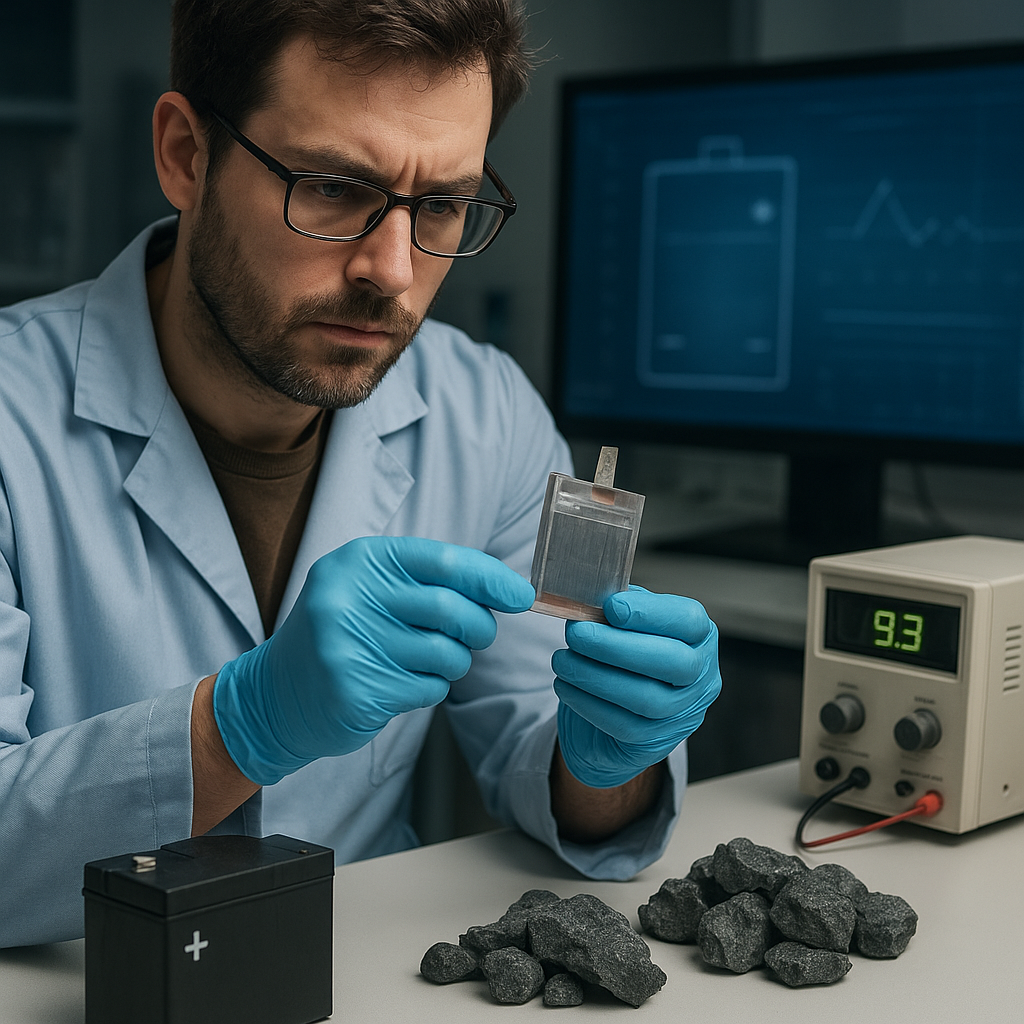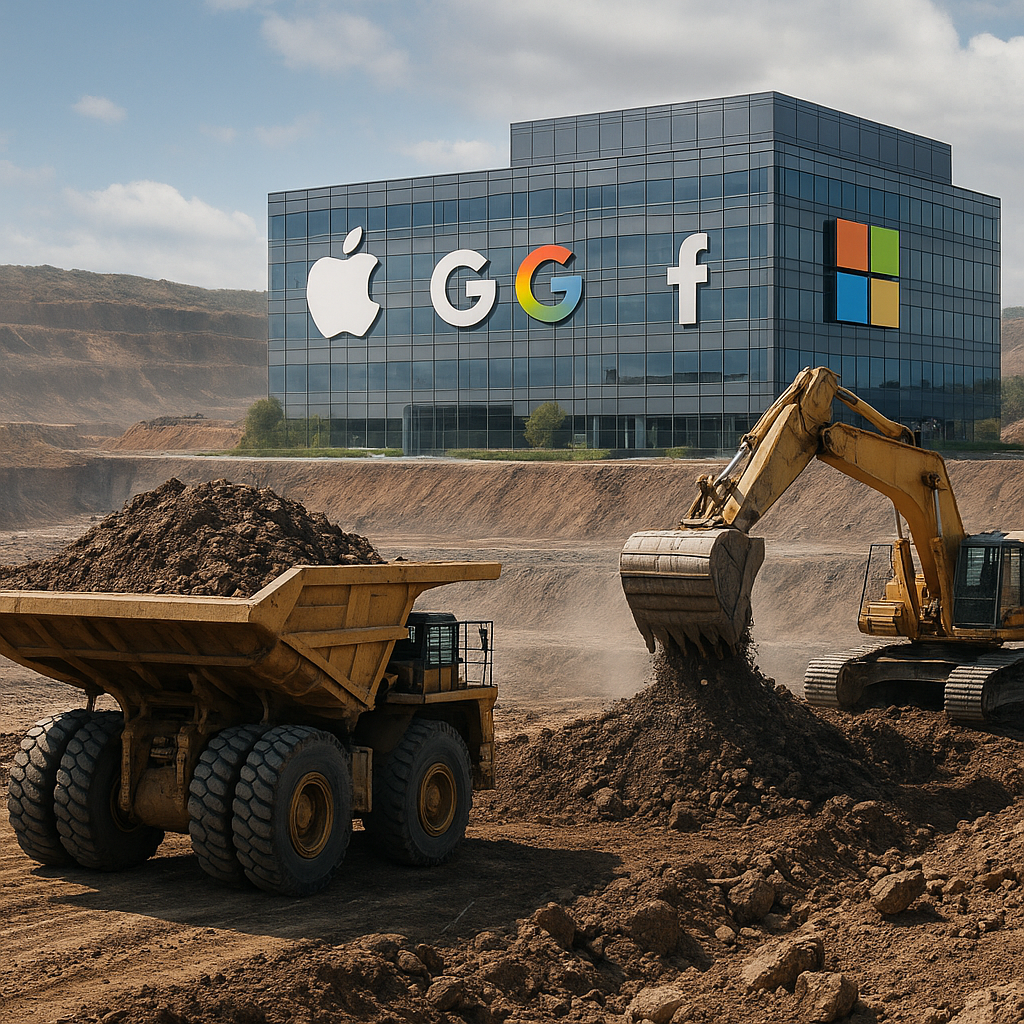
The acceleration of digital transformation and the widespread adoption of green technologies have thrust the quest for strategic minerals into the spotlight. Big tech giants are racing to lock down deposits of critical metals that power everything from smartphones to data centers and electric vehicles. Securing these resources requires a multi-faceted approach—one that balances geopolitical realities, environmental stewardship, and long-term commercial viability. Below, we explore the key strategies that the world’s leading technology firms employ to guarantee a stable flow of essential materials.
Diversified Global Sourcing and Resource Mapping
Large technology corporations recognize that overreliance on a single supplier or region can expose them to sudden shortages, price shocks, or trade restrictions. To mitigate such risks, companies pursue a diversified procurement strategy that includes partnerships in multiple continents and the active exploration of underdeveloped deposits. Advances in satellite imaging, geochemical analysis, and artificial intelligence-driven prospecting have revolutionized the way mineral reserves are identified and evaluated.
Major initiatives in this domain include:
- Collaborations with national geological surveys in Africa, Asia, and South America to expand the known footprint of rare earth elements.
- Joint ventures with junior mining outfits to accelerate development of high-grade lithium brine operations in South America’s “Lithium Triangle.”
- Long-term off-take agreements for nickel and cobalt from responsibly managed mines in the Indo-Pacific region.
- Strategic stockpiling and physical reserves to buffer against short-term supply chain disruptions.
These diversified sourcing agreements often come with technology transfer commitments and capacity-building programs for local communities. By embedding themselves in the early phases of mine development, tech firms aim to align extraction practices with their rigorous environmental impact standards.
Strategic Partnerships and Vertical Integration
Securing metal supplies often means forging alliances that go beyond simple purchasing contracts. Vertical integration enables companies to gain visibility and control at multiple stages of the value chain, from extraction to refining and component manufacturing. Some of the most notable approaches include:
- Equity stakes in mining companies that guarantee prioritized access to output.
- Investment in smelting and refining facilities to ensure minimal contamination and compliance with environmental regulations.
- Collaboration with specialized processing firms to develop proprietary methods for separating rare earth oxides or purifying high-purity cobalt compounds.
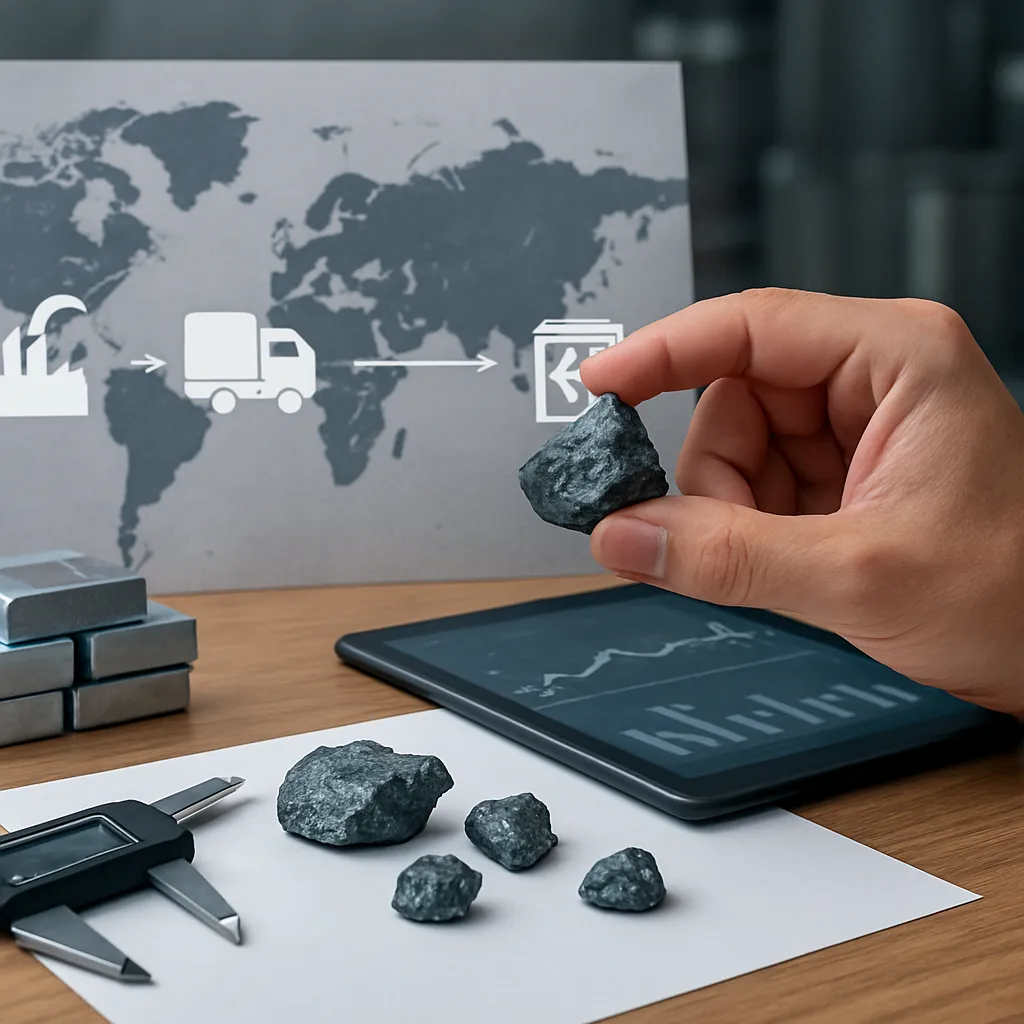
- Creation of in-house logistics networks that streamline movement of raw materials from remote mines to manufacturing hubs.
By integrating upstream, big tech players can enact stringent traceability protocols. Blockchain-based tracking and real-time sensor data ensure that materials can be traced back to specific mine sites, substantially reducing the risk of unintentional association with conflict zones or irresponsible labor practices.
Investment in Recycling and the Circular Economy
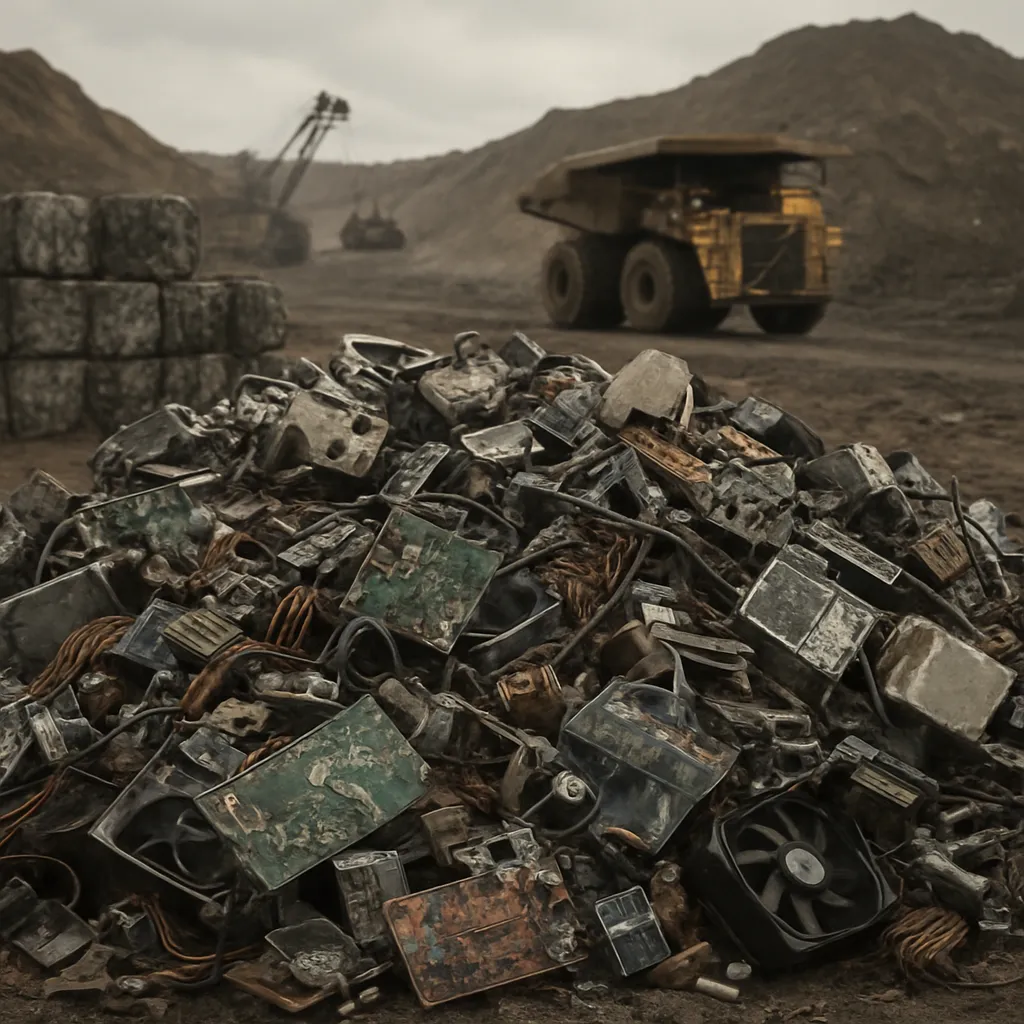
While new mining projects are crucial, recycling has emerged as a powerful lever for reducing dependency on virgin resources. E-waste streams contain valuable concentrations of rare earth elements and critical battery metals. Establishing robust collection and processing networks for end-of-life electronics helps tech firms:
- Recover key elements like lithium, cobalt, and nickel in closed-loop systems.
- Lower overall carbon footprint by minimizing the energy-intensive processes associated with primary extraction.
- Demonstrate corporate social responsibility commitments to regulators and consumers.
- Foster innovations in chemical and mechanical separation techniques for enhanced yield.
Some companies have built dedicated recycling centers adjacent to manufacturing plants, enabling rapid return of reclaimed materials into new product lines. Others partner with local governments and third-party recyclers to scale collection points. The ultimate goal is a fully integrated circular economy where electronic components are continuously repurposed, dramatically reducing pressure on finite mineral reserves.
Technological Innovation and Sustainable Practices
Research and development play a pivotal role in redefining how critical metals are sourced. Big tech invests heavily in breakthrough techniques that can transform lower-grade ores into viable feedstocks or reduce the environmental footprint of mining altogether. Key areas of innovation include:
- Biomining using specialized microbes to leach metals from ore, cutting down water usage and chemical waste.
- Electrochemical processes that allow for selective recovery of elements from complex mineral matrices.
- Advanced robotics and automation to perform precision excavation with minimal habitat disturbance.
- AI-driven predictive maintenance at mining sites to optimize equipment uptime and energy efficiency.
In parallel, companies are instituting comprehensive sustainability frameworks that govern every partnership. Rigorous third-party audits, real-time environmental monitoring, and stringent labor standards ensure that extraction remains socially responsible. These measures not only address the ethical concerns of stakeholders but also safeguard against potential regulatory clampdowns.
Navigating Geopolitics and Trade Tensions
The concentration of certain minerals within a handful of countries can transform raw materials into strategic assets. Escalating tensions between major powers have prompted big tech to adopt preemptive measures:
- Securing long-term binding agreements that include arbitration clauses to protect against unilateral export curbs.
- Supporting diversification of refining capacity to regions with more stable political climates.
- Investing in stock exchanges and commodity trading platforms to hedge against price volatility and currency fluctuations.
- Engaging in diplomatic dialogues and multi-lateral forums to advocate for open trade frameworks.
By actively managing geopolitics, companies can anticipate supply bottlenecks and steer clear of abrupt policy shifts that could derail production schedules. They also gain a voice in shaping global standards for responsible mining and resource stewardship.
Conclusion
As the tech sector continues its relentless expansion, the demand for rare metals will only intensify. Big technology firms are responding with comprehensive strategies that merge diversified sourcing, vertical integration, recycling, and cutting-edge innovation. Anchored by robust governance and a commitment to sustainability, these companies aim to build a resilient supply chain capable of fueling the next wave of digital and green growth with minimal environmental and social cost.