The extraction and distribution of rare metals underpin modern industries, from consumer electronics to renewable energy technologies. As global demand surges, companies are turning to automation to transform traditional supply chains. This shift promises enhanced efficiency, greater resilience, and improved traceability, but it also brings new challenges in terms of workforce adaptation and environmental responsibility. In this article, we explore how cutting-edge technologies reshape the lifecycle of rare metals, examining robotic mining, digital platforms, and strategies for overcoming geopolitical and ethical hurdles.
Automated Extraction and the Future of Mining
Robotics and Remote Operations
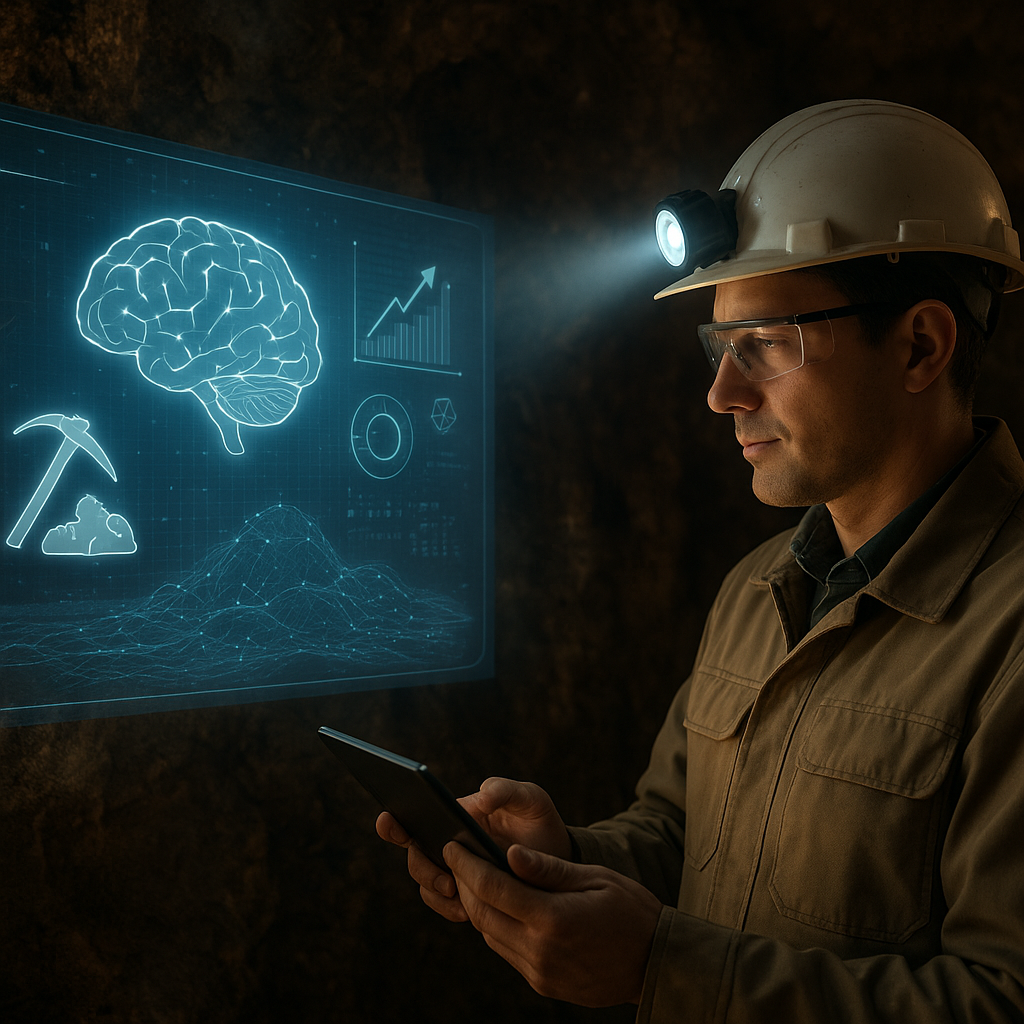
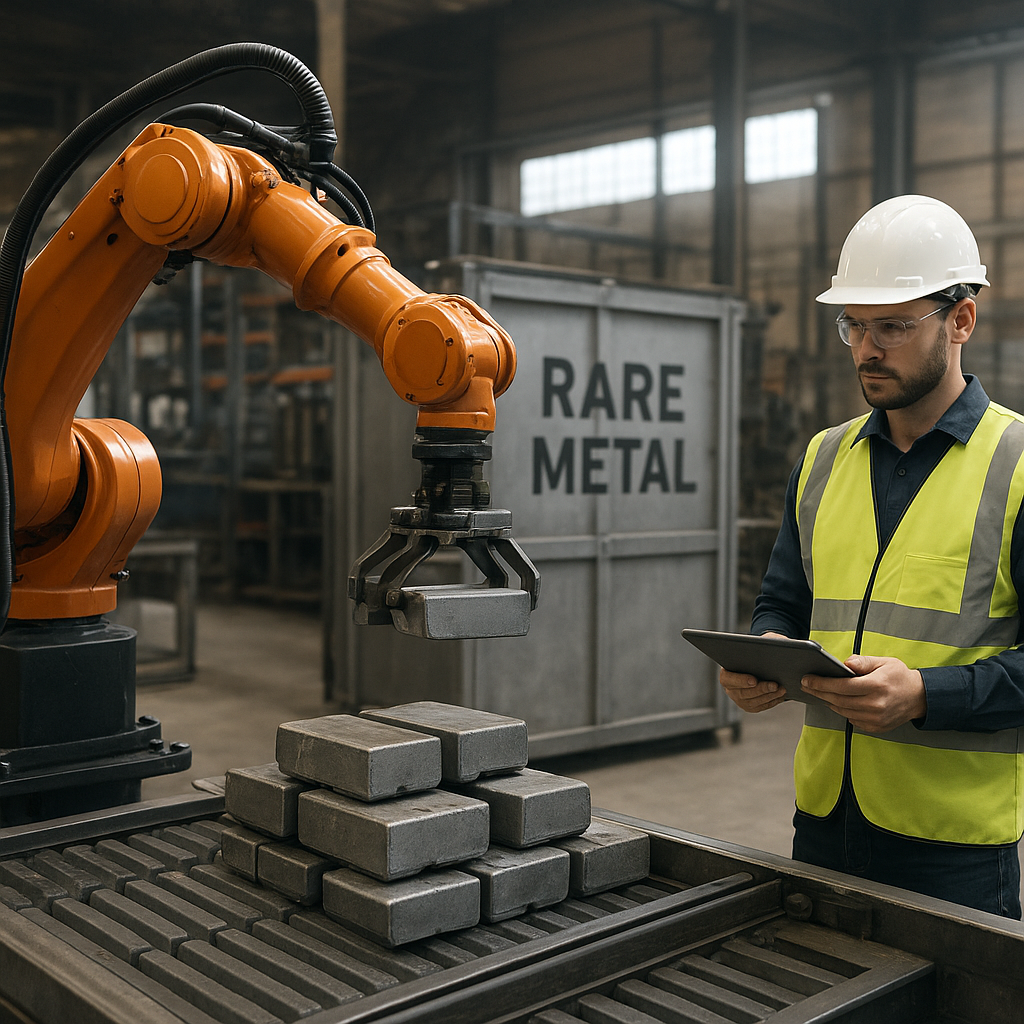
Mining companies increasingly deploy autonomous machines to conduct high-risk tasks underground and in remote locations. Robotics platforms equipped with advanced sensors can navigate unstable tunnels, drill with precision, and transport ore without direct human intervention. Remote-operated fleets reduce safety hazards and enable continuous 24/7 operation, significantly boosting output. Firms report that automated drills and haul trucks can operate with up to 30% greater uptime compared to human-operated equipment, thanks to predictive maintenance and real-time monitoring systems.
Sensor-Driven Processes
Integration of IoT sensors in extraction sites allows for real-time data collection on soil composition, structural stability, and machinery health. These smart sensors feed into centralized operations centers, where algorithms analyze performance metrics and adjust parameters on the fly. For instance, sensors can modulate drill pressure based on mineral hardness, optimizing energy consumption and prolonging equipment lifespan. This level of fine-tuned control contributes to more sustainable mining practices by reducing waste and minimizing environmental disturbance.
Supply Chain Optimization through Digitalization
Real-Time Data and Analytics
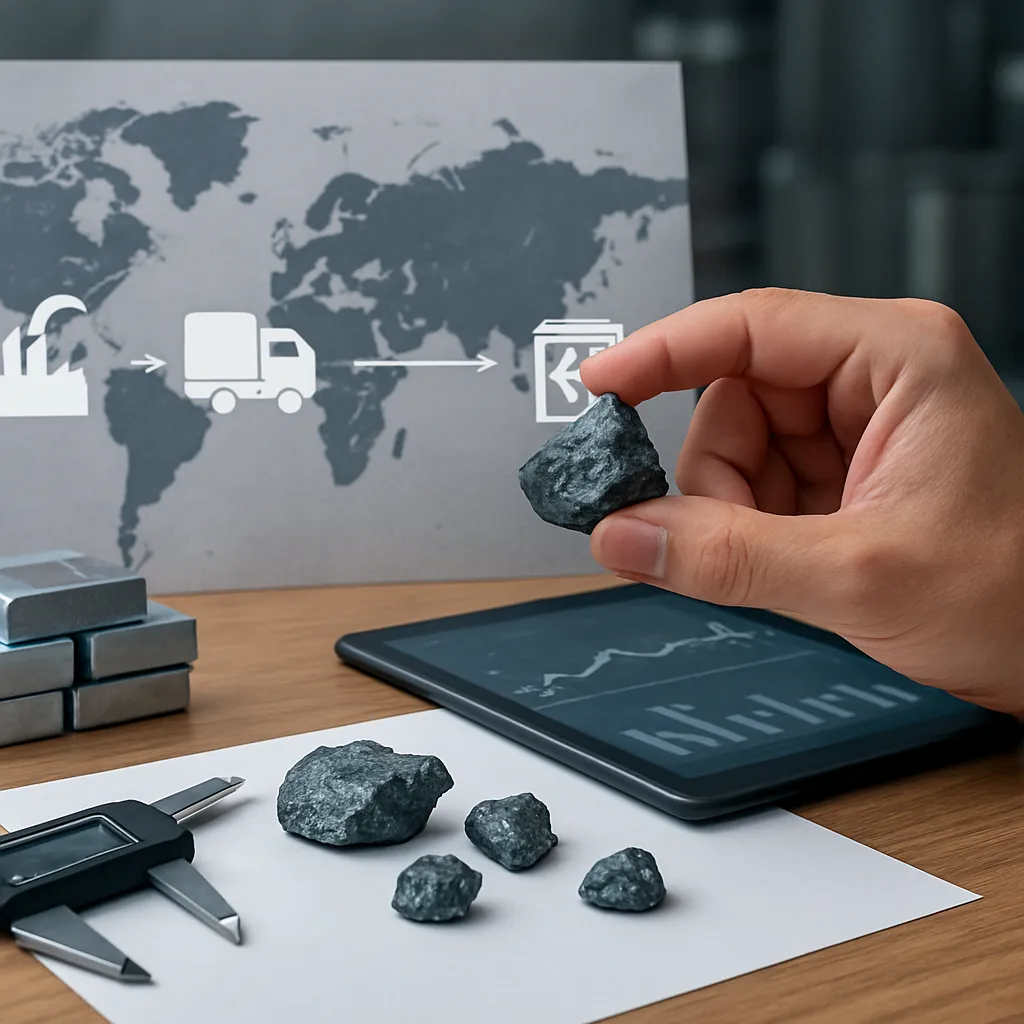
Digitalization transforms raw data into actionable insights at every stage of the rare metals value chain. From extraction to refinement, cloud-based platforms ingest telemetry, market signals, and logistics updates. Stakeholders can track shipments in real-time, monitor inventory levels, and forecast demand with greater accuracy. Advanced analytics support dynamic routing decisions, lowering transportation costs and minimizing delays. In one case study, a major cobalt supplier reduced transit lead times by 20% simply by integrating a digital twin of its supply network.
Traceability and Transparency
Blockchain and distributed ledger technologies ensure secure, immutable records for each batch of ore. This innovation fosters trust among customers and regulators by proving the provenance and ethical sourcing of critical materials. Consumers and Original Equipment Manufacturers (OEMs) can scan a QR code to verify every location a metal has passed through. Such transparency helps deter illicit mining activities and supports compliance with emerging regulations on conflict minerals. It also reinforces brand reputation, as end users become increasingly conscious of sustainability and human rights issues.
Challenges and Strategic Considerations
Geopolitical Risks and Dependencies
Rare metals like lithium, nickel, and rare-earth elements are geographically concentrated. A sudden policy shift or export restriction by a dominant supplier can ripple through global markets. While automation enhances local production, companies must still navigate tariffs, bilateral agreements, and regional instability. Diversifying supply sources and investing in alternative mining regions becomes critical. Some firms are exploring seawater extraction for elements such as uranium and lithium, relying on remote automated platforms to tap underutilized resources.
Environmental and Ethical Concerns
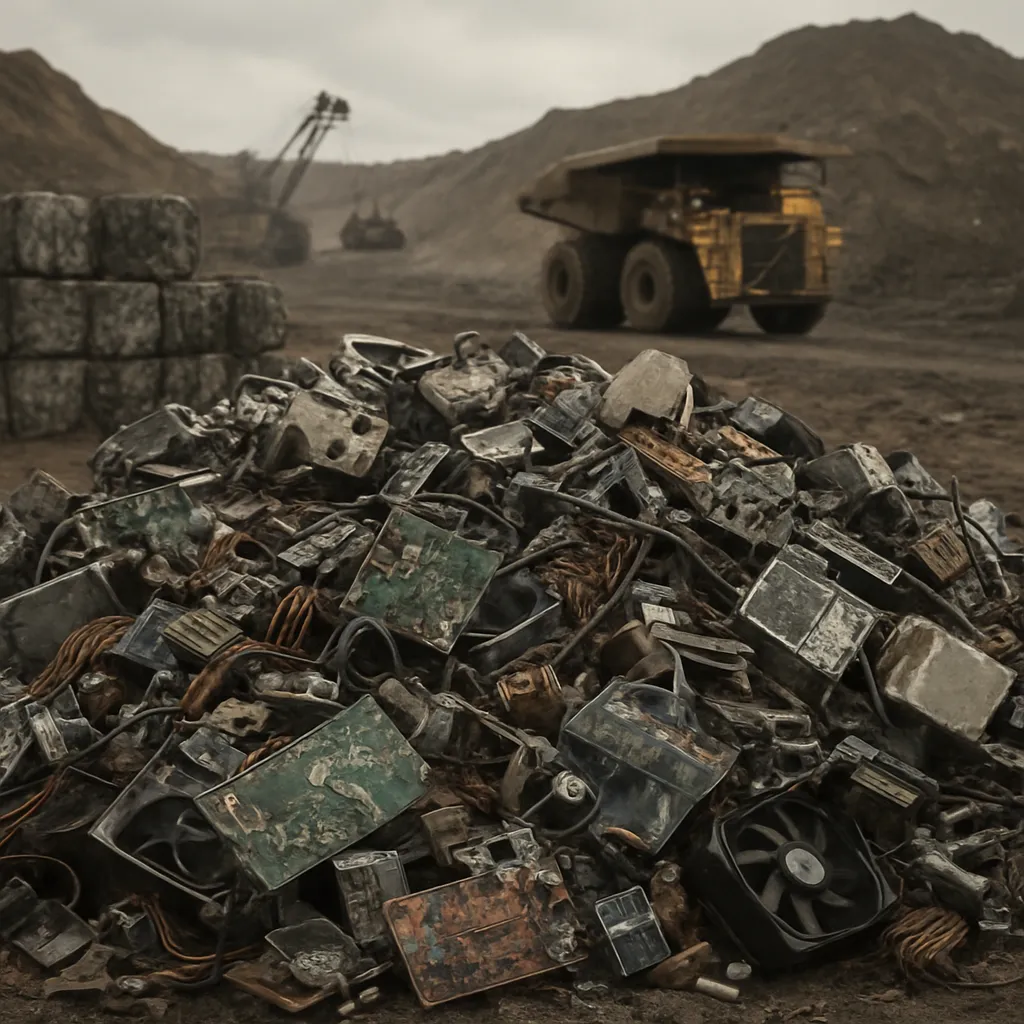
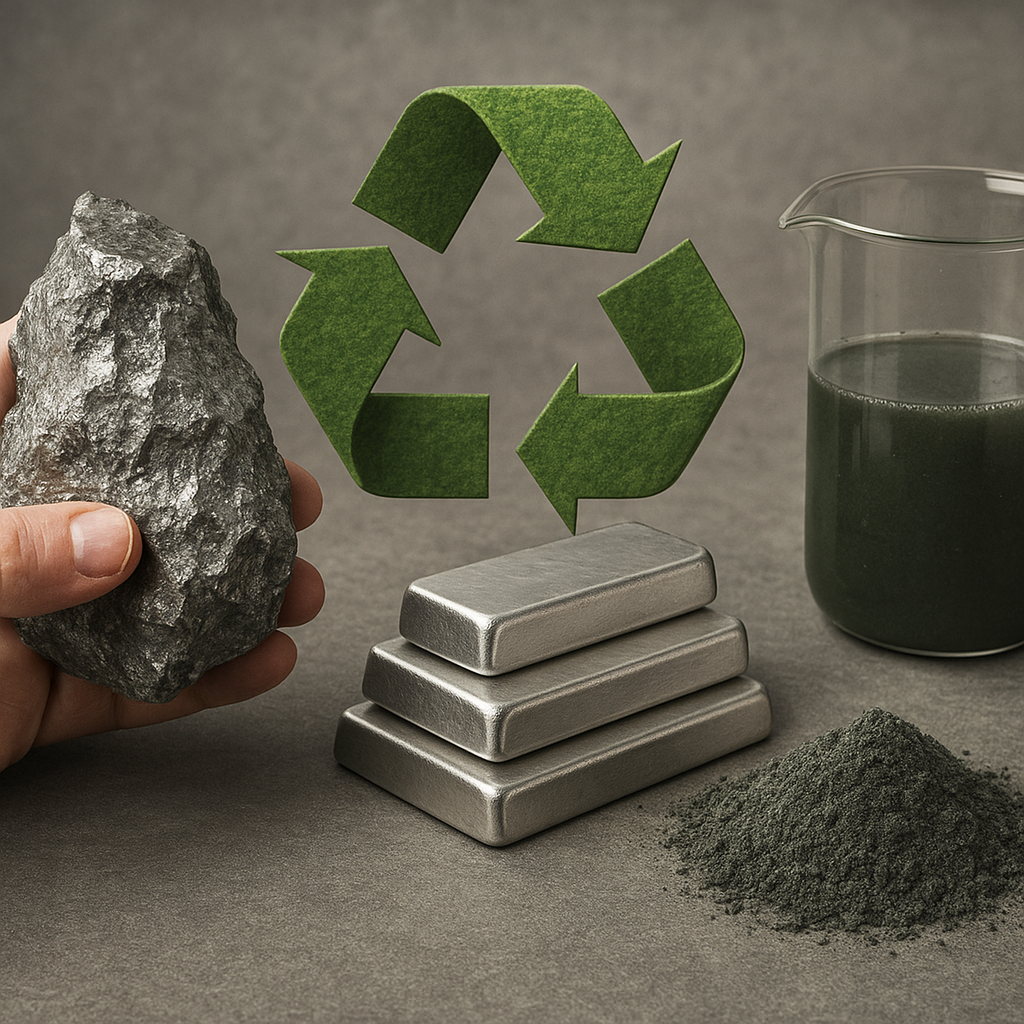
Scaling up extraction with robotic systems does not automatically translate into eco-friendly operations. Energy-intensive processes and tailings disposal remain pressing concerns. Automated recycling facilities, however, use AI-driven sorting robots to recover metals from electronic waste, alleviating pressure on primary resources. By combining sustainability-oriented automation with circular economy principles, companies can reduce carbon footprints and limit soil contamination. Ethical sourcing initiatives also call for rigorous audits of local labor conditions and biodiversity impact assessments.
Workforce Transformation
Automation reshapes labor requirements, shifting demand from manual labor to technical roles in programming, data analysis, and equipment maintenance. Training initiatives must equip workers with digital skills to manage autonomous fleets and interpret complex datasets. Collaborative robots, or cobots, work alongside personnel to enhance productivity, handling repetitive tasks while humans focus on supervisory and strategic functions. Developing a resilient workforce involves partnerships with vocational institutes and universities to design curricula centered on digitalization, cybersecurity, and systems integration.
Adopting Best Practices for Competitive Advantage
- Implement modular automation solutions that can scale with project size.
- Leverage cloud computing and edge analytics to reduce latency in decision-making.
- Establish cross-functional teams to foster collaboration between IT, operations, and sustainability departments.
- Invest in continuous monitoring systems to ensure compliance with environmental regulations.
- Develop strategic reserve stocks of critical metals to cushion against supply disruptions.
Future Outlook
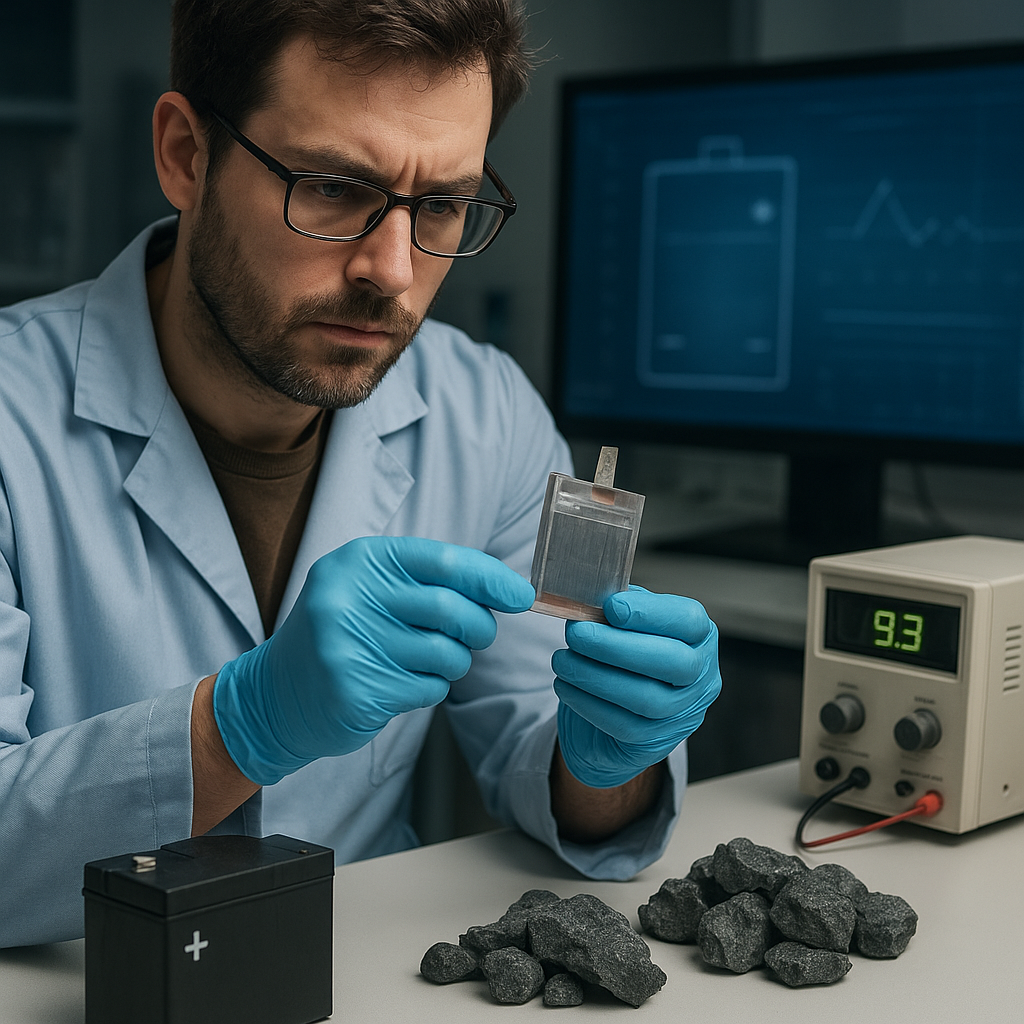
As the industry embraces optimization through advanced machinery and data ecosystems, rare metal supply chains will become more agile and transparent. The convergence of innovation in materials science, AI, and energy storage technologies will drive demand for elements like cobalt, graphite, and rare-earth magnets. Companies that strategically integrate automation while addressing social and environmental responsibilities will secure a distinct advantage in an increasingly competitive global market.