Artificial intelligence has transformed industries from consumer electronics to automotive manufacturing, fueling an unprecedented surge in demand for rare and strategic metals. These elements, often found in trace quantities, play a critical role in powering next-generation chips, sensors, and batteries. As AI systems become more sophisticated and ubiquitous, the global scramble for reliable supplies of these materials intensifies, with profound implications for technology developers, policymakers, and environmental advocates alike.
AI’s Insatiable Appetite for Advanced Materials
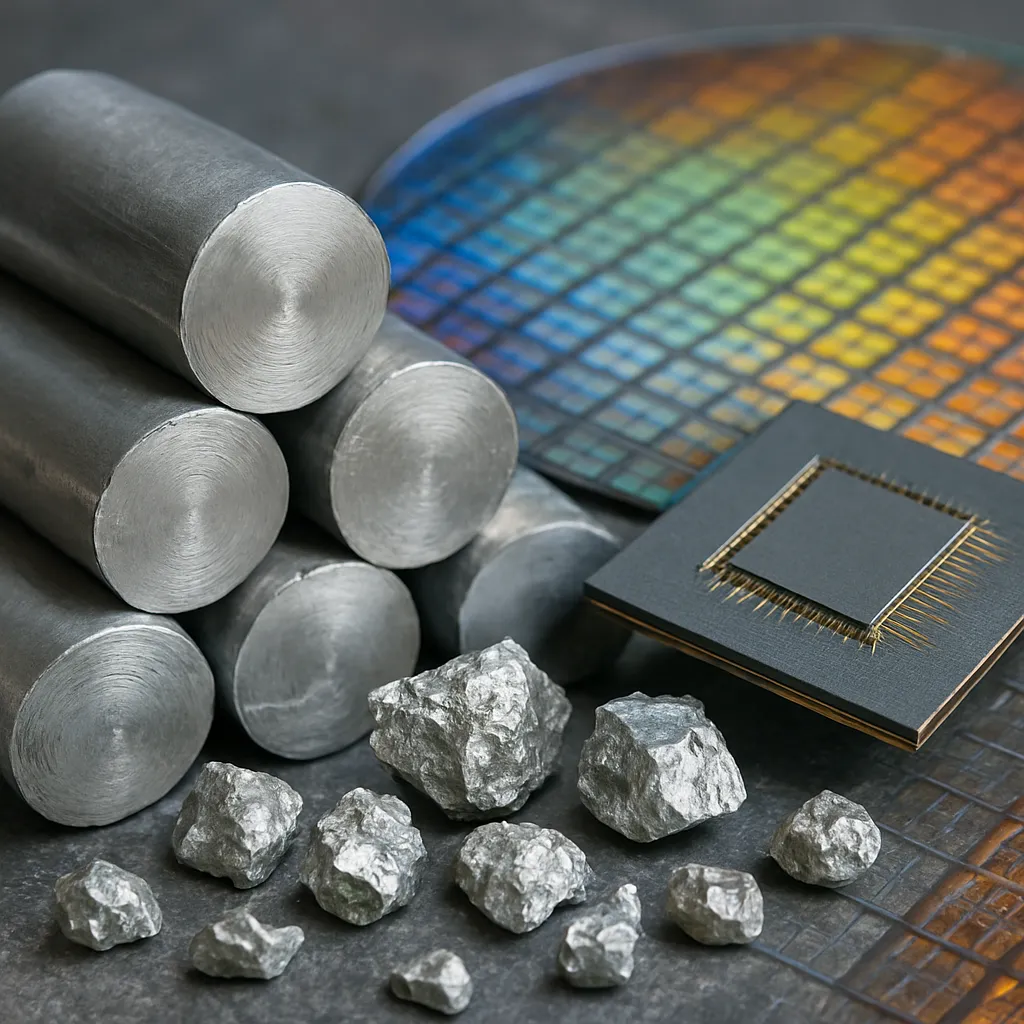
AI applications rely on specialized hardware capable of performing complex computations at blazing speeds. This has spurred investment in novel architectures—GPUs, TPUs, and dedicated neural accelerators. Each of these devices contains significant amounts of semiconductors doped with rare elements that enhance performance and energy efficiency. Key components include:
- Electric vehicles require high-capacity lithium-ion batteries infused with cobalt and nickel to ensure long-range driving and rapid charging.
- Advanced microprocessors integrate gallium, indium, and tantalum to maintain high operating frequencies under extreme thermal loads.
- Optical sensors use rare-earth elements such as neodymium and dysprosium to manipulate light in LIDAR, enhancing object recognition in autonomous cars.
These materials are not interchangeable; small compositional tweaks can yield dramatic improvements in speed, power density, or thermal stability. As AI workloads grow—driven by generative models, real-time analytics, and edge computing—manufacturers are compelled to push the limits of material science, exploring compounds that are both rarer and more complex to extract.
Supply Chain Challenges and Geopolitical Risks
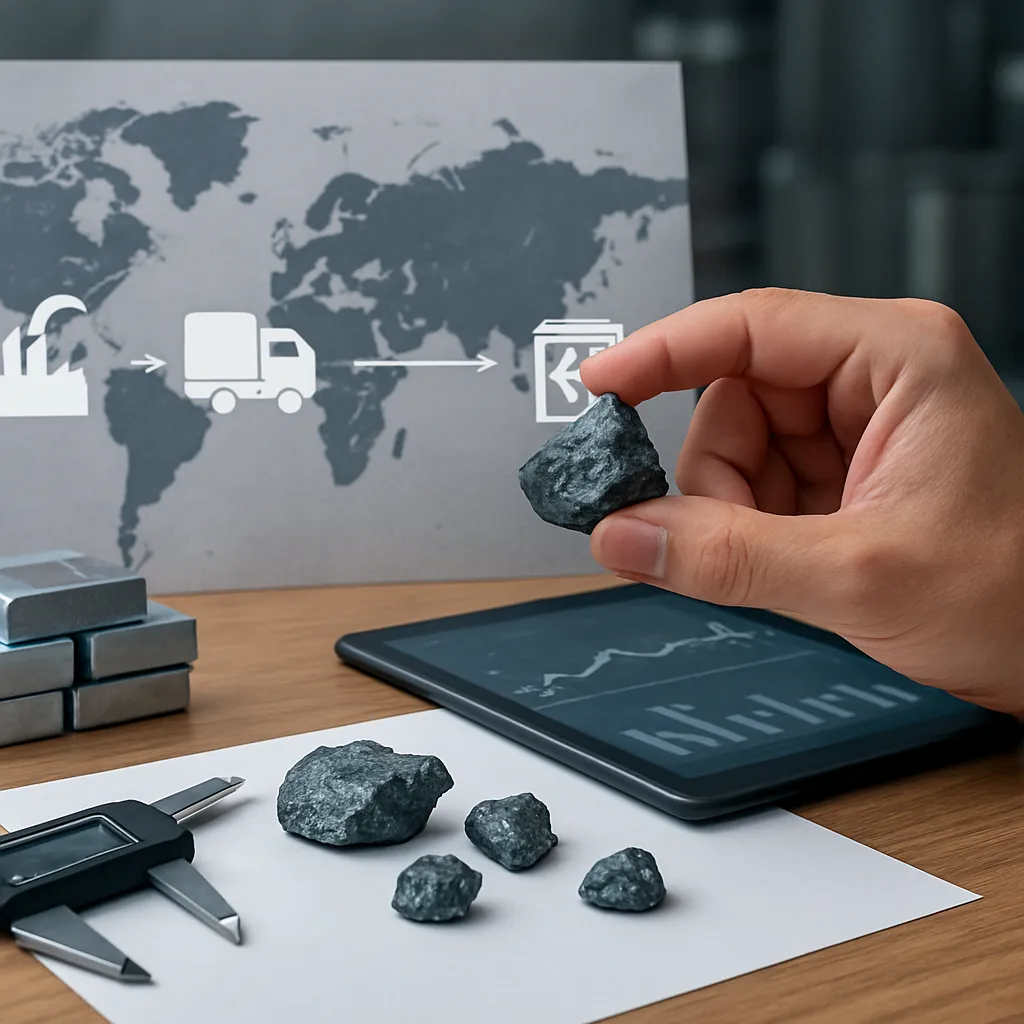
The global supply chains for rare metals are highly concentrated, with a handful of nations controlling the lion’s share of production and refining capabilities. This concentration elevates geopolitics to a central concern for companies racing to secure stable inputs for AI hardware.
Concentration of Mining and Processing
- China dominates the refining of rare-earth minerals, accounting for over 80% of global output.
- The Democratic Republic of Congo supplies more than 60% of the world’s cobalt, often under conditions that raise serious ethical questions.
- Australia and Chile are leading sources of lithium but face logistical bottlenecks in ramping up production to meet skyrocketing demand.
Trade Policies and Export Controls
In response to vulnerabilities exposed by trade disputes, several governments have imposed export restrictions on critical materials. For example, quotas on rare-earth exports can create significant price volatility. Corporations must navigate an intricate web of tariffs, licensing requirements, and strategic stockpiling efforts to avoid disruptions.
To mitigate these risks, some AI hardware firms are diversifying their supplier base, forging partnerships with mining companies in Canada, Brazil, and parts of Africa. Others invest directly in upstream projects, seeking minority stakes in mines to guarantee a share of the output. However, developing new mines involves lengthy environmental assessments and substantial capital investment, potentially delaying supply by years.
Environmental and Ethical Considerations
As the hunt for rare metals intensifies, environmental NGOs and social justice groups are sounding alarms about the ecological footprint and human rights issues inherent in extractive industries. AI’s meteoric rise cannot come at the cost of irreparable damage to ecosystems or exploitation of vulnerable communities.
Carbon Footprint of Extraction and Refining
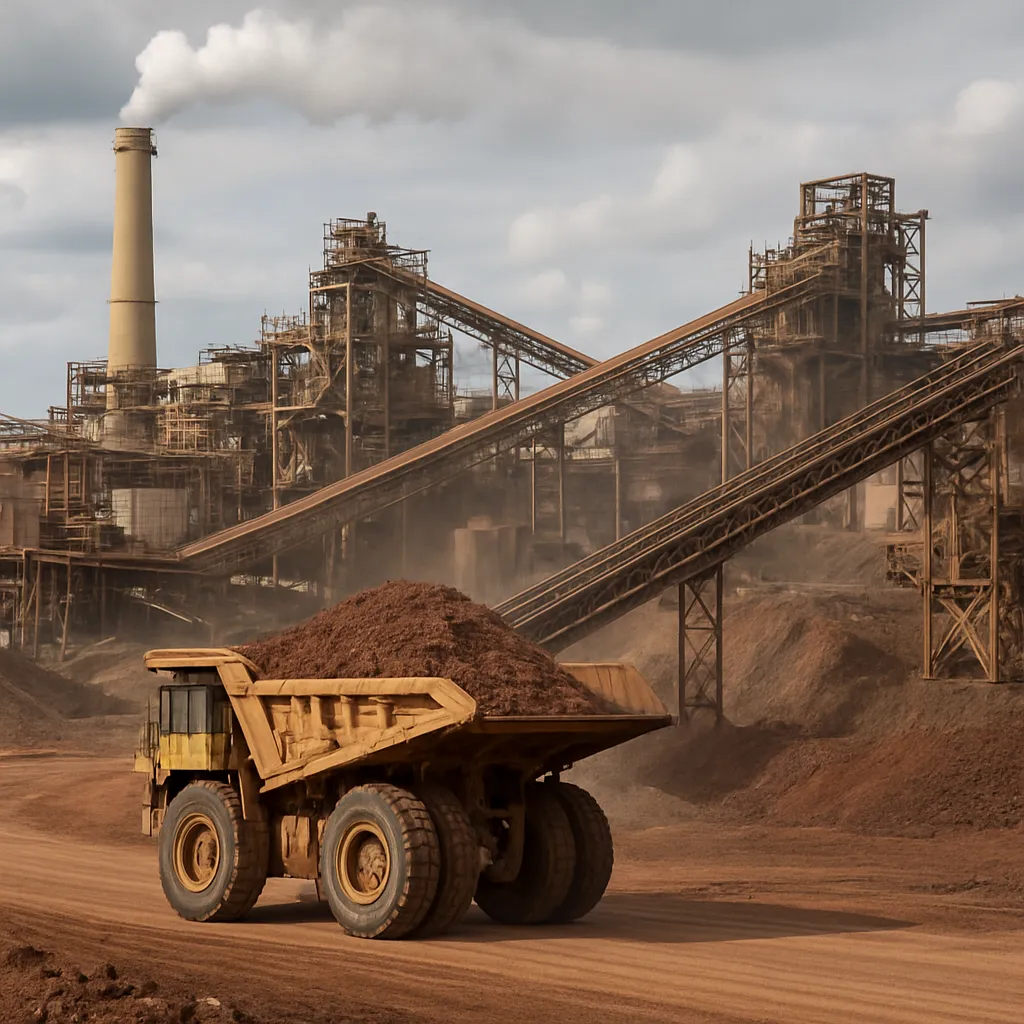
Mining operations often release greenhouse gases through heavy machinery use and ore processing. Refining rare-earth elements is energy-intensive and can produce toxic tailings. Manufacturers are under mounting pressure to demonstrate sustainability by adopting cleaner extraction technologies and offsetting emissions via reforestation or carbon capture initiatives.
Labor Practices and Community Impact
In some regions, artisanal mining employs child labor under hazardous conditions. The cobalt supply chain, for instance, has been linked to unsafe work environments and minimal wage standards. Technology firms are increasingly forced to conduct rigorous supply chain audits, implement traceability protocols, and support community development programs to ensure ethical sourcing.
Transparency in sourcing is becoming a benchmark for brand reputation; companies that fail to address these concerns risk consumer boycotts and regulatory scrutiny.
Innovation in Recycling and Circular Economy
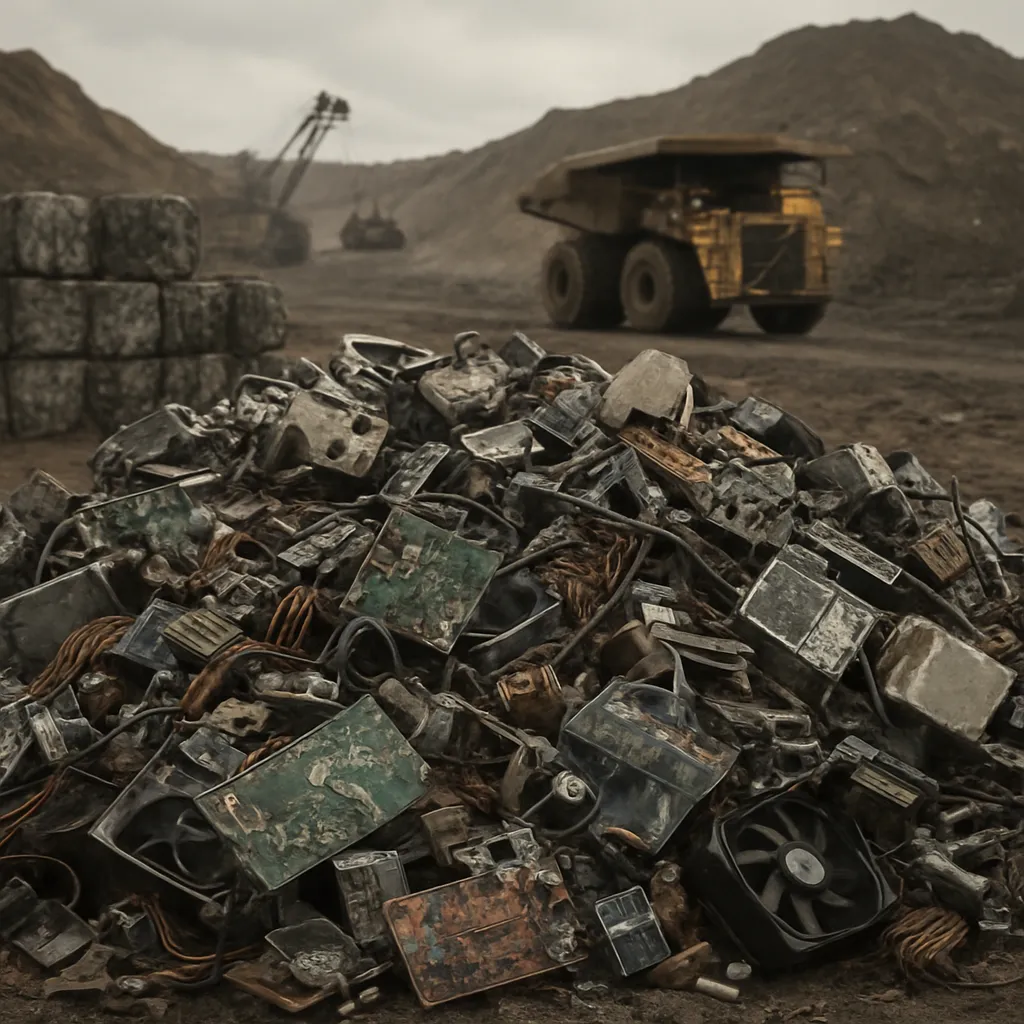
Given the finite nature of many rare metals, the industry is racing toward a circular economy model. Recycling electronic waste (e-waste) offers a promising avenue to recover critical elements and reduce reliance on virgin mining.
Advanced Recovery Techniques
- Hydrometallurgical processes use specialized solvents to leach metals from shredded circuit boards, achieving recovery rates above 90% for gold and palladium.
- Pyrometallurgical methods employ controlled smelting to separate copper, silver, and nickel from mixed metal streams.
- Electrochemical deposition can isolate high-purity rare-earth oxides from aqueous solutions.
Design for Disassembly
Hardware designers are embracing modular architectures that simplify the removal of critical components at end-of-life. By standardizing fasteners and connectors, companies can streamline the recycling workflow, minimizing manual labor and maximizing yield.
Collaborations between tech giants and recycling startups are proliferating, driven by both regulatory mandates and cost-saving incentives. For instance, extended producer responsibility (EPR) laws in Europe require manufacturers to reclaim and recycle a set percentage of their sold devices, incentivizing investment in take-back programs.
Looking Ahead: Strategies for Sustainable Growth
AI’s rapid expansion shows no signs of abating, and the pressure on rare metal supplies will only intensify. Stakeholders across the ecosystem must adopt multifaceted approaches to balance technological advancement with resource stewardship.
- Diversification of supply sources, including exploration of underdeveloped deposits and deep-sea mining possibilities.
- Investment in innovation for substitute materials, such as organic semiconductors or silicon-carbide alternatives.
- Scaling up recycling infrastructure and developing blockchain-based traceability systems to ensure ethically sourced inputs.
- Public–private partnerships to fund research in low-impact extraction technologies and closed-loop manufacturing.
- Enhanced regulatory frameworks to enforce environmental and labor standards across jurisdictions.
As AI continues to reshape economies and societies, securing the necessary materials in a responsible manner will be paramount. The convergence of technological breakthroughs, policy initiatives, and stakeholder collaboration will determine whether the industry can meet its ambitious goals without compromising planetary health and human rights.