Research on rare metals has evolved into a critical intersection of academia and industry, driven by the need for high-performance materials in sectors ranging from renewable energy to advanced electronics. As global demand surges, collaborative efforts are reshaping the landscape of supply chain management, fostering groundbreaking innovation and addressing both environmental and economic challenges.
The Strategic Importance of Rare Metals
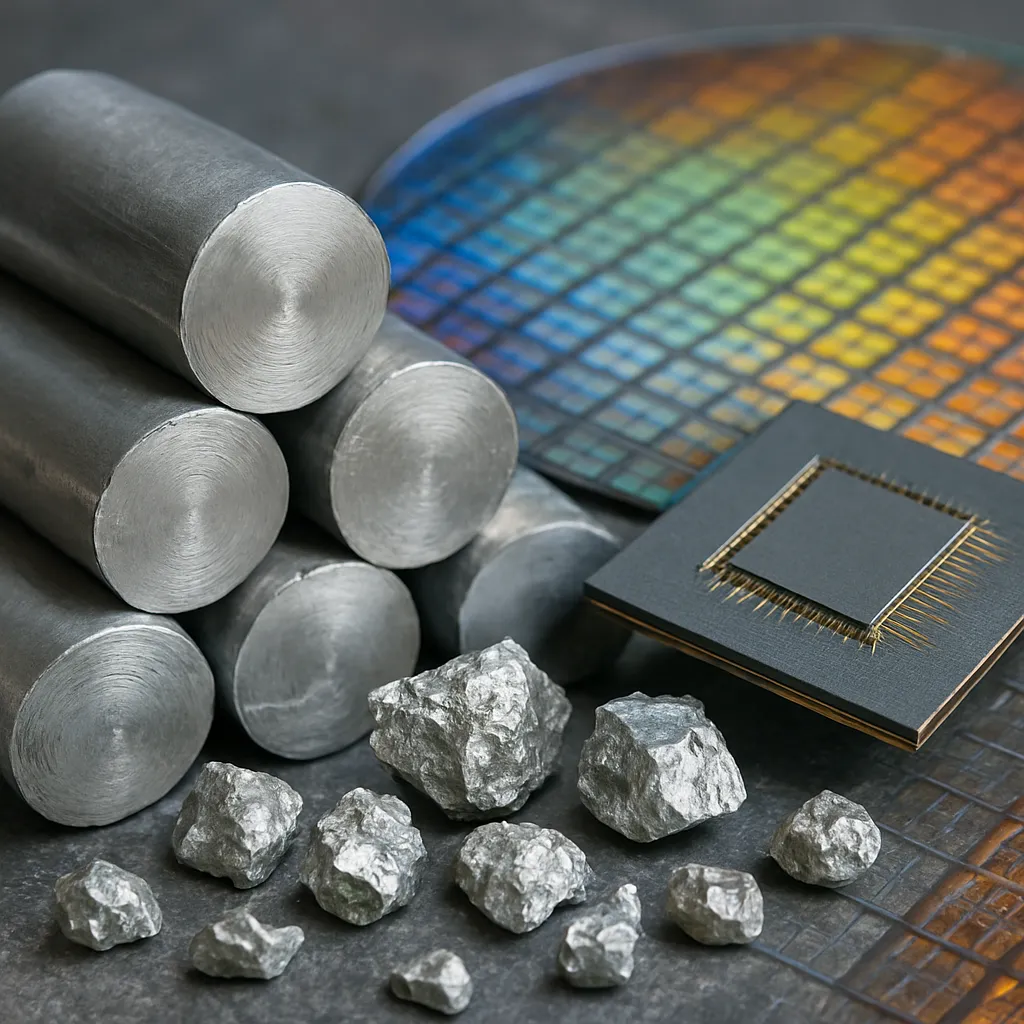
Rare metals—such as lithium, cobalt, platinum-group elements, and the rare-earth elements—play a pivotal role in modern technology. Their unique magnetic, catalytic, and conductive properties underpin critical applications:
- Battery Technology: Lithium and cobalt are central to high-density energy storage.
- Catalysis: Platinum and rhodium enable efficient automotive emission control.
- Optoelectronics: Europium and terbium support vibrant display technologies.
- Alloy Development: Nickel-based superalloys incorporate rhenium and hafnium for aerospace engines.
Securing stable access to these materials is complicated by geopolitical concentration of resources, fluctuating prices, and environmental concerns. As a result, sustainability and strategic diversification have emerged as top priorities.
Academic Research Initiatives
Universities and national laboratories spearhead fundamental research in extraction, purification, and advanced characterization techniques for rare metals. Key areas of academic focus include:
- Novel Extraction Methods: Bioleaching, supercritical fluids, and ionic-liquid based separation to reduce ecological footprints.
- Nanostructured Materials: Synthesizing metal oxides and alloys with enhanced surface area for catalysis and energy storage.
- Computational Modeling: Density functional theory (DFT) and machine-learning algorithms to predict alloy behavior and optimize process parameters.
Interdisciplinary Research Centers
Many institutions have established centers that unify chemistry, materials science, and engineering departments. These hubs emphasize:
- High-throughput experimentation platforms for screening alloy compositions.
- In situ analytical techniques—such as synchrotron X-ray diffraction and neutron scattering—to observe metal phase transformations.
- Life-cycle assessment tools for evaluating environmental impacts of mining and processing.
Graduate Training and Knowledge Transfer
Graduate programs are integrating industry internships and thesis projects funded by corporate partners. This model:
- Enhances student exposure to real-world challenges in extraction and materials deployment.
- Facilitates two-way exchange of expertise and accelerates technology readiness levels (TRLs).
- Produces a talent pipeline adept at navigating regulatory and patent landscapes.
Industry Partnerships and Commercialization
Corporate stakeholders bring scale-up capabilities, regulatory expertise, and market insights, forming partnerships with academic labs for mutual benefit. Prominent collaboration models include:
- Joint research grants co-funded by government agencies and industry consortia.
- Sponsored research agreements with clear deliverables for process optimization or new material prototypes.
- Licensing of patented technologies developed within universities to catalyze product launch.
Technology Transfer Offices (TTOs)
University TTOs are instrumental in bridging the gap between laboratory breakthroughs and commercialization. Their roles encompass:
- Intellectual property management and patent filing strategies.
- Negotiating licensing deals and equity positions in start-up ventures.
- Advising on regulatory submissions for novel chemical processes or materials.
Case Study: Lithium-Ion Battery Materials
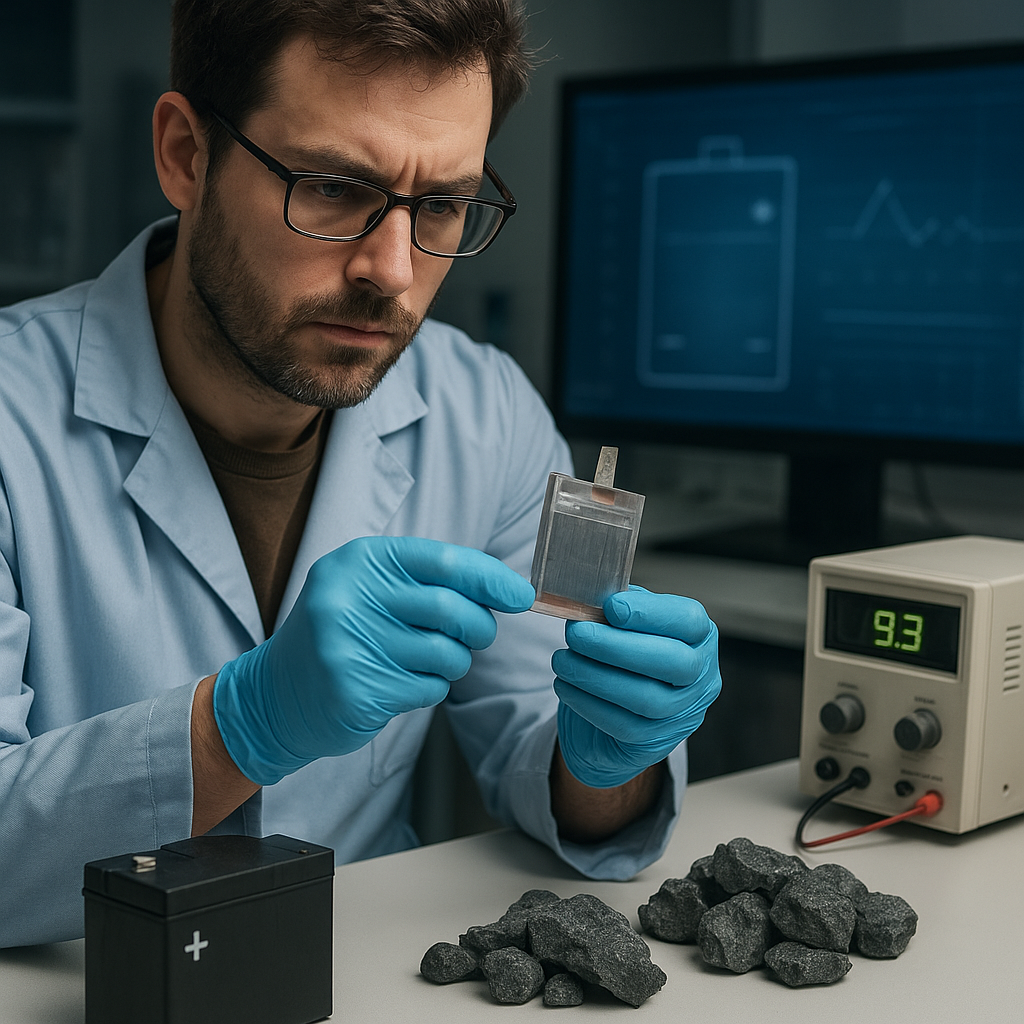
In a recent example, a leading automotive manufacturer and a top engineering school co-developed a cobalt-free cathode material. This partnership leveraged:
- Academic expertise in material synthesis and advanced analysis techniques.
- Industry capabilities in scaling batch reactors and quality control for large-volume production.
- Shared risk models underwritten by government innovation grants.
Global Supply Chain and Sustainability
Securing a responsible and resilient supply chain for rare metals requires a holistic approach that addresses both primary sources and end-of-life recovery.
Recycling and Circular Economy
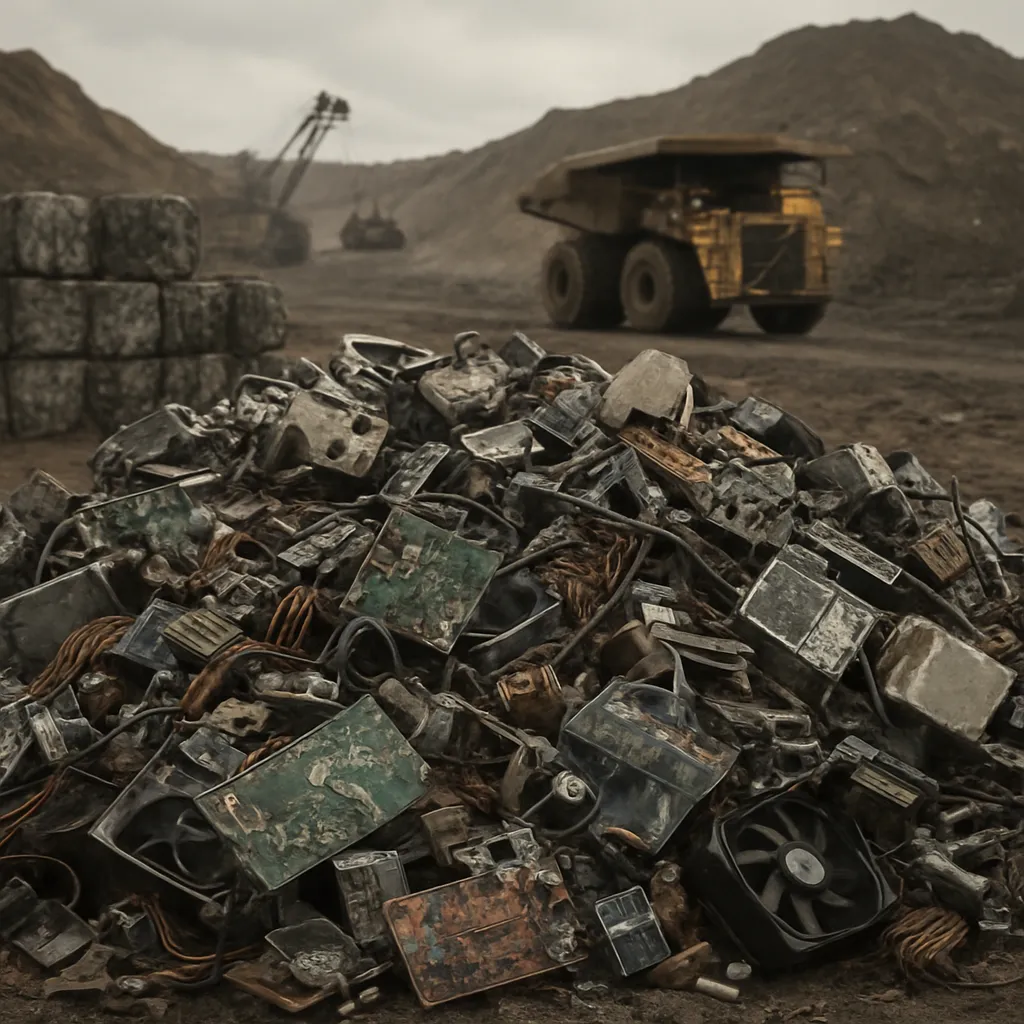
Advanced recycling technologies target recovery of rare metals from spent batteries, electronic waste, and industrial catalysts. Highlights include:
- Hydrometallurgical processes for selective leaching of precious metals.
- Electrochemical methods to deposit high-purity metals on reusable substrates.
- Automated sorting and shredding systems using AI-based material recognition.
Regulatory and Ethical Considerations
Academic and industry collaborators must navigate complex regulatory frameworks and ethical concerns, such as:
- Environmental Impact Assessments (EIAs) for new mining projects.
- Compliance with the OECD Due Diligence Guidance on sourcing minerals from conflict-affected areas.
- Community engagement to ensure transparent benefit-sharing with resource-rich regions.
Future Directions in Collaboration
Joint efforts between academia and industry are poised to address emerging challenges in the realm of global rare metals, focusing on:
- Developing smart sensors and real-time analytics for upstream mineral exploration.
- Integrating blockchain technology for transparent supply chain traceability.
- Advancing environmentally benign extraction techniques that minimize water usage and carbon emissions.
- Fostering international consortia that combine geopolitical, technical, and environmental expertise.
As resource demands intensify, the synergy between cutting-edge research and industrial application will remain crucial for ensuring a stable, sustainable future for critical metal resources.