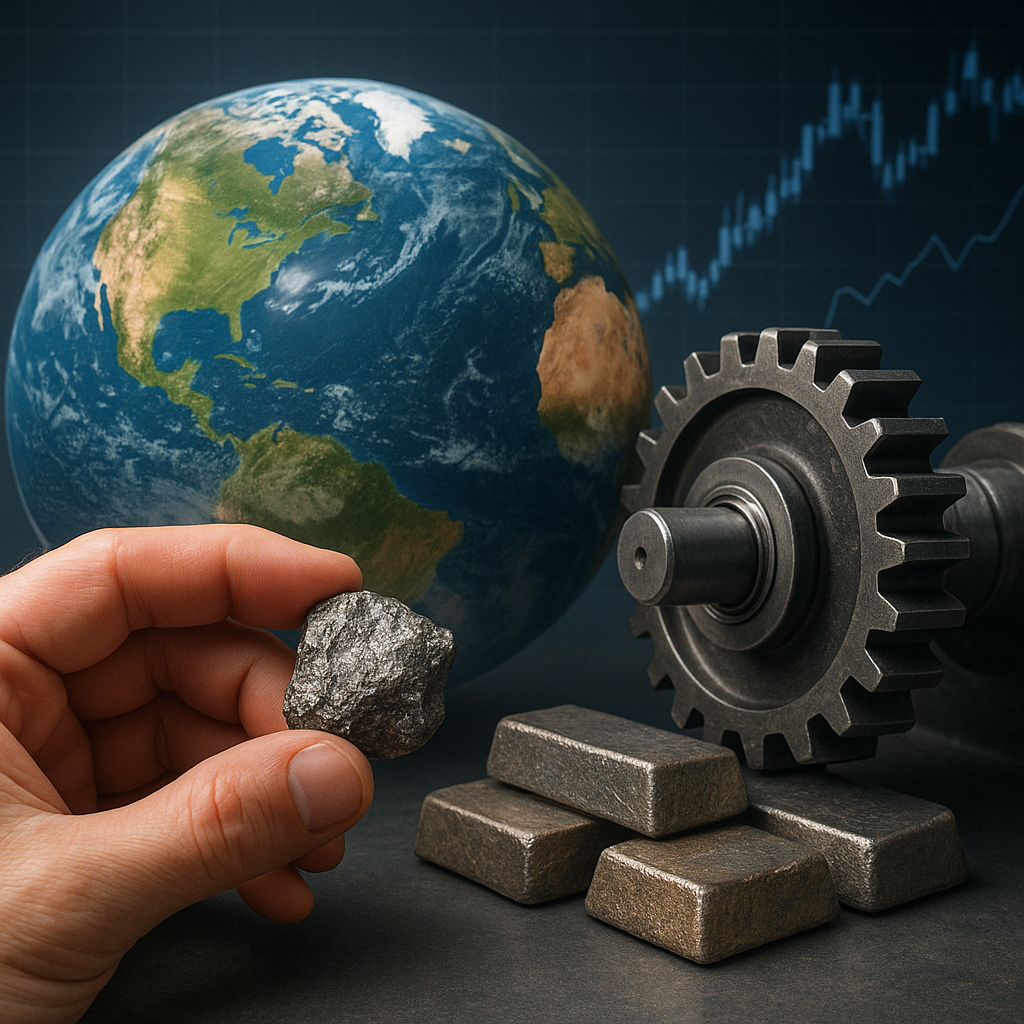
Advancements in additive manufacturing are transforming how industries access and consume critical minerals. This article explores the influence of 3D printing on global rare metal markets, examining technological developments, shifts in demand patterns, and the broader environmental and economic effects. By analyzing emerging trends, stakeholders can better navigate an evolving landscape where innovation and material scarcity intersect.
Innovations in 3D Printing Technology
The rise of additive manufacturing has disrupted traditional production methods by building parts layer by layer. Unlike subtractive processes that remove material from a bulk block, 3D printing provides unparalleled design freedom and material utilization. Recent breakthroughs include:
- Metal powder bed fusion: A laser selectively fuses powders such as titanium, nickel-based superalloys, and cobalt-chrome.
- Direct energy deposition: Focused thermal energy melts wire or powder feedstocks, enabling large-scale component repair and fabrication.
- Binder jetting combined with sintering: This method uses a liquid binder to glue metal particles before heat treatment.
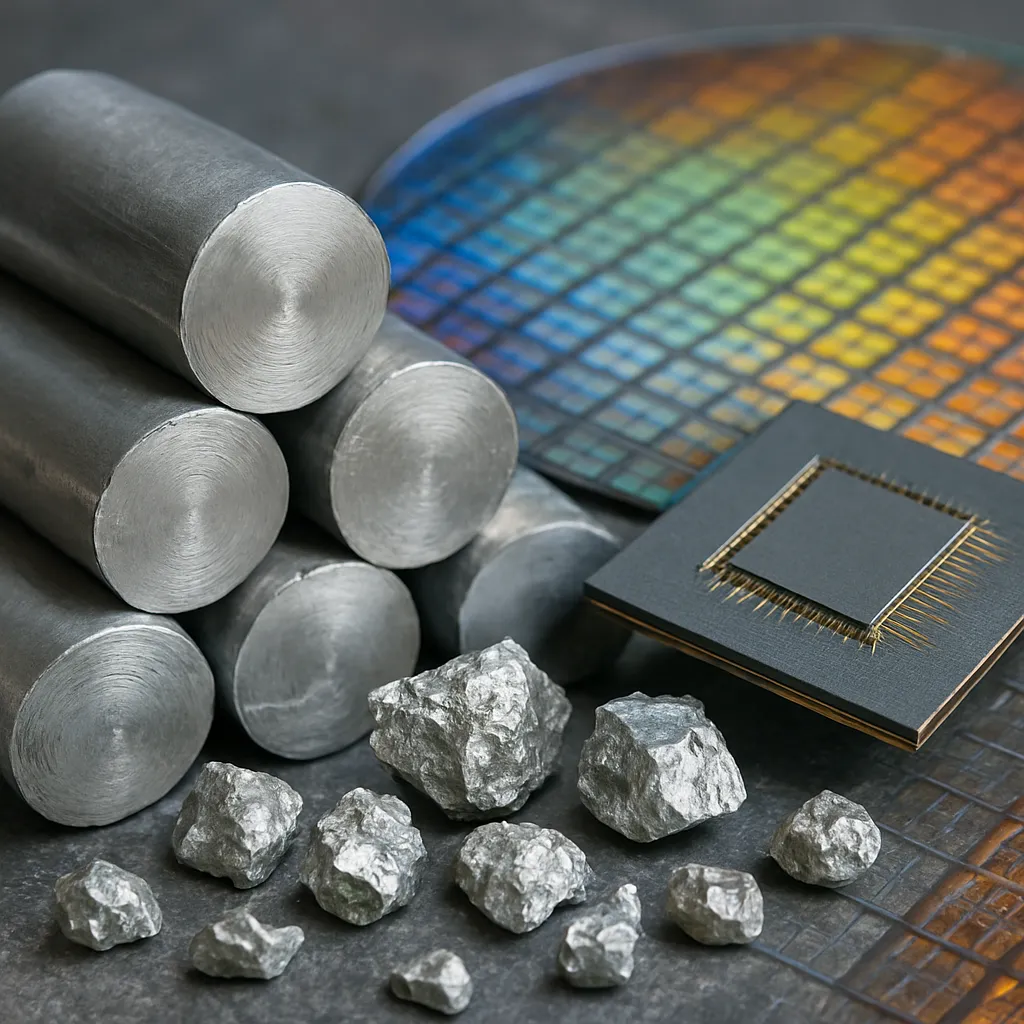
These innovations demand high-purity rare metals and specialized alloys. Materials such as scandium, rhenium, and niobium are prized for their high-temperature strength and corrosion resistance. In the aerospace sector, for example, 3D-printed turbine blades benefit from custom geometries and internal cooling channels, reducing weight and boosting efficiency.
Material Development and Powder Recycling
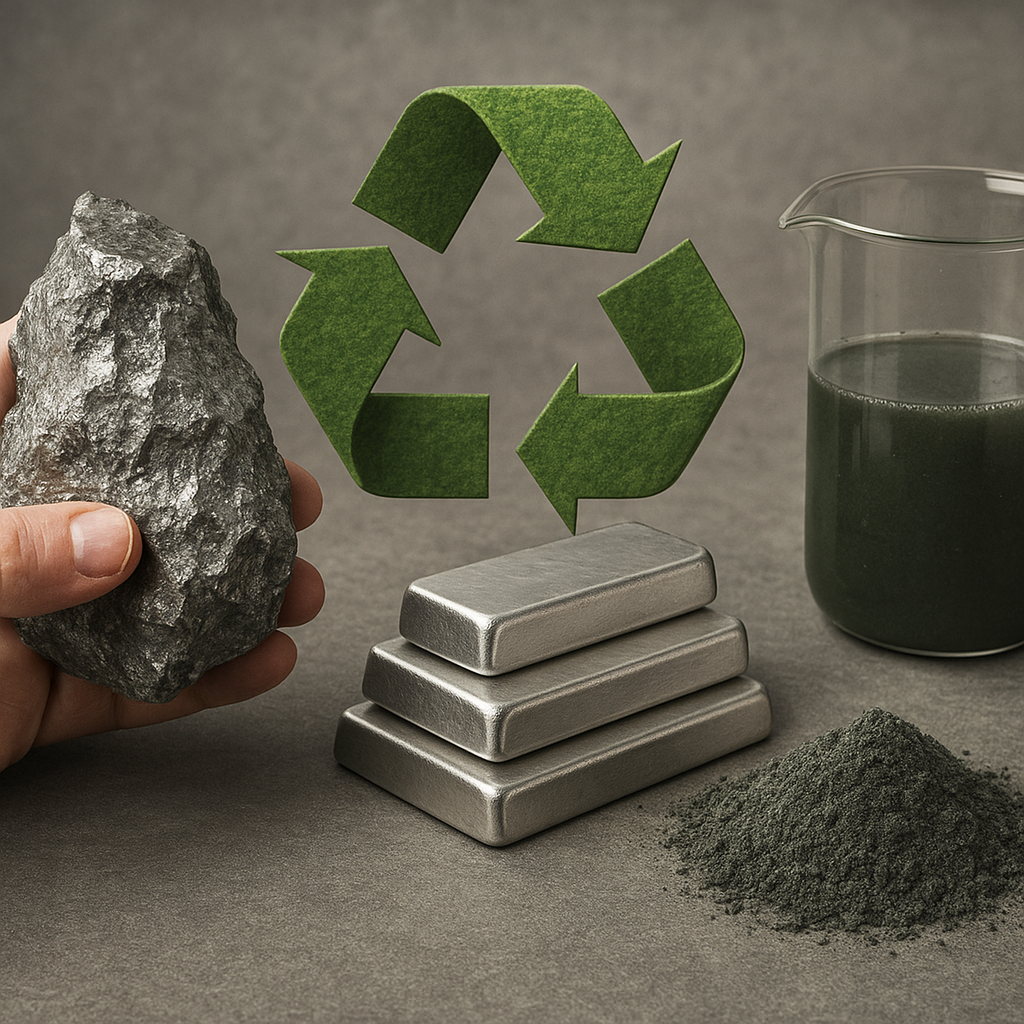
Efficient powder recycling is critical to minimizing waste and cost. Designers and engineers employ closed-loop systems to reclaim unused metal powders after printing. This process involves:
- Sieving and screening to remove agglomerates and contaminants.
- Reconditioning with gas atomization to restore particle morphology.
- Quality control via spectrometry and particle size analysis.
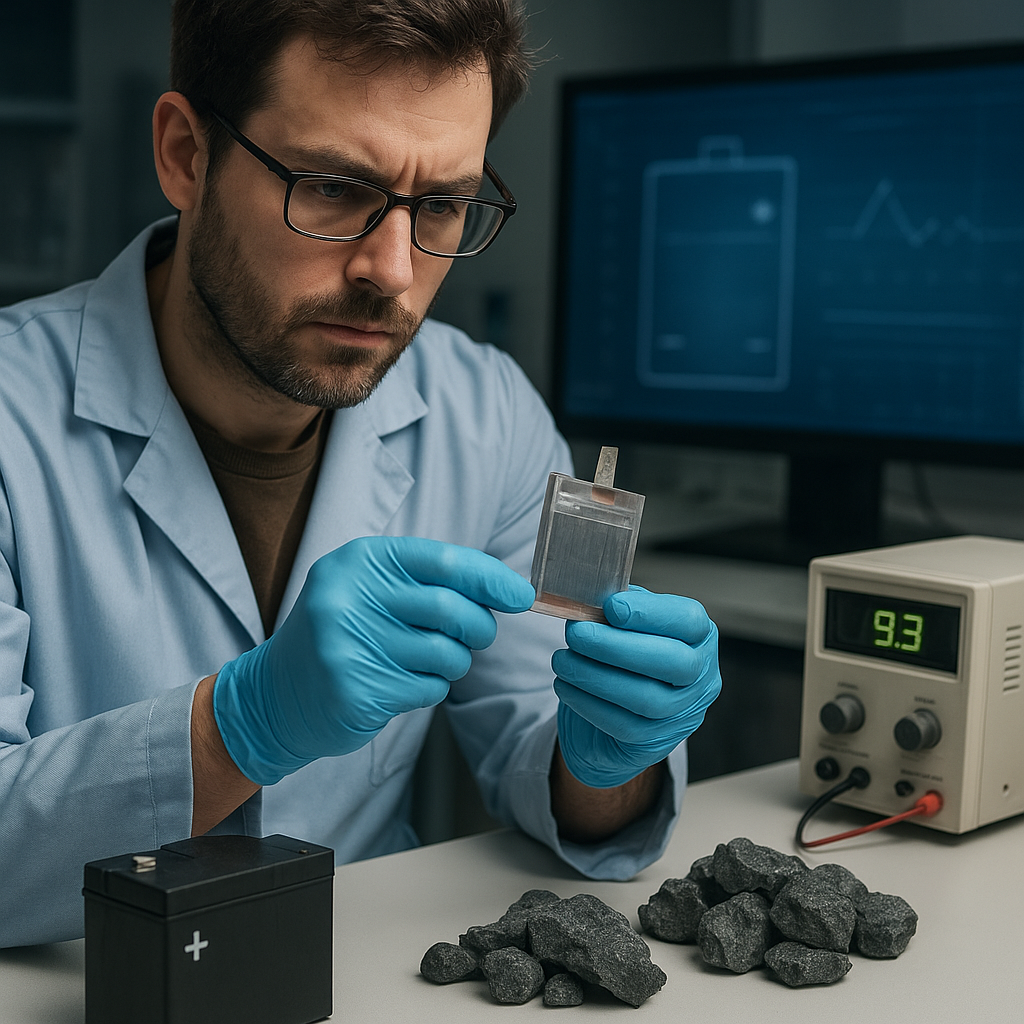
Such approaches improve resource efficiency and extend the lifecycle of costly feedstocks. However, each recycling cycle can slightly alter particle chemistry, necessitating rigorous testing to maintain mechanical performance and ensure sustainability.
Impact on Rare Metal Demand and Supply Chains
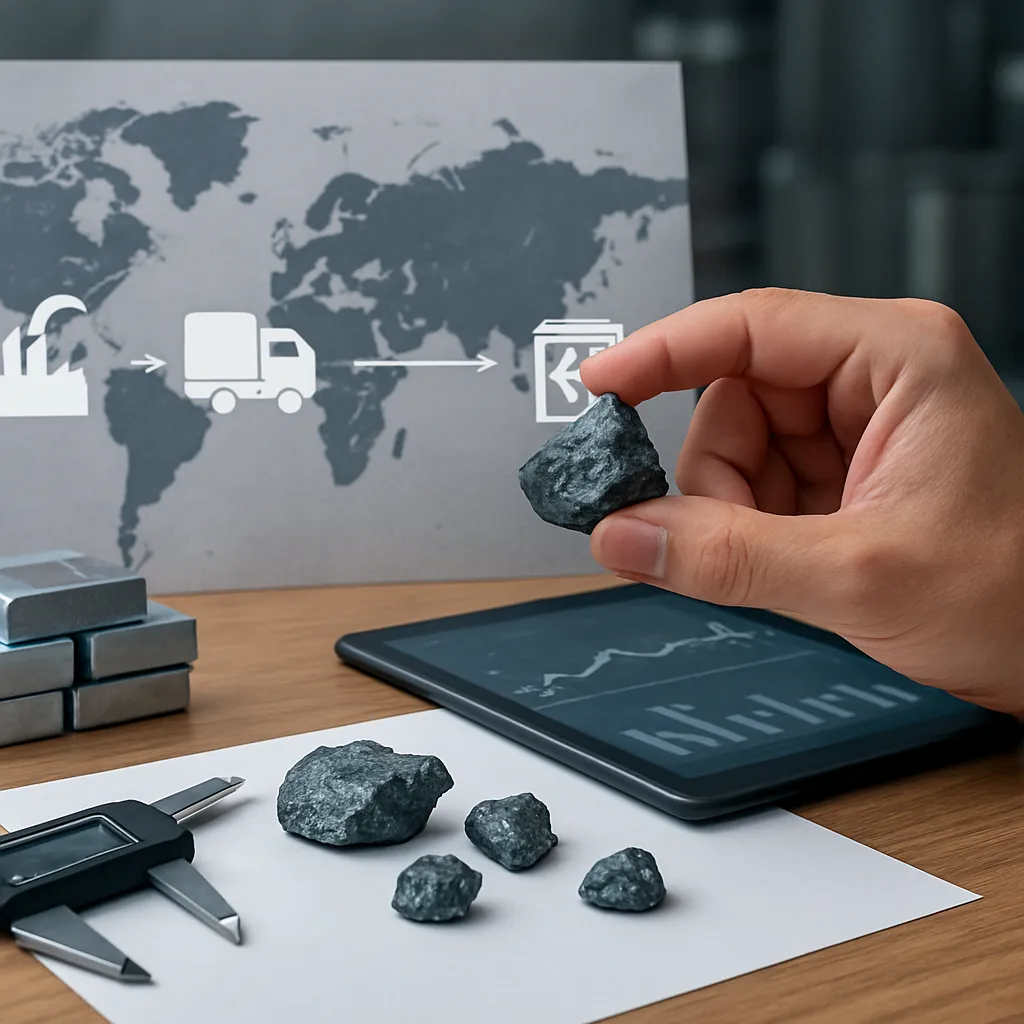
As 3D printing gains industrial traction, its effect on global supply chains is profound. On one hand, localized manufacturing reduces transportation needs and inventory buffers. On the other, it increases the concentration of high-value powders in distributed facilities, creating new logistical and security considerations.
Shifting Demand Patterns
Traditional casting and machining methods often produce substantial scrap, requiring large volumes of raw metal extraction. By contrast, 3D printing can reduce material consumption by up to 70%, shifting demand toward precise, high-grade powders. Key consequences include:
- Increased demand for scandium in aluminum alloys targeted at aerospace applications.
- Growth in nickel-based superalloy consumption for high-temperature components.
- Rising interest in titanium powders for lightweight structures in the automotive and medical sectors.
These shifts amplify competition for limited deposits of rare metals, heightening supply risk and prompting prosumers—entities that both produce and consume—to secure strategic partnerships with mining firms.
Strategic Sourcing and Recycling Initiatives
To mitigate volatility, manufacturers are investing in vertical integration and material recycling programs. Initiatives include:
- Partnerships with lithium, cobalt, and rare earth element producers to guarantee feedstock availability.
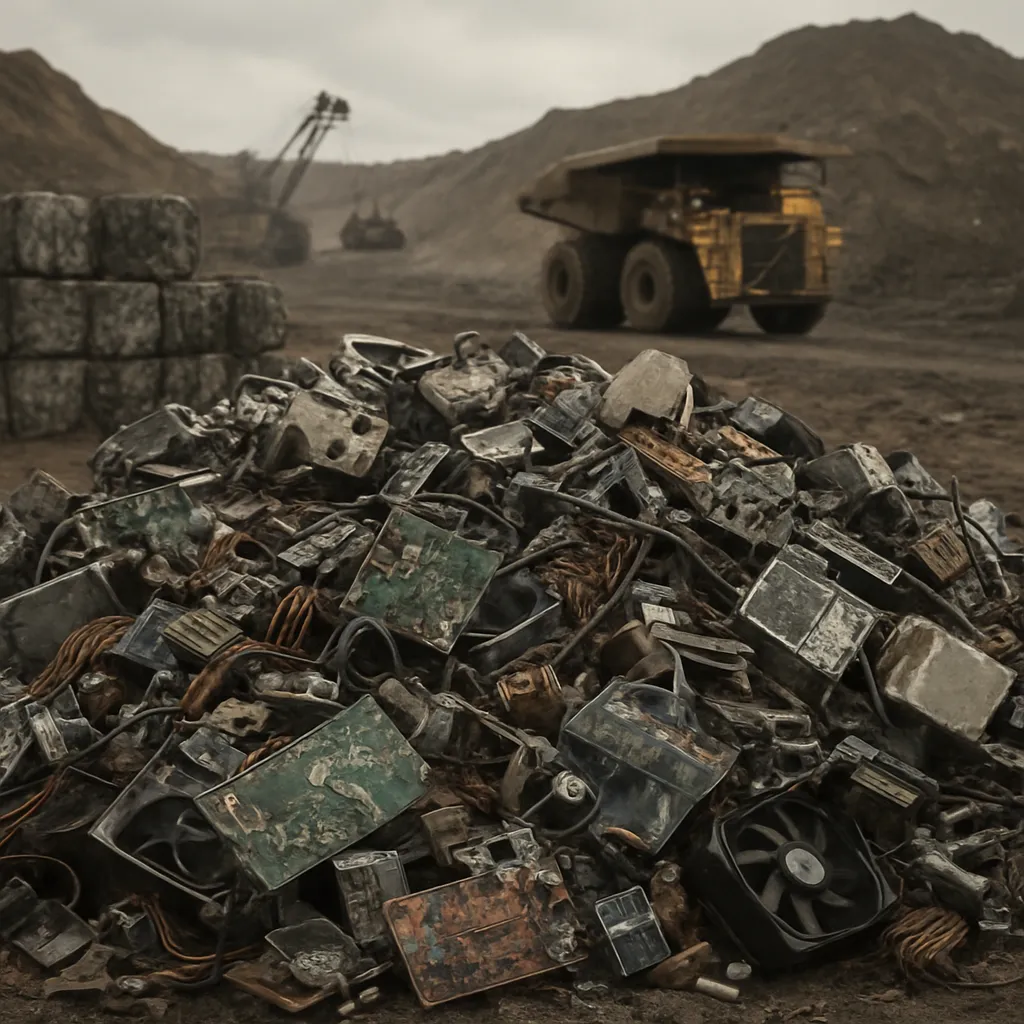
- Development of secondary markets for reclaimed powders and end-of-life components.
- Research collaborations focused on alternative alloys that reduce reliance on scarce metals.
By diversifying supply channels and promoting closed-loop recycling, the industry aims to enhance resilience and curb resource depletion.
Environmental and Economic Implications
The adoption of 3D printing carries both ecological benefits and challenges. On the positive side, additive manufacturing can significantly lower carbon footprints through:
- On-demand production that eliminates overstock and reduces waste.
- Complex part consolidation that minimizes assembly requirements and logistical emissions.
- Lightweight designs that improve fuel efficiency in vehicles and aircraft.
However, the energy intensity of powder production and high-temperature lasers cannot be overlooked. Advanced manufacturing facilities demand robust power supplies, and the production of metal powders often involves energy-consuming gas atomization processes.
Balancing Sustainability and Growth
Policymakers and corporations are increasingly focused on cradle-to-cradle design philosophies. Regulatory frameworks encourage the integration of recycled content and lifecycle assessments that measure the environmental impact of 3D-printed products. Key strategies include:
- Implementing renewable energy sources to power manufacturing centers.
- Standardizing material passports that document alloy composition and previous use.
- Investing in research on low-energy powder manufacturing techniques, such as microwave plasma atomization.
Through these efforts, the industry seeks to harmonize rapid innovation with ethical resource stewardship, ensuring that growth does not come at the expense of planetary health.
Economic Opportunities and Challenges
Industries that adopt additive manufacturing gain a competitive edge by reducing lead times, lowering inventory costs, and enabling mass customization. For instance, the automotive sector can rapidly iterate prototype designs, while the aerospace industry benefits from lighter, more efficient structural components.
Nevertheless, barriers to entry remain. High upfront investment in printers, qualification of new materials, and workforce training are significant hurdles. Smaller enterprises may struggle to justify the cost of specialty rare metals powders, potentially widening the gap between large manufacturers and niche innovators.
In conclusion, the intersection of 3D printing and global rare metal markets presents a complex tapestry of technological promise, supply chain realignment, and environmental responsibility. As additive manufacturing matures, stakeholders must collaborate across academia, industry, and government to foster sustainable practices and secure access to critical resources in an increasingly digital manufacturing era.