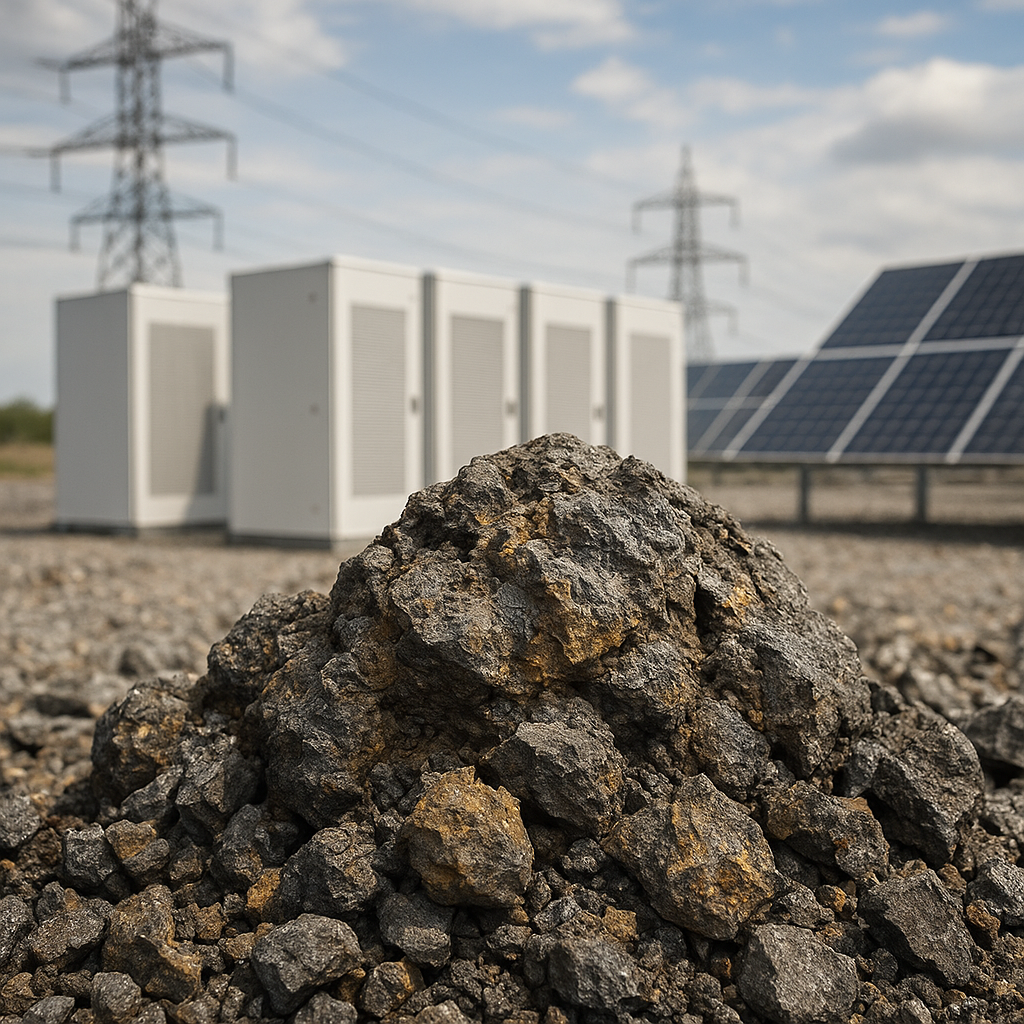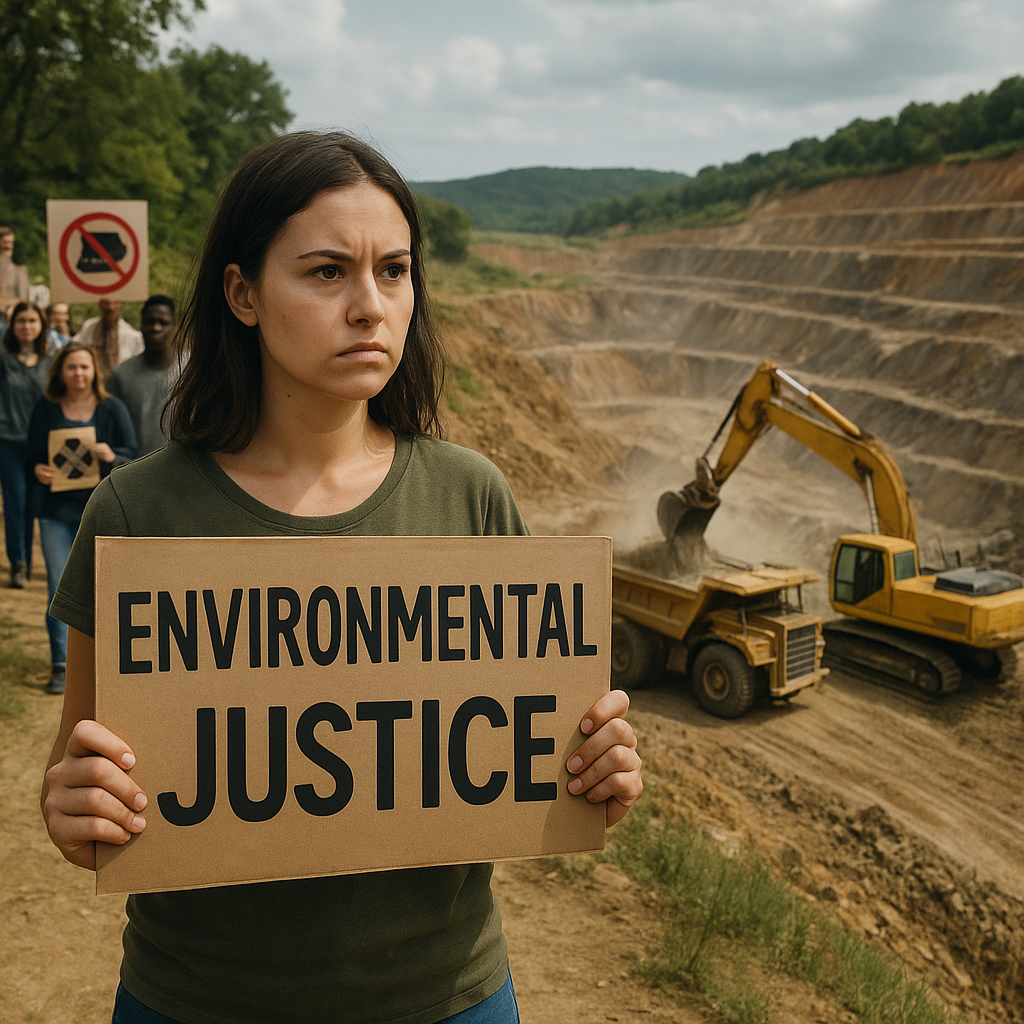
The accelerating transition to clean energy technologies and digital innovations has intensified the global pursuit of rare metals. While these critical elements power electric vehicles, wind turbines, and high-performance electronics, their extraction raises profound questions of sustainability and equity. This article delves into the multifaceted landscape of global extraction of lithium, cobalt, nickel, rare earth elements, and other strategic minerals. It highlights environmental hazards, social justice concerns, indigenous rights, and the urgent need for transparent, resilient supply chains that respect human and ecological well-being.
Global Demand and Critical Applications
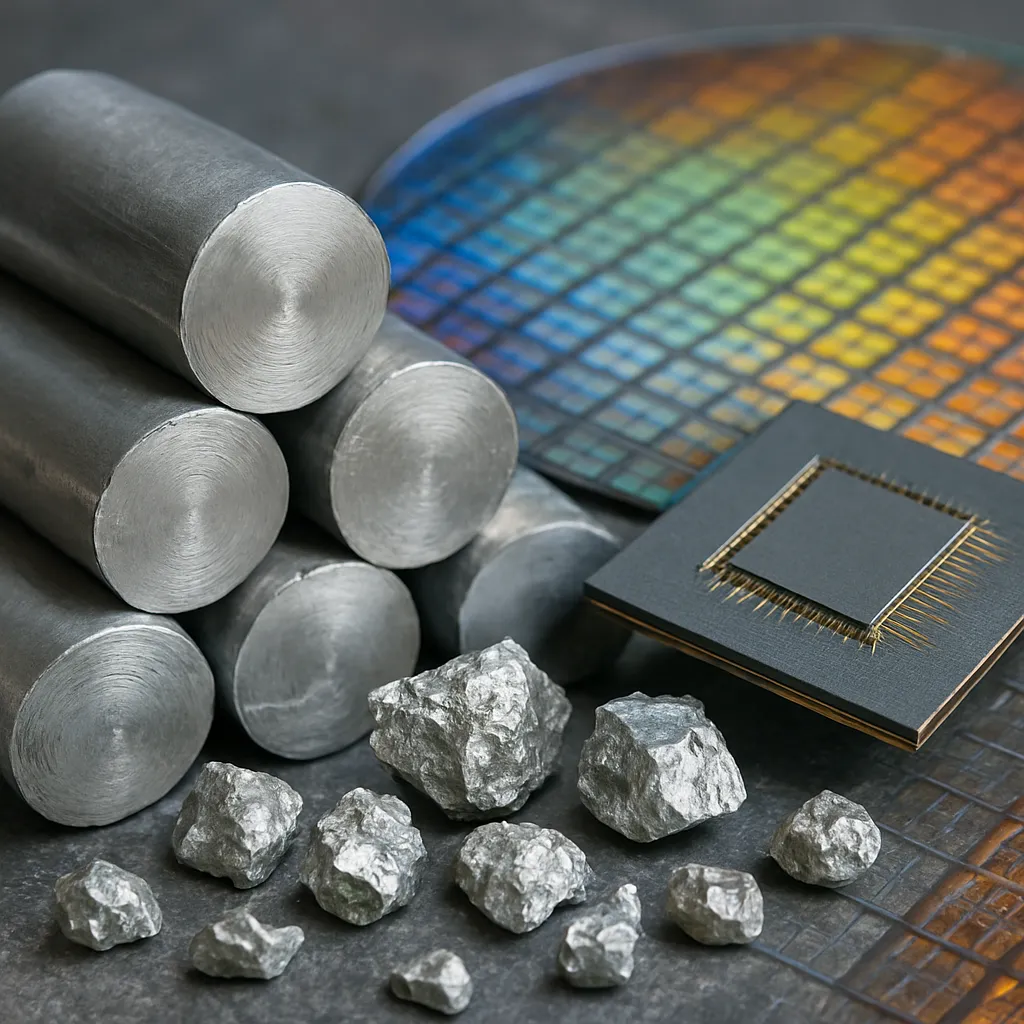
The rapid decarbonization of energy systems has driven unprecedented demand for batteries and motors. Lithium-ion chemistries require significant quantities of lithium, cobalt, manganese, and nickel, while permanent magnets depend on neodymium and dysprosium. Even consumer electronics rely on trace quantities of tantalum, gallium, and indium to function. As nations pursue net-zero targets, the footprint of metal mining expands across diverse geographies—from the salt flats of the Andes to the forests of Southeast Asia and the Arctic tundra.
- Electric mobility: lithium, cobalt, nickel
- Renewable power: neodymium, praseodymium, dysprosium
- Digital infrastructure: tantalum, indium, gallium
- Defense and aerospace: titanium, zirconium, rare earth oxides
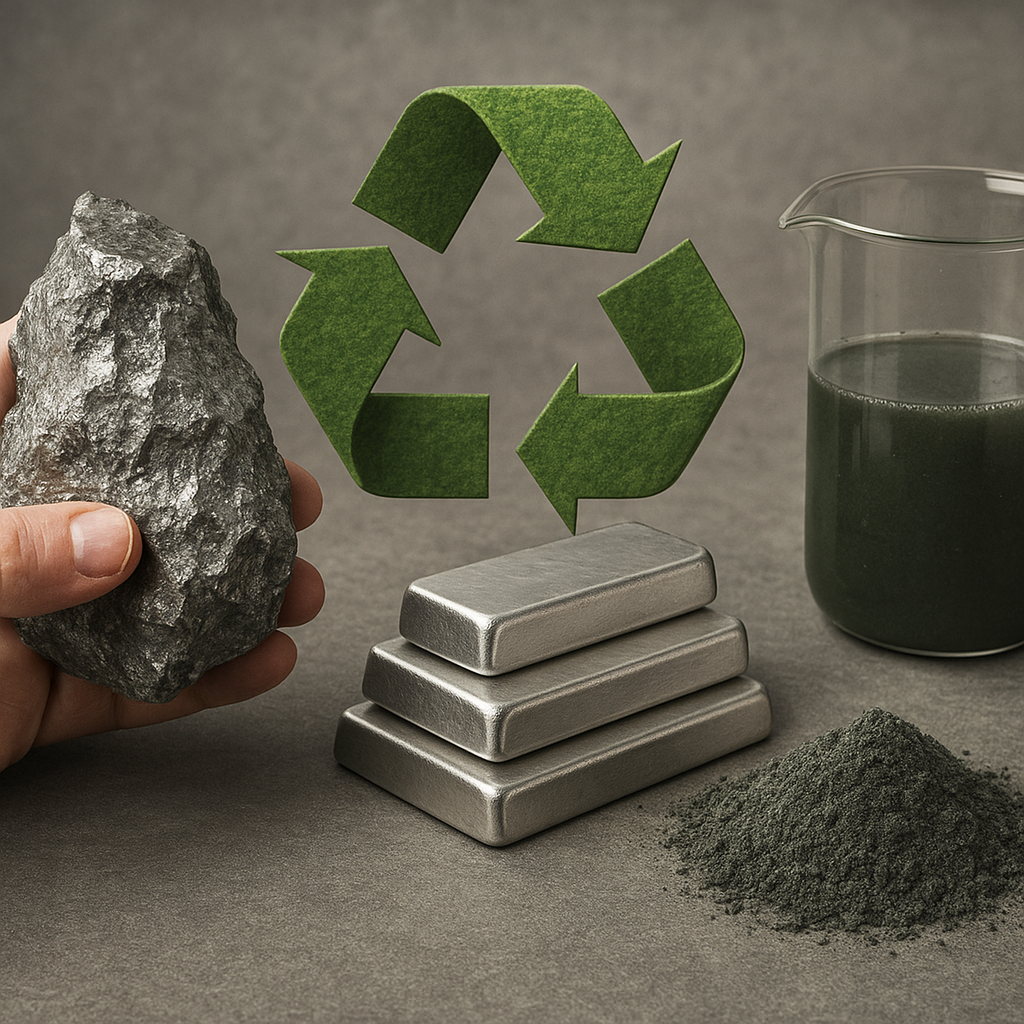
Meeting this surge without compromising ecosystems demands rigorous attention to both extraction technologies and resource efficiency. Innovations such as direct lithium extraction, bioleaching of copper and nickel, and recycling of end-of-life batteries illustrate pathways to reduce primary mining pressures. Yet technical advances alone cannot resolve the deep-seated injustices that often accompany resource booms.
Environmental Impacts and Justice Concerns
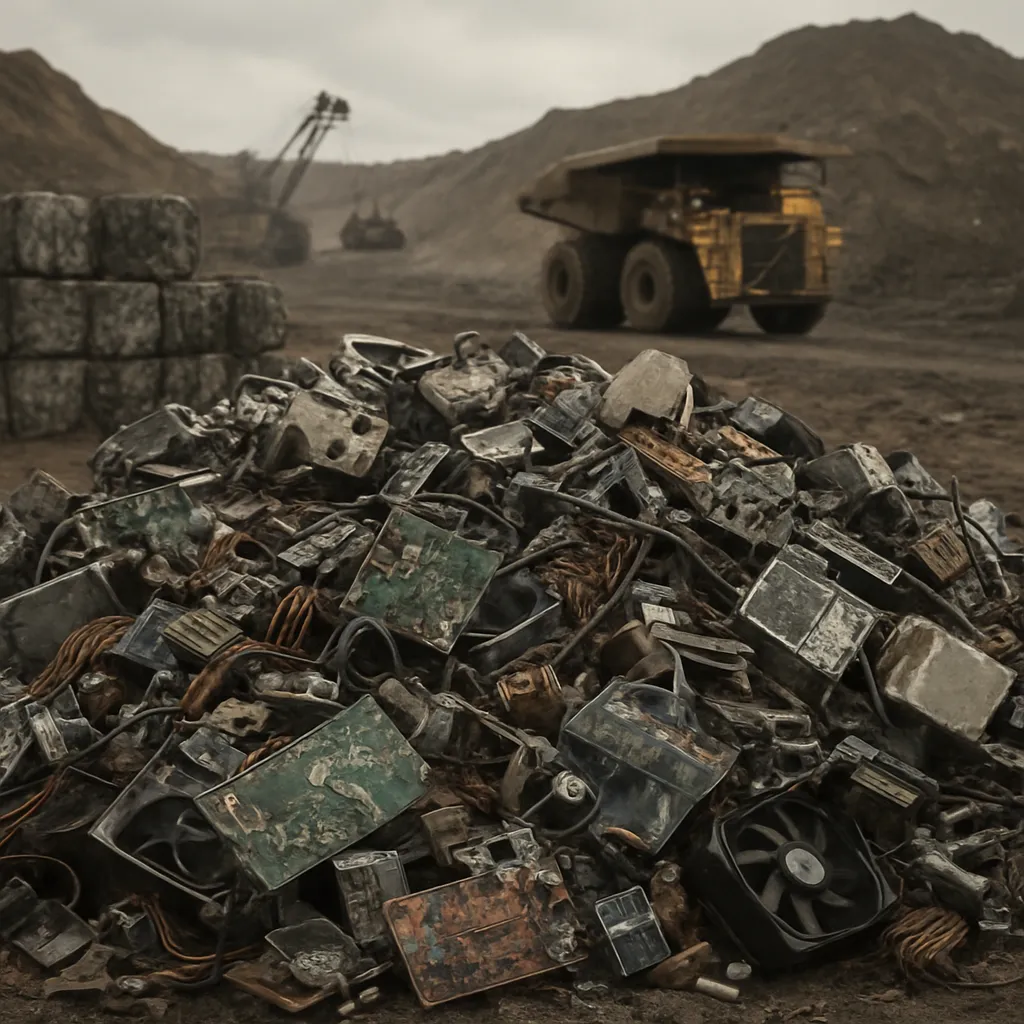
Large-scale mining operations frequently entail water diversion, tailings dams, and chemical leaching, all of which pose serious risks of pollution. Acid mine drainage can acidify watercourses, devastating aquatic life and contaminating drinking water for downstream communities. Heavy metals accumulate in soils and crops, undermining food security and public health. Moreover, clearing forested landscapes contributes to habitat loss, threatening global biodiversity and compounding climate change via reduced carbon sequestration.
Case studies from the Democratic Republic of the Congo (DRC) to Australia highlight how local populations bear disproportionate burdens:
- Groundwater depletion and contamination near lithium brine operations.
- Deforestation and erosion at open-pit nickel sites.
- Radioactive tailings from monazite-rich deposits of rare earth mining.
- Unregulated small-scale cobalt extraction involving child labor.
The concept of environmental justice demands that remedial actions and benefits be equitably distributed. International agreements such as the Escazú Agreement in Latin America and regional guidelines by the African Union aim to enhance community participation, enforce environmental standards, and secure the right to a healthy environment. Yet gaps in enforcement and transparency persist, enabling “sacrifice zones” where marginalized groups lack the capacity to challenge powerful corporations.
Community Rights and Sovereignty
Indigenous and peasant communities often possess traditional territories rich in mineral wealth. Recognition of land tenure and Free, Prior, and Informed Consent (FPIC) under international norms—such as the UN Declaration on the Rights of Indigenous Peoples—seeks to protect community sovereignty. FPIC requires that governments and mining firms obtain clear agreement before authorizing development, ensuring that local voices shape decisions on land use and benefit-sharing.
Despite these safeguards, conflicts escalate when companies bypass consultations or exploit legal loopholes. In many cases, royalty payments remain opaque and insufficient to offset environmental damage. Social unrest can manifest in protests, legal challenges, and even violent confrontations. On the positive side, community-led monitoring initiatives and citizen science projects are empowering residents to document pollution events, hold operators accountable, and advocate for fair contracts.
Key principles for upholding rights:
- Respect for customary land claims and sacred sites.
- Transparent revenue management and independent audits.
- Benefit-sharing agreements reflecting community priorities.
- Cultural impact assessments alongside environmental reviews.
Towards Sustainable and Equitable Supply Chains
Creating truly responsible metal supply chains requires integrated strategies at every stage, from mine to market. Companies are piloting blockchain-based traceability systems to track ores from pit to product, enhancing transparency and reducing the risk of conflict minerals. At the same time, industry coalitions like the Initiative for Responsible Mining Assurance (IRMA) set rigorous performance benchmarks for social, environmental, and governance practices.
In parallel, regulators and investors are raising the bar:
- Mandatory due diligence laws in the EU and US targeting human rights abuses.
- Green bond frameworks linking financing costs to sustainability metrics.
- Carbon border adjustment mechanisms incentivizing low-emission mining.
- National resource strategies that prioritize recycling and material efficiency.
Recycling of lithium-ion batteries, electronic waste, and permanent magnets can alleviate primary metal demand, but the current recovery rate for many elements remains below 50%. Scaling up collection infrastructure, enhancing sorting technologies, and fostering circular economies are vital steps toward resource resilience. Moreover, adopting sustainability criteria in public procurement can shift market incentives, rewarding suppliers committed to high environmental and social standards.
Finally, multi-stakeholder collaboration—across governments, communities, civil society, and industry—can foster adaptive governance frameworks. Mechanisms like environmental trusts, community development funds, and independent grievance panels help distribute economic gains and address harms swiftly. Embracing equity as a core principle ensures that the clean energy revolution does not replicate historic patterns of exploitation, but instead contributes to shared prosperity and ecological restoration.
Fair compensation and capacity-building
- Training programs for local workers and entrepreneurs.
- Reinvestment of royalties into health, education, and infrastructure.
- Legal support for community advocacy and environmental litigation.
- Long-term monitoring funded by a percentage of mining profits.
By prioritizing environmental justice, we align the extraction of critical metals with broader goals of climate mitigation, human rights, and biodiversity conservation. Only through concerted action can we transform supply chains into models of decarbonization, community empowerment, and ecological stewardship, ensuring that the pursuit of cutting-edge technologies does not undermine the very planet they aim to protect.