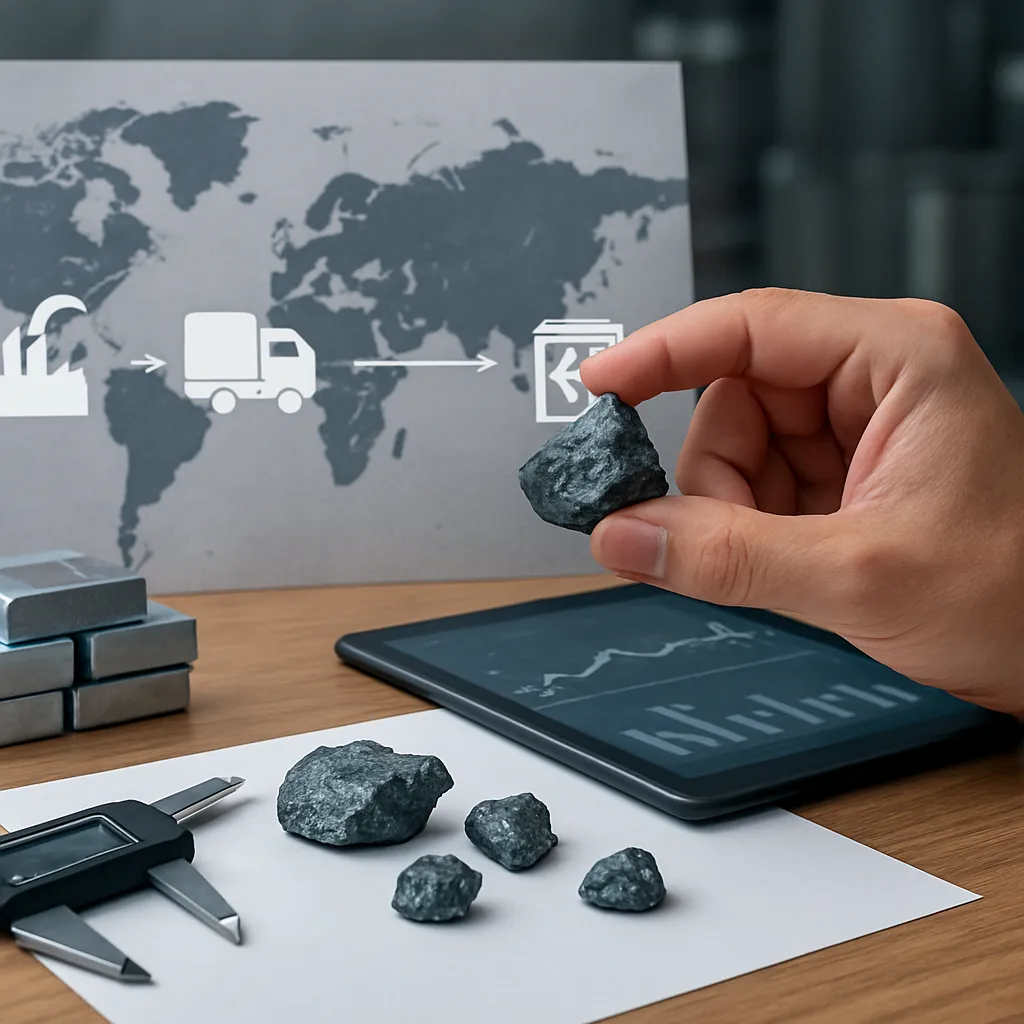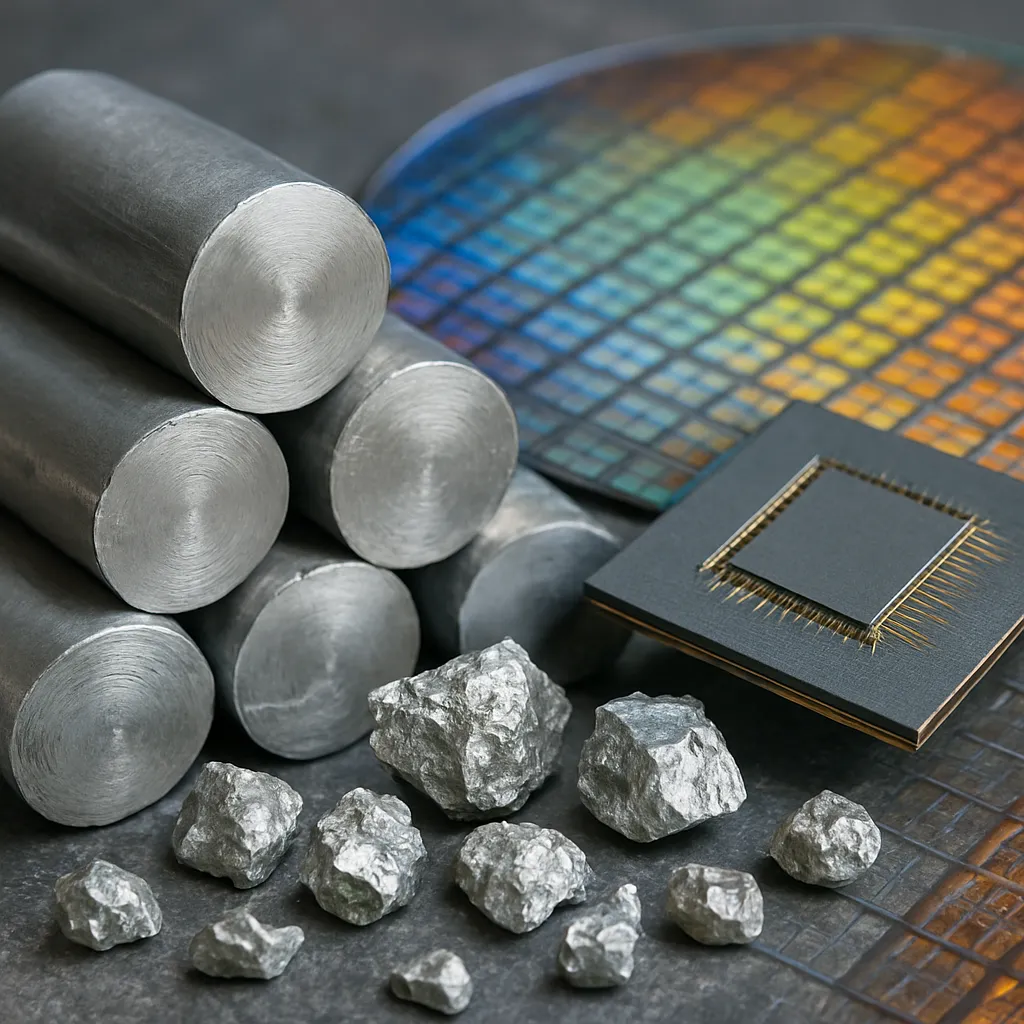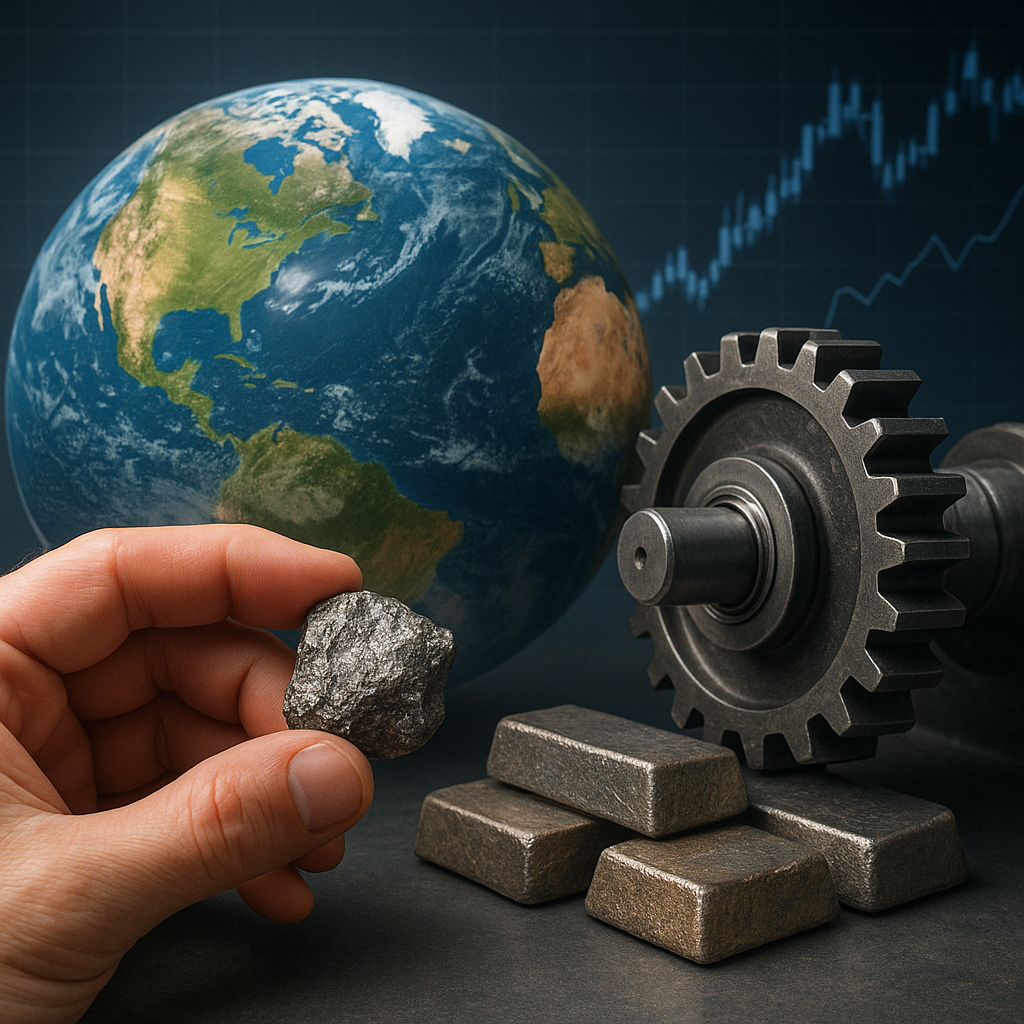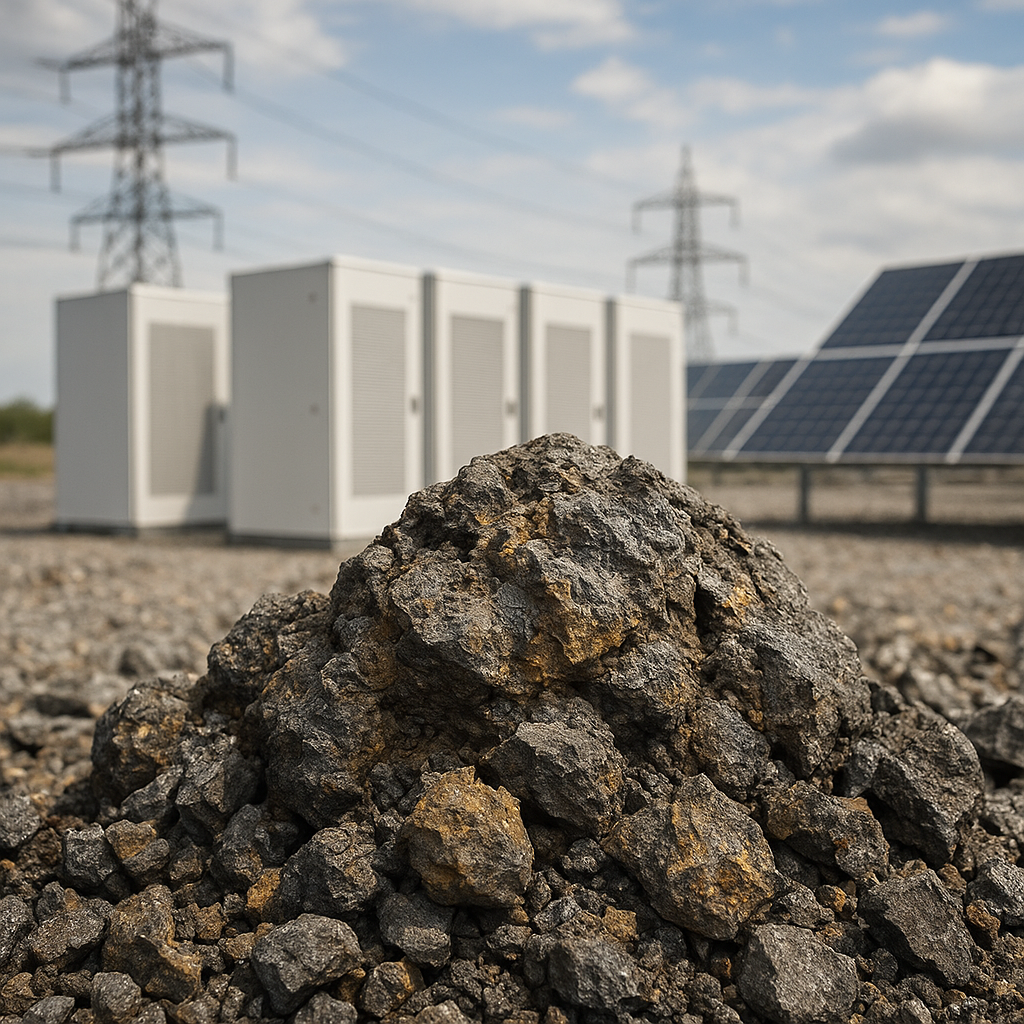
The global race for rare metals—nickel, cobalt, lithium and rare earth elements—fuels the modern transition to renewable energy and advanced electronics. As demand soars, extraction sites have multiplied from the Congo Basin to the Australian Outback and Inner Mongolia. Beneath sleek gadgets and wind turbines lies a complex web of environmental degradation, social displacement and geostrategic tensions. A balanced appraisal of these impacts is essential to chart a more responsible path forward.
Environmental Impact of Rare Metal Extraction
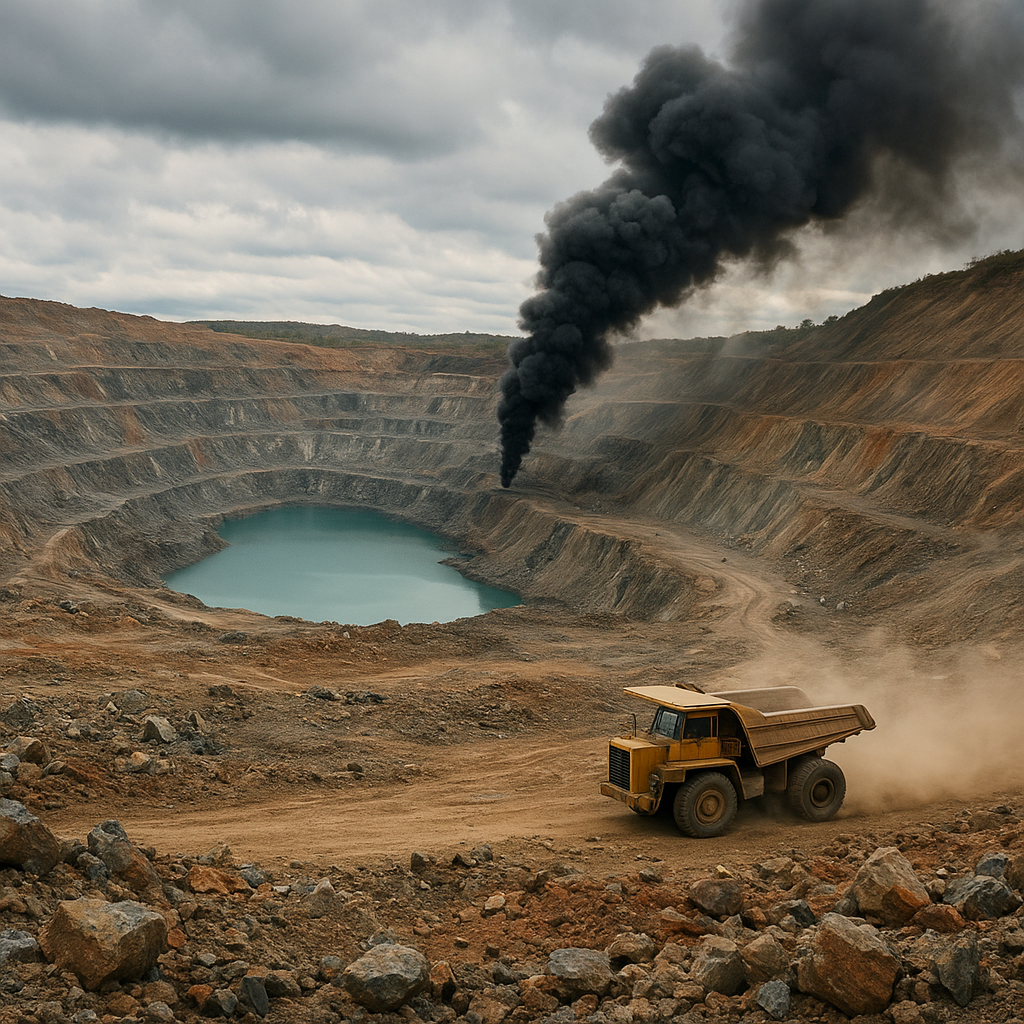
Mining operations for rare metals frequently occur in remote ecosystems, triggering profound ecological disturbances. Open-pit pits, high-volume water pumps and chemical leaching techniques contribute to habitat loss, soil erosion and water contamination. Toxic by-products often accumulate in tailings ponds—man-made reservoirs filled with processing waste—raising concerns about dam failures and groundwater infiltration.
Soil and Water Contamination
Fine-grained waste materials, mixed with chemical solvents and heavy metals, can migrate into surrounding habitats. These pollutants persist in soil and aquatic systems, leading to widespread pollution events:
- Elevated levels of arsenic and mercury in rivers downstream of processing facilities
- Acid mine drainage that lowers pH and mobilizes hazardous compounds
- Accumulation of radioactive elements in local sediment
Long-term exposure to these contaminants undermines local flora and fauna, reducing overall biodiversity and altering food chains.
Deforestation and Land Degradation
Vast stretches of forest are cleared to access ore bodies. This deforestation destroys critical wildlife corridors, disrupts carbon sequestration processes and accelerates soil erosion. Once the topsoil is washed away, natural regeneration becomes extremely difficult without intensive rehabilitation efforts. In many regions, reforested sites fail to reach their original productivity for decades.
Social and Economic Consequences of Mining
Beyond ecological damage, rare metal extraction carries significant social costs. Local communities, particularly indigenous populations, are often displaced without adequate compensation. Promised jobs and infrastructure rarely offset long-term health risks and cultural losses.
Health Impacts on Workers and Residents
Exposure to airborne dust, contaminated water and chemical fumes leads to respiratory illnesses, neurological disorders and skin conditions. Studies conducted near nickel and cobalt mines report elevated rates of cancer and birth defects. Community reliance on polluted wells directly threatens community health, with children particularly vulnerable to heavy-metal poisoning.
Economic Dependence and Inequality
While mining can boost short-term GDP, the “resource curse” often emerges. Governments become dependent on export revenues, neglecting diversification of local economies. Beneficiaries tend to be large corporations and government elites, while marginalized groups gain little. This disparity spawns social tension, sometimes erupting into protests or violent conflicts over land rights and revenue sharing.
Mitigation Strategies and Sustainable Alternatives
Addressing the environmental toll of rare metal mining demands a multi-pronged approach. Technological innovation, improved regulations and circular economy principles can reduce negative externalities and enhance resource efficiency.
Technological Innovations in Extraction
Novel techniques such as bioleaching—using microbes to extract metals—and solvent extraction processes promise lower chemical usage and reduced water consumption. Pilot projects leveraging deep-sea mineral deposits aim to minimize terrestrial disturbance, though they raise new concerns about ocean-floor ecosystems.
Circular Economy and Recycling
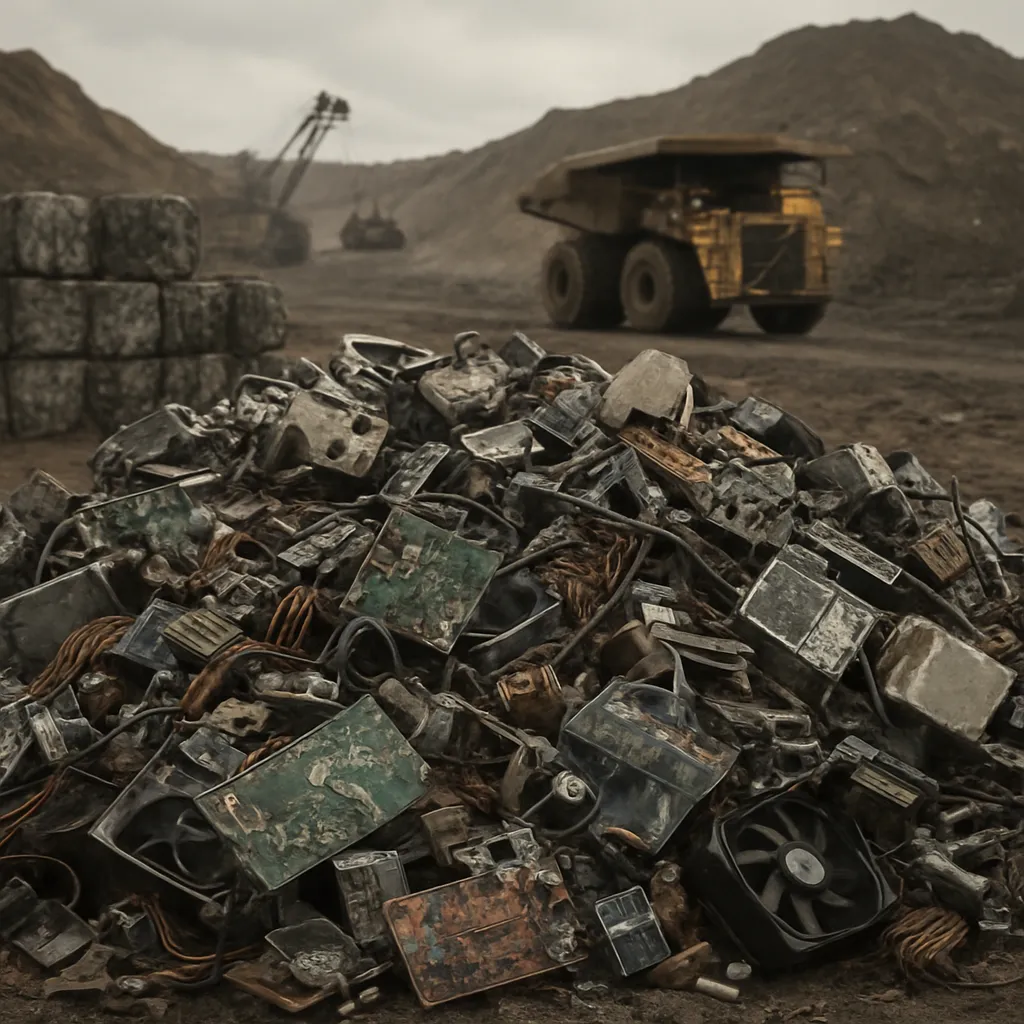
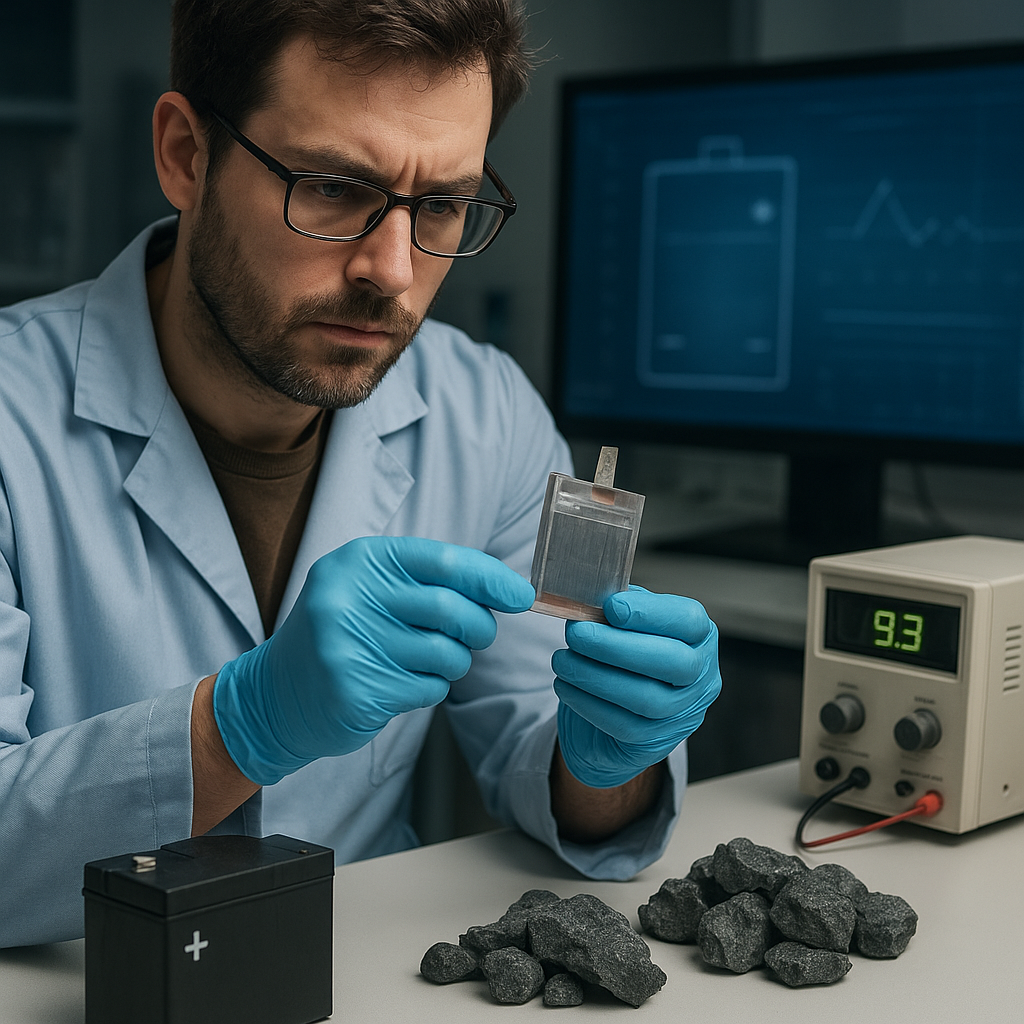
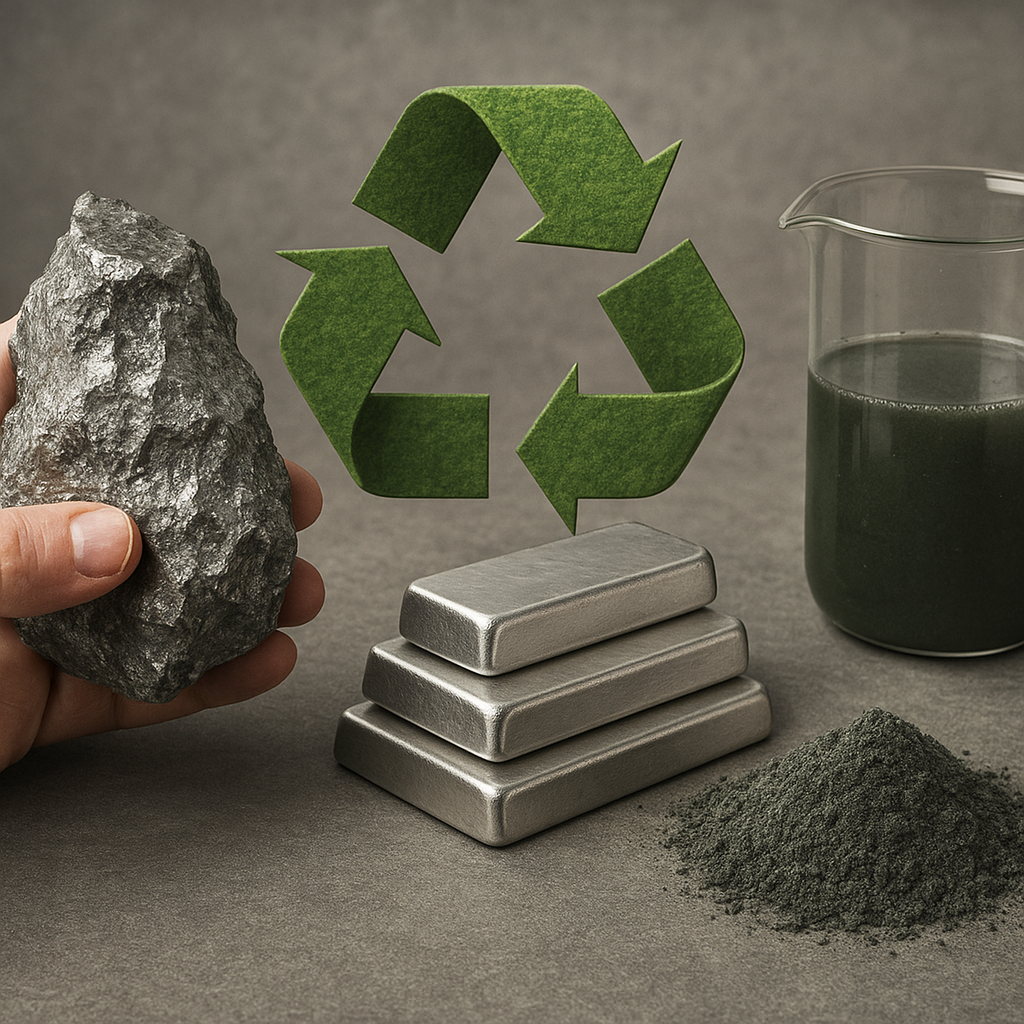
Recovering metals from end-of-life products through closed-loop recycling dramatically cuts dependence on virgin mining. Innovations in hydrometallurgy and electrochemical separation enable efficient reclamation of lithium and rare earths from spent batteries and electronics. Strong collection infrastructure and design-for-disassembly principles are vital for this approach to scale globally.
- Urban mining initiatives extract metals from electronic waste in major cities
- Industry consortia fund research into next-generation solvent systems for low-impact recycling
- Legislation mandates producer take-back schemes to ensure end-of-life recovery
Regulatory Framework and Corporate Responsibility
Effective governance is critical to enforce environmental standards, protect human rights and ensure transparent supply chains. International conventions, national regulations and voluntary certification schemes all play roles in shaping corporate behavior.
International Standards and Certifications
Frameworks such as the Extractive Industries Transparency Initiative (EITI) and the Initiative for Responsible Mining Assurance (IRMA) set benchmarks for operational conduct, financial disclosure and community engagement. Companies adhering to these standards commit to independent audits and public reporting.
National Legislation and Enforcement
Robust national laws must address permitting procedures, environmental impact assessments and post-closure monitoring. Penalties for non-compliance should be substantial enough to deter shortcuts. Effective regulation requires well-resourced agencies with technical expertise to oversee large-scale operations.
Corporate Social Responsibility
Leading mining firms are increasingly investing in sustainability initiatives, forging partnerships with local communities and biodiversity NGOs. Efforts include:
- Restoration of degraded landscapes through native species replanting
- Water treatment installations to purify runoff before release
- Education and health programs tailored to affected populations
Such measures, backed by transparent performance metrics, can alleviate some of the most severe impacts—though they rarely eliminate harm entirely.