The emerging importance of rare metals in modern technology has placed developing nations at the heart of a complex global conversation. As demand for electric vehicles, renewable energy systems, and high-tech electronics surges, countries rich in critical resources are poised to redefine their economic trajectories. However, balancing economic ambition with social welfare and environmental protection remains a formidable challenge. This article explores the multifaceted role of developing nations in shaping the future of rare metal mining, examining global supply chains, ecological concerns, community engagement, and forward-looking strategies.
Role of Developing Nations in Global Supply Chains
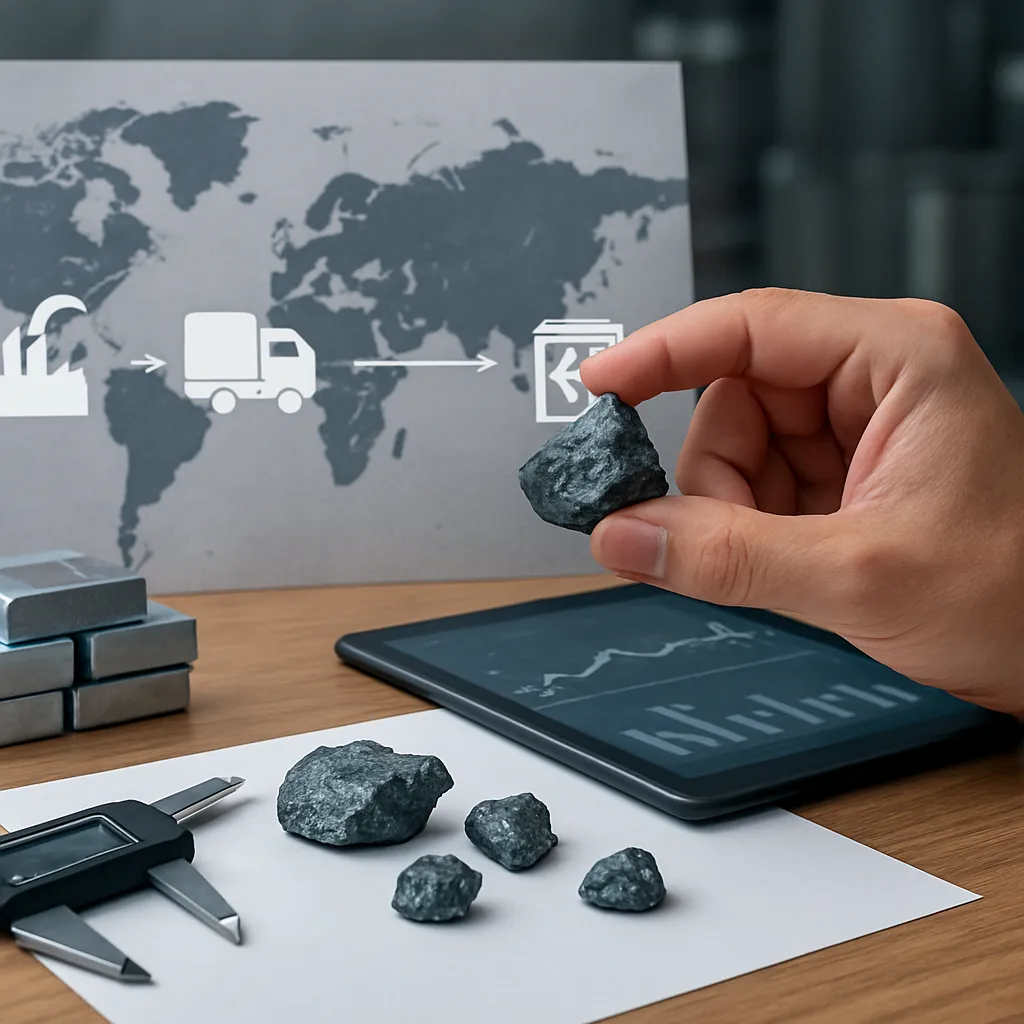
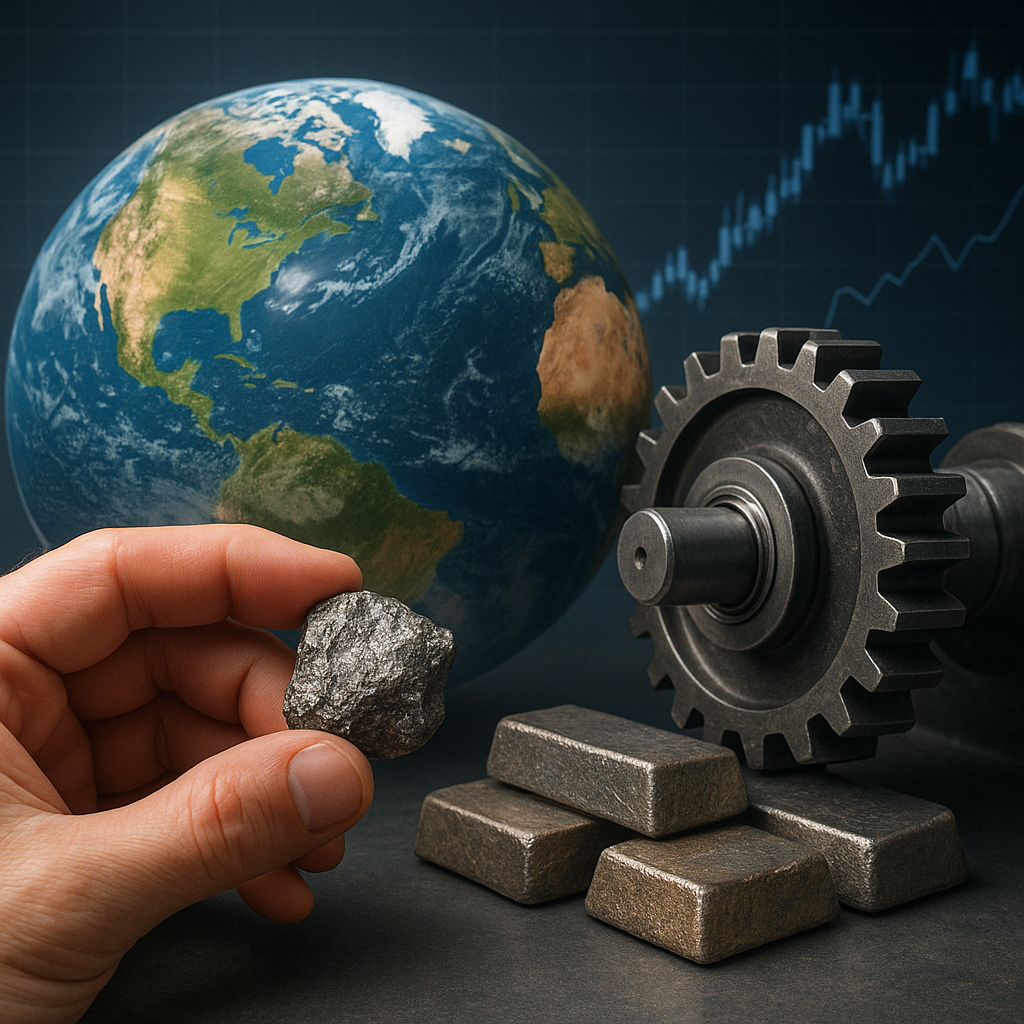
Developing economies endowed with significant reserves of lithium, cobalt, nickel, and other essential elements are increasingly pivotal to the global supply chain. Their participation extends beyond mere resource provision. Governments and local enterprises must navigate complex negotiations with multinational corporations, address regulatory frameworks, and build local capacities for value-added processing. In many regions, the allure of immediate foreign investment has led to rapid expansion of extraction activities, but it has also exposed gaps in institutional governance and regulatory oversight.
Key factors shaping this role include:
- Economic Diversification: Diversifying from agricultural or fossil-fuel-based exports toward high-value mineral industries.
- Value Addition: Shifting from raw ore exports to domestic processing and refining to capture higher profit margins.
- Infrastructure Development: Investing in roads, railways, and ports to streamline export logistics and reduce operational costs.
Successful examples, such as initiatives in Southeast Asia and parts of Africa, illustrate how strategic partnerships can enhance local expertise. Collaborative research programs between universities and mining firms have also fostered technological transfer, equipping local workforces with essential skills for sustainable mineral production.
Environmental and Social Impacts
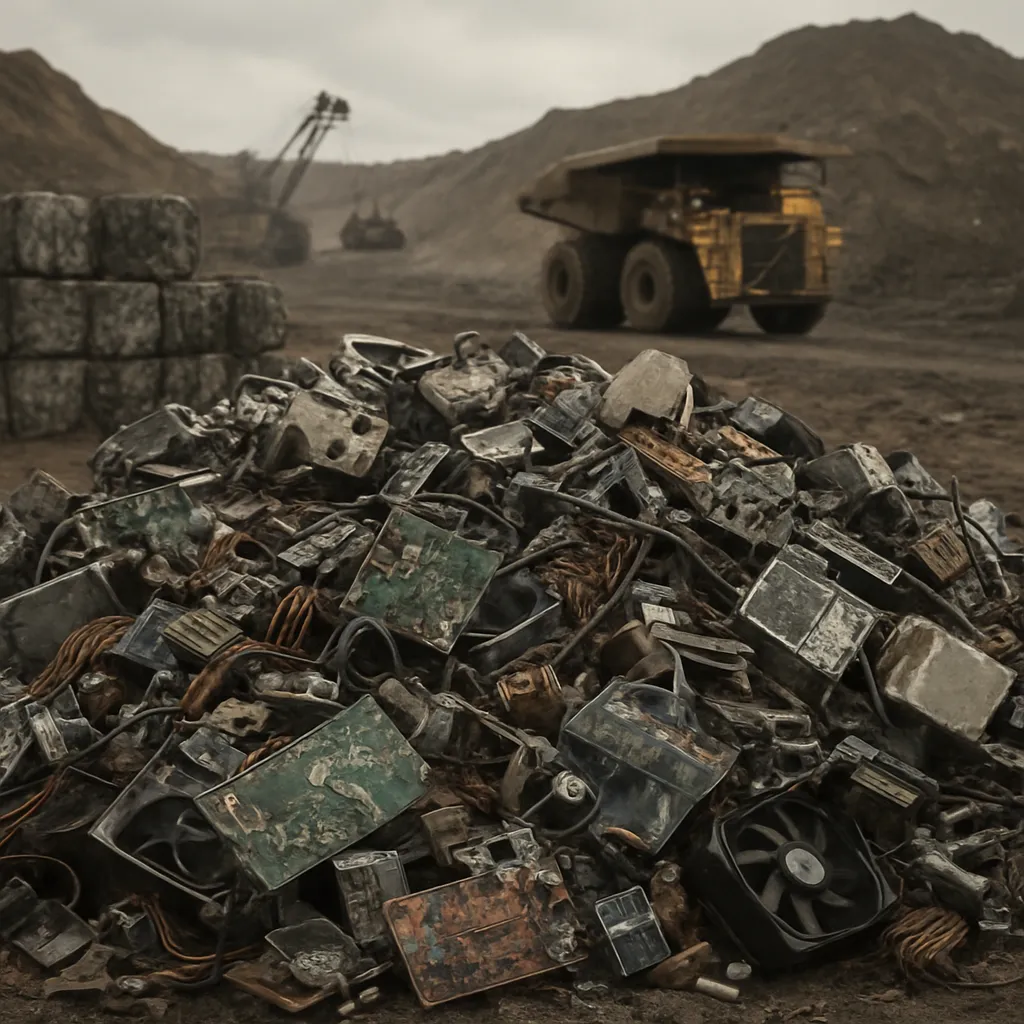
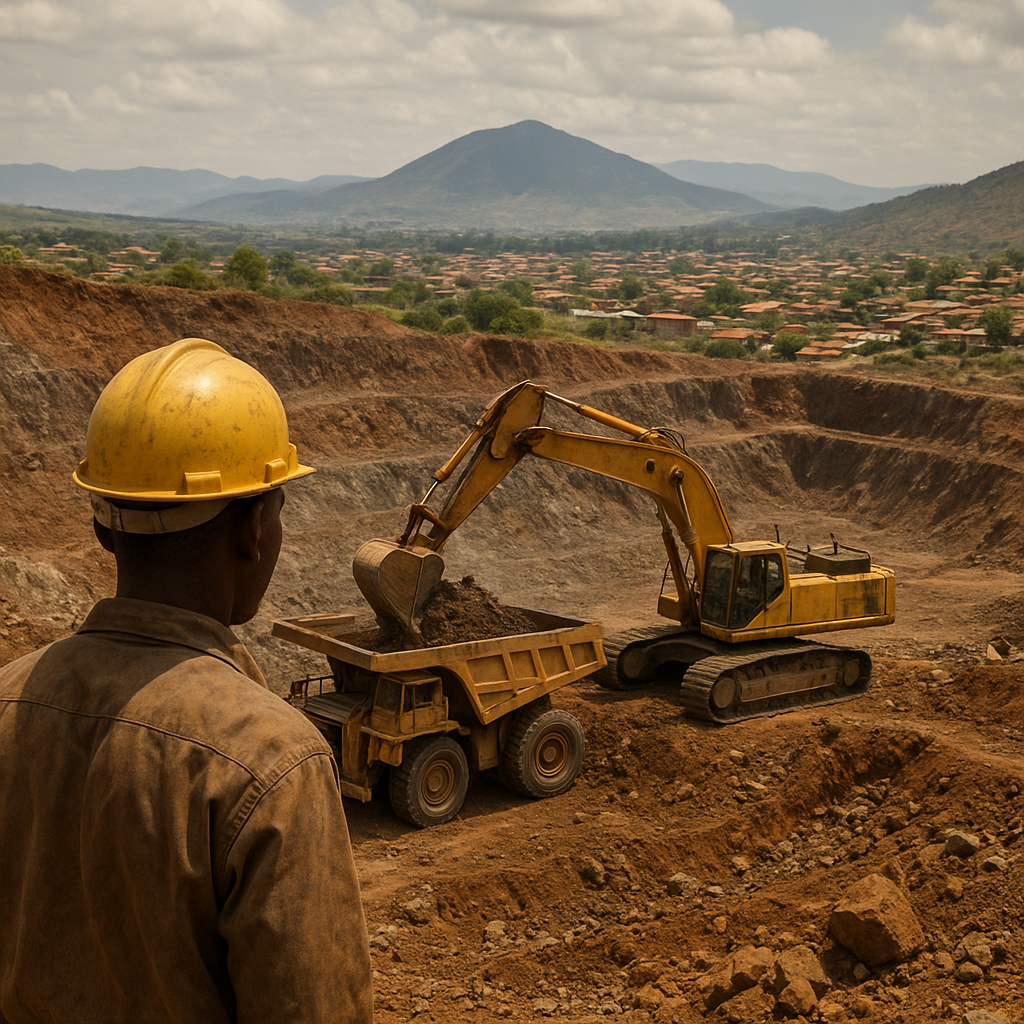
While the economic prospects are compelling, mining operations inevitably introduce environmental and social tensions. Land disturbance, water contamination, and biodiversity loss pose serious risks to both ecosystems and community health. The principle of sustainability demands comprehensive environmental assessments, robust monitoring systems, and the integration of best practices that minimize ecological footprints.
Major Environmental Concerns
- Water Management: Acid mine drainage and heavy metal leaching can jeopardize freshwater resources, affecting agriculture and drinking water supplies.
- Soil Erosion: Large-scale excavation can destabilize topsoil, leading to sedimentation in rivers and habitat destruction.
- Air Quality: Dust from open pits and tailings storage facilities threatens respiratory health in nearby communities.
Socially, mining zones often intersect with indigenous lands and rural settlements. Ensuring that affected populations become genuine stakeholders rather than passive observers is crucial. Community consultations, transparent benefit-sharing agreements, and ongoing dialogue can foster trust and reduce conflict. Training programs and local hire quotas empower residents to participate in the sector’s growth, while revenue-sharing mechanisms can fund essential public services such as education and healthcare.
Strategies for Sustainable Growth and Innovation
To harmonize economic ambitions with environmental stewardship, a transition toward more responsible mining paradigms is essential. Governments, industry players, and civil society must coalesce around a common agenda that prioritizes long-term resilience.
Technological Innovation
Advancements in extraction methods, such as bioleaching and low-impact drilling, offer pathways to reduce energy consumption and waste generation. Pilot projects utilizing autonomous vehicles and real-time sensor networks have demonstrated significant gains in operational efficiency and safety.
Regulatory and Governance Reforms
- Transparent Licensing: Implementing digital platforms for licensing to limit corruption and ensure equitable access.
- Environmental Standards: Adopting international frameworks such as the Extractive Industries Transparency Initiative (EITI) to benchmark performance.
- Stakeholder Engagement: Mandating early participation of local communities in project planning and impact assessments.
Moreover, establishing sovereign wealth funds dedicated to mineral revenues can stabilize national budgets against commodity price fluctuations. By channeling a fixed percentage of profits into diversified investment portfolios, governments can safeguard future generations from boom-and-bust cycles.
Geopolitical Dynamics and Future Outlook
The global scramble for rare metals has intensified geopolitical competition. Major economies, recognizing the strategic importance of resource security, are forging bilateral partnerships and infrastructure investments through initiatives such as Belt and Road expansions. For developing nations, the challenge lies in negotiating terms that respect national sovereignty, promote local innovation, and avoid debt dependency.
Potential pathways for enhancing geopolitical leverage include:
- Regional Cooperation: Forming resource-sharing consortia to negotiate collectively with multinationals and diversify export markets.
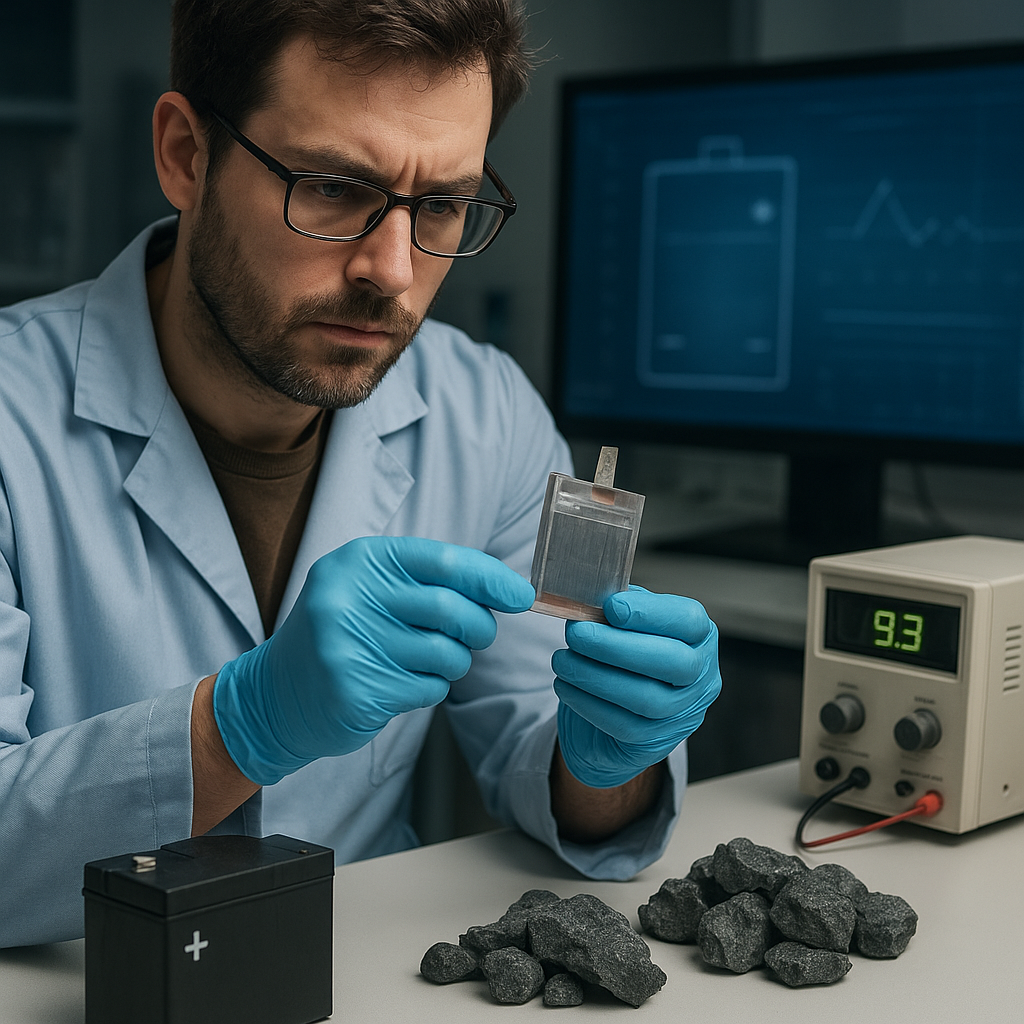
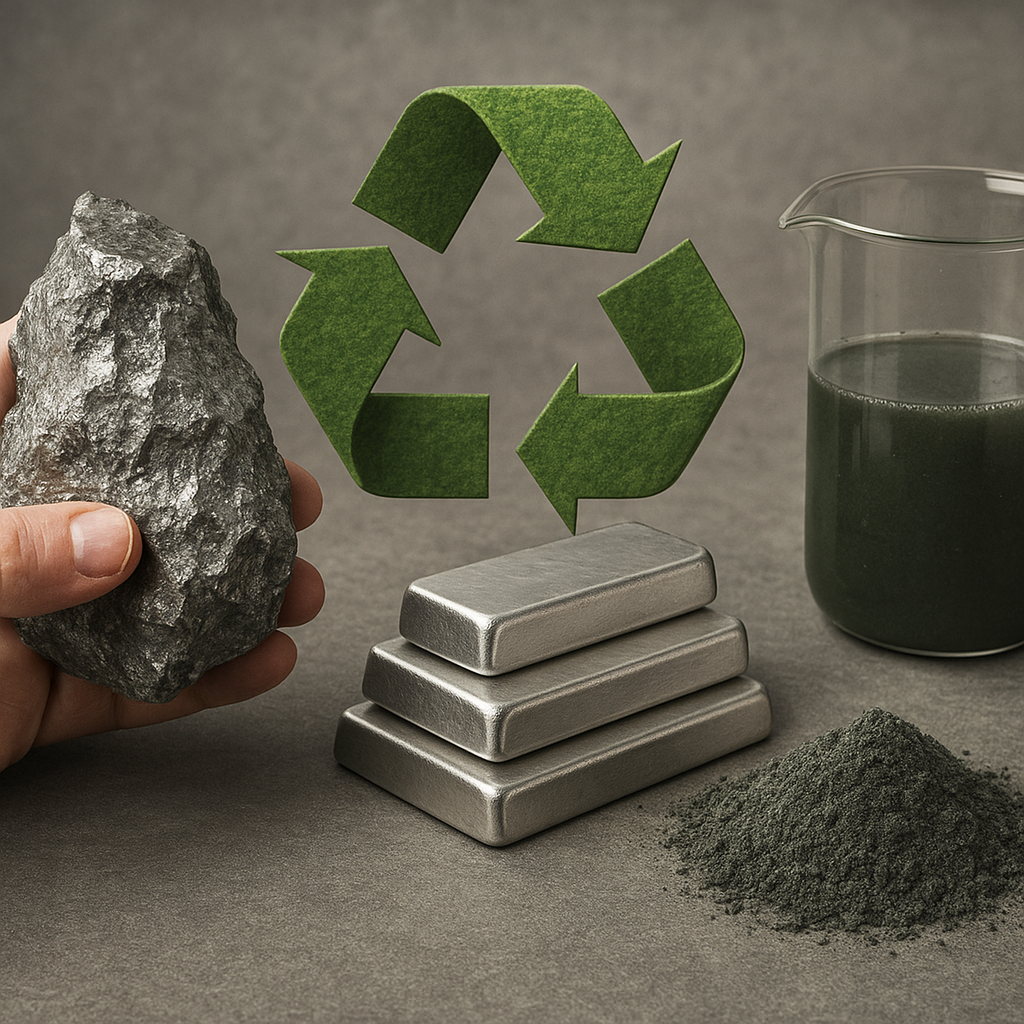
- Research Consortia: Establishing transnational R&D hubs focused on recycling technologies and alternative materials.
- Trade Agreements: Securing favorable trade treaties that lower tariffs on processed metals and finished components.
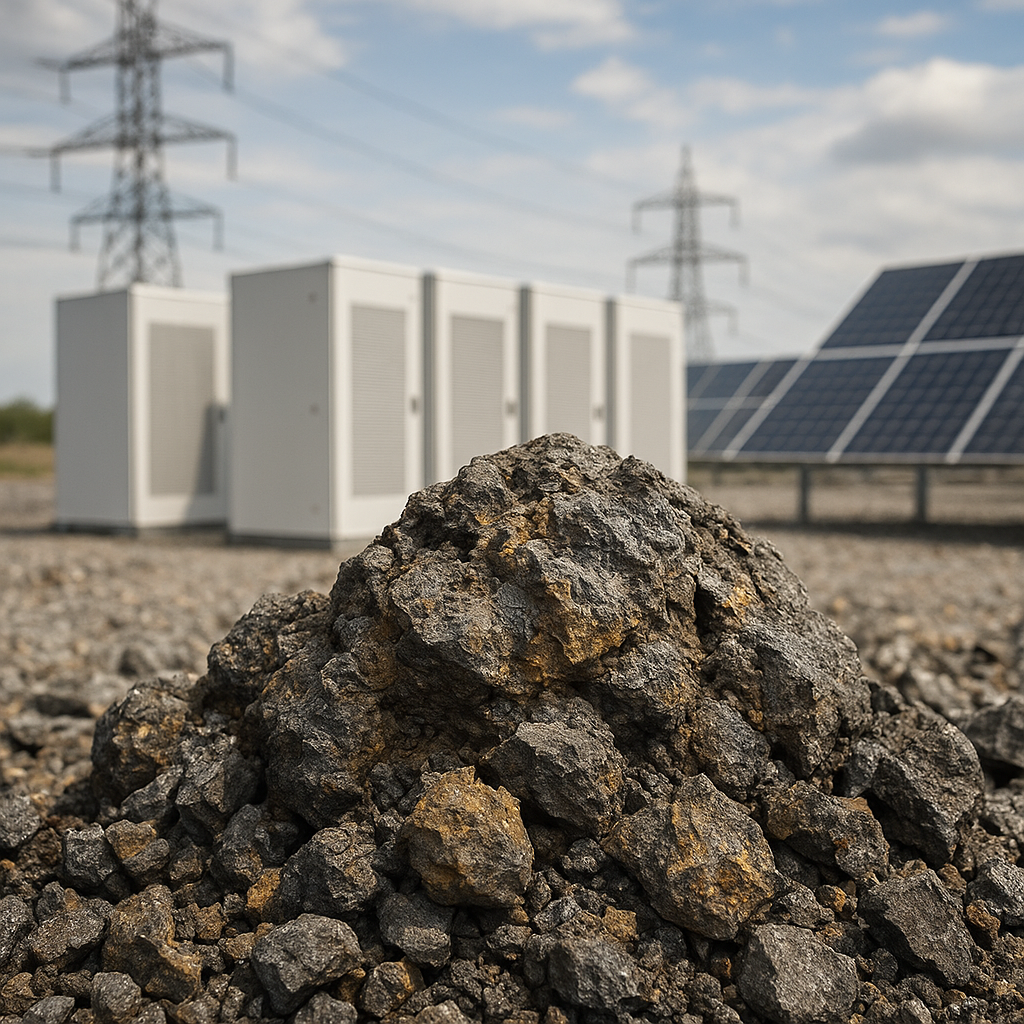
As the world transitions toward low-carbon economies, demand for rare metals will continue its upward trajectory. Developing nations that successfully integrate stringent environmental safeguards, robust governance structures, and dynamic innovation ecosystems stand to reap substantial benefits. Their ability to transform resource wealth into inclusive and sustainable prosperity will shape the contours of the twenty-first century’s technological revolution.