The challenge of securing critical minerals has never been more pressing, as global demand for advanced technologies continues to surge. Europe’s ambition to achieve strategic autonomy in the face of geopolitical tensions and supply disruptions drives an urgent reevaluation of the supply chain for rare metals. From electric vehicle batteries to wind turbines and semiconductors, the continent’s green and digital transitions hinge on uninterrupted access to elements like lithium, cobalt, and neodymium. This article delves into the complex landscape of global rare metals, exploring vulnerabilities, technological innovations, and policy frameworks that shape Europe’s quest for resilience.
Supply Chain Vulnerabilities and Global Dynamics
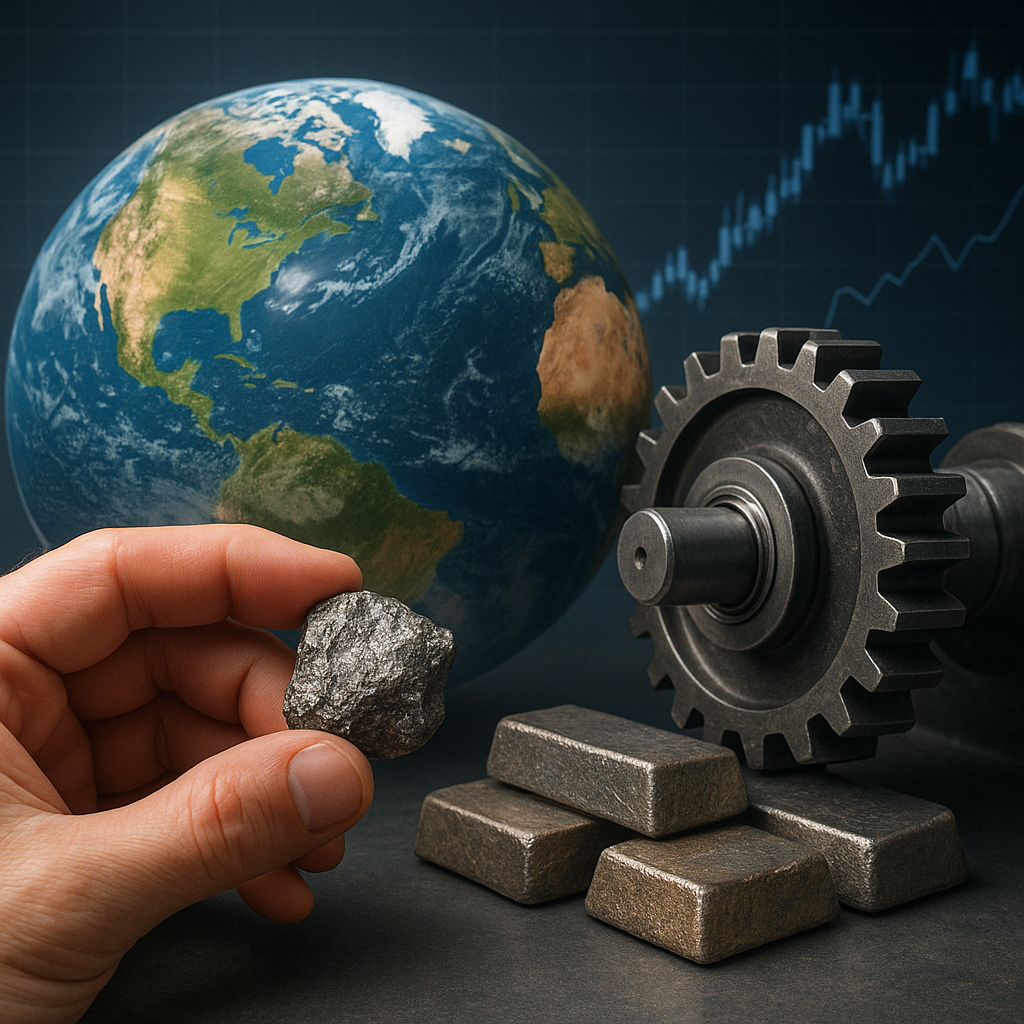
The extraction and processing of rare earth elements are highly concentrated in a handful of countries, posing a significant risk to European industry. China currently dominates both mining and refining operations for the majority of these materials, capturing over 80% of the world’s processing capacity. This concentration creates a supply chain chokepoint, where any export restrictions or geopolitical conflicts can lead to acute shortages.
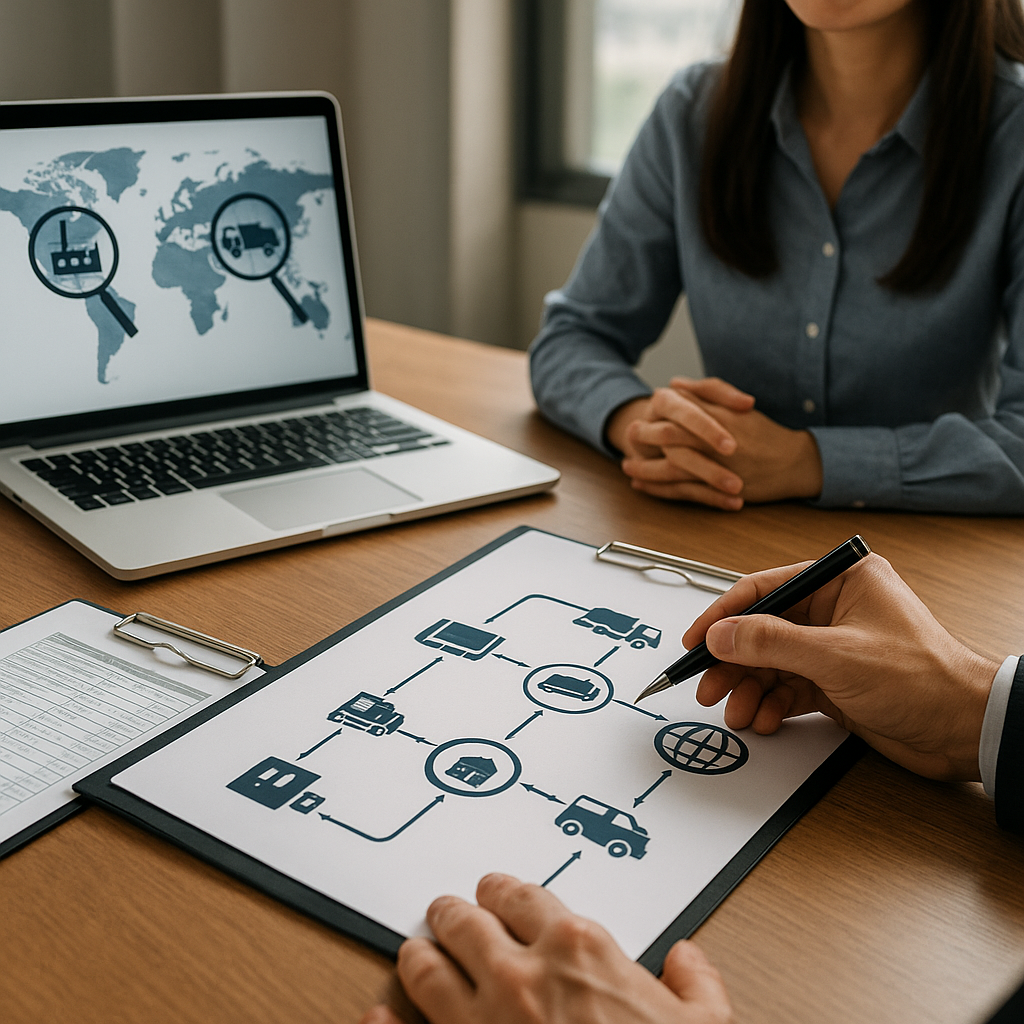
Beyond China, sources such as the Democratic Republic of the Congo account for a large share of cobalt output, while Australia and Brazil contribute substantially to bauxite and titanium production. However, the journey from mine to finished product involves multiple steps—mining, beneficiation, refining, alloying, and manufacturing—each presenting potential disruption. Transport bottlenecks, environmental protests, and logistics constraints further compound these vulnerabilities.
Recent years have witnessed a scramble by nations worldwide to secure long-term contracts and equity stakes in overseas mining ventures. Europe’s own efforts include partnerships with African and Latin American producers, but these must navigate issues of sustainability, local community rights, and regulatory transparency. Without coherent strategies, fragmentation in procurement can undermine collective bargaining power and leave individual member states exposed.
Technological Innovation and Circular Economy
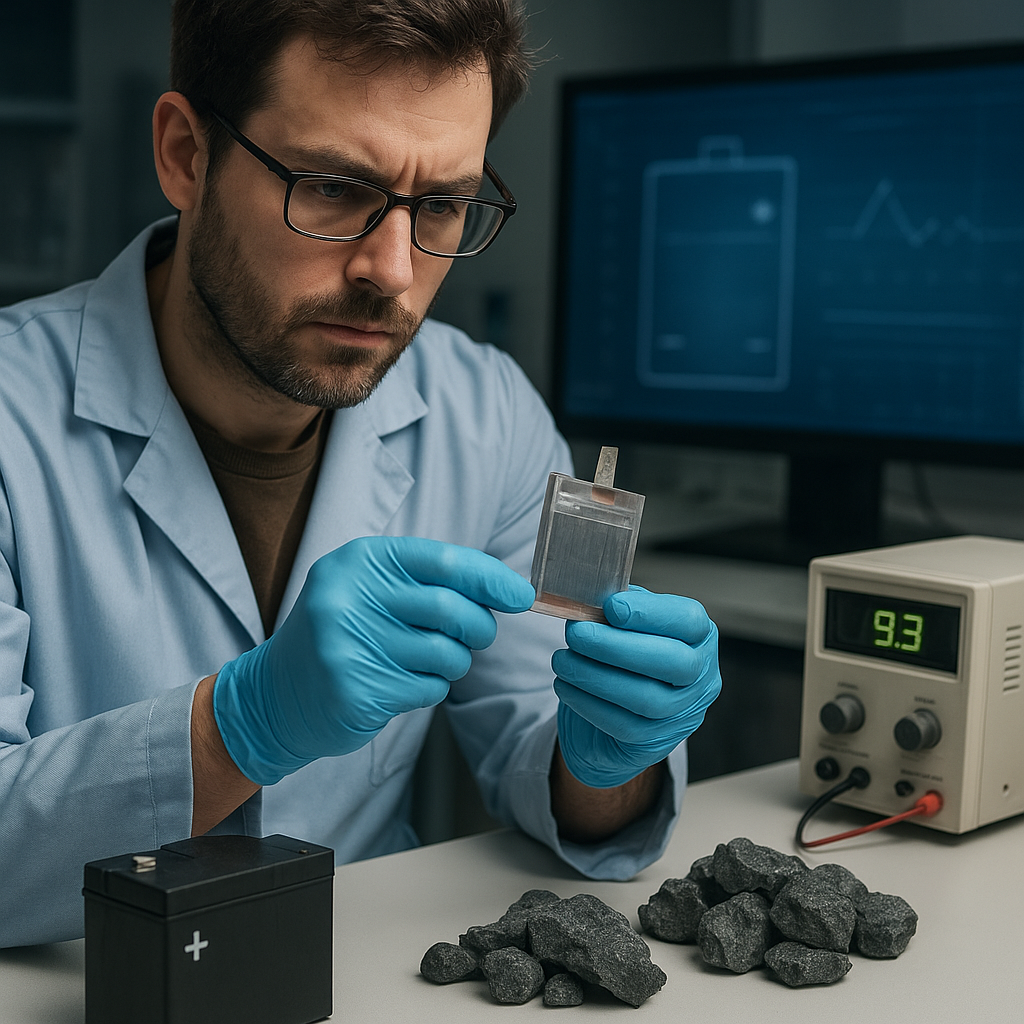
Addressing the scarcity of critical minerals requires more than diversifying raw material sources. Advances in innovation and material science offer alternatives, from substituting heavy rare earths in permanent magnets to developing next-generation battery chemistries that minimize dependence on cobalt and nickel.
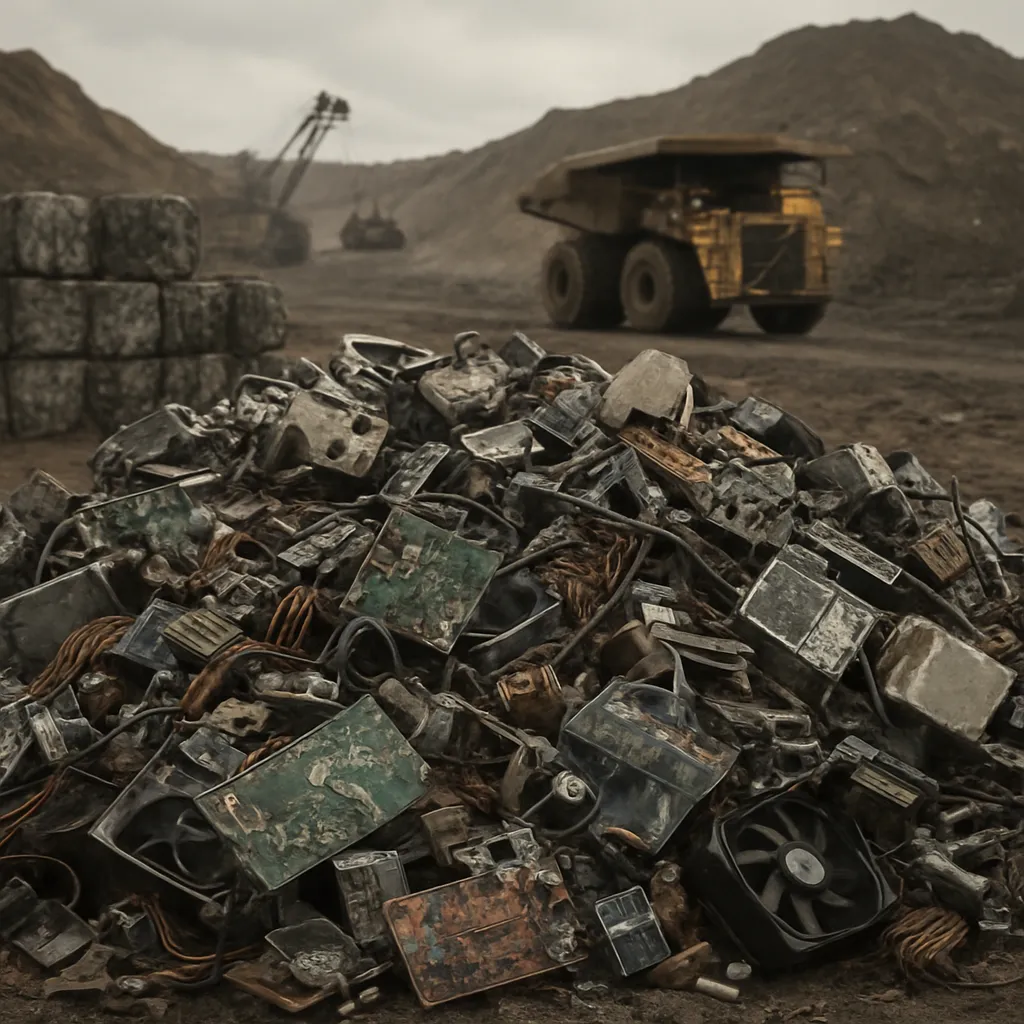
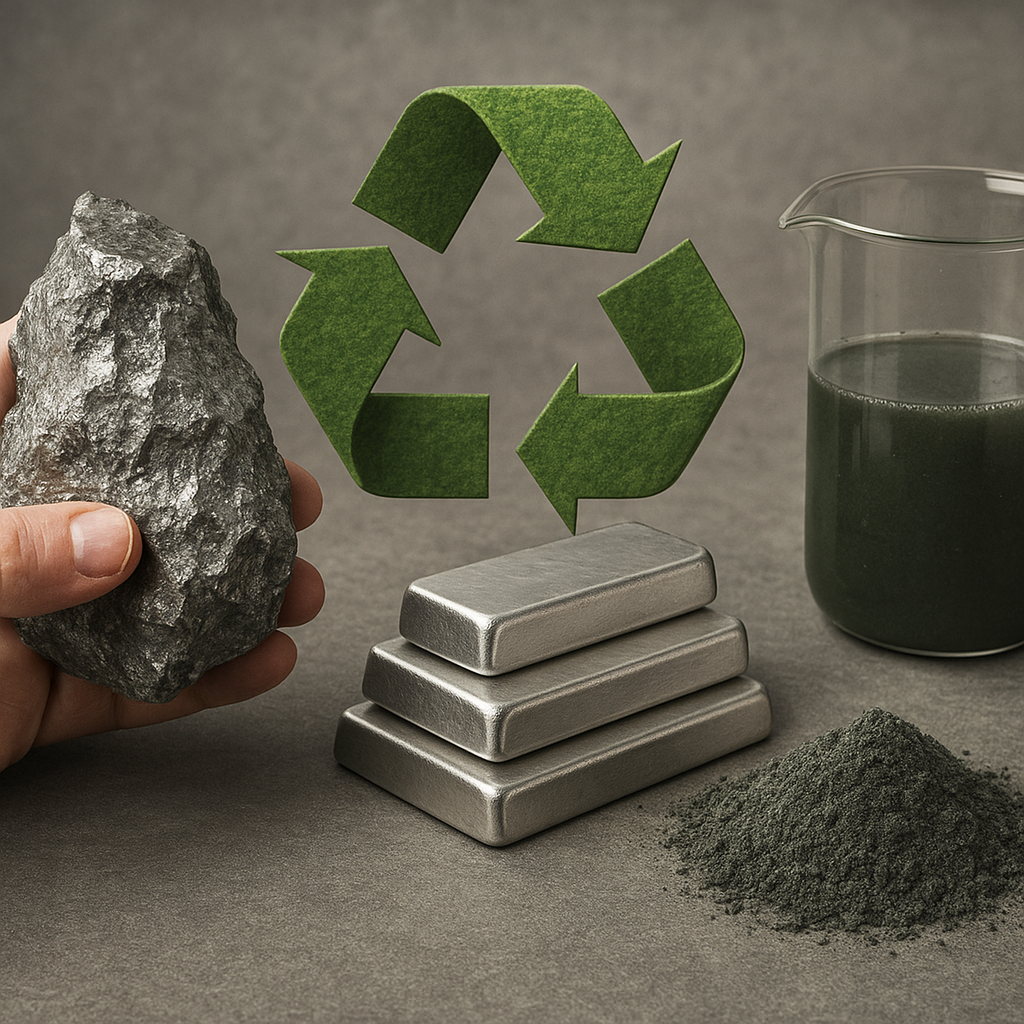
Recycling and urban mining represent pillars of a truly sustainable supply model. Spent electronics and end-of-life electric vehicle batteries are reservoirs of valuable metals, yet current recycling rates for lithium and rare earth elements remain in the single digits. Scaling up recycling infrastructure across Europe demands harmonized regulations, investment in specialized facilities, and incentives to collect and process waste streams.
Innovative approaches such as hydrometallurgical processes can lower energy consumption and reduce environmental impact compared to traditional pyrometallurgy. Biotechnology applications using tailored microorganisms for bioleaching also hold promise for unlocking metals from low-grade ores and tailings. Coupled with digitalization of supply chain tracking—leveraging blockchain for transparent provenance—Europe can foster a resilience-driven circular economy.
Policy Measures and Strategic Partnerships
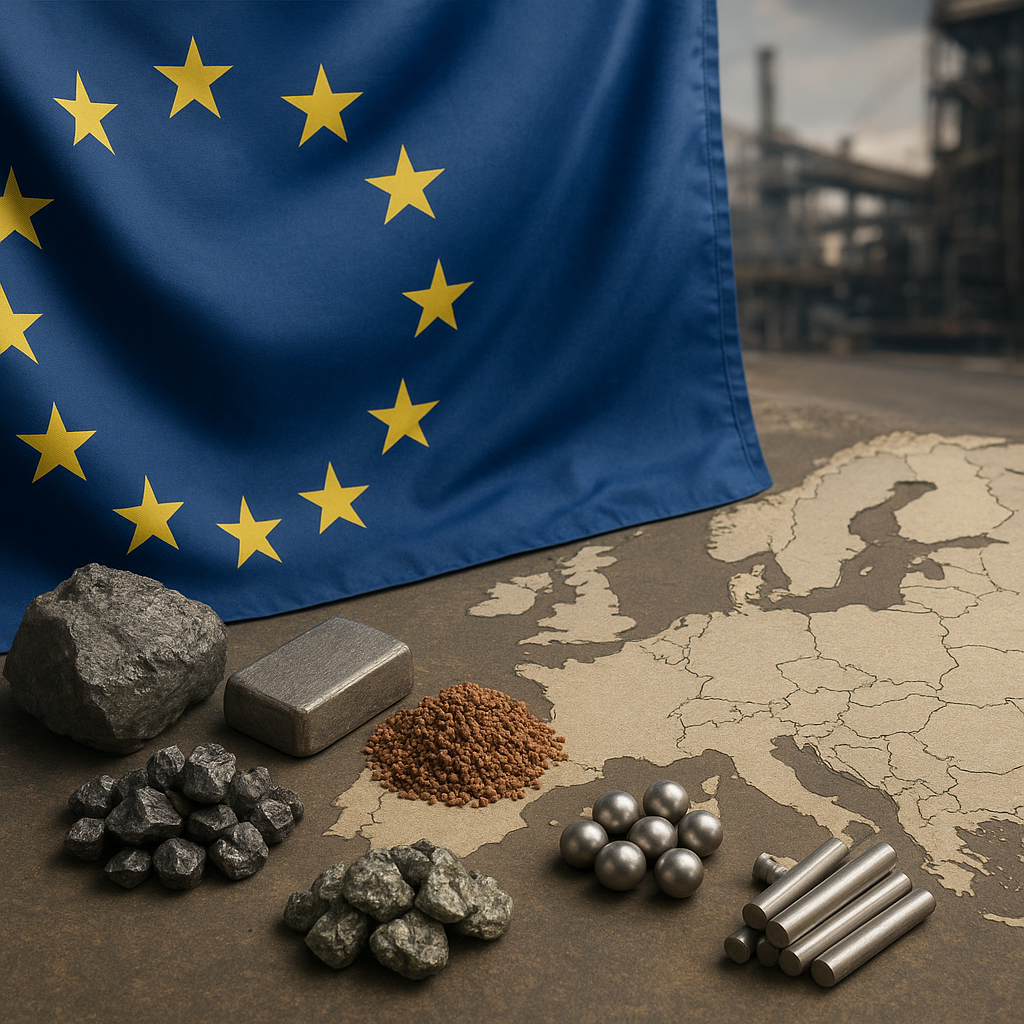
European policymakers have responded with an array of initiatives designed to boost internal capacity and secure external lines of supply. The EU Critical Raw Materials Act outlines targets for domestic mining, processing, and recycling by 2030. It also mandates stress tests across key industries, ensuring that shortages do not cascade through automotive, aerospace, and defense sectors.
Financial instruments such as the European Raw Materials Alliance (ERMA) facilitate collaboration between industry players, academia, and public authorities. These alliances aim to accelerate research projects, co-invest in pilot facilities, and streamline permitting processes for new mines and processing plants. The European Investment Bank (EIB) has increased funding for sustainable mining ventures, underscoring the role of public finance in addressing market failures.
On the diplomatic front, Brussels is engaging in bilateral and multilateral dialogues to diversify import sources. Strategic partnerships with Canada, Australia, and several Latin American countries are under negotiation to secure long-term offtake agreements. Africa is also a key focus area, with development projects that link mineral extraction to infrastructure improvements and local capacity building.
By integrating environmental, social, and governance (ESG) criteria into every stage of the raw materials value chain, Europe seeks to embed sustainability and ethical oversight as competitive advantages. This holistic approach aims not only to shield the region from supply shocks but also to set global standards for responsible mining and trade.
Future Outlook
Achieving strategic autonomy in critical raw materials is an evolving journey that demands agility and foresight. Continued investment in research, robust policy frameworks, and diversified partnerships will define Europe’s resilience in the decades to come. By harnessing technological breakthroughs and championing a circular paradigm, the continent can reduce external dependencies and secure the essential elements that power its green and digital transformations.