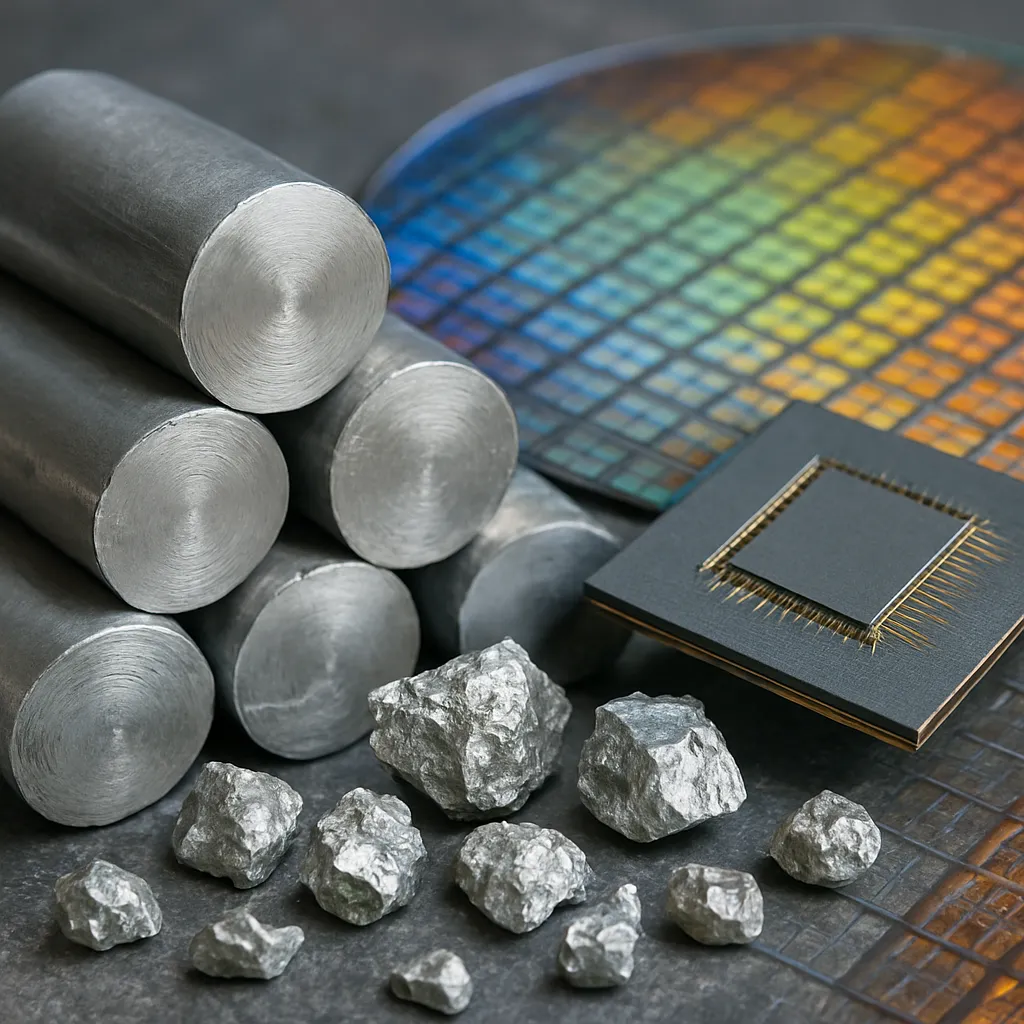
The global demand for advanced technologies, electric vehicles, and renewable energy systems has turned rare metals into indispensable assets. Securing a stable flow of these critical resources underpins economic growth, national security, and the transition to a low-carbon future. As nations compete for access to deposits of lithium, cobalt, and rare earth elements, the risk of supply disruptions intensifies. The following analysis explores the multifaceted challenges of rare metals procurement and proposes strategies to enhance resilience in worldwide supply chains.
Supply Risks and Geopolitical Tensions
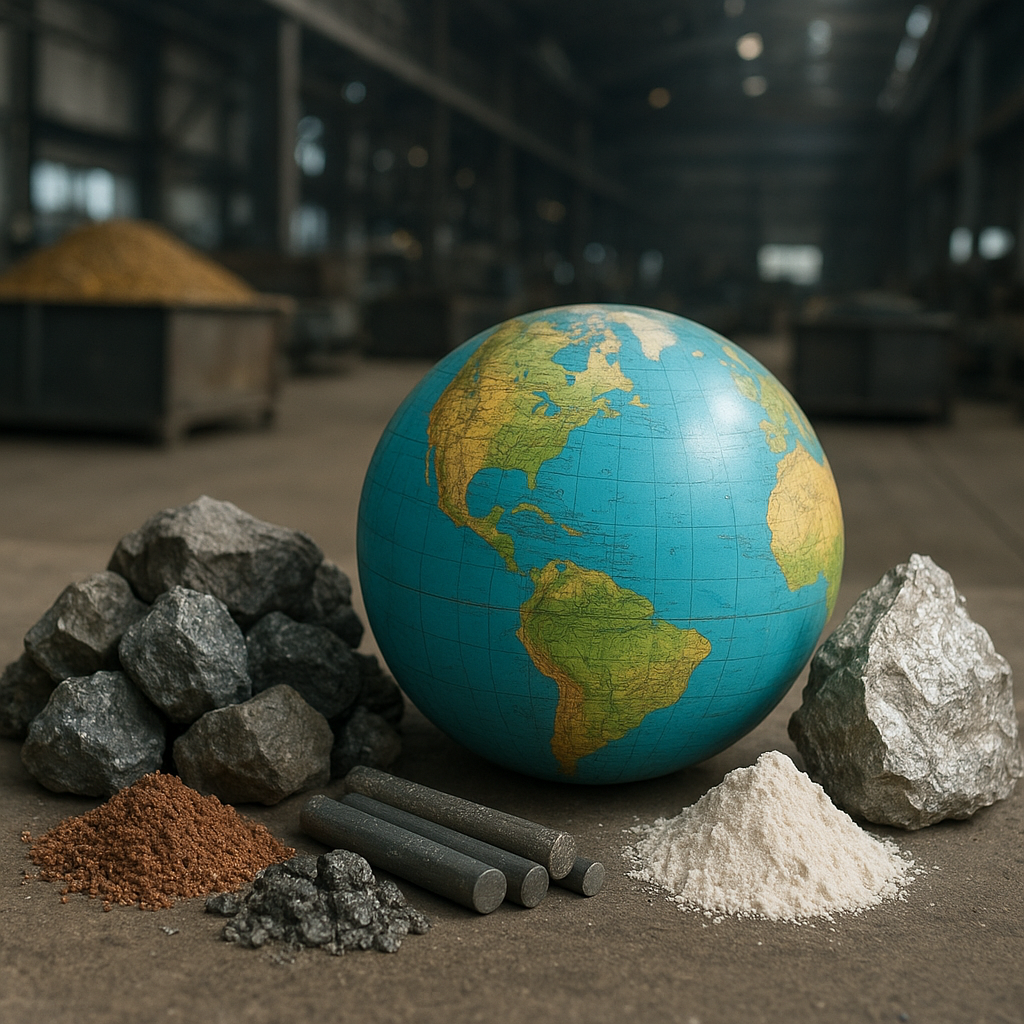
Access to high-grade mineral deposits is unevenly distributed, creating strategic chokepoints. Countries with major reserves can leverage resource wealth for political influence or economic gain. This resource nationalism may result in export restrictions, higher royalties, or foreign investment curbs. The degree of concentration is staggering:
- Africa holds over 60% of global cobalt production, with the Democratic Republic of Congo dominating output.
- China controls more than 80% of rare earth elements processing capacity, from separation to magnet manufacturing.
- South America and Australia are major sources of lithium, but refining practices remain concentrated in a handful of facilities.
In this context, supply chain vulnerabilities become magnified by geopolitical rivalries. Trade conflicts and sanctions can abruptly sever critical material flows. For example, tensions between major powers have prompted export licensing measures on advanced chipmaking equipment, indirectly affecting the demand for certain metals. Ensuring supply chain security requires addressing:
- Diplomatic engagement to diversify suppliers and mitigate monopolistic behaviors.
- Strategic stockpiling and emergency reserves to cushion short-term shocks.
- Agreements under multilateral frameworks to guarantee free trade in essential commodities.
Environmental and Technological Challenges
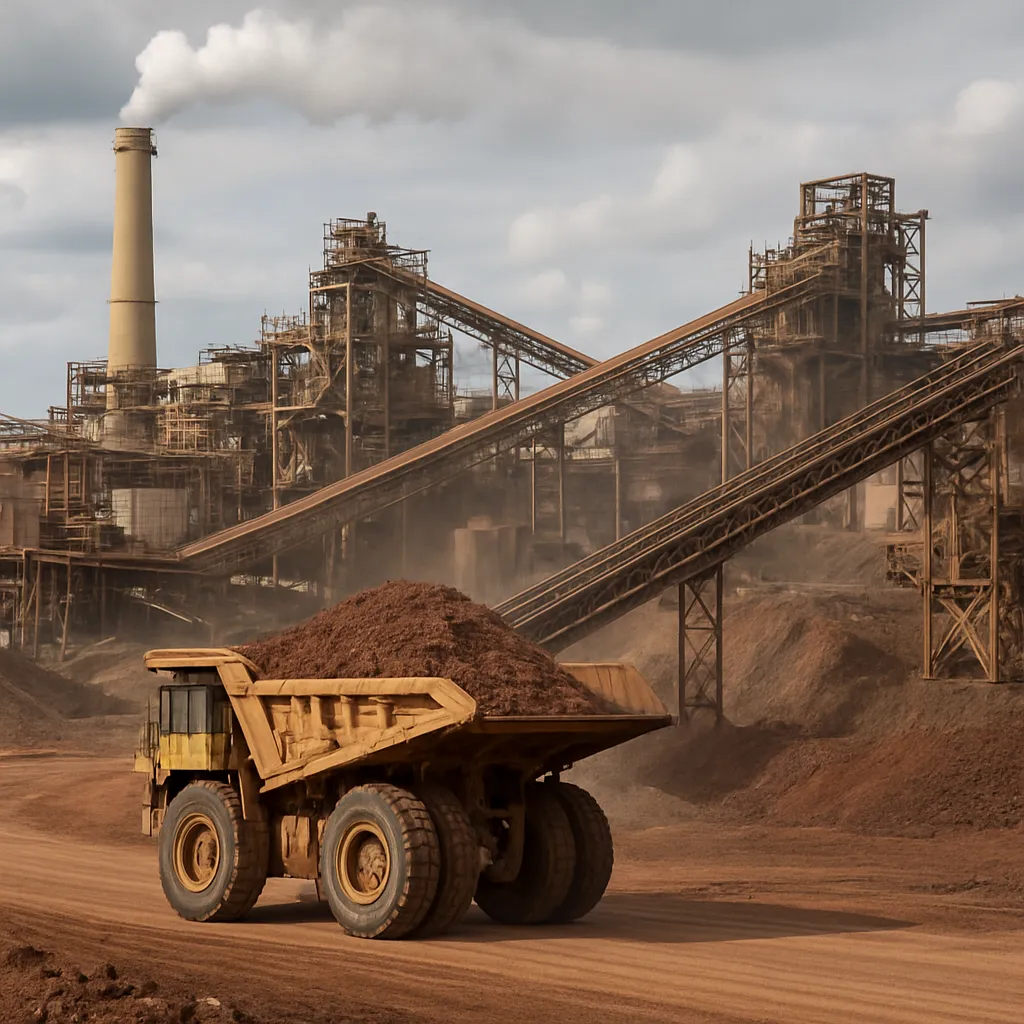
Mining and refining rare metals carry significant ecological footprints. Traditional open-pit operations generate substantial waste rock, while hydrometallurgical and pyrometallurgical processes consume vast volumes of water and energy. Without robust regulations, local ecosystems suffer:
- Soil erosion, water contamination, and habitat loss around mining sites.
- High greenhouse gas emissions from smelting and chemical treatments.
- Community health impacts due to exposure to toxic by-products.
On the technological front, extracting metals from low-grade ores or unconventional sources demands continuous innovation. Sustainability improvements include:
- Advanced solvent extraction and ion-exchange methods to increase recovery rates.
- Bioleaching approaches harnessing bacteria to selectively dissolve target metals.
- Process electrification using renewable power to lower carbon intensity.
However, R&D cycles can span years or decades, and pilot projects often stall for lack of capital. Public-private partnerships and international research consortia play a vital role in accelerating next-generation extraction techniques.
Strategies for Sustainable Supply Chains
Creating a robust framework for critical mineral supply involves multi-pronged efforts. Governments, industries, and civil society must coordinate to minimize risks and foster diversification. Key strategies include:
1. Supplier Diversification
- Identifying and developing alternative mining sites in politically stable regions.
- Encouraging bilateral and regional trade agreements that reduce overreliance on any single nation.
- Supporting junior mining companies through financial incentives and streamlined permitting.
2. Transparent Supply Chain Management
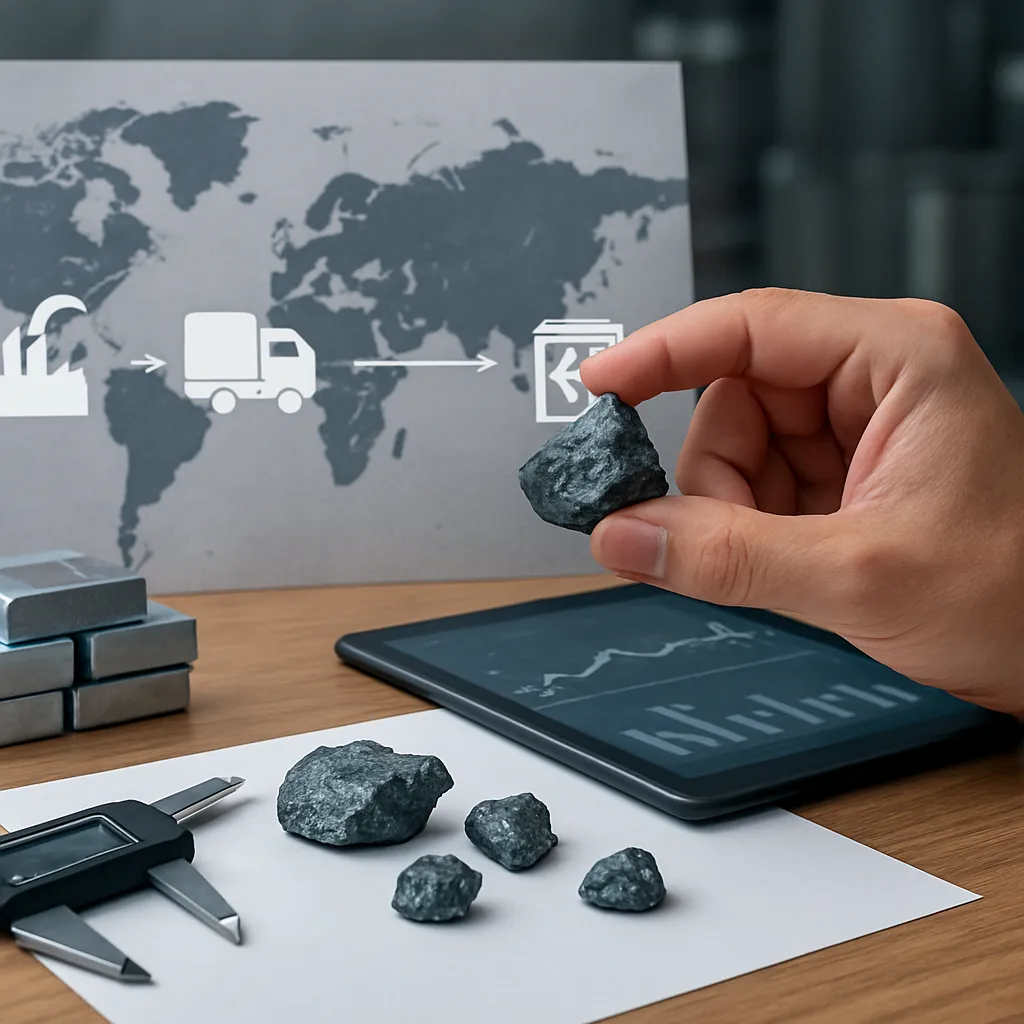
- Implementing blockchain or digital tracking systems to trace material origins and ensure ethical sourcing.
- Adopting international certification schemes, such as the Initiative for Responsible Mining Assurance.
- Conducting third-party audits to verify compliance with environmental and labor standards.
3. Investment in Upstream and Downstream Capabilities
- Expanding domestic refining and processing capacities to capture more value-added activities.
- Providing grants and tax credits for facilities that achieve low-carbon footprints.
- Building specialized workforce training programs to address skill shortages in metallurgy and chemical engineering.
Role of Recycling and Circular Economy
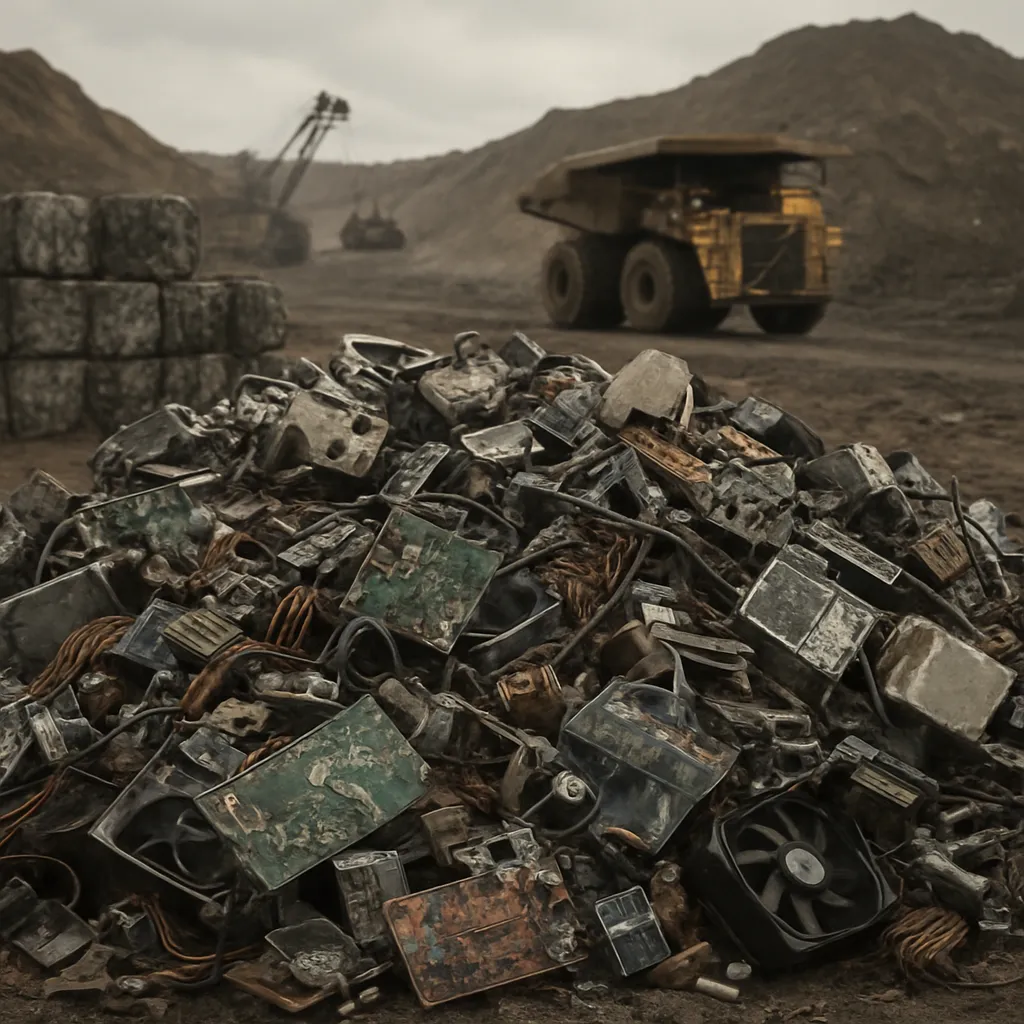
Recycling presents a complementary path to secure rare metals. Urban mining—recovering materials from discarded electronics, batteries, and magnets—reduces pressure on virgin ore. The economic viability of recycling hinges on collection rates, separation technology, and market prices. Emerging approaches include:
- Hydrometallurgical battery recycling that recovers cobalt, nickel, and manganese with minimal emissions.
- Magnet-to-magnet recycling methods that reprocess end-of-life permanent magnets without destroying the alloy structure.
- Automated disassembly lines designed to extract valuable components from electronic waste streams.
Adopting a circular mindset demands collaboration across product lifecycles. Manufacturers need to design for disassembly and label materials clearly to facilitate reclamation. Governments can incentivize recycling through extended producer responsibility schemes and deposit-return programs.
Ultimately, integrating primary mining with secondary recovery strengthens supply chain resilience, reduces environmental impacts, and fosters a sustainable industrial ecosystem. As global demand for advanced technologies accelerates, securing a reliable flow of rare metals remains a global priority, demanding concerted action at every level.