The global demand for advanced technologies has elevated the significance of rare metals in modern industry. From smartphones to electric vehicles, these critical elements play a pivotal role in shaping the future of energy, communications, and transportation. However, as corporations race to secure supplies of materials like lithium, cobalt, and rare earth elements, the spotlight on corporate responsibility has never been more intense. This article explores the strategic importance of these resources, the ethical and environmental challenges associated with their extraction, and the innovative approaches companies are adopting to ensure a more sustainable and equitable supply chain.
The Strategic Importance of Critical Elements
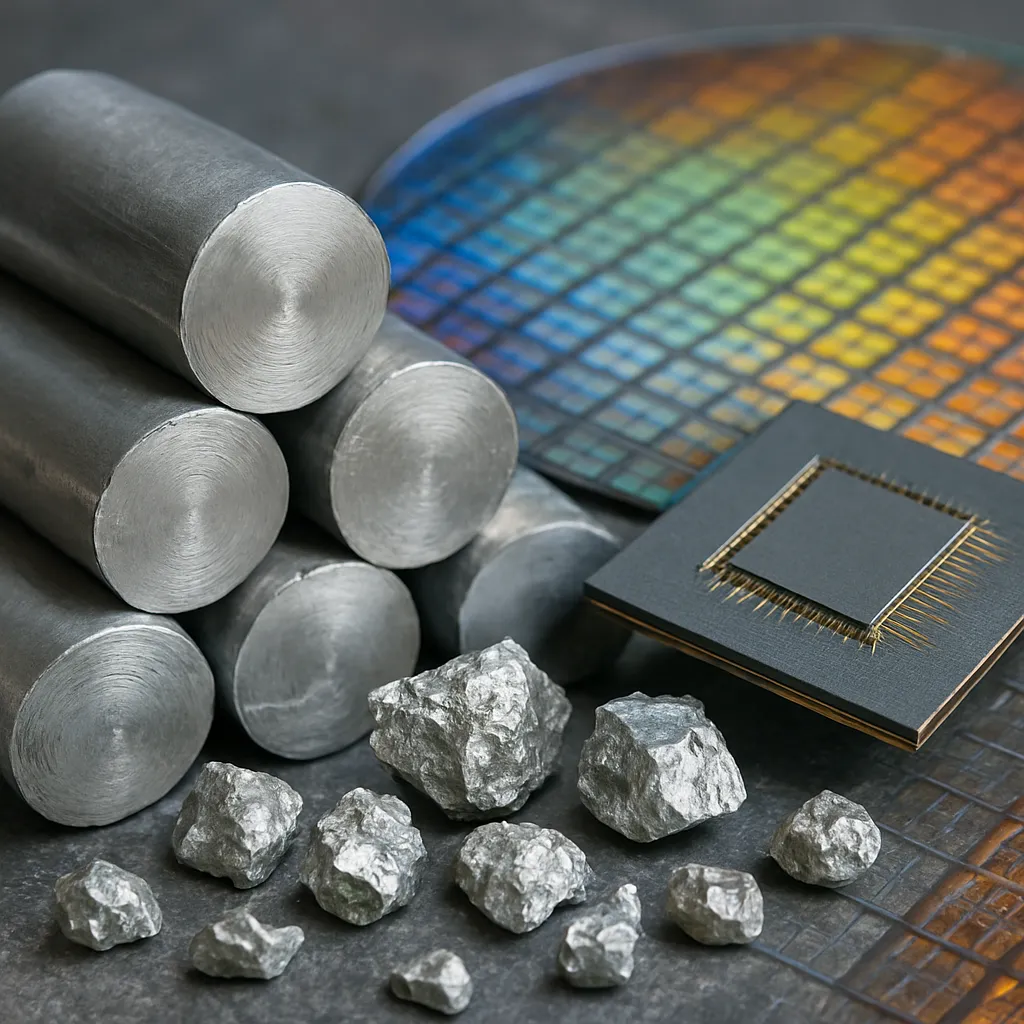
Advanced electronics, renewable energy systems, and high-performance alloys all rely on a handful of specialized metals with unique properties. For instance, neodymium and dysprosium are essential for creating powerful permanent magnets used in wind turbines and electric motors. Meanwhile, lithium and cobalt are indispensable in lithium-ion batteries that power everything from laptops to electric cars.
As global economies transition away from fossil fuels, the demand for these critical raw materials is projected to grow exponentially. Governments worldwide have recognized their strategic importance, designating lists of critical components that are vital for national security and technological leadership. Ensuring a reliable and stable supply chain has become a cornerstone of industrial policy in regions such as the European Union, the United States, Japan, and China.
Given the concentrated geographic distribution of many deposits—such as cobalt in the Democratic Republic of Congo (DRC) and rare earth elements in China—companies face complex geopolitical risks. Disruptions caused by political tensions, trade wars, or export restrictions can have cascading impacts on manufacturing, driving price volatility and supply shortages.
In response, many corporations are diversifying their sourcing strategies, exploring new mining projects in Australia, South America, and North America, as well as increasing investment in recycling and alternative materials. This multifaceted approach aims to mitigate risk while ensuring long-term access to critical inputs.
Ethical and Environmental Challenges in Extraction
Mining for rare metals often occurs in ecologically sensitive regions or areas with limited regulatory oversight. Without robust transparency and monitoring, operations can lead to deforestation, water contamination, and irreversible damage to local ecosystems. Tailings dams—repository sites for mining waste—pose threats of catastrophic failure, releasing toxic sludge into rivers and farmlands.
Labor conditions in certain mining regions also raise significant human rights concerns. Instances of child labor, inadequate safety protocols, and exploitative wages have been documented, especially in artisanal and small-scale mining (ASM) communities. The term conflict minerals has become synonymous with the extraction of resources in zones of armed conflict, where revenues may fuel violence and oppression.
Addressing these challenges requires companies to conduct rigorous due diligence processes. The OECD Due Diligence Guidance for Responsible Supply Chains of Minerals provides a framework for identifying, preventing, and mitigating adverse impacts. Similarly, regulations like the U.S. Dodd-Frank Act Section 1502 and the EU Conflict Minerals Regulation impose mandatory reporting requirements on firms importing tin, tungsten, tantalum, and gold.
Yet compliance alone is not enough. Stakeholders increasingly demand proactive engagement, where businesses partner with local communities, invest in infrastructure, and support education and health programs. By creating shared value, corporations can help improve living standards while securing their own long-term social license to operate.
Corporate Strategies for Responsible Sourcing
Leading companies are adopting integrated approaches to strengthen resilience and accountability in their supply chains. Key measures include:
- Implementing blockchain and other digital ledger technologies to enhance traceability from mine to manufacturer.
- Partnering with certification schemes like the Responsible Minerals Initiative (RMI) and the Initiative for Responsible Mining Assurance (IRMA).
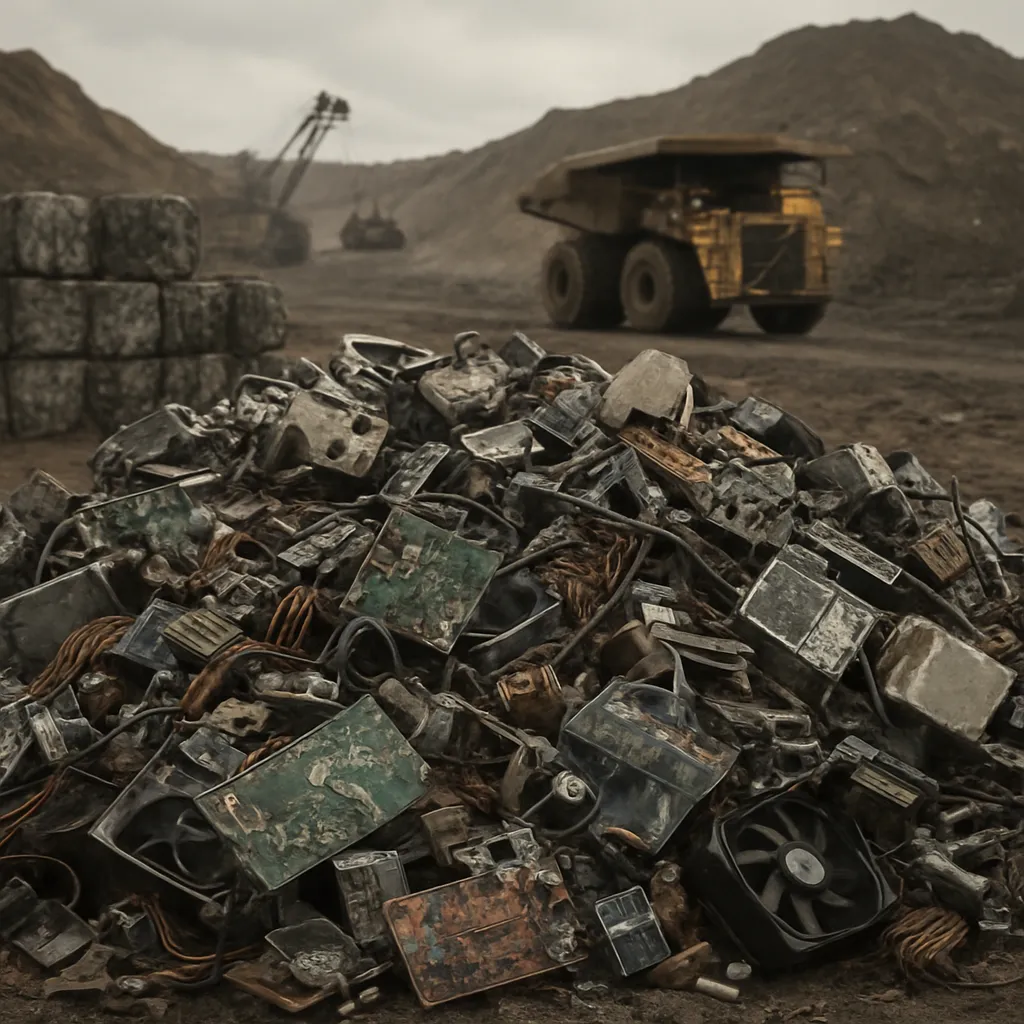
- Investing in recycling infrastructures that recover metals from end-of-life electronics and batteries, closing the loop in a circular economy.
- Conducting on-site audits and remote sensing to monitor environmental compliance and labor standards.
- Allocating funds to community development projects that address local needs and foster stakeholder engagement.
Moreover, companies are integrating environmental, social, and governance (ESG) criteria into their corporate strategies and reporting frameworks. By setting clear targets for carbon emissions, water usage, and human rights performance, they demonstrate a commitment to sustainability that resonates with investors, regulators, and end consumers.
Case in point: an automotive manufacturer may pledge to source 100% of its cobalt from certified “conflict-free” mines by a specific year, while simultaneously underwriting battery recycling partnerships that recover critical metals. Such measures not only reduce ethical risks but also curb material costs and stabilize long-term supply.
Regulatory Landscape and Future Outlook
Regulatory bodies around the world are intensifying efforts to secure ethical and sustainable supply chains. The EU’s Critical Raw Materials Act proposes strategic stockpiling, supplier diversification, and stringent sustainability criteria for extraction projects. In the United States, executive orders and interagency task forces aim to revitalize domestic mining while safeguarding environmental standards.
Looking ahead, technological innovations could reshape the economics of rare metal sourcing. Advancements in mineral detection, autonomous extraction equipment, and green hydrometallurgical processes promise to reduce environmental footprints. Meanwhile, research into alternative battery chemistries and material substitutions could lessen dependence on the most contested elements.
Ultimately, the interplay between corporate responsibility, regulatory frameworks, and technological innovation will determine the trajectory of the rare metals market. Companies that embrace comprehensive responsible sourcing strategies—rooted in transparency, stakeholder collaboration, and continuous improvement—stand to gain not only operational stability but also reputational advantage in a rapidly evolving global landscape.