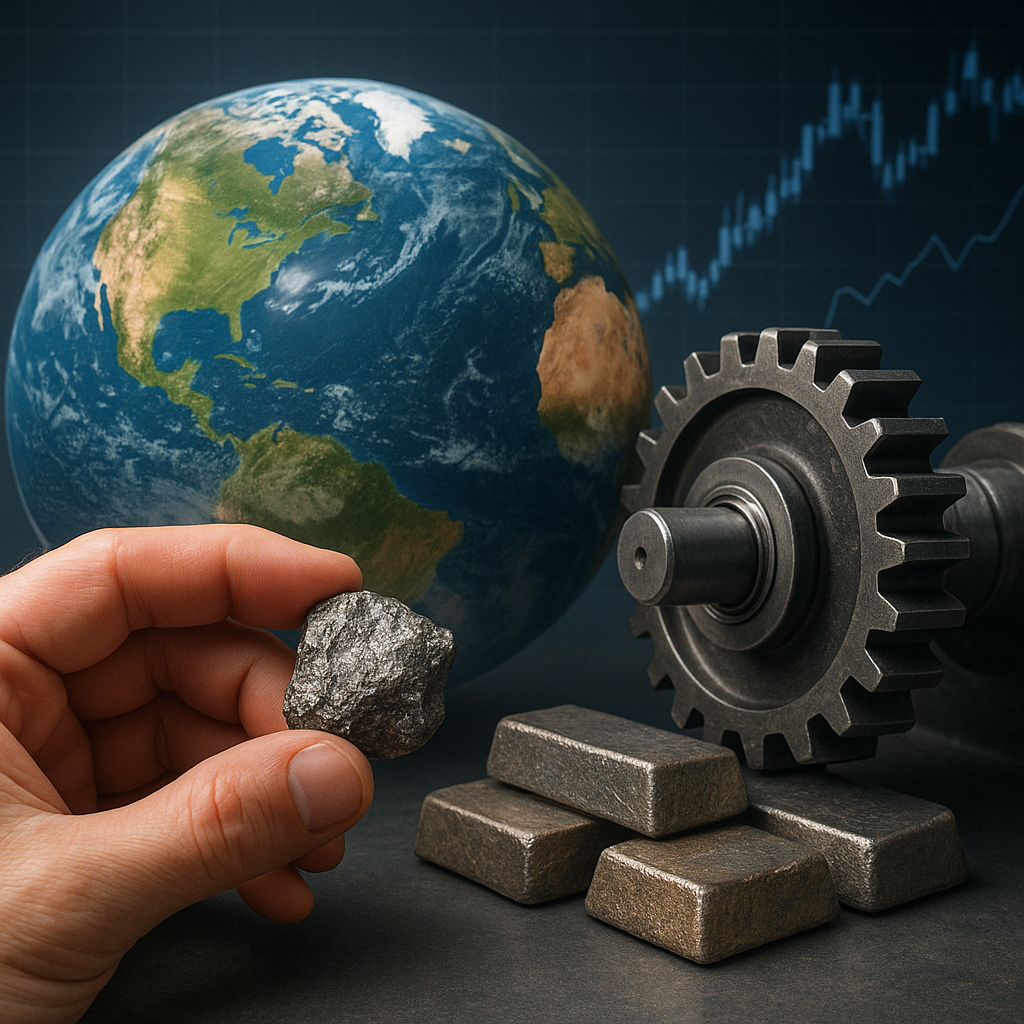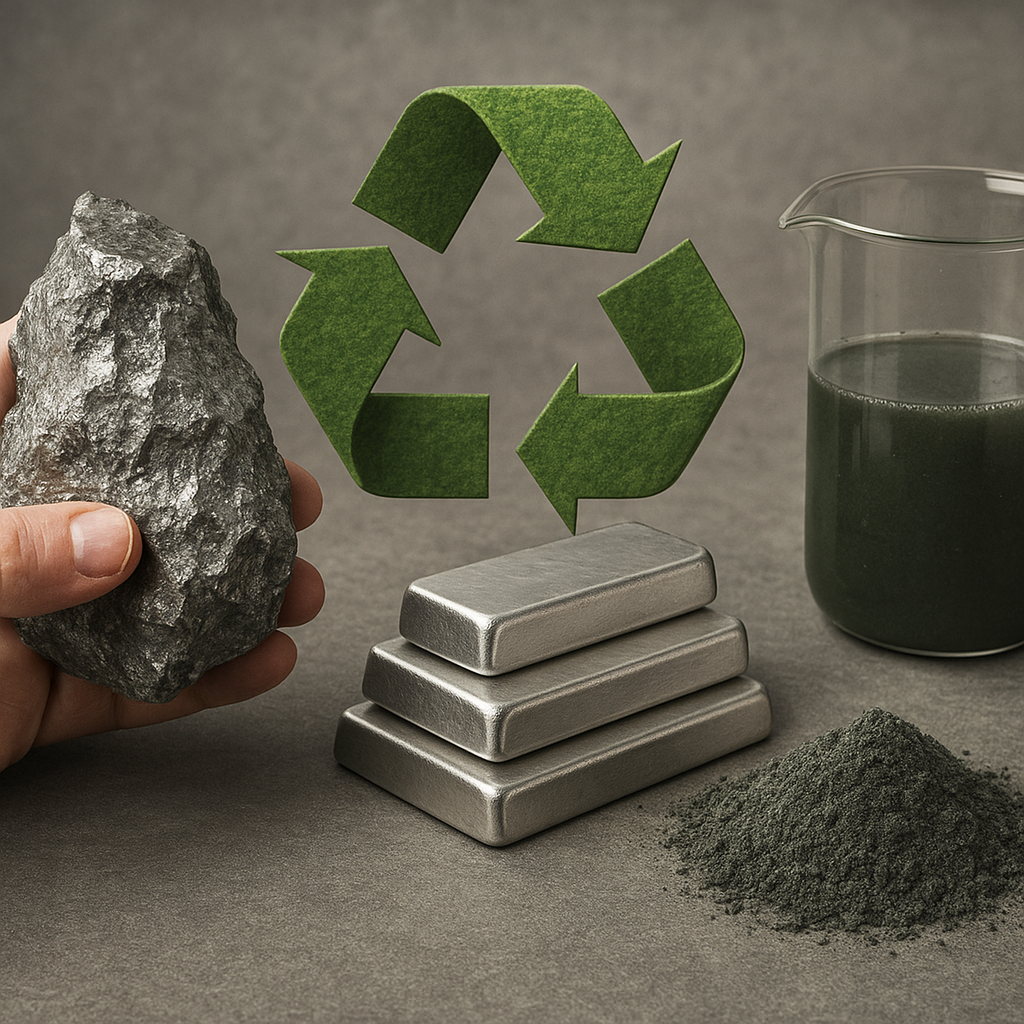
The pursuit of circular innovation in the global rare metals sector demands a shift toward circular economy paradigms, driven by sustainability imperatives and geopolitical dynamics. As modern industries—from consumer electronics to electric vehicles—become ever more dependent on strategic elements like neodymium, lithium, and cobalt, the need to reimagine extraction, processing, and value recovery has become paramount. This article explores the principal forces shaping the rare metals market, technological advances in refining and extraction, novel recycling frameworks, and the collaborative roles of diverse stakeholders in forging a resilient resource ecosystem.
Innovation Drivers in the Rare Metals Industry
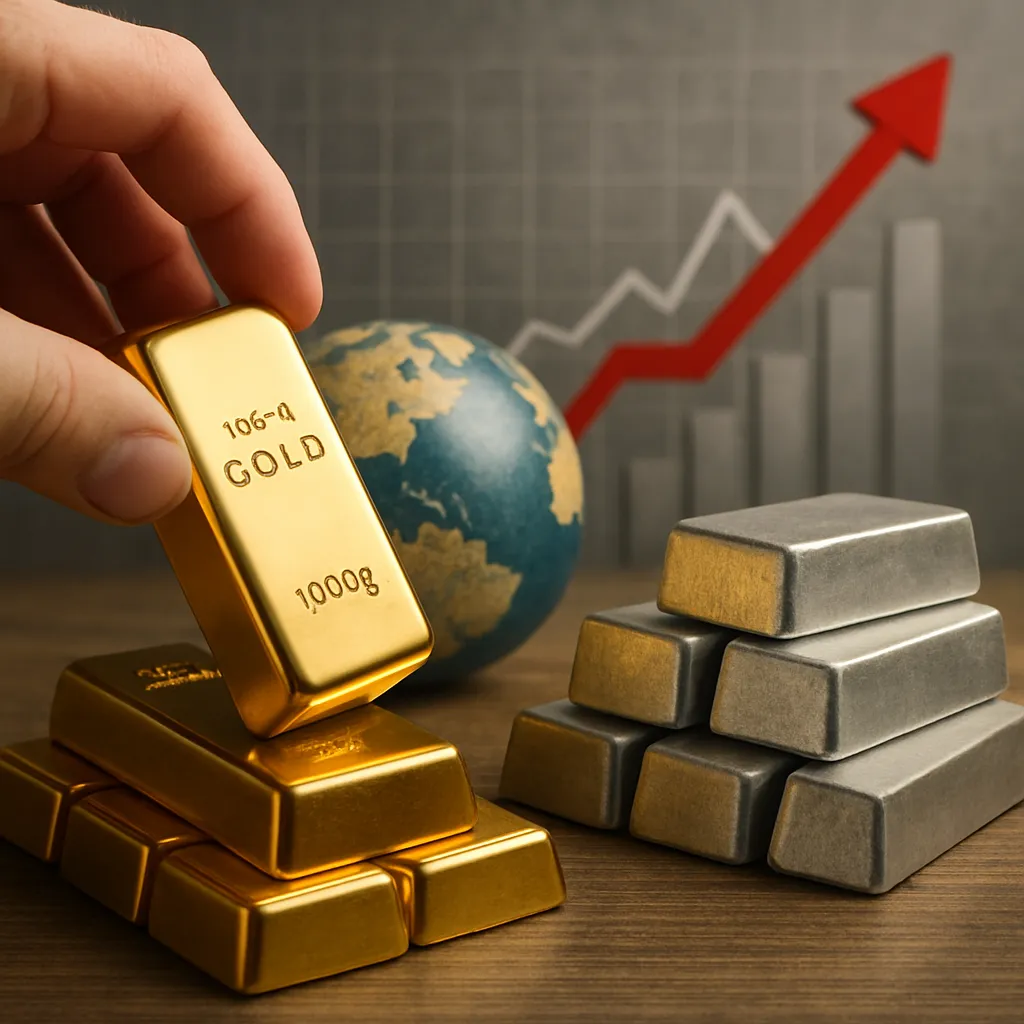
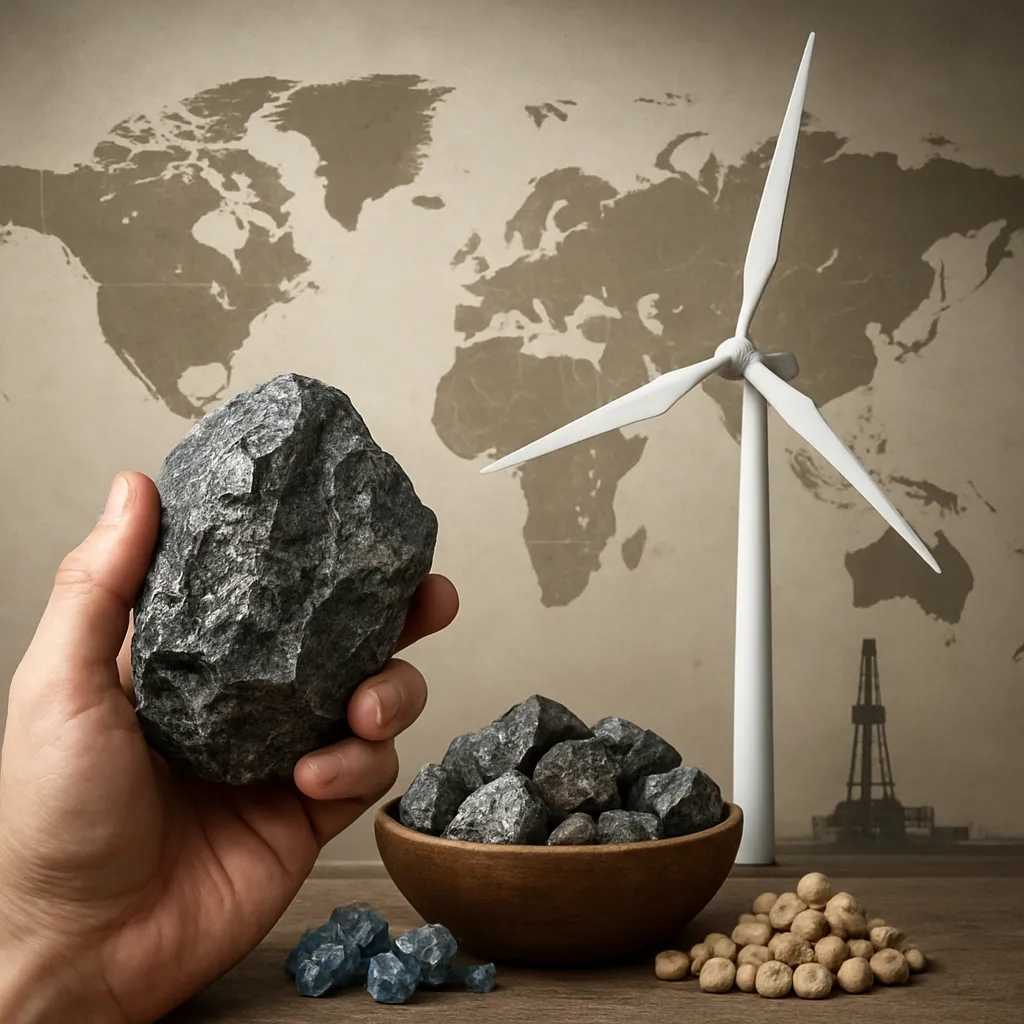
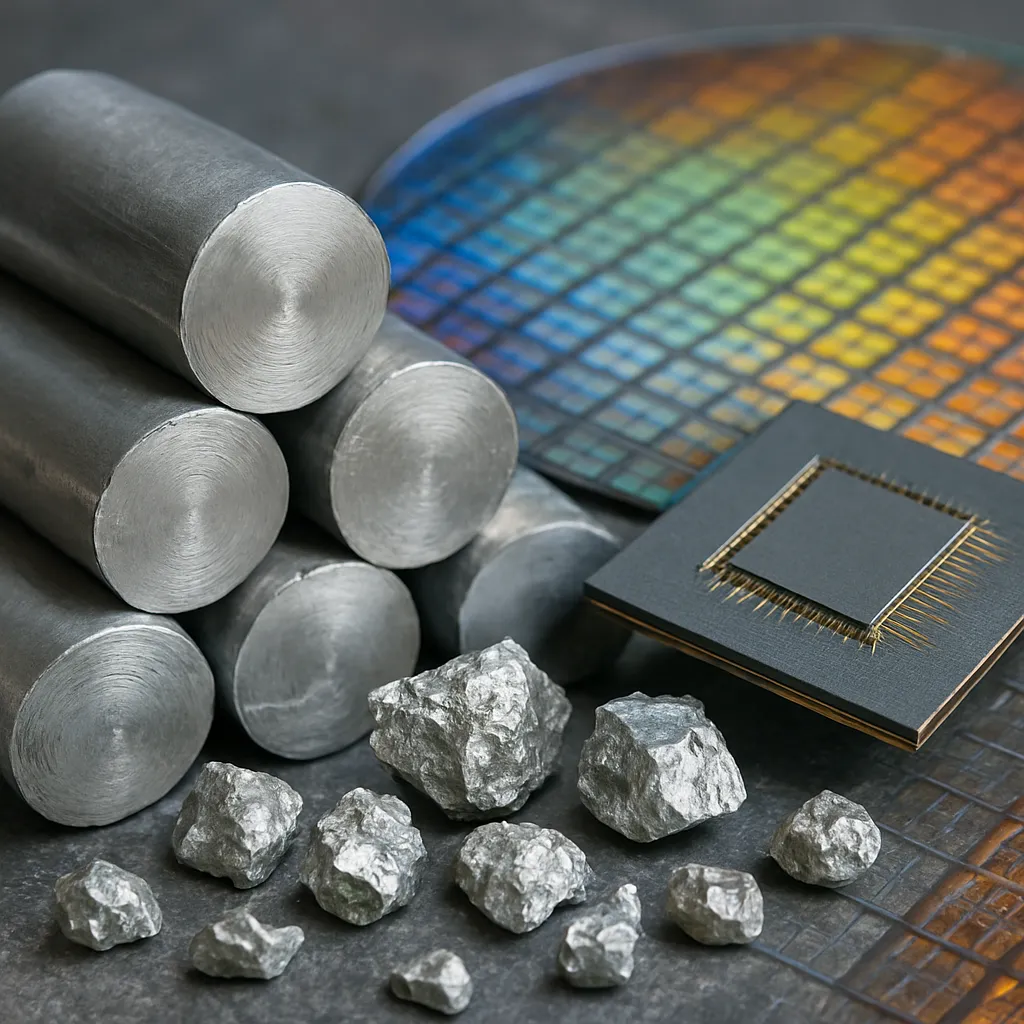
Global demand for rare metals is propelled by the rapid expansion of clean energy and digital technologies. Electric vehicle production, renewable energy infrastructure, and advanced electronics rely on elements such as lithium, cobalt, and dysprosium. Companies and governments are increasingly focused on integrating technology solutions that ensure material security while minimizing environmental footprints. Rising awareness of supply chain vulnerabilities has underscored the importance of diversity and resilience in sourcing strategies.
Key factors driving innovation include:
- Strategic partnerships between mining firms and high-tech manufacturers to co-develop application-specific metal alloys.
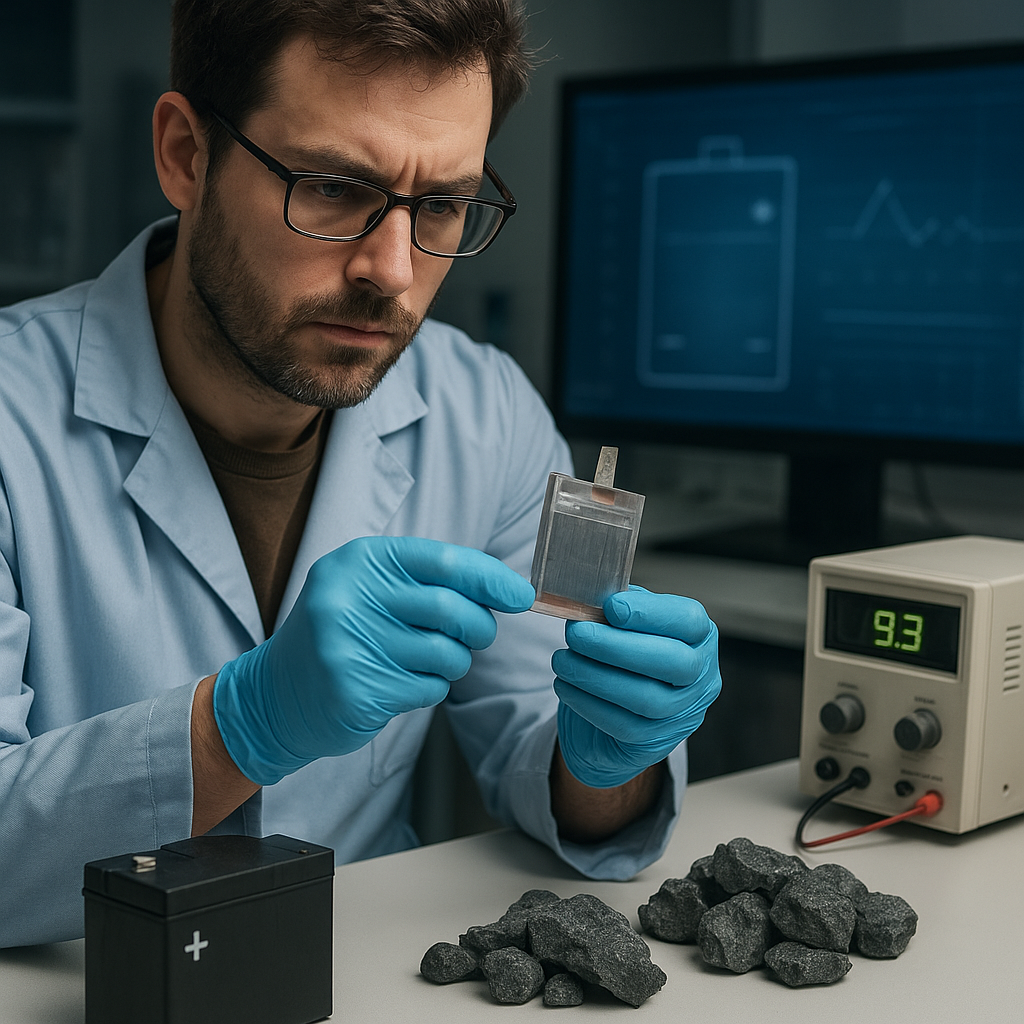
- Investment in clean technology R&D to reduce energy consumption during mining and processing.
- Regulatory incentives promoting reduced carbon emissions and enhanced resource efficiency.
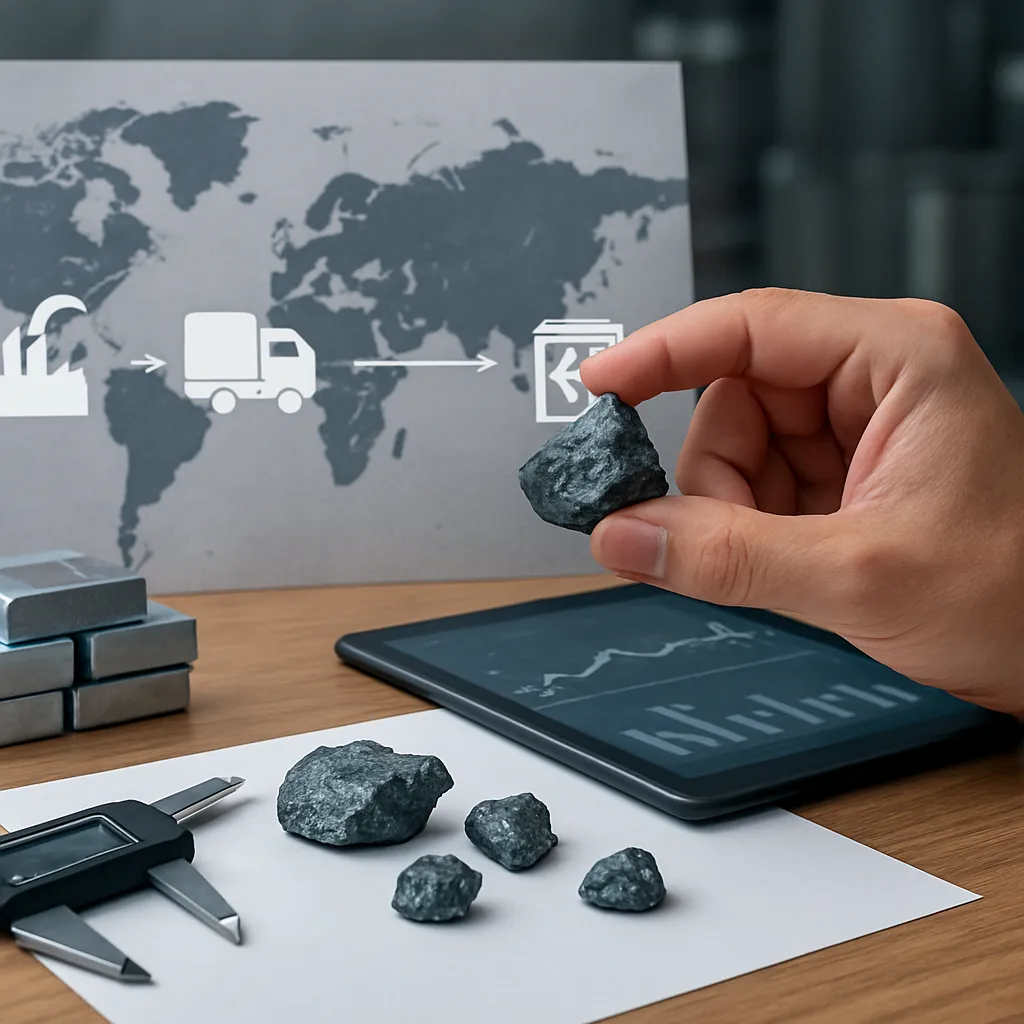
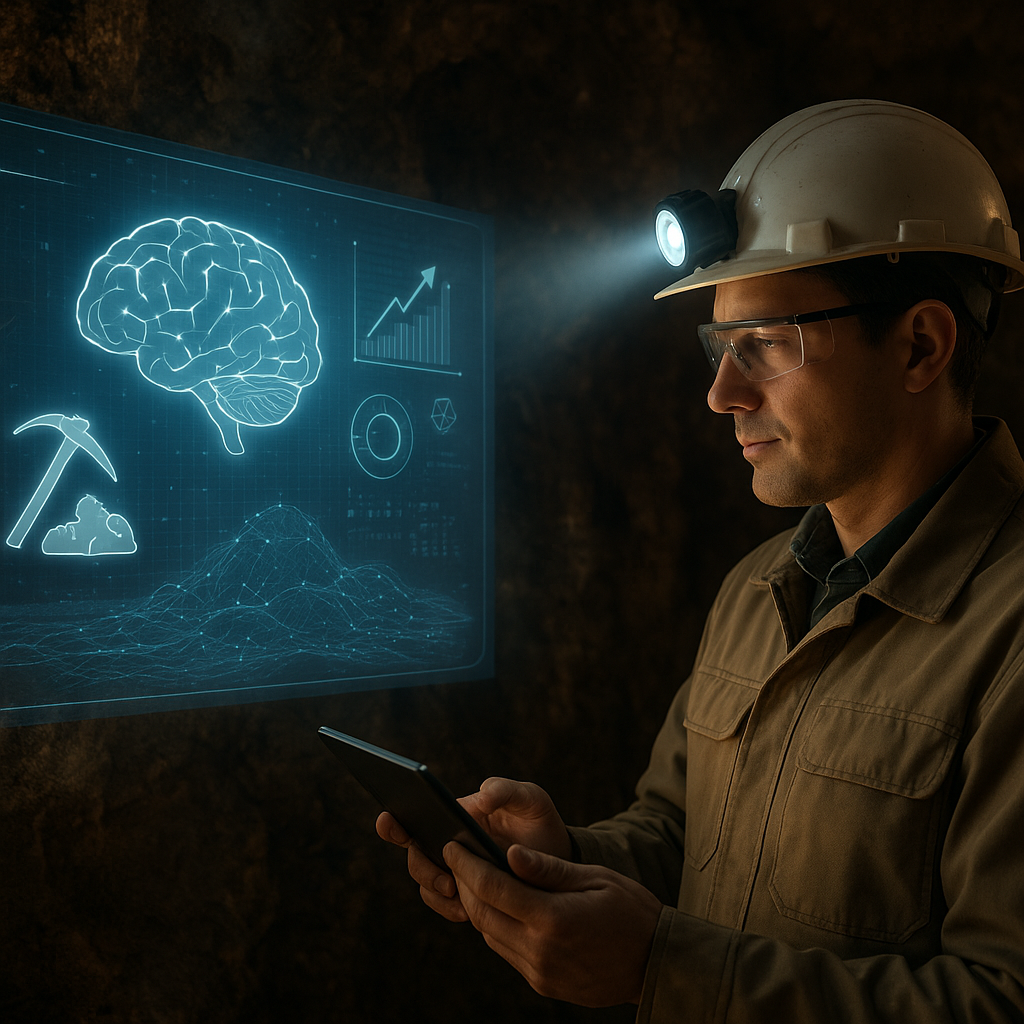
- Advancements in digital tools, such as AI-driven geological surveys and blockchain-based supply chain tracking.
By fostering collaboration among research institutions, corporations, and policy bodies, the sector can leverage multidisciplinary expertise to accelerate novel extraction techniques, optimize supply chain transparency, and create greater market stability.
Sustainable Extraction and Refining Techniques
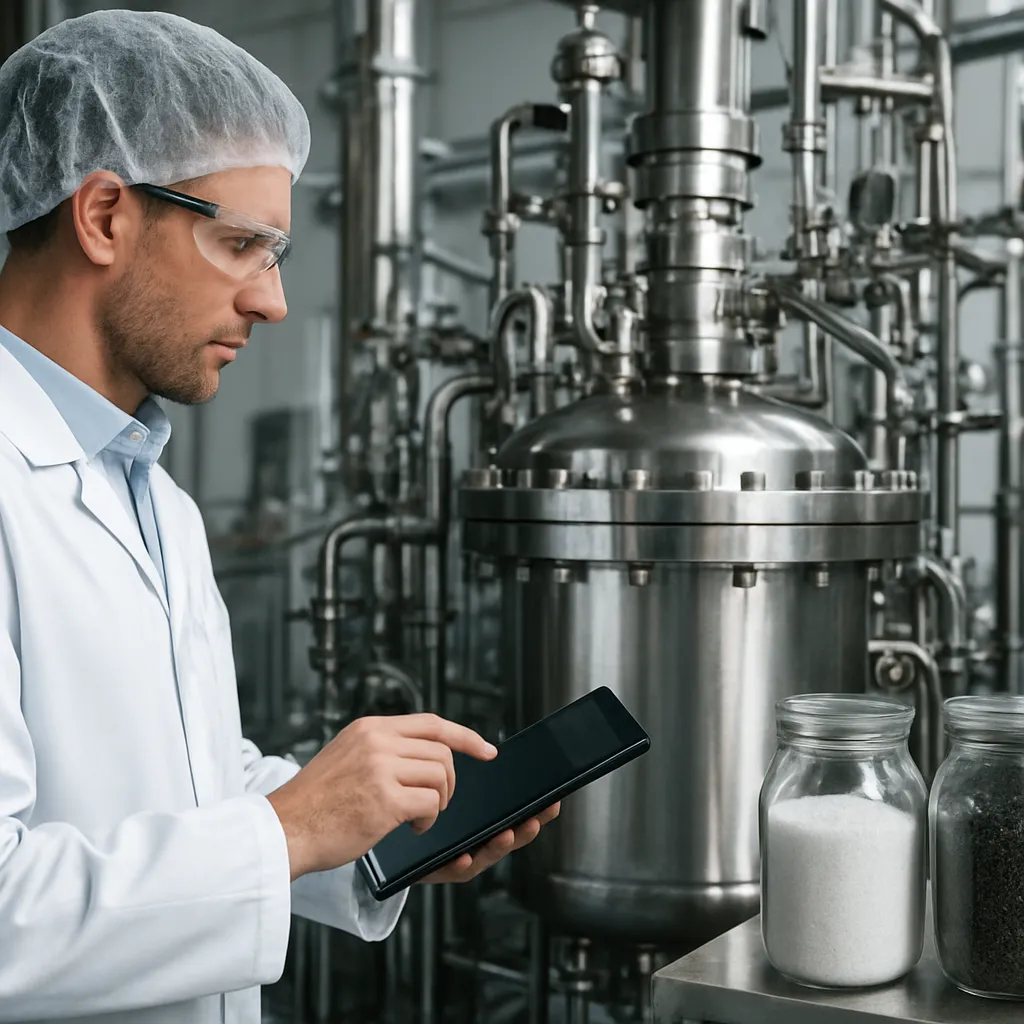
Traditional mining and metallurgical practices often incur significant environmental and social costs. Recent progress in sustainable extraction focuses on reducing water usage, lowering greenhouse gas emissions, and minimizing land disturbance. Bioleaching, for example, employs specialized microorganisms to mobilize metal ions from ore bodies, cutting down energy requirements and chemical waste.
Recycling of process water, along with closed-loop systems for reagent recovery, further enhances resource efficiency. Some pioneering refineries utilize hydrogen-based reduction mills instead of coal-fired smelters, slashing carbon footprints. Integrated tailings management—transforming mining residues into construction materials or backfilling exhausted pits—contributes to landscape rehabilitation and community well-being.
Advanced Refining Approaches
- Solvent extraction techniques that achieve higher metal purity with reduced reagent consumption.
- Ion-exchange membranes tailored for selective separation of lanthanides and transition metals.
- Modular micro-refineries that can be deployed closer to mining sites, diminishing logistics costs and emissions.
- Electrochemical leaching processes that recover critical metals at ambient conditions.
Such innovations align with circular principles by minimizing waste generation, enhancing operational flexibility, and fostering safer working environments. The synergy between process engineering and environmental stewardship is redefining the sector’s operational benchmarks.
Recycling and Circular Economy Models
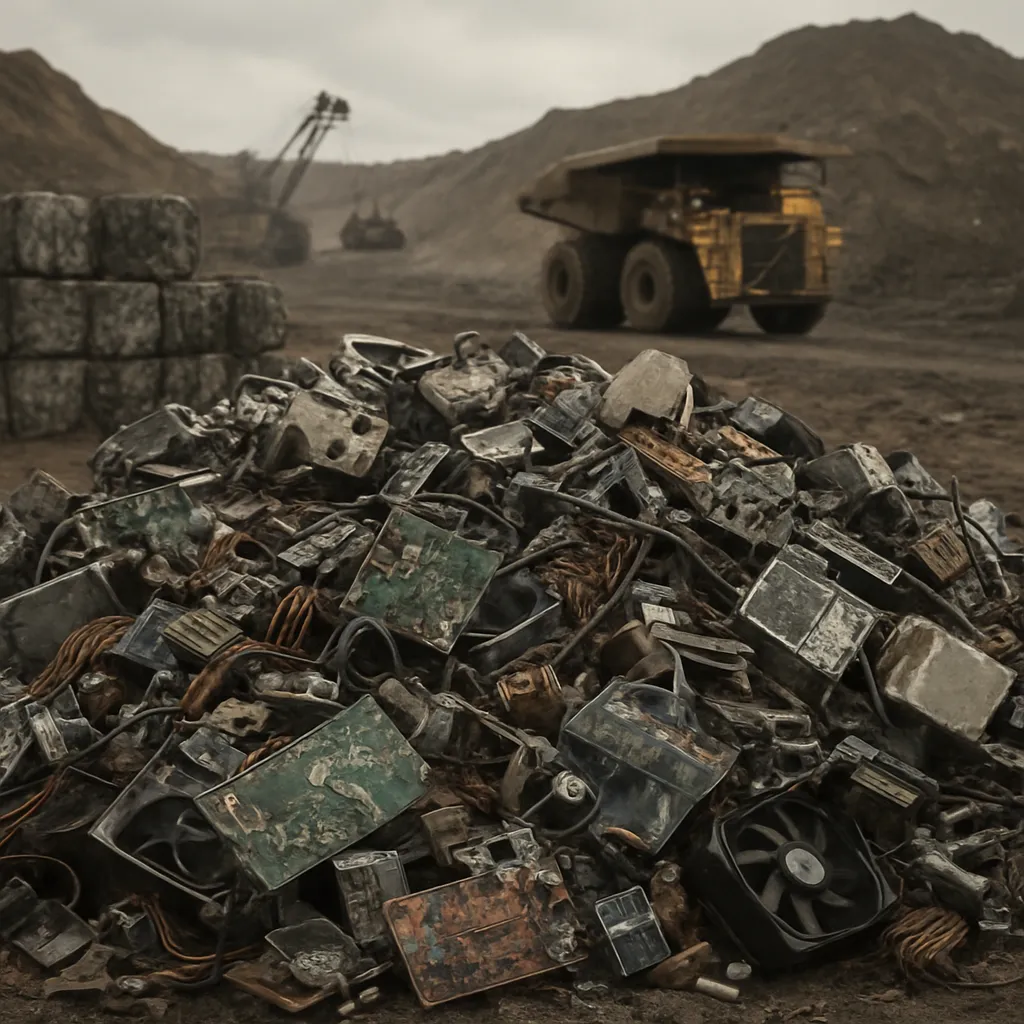
Implementing a robust circular model in the rare metals sector hinges on efficient end-of-life management. Value recovery from electronic waste, spent batteries, and obsolete industrial catalysts presents a lucrative opportunity to reintroduce key metals into production cycles. Advanced mechanical shredding, followed by hydrometallurgical treatment, allows high-yield recovery of cobalt, nickel, and rare earth elements.
Several innovative approaches are reshaping the recycling landscape:
- Urban mining initiatives that aggregate electronic waste at municipal facilities, centralizing material flow and reducing logistics complexity.
- Collaborative take-back programs incentivizing consumers to return end-of-life products through deposit-refund schemes.
- Decentralized battery refurbishment hubs that extend the service life of large-format storage systems before final metal reclamation.
- Data-driven sorting plants using AI and spectroscopy to identify and segregate multi-material components with high precision.
Embedding lifecycle assessment tools into manufacturing design helps optimize products for disassembly and material recovery. Design-for-recycling principles—such as modular component attachments and labeling—streamline automated processing and reduce contamination risks.
Future Opportunities and Challenges
Looking ahead, the rare metals sector faces a complex interplay of opportunities and obstacles. On the upside, emerging digital twins and real-time monitoring can optimize resource flows, predict equipment maintenance needs, and reduce downtime. Breakthroughs in nanomaterials and alternative chemistries could lower reliance on geopolitically sensitive metals by introducing high-performance substitutes.
Nevertheless, the path to full circularity encounters challenges, including:
- Regulatory fragmentation across jurisdictions, complicating cross-border recycling and material trade.
- Capital-intensive infrastructure upgrades required for state-of-the-art refining and reclamation facilities.
- Public acceptance issues linked to perceived environmental risks of unconventional mining and metallurgical methods.
- Ensuring equitable benefit-sharing with mining communities and indigenous populations.
Addressing these issues will require cohesive policy frameworks, sustained R&D investment, and multi-stakeholder governance models. By aligning economic incentives with ecological preservation, the industry can transition toward a resilient, sustainable future—ultimately redefining the value proposition of rare metals in a world that prioritizes resource responsibility and innovation.