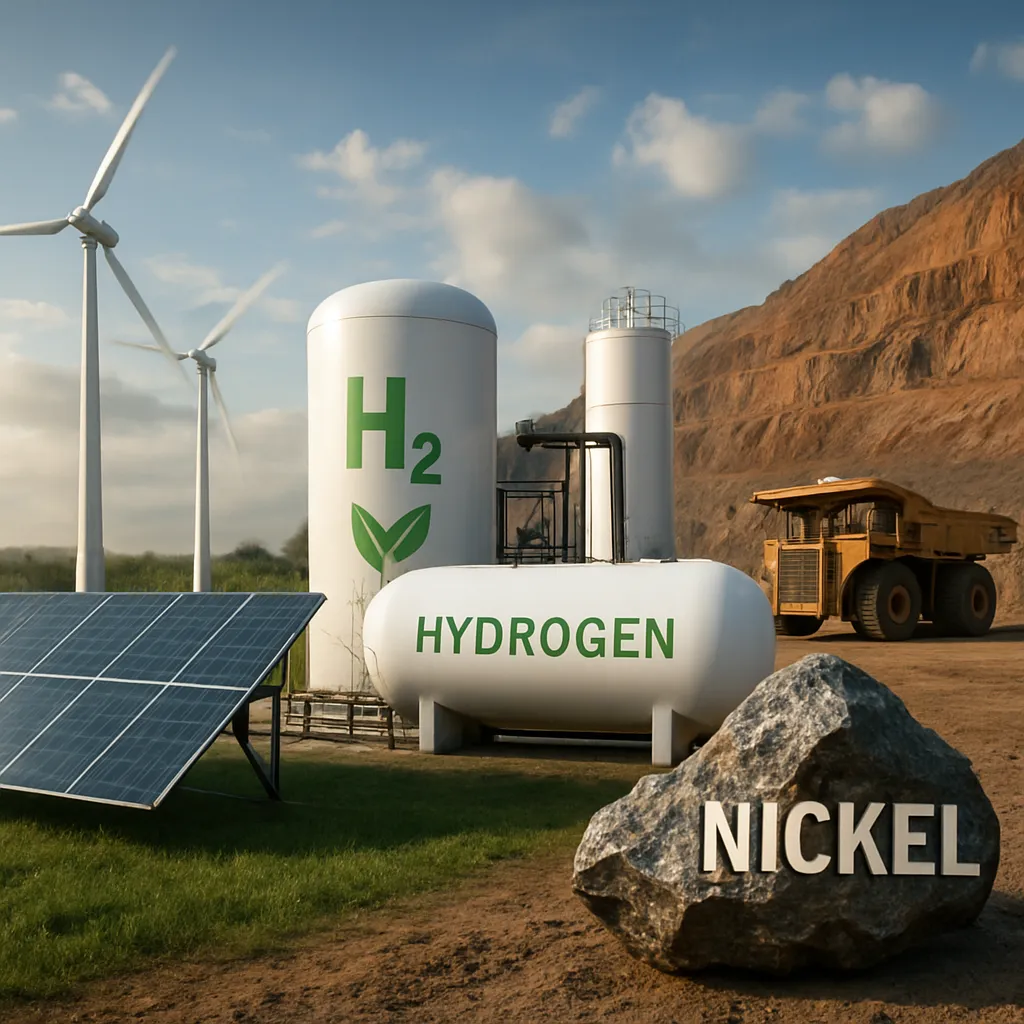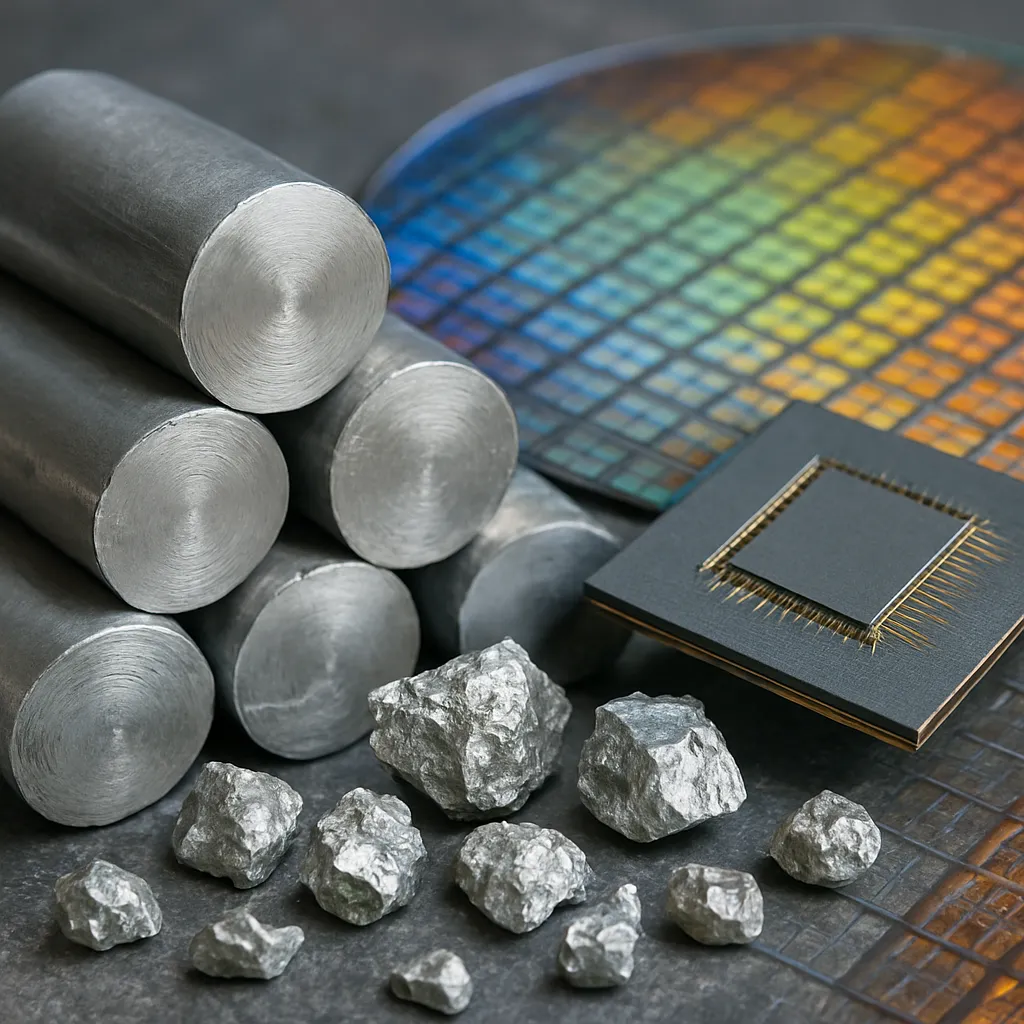
The relentless pursuit of carbon neutrality has thrust the world into a delicate balancing act. As nations pivot from fossil fuels toward clean energy technologies, the demand for rare metals like lithium, cobalt and rare earth elements has surged. Paradoxically, the very materials essential for decarbonization present formidable challenges in terms of supply stability, environmental impact and geopolitical tension. This article explores the complex interplay between the global appetite for rare metals and the quest for a carbon-free future.
The Global Race for Rare Metals
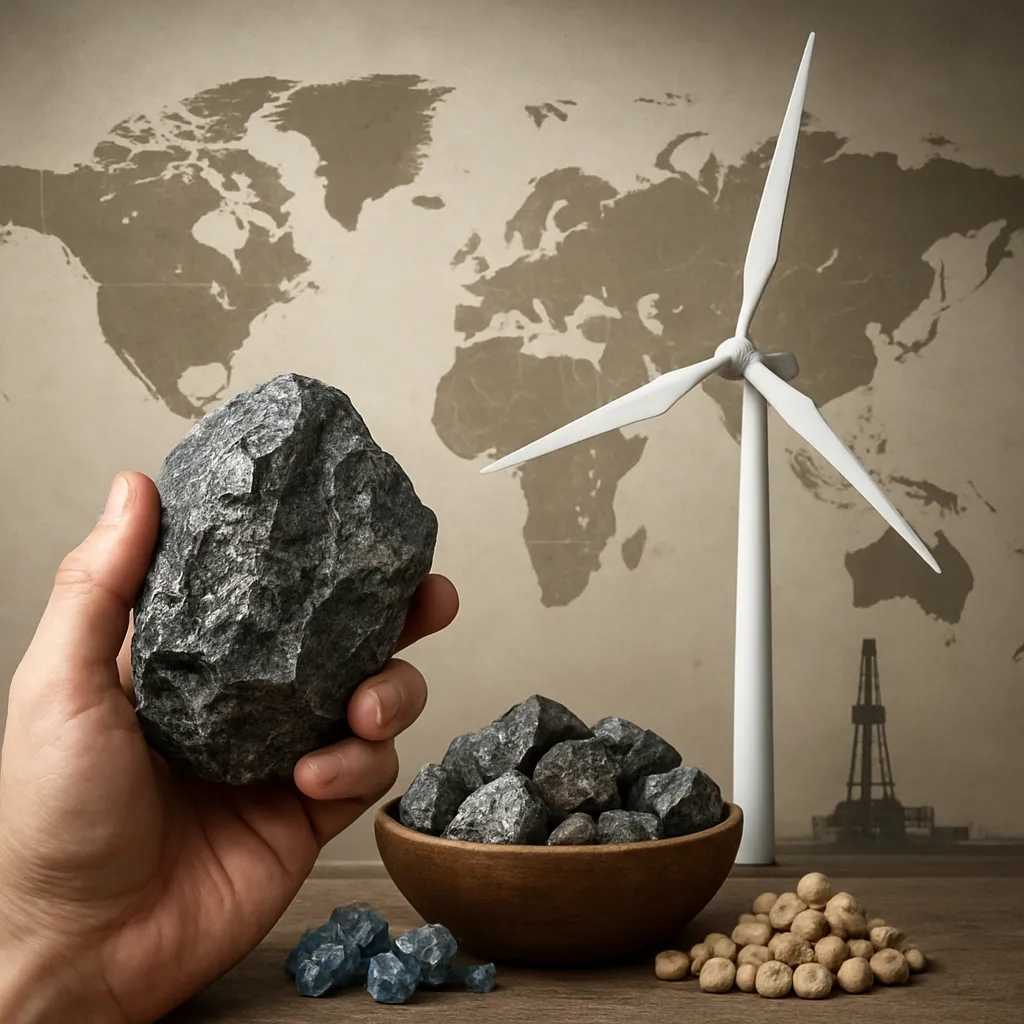
Every electric vehicle, wind turbine and advanced battery encapsulates a cocktail of scarce minerals. Governments and corporations scramble for strategic reserves, forging new alliances and outbidding rivals. Key factors fueling this frenzy include:
- Explosive growth in electrification of transport fleets.
- Expansion of utility-scale renewable energy installations.
- Acceleration of energy storage projects to stabilize power grids.
- Technological advances in aerospace, defense and digital electronics.
Estimates suggest that by 2030, global demand for lithium could grow fivefold, while cobalt and nickel could see three to four times higher consumption. Such forecasts underscore the vulnerability of current supply chain infrastructures. Many critical mining operations are concentrated in a handful of countries, making the market sensitive to policy changes, labor disputes and environmental regulations. Furthermore, extraction processes often generate significant ecological footprints, conflicting with broader sustainability goals.
Implications for Carbon Neutrality
Decarbonization initiatives hinge on deploying low-carbon technologies at scale. However, the production of rare metals can produce substantial greenhouse gas emissions, creating a paradox:
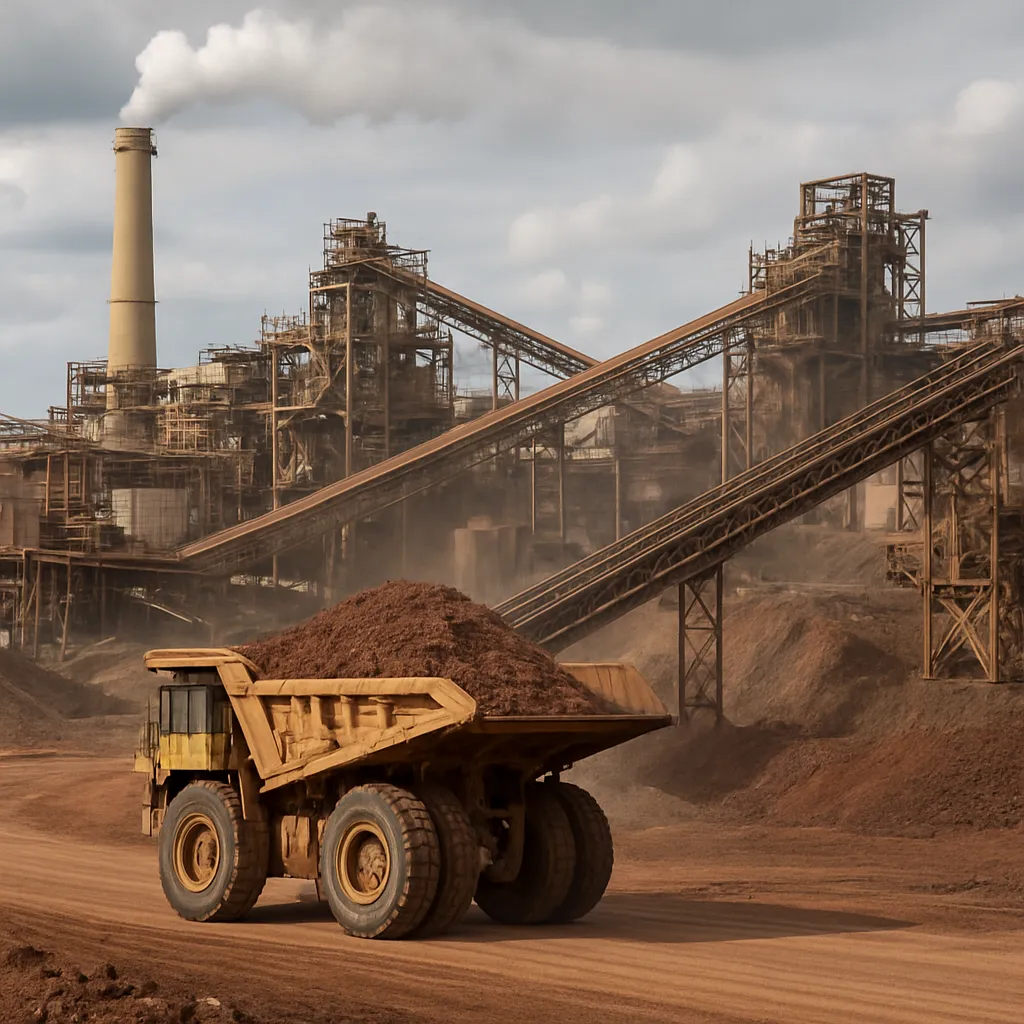
- Mining equipment powered by diesel and coal-based electricity.
- High water consumption in arid regions for ore processing.
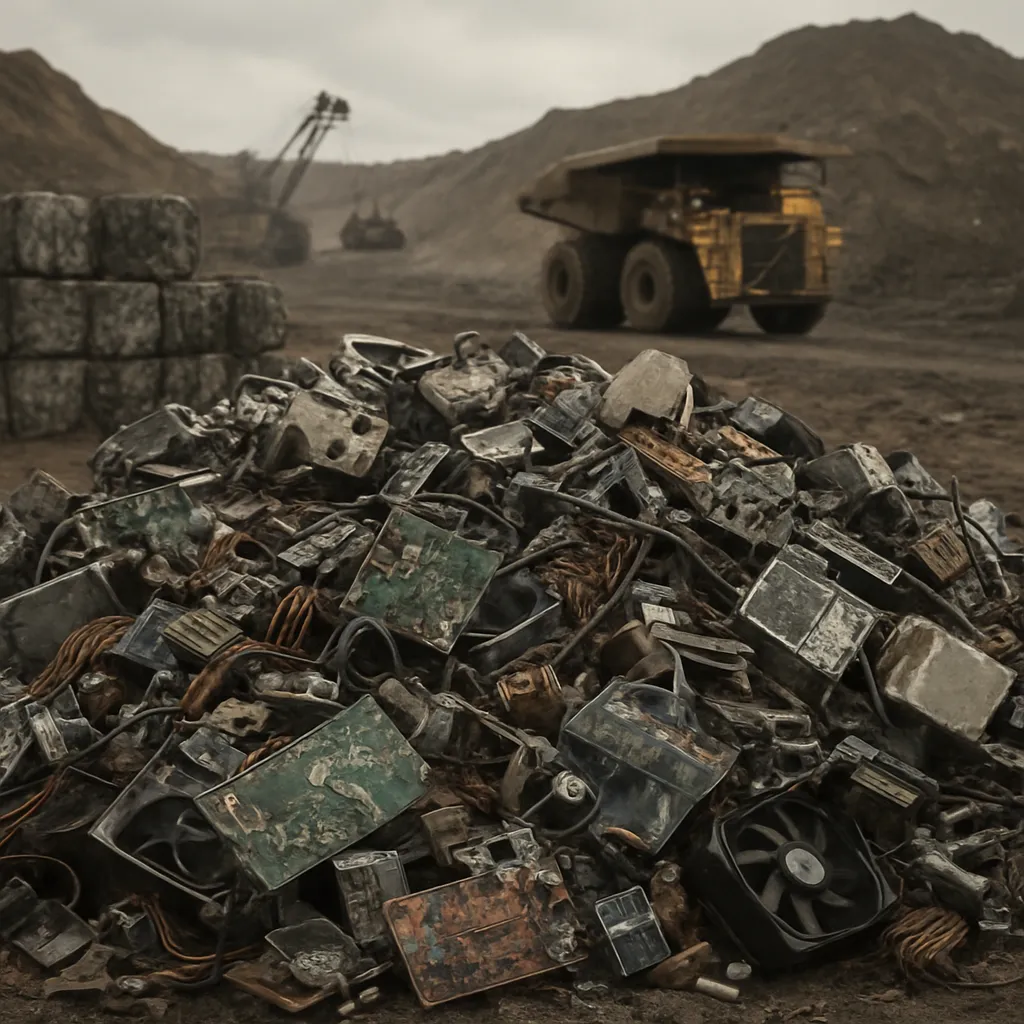
- Tailings disposal and land disturbance leading to methane release from peatlands.
Even as wind turbines spin and solar panels soak up sunlight, the upstream carbon footprint of mineral extraction cannot be ignored. Pioneering projects are emerging to minimize these impacts through recycling of end-of-life batteries, electrification of mine fleets and deployment of on-site renewable power. Yet, scaling such measures remains an uphill battle, constrained by technology readiness levels, capital intensity and regulatory inertia.
Economic and Geopolitical Challenges
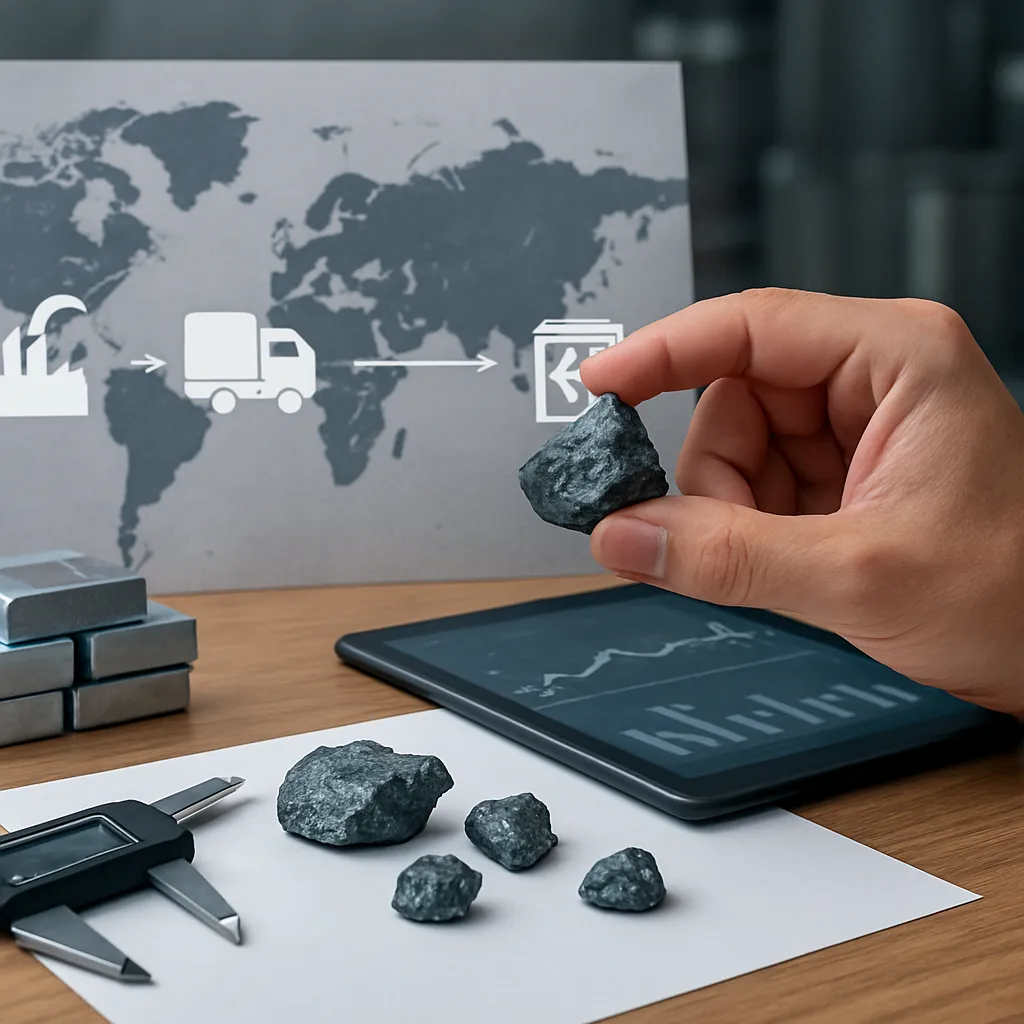
The distribution of rare metal deposits is profoundly uneven. The Democratic Republic of Congo dominates cobalt production, China controls key processing facilities for rare earth elements, and Australia leads in lithium mining. This concentration breeds geostrategic dependencies that can be weaponized through export restrictions or tariffs. Notable flashpoints include:
- Trade disputes impacting rare earth oxide shipments.
- Border tensions threatening mineral transportation corridors.
- Resource nationalism driving nationalization of mining assets.
Emerging economies, rich in critical minerals, grapple with balancing foreign direct investment against environmental stewardship and community rights. Meanwhile, consuming nations are exploring bilateral agreements and stockpiling reserves. This interplay raises the specter of a new era of resource-driven competition, potentially undermining global cooperation on climate change.
Strategies for Sustainable Supply
Tackling the rare metal paradox requires multi-faceted approaches that integrate innovation, policy reform and responsible investment. Key strategies include:
- Enhancing material efficiency through advanced engineering and product design.
- Accelerating R&D in alternative battery chemistries with reduced critical mineral content.
- Expanding circular economy frameworks to recover metals from electronic waste.
- Strengthening labor and environmental standards across mining jurisdictions.
- Facilitating cross-border collaboration on shared resource development and infrastructure.
Countries are beginning to pool resources for joint ventures, combining technical expertise with financial muscle. At the same time, impact investors are channeling funds into low-carbon mining projects, recognizing that investment in decarbonized supply chains yields both ecological and economic returns. However, governance mechanisms must evolve to ensure that benefits accrue equitably and that local communities are empowered.
Future Outlook and Technological Pathways
Emerging technologies hold promise for alleviating supply constraints and advancing resilience in the rare metal sector. Artificial intelligence and remote sensing streamline resource exploration, while modular processing units enable scalable extraction closer to consumption centers. Breakthroughs in direct lithium extraction and solvent recovery can significantly reduce environmental harm. Moreover, collaborative platforms are fostering open-source sharing of best practices, speeding global progress toward sustainability.
Key research frontiers include:
- Biomining techniques using microorganisms for selective metal recovery.
- Solid-state batteries with minimal reliance on cobalt and nickel.
- Next-generation membranes for efficient metal-ion separation.
- Integrated data networks for end-to-end traceability of mineral flows.
The trajectory toward carbon neutrality is undeniable, but its success is contingent on securing a robust rare metal foundation. By weaving together technological innovation, prudent policy frameworks and global collaboration, stakeholders can navigate the paradox and unlock a truly low-carbon future.