The relentless rise in demand for lithium, cobalt, nickel, manganese, copper and other critical elements is reshaping global supply chains. While terrestrial deposits are increasingly stretched, a new frontier has emerged thousands of meters below the ocean surface. This exploration into abyssal plains promises unprecedented access to metal-rich polymetallic nodules, but also raises complex questions about technology, sustainability and marine biodiversity. As governments and corporations race to stake claims, the interplay of science, engineering and geopolitics will determine whether deep-sea mining can meet humanity’s insatiable appetite for high-performance materials.
Rare Metals in the Technological Era
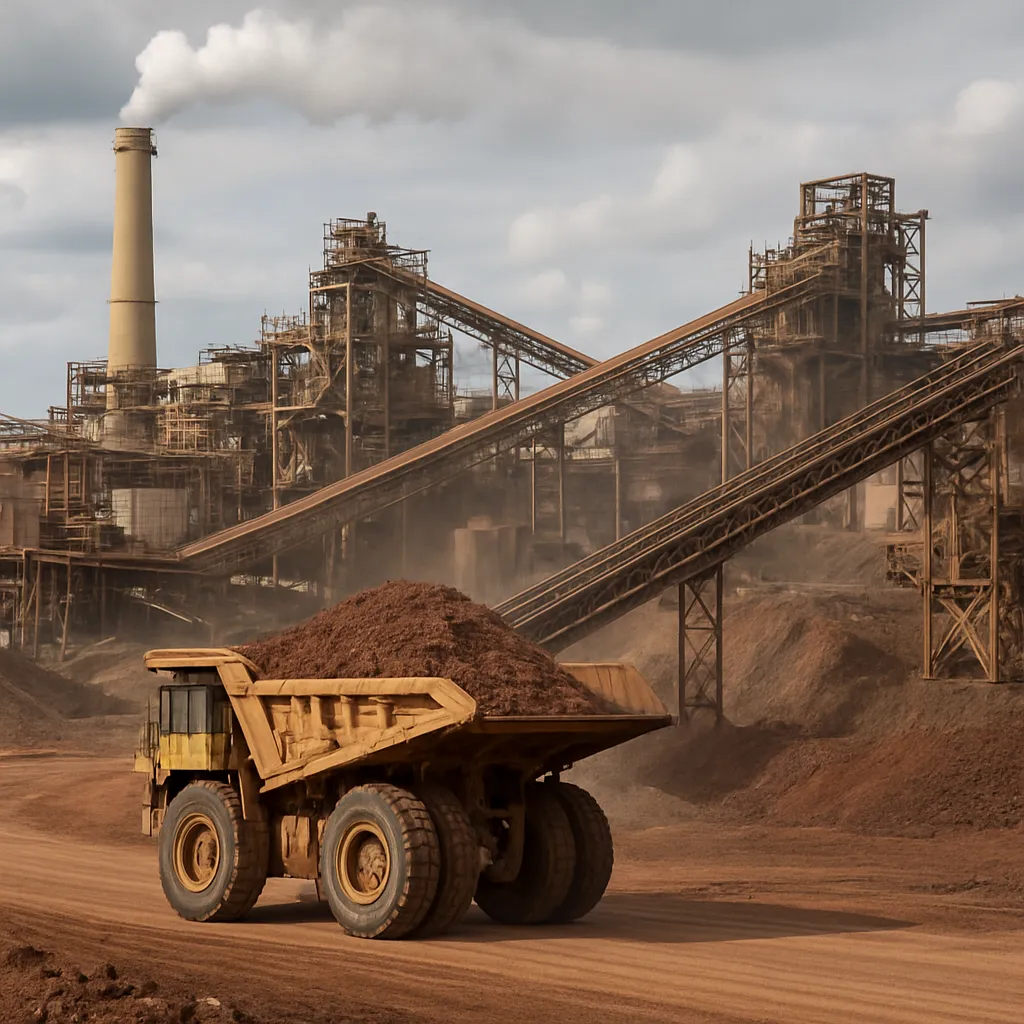
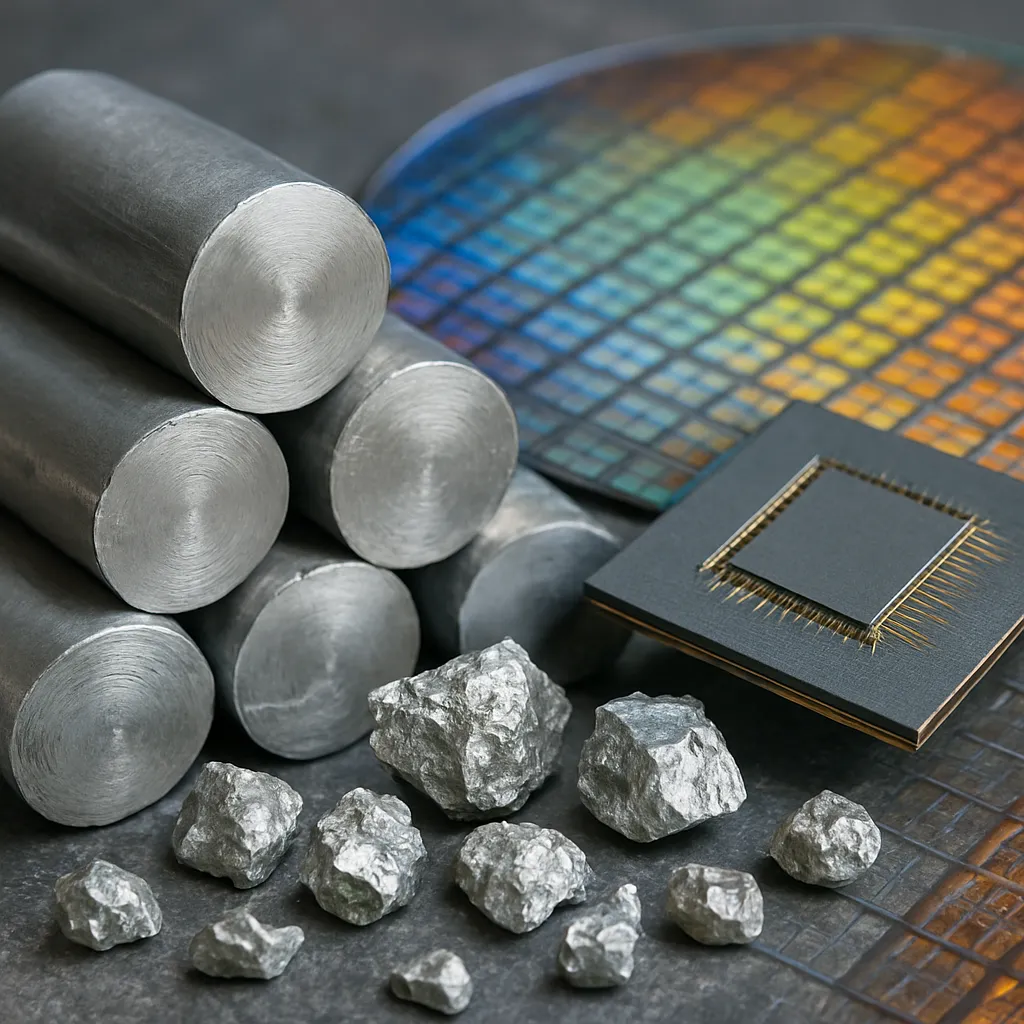
The 21st century’s digital revolution relies heavily on a handful of elements once considered obscure. Electric vehicles, renewable energy systems, high-speed data networks and advanced aerospace applications all depend on rare metals that are unevenly distributed across the planet. Traditional land-based mining has suffered from the depletion of high-grade deposits, soaring extraction costs and growing environmental opposition.
Supply Chain Concentration
- China controls over 60% of global lithium refining capacity.
- The Democratic Republic of Congo supplies roughly 70% of the world’s cobalt.
- Nickel and manganese are mined in a handful of countries, leading to vulnerability in the supply chain.
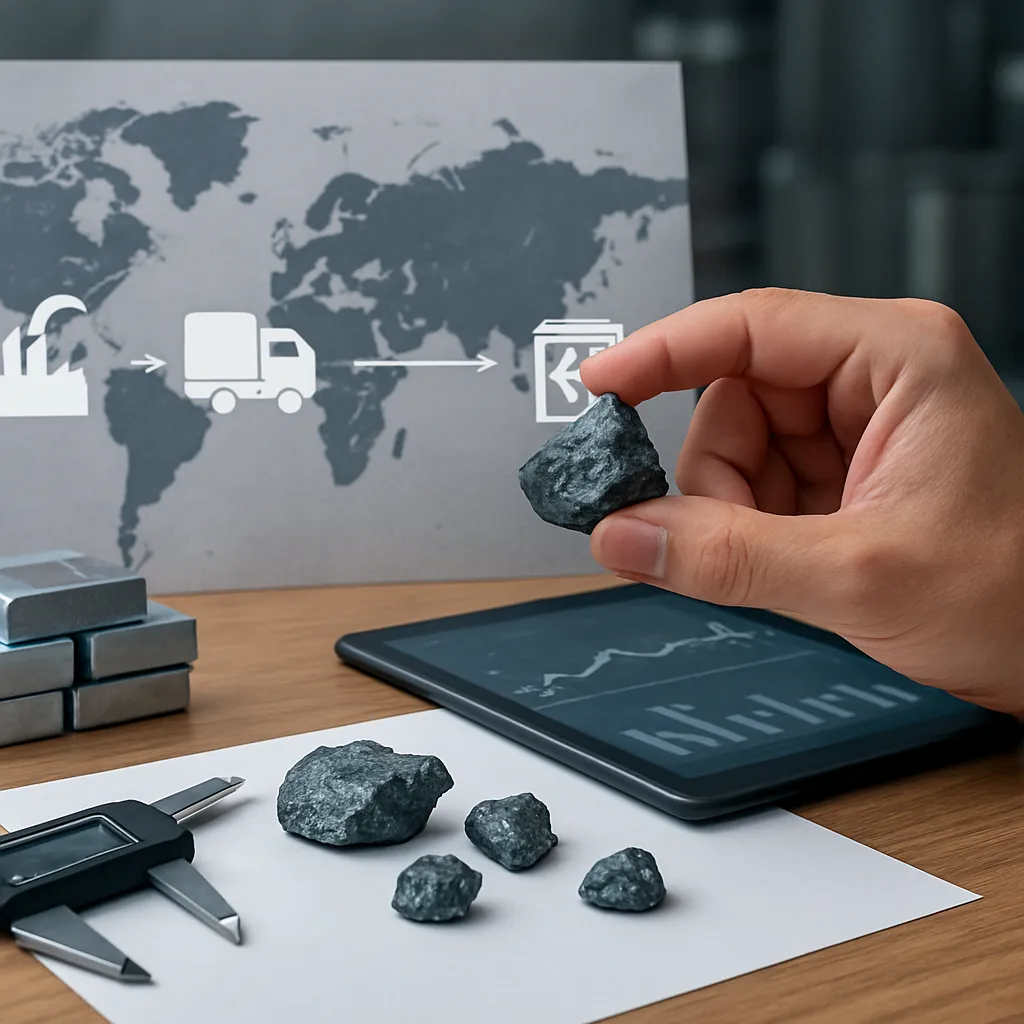
This geographic concentration poses strategic risks. Any political upheaval or trade restrictions can trigger price volatility and disrupt manufacturing. Nations seeking to secure a reliable flow of critical metals are exploring diverse sources, including recycling and unconventional deposits.
Unlocking the Abyss: Deep-Sea Nodules as a Resource
Nature and Distribution
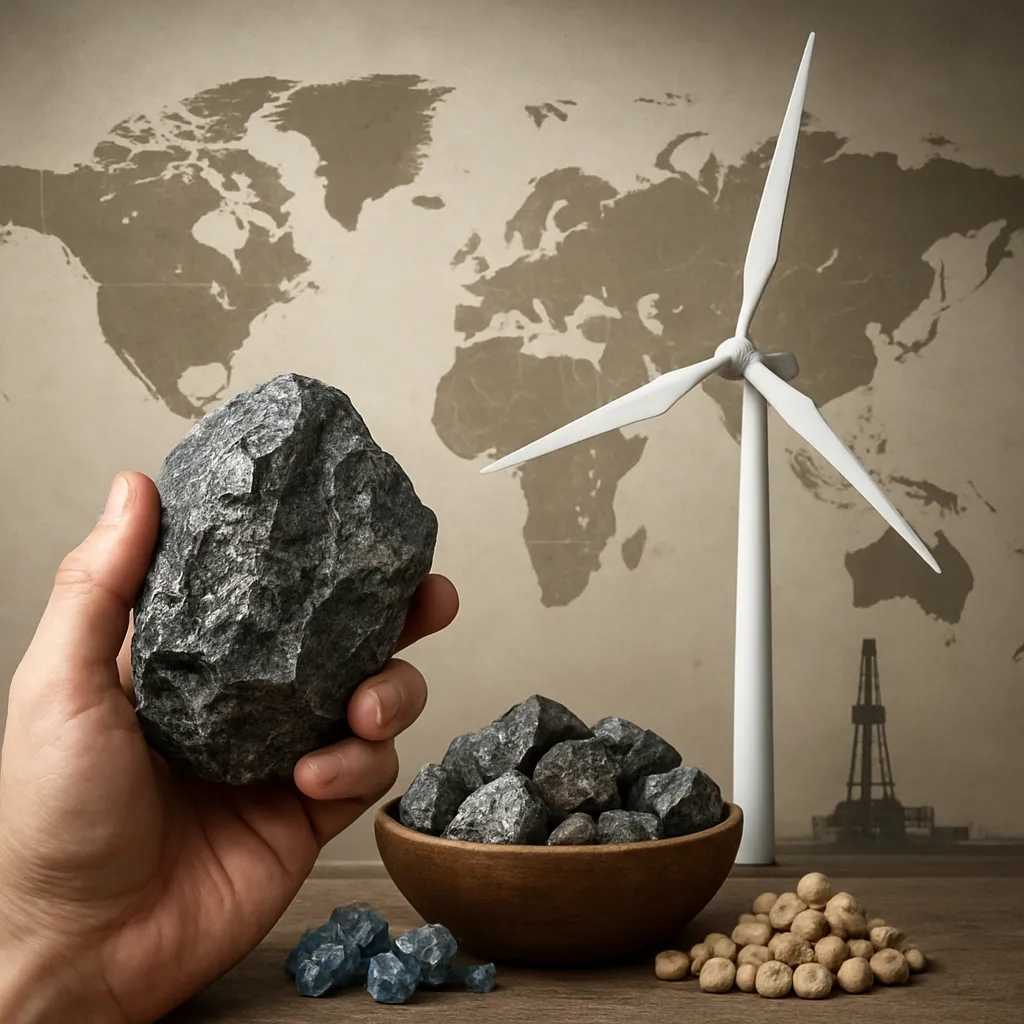
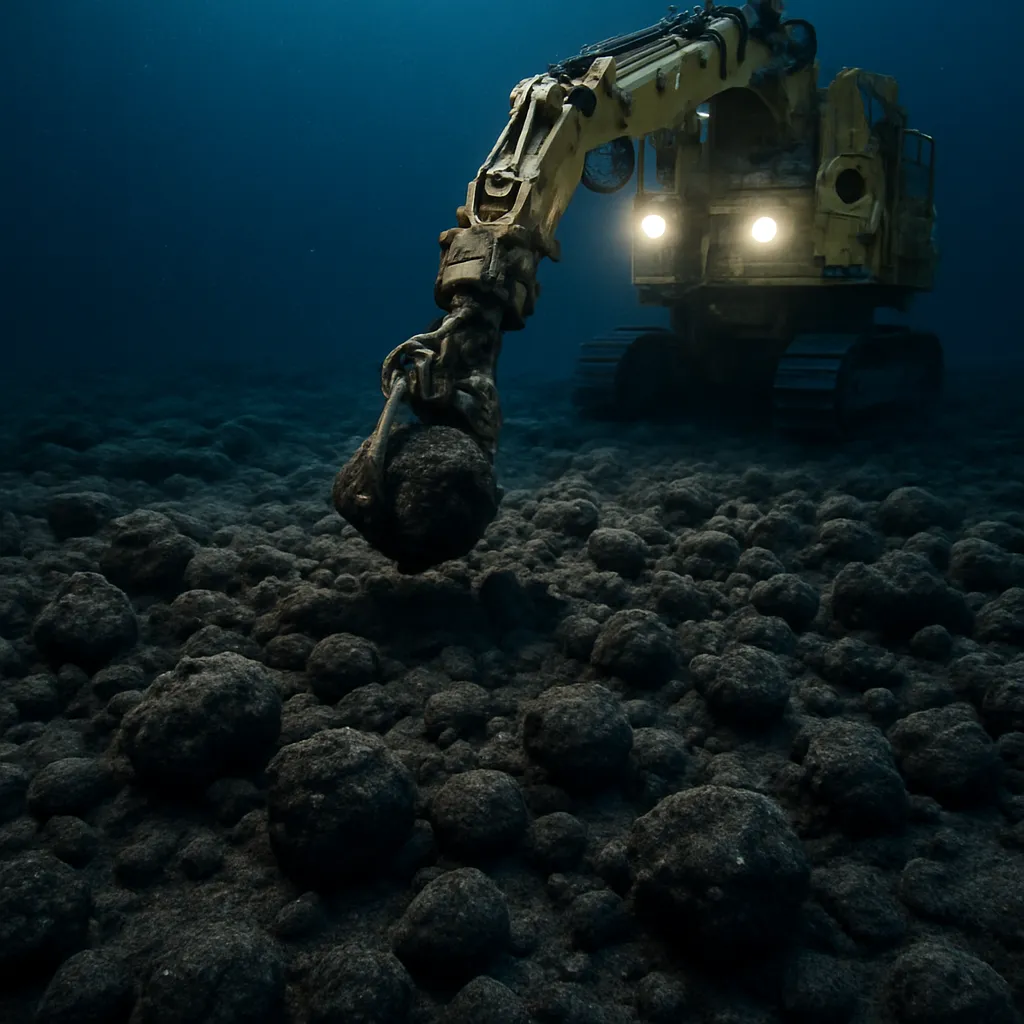
Polymetallic nodules are potato-sized lumps scattered across vast stretches of the ocean floor, typically at depths between 4,000 and 6,000 meters. Each nodule can contain significant concentrations of nickel, copper, cobalt and manganese. Though individual nodules are small, their cumulative mass in certain regions, such as the Clarion-Clipperton Zone in the Pacific, amounts to billions of tonnes.
Extraction Technologies
Mining companies are developing remote operated vehicles (ROVs), robotic collectors and riser-pipe systems to harvest nodules while minimizing disturbance:
- Seabed mining vehicles use suction or mechanical arms to detach nodules.
- Vertical transport via flexible risers brings collected material to surface vessels.
- Onboard processing separates nodules from sediment before shipping to refineries.
Laboratory tests and pilot trials aim to refine these systems, but scale-up remains challenging due to high pressures, corrosive environments and unpredictable seabed terrain.
Challenges and the Future of Marine Metal Harvesting
Environmental Concerns
Disturbing the deep-sea floor could have profound consequences:
- Plume generation may smother benthic organisms and alter nutrient cycles.
- Noise and light pollution could disrupt migratory and reproductive behaviors of deep-sea fauna.
- Unknown ecosystem interactions risk irreversible loss of species and genetic resources.
Environmental impact assessments are mandated by the International Seabed Authority (ISA), but scientific gaps remain. Baseline studies of abyssal ecosystems are sparse, and recovery times for deep-sea habitats may span decades or centuries.
Regulatory and Geopolitical Landscape
The ISA currently oversees mineral exploration rights beyond national jurisdictions, awarding leases for designated areas. However, no full-scale commercial mining operation has commenced under ISA regulation as of yet. Member states and private entities are investing heavily in exploration licenses, raising tensions over access and benefit-sharing.
- Some Small Island Developing States view deep-sea resources as key revenue streams.
- Major industrial powers seek to protect supply chains for strategic sectors.
- Neutral scientific coalitions advocate for a moratorium until environmental protocols are fully established.
Economic Viability and Market Dynamics
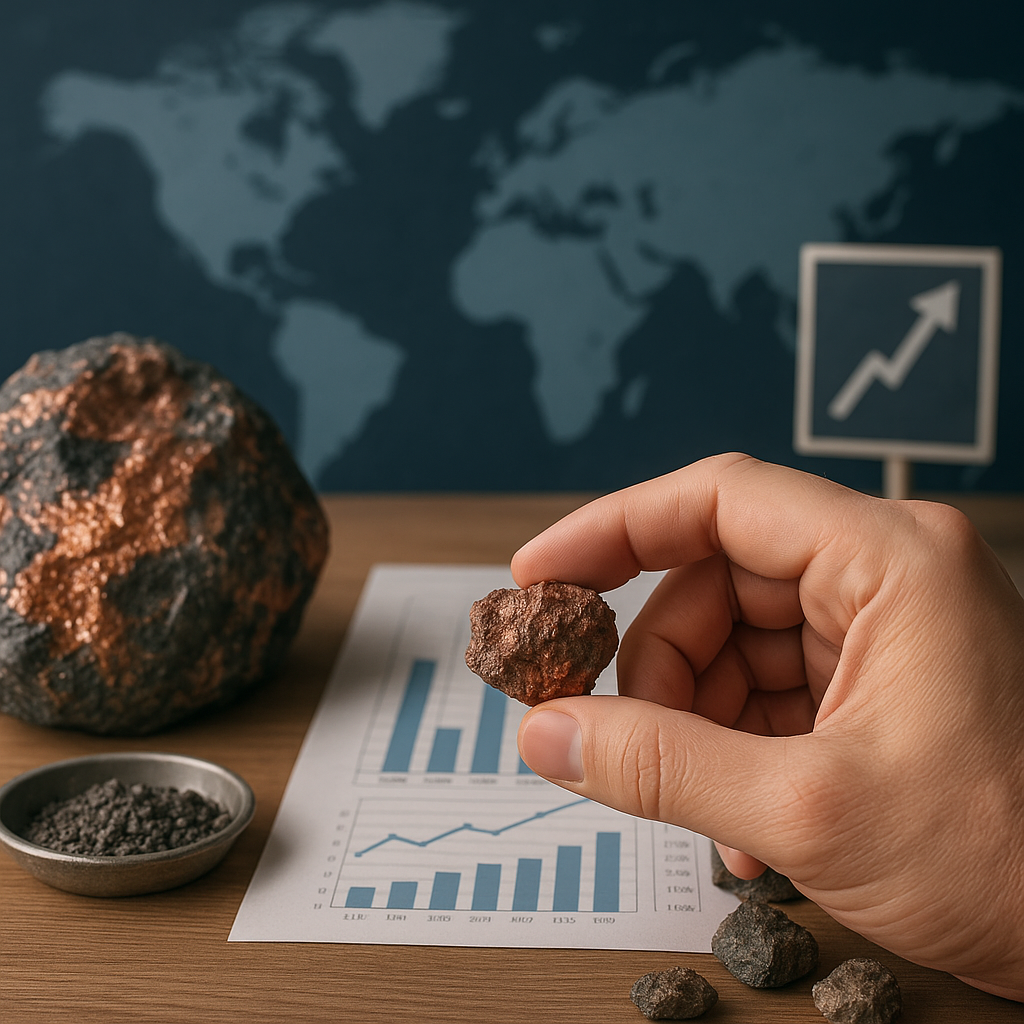
The cost of deep-sea mining remains uncertain. High capital expenditures for specialized vessels and R&D, combined with volatile metal prices, challenge economic feasibility. Conversely, terrestrial projects face rising costs from stricter environmental regulations and declining ore grades. Analysts project that if consumption trends continue, deep-sea nodules could become cost-competitive within the next decade.
Alternative Strategies
To reduce reliance on seabed resources, stakeholders are promoting:
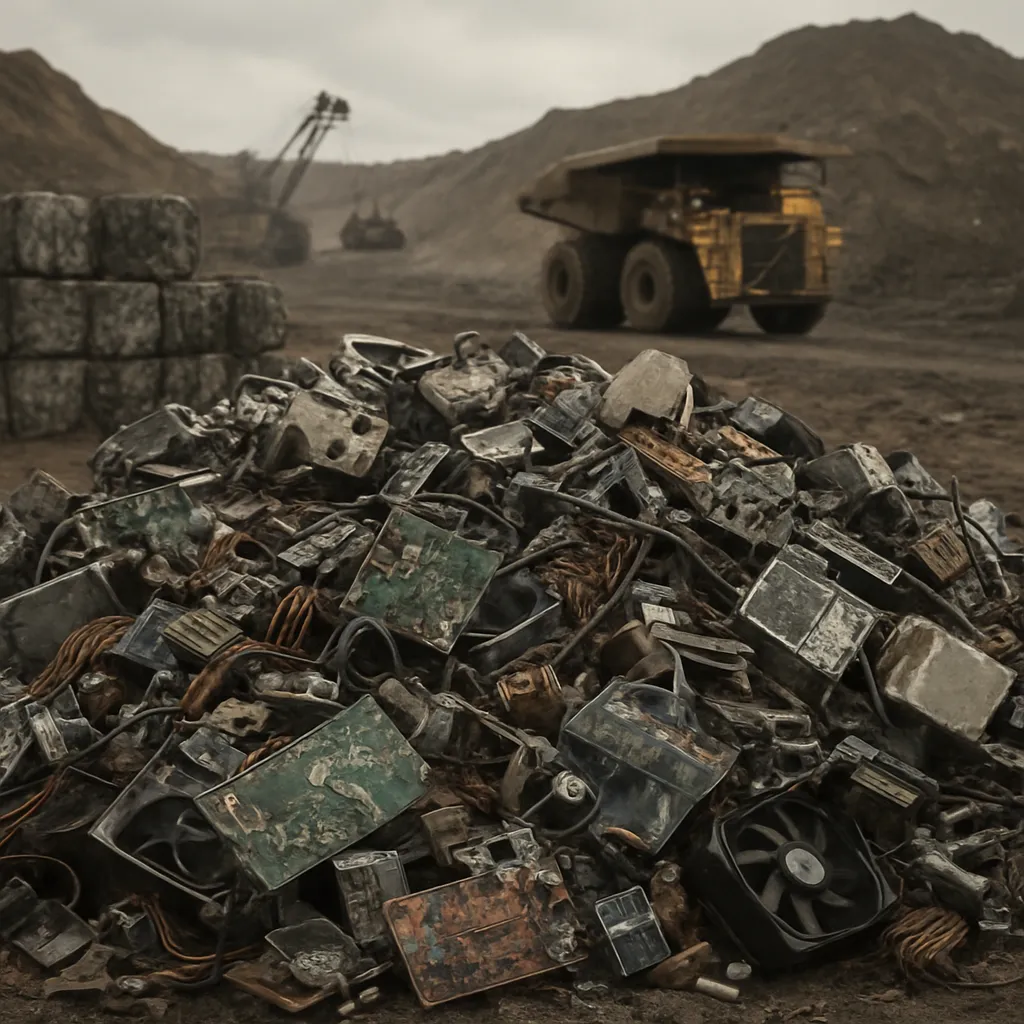
- Advanced recycling of end-of-life batteries and electronics.
- Development of substitute materials with lower criticality.
- Urban mining initiatives to recover metals from existing infrastructure.
Outlook for Sustainable Extraction
If conducted responsibly, deep-sea mining could diversify global supplies of scandium and other niche elements used in high-strength alloys, supporting aerospace and defense technologies. Integration of real-time monitoring, adaptive management and rehabilitation protocols will be essential to minimize environmental footprints.
The next few years will be pivotal. Collaboration between scientists, industry leaders, governments and civil society can establish robust frameworks for exploration, extraction and post-mining restoration. Ultimately, the viability of deep-sea nodules as a new source of rare metals hinges on balancing resource security with stewardship of one of Earth’s last unexplored frontiers.