The integration of robotics into metal mining operations is driving a revolution in the extraction of rare metals across the globe. As demand for critical elements like lithium, cobalt, nickel, and platinum group metals continues to soar, mining companies are under pressure to boost efficiency, enhance safety, and reduce environmental footprints. Cutting-edge robotic systems offer the promise of precise ore handling, real-time data analytics, and enhanced resource recovery, reshaping the dynamics of metal mining for the 21st century.
Technological Foundation of Robotic Mining
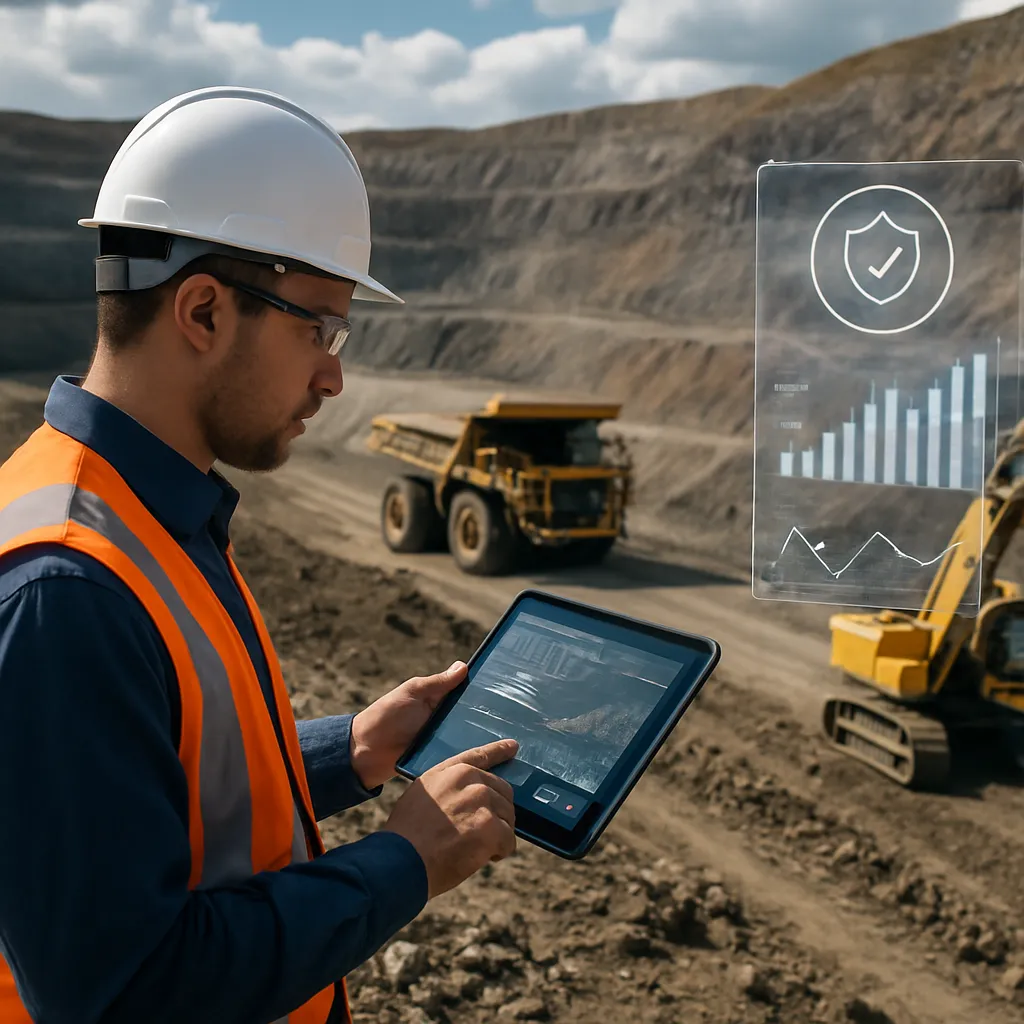
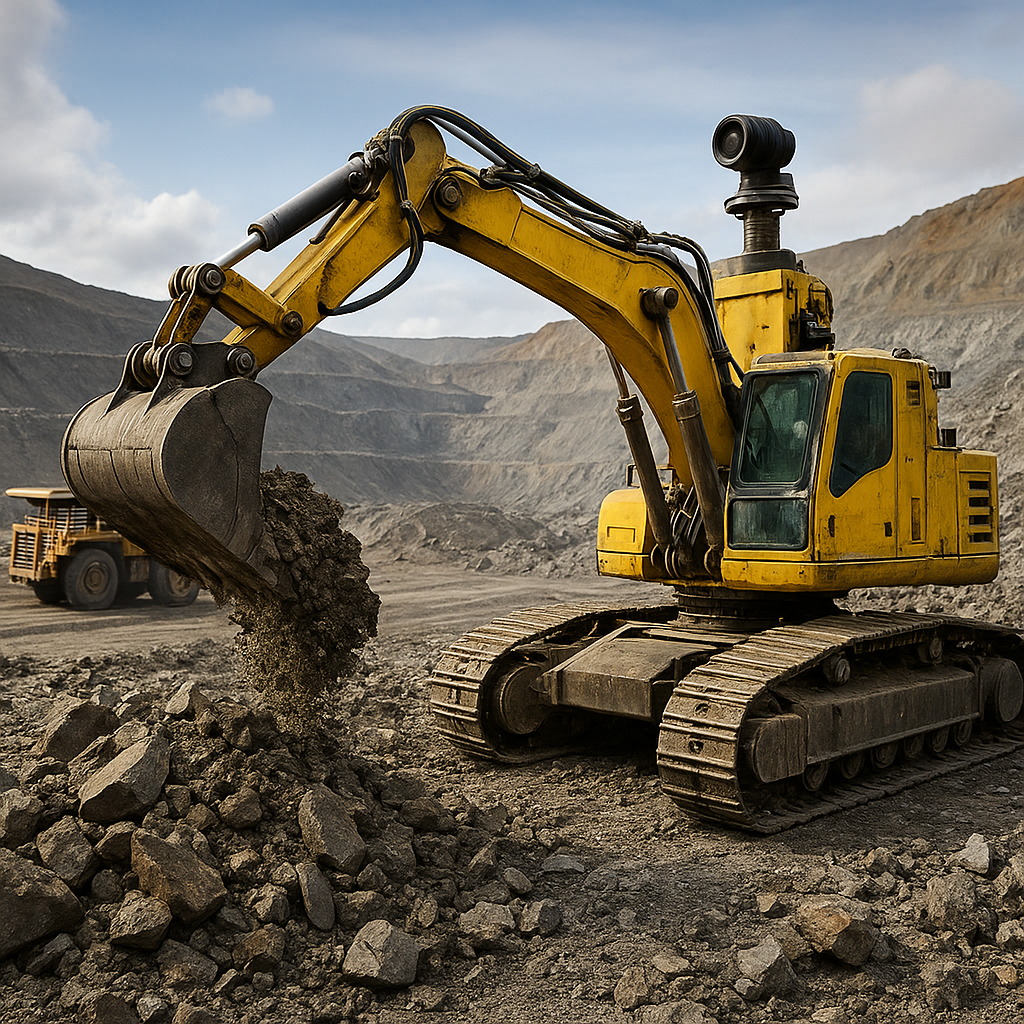
The deployment of automated machinery in mining requires a robust technological architecture. Key components include advanced sensors, high-bandwidth communication networks, and artificial intelligence (AI) platforms. Autonomous drilling rigs and haul trucks rely on LiDAR, radar, and machine vision to navigate complex underground tunnels or open-pit environments. By integrating these systems, operators achieve unprecedented levels of precision in both borehole placement and material transport.
- Automation Controllers: Central units that process sensor data and execute real-time drilling or loading commands.
- Edge Computing Nodes: Deployed close to mining equipment to reduce latency and enable rapid decision-making.
- Fleet Management Software: Coordinates multiple robotic assets to optimize ore movement and reduce idle time.
Advances in battery technology and wireless charging infrastructures further extend the operational endurance of underground robots, eliminating the need for frequent human intervention. Collaborative efforts between mining corporations and robotics specialists are accelerating the rollout of self-driving haulage systems, integrated with geological modeling software to identify high-grade veins of extraction targets.
Impact on Rare Metals Extraction
Global reserves of rare metals are often located in geologically challenging regions—from remote deserts to deep-sea environments. Traditional mining methods face logistical constraints, high labor costs, and safety hazards. Robotic solutions address these issues by offering:
- Continuous Operation: 24/7 drilling and material handling without fatigue or shift changes.
- Enhanced Safety: Removal of personnel from hazardous zones, reducing exposure to rockfalls, gas leaks, and extreme temperatures.
- Optimized Yield: AI-driven sampling systems ensure selective targeting of ore bodies, improving metal recovery and lowering waste.
In cobalt-rich deposits of the Congo Basin, for example, autonomous rovers equipped with spectroscopic sensors can scan mineralogy on the go, allowing real-time adjustments to mining plans. Offshore ventures exploring polymetallic nodules on the ocean floor leverage remotely operated vehicles (ROVs) to harvest critical metals while minimizing seabed disturbance. These initiatives underscore the role of innovation in unlocking previously inaccessible resources.
Economic and Environmental Implications
The transition to robotic mining frameworks carries significant economic benefits. By streamlining workflows, operations can achieve higher productivity per asset, lowering per-unit extraction costs. Predictive maintenance enabled by Internet of Things (IoT) sensors ensures equipment uptime remains high, avoiding costly unplanned downtime. From an environmental standpoint, precision drilling and targeted blasting reduce overbreak and minimize tailings volume.
- Lower Carbon Footprint: Electric-powered robots replace diesel engines, cutting greenhouse gas emissions.
- Reduced Water Usage: Closed-loop hydraulic systems in subterranean robots conserve water resources.
- Minimized Land Disturbance: Smaller equipment footprints and more accurate excavation preserve surrounding ecosystems.
Furthermore, transparent digital logs of every step in the mining cycle bolster compliance with international sustainability standards. Investors and regulators increasingly demand traceability of critical metal origins to ensure ethical sourcing. Automated chain-of-custody systems, built on blockchain technologies, can certify that lithium or nickel is mined under responsible labor and environmental conditions, enhancing corporate reputation and securing market access.
Future Prospects and Emerging Challenges
Looking ahead, the synergy of robotics, AI, and advanced materials science will usher in new paradigms for metal mining. Concepts such as swarm robotics—where dozens of micro-robots cooperatively excavate ore—and 3D printing of spare parts onsite promise accelerated turnaround times. However, full-scale adoption faces obstacles:
- High Upfront Investment: The capital expenditure for autonomous fleets and infrastructure can be substantial.
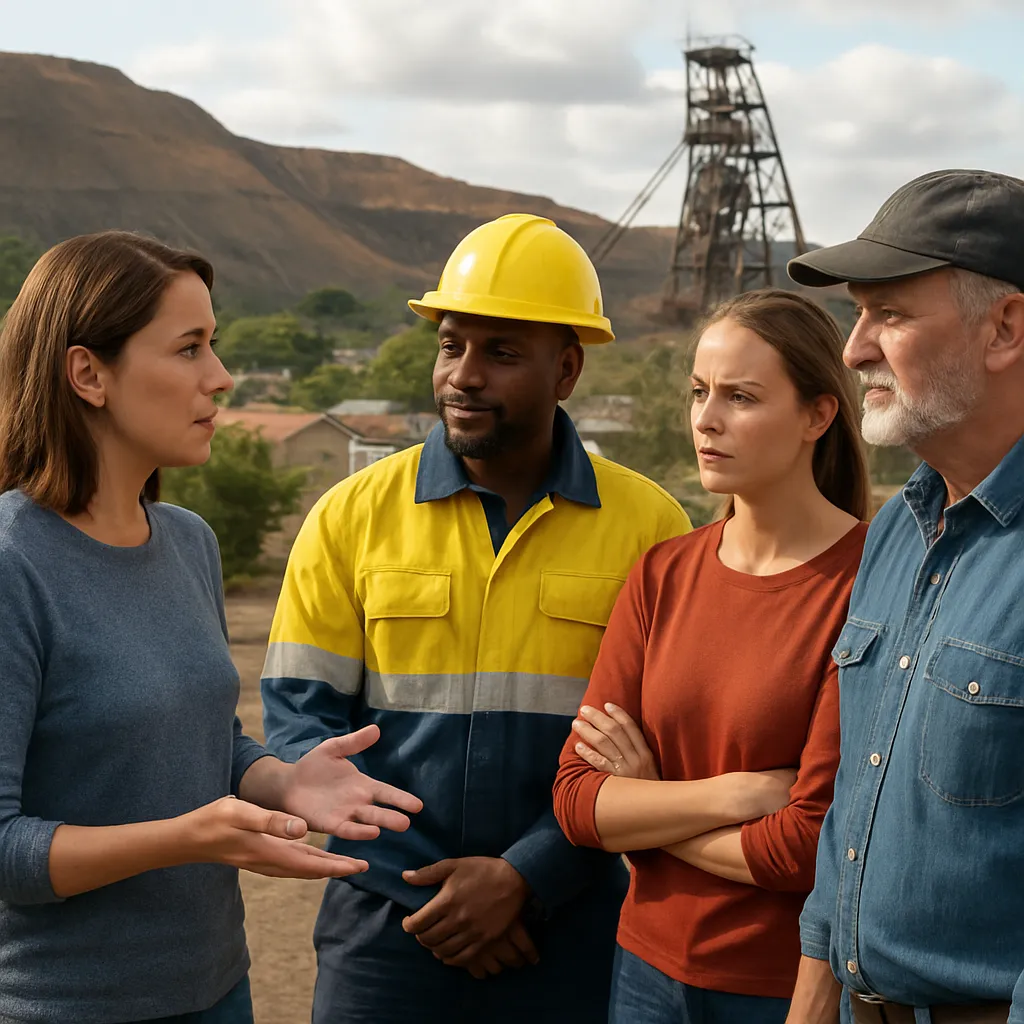
- Workforce Transition: Mining communities must adapt through retraining programs, shifting labor roles toward system oversight and data analysis.
- Regulatory Frameworks: Detailed safety standards and remote operation guidelines are still evolving in many jurisdictions.
Despite these hurdles, mining firms are forging partnerships with tech startups and academic institutions to pilot hybrid systems that blend human expertise with machine consistency. As global demand for electric vehicles, renewable energy storage, and high-tech electronics surges, the supply chain for supply chain–critical metals will depend on efficient, scalable, and sustainability–focused extraction methods. Robotic platforms, with their ability to operate in extreme conditions and yield consistent results, stand poised to redefine how we secure the metals essential to our modern economy.