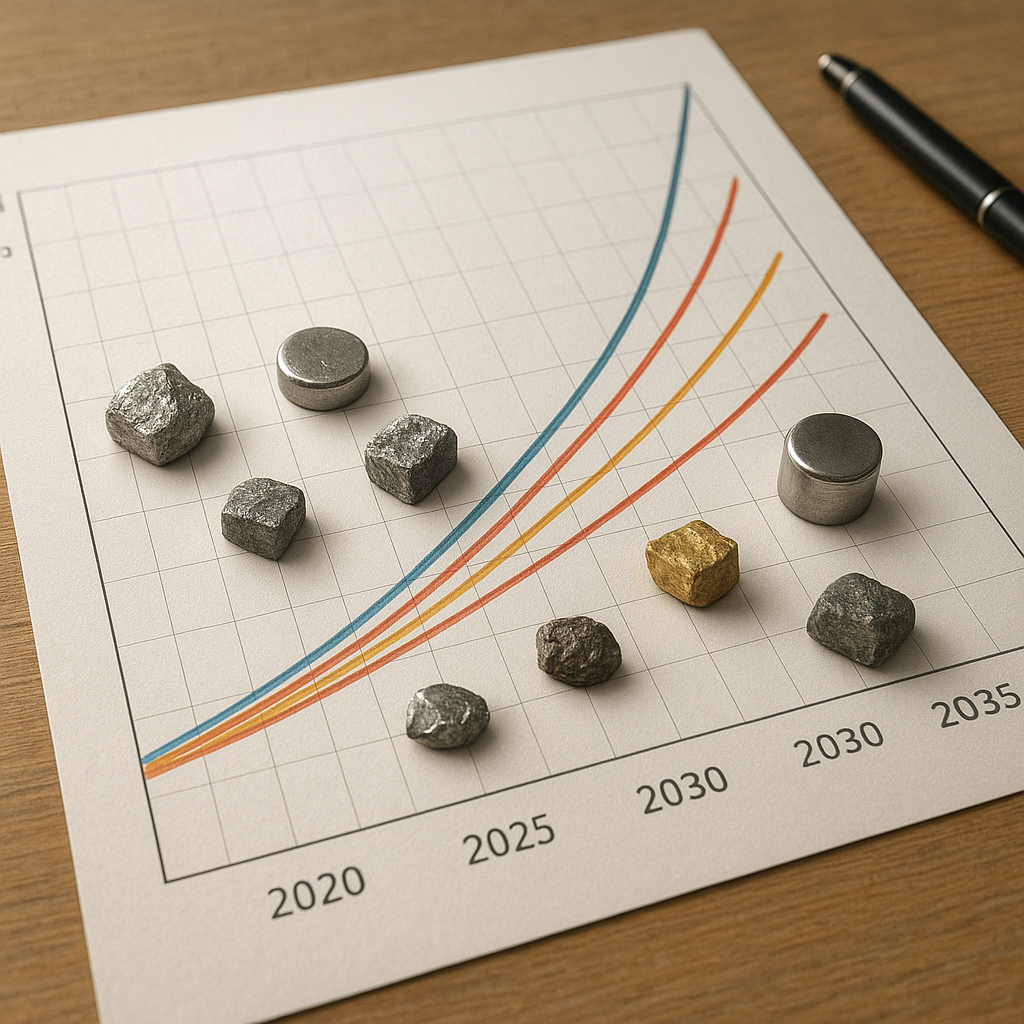
The global landscape of rare metal consumption is undergoing a fundamental shift as emerging technologies and evolving energy paradigms intensify the need for materials once deemed marginal. Forecasting demand beyond 2030 requires a multifaceted analysis of technological drivers, supply chain vulnerabilities, and policy interventions. This article explores the intricate dynamics shaping the future of lithium, cobalt, nickel and other rare earth elements, highlighting the opportunities and risks that stakeholders must navigate in pursuit of sustainable growth.
Projected Demand Growth and Driving Forces
The transition to electrification and decarbonization is the primary catalyst for soaring demand in rare metals. Batteries for electric vehicles (EVs) alone are expected to consume hundreds of thousands of tonnes of lithium annually by the mid-2030s. Simultaneously, the integration of wind turbines and solar panels in power grids elevates the need for rare earth elements such as neodymium and dysprosium, which are critical for high-strength magnets and advanced electronics.
- Automotive electrification and next-generation battery chemistries
- Expansion of renewable energy infrastructure
- Advancements in aerospace and defense technologies
- Growth of 5G networks and telecommunications hardware
Within this context, secondary growth factors include urbanization in developing economies, the rise of consumer electronics, and government policies incentivizing low-carbon solutions. Analysts forecast a compound annual growth rate (CAGR) of 10–15% for global nickel demand driven by high-nickel cathodes, while cobalt consumption might taper if cobalt-free battery chemistries achieve commercial scale. Nevertheless, supply constraints could exacerbate price volatility, compelling firms to secure long-term offtake agreements and invest in mining expansions.
Supply Chain Challenges and Geopolitical Risks
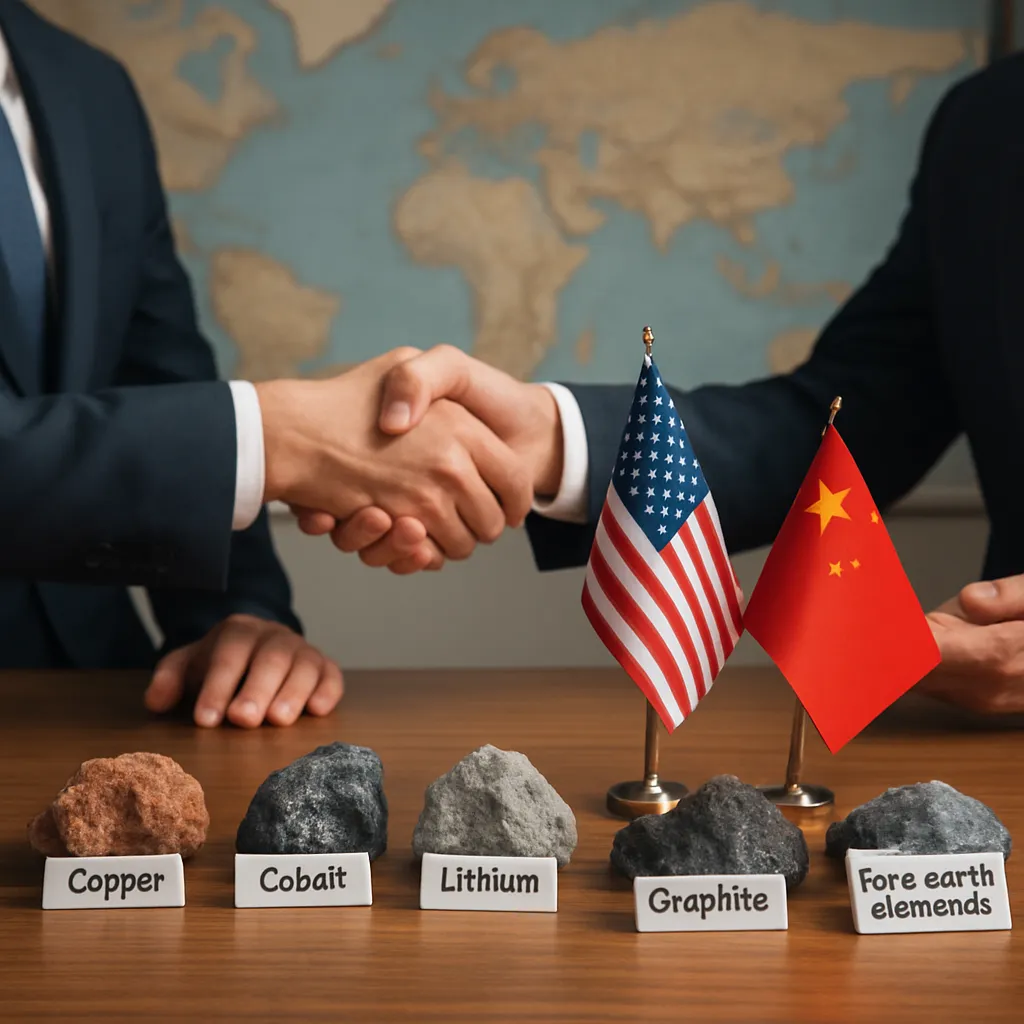
Concentration of mining and processing capacity poses a strategic vulnerability. Over 60% of rare earth elements refining currently takes place in a single nation, amplifying the risk of export curbs and trade disputes. Geopolitical tensions, resource nationalism, and export controls can disrupt global flows, creating price spikes and project delays.
Resource Nationalism and Export Controls
Several resource-rich countries are reconsidering foreign ownership regulations to extract greater value from their mineral wealth. Heightened taxation, local content requirements, and royalty hikes can deter investment, particularly in frontier jurisdictions. Meanwhile, major consuming nations are implementing strategic stockpiles and incentivizing domestic processing to reduce reliance on imports.
Logistical Bottlenecks and Infrastructure Gaps
Remote mining sites often lack adequate rail, port, and power infrastructure. Transporting bulk concentrates over vast distances increases both cost and carbon footprint. Companies are exploring public–private partnerships to build critical infrastructure, but environmental approvals and community negotiations can stretch timelines.
Technological Innovation and Substitution Trends
Innovation remains a crucial lever to ease supply pressures and improve material efficiency. Researchers are exploring recycling technologies, novel extraction methods, and alternative chemistries to reduce dependence on scarce elements. For instance, sodium-ion and solid-state batteries promise to alter the lithium market by offering lower-cost or safer options, though they currently lag behind lithium-ion in energy density.
- Hydrometallurgical processes for low-grade ore treatment
- Bioleaching techniques harnessing microbes to extract metals
- Advanced battery designs minimizing or eliminating cobalt
- Rare-earth-free motor designs leveraging alternative magnet materials
Substitution strategies may alleviate short-term bottlenecks, but full-scale adoption depends on performance metrics, lifecycle emissions, and total cost of ownership. Collaborative R&D between academia, industry and government can accelerate breakthroughs while sharing technical risks.
Recycling and Circular Economy Strategies
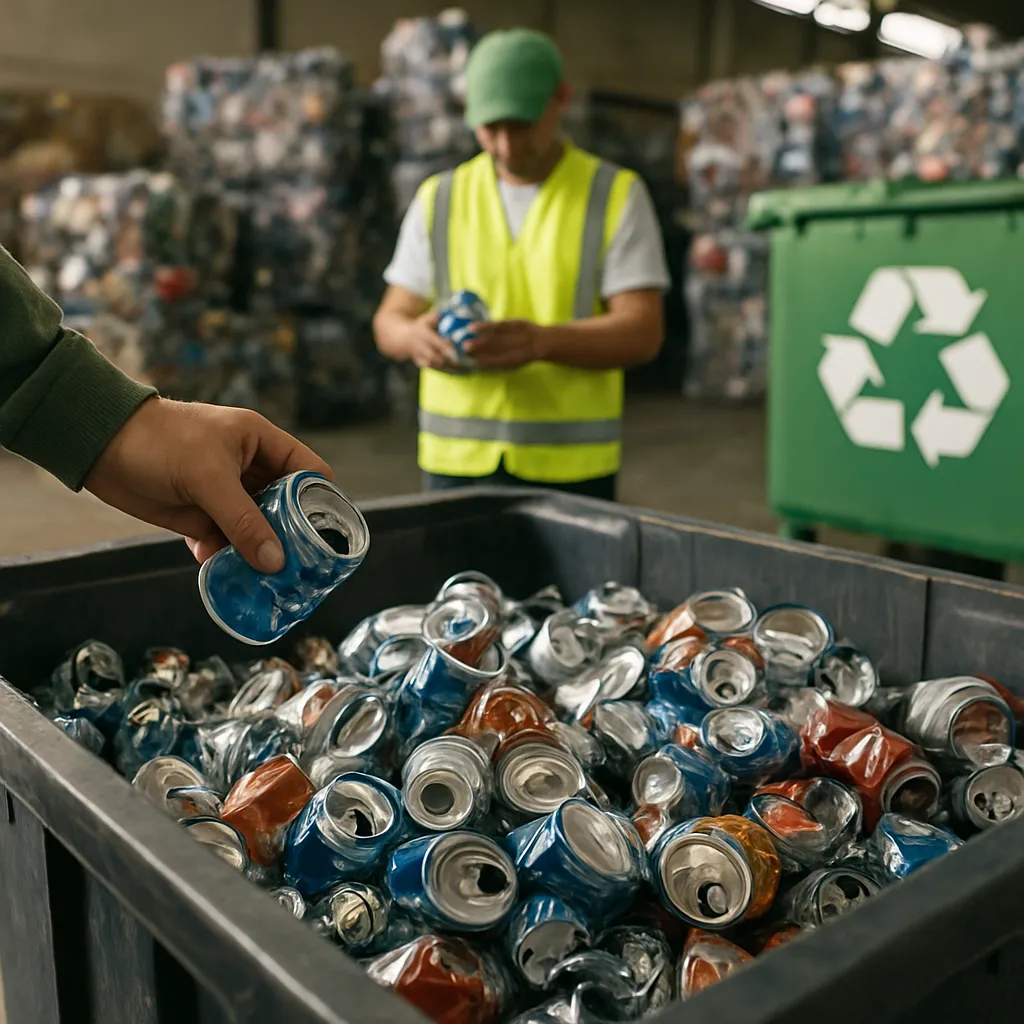
End-of-life management of electronics and EV batteries presents both an environmental imperative and a resource opportunity. Efficient reclamation of nickel, cobalt and rare earth elements from spent products can materially reduce primary mining needs. Building a robust circular economy demands regulatory frameworks, standardized collection systems, and investments in advanced recycling facilities.
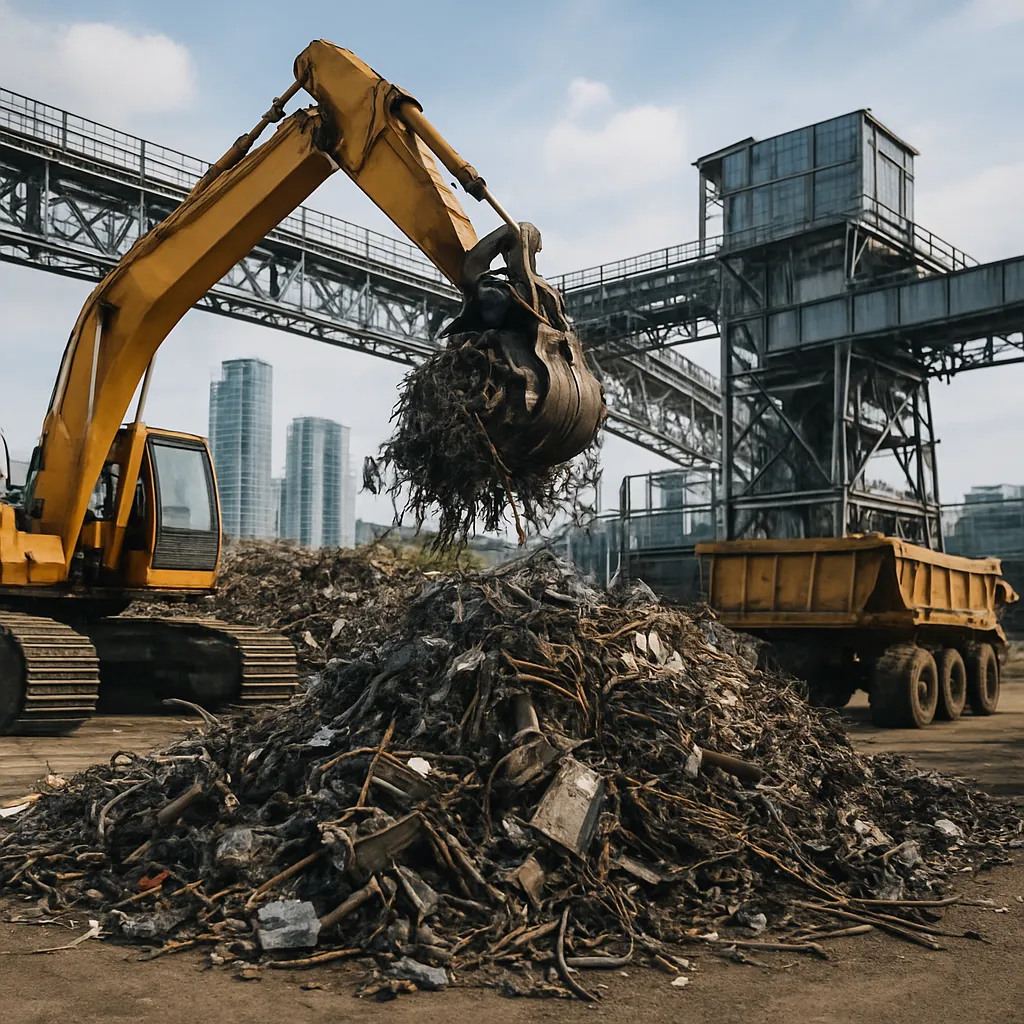
- Mechanical shredding and separation to recover mixed-metal streams
- Solvent extraction and selective precipitation for high-purity outputs
- Closed-loop partnerships between OEMs and recyclers
- Extended producer responsibility (EPR) schemes to finance collection
While current recycling rates for lithium-ion batteries hover below 10%, forecasts suggest potential growth to over 50% by 2035 if supply-side incentives and technological improvements align. Scaling these operations can mitigate environmental impacts, reduce greenhouse gas emissions and bolster material security.
Investment Opportunities beyond 2030
Long-term investors are eyeing diversified portfolios spanning upstream mining, midstream processing and downstream manufacturing of high-purity metals. Private equity and infrastructure funds are increasingly deploying capital into exploration companies targeting battery metal deposits in underexplored regions. At the same time, public–private financing models support pilot plants for novel separation and refining technologies.
Key areas for investment include:
- Development of low-carbon mining operations powered by renewable energy
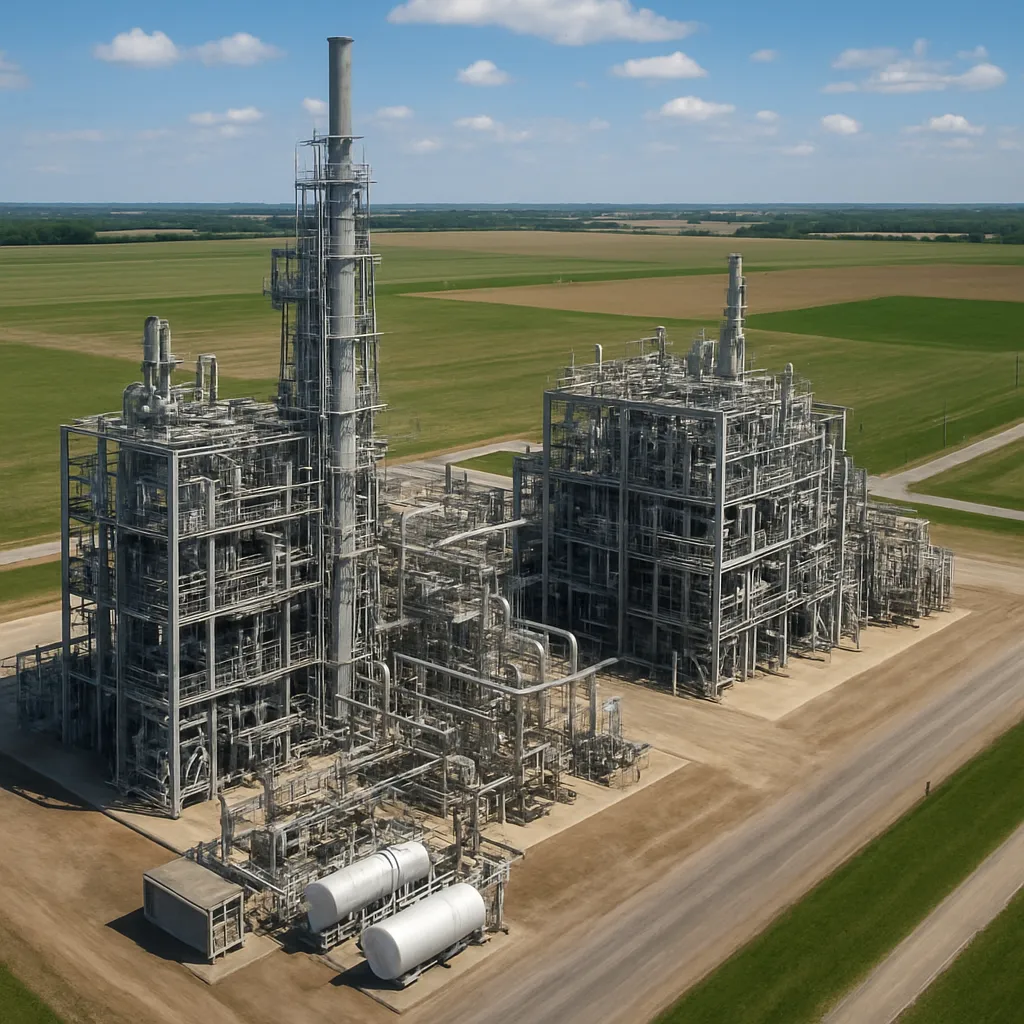
- Construction of regional processing hubs with advanced metallurgy capabilities
- Integration of digital monitoring systems for real-time supply chain transparency
- Joint ventures for battery manufacturing with vertical integration into material sourcing
Investors should weigh technical risk, regulatory landscape and resource quality when assessing projects. Geospatial analytics, machine learning and remote sensing are emerging as vital innovation tools to accelerate deposit discovery and optimize mine planning.
Policy and Regulatory Outlook
Government action will shape the trajectory of supply chain resilience and environmental performance. Policies that foster research grants, tax credits for domestic processing, and streamlined permitting can unlock new capacity. Conversely, restrictive land-use regulations or abrupt changes in royalty regimes can stall critical projects.
Strategic recommendations for policymakers:
- Establish clear timelines and incentives for recycled material integration
- Promote international cooperation on critical minerals through trade agreements
- Implement transparent reporting standards for environmental, social and governance (ESG) metrics
- Support workforce development programs to address skills shortages in advanced metallurgy
Coordinated policy frameworks will be essential to balance geopolitical objectives with sustainability goals. Aligning industry and government interests can ensure robust material flows that underpin global decarbonization efforts well beyond 2030.